Stray dogs in war-ravaged areas have adapted dramatically over nearly four years of conflict, displaying physical and behavioral shifts that mark a desperate bid for survival.
Leaner Bodies, Shorter Statures Mark Survival Edge
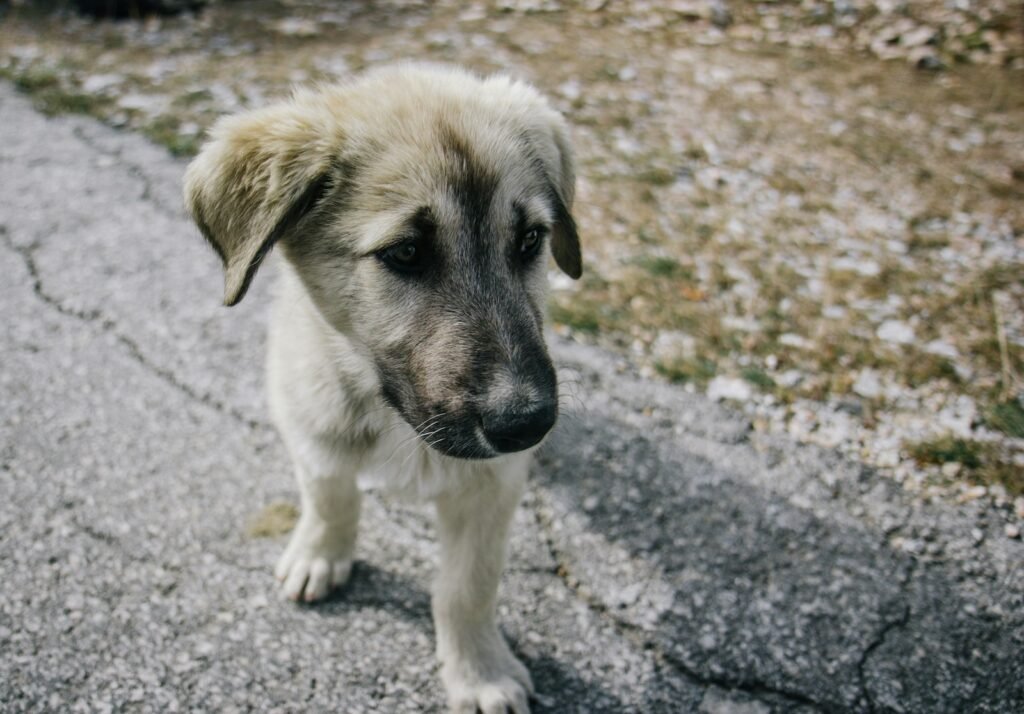
Researchers examined more than 700 dogs across nine regions, noting profound changes in their physiques. Heights had decreased, and bodies grew leaner, adaptations that likely aided swift movement through rubble-strewn landscapes and scarce foraging grounds. Volunteers, veterinarians, and even military personnel contributed observations from frontline zones, compiling data that revealed these transformations.
Younger dogs showed reduced white fur, a camouflage advantage blending them into the muted tones of destroyed villages. Such alterations echoed traits in wild canines like wolves and coyotes, yet stemmed from human-induced hardship rather than natural evolution. Animal shelters near the fighting gathered much of this evidence, highlighting how scarcity reshaped entire populations.
Packs Form as Feral Instincts Take Hold
Dogs abandoned by fleeing owners formed tight-knit packs, forsaking domestic habits for wilder strategies. They scavenged in groups, mirroring pack dynamics observed in untamed predators. This shift intensified near frontlines, where bombings and displacement left pets to fend alone.
Though more feral in demeanor, these dogs retained a dependence on human aid. Natural prey proved insufficient amid environmental ruin, forcing reliance on sporadic handouts from soldiers and rescuers. The data underscored a poignant irony: wartime ferocity could not fully sever their ties to people.
Rescuers Venture into Danger Zones
Individuals like Krystina braved bombed-out settlements to retrieve forsaken dogs. Her shelter, Under the Sun, provided refuge for animals that had lost faith in humanity after repeated betrayals. Military members also fed and sheltered strays, sometimes relocating them to safer areas.
Organizations such as Greater Good Charities supported these efforts, channeling resources to frontline care. Volunteers documented changes while offering immediate relief, bridging the gap between survival instincts and rehabilitation.
Key Adaptations at a Glance
- Decreased height for better mobility in confined, debris-filled spaces.
- Leaner builds to conserve energy amid food shortages.
- Less white fur in younger dogs for improved camouflage.
- Pack living resembling wolves, enhancing group protection.
- Increased feral behaviors, yet persistent need for human food sources.
Key Takeaways
- Over 700 dogs observed across nine Ukrainian regions showed consistent war-driven changes.
- A study in the journal Evolutionary Applications detailed these shifts based on shelter and volunteer reports.
- Despite adaptations, dogs remain vulnerable without ongoing human support.
These frontline survivors embodied resilience forged in unrelenting adversity, their transformations a stark testament to war’s toll on the innocent. Donors and volunteers continue to sustain shelters like Under the Sun, ensuring feral instincts yield to second chances. What steps can we take to aid Ukraine’s changed canines? Share your thoughts in the comments.