You’ve probably noticed how your cat seems to sense your mood before you even speak. That quiet knowing, that gentle presence when you need comfort most. Some cats possess this gift more naturally than others, carrying themselves with the fluidity and awareness of water itself.
These feline companions aren’t just pets sharing your space. They’re intuitive creatures who read subtle signals in ways that might surprise you. Their calm demeanor masks a complex emotional world where every tail position, ear twitch, and slow blink tells a story you’re just beginning to understand.
Reading the Language of Gentle Tail Movements
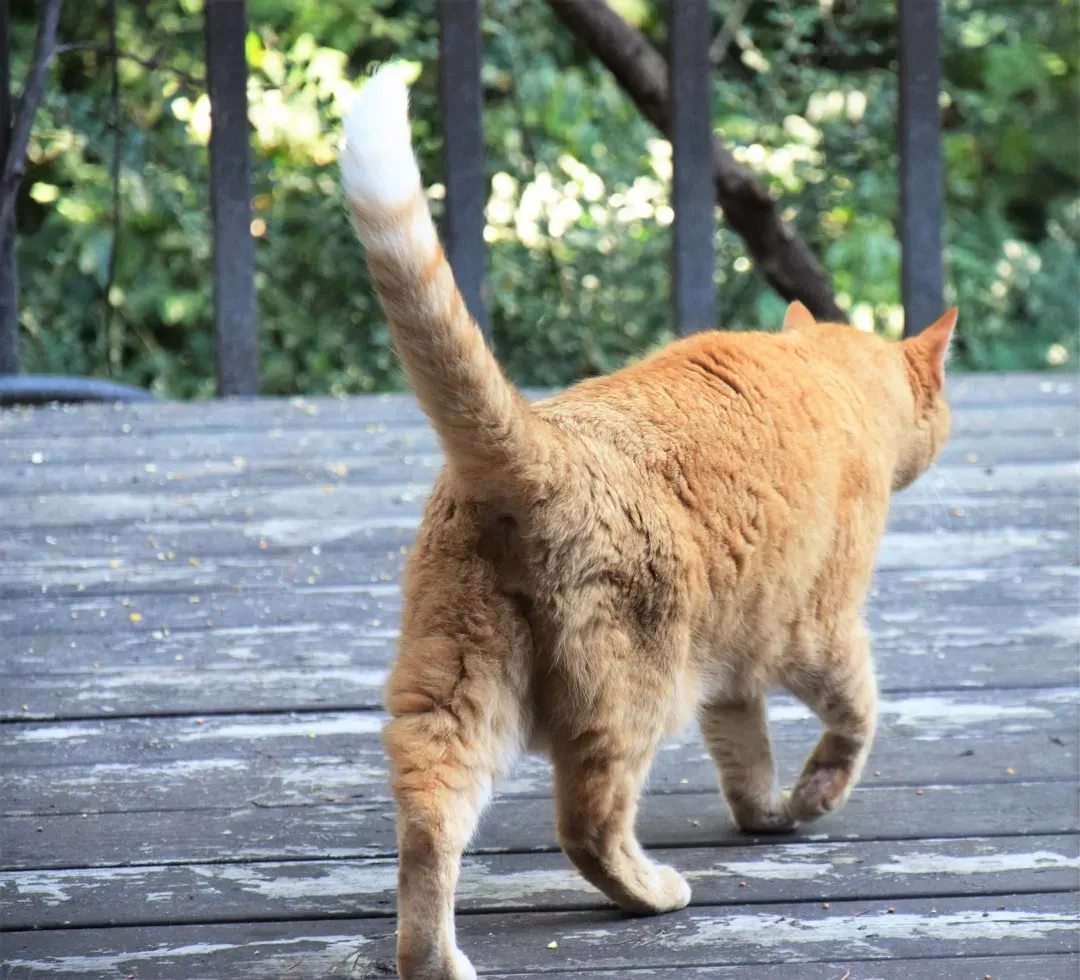
A tail that is pointed straight up with a curl at the tip is a reliable sign that a cat is happy and confident, yet many owners miss the nuanced messages their cat sends through softer movements. Cats who are engaged in hunting behaviors will often flick their tail from side to side as they watch whatever is captivating their attention. These intuitive cats rarely display the aggressive tail thumping you’d see in agitated felines.
Instead, watch for gentle swaying or subtle twitches. Your calming companion might wrap their tail loosely around your leg during morning coffee rituals or let it drape over your arm while you read. A cat that is feeling confident and friendly will often walk with their tail straight up. When that tail position softens into a relaxed curve, you’re witnessing trust in its purest form.
Understanding the Slow Blink Communication Method
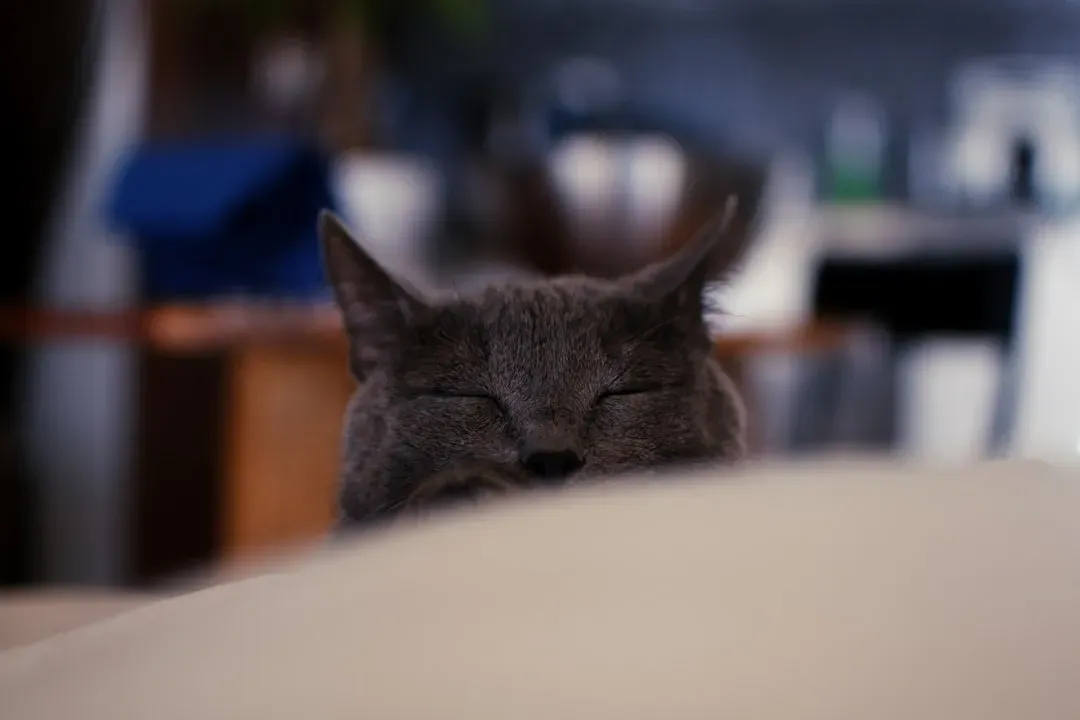
Here’s something fascinating that changes everything about how you interact with your cat. Slow blinking is a sign of trust and comfort, and reciprocating the gesture can reinforce the feeling of safety. Think of it as your cat’s version of a warm hug, delivered through half-closed eyes and a moment of vulnerability.
These intuitive creatures reserve this behavior for those they genuinely trust. When your cat offers you a slow blink from across the room, they’re essentially saying they feel safe enough to lower their guard. Try returning the gesture yourself. Close your eyes slowly, pause for a heartbeat, then open them again while maintaining a soft gaze.
Your cat might respond immediately, or they might file this information away for later. Either way, you’ve just spoken their language. Cats may squint or slowly blink at you when they are relaxed around you. It’s one of those small signals that reveals the depth of connection possible with these remarkable animals.
Recognizing Subtle Stress Signals Before They Escalate
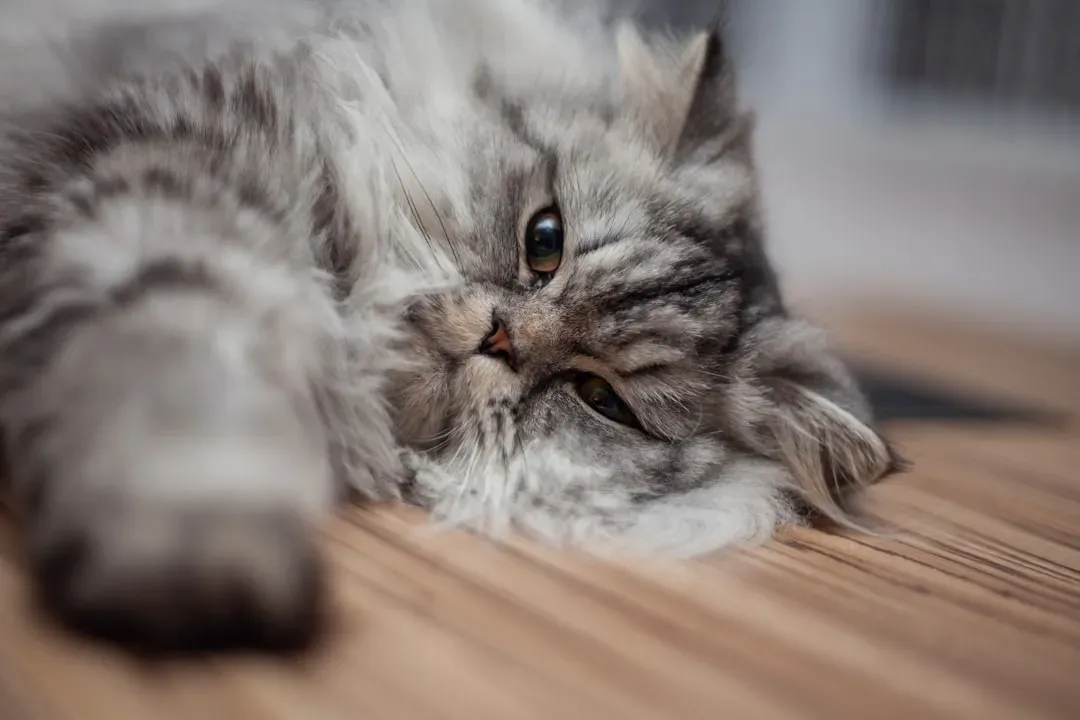
When a cat is feeling stressed, they may have a stiff and tense body held low to the ground. The cat may also engage in displacement behaviors – meaning normal behaviors (such as licking their lips, scratching, grooming, and yawning) that are performed out of context – to cope with underlying stress. Your intuitive cat might start grooming excessively during a tense moment, signaling discomfort long before hissing or hiding occurs.
Pay attention to context. Is your cat suddenly scratching the furniture when guests arrive? Are they yawning repeatedly during a vet visit? A stressed cat’s eyes may appear wide or narrowed. Their ears may be rotated to the sides (in an “airplane ears” pose) or angled backward. These whisper-quiet warnings give you precious time to intervene before stress turns into distress.
The most calming cats aren’t stress-free. They simply have owners who recognize these early signals and respond appropriately. Sometimes that means creating escape routes during social gatherings or offering a covered hideaway during household changes.
Decoding Ear Positions and Their Hidden Meanings
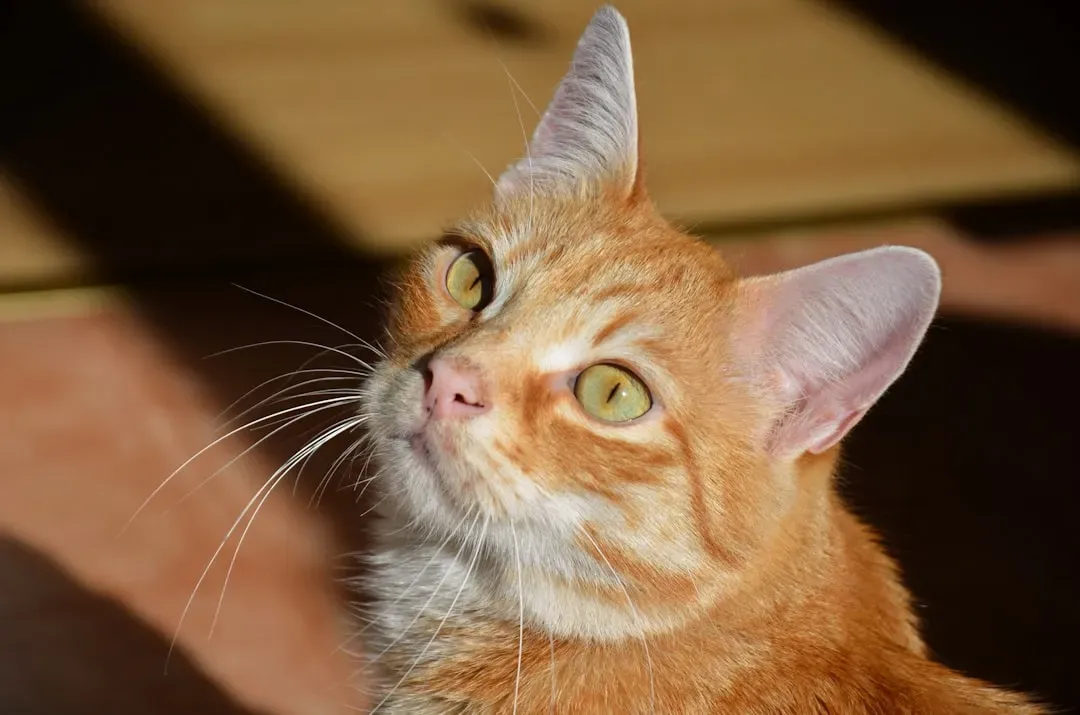
Relaxed, forward-facing ears often indicate a happy, relaxed cat, whereas flattened ears or ears held low and backward, known as “airplane ears,” can indicate a stressed, fearful, or agitated cat. Yet the story doesn’t end with these extremes. Your cat’s ears constantly adjust to their emotional state and environmental awareness in fascinating ways.
Watch for those subtle shifts. Ears that swivel independently might mean your cat is monitoring multiple sounds while remaining relaxed. One ear forward and one rotated back could indicate curiosity mixed with caution. Their ears may be held low or rotated to the sides when uncertainty creeps in, giving you a chance to provide reassurance.
Flat back ears indicate extreme fear and readiness to attack. In this defensive posture, do not approach the cat, as it may perceive any advances as a threat. Fortunately, intuitive cats rarely reach this state when paired with observant owners who respond to earlier signals.
The Art of Creating Safe Spaces for Emotional Security
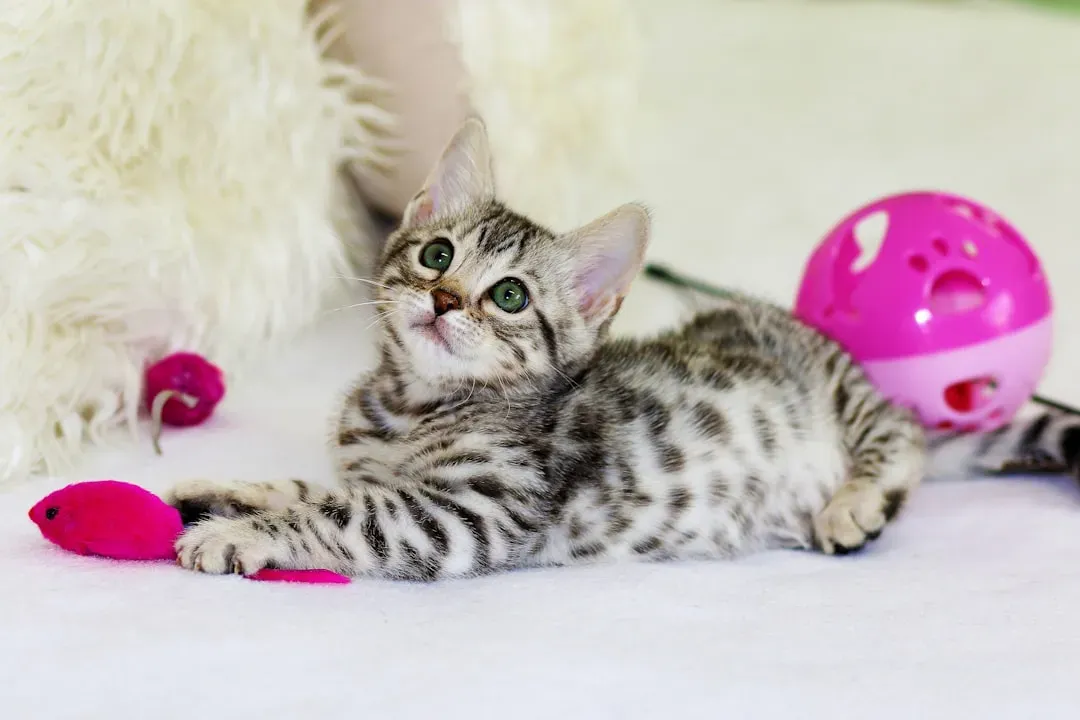
Fresh food and water, clean litterboxes, appropriate scratching substrates, rotating toy options, and comfortable resting and perching sites can be provided in the safe havens. Your calming cat needs these sanctuaries more than you might realize, especially during times of household change or stress.
Think vertically as well as horizontally. Upright structures and elevated perches will serve your cat’s climbing and clawing needs. To let your cat experience a bit of the outdoors while indoors, place perches, cat furniture (such as cat trees), or resting areas by the windows in your home. That window perch isn’t just furniture – it’s your cat’s personal meditation spot.
Consider multiple retreat options throughout your home. A covered bed in the bedroom, a high shelf in the living room, even a simple cardboard box in a quiet corner can serve as emotional refuges. Let’s be real, these spaces aren’t about spoiling your cat. They’re about respecting their need for control over when and how they engage with their environment.
Harnessing the Power of Interactive Play for Bonding
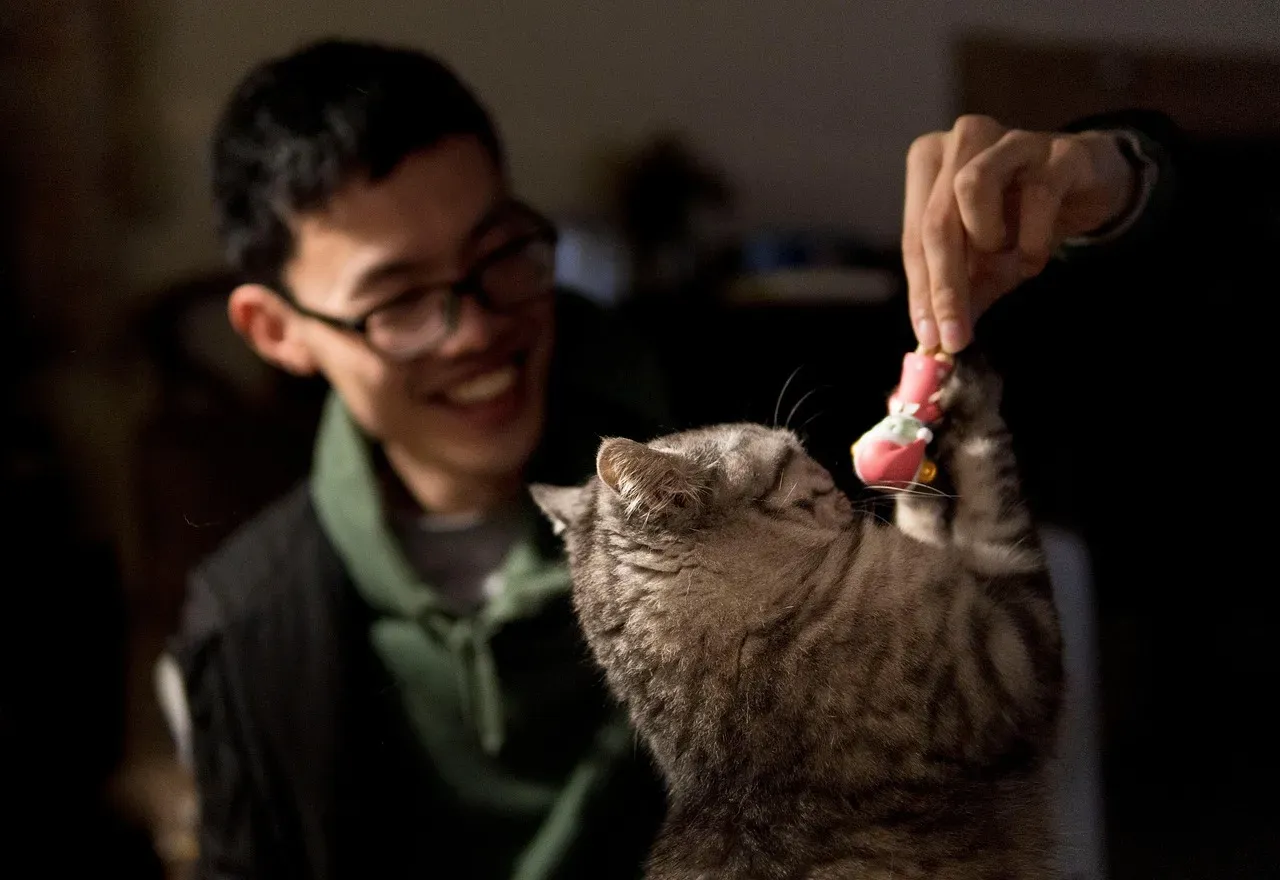
Interactive toys help strengthen the bond between you and your cat. They let you share fun and positive experiences, provide exercise for your cat, and allow your cat to feel like the predator they were born to be. All cats instinctively need to bite and scratch things, so providing appropriate toys for them to bite makes for a happy cat. Those daily play sessions do more than burn energy – they build trust through shared experience.
Cats love the thrill of the hunt and enjoy stalking and chasing “prey.” You can use feather wands or motorized toys to mimic prey animal movements and encourage your cat to run and jump as they go in for the “kill.” Your intuitive cat needs this outlet for natural instincts that don’t disappear just because they live indoors.
Keep sessions short and successful. Ten minutes of focused play beats an hour of distracted wand-waving. End on a high note, when your cat has made several successful “catches” and feels satisfied. That contented feeling carries forward, strengthening your bond and their overall sense of wellbeing.
Utilizing Enrichment to Satisfy Natural Hunting Instincts
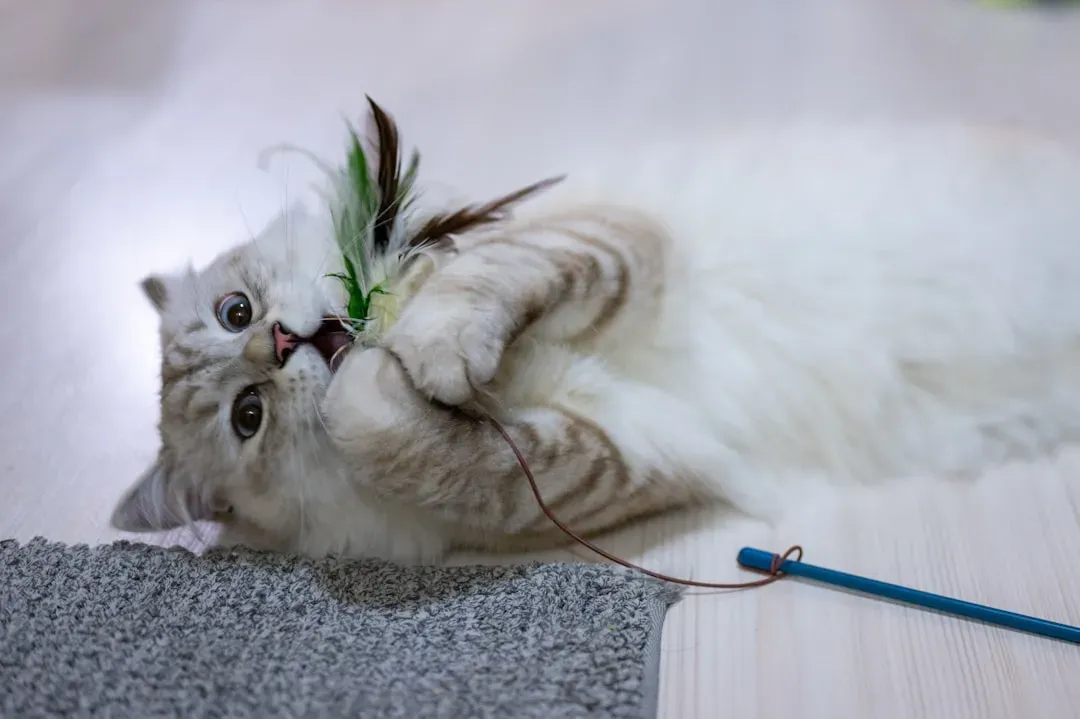
Enrichment can be defined as something added to your cat’s environment that encourages them to engage in normal, natural behaviors. For cats, normal and natural behaviors include but are not limited to, playing, scratching, grooming, sniffing, and foraging. When cats are not provided with opportunities to do these things, they get bored. Boredom can lead to problems, including destructive behavior, aggression, and anxiety, among others. Your calming cat stays calm partly because their needs are being met through thoughtful enrichment.
A feline treat puzzle toy is a fun and inexpensive indoor enrichment method for cats. Stand empty toilet paper rolls up in a small box, and drop treats inside some of the tubes. Let your cat figure out how to fish out their reward. These simple activities engage problem-solving skills while satisfying foraging instincts.
Cats need to exercise their brains just as they do their bodies. Short five-minute sessions using positive reinforcement can be just as enriching for your cat as a 10-to-15-minute play session. Your cat may also enjoy foraging with food puzzles or locating treats around the house in a scavenger hunt. Variety matters more than expense here.
Mastering Body Posture Interpretation for Better Care
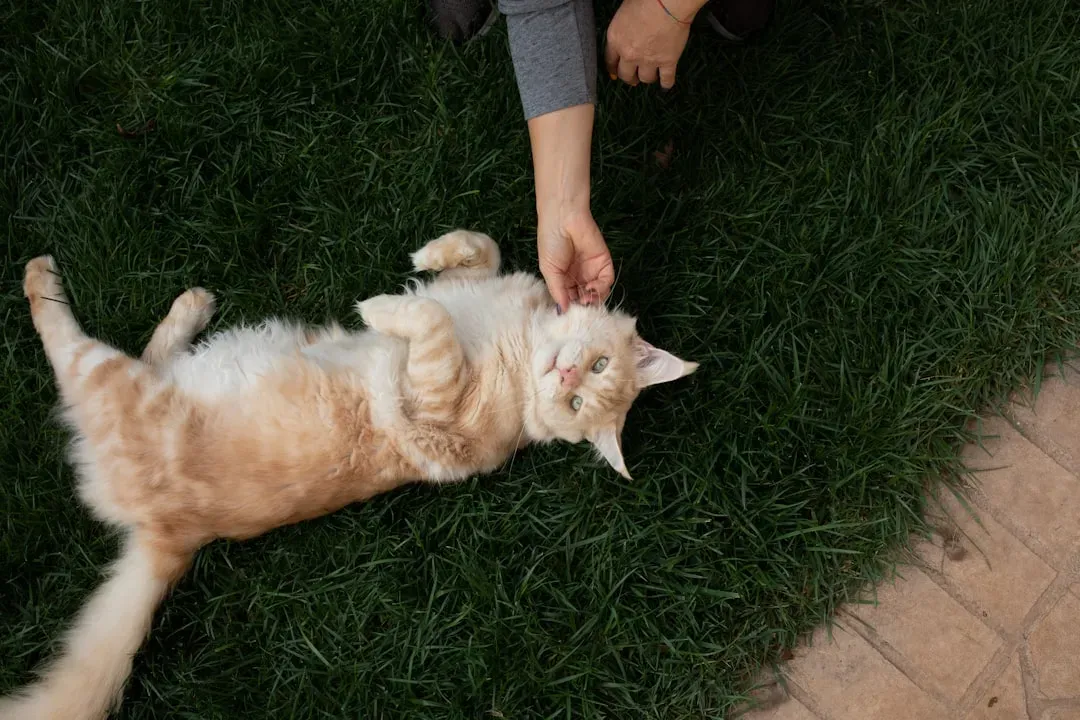
When a cat is happy, their posture is typically loose, with their limbs and tail stretched out away from their body when lying down. If they are showing their belly, it probably means that they feel safe – though this is not necessarily an invitation for a belly rub! A happy cat might cuddle up next to you or knead you with their paws. These relaxed positions tell you everything about your cat’s current emotional state.
Cats forecast their intentions and next moves by pointing their body in the direction they are likely to go. If a cat is standing sideways to you, they might be feeling shy and considering escape. With a sideways body position, the cat has the advantage of being able to take off fast if a chase occurs. That subtle positioning gives you advance warning of your cat’s comfort level.
Honestly, most misunderstandings between cats and owners stem from missing these body language cues. A cat who faces away from you may not necessarily be disinterested, however – their letting their guard down around you can also signal comfort and willing to be touched. Context matters tremendously in reading these signals correctly.
Implementing Calming Routines That Reduce Daily Stress
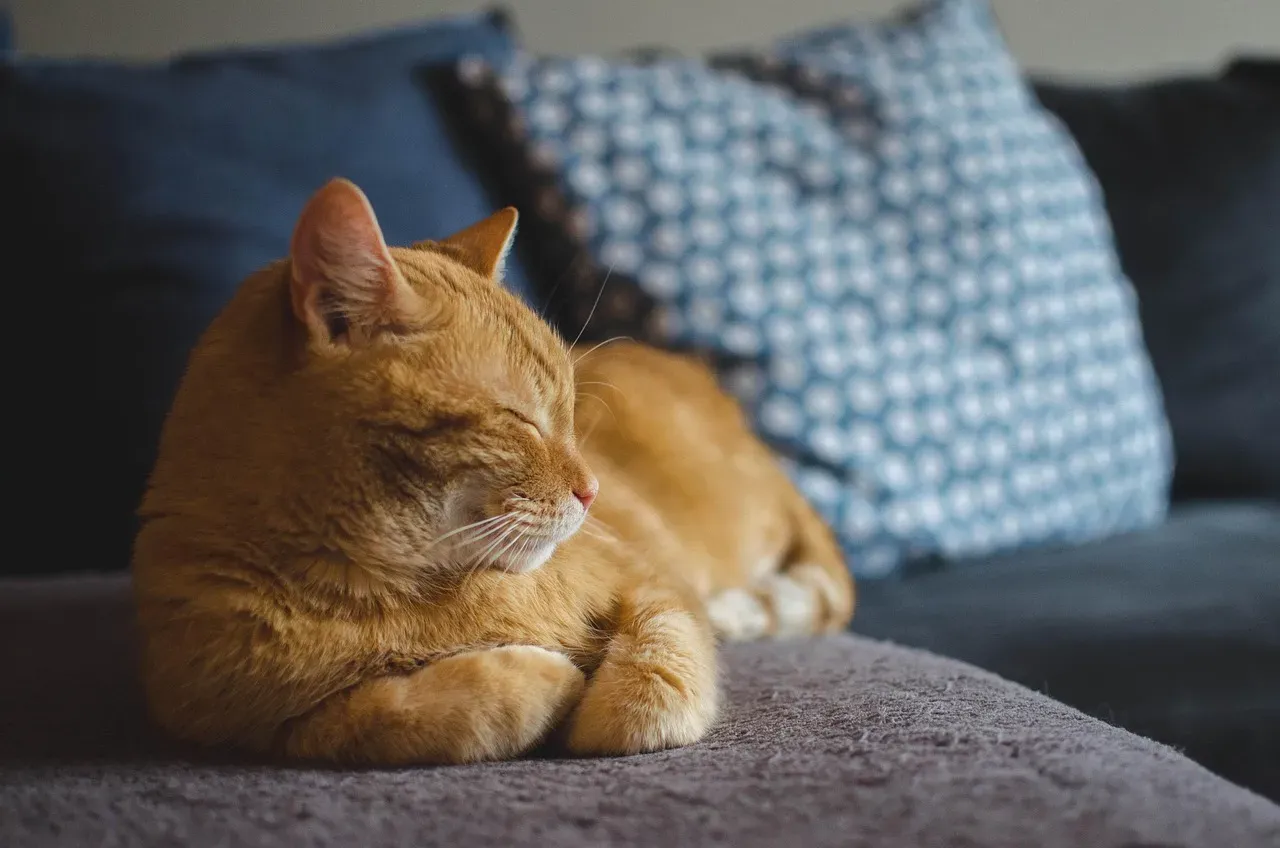
Impulsive cats are typically high in both energy and anxiety, and they need a calming influence to balance their instincts. They thrive with steady routines that allow them to feel prepared for exactly what comes next. Even your naturally calm cat benefits from predictable patterns that create emotional stability.
Establish consistent feeding times, play sessions, and quiet periods. Your cat’s internal clock runs on routine more than you might expect. When breakfast arrives at the same time daily, when play happens before dinner, when bedtime follows a predictable pattern, anxiety has less space to grow.
Calming activities are just as much a part of cat enrichment as stimulating activities. Consider soft music, gentle grooming sessions, or simply sitting quietly together in the evening. These moments of shared calm reinforce security and trust.
Developing Intuitive Communication Through Consistent Observation
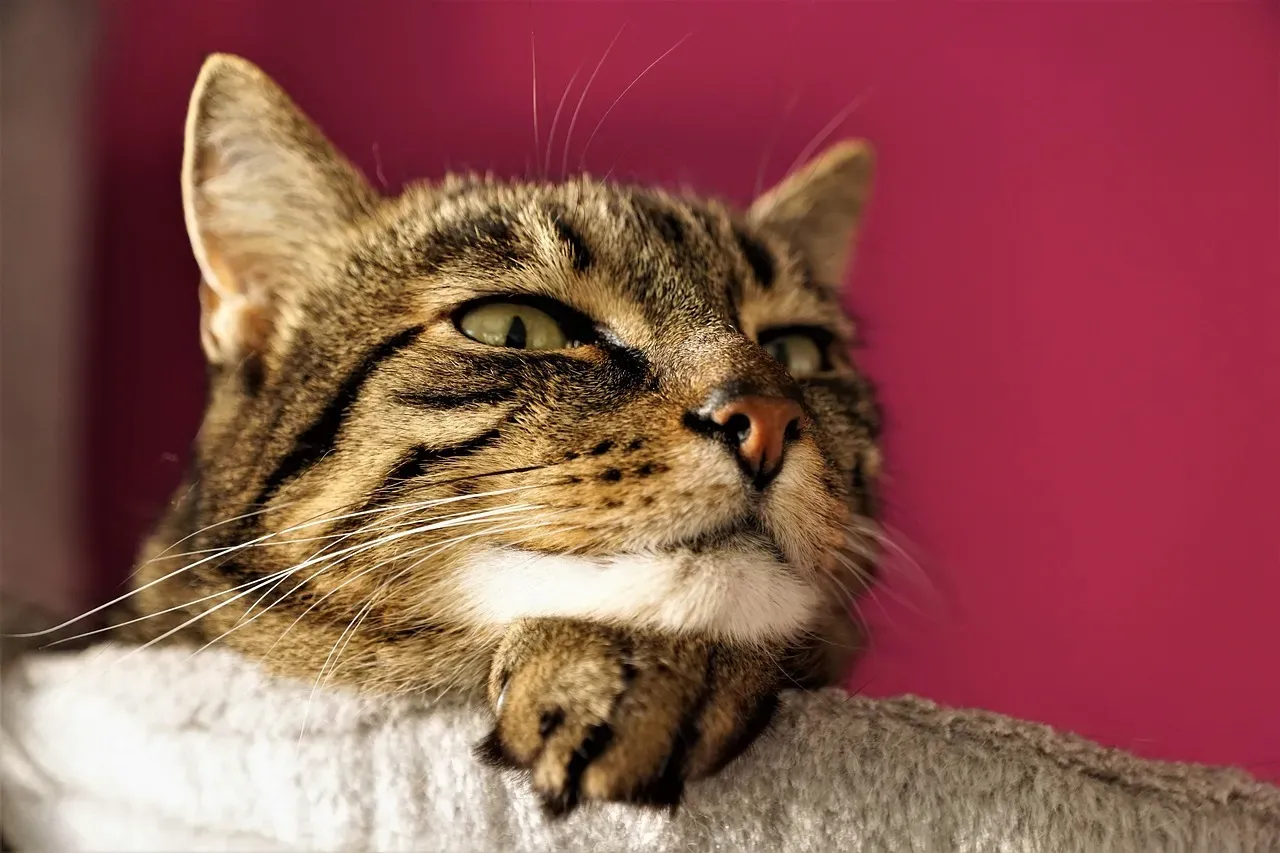
A cat’s body language and behaviors should be looked at as a part of single big picture. By using the context of the entire situation, trying to see the situation from the cat’s point of view, and looking for subtle cues in body language, you’ll have an excellent chance at understanding your feline friends. This skill develops over time through patient attention and genuine curiosity about your cat’s perspective.
When you’re interpreting cat body language, consider everything that’s going on around the cat. Put yourself in the cat’s paws and ask how the situation and environment – including the sights, sounds, and smells – might make them feel. That shift in perspective transforms your relationship from one-sided caretaking to true partnership.
Start a mental journal of your observations. Notice which toys your cat prefers at different times of day, how they respond to various household sounds, what triggers their retreat to safe spaces. These patterns reveal your individual cat’s personality beyond any general guidelines. Your intuitive understanding grows through this accumulated knowledge.
Building Long-Term Trust Through Respectful Interaction
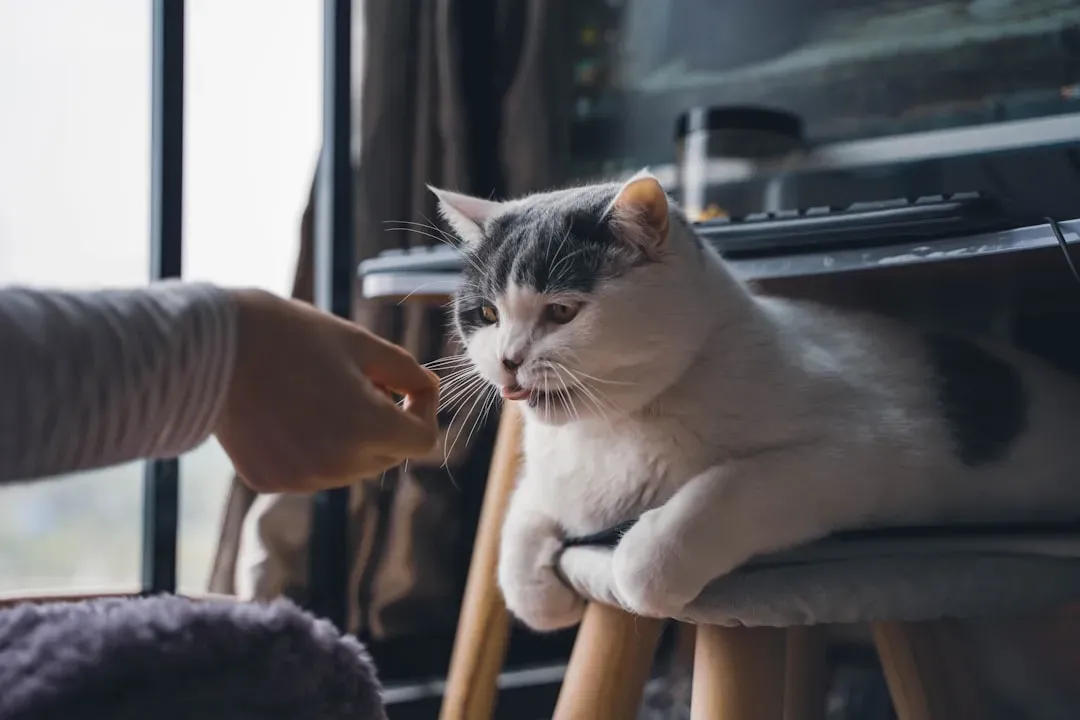
Respecting a cat’s body language is essential in establishing a trusting relationship. By observing and interpreting their ear and whisker positions, eye cues, tail movements and behaviors, cat owners and any cat lover can lay the foundation for a new cat relationship and develop deep, long-term connections. Remember to observe, proceed with caution and always respect a cat’s boundaries. Trust isn’t built through grand gestures but through countless small moments of understanding and respect.
Cats recognize and interpret the emotional signals of the members of their social groups, both conspecifics and humans. Cats, indeed, engage in social behavior and form long-lasting bonds with humans, which are modulated by individuals’ emotions. Therefore, it is possible that during domestication, cats developed socio-cognitive abilities for understanding human emotions in order to respond appropriately to their communicative signals. Your cat reads you as carefully as you’re learning to read them.
When your cat sets a boundary – moving away from petting, hiding during loud gatherings, refusing to engage in play – honor that choice. Every time you respect their autonomy, you deposit trust into your relationship account. Over months and years, these deposits compound into a bond that transforms both your lives.
Your calming, intuitive cat isn’t mysterious after all. They’re simply speaking a language you’re now learning to understand. Through careful observation of tail positions, ear angles, body posture, and behavioral patterns, you gain insight into their emotional world. Creating an environment for your feline friend where they have plenty of opportunities to express their natural instincts and behaviors in appropriate ways. Meeting your cat’s mental and emotional needs will help them lead a happier, healthier life and have fewer behavior issues. And it can allow you to forge a stronger bond with your cat. That bond, built on mutual understanding and respect, creates the peaceful coexistence both of you deserve.