If you’ve ever watched your usually confident cat suddenly vanish under the bed at the slightest sound, you already know that feline stress is real, and it can be heartbreaking to witness. Cats are incredible creatures. They can be fearless hunters one moment and completely undone by a doorbell the next. That contradiction is part of what makes them so fascinating, and honestly, so relatable.
If your cat is left without any help, their fear can lead to stress, anxiety, and even illness, especially as fears tend to get worse over time. That’s the part most people don’t realize. It’s never just a quirk. Let’s dive into the best, vet-informed strategies to help your cat feel safe, secure, and genuinely at peace.
Recognize the Signs Before You Can Help
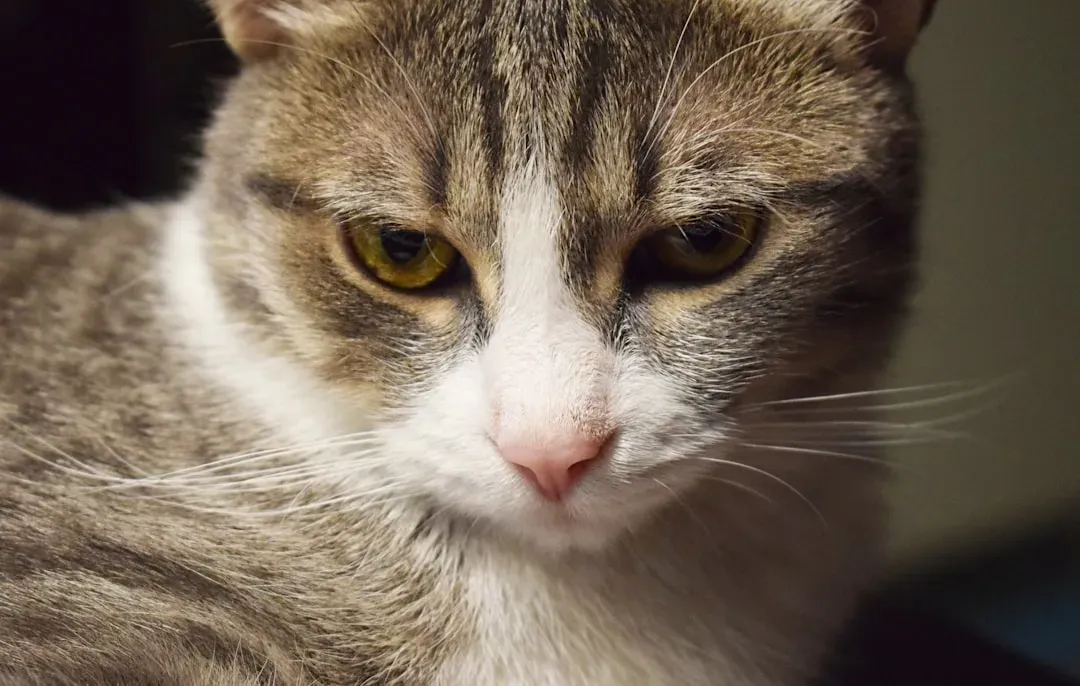
You can’t comfort what you can’t identify. Anxiety in cats can look different than it does in dogs. You might notice sudden aggression, hiding, excessive grooming, or even litter box issues. Some of these signs are easy to spot, but others are surprisingly subtle.
Cat behavior is complex and some of the cues may be subtle. Look for things like trembling or shaking, rapid breathing, avoiding eye contact, tail flicking, hair standing up, flattened ears against their head, or licking their nose frequently. Once you start noticing these patterns, you’re already halfway to helping your cat.
It’s important to note when they started acting differently, as the timing can help you identify the causes and develop treatment options. Think of it like detective work. Your cat is leaving clues. You just need to learn their language.
Create a Safe and Comforting Space Just for Them
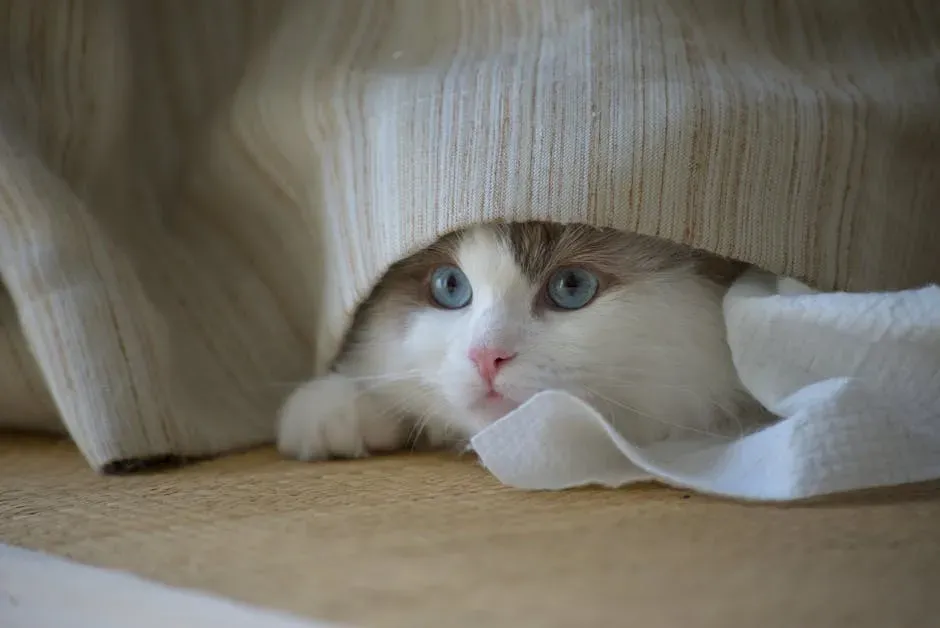
One of the most important things for many cats is having a space of their own where they can hide when they’re scared. This doesn’t have to be elaborate or expensive. A simple cardboard box with a soft blanket inside can genuinely do the trick.
A quiet, darkened place, made from cardboard boxes or sheets draped over chairs can work well. Make sure your cat can live in this space comfortably for a few days, and provide all the essentials in this one room: food, water, bedding, a litter box, a scratching post, and other toys. Think of it as your cat’s personal sanctuary.
If you only put your cat in this space when they’re stressed, they may associate the area with their triggers. Your cat should have access to this space even in non-stressful situations. That distinction matters more than most people realize.
Stick to a Consistent Daily Routine
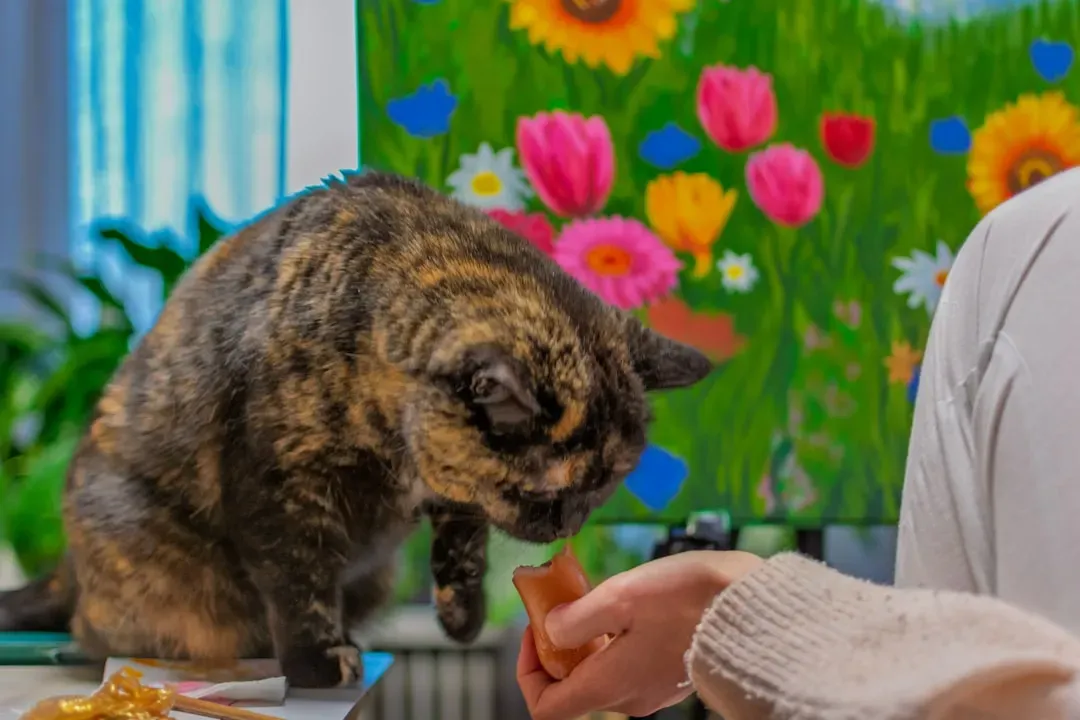
Cats are creatures of habit. Routine is important to them. Anything that disrupts this can leave them feeling stressed. It sounds simple, but the power of predictability for a cat is genuinely enormous. Think of it the way a toddler needs naptime at the same hour every day.
By maintaining a routine and respecting your cat’s personal boundaries, you encourage trust and emotional stability. Consistency in feeding times, play schedules, and quiet time helps reduce anxiety. Even tiny, unplanned changes can disrupt your cat’s sense of safety more than you’d expect.
Use Calming Pheromones Strategically

Pheromones can be a great way to combat cat anxiety. They are natural chemicals released by cats in response to certain emotions or stimuli. Other cats can smell these pheromones and understand them as messages. It’s basically your cat’s version of a reassuring text message.
Pheromone sprays and diffusers work by mimicking the positive, or ‘happy cat’ pheromones, and can help to calm stressed or anxious cats by reassuring them that all is well in the nearby environment. You can use sprays on bedding, scratching posts, and other common areas, and you can plug the pheromone diffusers into wall outlets around your home and near the litter box. Products like Feliway are widely recommended by veterinary professionals for exactly this purpose.
Play Calming Music or Soothing Sounds

Soft, slow-tempo classical compositions or specially designed “cat music” featuring gentle tempos, purring elements, or birdlike chirps can often encourage relaxation. Research suggests that mellow instrumental melodies, particularly harp or piano arrangements, help reduce feline anxiety by imitating comforting feline vocalizations. Honestly, it sounds a little out there, but it genuinely works.
A cat’s anxiety levels are better reduced by cat music. Cat music is within their frequency range and with similar tempos to those in natural cat communication. If you intend to use music to help with your cat’s anxiety, consider using a speaker that specifically plays cat music. Nature sounds like gentle rainfall, ocean waves, or rustling leaves can also contribute to a peaceful atmosphere.
Try Desensitization and Counterconditioning
A common example is playing a sound that your cat is afraid of, such as a dog barking, at a very low volume when they are in a calm state. Doing this repeatedly, while slowly increasing the volume over time, can help them become more accustomed to the noise, so they don’t become anxious when they hear the real thing. Patience is the entire game here.
Counterconditioning teaches your cat to change their response to the anxiety stimulus. You use positive behavior reinforcement to replace anxious behaviors with more desirable ones. If your cat is afraid of another pet, feed them their favorite treat any time they see the other pet. Over time, the brain builds a new association, and the panic begins to dissolve.
Provide Enrichment, Play, and Mental Stimulation
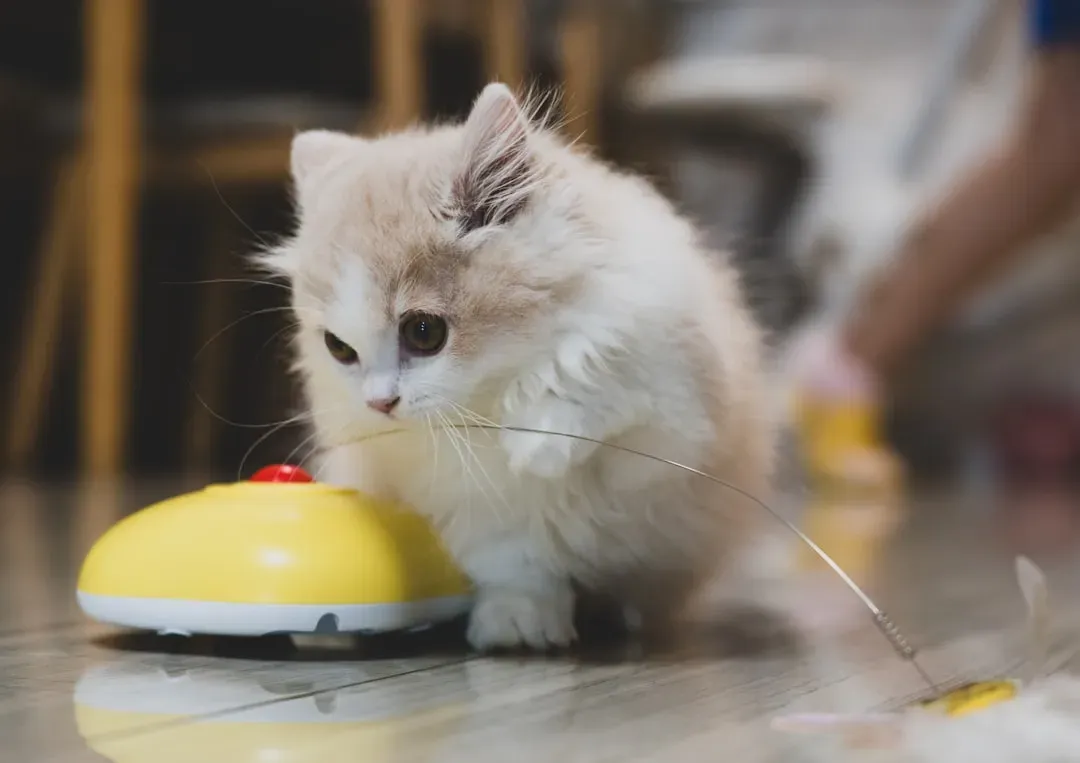
Interactive play is not only an excellent way to exercise your cat but also an effective way to treat cat anxiety. Engaging your cat in regular play sessions can help them burn off excess energy and minimize stress. To encourage healthy play, use toys such as feather wands or laser pointers that are not overly stimulating.
It’s also important to remember to keep your cat well stimulated and exercised. A cat with excess energy will often channel it into nervous energy, so it’s important to make sure they have enough toys, enrichment items and playtime each day to keep them in a calm and happy state of mind. Interactive toys, climbing structures, and puzzle feeders help relieve stress and boredom. For cats with separation anxiety, timed feeders and window perches can provide comfort during alone time.
Respect Your Cat’s Boundaries and Personal Space
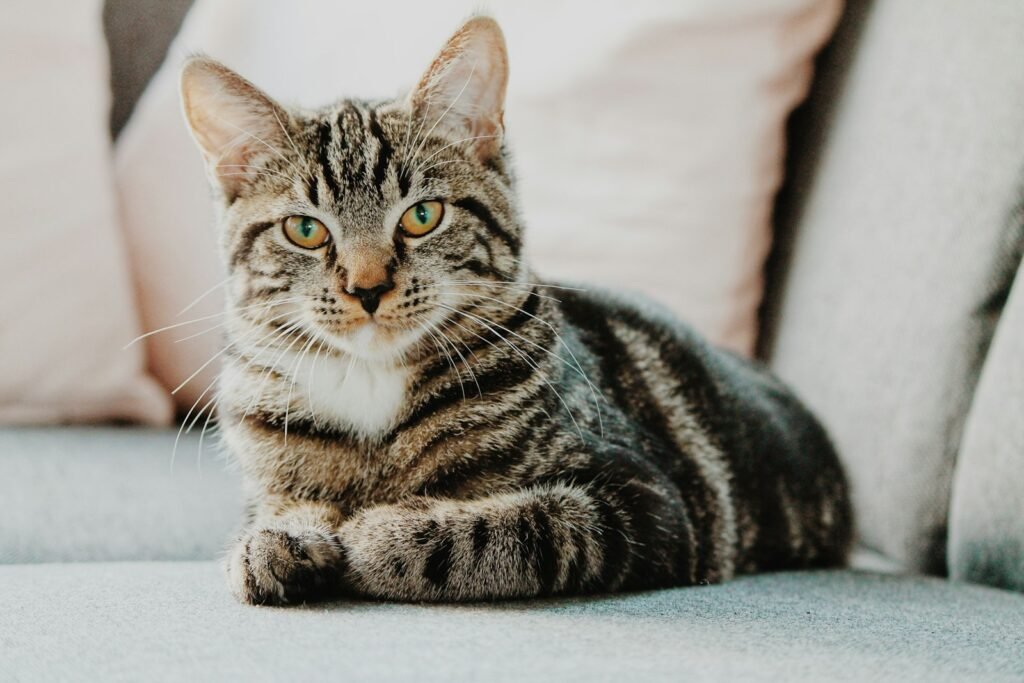
Some cats will want to come to you for comfort when they are afraid, while others will want to hide or be left alone. It’s always best to respect your cat’s choice and don’t force them to come to you if they’re scared, as this could actually make them feel more afraid. This is one of those counterintuitive truths of cat ownership.
If you notice anxiety symptoms in your cat, it’s best to give them space. Let them come to you for affection when they’re ready. Forcing interaction can worsen their stress. Think of it this way: imagine being terrified and having someone grab you for a hug. Not helpful. Same logic applies.
Stay Calm Yourself to Help Regulate Their Emotions
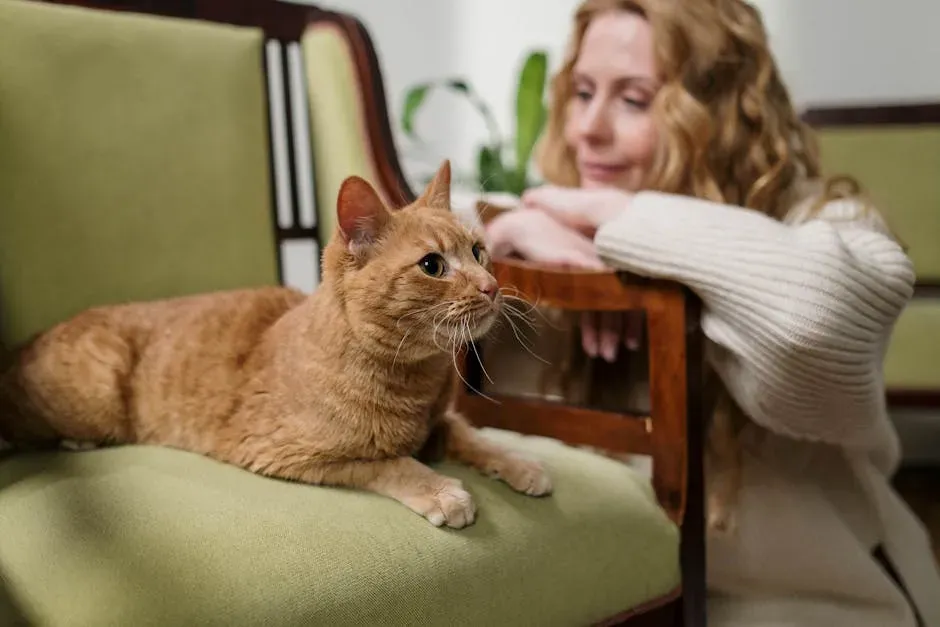
Always stay calm. Cats will often pick up if you’re afraid or stressed, so trying to stay calm is really important. If they are showing signs of stress, your staying calm will help them feel more at ease. You are, in the most literal sense, your cat’s emotional anchor.
Talk in a soothing voice and try to make the environment around your cat as calming as possible. Absolutely avoid punishment for behavior related to fear, phobia, or anxiety, as this will only increase the fear response. It can even lead to aggression toward the person administering the punishment. Your energy sets the entire tone. Never underestimate how deeply your cat reads you.
Know When to Consult a Veterinarian
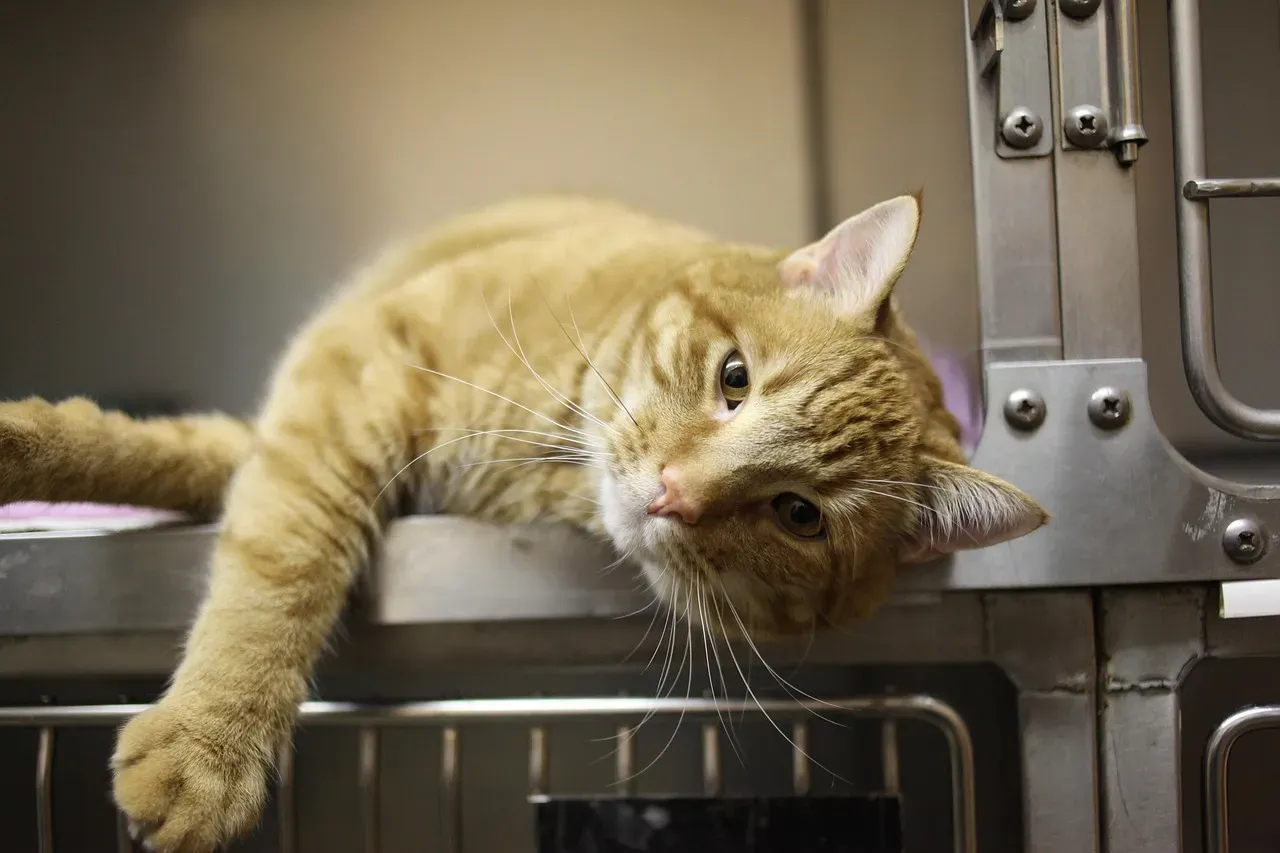
If your cat is having daily anxiety, is regularly triggered by the same stimulus, or has more than one episode of anxiety per month, or if their anxiety is affecting your family life, schedule an appointment with your vet. In some cases, they may recommend using anti-anxiety medications. Anti-anxiety medications can be sorted into two categories: long-term medications used for daily anxiety and short-term medications used for triggering events or phobias.
Anxiety is a natural response to certain situations and stimuli, but it can become debilitating for your cat, leading to poor quality of life and worsening or causing medical issues. With an approach combining behavioral modification, environmental changes, calming aids, and potential medication, most cats can overcome or lessen their anxiety and be able to lead a much happier life. There is no shame in asking for professional help. Your cat deserves every resource available.
Conclusion
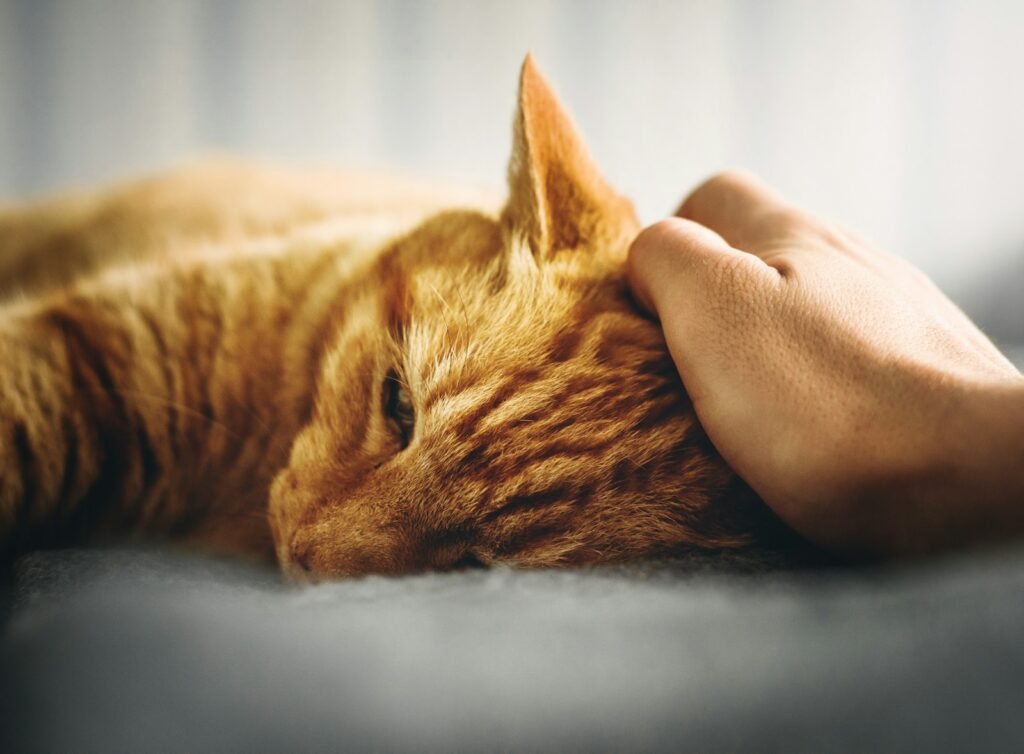
Helping a stressed or anxious cat is not a single action. It’s a commitment, a daily practice of paying attention, adjusting your environment, and meeting your cat where they are emotionally. Some days you’ll see massive progress. Other days your cat may still bolt behind the sofa for no apparent reason, and that’s okay. Cats are layered, complex, and wonderfully weird. The fact that you’re here, reading this, already says a lot about the kind of pet parent you are.
I think the most important takeaway is this: never rush the process. Your cat’s trust is earned slowly, and it’s worth every patient moment. What small change are you going to make in your home today to help your feline feel safer? Tell us in the comments.