There’s something magical about watching a cat simply be. While we frantically multitask through our days, checking phones, rushing to meetings, and worrying about tomorrow’s deadlines, our feline friends seem to have mastered something we’ve forgotten: the art of truly existing in the moment. They don’t need meditation apps or weekend retreats to find inner peace. Cats have long been known as masters of relaxation, effortlessly exuding an aura of calmness. As natural yogis, they can teach us a thing or two about finding inner peace.
Watching cats navigate their daily rhythms reveals a profound lesson about living with intention and awareness. Meditation with cats also allows us to observe their innate ability to live in the present moment. Cats are true masters at embracing life’s simple pleasures – chasing after toys or basking in the sunlight. Let’s explore what these zen masters can teach us about finding stillness in our chaotic world.
The Art of Being Present
They are the zen masters of living in the moment. Whether they’re chasing a laser pointer or lounging in a sunbeam, they are fully present in whatever they’re doing. Think about the last time you watched a cat stalk a toy or observe a bird outside. Their complete absorption in the task is remarkable.
The idea of “mindfulness” means paying attention to what’s happening at the moment. I’m not thinking about the troubles of the past or what might happen in the future. While paying attention to the moment at hand, I can consider my feelings and those around me to better understand the emotional sensations that said feelings provide me, whether I like it or not. Cats embody this definition naturally. They don’t carry yesterday’s disappointments or tomorrow’s anxieties. When a cat sits in a sunbeam, that sunbeam is their entire universe.
Living Without Attachment
cats are happy because they’re not attached to stuff. they seem to be teaching us lessons everyday. Unlike humans who accumulate possessions and worry about losing them, cats demonstrate a beautiful detachment from material things.
True enlightenment requires letting go. Cats demonstrate this by knocking items off shelves with complete emotional detachment. “Does this cup of tea matter?” your cat ponders, before gently pushing it off the counter to test the limits of impermanence. While this behavior might frustrate us, it reveals something profound: cats understand that nothing is permanent, and they don’t cling to outcomes.
Their ability to let go extends beyond physical objects to expectations. When dinner is late, most cats adapt rather than spiral into anxiety about schedule changes. For example, if dinner is not served at the expected time, a cat is likely to accept the situation and figure out something else that they can do to take care of their needs, such as drinking water or snoozing until food is available. They might even hunt if they’re allowed outdoors.
The Power of Stillness
Cats have a unique ability to remain calm and relaxed in almost every situation, often spending hours sitting still and observing their surroundings or focusing intently on objects or movements – similar to mindfulness meditation. This natural inclination toward stillness isn’t laziness but wisdom.
They can stare at a bird or a bug for what seems like forever, showing an amazing level of concentration. This unique behavior makes them natural meditation buddies. Their focus is singular and unwavering. Watch a cat in a hunting pose: every muscle is relaxed yet alert, every sense engaged but not frantic. This is the essence of meditative awareness.
Cats frequently engage in focused observation, sometimes for hours at a time. What appears to be simple staring is actually a profound form of awareness practice. They’re not planning or analyzing; they’re simply witnessing.
Sleep as Sacred Practice
On average, adult cats require around 12 to 16 hours of sleep per day to maintain optimal health. Kittens and senior cats may need even more sleep due to growth or age-related factors respectively. Cats don’t apologize for needing rest, nor do they feel guilty about sleeping.
I believe that when cats are sleeping they are doing so much more. They are shifting their energy; they are balancing the energy of the spaces they are sleeping in, and they are helping to shift our energy too. Meditation is known to shift energy so I guess you could say that cats meditate. Their approach to sleep is intentional and restorative rather than escapist.
Cats are the embodiment of the perfect predator, following a pattern of hunt, eat, and sleep. Sleep is an intrinsic, beneficial facet in the elegant feline design. They understand that rest isn’t a luxury but a necessity for optimal functioning. This wisdom challenges our culture’s glorification of busyness and sleep deprivation.
Responding Rather Than Reacting
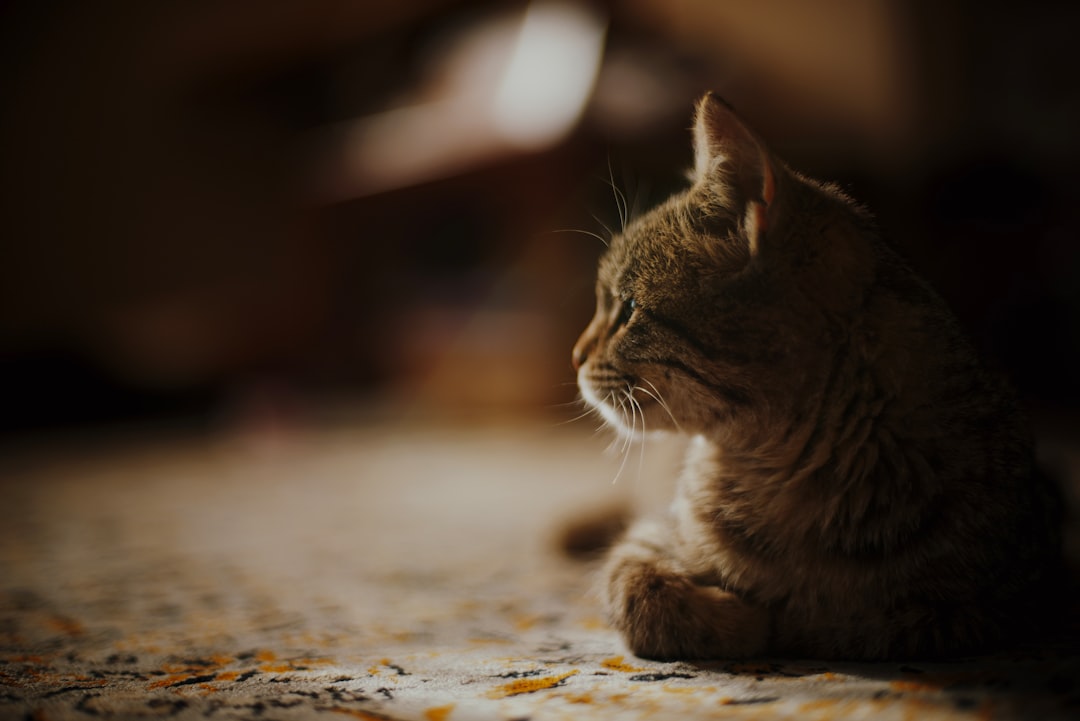
Cats are uncontrollable creatures. They like to do whatever they want to, but when you sit to meditate, you can notice your cat’s calm demeanor. They don’t worry about the past or the future; they live in the now. This is a valuable lesson for us.
Many animals can modify their behavior to reflect the mental and emotional state of the people and animals around them without assuming that specific behavior or emotion. So, while cats do not become sad when you are sad, their energy will slow down to reflect your sadness. They have also been found to stay by your side in times of need, providing quiet affection in hopes of raising your spirits. This demonstrates emotional intelligence without emotional overwhelm.
Cats show us how to respond to situations with awareness rather than knee-jerk reactions. When startled, a cat might freeze momentarily to assess the situation before deciding on action. This pause between stimulus and response is a cornerstone of mindful living.
The Healing Power of Purring
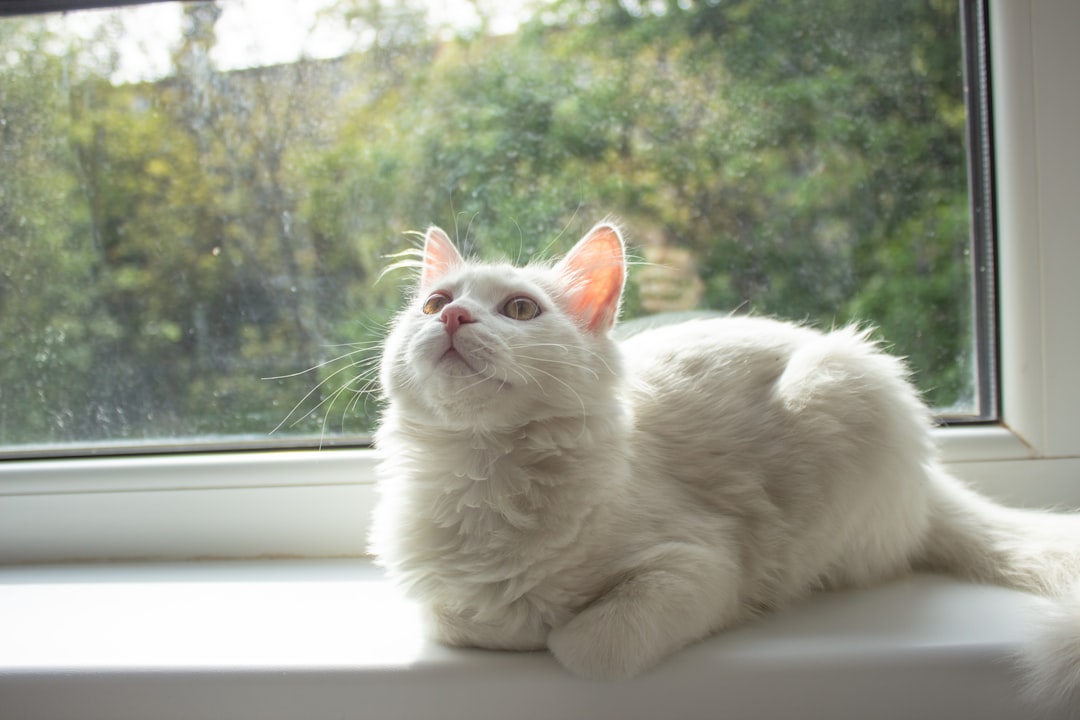
In fact, some studies show a cat’s purr may have healing powers. The frequency of a cat’s purr has been found to be therapeutic to them, other animals and humans, too. Other studies have shown a cat’s purr is similar to a transcendental sound vibration used in some forms of meditation.
Have you ever noticed how a cat’s purr can instantly make you feel more relaxed? Cats have a magical way of turning our stress into serenity with their soothing purrs. When we meditate, incorporating the sound of a cat’s purr can help us reach a deeper state of relaxation. This isn’t just subjective comfort; there’s measurable therapeutic benefit.
Scientists believe that a cat’s purring is a self-induced form of deep vibrational healing. Humans try to replicate this effect with Tibetan singing bowls, but no sound bath has matched the vibrational purity of a purring tabby. Cats have essentially evolved their own built-in meditation tool.
Embracing Rhythms and Routine
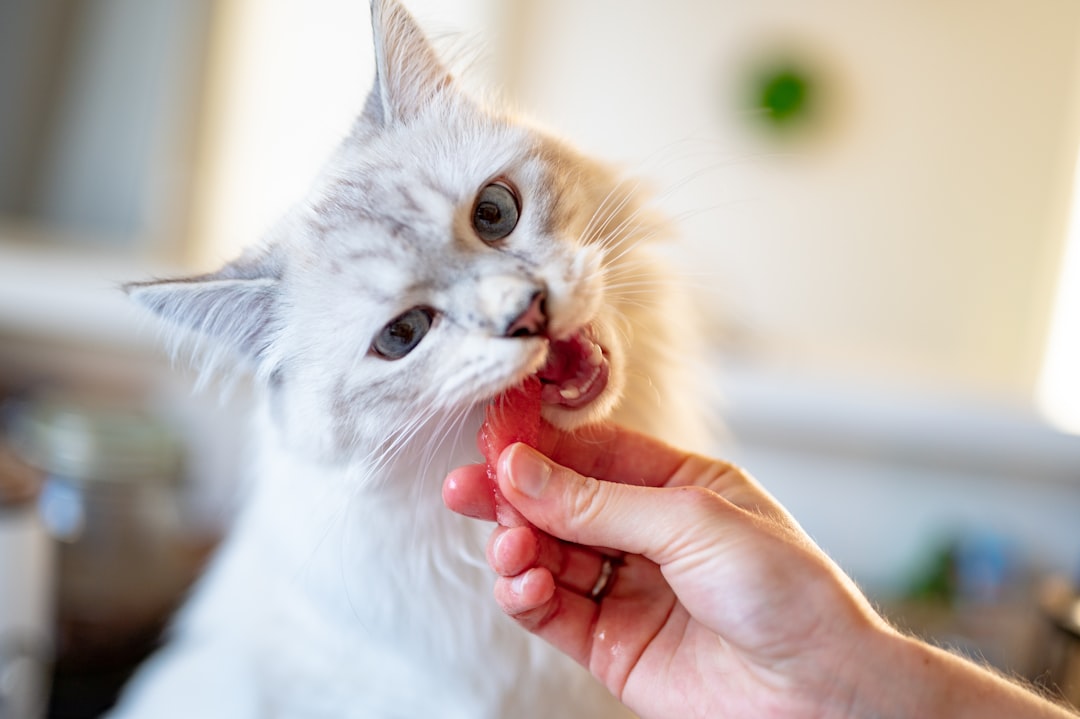
Cats are creatures of habit. They thrive on predictable routines, and this includes mealtimes. When you consistently feed your cat at specific times each day, their internal clock becomes finely tuned to these intervals. Their relationship with time is both structured and flexible.
Cats have what is called a polyphasic sleep pattern, which means that unlike humans, who typically sleep once a day for a long period, cats sleep multiple times each day. These cat naps typically average 15-30 minutes in length. Their overall sleep patterns are governed by a circadian rhythm, that internal biological clock that governs the 24-hour sleep and wake schedule.
Unlike our tendency to fight natural rhythms with caffeine and artificial lighting, cats honor their internal clock. They understand that life has natural ebbs and flows, times for action and times for rest. This teaches us the importance of working with our natural energy cycles rather than against them.
Mindful Movement and Stretching
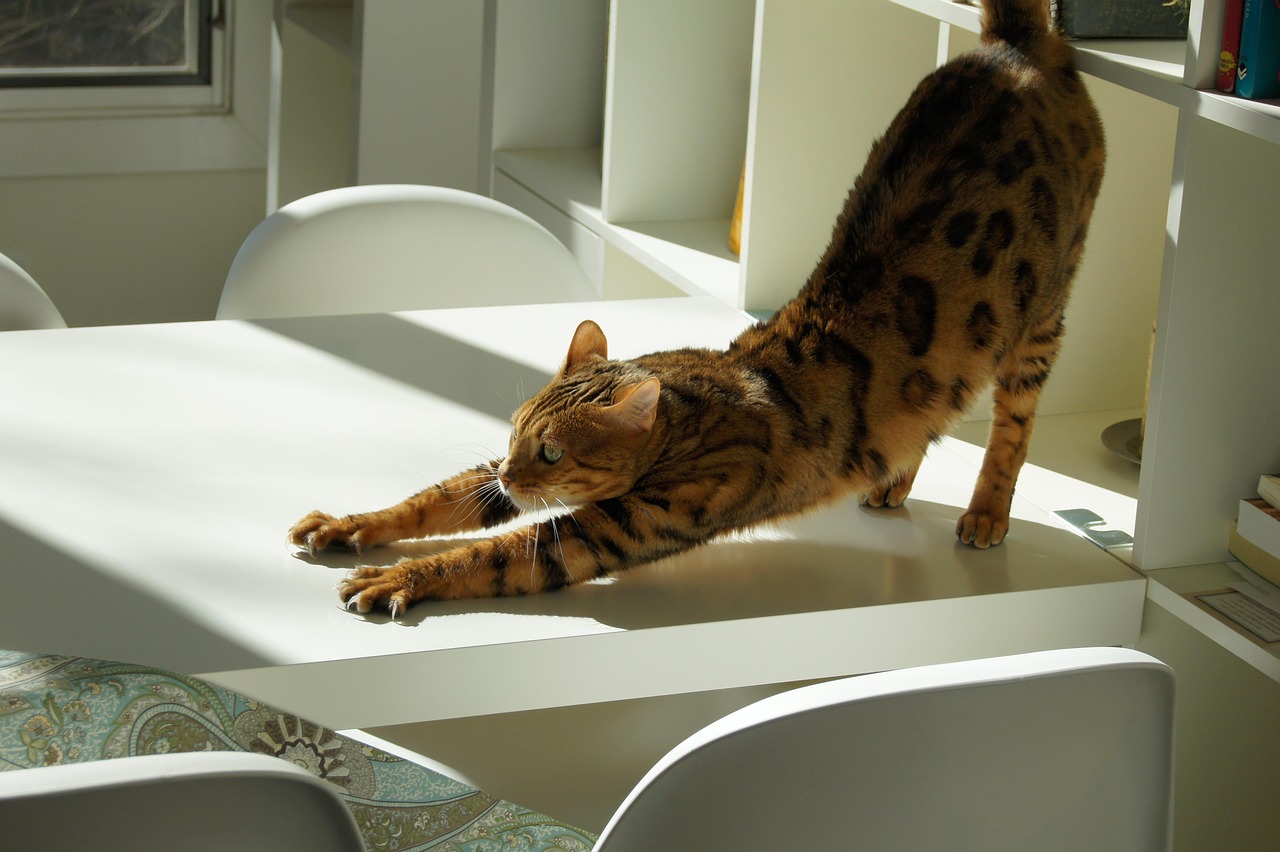
The long body stretches, the leisurely lounging, the sense of curiosity and the rumblings of pure satisfaction. Every cat stretch is a lesson in mindful movement. They don’t stretch because they should; they stretch because their body asks for it.
They often scratch when they wake up to stretch their muscles and to maintain their claws. This immediate attention to physical needs upon waking demonstrates a connection between mind and body that many humans have lost. Cats don’t ignore their physical sensations or push through discomfort unnecessarily.
When cats move, they do so with intention and grace. Whether stalking prey or simply walking across a room, every movement is deliberate and aware. They demonstrate how physical activity can be a form of meditation in motion.
Teaching Us Through Presence
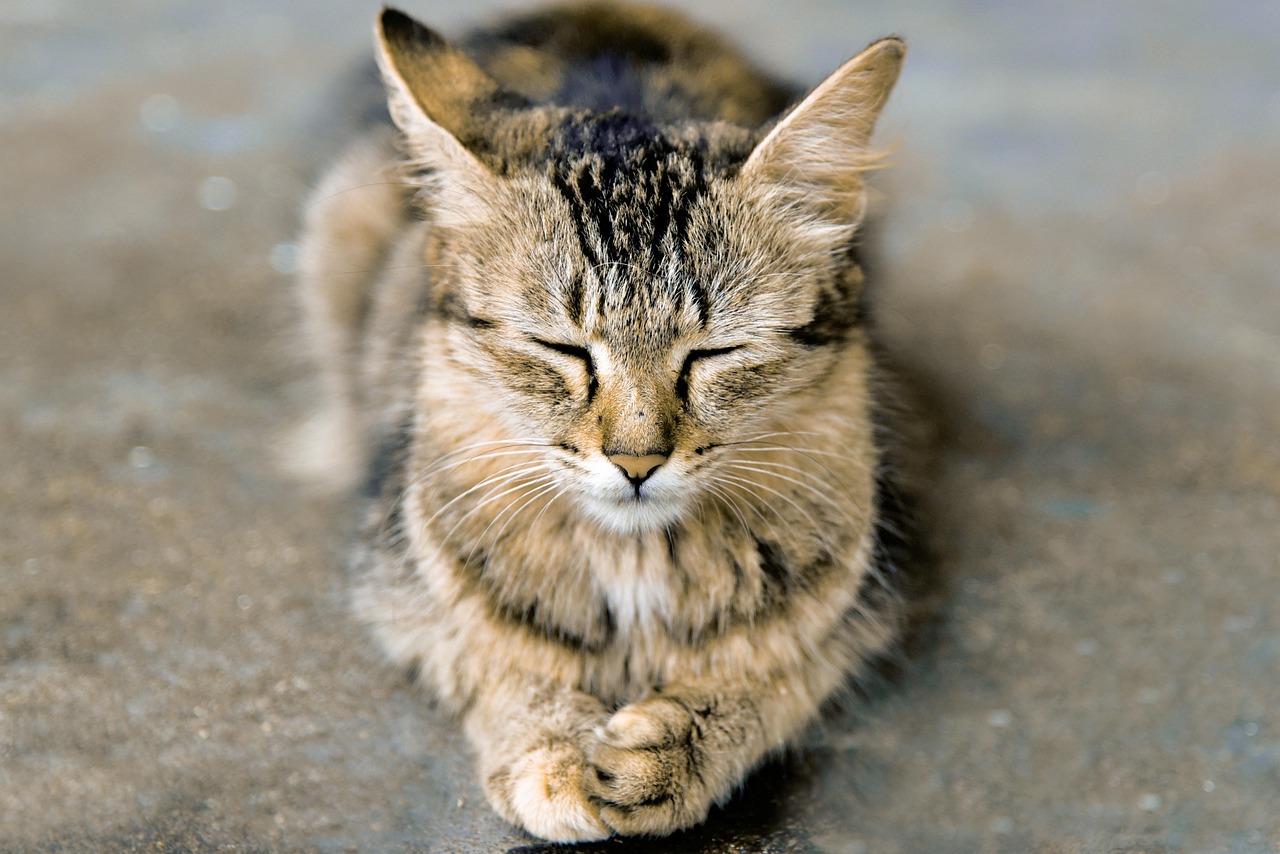
Cats are naturally calm and present animals, known for finding peace at any moment. Meditating with them, we tap into their serene energy, creating a harmonious environment for deep relaxation and self-reflection. Simply being around cats can shift our energy toward stillness.
In my experience with my boys, when I meditate they feel the benefits. If they join me it’s like the meditation practice has benefited us all. It’s like our souls have re-aligned together. I’m not sure I’ve got the words or vocabulary to describe how it feels, but all I know is it changes us.
One thing that I’ve discovered is that my cats teach and remind me of mindfulness on a daily basis, which is just one more reason that I love and appreciate them so much! They serve as living reminders to return to the present moment. When we’re spiraling in anxiety or lost in mental chatter, a cat’s peaceful presence can anchor us back to now.
Conclusion
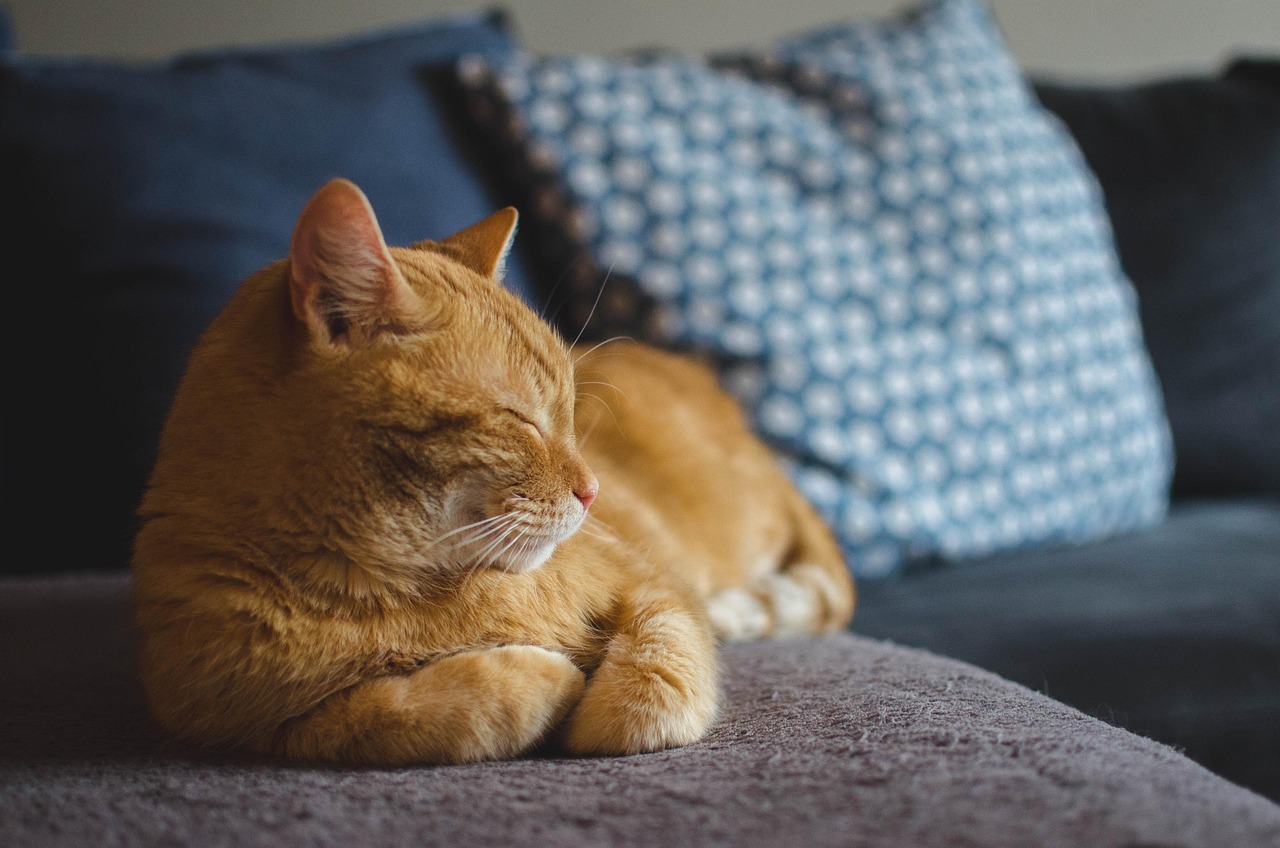
Cats don’t need to study mindfulness or attend meditation retreats because they never left the present moment. They haven’t forgotten how to simply be. According to the study, while humans struggle with meditation, cats seamlessly drift into deep mindfulness states without the need for apps, guided meditations, or overpriced silent retreats in the mountains. “They are effortlessly present. They don’t check their emails. They don’t ruminate about the past. They sit, they breathe, and they exist.” The findings suggest that if humans could emulate even 1% of a cat’s attitude toward life, stress levels worldwide would plummet.
In our quest for inner peace, we often overlook the teachers already living in our homes. Cats embody the we seek through complex spiritual practices. They remind us that enlightenment might not require years of study or exotic retreats but simply a return to our natural state of awareness.
What aspects of cat behavior have you noticed that could teach you about mindfulness? Have you ever tried simply sitting still like a cat, without agenda or goal, just witnessing what unfolds?