Ever wondered what your feline friend gets up to when you close the door and head off to work? That stillness you leave behind transforms into a secret world of naps, mysterious rituals, and behaviors that might surprise you. Your cat isn’t just waiting by the door counting the minutes. They’re living their best life in ways that reveal just how much they trust the space you’ve created together.
Let’s be real, you probably picture your cat staring longingly out the window, pining for your return. The reality is far more interesting. While your kitty does miss you when you’re gone, they’re unlikely to sit around pining and waiting for your return because your cat will probably spend most their time home alone sleeping.
What happens during those quiet hours tells you more about your cat’s personality, their comfort level, and the bond you share than you might think. Understanding their alone-time habits can deepen your appreciation for these complex creatures who’ve chosen to share their lives with you.
The Art of the Extended Nap
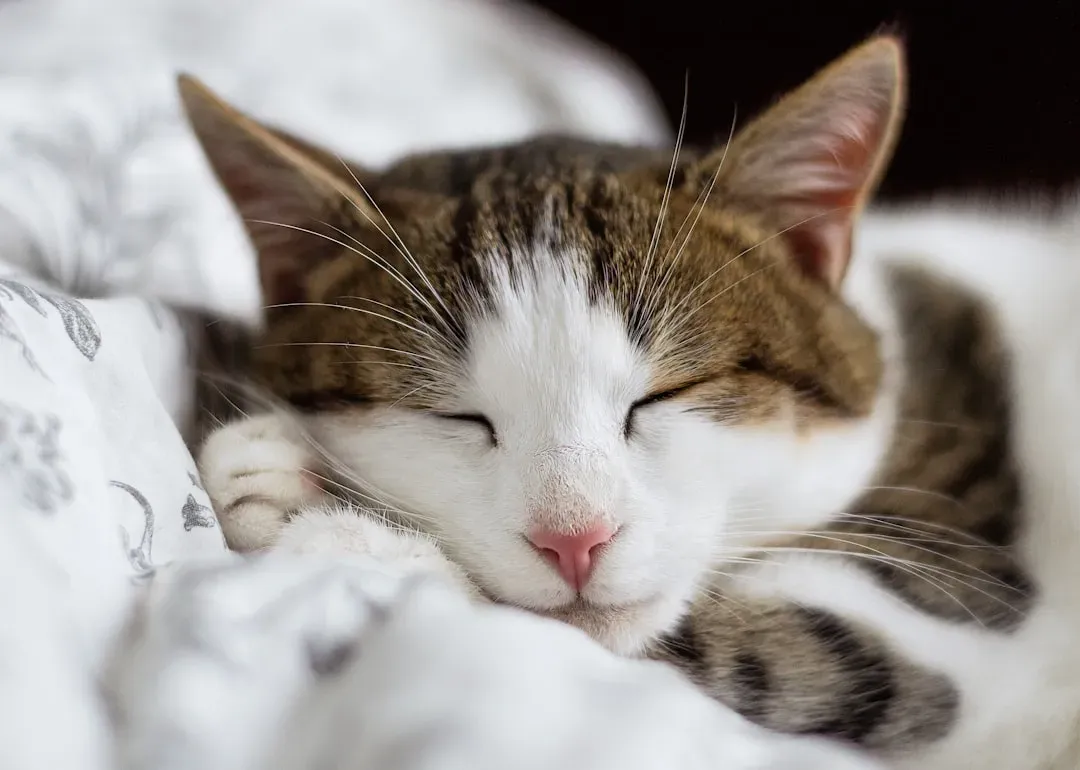
Felines need around 18 hours of sleep a day. That’s not a typo. Your cat is basically a professional sleeper, and when you’re gone, they’re clocking in for their main shift. Think about it: if you leave for an eight-hour workday, your cat is likely snoozing for most of it.
Felines require as much as 18 hours of sleep per day, meaning that nap time is basically non-negotiable, and if you leave the house for a quick errand or two, it’s unlikely your cat will even notice that you’re not home. Honestly, it’s kind of humbling to realize your absence might not even register if they’re deep in dreamland.
They will sleep more while you are gone in order to spend more time with you when you are at home. So really, all that sleeping is strategic. They’re conserving energy for the moments that matter most: when you walk through that door and it’s time for play, cuddles, or their evening meal.
Window Watching and Backyard Surveillance
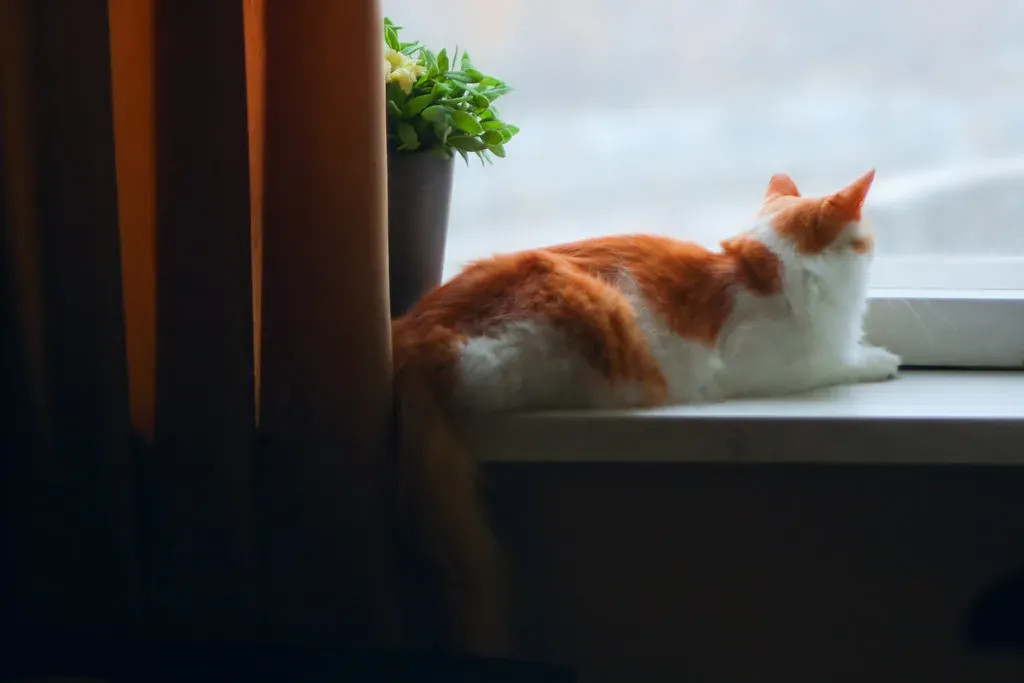
Cats will spend most of their day sleeping, usually in a place of warmth and comfort, and a windowsill is often a favorite place, especially when the sun warms the area. Picture your cat perched like a tiny sphinx, eyes tracking every bird, squirrel, and rustling leaf outside.
This isn’t just idle entertainment. For indoor cats, the window is their television, their nature documentary, their connection to the wild world their ancestors once roamed. The movement outside stimulates their hunting instincts without any of the danger.
Observant creatures that they are, cats sometimes feel inclined to explore outside the boundaries of their territory, especially when left idle. Even if they can’t go outside, watching the world offers mental stimulation that keeps boredom at bay. It’s hard to say for sure, but I think many cats find a certain satisfaction in this surveillance work.
Solo Playtime and Imaginary Hunts
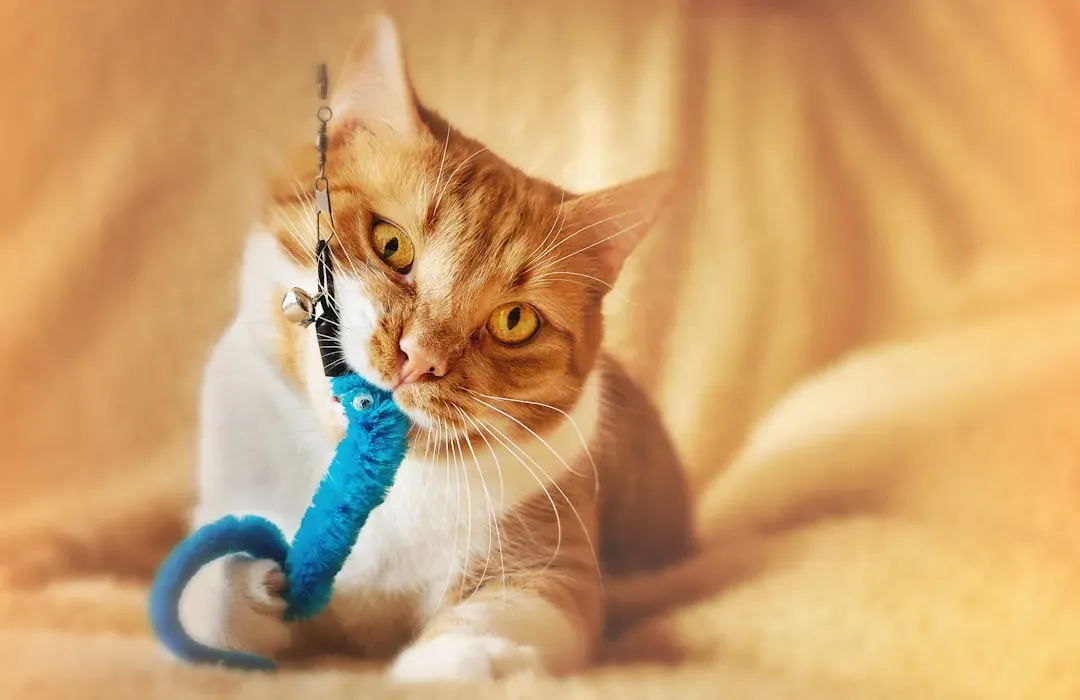
When alone at home, they may entertain themselves by “hunting” toys that mimic prey, such as toy mice or laser pointers, and they may chase and stalk shadows and small moving objects around the house, bat around small objects like balls or feathers. Your quiet house becomes a hunting ground where every dust bunny is potential prey.
Cats are hardwired to hunt. They may crouch down, wiggle their hind end, and then pounce onto their ‘prey’, and once they have caught their ‘prey’, they may simulate the killing process by biting and shaking the toy or object.
It might sound dramatic, but this behavior keeps them physically active and mentally engaged. The solo hunting sessions are instinctual and deeply satisfying for your cat, even when you’re not there to witness their impressive pouncing skills.
Grooming Rituals and Self-Care Sessions
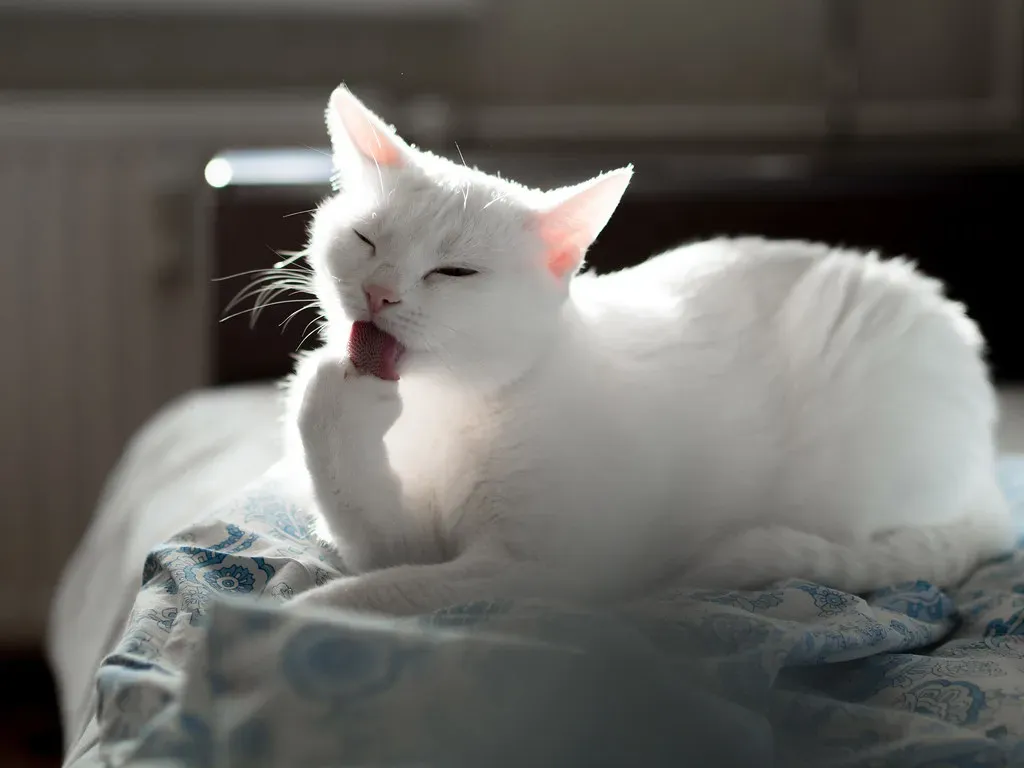
Cats spend 30 to 50 percent of their day in grooming activities. When you’re away, your cat often dedicates serious time to their appearance. They’re not being vain; they’re being practical.
Grooming helps to maintain healthy skin, and licking stimulates the production of sebum, an oily secretion produced by glands at the base of each hair, which helps lubricate and waterproof the fur, making it shine. Every lick serves a purpose, from removing loose fur to distributing natural oils throughout their coat.
Grooming also can serve as a cooling mechanism on hot days, as cats can sweat but only through their paw pads; the evaporation of saliva after grooming can aid in cooling. Your cat is essentially their own spa, climate control system, and grooming salon all rolled into one.
Exploring Their Territory Again and Again
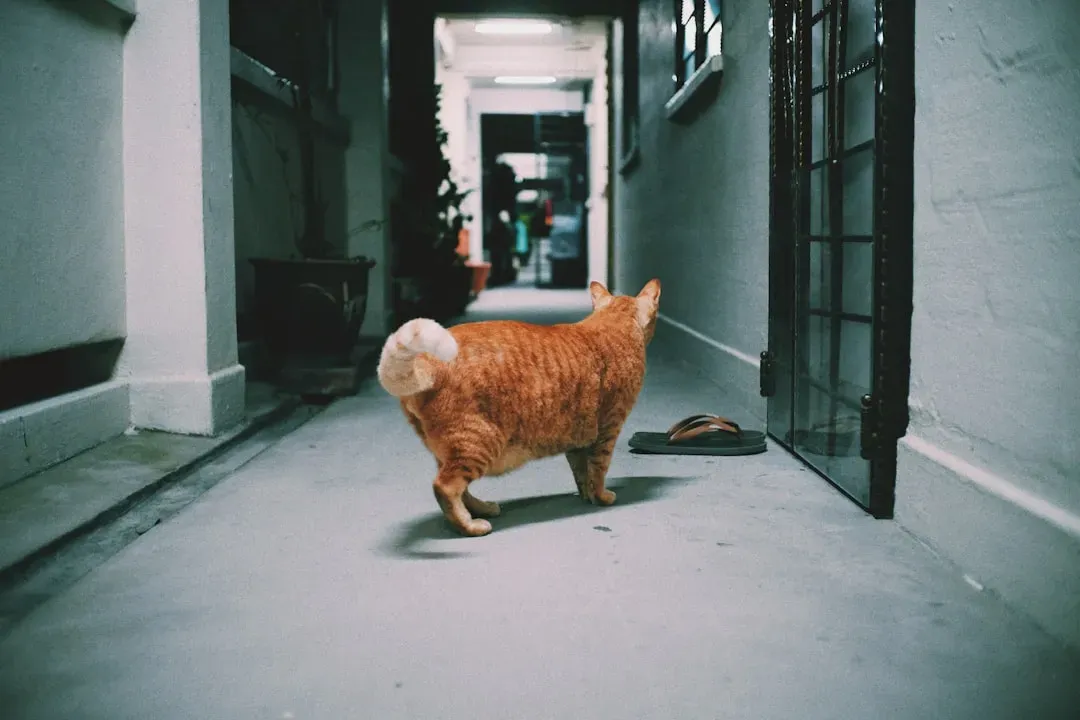
Cats are creatures of habit that value structure and order, and when left alone at home, they often use this time to complete daily rituals, such as napping, playing, observing the surroundings through the window, or taking care of their body hygiene.
Here’s the thing: even though your cat knows every inch of your home, they still patrol it regularly. They’re checking that everything is as it should be, that no intruders have entered, that their scent markers are still intact. It’s repetitive, sure, but it brings them comfort.
At home alone, kitty may climb on the furniture or fixtures, including bookcases, fridges, kitchen cabinets and curtains. Sometimes they’ll investigate high places you’d never imagine they could reach. That’s their way of surveying their domain from every possible angle.
The Heartwarming Wait for Your Return
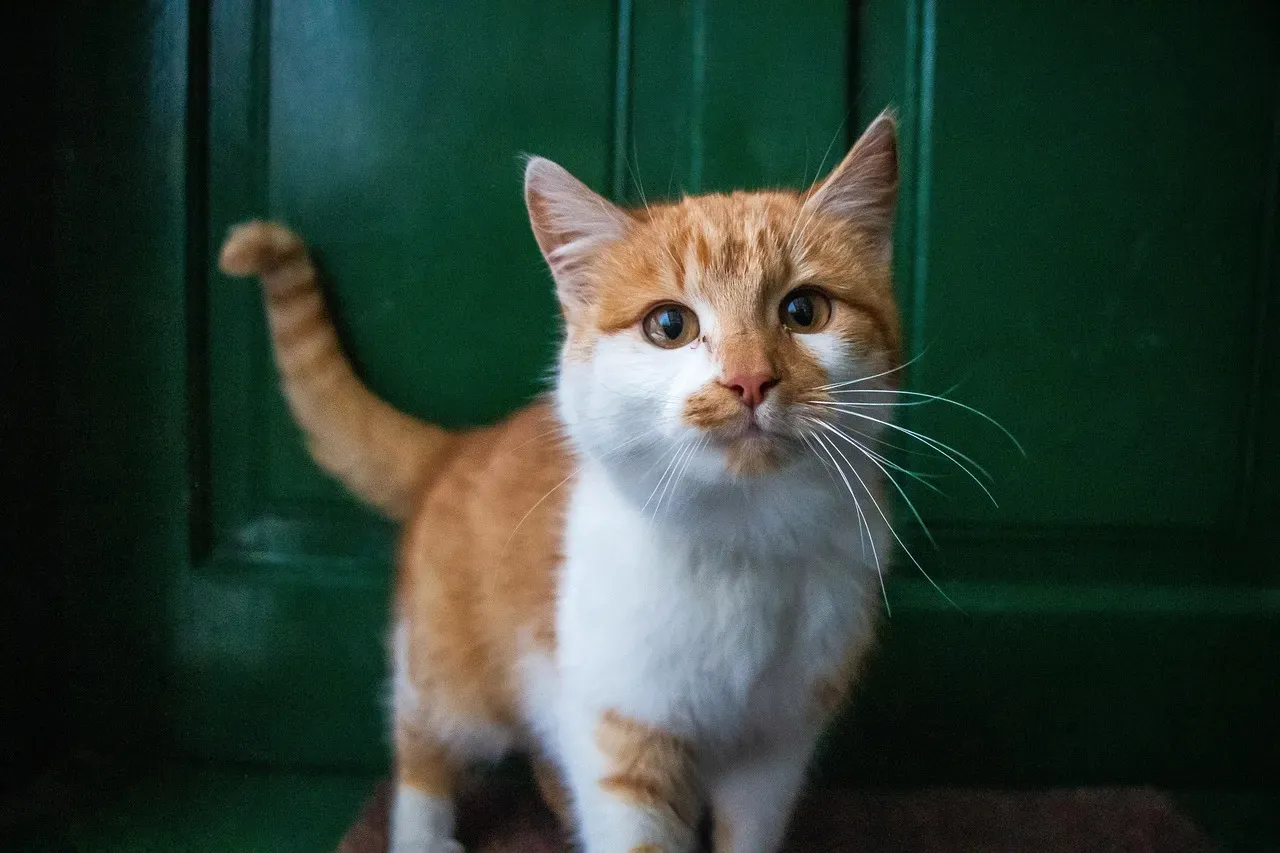
Cats were found to purr more after being left alone longer, and purring is thought to be a way of cats asking for contact and care, as this is the way that kittens initiate contact and care from their mother; therefore, increased purring after four hours of separation may indicate that cats are more eager for attention from their owners after a longer period of being apart from them.
Think about that for a moment. Your cat actually misses you. This suggests that owners are regarded as an important part of the cat’s social environment, rather than simply a food-provider. You’re not just the person who fills the bowl; you’re family.
Even if they’re not too distressed, you might find that your cat waits at the window for you to come back, and they might also pop up on your driveway or garden path to greet you when you return home; these are signs that your best buddy has missed you and is glad you’ve returned. That greeting at the door? It’s genuine affection and relief.
When Loneliness Creeps In
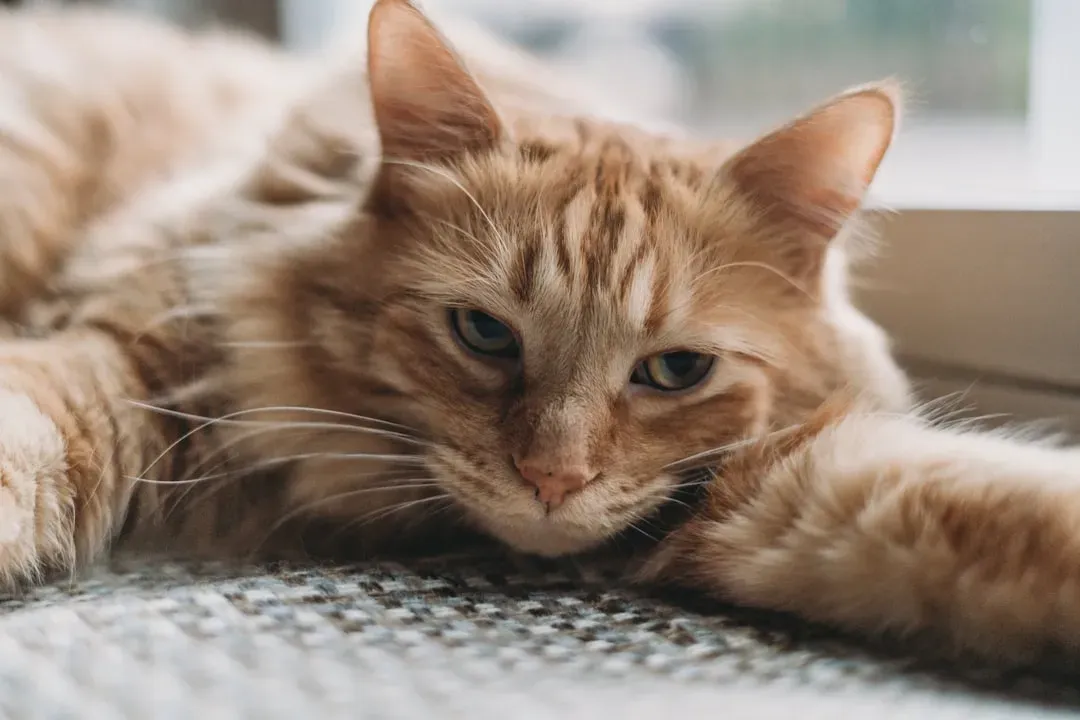
Not every cat handles alone time with grace. Incredibly social creatures, cats do not like being away from their family – they feel protective over their human. Some cats experience genuine separation anxiety that manifests in ways you might not immediately recognize.
Bored or lonely cats will often overgroom, which can lead to bald patches where your feline is obsessively pulling at their fur. Other signs include excessive meowing, destructive behavior, or changes in eating habits. These aren’t acts of spite; they’re cries for help.
Cats may become less active after their owners leave home, showing more laziness and listlessness, and this behavior may be caused by the cats feeling lonely and bored without their owner’s company. If you notice these patterns, your cat might need more enrichment, or perhaps even a companion.
The Trust They Show in Your Absence
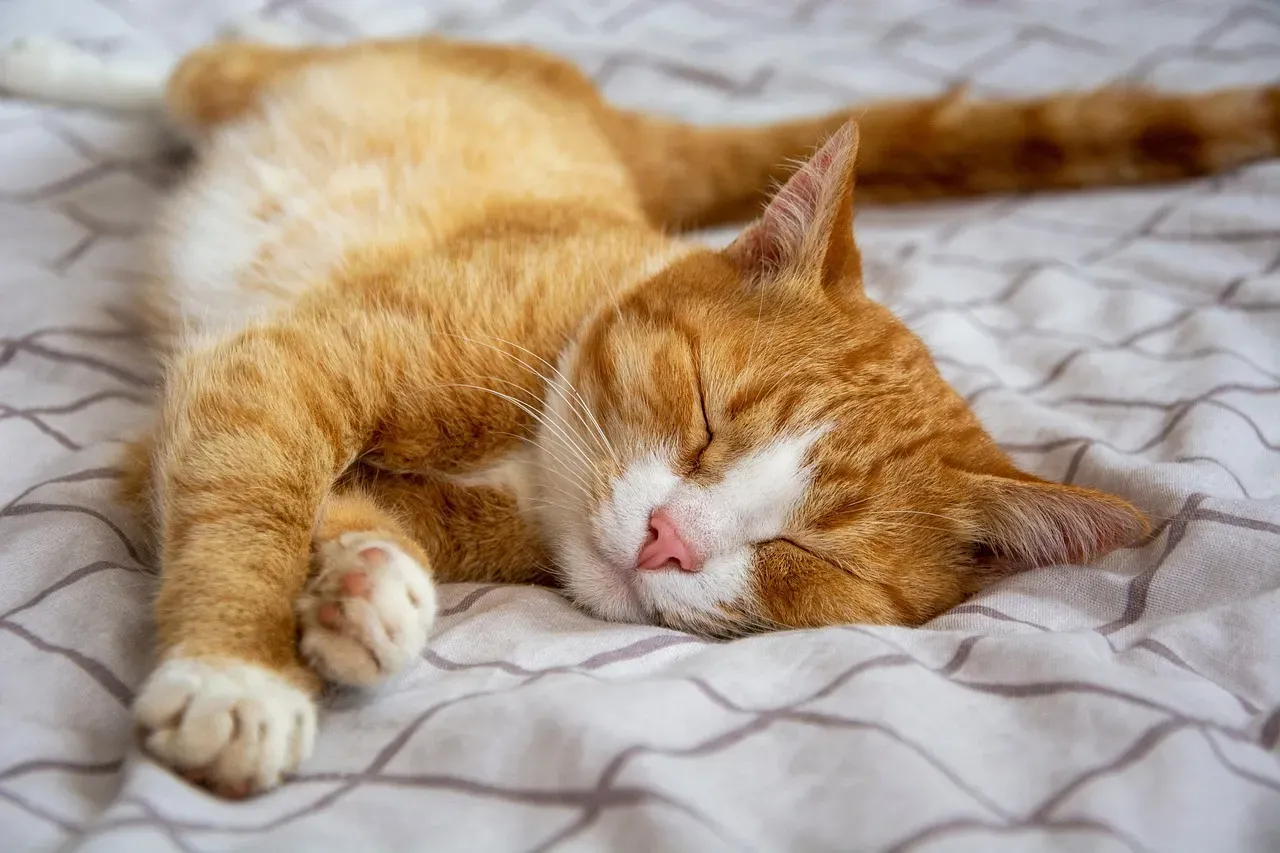
Here’s something beautiful to consider: To offer the coziest naps possible while you are out, note your cat’s preferred sleeping location and make sure they can get to it when they’re alone, for example, if they love lounging on your bed, leave the door open to your room so they can snuggle up and catch some Z’s.
When your cat chooses to sleep on your bed while you’re gone, it’s not just about comfort. When owners leave home, cats usually stay in their usual places, such as on the owner’s bed or chair, and the psychological mechanism behind this behavior could be that cats try to find comfort in the smell of their owner. Your scent is a source of security and peace.
This behavior reveals the depth of the bond you share. Your cat finds solace in the places that smell like you, wrapping themselves in the invisible embrace of your presence even when you’re miles away. It’s a quiet testament to trust and affection that speaks volumes about how much you mean to them.
Conclusion
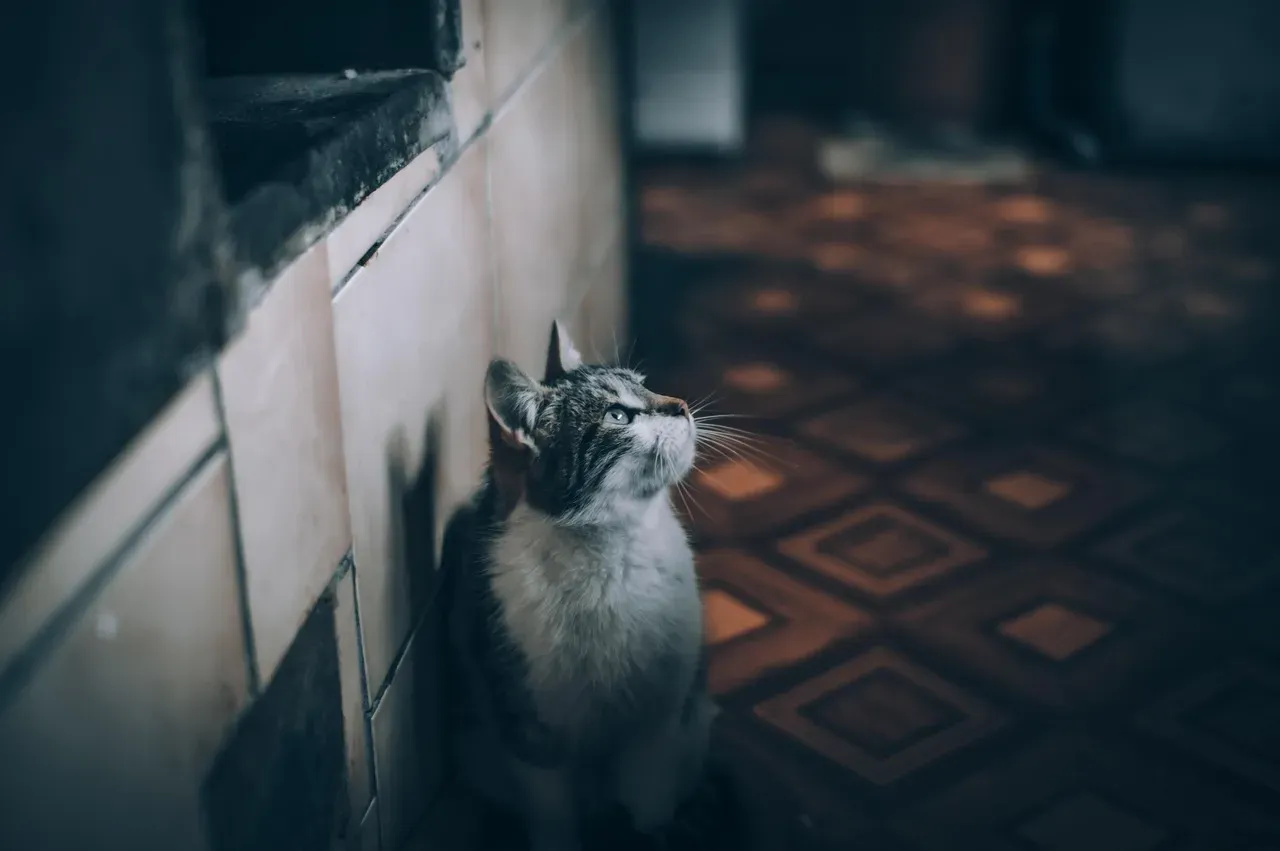
What your cat does when alone is a window into their inner world, one filled with instinct, routine, comfort-seeking, and yes, genuine attachment to you. They’re not just passing time; they’re living their own rich experience shaped by thousands of years of evolution and the unique relationship they’ve built with you.
The sleeping, the grooming, the window watching, the solo hunting expeditions – all of these behaviors show a cat at peace in their environment, confident that you’ll return. When you understand what happens during those hours apart, you can better support their needs and strengthen the bond you share.
Next time you leave home, take comfort in knowing your cat has a full schedule planned. What would you have guessed your cat does most when you’re away?