Have you ever watched your cat curl up in a sunny spot, eyes fluttering behind closed lids, paws twitching like they’re chasing something invisible? You’re probably wondering what’s going on in that furry little head. The secret world of feline dreams has puzzled scientists and cat lovers alike for decades.
While we can’t exactly ask our cats what they’re dreaming about, researchers have uncovered fascinating clues about their nighttime adventures. The twitching whiskers, the soft meows, the gentle paddling of paws, they all tell a story. Let’s dive into the mysterious realm where your cat’s mind wanders when they drift off to sleep.
The Science Behind Cat Dreams
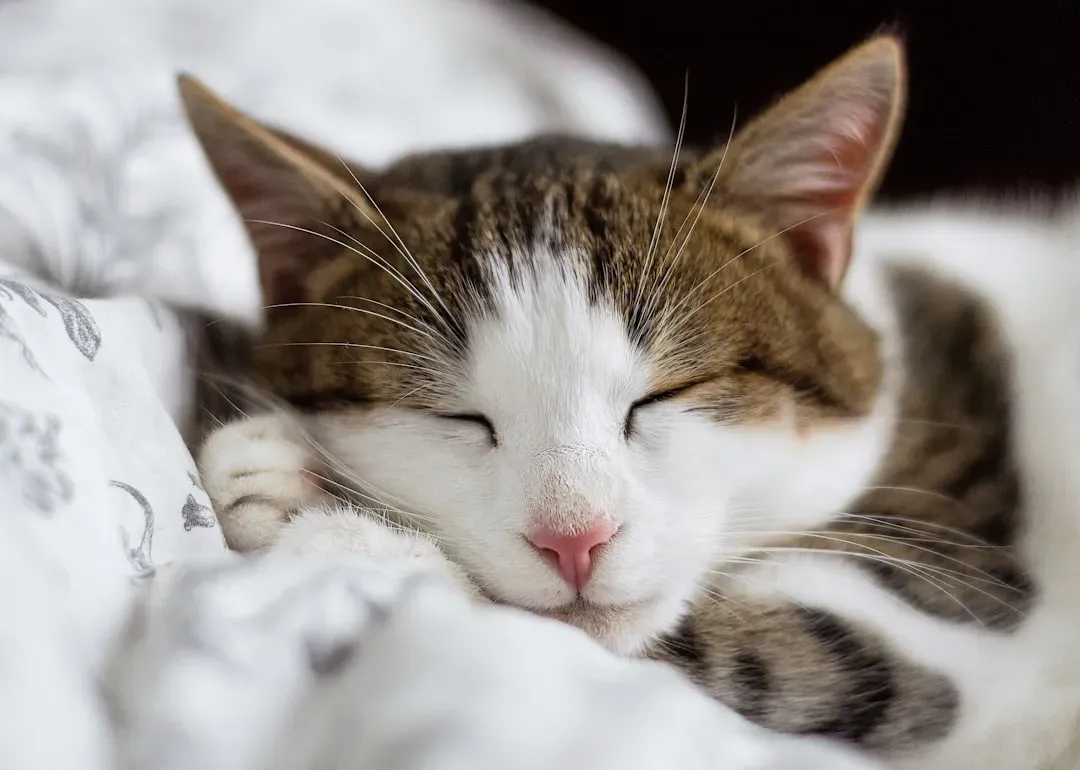
Cats do dream, and it’s an important phenomenon that helps the brain to process the activities of the day. Scientists figured this out by studying brain activity during different sleep phases. Cats experience REM (Rapid Eye Movement) sleep, the stage where most vivid dreams occur, and during this time, their brains show activity patterns remarkably similar to when they’re awake. It’s actually quite remarkable when you think about it.
Research conducted by French neuroscientist Michel Jouvet in the 1960s provided groundbreaking evidence of cat dreams, revealing that cats have a specific region in their brainstem called the pons, which prevents them from physically acting out their dreams during REM sleep. When Jouvet disrupted this mechanism in his studies, something incredible happened. The cats indeed began moving during REM sleep and displayed behavior that scientists interpreted as hunting small prey.
Hunting Adventures in Dreamland
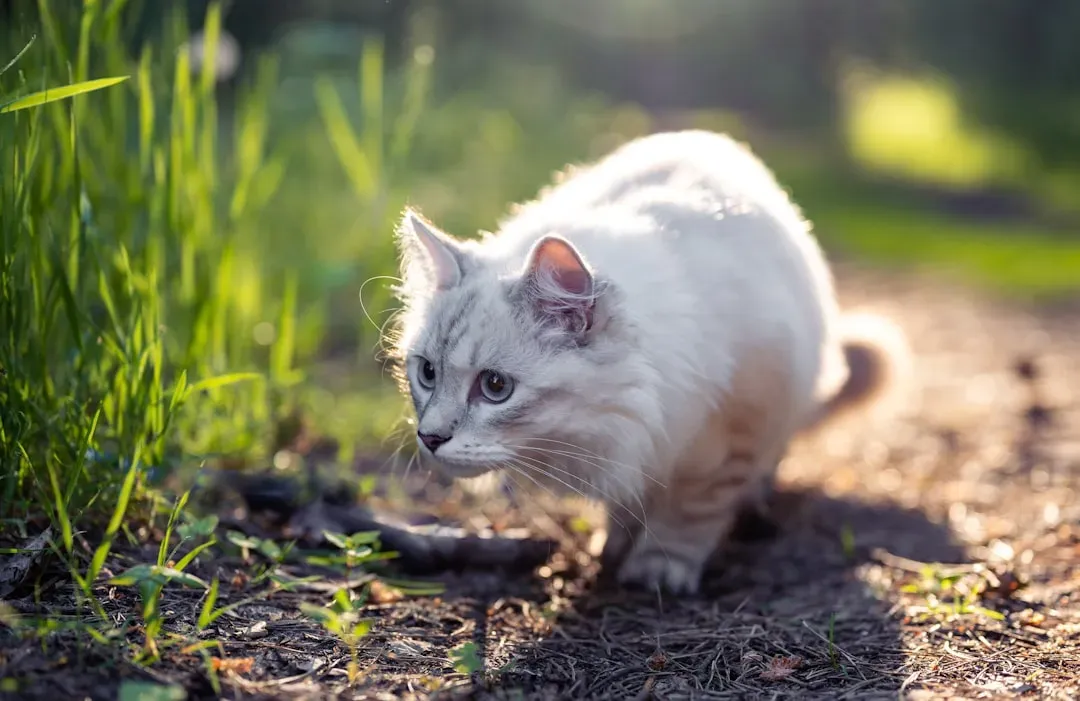
It’s a very safe assumption that cats dream about stalking and pouncing on prey, stronger than any extrapolation. Even your pampered house cat who’s never caught anything more dangerous than a toy mouse likely dreams about the hunt. This makes perfect sense when you consider their evolutionary heritage.
Even house cats retain hunting instincts, and studies show cats mimic hunting behaviors while asleep, swatting, stalking, or pouncing in their dreams, even if they’ve never caught live prey. Those tiny paw movements you see? Your cat might be stalking a bird or chasing down a particularly elusive piece of string from earlier in the day. Their predatory nature doesn’t shut off just because they’re asleep.
Replaying Daily Life and Memories
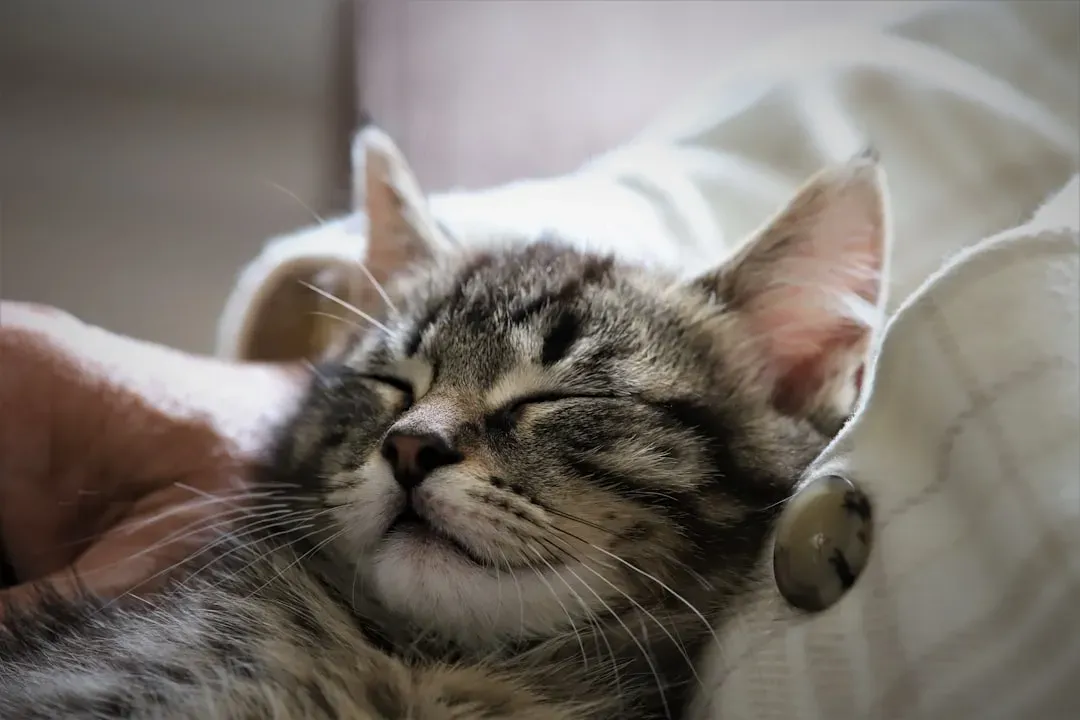
Here’s the thing, your cat’s dreams aren’t just random. Cats typically dream about their daily activities and experiences, including hunting, playing, and social interactions, and scientific studies suggest they replay events from their day, similar to how humans process daily experiences through dreams. Think about what your cat did today. Did they watch birds through the window? Play with their favorite toy? Those experiences are likely replaying in their mind right now.
Cats use dreams to process memories, so it’s likely they dream about chasing toys, exploring the house, or watching birds from the window, anything that makes an impression on them during the day. The intensity of their daytime experiences might even determine how vivid their dreams become. That particularly exciting game of chase the laser pointer? Yeah, they’re probably reliving that.
Do Cats Dream About Their Humans?
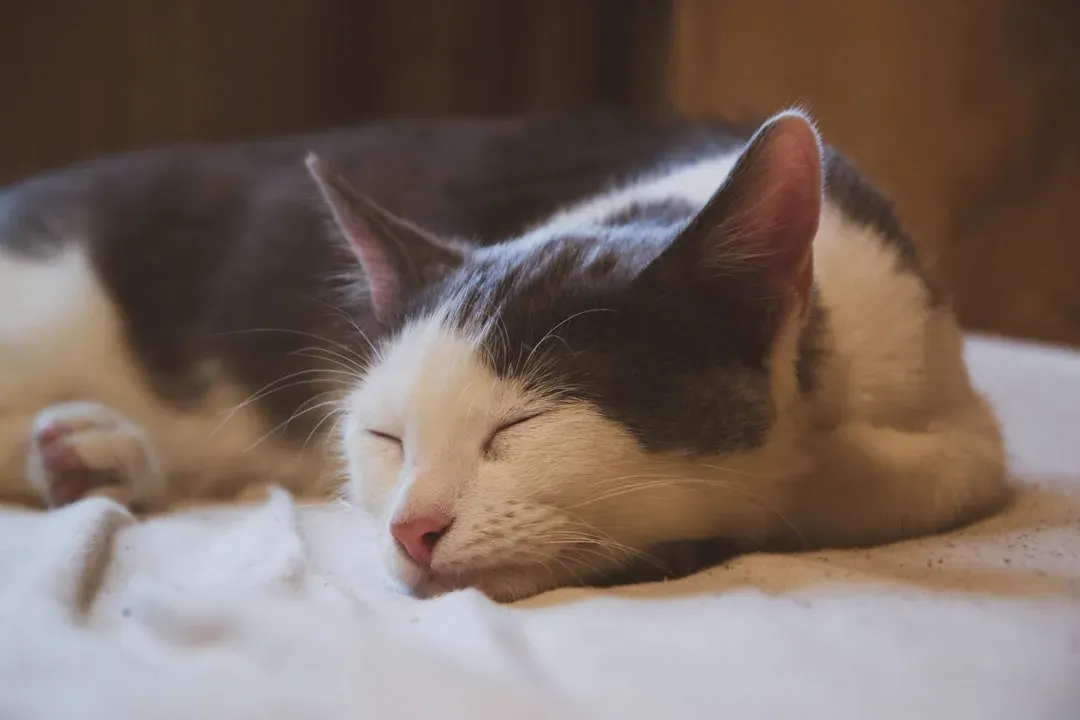
Let’s be real, we all want to know if our cats dream about us. The answer might make you smile. Cats probably do dream about their pet parents, their kitty friends, and even their enemies. You’re part of their daily experience, so naturally you’d show up in their dreams too.
Cats form strong emotional bonds, and many experts believe they dream about interactions with their human companions, other cats, or even dogs in the home, and these moments may replay in their sleep as a way to reinforce social memory. That’s pretty amazing when you think about it. Your cat isn’t just tolerating you, they’re actually processing your relationship while they snooze.
The Mystery of Dream Senses
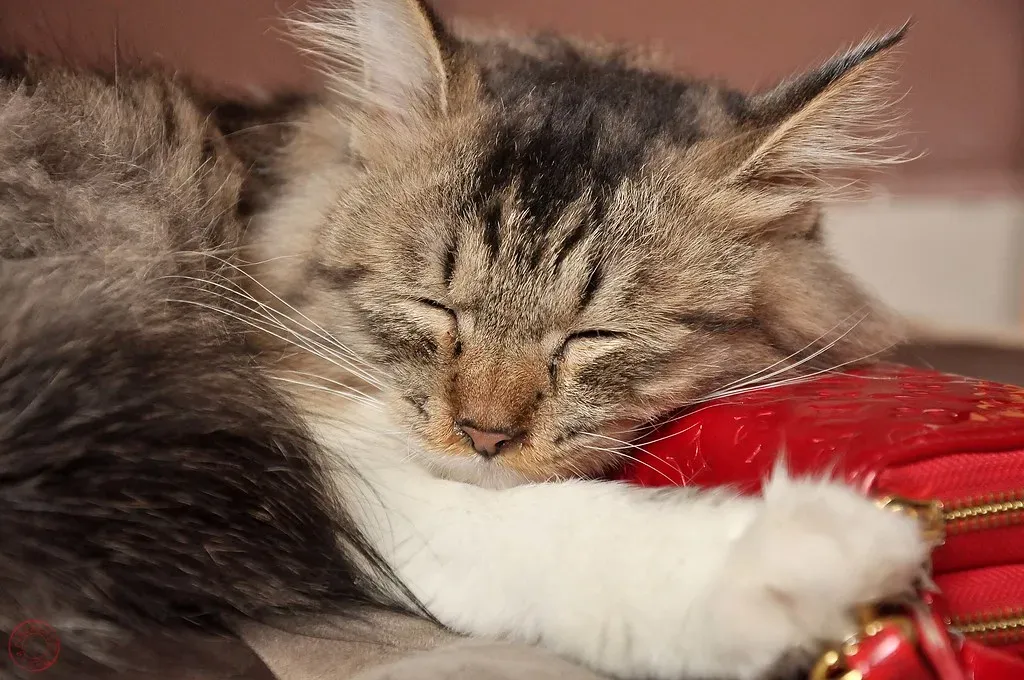
Because smell is very important for both cats and dogs, their dreams might focus more on odors than ours do, suggesting that dogs and cats may dream in smells. This is honestly one of the most intriguing aspects of feline dreams. Imagine experiencing a dream world dominated by scents rather than visuals.
Cats experience their waking world through multiple senses simultaneously, whiskers detecting air currents, ears rotating toward sounds, noses analyzing countless chemical signatures. Their dreams likely engage this multisensory experience in ways we can barely comprehend. While we humans rarely report scents in our dreams, your cat might be reliving the smell of that delicious dinner or the intriguing scent of another cat from outside.
Young Kittens Dream More Intensely
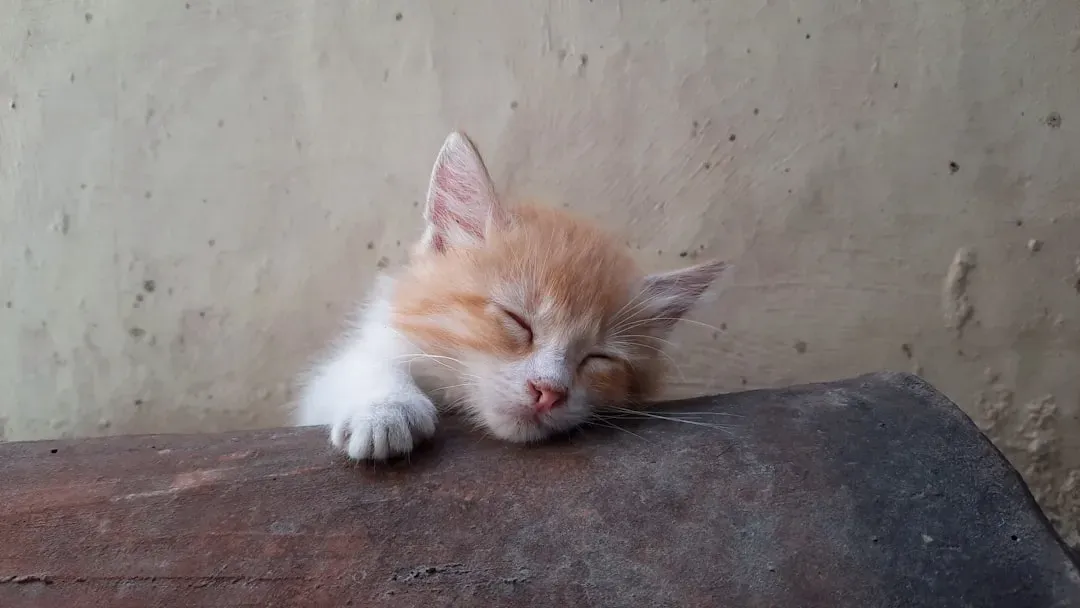
Kittens tend to dream more frequently than adult cats, possibly because they’re processing more new information about their environment, and these dreams play a crucial role in learning and development. If you’ve ever watched a kitten sleep, you know they twitch and move almost constantly. There’s a good reason for that.
Kittens spend a significant portion of their sleep in the REM stage, where dreaming occurs, and twitching helps stimulate and develop their motor skills and neural pathways as they grow. Every new experience needs processing. Every skill needs practice. Young brains are working overtime, even during sleep, to make sense of this big, fascinating world they’ve just entered.
Can Cats Have Nightmares?
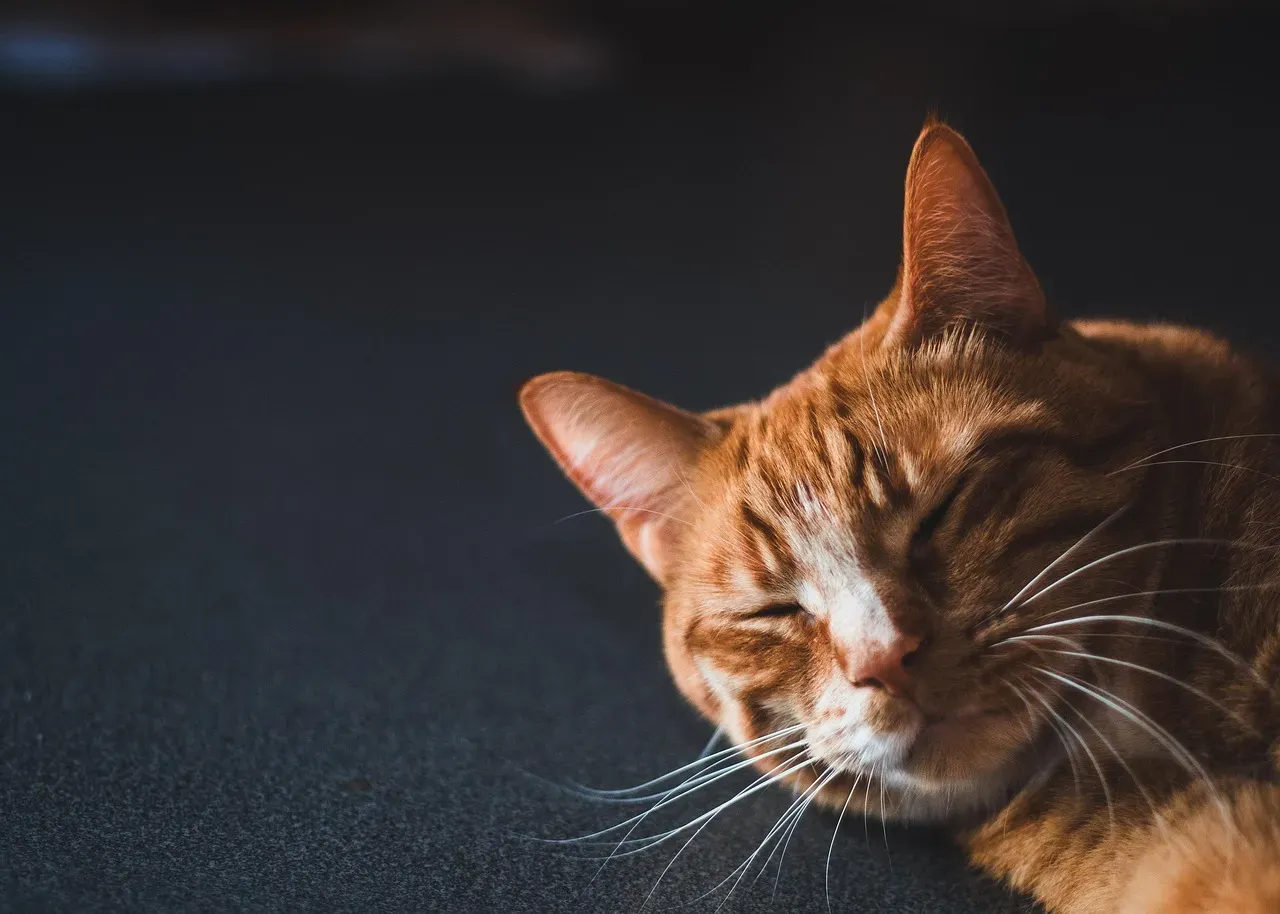
If a cat has a particularly frightening experience, such as a fight with another cat, a close call with a car, or a fall off a roof, they might even have nightmares. It’s hard to say for sure, but behavioral signs suggest it’s possible. Not every dream is pleasant, even for our feline friends.
Behavioral signs and expert opinions suggest that cats can experience negative dreams, especially when they’ve been through something stressful or traumatic, and if their brains can recreate vivid, instinct-driven dreams, they could also replay scary or stressful moments. You might notice sudden jerky movements or distressed vocalizations if your cat is having an unpleasant dream. Fortunately, most feline dreams appear peaceful based on their relaxed sleeping behavior.
The Physical Signs of Dreaming
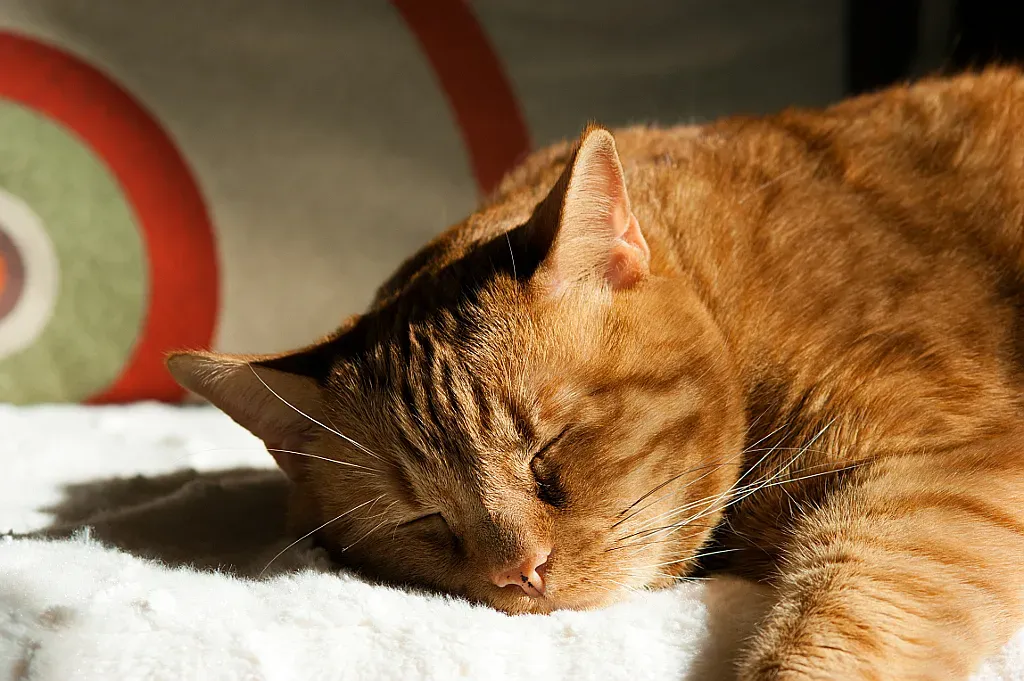
Twitching whiskers, paw movements, rapid eye movement under closed eyelids, and soft vocalizations are all common indicators that your cat is in the REM sleep phase and likely dreaming. These movements are completely normal and actually quite endearing to watch. Your cat isn’t in distress, they’re just having a vivid dream experience.
During REM sleep, cats experience involuntary muscle movements such as twitching of the paws, whiskers, or ears, leg or tail twitching, and mild vocalizations, and these movements are typically a harmless sign that your cat is dreaming. Sometimes they’ll even make little chirping sounds or tiny meows. It’s like they’re narrating their own dream adventure, and honestly, it’s adorable.
The Importance of Letting Them Dream
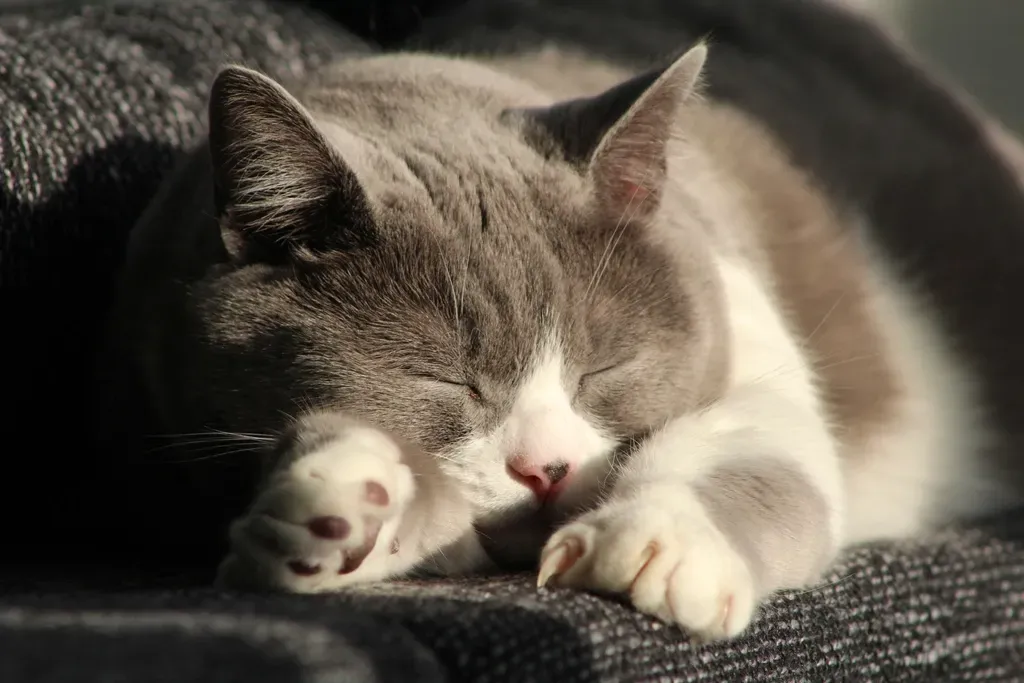
Dreams help cats process information, consolidate memories, and maintain important survival skills, and they’re particularly crucial for kittens, who use dreams to process new experiences and develop natural instincts. Sleep isn’t just downtime for cats. It’s when their brains do critical maintenance work.
The hippocampus, the memory part of the brain, is highly active during feline REM sleep, which means dreams may also help cats process learning, solve problems, or solidify new routines. Interrupting their sleep might actually interfere with these important cognitive processes. So next time you’re tempted to wake your twitching cat for a cute photo, maybe resist the urge and let them finish whatever adventure they’re having.
Conclusion
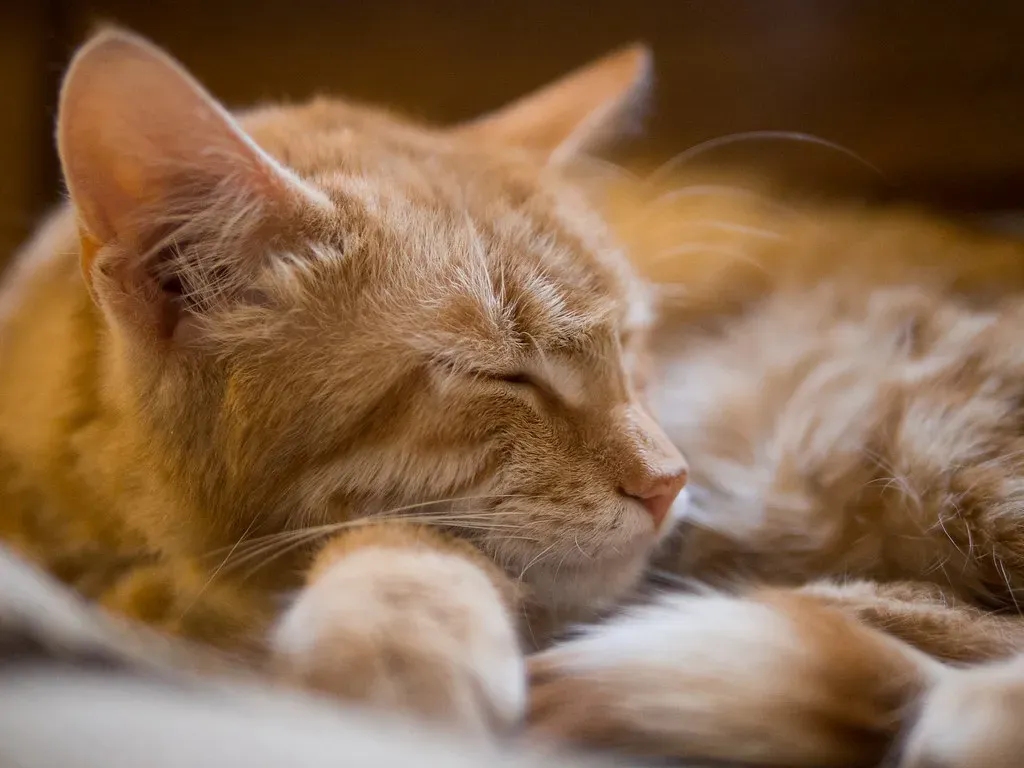
The world of cat dreams remains partially mysterious, yet what we’ve learned paints a fascinating picture. Your cat’s nightly adventures likely include epic hunting expeditions, replays of their daily activities, interactions with you and other household members, and sensory experiences we can barely imagine. Those twitching paws and soft purrs tell the story of a rich inner life continuing even in sleep.
Understanding that your cat dreams helps us appreciate just how complex and conscious these creatures really are. They’re not just sleeping the day away, they’re processing, learning, and maintaining the instincts that make them the fascinating felines we love. Next time you see your cat twitching in their sleep, you’ll know they’re off on another adventure in dreamland. What do you think your cat dreams about most? Tell us in the comments.