You’re walking to the kitchen for your morning coffee and there it is. A small, lifeless mouse lying on the doormat, strategically placed like an offering at an altar. Your cat sits nearby, looking at you with wide, expectant eyes.
Maybe you’ve shrieked. Perhaps you’ve gagged a little. But your feline friend seems utterly perplexed by your reaction. After all, they’ve just delivered what they consider to be an impressive trophy. Let’s dive into what’s really happening when your cat brings you these puzzling, often unwanted presents.
It’s All About the Hunting Instinct

Your cat brings you dead animals because it is their natural instinct to do so. Here’s the thing: even though you feed your cat daily with premium kibble or gourmet wet food, their drive to hunt remains unshakeable.
The hunting instinct is one of the most distinctive behavioral patterns in cats, and the desire to hunt is not governed by hormones and therefore does not diminish after neutering. Think of it this way. Your fluffy companion is hardwired with millions of years of evolutionary programming. Hunting behavior is hard-wired into your cat’s DNA, as your cat’s wild ancestors developed their hunting skills over millions of years of stalking and chasing prey.
Hunger Has Nothing to Do With It

Let’s be real. You might assume your cat is hunting because they’re starving. That couldn’t be further from the truth.
Hunting comes as naturally to a cat as eating and sleeping, so the urge to hunt isn’t tied to hunger, and in the wild, cats hunt all the time, even if they are not hungry. If they wait until they’re hungry to hunt, they could starve to death because of the difficulty in hunting and capturing prey, with less than a 50% chance of success at each hunting attempt. Wild cats learned to be opportunistic, striking whenever the chance presented itself. Your indoor cat has inherited this same mentality. One study found domestic cats only eat 30 percent of prey killed.
They Think You’re a Terrible Hunter

This might sting a bit, but your cat probably views you as hopelessly incompetent when it comes to survival skills. You never bring home fresh prey, after all.
When your cat brings you dead animals, it might be because they think you’re a terrible hunter and want to help you practice. Cats view us, their human owners, somewhat like inept kittens, a perception that reflects how cats see our relationship within their social structure. Mother cats in the wild bring dead or injured prey to their kittens as teaching tools. Your cat is essentially trying to educate you in the fine art of hunting. Honestly, it’s kind of sweet when you think about it, even if the execution is horrifying.
Your Home Is Their Safe Zone

The real reason why cats bring these ‘gifts’ home is because their home is where they feel safe and secure. Imagine you’ve just caught something and there are potential predators lurking about. Where would you take your prize?
When cats catch prey they may not want to eat it or leave it where other animals could steal it from them. So they bring it to the one place they trust most: your house. By bringing it into their home territory, they can explore it safely and avoid others stealing it from them. It’s less about you and more about them feeling secure enough in your space to store their treasures.
It Could Be a Sign of Affection

Cats bringing dead animals home can indeed be seen as a form of affection or gifting, stemming from their instinctual behaviors. Some experts believe that when cats present you with prey, they’re including you in their social circle.
By gifting you a dead animal, your cat might be trying to signal that you’re part of their group, viewing you as part of the pack. This may be a sign that your cat considers you a part of their family, sharing the bounty of their hunt, just as Mama Cat may have done with them when they were kittens. While we humans prefer flowers or chocolates, cats have their own love language. It just happens to involve small corpses.
They’re Just Playing Around

Cats will often play with their prey before eating it, and gift-giving might be a kind of attention-seeking and bond-building behavior in cats. Sometimes your cat isn’t necessarily trying to feed you or teach you anything.
The behavior is not born out of evil intent but is likely done as a form of enrichment and entertainment, and it is more common in pet cats. Cats that weren’t hungry were more likely to play with their prey. Well-fed domestic cats hunt for the thrill of it, the chase, the pounce, the satisfaction of a successful capture. It’s their version of a hobby.
Personality Plays a Role
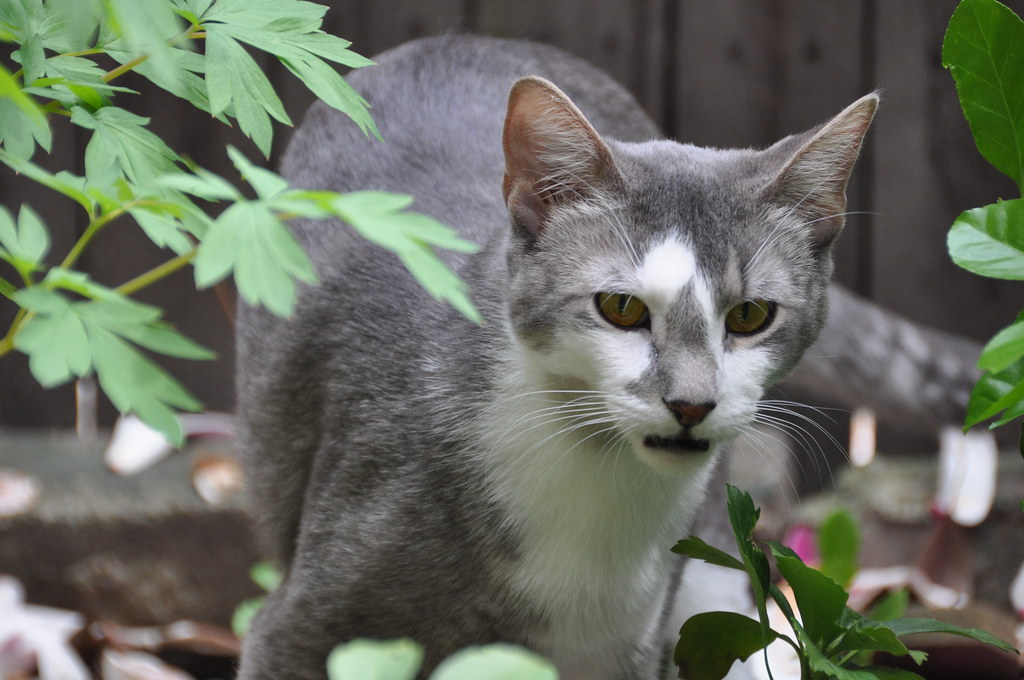
Not all cats are equally enthusiastic hunters. Some are prolific killers while others barely notice the birds outside the window.
Dominant, aggressive and active cats, as noted by their owners, brought back more dead animals into the home. In contrast, cats that were shy and friendly with their owners tended to bring home less prey. Your cat’s individual temperament significantly influences whether you’ll be greeted with grisly gifts regularly or only on rare occasions. Location matters too; rural cats have more hunting opportunities than city dwellers.
Never Punish Your Cat for This Behavior

It’s important not to punish your cat for catching wildlife or bringing their prey home, as they won’t understand what they’ve done wrong, and as hunting is a natural instinct for cats, shouting at them won’t deter them from doing again.
It will only cause them stress which could lead to other unwanted behaviours. Your cat genuinely doesn’t understand why you’re upset. From their perspective, they’ve accomplished something remarkable and brought it to share with you. Punishment will only confuse and frighten them. Instead, calmly remove the prey and distract your cat with a toy or treat.
How to Discourage the Presents

As this behavior is part of what makes a cat a cat, it is impossible to train the behavior out of them. Still, you can take some practical steps to reduce the frequency of these deliveries.
Putting a bell on your cat’s collar is one of the easiest ways to prevent many successful hunts, as a bell will sound your cat’s approach to wildlife and give them time to fly or scurry to safety, but always make sure that it is a quick-release collar. A recent study showed that daily playtime with their owners actually reduced the amount of prey that cats brought home. Consider keeping your cat indoors during dawn and dusk when prey animals are most active.
Redirecting Those Hunting Instincts

Redirecting your cat’s hunting instincts through frequent play is one of the most effective methods in helping to reduce or eliminate her hunting behaviors, as play provides mental stimulation for your cat and helps to satisfy her hunting desires.
Feather wands, toy mice, anything that mimics prey movement will do the trick. Many cats enjoy “hunting” feather wands, but you can try multiple toys to see what your cat likes best, as some cats are excited by toys waved through the air, while others prefer to play with toys they can chase along the ground. The goal is to tire them out and give them an acceptable outlet for those predatory urges. A satisfied, exhausted cat is less likely to prowl for real prey.
What the ‘Present’ Really Means
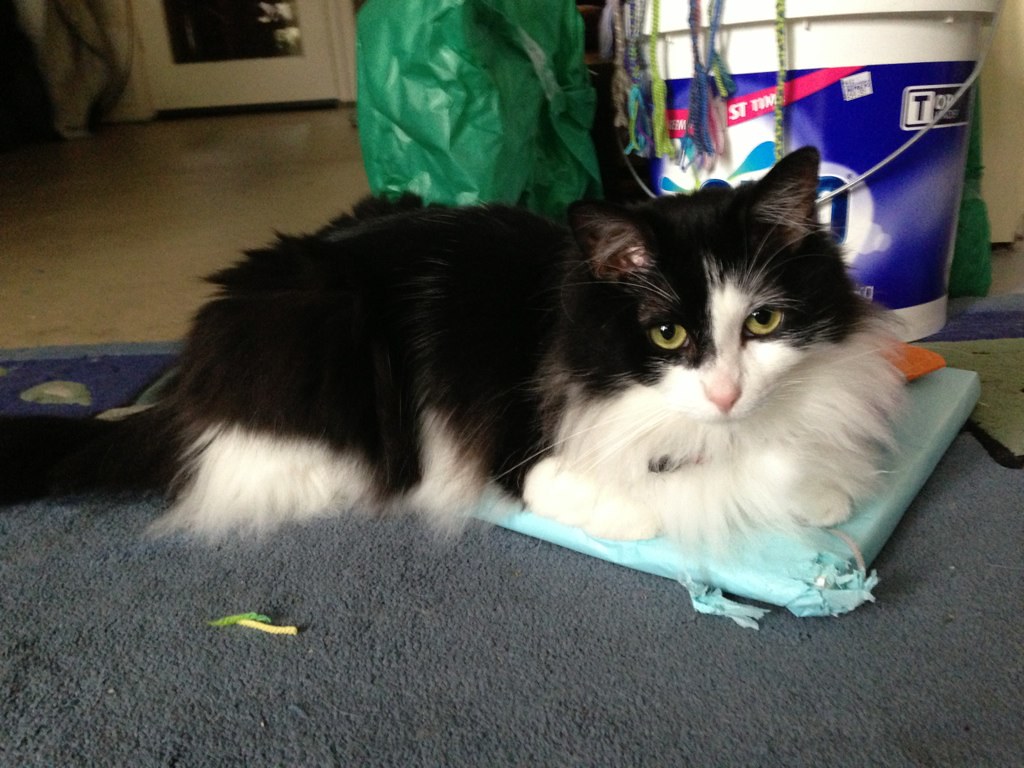
So what’s the verdict? The answer varies depending on a multitude of factors, including your cat’s personality, the specific circumstances, and even your reaction to these little offerings.
Your cat isn’t trying to gross you out or upset you. They’re following ancient instincts, showing trust in your shared space, possibly trying to teach you essential survival skills, or simply enjoying the thrill of the hunt. They most likely give you gifts because they view you as one of their favorite people or want to help you level up your hunting skills. The presents are, in their own strange way, a compliment. Though I know it sounds crazy, receiving a dead mouse means your cat feels comfortable, confident, and connected to you. What do you think about it? Does knowing the reason behind the behavior make those surprise deliveries any easier to handle?