You spent weeks agonizing over that new velvet sofa. You swapped your throw pillows three times. You finally nailed the perfect gallery wall. Your home looks stunning, to you at least. Meanwhile, your cat is sitting in the corner, staring at the room with those half-lidded, unreadable eyes, silently passing judgment on every single choice you made.
Here’s the thing: your cat does have opinions about your home. Serious ones. They’re just not based on Pantone trends or Pinterest boards. Your cat has a completely different set of priorities, a different visual system, a different sense of security, and a deeply instinctive relationship with the space around them. Understanding what’s going on inside that fuzzy little head might actually make you a better decorator – and a better cat owner. Let’s dive in.
Your Cat Is Not Impressed by Your Color Palette
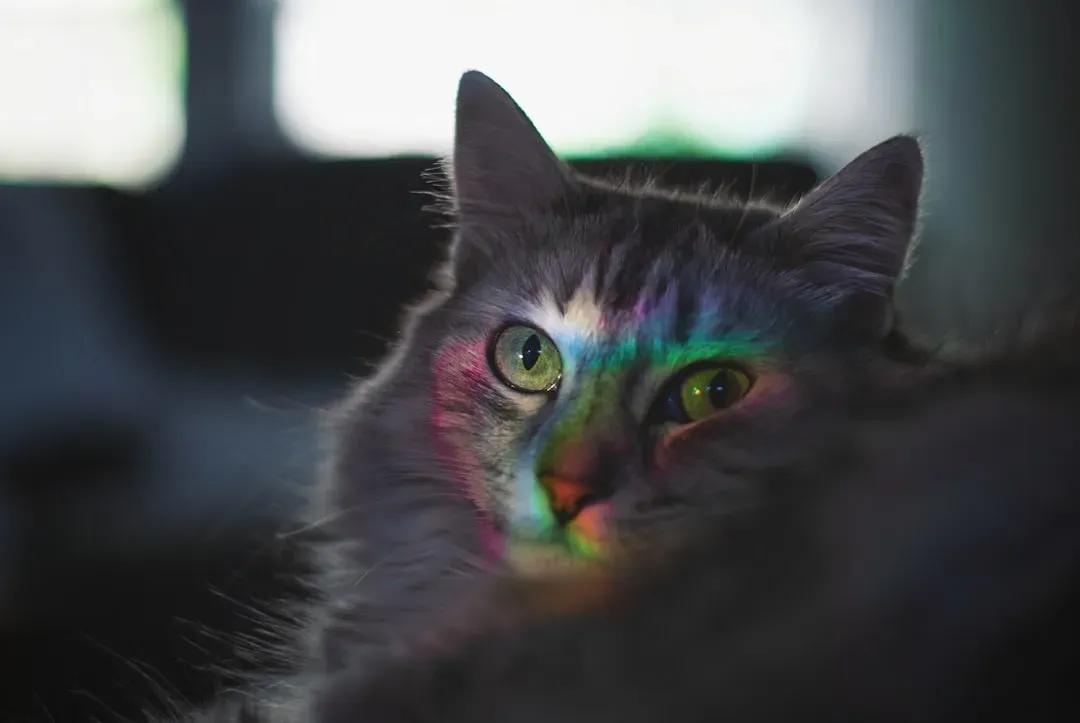
You may have carefully chosen those rich burgundy curtains or that bold emerald accent wall, but your cat honestly can’t appreciate your effort the way you’d hope. Unlike you, your cat has a more limited color spectrum due to their unique retinal structure. Their cone cells are primarily sensitive to blue-violet and yellow-green wavelengths. That gorgeous crimson feature wall? It probably looks like a dull, washed-out grayish brown to them.
Scientific observations reveal that cats form mental categories of objects based not on color, but on shape, texture, and movement. This explains why your cat might ignore a beautiful red toy while going absolutely wild over a simple piece of paper. So if you’re redesigning with your cat’s comfort in mind, know that bold contrasts, interesting textures, and engaging surfaces matter far more than your color scheme ever will.
The Sofa You Chose Is Their Personal Scratching Invitation
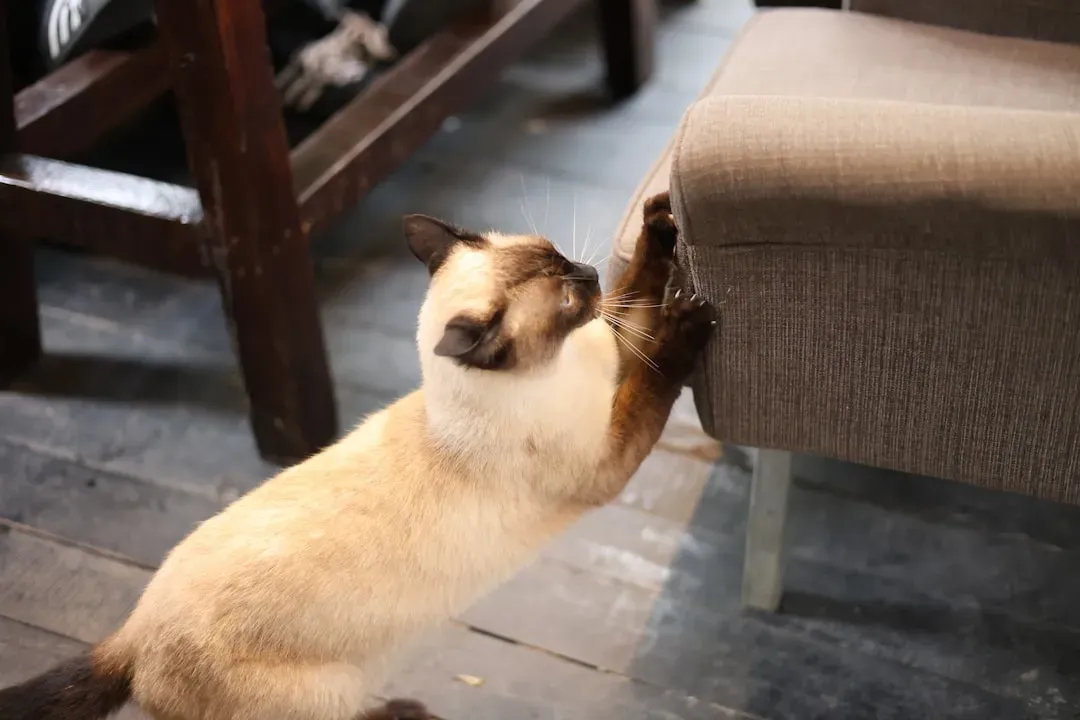
Honestly, your couch is not just a couch. To your cat, it’s a territory marker, a stretching station, and an irresistibly textured surface just begging for their claws. Pay particular attention to the shape and style of sofas and chairs. Sofas or chairs with wide, flat arms and deep cushion backs are very inviting to cats, but they also become a magnet for scratching. Thinner, more rounded and curved upholstery profiles will discourage this to an extent.
Furniture placement matters, especially in relation to where scratching posts are placed. A large vertical upholstered surface, like the back or side of a sofa right near an entry or pass-through point of a room, is a target. Mitigate the appeal of the furniture with a scratching post strategically placed right in front of that prime scratching spot. Think of it like redirecting traffic. You’re not fighting their instincts, you’re just giving those instincts a better address to go to.
New Furniture Is a Territorial Crisis, Not a Home Upgrade
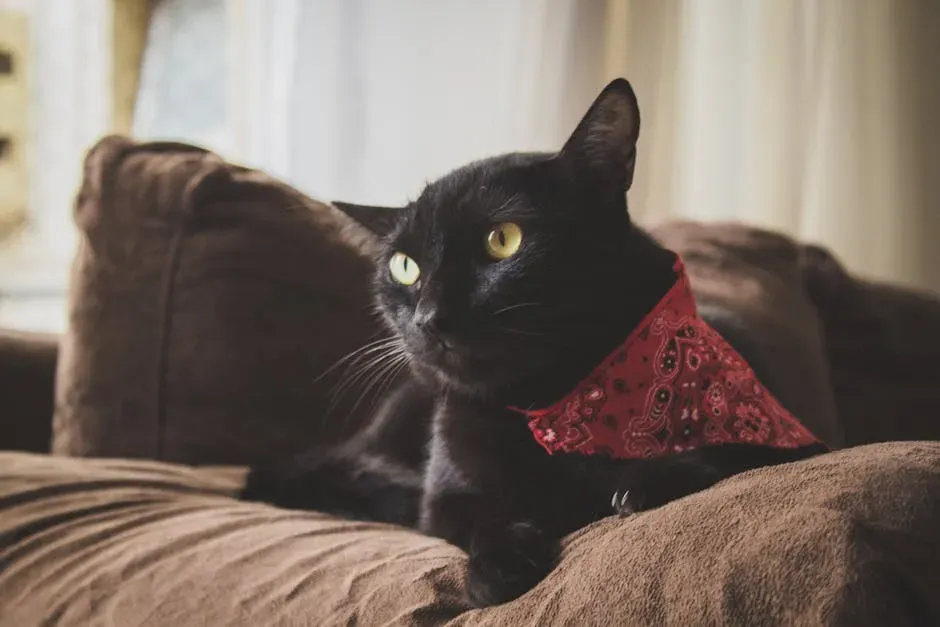
Your cat becomes quite attached to their environment. Each room and each piece of furniture is marked with their scent as a way to establish their territory. Just moving furniture around, redecorating, or adding new pieces can stress some cats because you’re changing the territory they know so well. That brand-new sectional sofa you’re so proud of? To your cat, it’s a stranger who just moved in without permission.
New furniture disrupts scent maps and safe pathways. Cats aren’t rejecting you – they’re protecting their sense of control. Cat behavior with new furniture often reveals stress through avoidance, excessive grooming, or redirected scratching on your sofa. I think the kindest thing you can do is let your cat sniff and investigate new pieces entirely on their own terms. No rushing, no coaxing. Just let them do their slow, methodical inspection in peace.
Your Cat Has Very Strong Opinions About Vertical Space
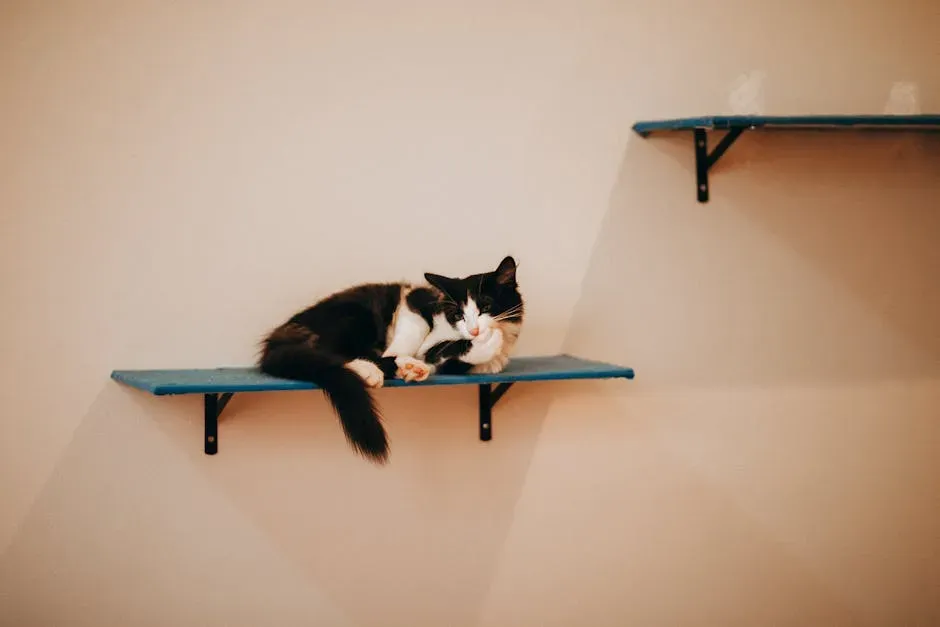
You may notice that many feline friends really like high places. Your pet won’t have a very good vantage point from ground level. Kitties are climbers by nature. In fact, your cat’s claws are angled in a way that makes it easier for them to scale things. If your home decor is entirely flat and ground-level, your cat is essentially living in a world without any of the elevated lookout points that make them feel genuinely safe.
Multiple clinical guidelines emphasize that vertical space and safe hiding spots directly reduce stress. Evidence-based adjustments that improve the physical system include vertical territory such as cat trees, sturdy shelves, or cleared tops of furniture at different heights. Cats love climbing, and vertical space is often underused in human homes. Instead of wide floor-bound trees, go for sleek cat tree towers or floating platforms that double as wall art. That’s a genuine win for both of you.
Windows Are the Television Your Cat Actually Wants
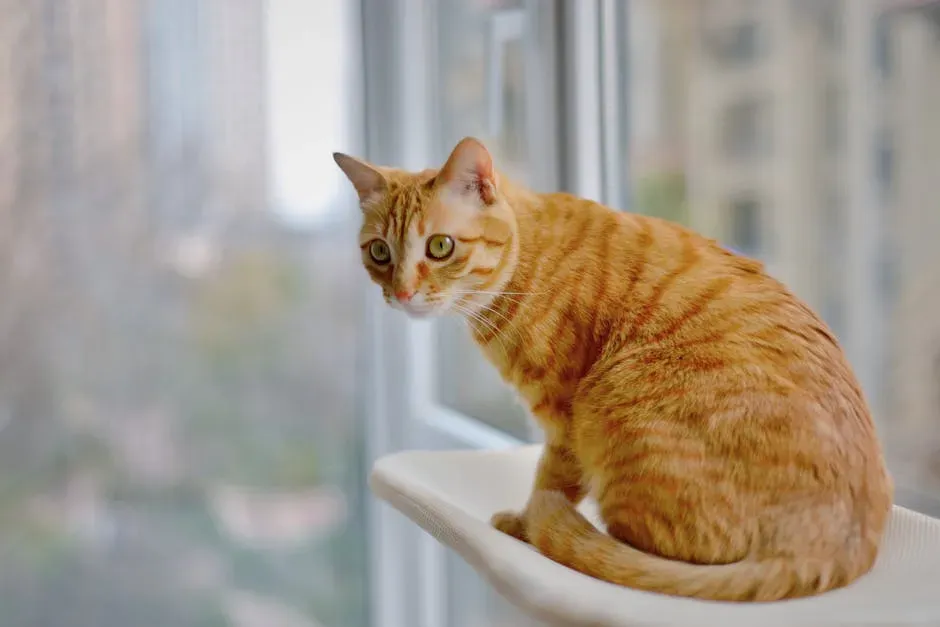
You invested in a stunning 4K TV, a sound system, the works. Your cat, though, would trade all of it for a well-positioned window seat with a view of the bird feeder outside. Windows provide essential environmental enrichment through visual stimulation. Studies have shown that access to window views with wildlife or activity significantly reduces stress behaviors in indoor cats, giving them mental stimulation and environmental enrichment.
A lookout should be situated so your cat can see your comings and goings. In well-positioned homes, an interior window opening about four feet off the ground, cut into the wall separating rooms, can offer views to the front and back of the house as well as to the stairs going up to the bedrooms. Cats love to sit in spots like that. Consider placing cat trees near windows so your indoor cat can watch the outside world, enriching their environment. It’s the ultimate low-cost decor upgrade for a cat’s quality of life.
Clutter and Rearranged Rooms Genuinely Stress Them Out
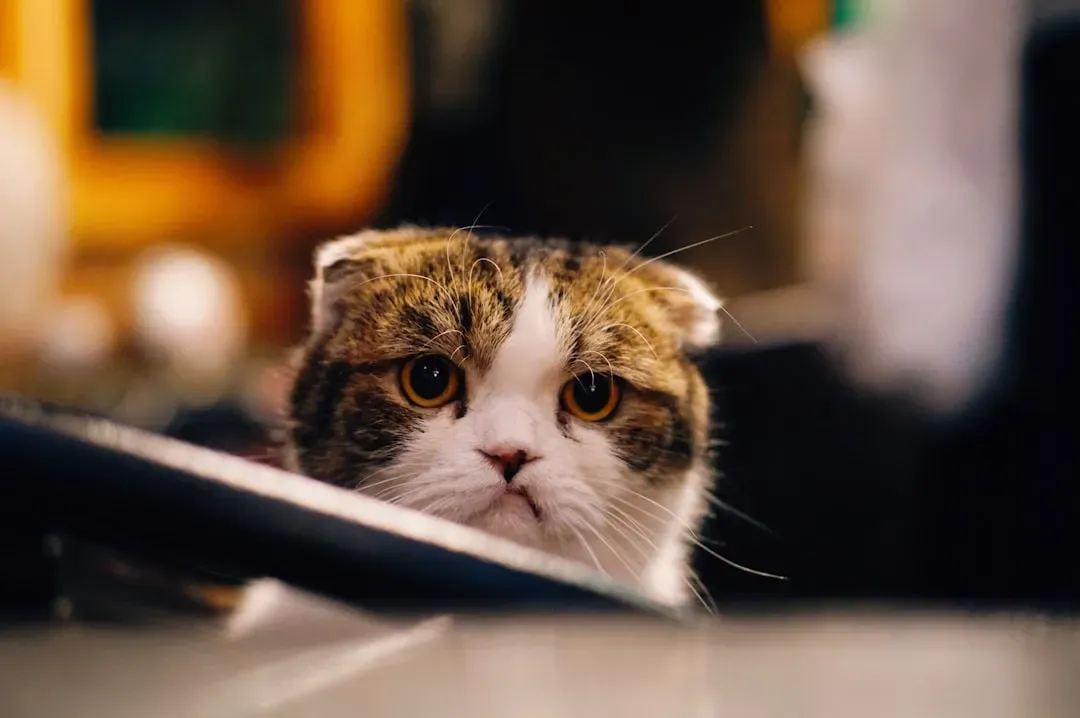
Cats are not like humans – they like everything to stay in the same place and to have the same routine every day, so they can get stressed if you move things around. They are quite good at hiding their stress, but they can be very sensitive to change and can become anxious, which could lead to stress-related problems both emotionally and physically. That spontaneous Sunday rearrangement you thought would freshen up the living room? Your cat experienced it as a minor catastrophe.
Cats are creatures of habit, and even small changes in their environment can be unsettling. When furniture is rearranged, your cat’s favorite spots, territorial markers, and routes are affected. This can lead to feelings of insecurity or stress. If persistent, these feelings could affect their physical health, such as changes in appetite or bathroom habits. It’s hard to say for sure how long any individual cat takes to readjust, but patience and consistency are your best tools here.
Your Cat Judges the Texture of Everything in Your Home
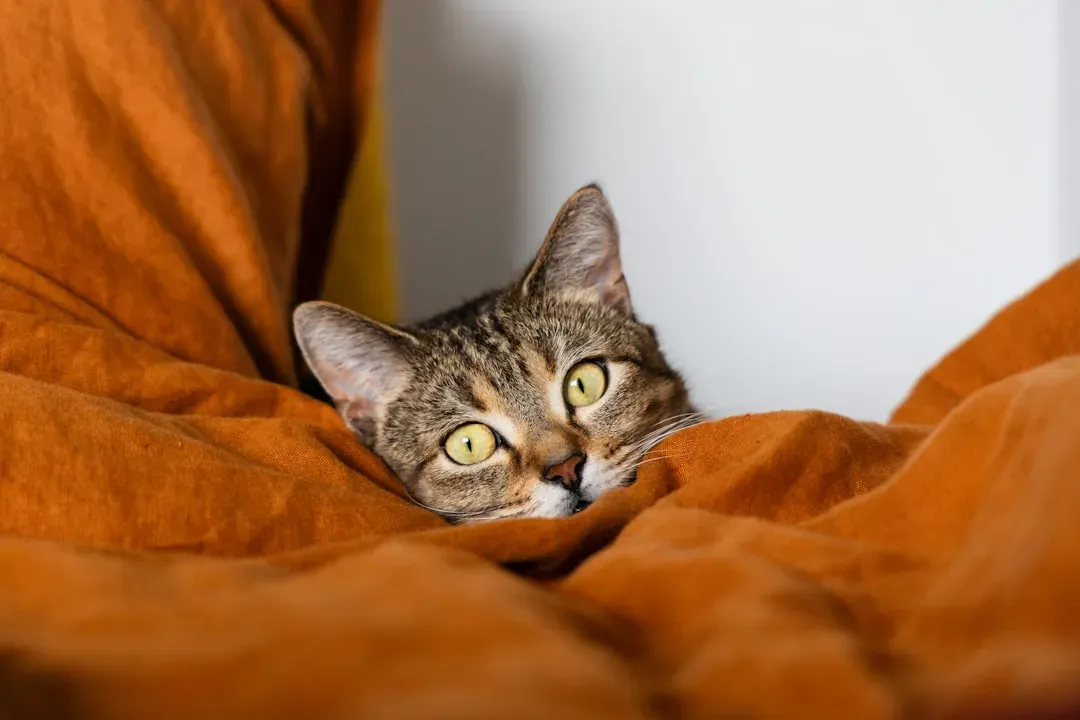
Texture is honestly a bigger deal to your cat than almost anything else in the room. Although cats can see some colors, there’s little evidence that color strongly influences their behavior. Instead, movement, texture, and sound tend to grab their attention and interest. That soft boucle armchair, the rough sisal basket, the smooth ceramic vase on your shelf – your cat is registering all of it through their paws, whiskers, and nose long before their eyes get involved.
Opt for pieces that offer various levels of elevation and incorporate materials that encourage scratching, such as sisal or carpet, to help maintain their claws. Stability is crucial; sturdy furniture will ensure your cat feels secure during use. Since cats rely on motion detection, contrast, and low-light navigation, you can make small adjustments to your home to enhance their comfort and stimulation. Bold contrasts in bedding, toys, and scratching posts make objects easier to distinguish. Let your texture game work for both of you.
Their Safe Retreat Is Non-Negotiable Decor
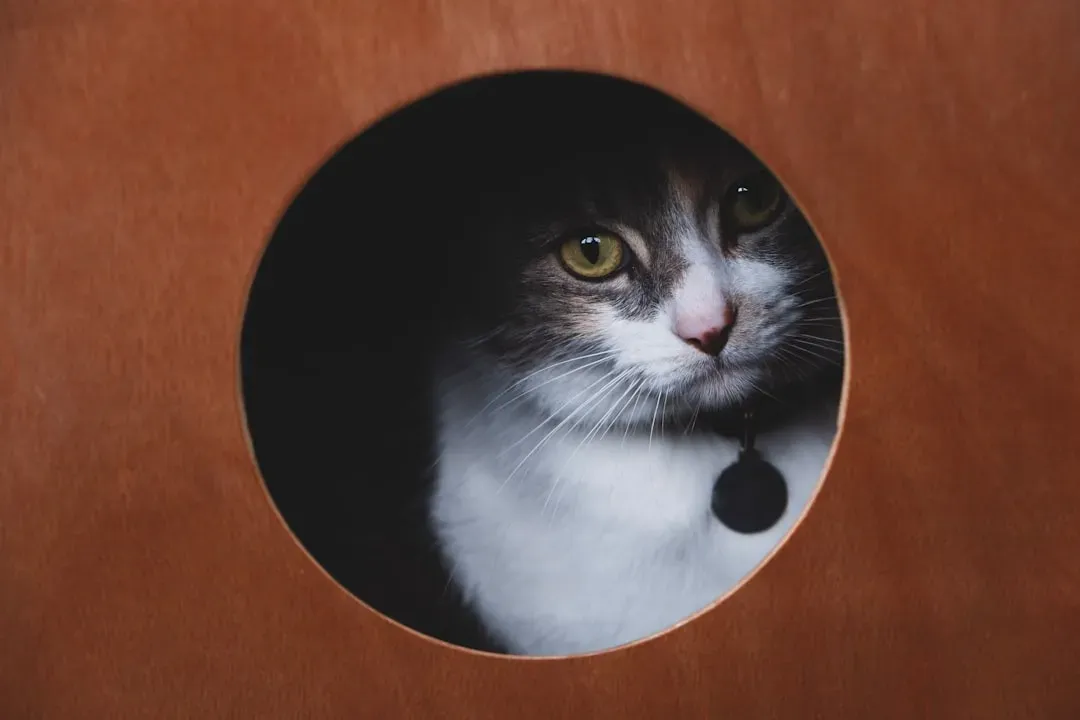
Let’s be real: no matter how beautiful your open-plan, minimalist home looks, your cat needs a hideaway. It’s not negotiable. One reason to choose cat furniture is to give your cat its own personal space. Every pet benefits from a quiet spot to retreat to, and a well-chosen piece of cat furniture can provide just that. Your cat might need a break from the family dog, the noise of a vacuum, a toddler’s attention, or the general activity around the house. Having a designated area can make your cat feel more secure and relaxed.
A good indoor home isn’t just four walls – it’s a system that meets physical, emotional, and behavioral needs at the same time. Indoor cats need safe places including hiding spots and elevated vantage points, along with multiple and separated key resources such as food, water, litter, scratching areas, and resting areas. Cats appreciate hiding spots like cardboard boxes, cat trees, or spaces under furniture where they can retreat when feeling overwhelmed. Position these elements to create multiple levels and hiding options, allowing your cat to choose their preferred vantage points and retreat spaces. Even the most stylish home can accommodate a cozy hidden nook.
You Can Actually Design a Home That Works for Both of You
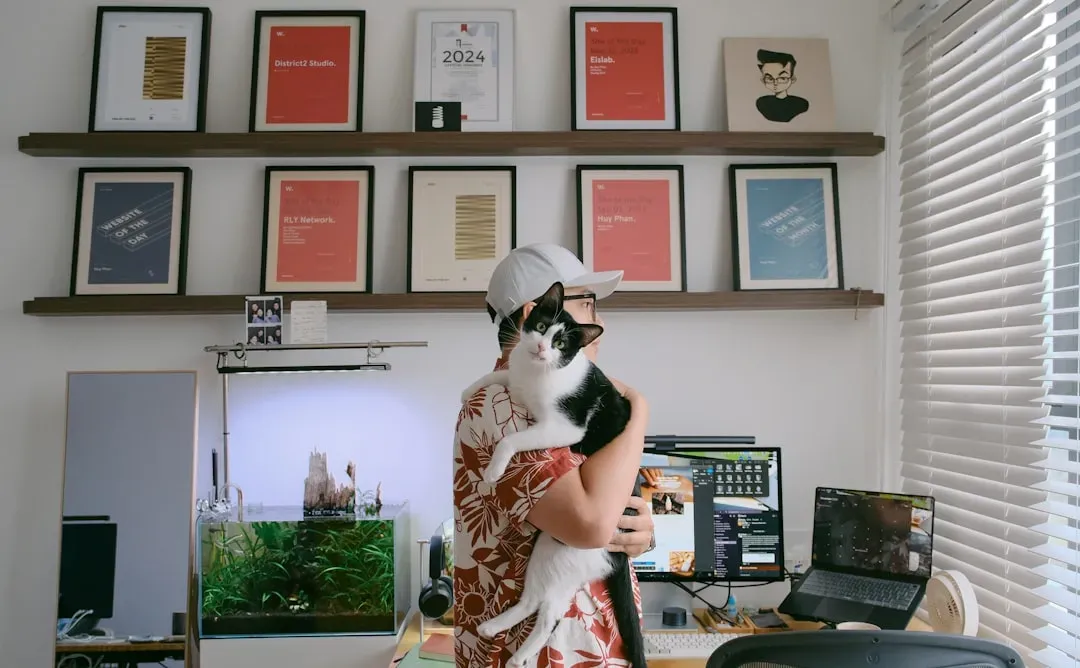
Here’s the genuinely good news: your aesthetic and your cat’s needs don’t have to be mortal enemies. Building a cat-friendly house doesn’t mean cluttering your space with carpeted monstrosities or hiding scratching posts behind chairs. It means making thoughtful, intentional choices that cater to your cat’s instincts and your sense of design. The market in 2026 has never offered more stylish, functional solutions for exactly this balance.
Strategic placement of cat furniture isn’t just about creating a cat-friendly home – it’s about understanding your unique cat’s personality and needs. By observing their preferences and making thoughtful adjustments, you can create an environment that supports their physical and emotional well-being while maintaining a home you love. Investing in stylish cat furniture can beautify your home, blending perfectly with your decor while providing your cats with the features they need. It’s a win-win situation, as you get to enjoy a stylish home and your cats get to live their best lives. That feels like the whole point, doesn’t it?
Conclusion
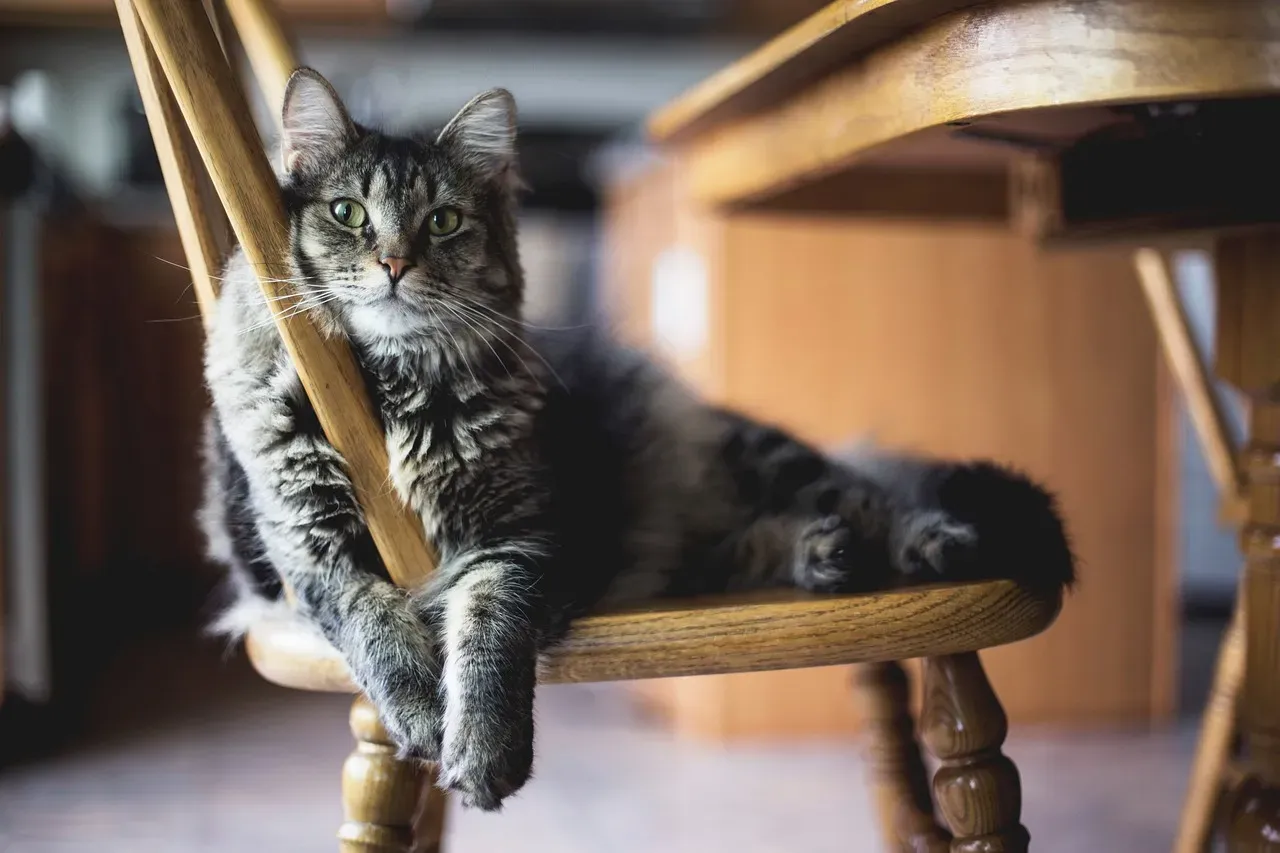
Your cat isn’t judging your interior design choices the same way a house guest might. They don’t care about trends, price tags, or whether your aesthetic is “coastal grandmother” or “dark academia.” What they care deeply about is whether they feel safe, whether they can climb, whether there’s a window to watch the world from, and whether the territory still smells like them after you finished redecorating.
The most powerful thing you can take away from all of this is simple: designing with your cat in mind doesn’t mean sacrificing beauty. It means being thoughtful. Choosing textures that serve double duty. Placing a sleek shelf near the window. Keeping a familiar blanket on the new sofa. Small, intentional acts that say, in a language your cat actually understands, “This home is yours too.”
After all, your cat shares every square foot of your life with you. They deserve a say in how it feels. Now that you know what they’re really thinking – what’s the first change you’ll make?