Have you ever watched your cat’s tail flick back and forth while lounging on the windowsill and wondered what’s going through that mysterious little head? Maybe you’ve reached out to pet your feline friend, only to have them swat at you seconds later, leaving you completely baffled. Your cat’s tail is actually one of their most expressive tools, constantly broadcasting messages about their emotional state. Think of it like a furry antenna transmitting feelings you might otherwise miss completely.
Learning to read these signals isn’t just fascinating, it’s genuinely practical. When you understand what your cat is trying to tell you through tail movements and positions, you can respond in ways that make them feel safer and more comfortable. So let’s dive into the secret language your cat has been speaking all along. Be prepared, some of these signals might surprise you.
The Confident High Tail: Your Cat’s Happy Greeting
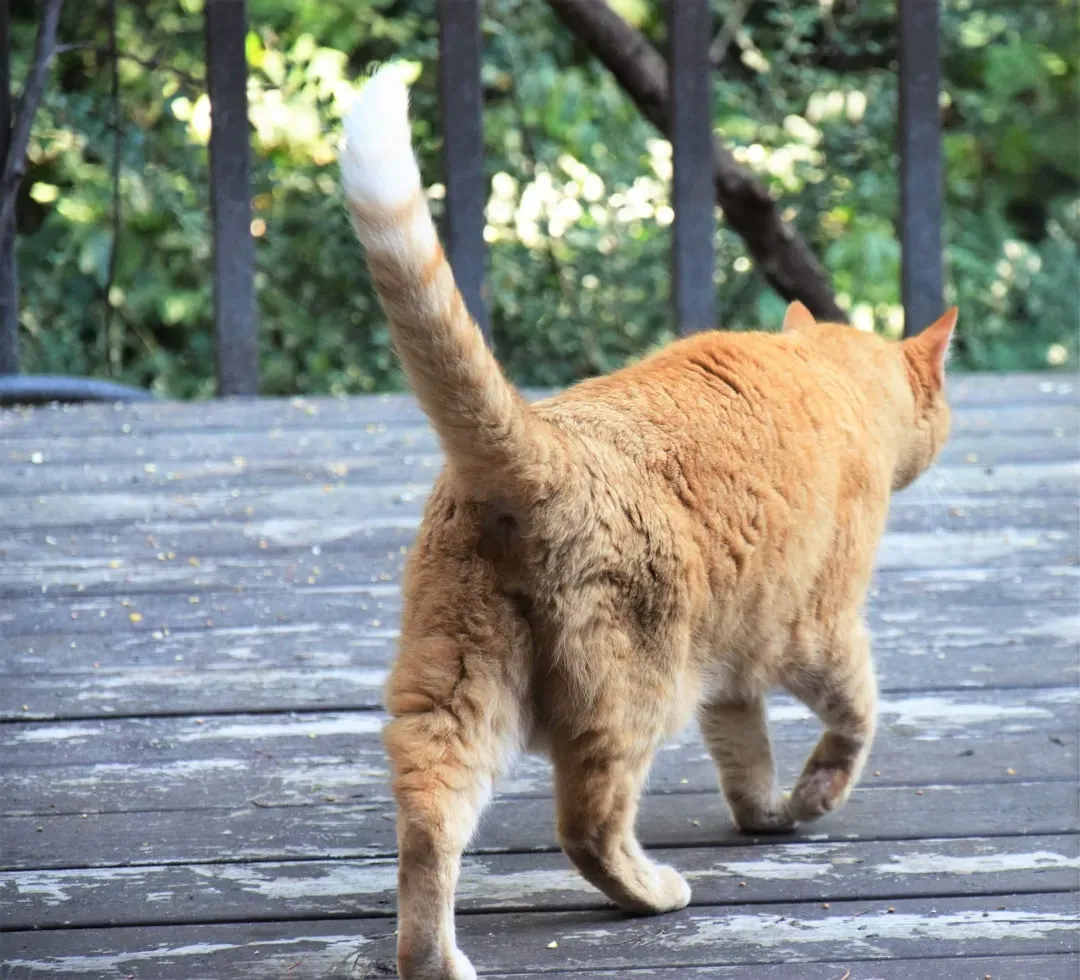
When your cat approaches you with their tail held straight up in the air, they’re feeling social, confident, and friendly. It’s honestly one of the most heartwarming sights for any cat owner. This tail position indicates a friendly greeting between cats, and it’s actually how kittens greet their mothers.
If your cat approaches you with their tail up, they are open to an interaction, and this is a good time to pet them or play with them. Think of it as your cat waving a friendly flag, signaling they’re ready for some quality time together. In cat–human interactions, the cat most often approached with its tail up prior to rubbing itself against the human. This gesture shows you’re part of their trusted inner circle.
The Question Mark Curve: An Invitation to Play

Sometimes your cat’s tail looks like a question mark – it stands upright but curls at the end, and this indicates that your cat is happy and approaching amicably. I think this is one of the cutest tail positions you’ll ever see. When your cat’s tail is in this position, it means it’s an invitation to interact with your cat.
When a cat bends its tail in the shape of a question mark, this is good news, especially if you have a few minutes to spare and some cat toys at the ready, because it’s a cat’s way of asking if you’d like to play. Here’s the thing though: your cat is basically saying they’re in a playful mood and want your attention. Cats may also move the tip of their tails back and forth with the question mark changing orientations, which is an even more intense play signal.
The Quivering Tail: Extreme Excitement

Your cat may quiver their tail when they are especially excited to see you or another cat. Let’s be real, this rapid vibration looks almost like your cat’s tail is shivering. A tail that points up accompanied with a quiver at the base of the tail is often an indication your cat is especially excited to see you or to be getting a tasty bowl of cat food.
If a cat greets you with a quivering tail, it means they’re really excited to see you, and usually their tail will be upright and appear as if it’s almost vibrating. It’s worth noting that this behavior shows genuine happiness and anticipation. However, there’s a caveat here. Sometimes, when a cat quivers their tail while holding it straight up and backing up against a vertical surface, they may be urine marking.
The Slow Swish: Focused and Ready to Pounce
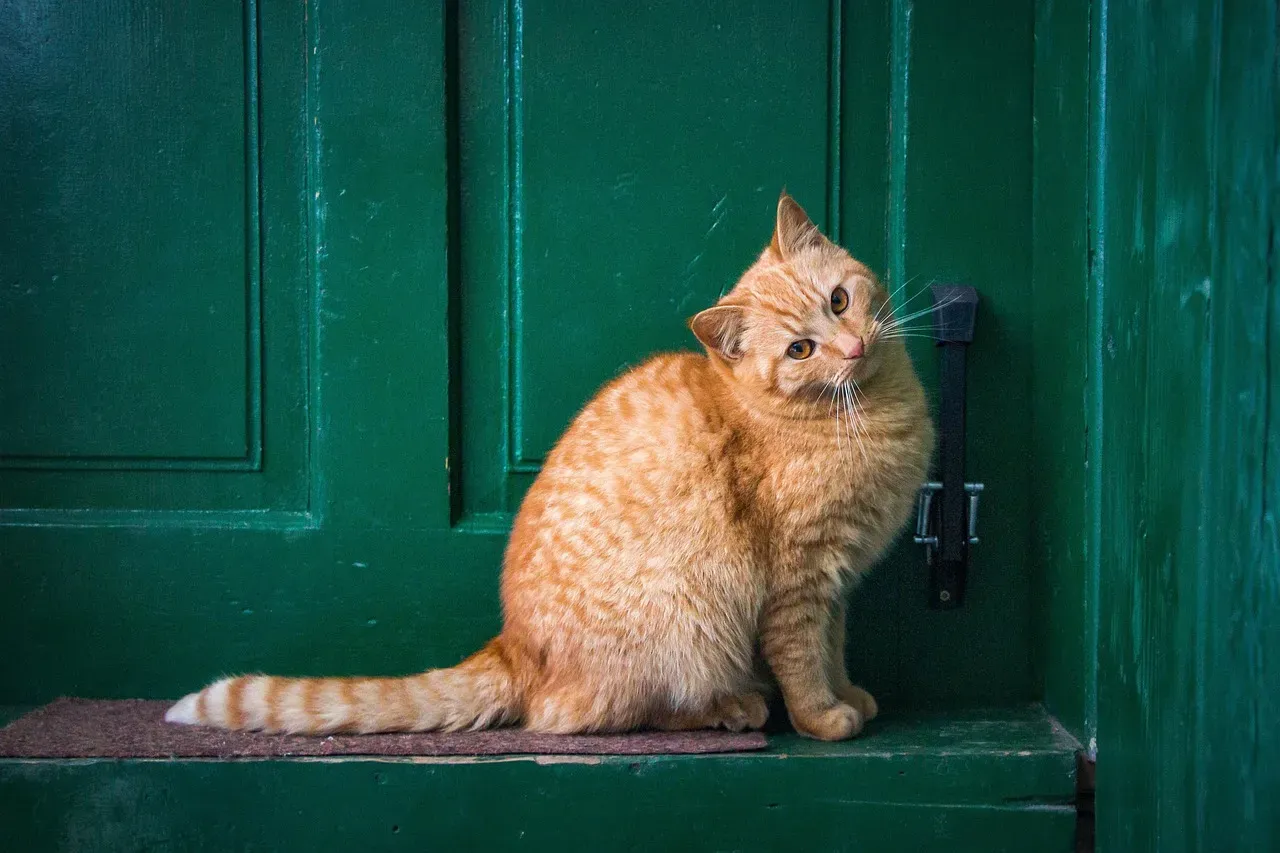
When your cat slowly swishes their tail from side to side, they may be intently focused on something like a toy, another animal in the home, or something outside. This movement is fascinating because it signals your cat has entered hunting mode. You’ve probably noticed your cat’s tail do this when they’re intensely focused on something like a toy and might be about to pounce, which means a cat is in the zone and has zeroed all their attention on a target of interest but is likely feeling playful.
When the tail moves in a slow, fluid sweeping motion from side to side, your cat is calmly interested and alert but relaxed, and you’ll often see this when they are zoning in on a bird outside the window or preparing to pounce on a toy. The slow, deliberate movement shows concentration rather than aggression. Think of it like watching an athlete get into position before making their move.
The Thrashing Tail: Back Off Right Now
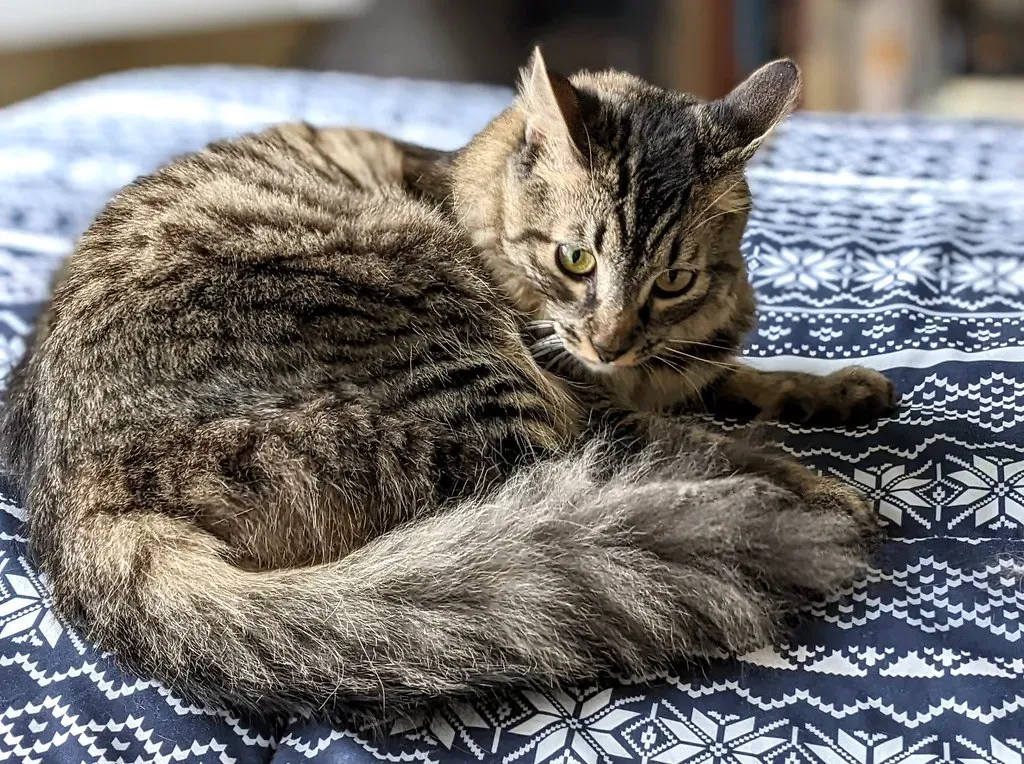
When your cat thrashes their tail or is thumping it on the ground, they are irritated, annoyed, or angry, and this tells you that something is bothering your cat. This is probably one of the most important signals to recognize immediately. Unlike a slowly swaying tail, when your cat thrashes their tail back and forth, you’ve got an annoyed and angry cat on your hands, and it may be about to become aggressive.
This is a distance-increasing behavior, meaning if you are petting your cat and they start thrashing their tail, they are trying to tell you to stop, and if you don’t, then the thrashing tail may be a prelude to hissing, growling, swatting, or biting. I know it sounds crazy, but ignoring this signal is basically asking for trouble. Whipping or lashing of the tail is a sign that a cat is angry, and that they may take a sudden, strong action in the near future, so it’s time to take a step backwards to give the cat some space or you may risk being bitten or scratched.
The Tip Twitch: Mild Irritation or Hunting Focus
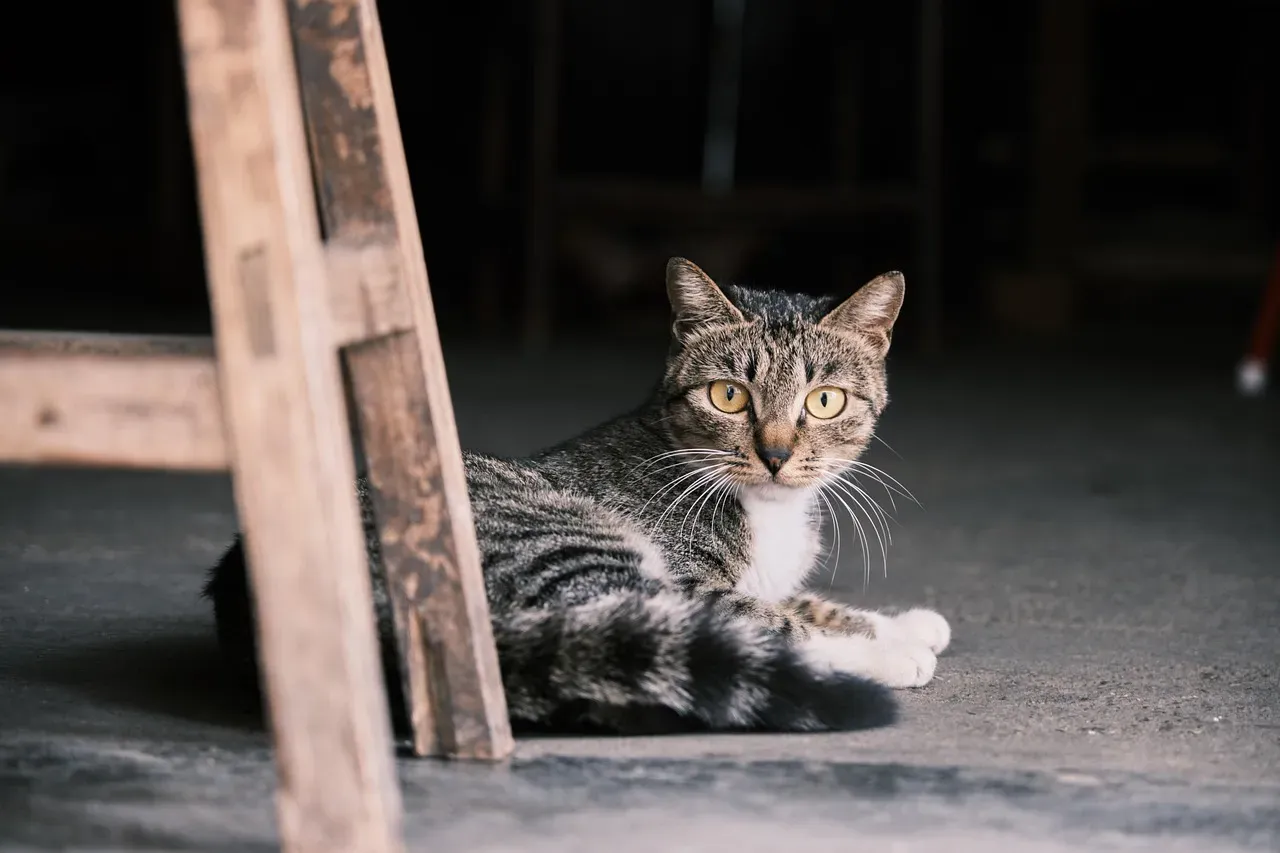
Cats twitch the end of their tails when they are hunting and playing, as well as when they are mildly irritated and frustrated, so in this case, read the scene and look for other clues to their mood, because if they’re not playing or stalking something, then the twitching tail movement probably means they are annoyed. The context really matters here.
With flicking, just the tip of the tail is moving and it may flip back and forth in a rapid motion, and this motion can be part of predatory behavior or predatory play – meaning that your cat might see something they want to pounce on, whether for playtime or to attack. Honestly, the difference between a playful twitch and an irritated one can be subtle. You need to look at what your cat is doing and what’s happening around them to figure out which it is.
The Puffed Bottle Brush: Fear and Defense Mode
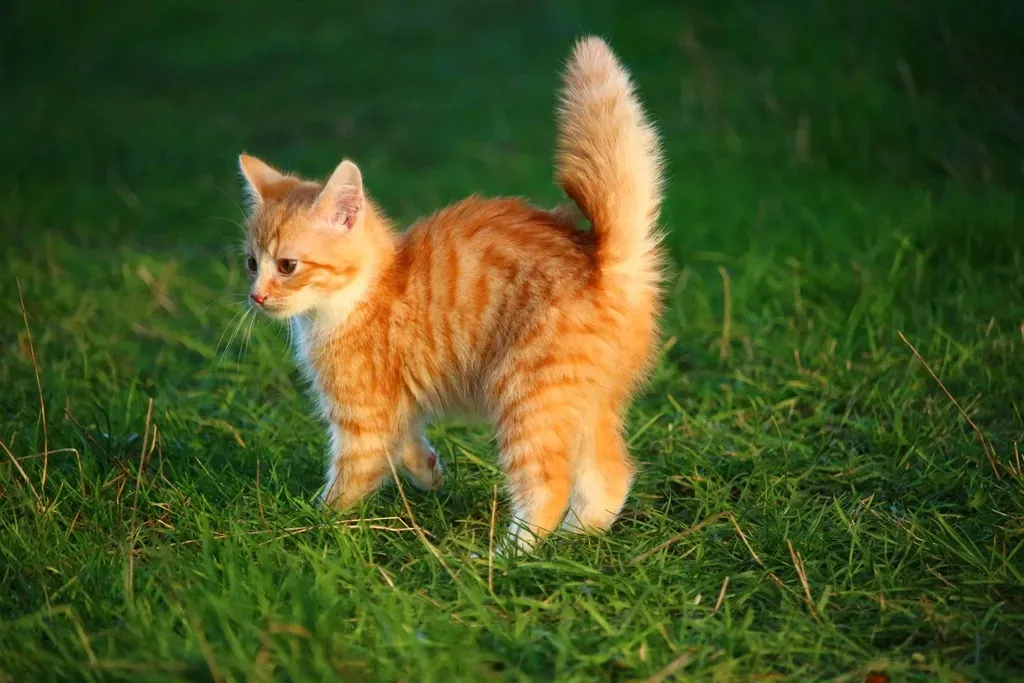
If your cat assumes the quintessential Halloween-cat posture with a puffed tail and arched back, then they are startled or frightened by a sudden, severe threat, and your cat’s hair stands on end so they can appear to be larger. This reaction is pure instinct kicking in. When your cat puffs up their tail, it’s a sign of fear, and part of the purpose of puffing up the tail, or any other part of your cat’s fur, is to make them look bigger to other creatures around them.
When a cat puffs up their tail, be on alert, because this is a clear message that they are aroused or afraid, and the puffed-up tail is common around other animals and might be intended to make them seem larger against a potential attacker. It’s hard to say for sure what triggered the fear without looking at the situation, but the message is unmistakable. This tail position is often triggered by feeling threatened, such as by other animals in the yard, approaching dogs, visitors in the home, or sudden noises.
The Low or Tucked Tail: Anxiety and Submission
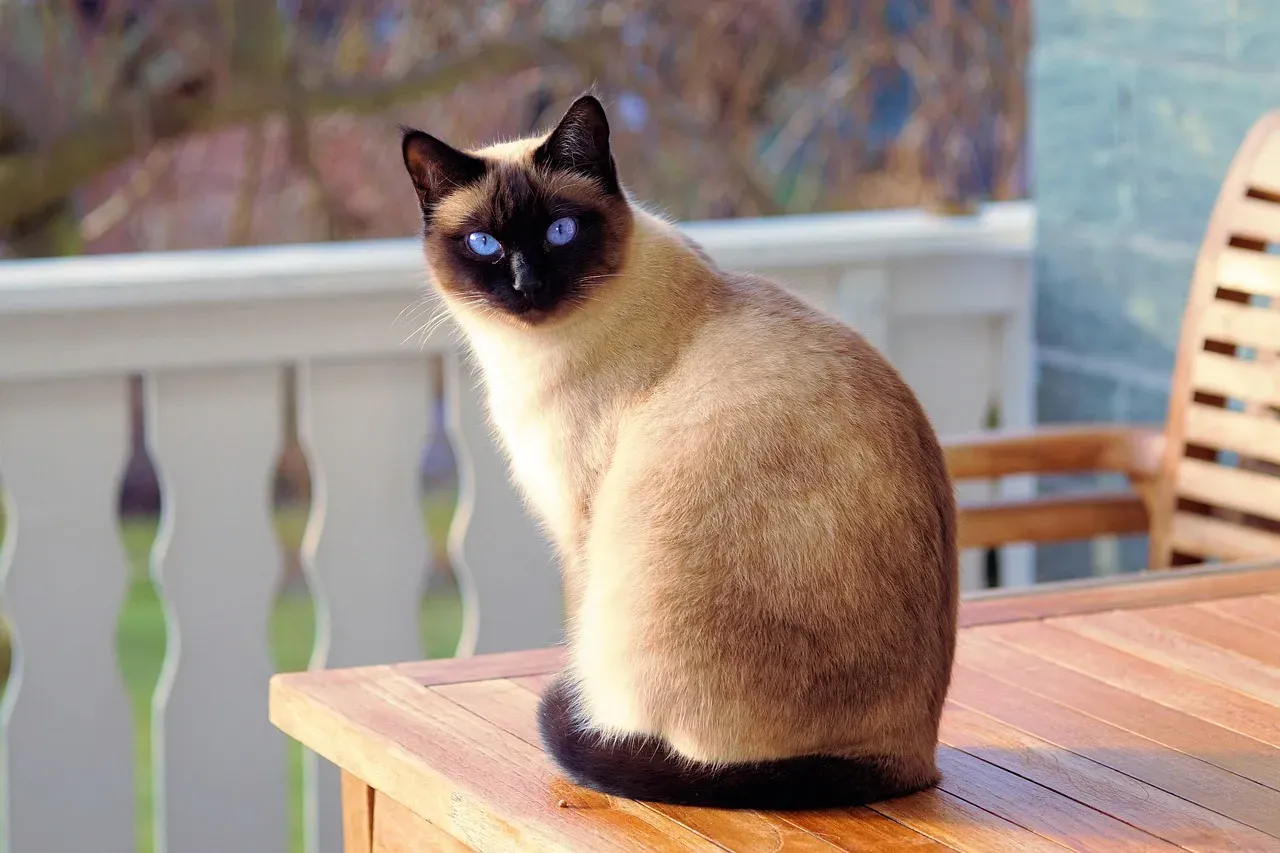
A cat may lower their tail below the level of their back if they are frightened or anxious, and if your cat’s tail is tucked between their legs, then they are really scared or may be experiencing pain. This position signals vulnerability. In fact, the closer the tail is to the cat’s body, the less comfortable your cat is feeling, because when a cat feels afraid, they attempt to pull in vulnerable parts like their tail.
When a cat tucks their tail under their body or wraps it around themselves, this can be a sign of uncertainty that may indicate feelings of fear and submission, especially when this tail position is accompanied with wide eyes, dilated pupils and flattened ears. However, context matters enormously here. For example, a cat sitting on your lap may curl their tail around themselves for warmth or because it’s just a comfortable thing to do, and in that context, you don’t need to worry.
The Wrapped Tail: A Hug from Your Cat
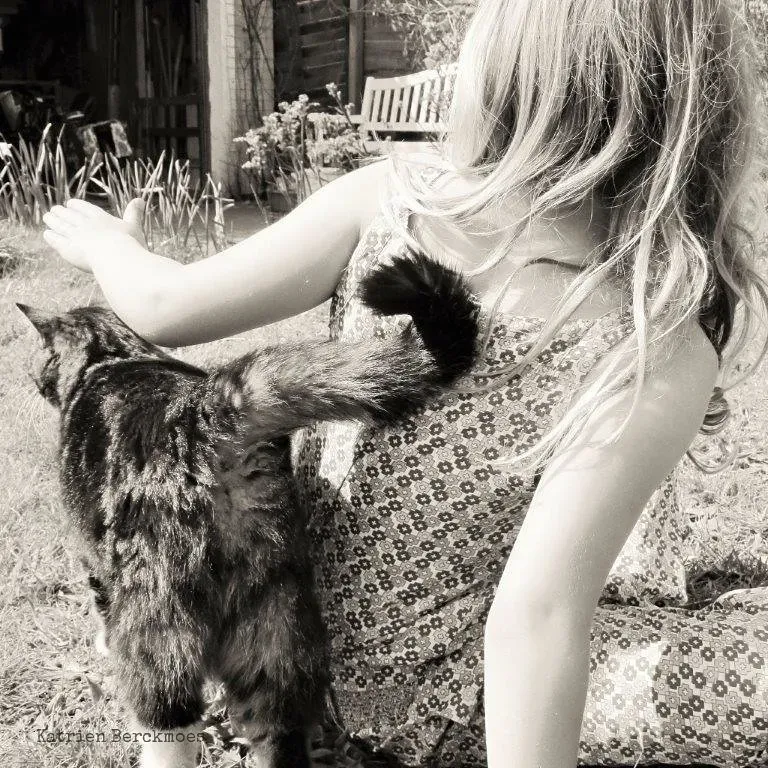
Just as we greet one another with handshakes or hugs, cats may greet by curling their tails around people and by intertwining their tails with other cats, and tail wrapping is an affiliative behavior that demonstrates a willingness to interact. This is genuinely one of the sweetest gestures cats make. Your cat may also gently wrap their tail over your arm when resting nearby, so consider it a cat’s version of a hug.
While walking, cats may intertwine their tails as a gesture of affection and friendship, and when resting, a cat may wrap their tail over another cat with whom they are bonded as an affectionate display as well, or your cat may also gently wrap their tail over your arm when resting nearby – consider it a cat’s version of a hug. It shows you’re part of their trusted family group.
Reading the Whole Picture: Beyond Just the Tail
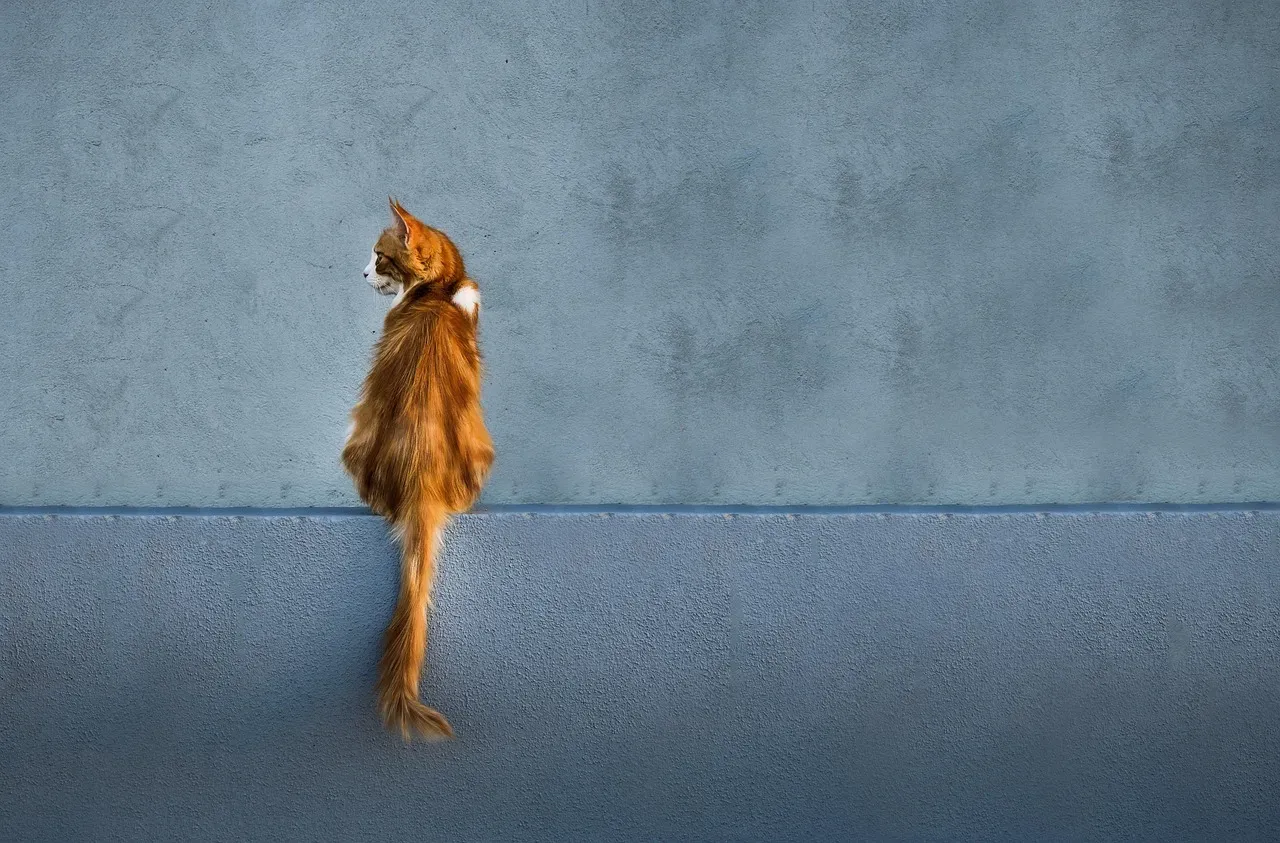
Cats use their tail movements, along with their eyes, ears, and body postures, to communicate, and understanding cat tail language will help you to better understand your cat. Let’s be honest, focusing only on the tail gives you an incomplete picture. Although you should look at more than just their tail movements to fully understand your cat’s emotional state, the tail may be the most expressive part of a cat’s body language.
A tail never works alone, and to really understand feline body language, you need to read the full picture, including the eyes, ears, and sounds your kitty makes. The combination of signals creates a complete message. Research analysis of tail–ears configurations shows clearly that the position of the ears is more important than tail position for both cats when they interact. Still, the tail remains a crucial element in the overall communication package your cat presents.
Conclusion: Building a Deeper Bond Through Understanding
Reading the tail language of a cat can also help you identify illness and pain more readily, and these tips for understanding cat tail language will empower you to build a more loving, trusting, and fulfilling relationship with your cat. The beauty of learning this language is how much closer it brings you to your feline companion. You’re no longer guessing what they need or want.
Better understanding your cat’s body language will surely improve your bond with your cat. Each tail position, every flick and swish, becomes a conversation between you and your pet. When you respect their signals and respond appropriately, your cat learns they can trust you to understand them. That mutual understanding creates something truly special.
What signals does your cat’s tail give that you’ve learned to recognize? Share your observations in the comments below.