Have you ever wondered what really goes through your cat’s mind when you move that cozy blanket from the sunniest window, or when you decide the laundry basket isn’t the best spot for your feline friend to nap? Rearranging a cat’s favorite spots can seem harmless to us, but for our feline companions, it’s a whole different story. Imagine if your bed moved every time you left the house—confusing, right? In this article, we’ll dive deep into the mysterious world of cat comfort zones, uncover what truly happens when you shake up their environment, and explore how our whiskered roommates react when we meddle with their personal sanctuaries. Get ready to see your home from your cat’s point of view—you might be surprised at what you find!
Cats and Their Love Affair With Familiarity

Cats are creatures of habit, and they hold a deep affection for their favorite spots. Whether it’s the sunny sill in the kitchen or the secret nook behind the couch, these locations offer them comfort and a sense of security. When you rearrange their world, even in the smallest way, it can feel like a mini earthquake to them. The familiar smells, sights, and sounds in these spots are tied to their daily routines and happiness. Just like people feel unsettled after moving furniture or switching bedrooms, cats feel a similar sense of displacement. This attachment to their environment is rooted in their instinct to seek out safe, predictable places. When those places change, your cat’s stress levels can go up without warning.
The Science Behind Feline Attachment to Spaces

Cats rely on territory for security, and their favorite spots are at the heart of that territory. Their brains are wired to mark these places with scent glands in their cheeks and paws, reinforcing a sense of ownership. When you move their cherished bed or shift their scratching post, you’re not just changing furniture—you’re altering their emotional landscape. Scientific studies have shown that cats are more relaxed and display fewer stress signals when they can access preferred resting spots. Disrupting these zones can trigger anxiety, leading to changes in behavior or even health. This biological bond to space is a leftover from their wild ancestors, who needed stable, safe zones to survive.
Immediate Reactions: Confusion and Curiosity

The first thing most cat owners notice after rearranging a favorite spot is their cat’s confusion. Your cat might circle the old location, sniffing and searching for what’s missing. This confused behavior is often mixed with curiosity—cats are natural explorers, after all. However, that curiosity is usually tinged with caution. Some cats will tentatively approach the new arrangement, while others might avoid it altogether for days. You might notice your cat meowing more, pacing, or even giving you that unmistakable look of feline disapproval. These reactions are completely normal, and they show just how much cats notice even the smallest changes.
Stress: How Cats Express Their Displeasure

Cats don’t always express stress the way humans do. Instead, their stress often shows up as subtle changes in behavior. After moving a favorite spot, your cat might hide more than usual or become less affectionate. Some cats may start over-grooming, while others could stop grooming altogether. Changes in eating habits or litter box avoidance can also occur. These behaviors are your cat’s way of telling you that something feels off in their world. While some cats adapt quickly, others may take a bit longer to recover from the upheaval. It’s important to watch for these signs and offer comfort when needed.
Territorial Instincts and Scent Marking
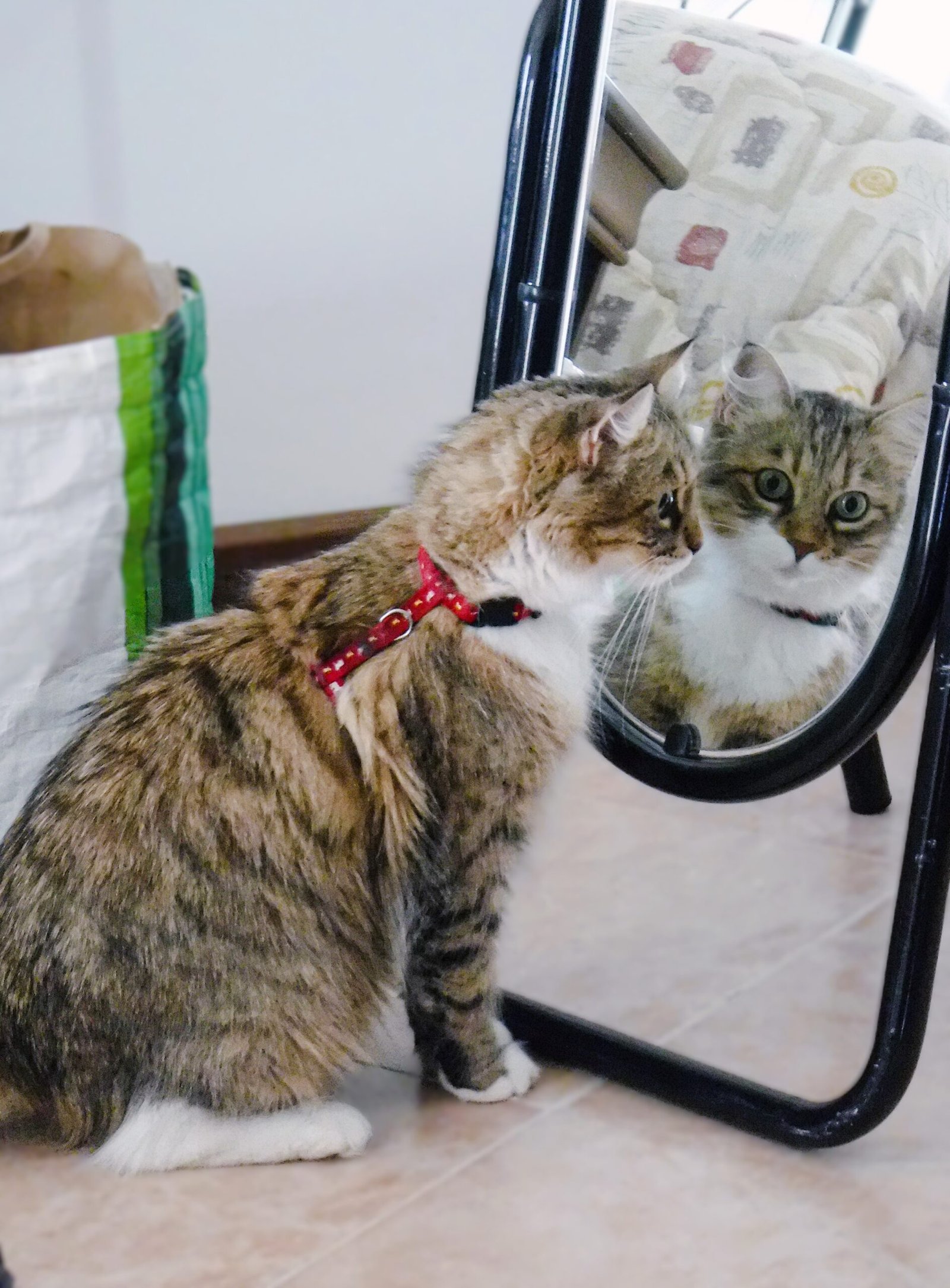
Your cat’s favorite spots are often heavily marked with their scent. When you move these items, you effectively erase a part of their territory. This can prompt your cat to start scent marking anew, rubbing their cheeks or paws on furniture, walls, or even you. In some cases, a cat may even resort to spraying or inappropriate urination—a clear sign of territorial distress. By rearranging their cherished spots, you’re challenging their sense of ownership and safety within the home. This can be particularly stressful for multi-cat households, where territory disputes are already common.
Seeking Out New Comfort Zones

When a favorite spot disappears, most cats will immediately begin searching for a new one. You might find your cat exploring unfamiliar corners, testing out new perches, or even squeezing into boxes that previously held no interest. This search is driven by their need for security and warmth. Sometimes, your cat will settle for a less-than-ideal location simply because it offers a similar sense of safety. Other times, they may stubbornly stick close to where their favorite spot used to be, hoping it will magically reappear. Watching your cat adapt can be both entertaining and a little heartbreaking.
Changes in Social Behavior

Moving a beloved nap spot can affect how your cat interacts with you and other pets. A previously cuddly cat may become distant or irritable. In multi-cat homes, the sudden lack of a favorite spot can spark competition, leading to hissing or even fights. Some cats might become more vocal, seeking reassurance from their humans. Others may shadow you more closely, looking for comfort or clues about their missing spot. These changes can be temporary, but they highlight just how important environment is to feline social dynamics.
Adapting to a New Normal

Cats are famously adaptable, even if they don’t always seem like it at first. Over time, most will accept the new arrangement and find new favorite spots. This adaptation period can range from a few hours to several weeks, depending on your cat’s personality. During this time, offering extra affection, treats, or playtime can help ease the transition. Some cats may even surprise you by finding a new spot they love even more than the old one. Patience is key, and so is understanding that your cat’s world has been turned upside down, even if just a little.
Potential Positive Outcomes

While rearranging a cat’s favorite spots can be stressful, it can also have some unexpected benefits. Sometimes, a new arrangement encourages your cat to explore different parts of the house, leading to more exercise and mental stimulation. Cats can become bored with the same routine, and a change in scenery can reignite their curiosity. In some cases, rearranging can break bad habits, like scratching in the wrong place or hiding too much. If you introduce cozy new beds or toys along with the changes, your cat might discover new favorites and become even happier.
Negative Effects to Watch Out For

Not all cats handle change gracefully, and it’s important to watch for signs that your rearranging has had a negative impact. Chronic stress can lead to health problems, such as urinary issues, decreased appetite, or digestive upset. Behavioral problems, like aggression or withdrawal, can also signal that your cat is struggling to adjust. In rare cases, a particularly sensitive cat may become depressed or develop compulsive behaviors. If you notice any worrying changes, it’s a good idea to consult your veterinarian or a feline behaviorist for advice.
Helping Your Cat Adjust

There are a few strategies you can use to make rearranging easier on your cat. Try to move favorite spots gradually, rather than all at once. Place familiar items, like blankets or toys, in the new location to provide comfort. You can also use treats or catnip to encourage your cat to explore the new spot. Offering extra attention and playtime can help distract from the change. If your cat seems especially stressed, consider using pheromone sprays or diffusers, which can create a calming environment. Above all, be patient and understanding as your cat adjusts.
Creating New Safe Havens
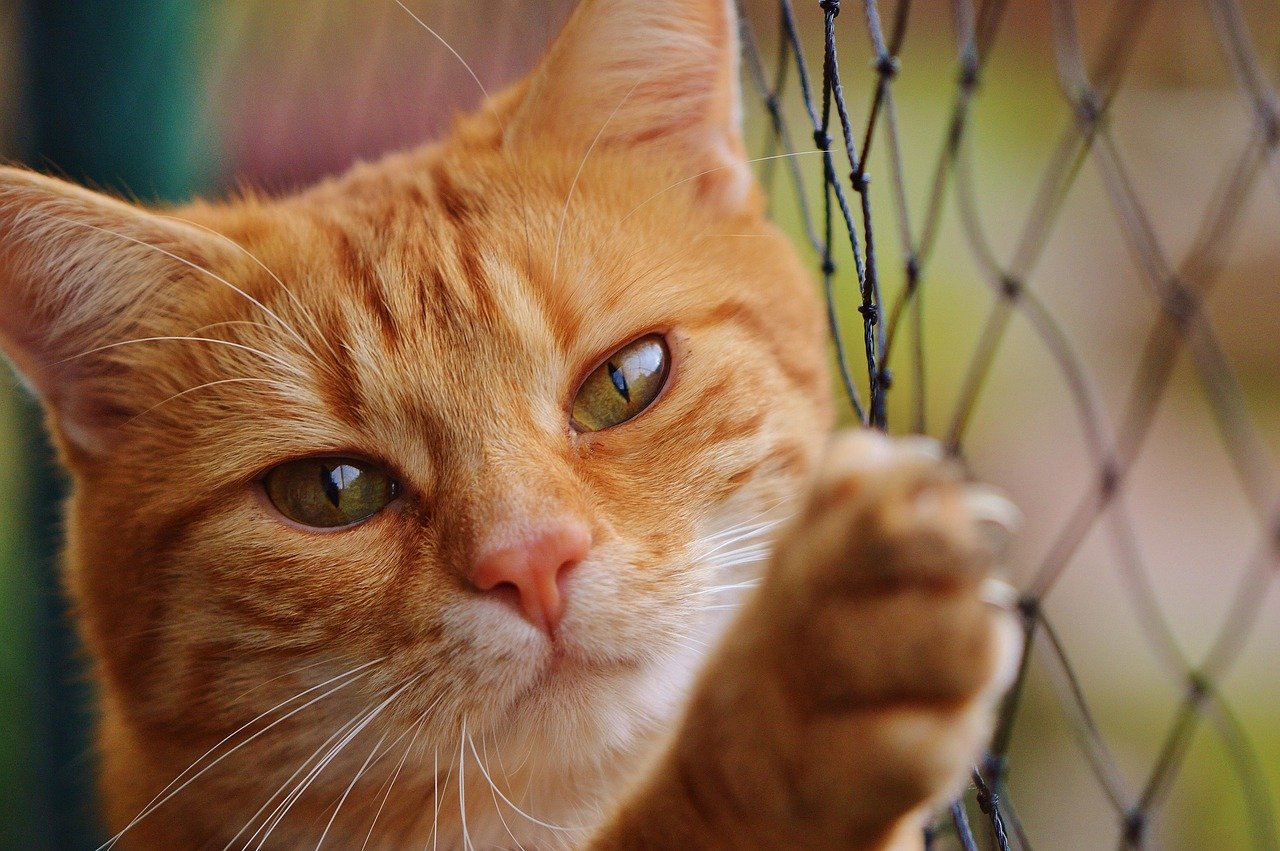
When a favorite spot is lost, your cat will be on the hunt for a new sanctuary. You can help by creating cozy, inviting spaces in different parts of your home. Try placing soft bedding, scratching posts, or window perches in quiet areas. Cats love high vantage points, so consider adding shelves or cat trees near windows. If possible, keep some of your cat’s favorite items unwashed, so they retain familiar scents. The easier you make it for your cat to find a new favorite spot, the sooner they’ll feel comfortable again.
The Role of Routine in Feline Happiness
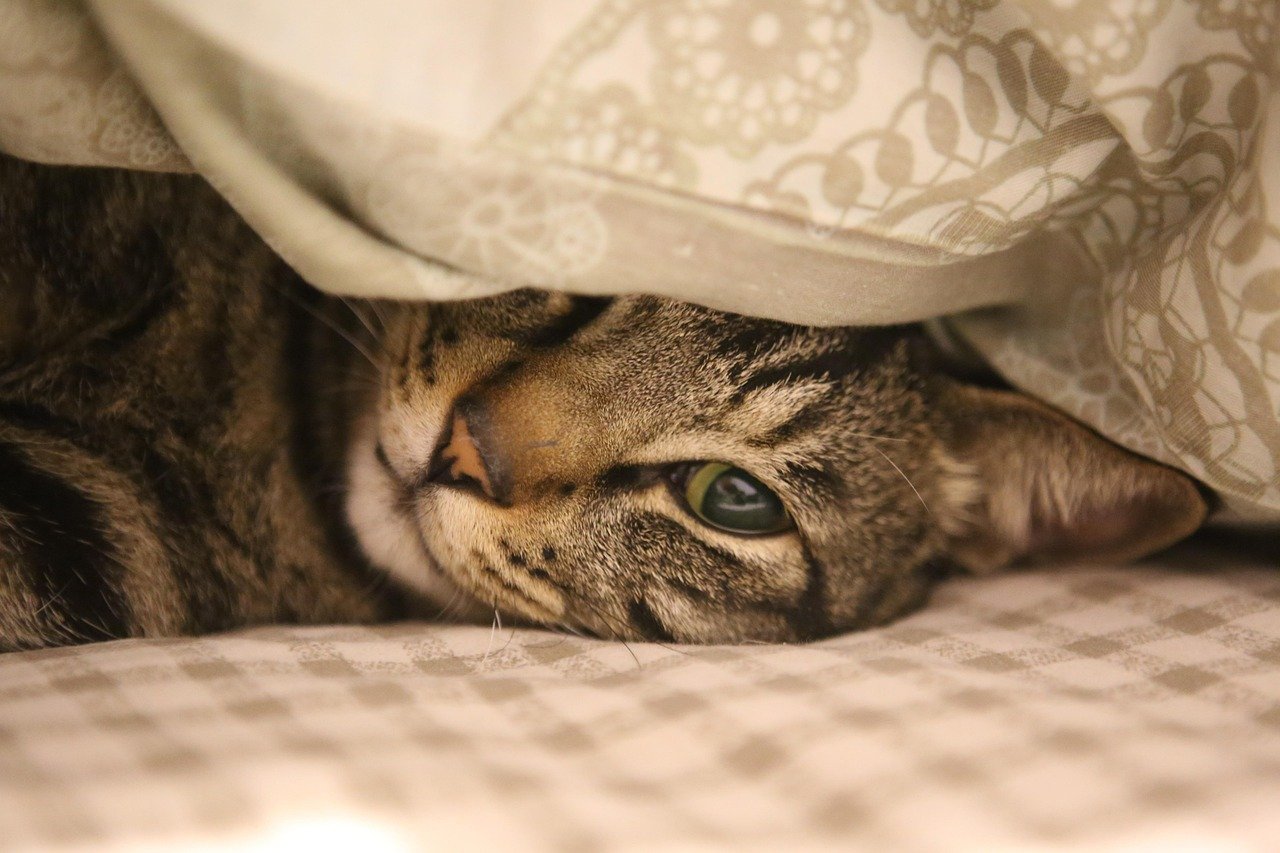
Routine is everything to a cat. Feeding times, play sessions, and yes—even nap spots—help create a predictable world. When you change part of that routine, like rearranging a favorite spot, it’s important to keep other routines steady. Feed your cat at the usual times and stick to regular play sessions. Familiarity in other parts of their day can provide comfort and stability, making the transition smoother. Think of it like keeping your morning coffee ritual, even if someone swaps the living room furniture overnight.
The Importance of Observation

After rearranging your cat’s favorite spots, keep a close eye on your feline friend. Pay attention to their body language, vocalizations, and general mood. Look for signs of stress or contentment. Some cats may recover quickly, while others take their time. By observing your cat’s reactions, you can better understand their needs and preferences. This insight can help you make future changes more gradually or provide extra support during transitions. Your cat’s behavior is their way of communicating—listening closely is the key.
Multiple Cats, Multiple Challenges

If you have more than one cat, rearranging favorite spots can create drama. Each cat has their own favorite zones, and moving them can spark turf wars. You might see more hissing, chasing, or even outright fights as cats compete for new territory. To ease the process, try creating multiple cozy spots throughout the house. Make sure each cat has access to safe spaces where they can retreat and relax. Spreading out resources—like food bowls, beds, and litter boxes—can also help reduce tension and keep the peace.
Understanding Individual Preferences

Just as people have favorite chairs or side of the bed, every cat has their own unique preferences. Some like to snooze in the sun, others prefer dark, hidden corners. When rearranging, consider your cat’s personality and habits. If your cat loves to watch birds, try keeping a bed near a window. For shy cats, provide secluded, covered spots. Understanding these preferences can help you create a home that feels welcoming and safe, even after a big change.
When Rearranging Is Unavoidable

Sometimes, rearranging your cat’s favorite spots just can’t be helped—maybe you’re moving, renovating, or making room for new furniture. In these situations, planning ahead can make a big difference. Try to keep some elements of your cat’s world consistent, like their bed or favorite toy. Set up a quiet room with familiar items while the rest of the house is in chaos. Introduce changes slowly when possible, and give your cat plenty of time to explore at their own pace. A little consideration goes a long way.
Using Scent to Ease Transitions
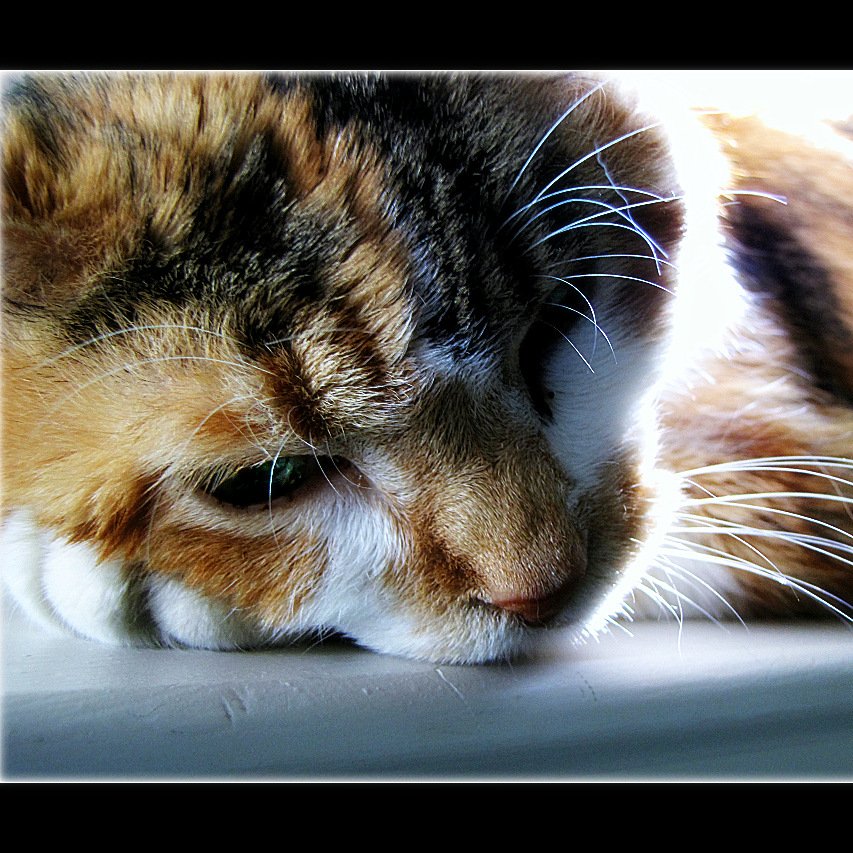
Cats rely heavily on scent to navigate their world. You can use this to your advantage during rearranging by transferring scent from old spots to new ones. Rub a soft cloth on your cat’s cheeks, then on the new spot, to help it smell familiar. Placing unwashed bedding or toys in the new location can also provide comfort. Scent is like a security blanket for cats, and making new spots smell like home can speed up the adjustment process. It’s a small step, but it can make a big difference.
When to Seek Professional Advice

Most cats bounce back after a bit of rearranging, but sometimes the stress is too much. If your cat stops eating, hides excessively, or shows signs of illness, it’s time to consult a veterinarian. Behavioral changes that persist for more than a few weeks may require help from a feline behaviorist. Don’t wait too long if you’re concerned—early intervention can prevent bigger problems down the road. Remember, your cat’s well-being is always worth prioritizing.
Building a Cat-Friendly Home
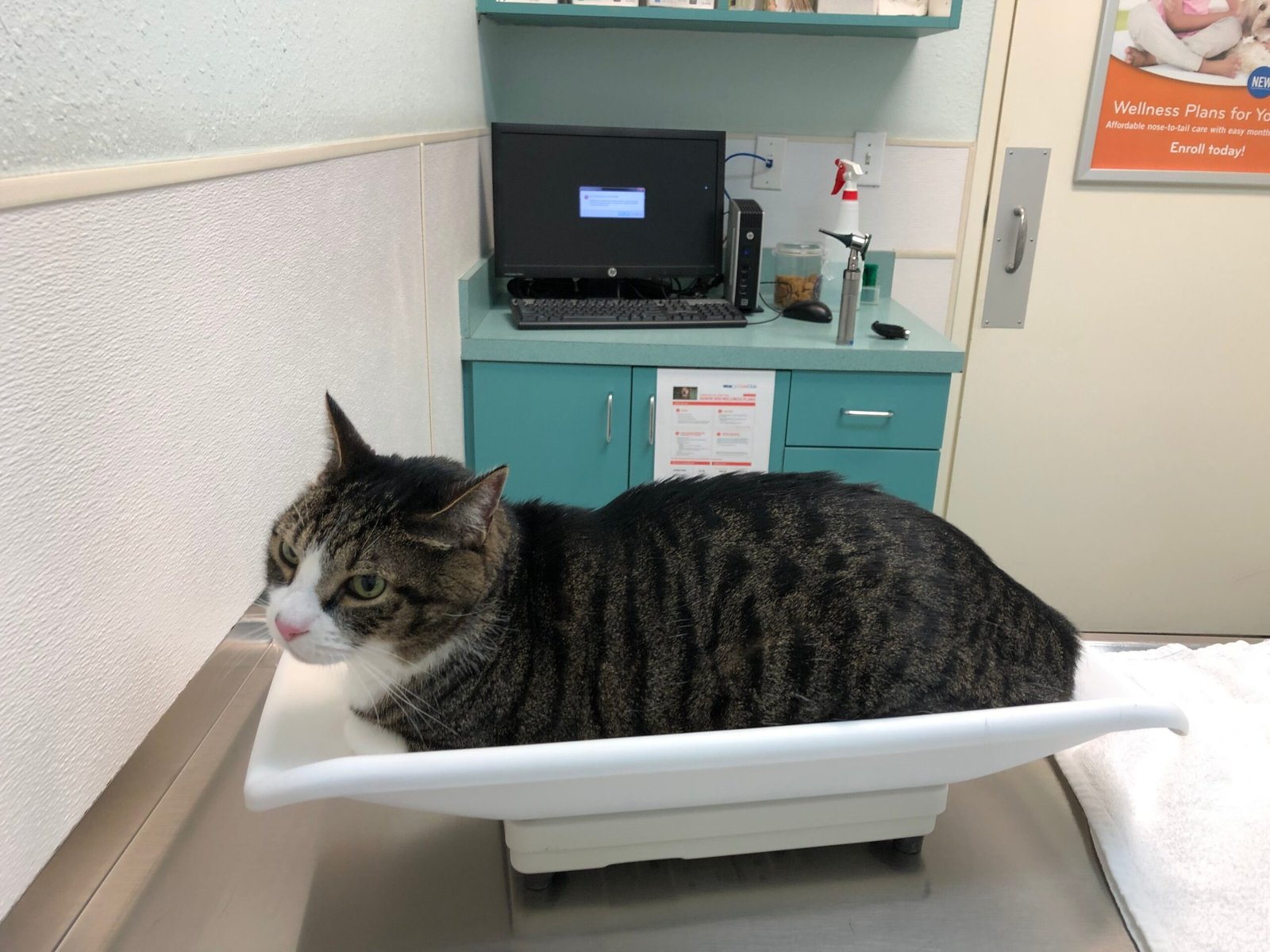
Ultimately, the best way to keep your cat happy is to create a home that feels safe, stimulating, and full of love. That means offering plenty of cozy spots, opportunities for play, and lots of attention. When changes are necessary, approach them with your cat’s needs in mind. A little empathy and planning can turn even the biggest shake-up into a positive experience. After all, a happy cat makes for a happy home—no matter where the favorite spots end up.

Hi, I’m Bola, a passionate writer and creative strategist with a knack for crafting compelling content that educates, inspires, and connects. Over the years, I’ve honed my skills across various writing fields, including content creation, copywriting, online course development, and video scriptwriting.
When I’m not at my desk, you’ll find me exploring new ideas, reading books, or brainstorming creative ways to solve challenges. I believe that words have the power to transform, and I’m here to help you leverage that power for success.
Thanks for stopping by, Keep coming to this website to checkout new articles form me. You’d always love it!