Ever caught yourself pouring your heart out to your cat after a long day, only to be greeted with a slow blink or a twitch of the tail? You’re not alone. Millions of cat lovers confess to chatting with their feline companions as if they were old friends. But what if that daily conversation is doing more than you think? What if it’s actually shaping your cat’s behavior, your bond, and possibly even your own well-being in ways you never imagined? Let’s dive into the surprisingly powerful effects of talking to your cat each day.
Your Cat Starts to Recognize Your Voice

Cats may seem aloof, but they’re expert listeners. When you talk to your cat every day, your voice becomes a comforting presence in their world. Over time, your cat will start to differentiate your voice from others, responding with attentive ears or even a soft meow. This recognition isn’t just wishful thinking; studies have shown that cats react differently to their owner’s voice compared to strangers. It’s almost as if your cat knows when you’re speaking directly to them, creating a bridge of familiarity and trust. So, each “hello” or “good morning” is another brick in the foundation of your unique relationship.
Building a Deeper Emotional Bond

Daily conversations do wonders for emotional bonding. Talking to your cat, even about mundane daily events, signals to them that they matter. Your voice, tone, and even your facial expressions become cues for your cat to understand your mood and intentions. Over time, this consistency can transform a shy or distant cat into a more affectionate companion. You may notice your cat seeking you out more, curling up next to you, or following you from room to room. These little gestures are their way of saying, “I’m here for you, too.”
Reducing Stress for Both of You
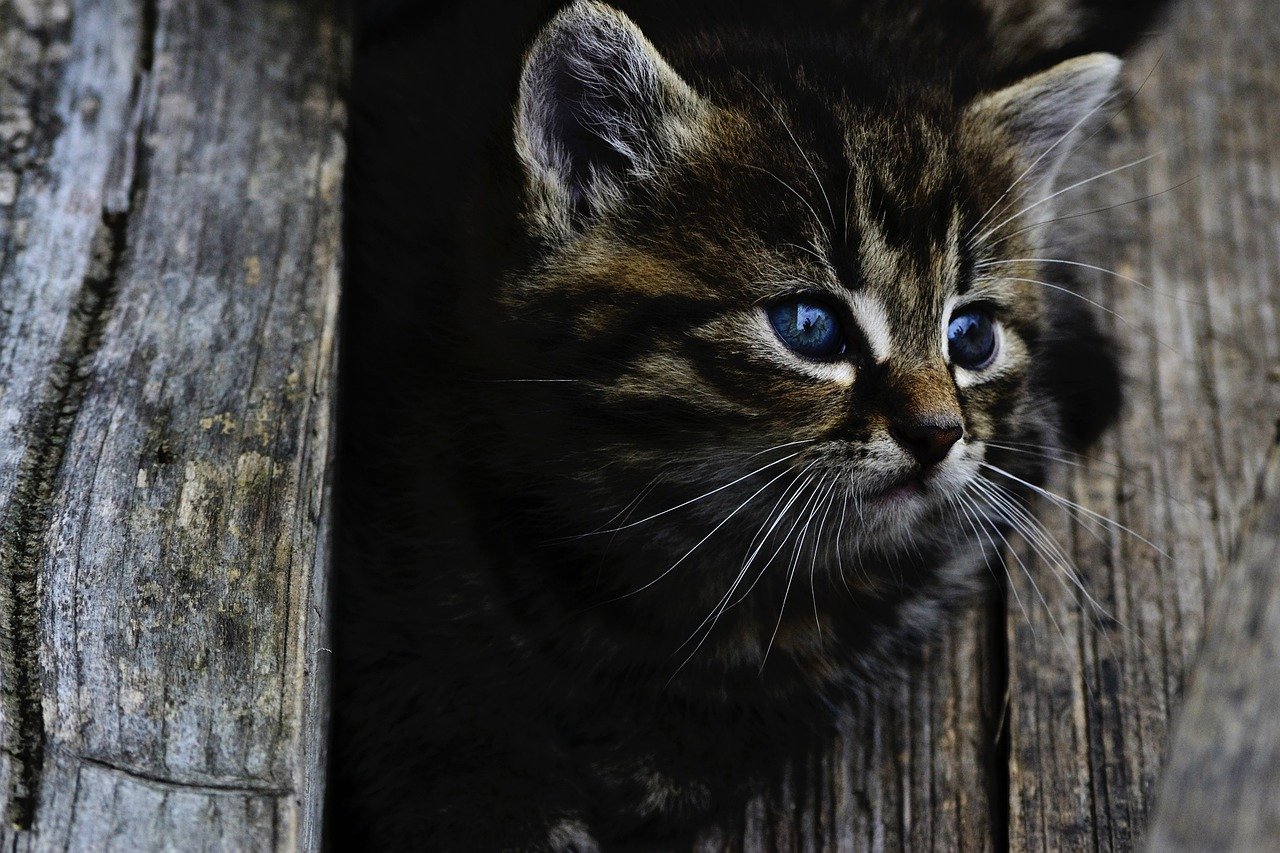
It’s no secret that having a pet can help lower stress—but did you know that talking to your cat amplifies this effect? Speaking softly and kindly to your feline friend can actually lower your own heart rate and reduce cortisol, the stress hormone. For cats, the sound of your calm voice can be soothing, especially during anxious moments like thunderstorms or vet visits. Think of it as a gentle lullaby—a shared ritual that brings peace to both sides. In a world that often feels chaotic, this simple act of communication is a small oasis of calm.
Encouraging Positive Behavior

Cats are incredibly perceptive. When you talk to them, you’re not just filling the air with words; you’re giving feedback. Praising your cat for using the litter box or playing gently reinforces good habits. Even gentle corrections, spoken in a firm but loving tone, help your cat understand boundaries. Over time, your daily chats become a system of positive reinforcement, shaping your cat’s behavior in subtle but meaningful ways. It’s a bit like raising a child—consistency and communication make all the difference.
Helping Your Cat Learn Words and Cues

You might be surprised by how much your cat can learn just from listening. While cats aren’t likely to fetch your slippers or follow complex commands, they do pick up on certain words and phrases. Saying “treat,” “dinner,” or “playtime” daily helps your cat associate those sounds with specific actions or rewards. Some cats even learn their own names or come when called—proof that daily conversation isn’t falling on deaf ears. It’s a fascinating dance of language and understanding that grows richer every day.
Improving Your Own Communication Skills

Talking to your cat every day isn’t just good for them—it’s a secret workout for your own communication abilities. You’ll find yourself experimenting with tone, volume, and even body language to get your message across. This practice can make you more expressive and patient, skills that easily translate to human conversations. Plus, there’s something freeing about speaking without fear of judgment. Your cat is the perfect audience: attentive, nonjudgmental, and always ready for another story.
Creating a Sense of Routine

Cats love routine, and daily conversations become part of their expected schedule. Whether it’s a morning “good morning” or an evening chat before bed, these little rituals give your cat a sense of security. Over time, you’ll notice your cat anticipating these moments—maybe by greeting you at the door or hopping onto your lap at a certain time. This predictability helps reduce anxiety, especially for cats who get stressed by changes in their environment. It’s a simple way to make your home feel safer and more welcoming.
Boosting Your Mood and Mental Health
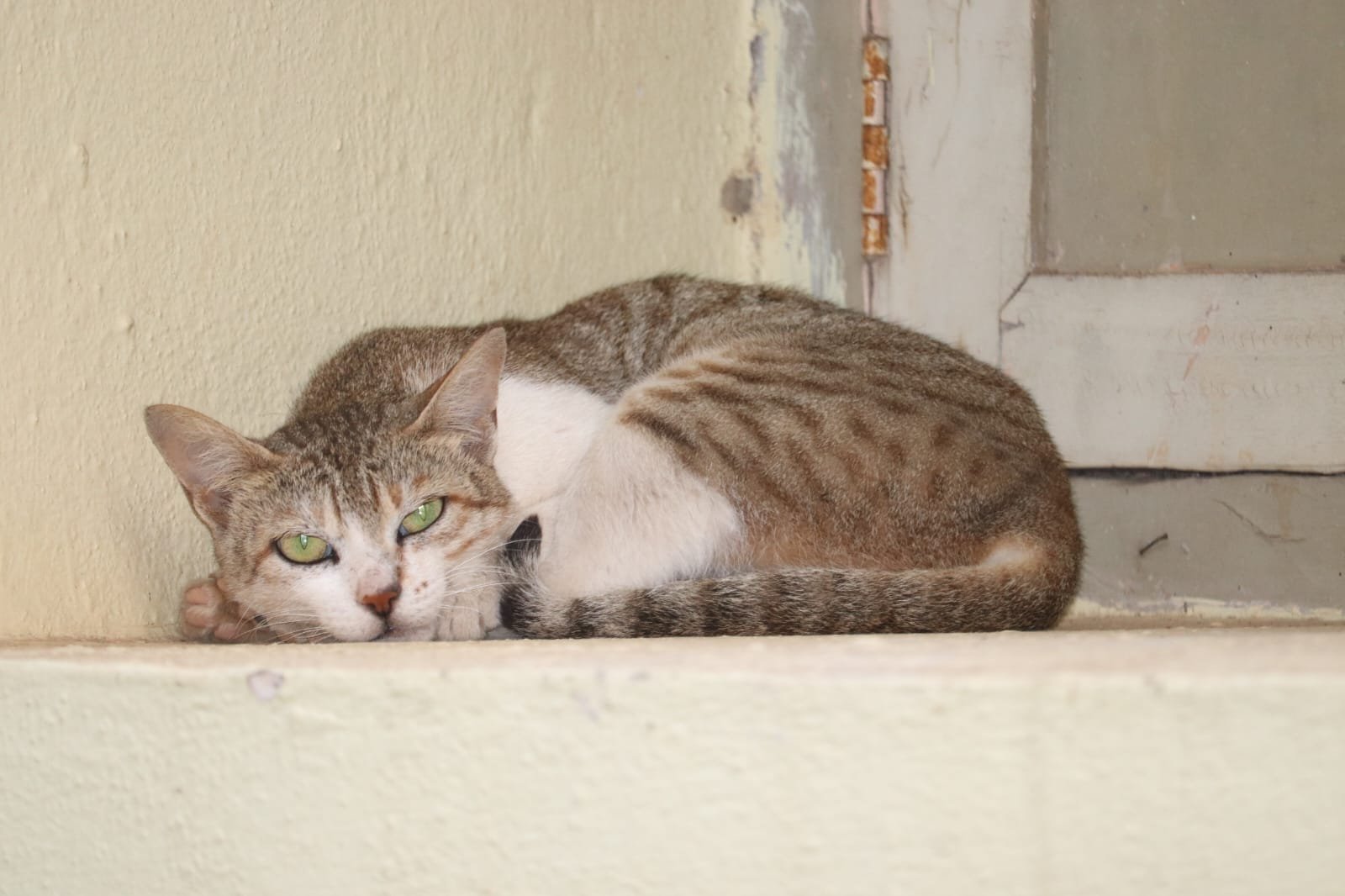
There’s something almost magical about talking to your cat after a rough day. Their quiet presence and soft purrs have a way of melting away stress and loneliness. Studies have linked pet interaction with lower rates of depression and anxiety, and daily conversation only strengthens this effect. Even when words fail with people, your cat is always there, ready to listen without interruption or judgment. It’s a special kind of therapy—one that’s as comforting as a warm blanket on a cold night.
Encouraging Playfulness

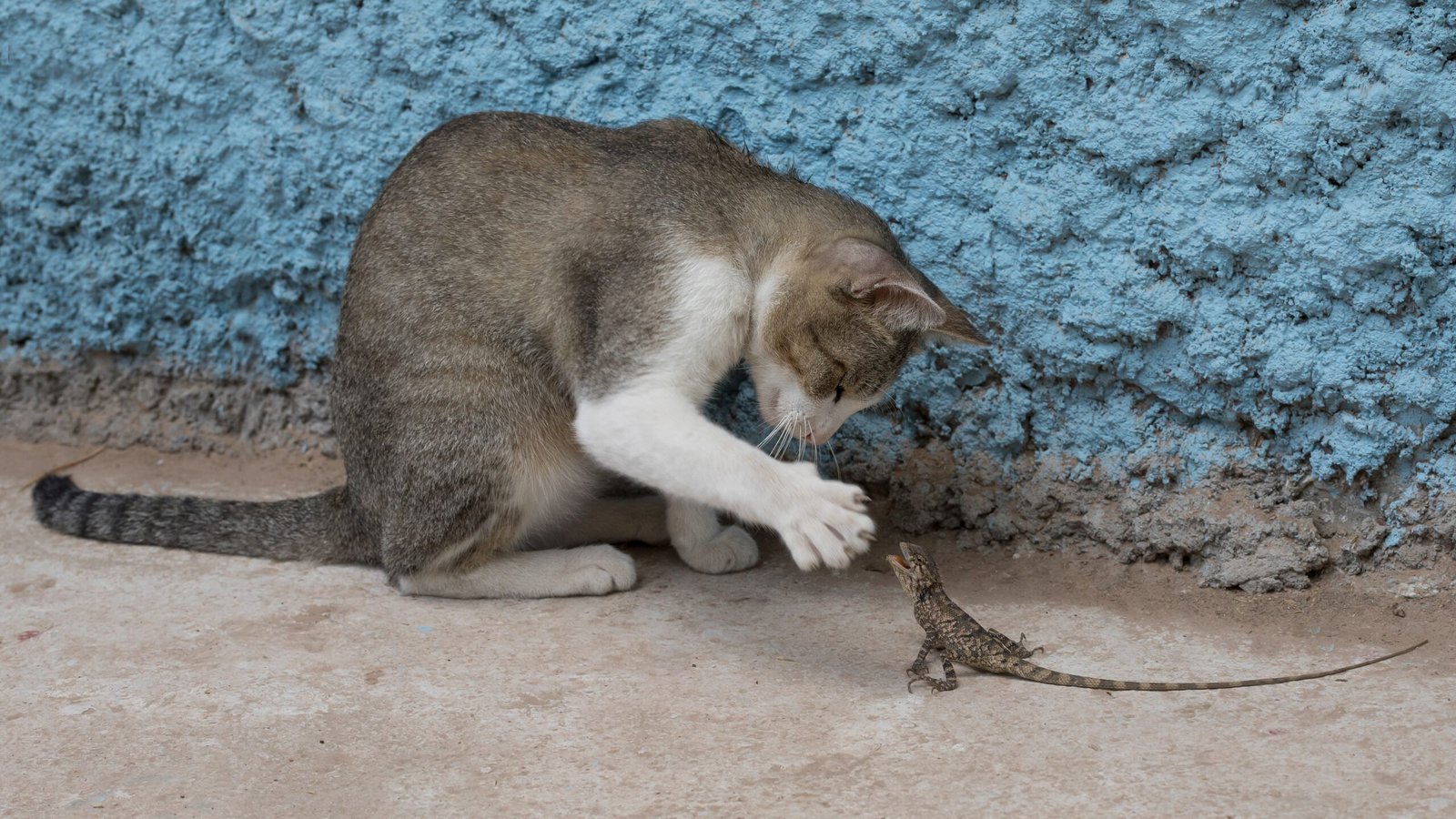
Talking isn’t just about serious stuff—sometimes it’s downright silly! Playful voices and funny noises can spark your cat’s curiosity, encouraging them to engage in play. Call their name in a singsong voice or mimic a bird’s chirp, and watch as their eyes light up and tails twitch in anticipation. These playful interactions keep your cat mentally stimulated and physically active, which is vital for their health. It’s like having your own private comedy show, starring you and your cat.
Building Trust with Timid or Rescue Cats
For cats who have had a rough start in life, daily conversation can be a gentle bridge to trust. Soft, regular talking reassures them that you mean no harm. Over time, even the most cautious or skittish cats begin to relax, venturing closer and accepting affection. It’s a slow process, but every word counts. Your patience and persistence can transform fear into friendship, teaching your cat that your home is a safe haven.
Helping with Training and Socialization

Training a cat might sound impossible, but daily conversation makes it easier. Using clear, consistent words and phrases helps your cat learn what to expect. For example, saying “no” firmly when they scratch the couch, or “come” when it’s time for dinner, sets boundaries. Over time, your cat will pick up on these cues, making training sessions smoother. Socialization also improves, especially if you introduce new people or pets with a calm, friendly voice.
Enhancing Your Cat’s Confidence

Just like people, cats need confidence to thrive. Regular communication helps shy or anxious cats feel more secure. When your cat hears your voice, they know they’re not alone. This reassurance encourages them to explore, play, and interact more freely. You might see a once-timid cat blossom into a bold adventurer, all because you took the time to talk every day. It’s amazing what a few kind words can do.
Providing Comfort During Illness or Stress

When your cat isn’t feeling well, your voice can be a powerful source of comfort. During vet visits, thunderstorms, or periods of illness, talking softly can ease their anxiety. Cats may not understand your words, but they sense your concern and affection. Your presence and gentle tone let them know they’re not alone, making difficult times a little less scary. It’s a small gesture with a big impact.
Stimulating Your Cat’s Mind

Cats are intelligent creatures who need mental stimulation to stay happy. Daily conversation keeps their minds engaged, especially if you vary your tone, volume, and topics. Ask questions, tell stories, or narrate your day—it all keeps your cat’s brain active. Over time, you’ll notice your cat responding in their own ways, from curious head tilts to playful chirps. It’s a fun and easy way to keep boredom at bay.
Encouraging Healthy Vocalization

Some cats are natural chatterboxes, while others are more reserved. Daily talking encourages your cat to vocalize, helping them find their own “voice.” You might notice your cat meowing back, chirping, or even trilling in response. This back-and-forth is a form of feline communication, a little conversation all its own. It’s delightful to see your cat express themselves, and it strengthens your bond even more.
Helping Senior Cats Stay Connected

Older cats can become withdrawn or confused as they age, but daily conversation helps them stay connected to you and their environment. Talking to your senior cat provides reassurance and continuity, especially if their senses are fading. Your familiar voice is a lifeline, helping them feel safe and loved. It’s a gentle reminder that they’re still an important part of your family, no matter their age.
Strengthening Your Own Empathy

When you talk to your cat, you practice empathy—you learn to pay attention to their needs, moods, and reactions. This skill doesn’t stop with your pet; it spills over into your interactions with people. The patience and compassion you show your cat help you become a better friend, partner, or parent. It’s a beautiful reminder that kindness is contagious, starting with the smallest acts.
Bridging the Communication Gap

While you and your cat may not “speak” the same language, daily conversation helps bridge the gap. You learn to interpret their body language and vocalizations, and they learn to trust your intentions. It’s a bit like two dancers learning to move in sync—awkward at first, but graceful with practice. Over time, this mutual understanding becomes the foundation of a truly remarkable relationship.
Making Everyday Moments Special

Talking to your cat turns ordinary moments into something extraordinary. Whether you’re folding laundry, cooking dinner, or just lounging on the couch, a few words can transform the mundane into a shared experience. These little interactions become cherished memories, a tapestry of small joys woven through your days. It’s a reminder to slow down and savor the present, one conversation at a time.
Fostering a Sense of Companionship

At the end of the day, talking to your cat is about companionship. It’s about sharing your life with another being, no matter how different you may seem. Your cat becomes more than a pet—they’re a confidant, a comfort, and a source of endless amusement. This daily connection makes your home warmer, your heart fuller, and your life a little brighter.
Inspiring Joy and Laughter
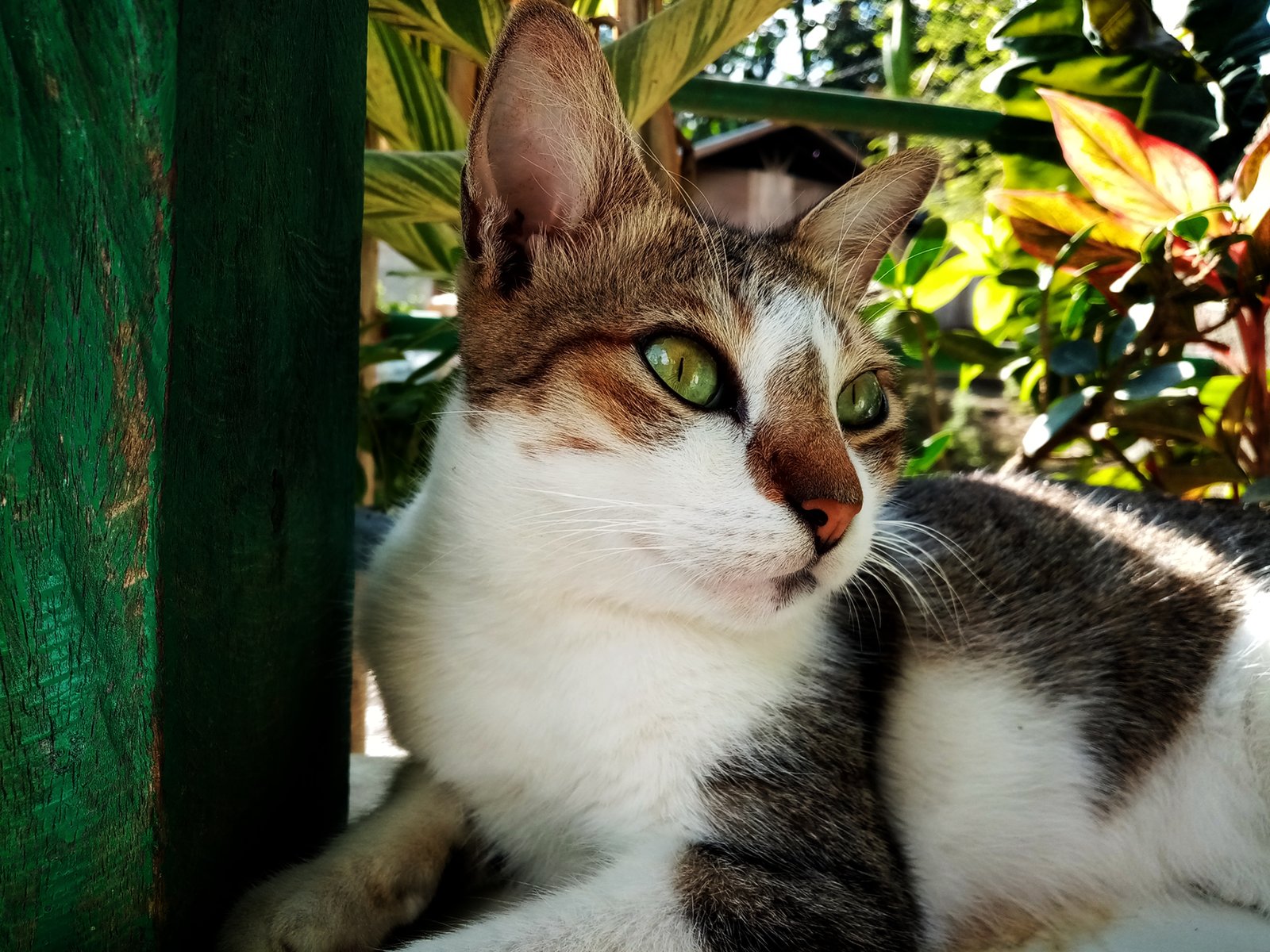
Let’s be honest: talking to your cat can be hilarious. Whether you’re recounting your day’s drama or inventing a silly nickname, your cat’s reactions—from dramatic yawns to sudden zoomies—never fail to entertain. These moments of laughter are a precious antidote to stress, reminding you not to take life too seriously. In a world that can be all too heavy, your cat is a wellspring of unexpected joy.

Hi, I’m Bola, a passionate writer and creative strategist with a knack for crafting compelling content that educates, inspires, and connects. Over the years, I’ve honed my skills across various writing fields, including content creation, copywriting, online course development, and video scriptwriting.
When I’m not at my desk, you’ll find me exploring new ideas, reading books, or brainstorming creative ways to solve challenges. I believe that words have the power to transform, and I’m here to help you leverage that power for success.
Thanks for stopping by, Keep coming to this website to checkout new articles form me. You’d always love it!