You’ve probably experienced it countless times. You’re sitting on the couch, minding your own business, when your cat suddenly approaches and gently bonks their head against yours. Maybe they press their forehead into your chin, or rub their cheeks along your face with such deliberate intention that you can’t help but wonder what’s really going on inside that fuzzy little head. Most of us assume it’s just a cute display of affection, right?
Here’s the thing, though. Your cat isn’t simply saying hello or asking for attention. There’s actually a complex biological process happening during those head nudges involving scent glands and pheromones, creating an intricate language that we humans can barely comprehend. What looks like a simple gesture of love is actually a sophisticated form of feline communication that reveals how your cat truly sees you in their world.
The Secret Language Hidden in Your Cat’s Forehead
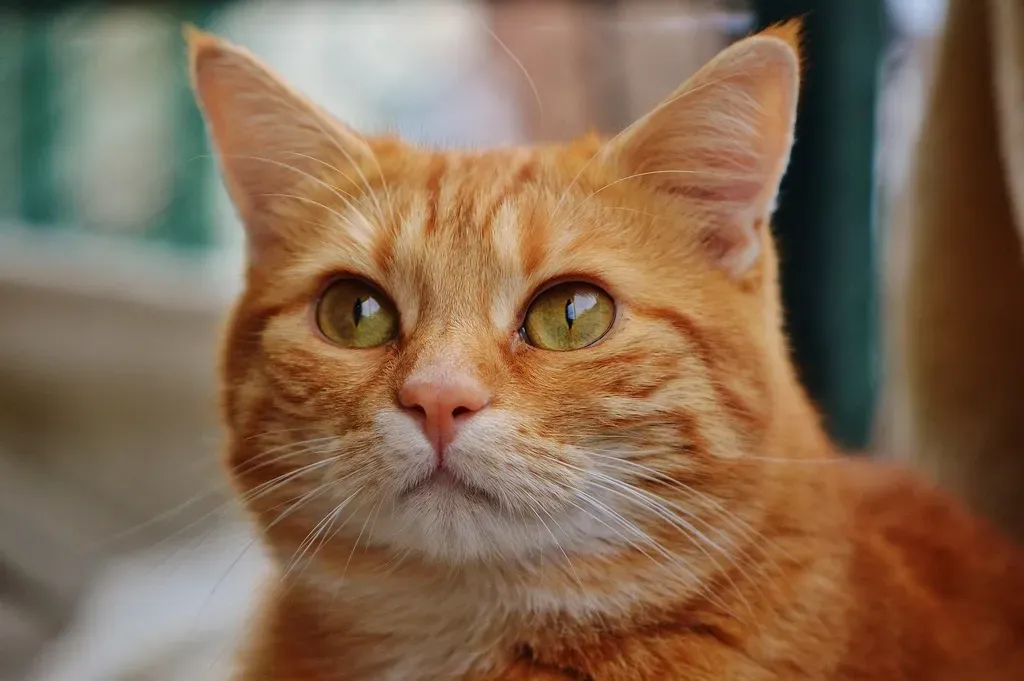
Your cat has special scent glands located on their cheeks, forehead, and chin that contain pheromones, chemical messengers that carry information invisible to human perception. When your cat presses their head against you, they’re activating these glands and depositing their unique scent signature directly onto your skin.
Cats possess roughly 200 million scent receptors in their nose compared to our mere 5 million, which means they’re experiencing a sensory world we can barely imagine. Every time your cat performs what experts call bunting, they’re engaging in an ancient communication system that’s been refined over thousands of years. The pheromones they leave behind tell an elaborate story to other cats who might encounter you later.
Think of it like your cat is writing an invisible message on you that only other felines can read. These pheromones signal to other cats that a cat has been there, marking you as part of their social circle in a way that transcends simple ownership.
You’re Not Just a Pet Owner – You’re Family
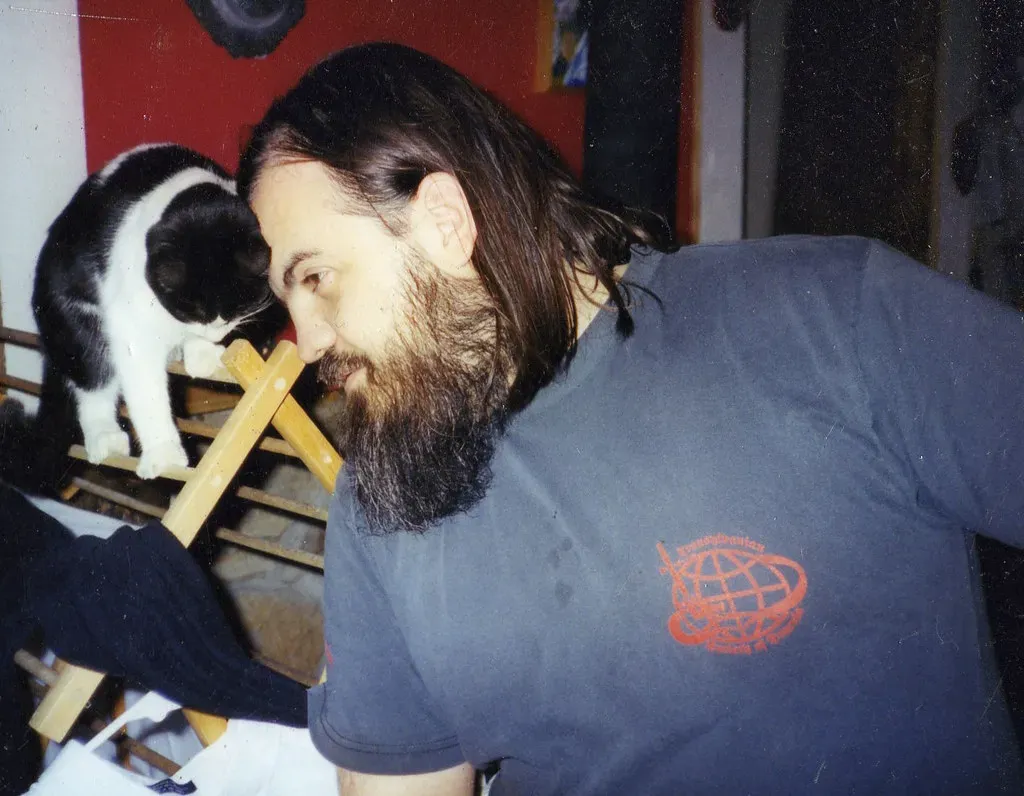
Let’s be real here. When your cat headbutts you, they’re rubbing pheromones on you from glands located just in front of their ears and accepting you into their inner circle. This isn’t some casual acquaintance behavior. Cats are notoriously selective about who receives this honor.
Bringing their head so close to another cat’s teeth and claws makes a bunter extremely vulnerable, cats will typically only engage in this behavior when they feel safe and trust the recipient. When you really think about it, your cat is putting themselves in a remarkably defenseless position by pressing their face against you. Their eyes often close halfway during these moments, leaving them exposed to potential threats.
This vulnerability speaks volumes about the level of trust your cat has placed in you. When a cat headbutts their human it means they trust them and they are considered part of their colony. You’re not just tolerated or even liked – you’ve been promoted to family status in the feline social hierarchy.
Creating an Invisible Colony Scent
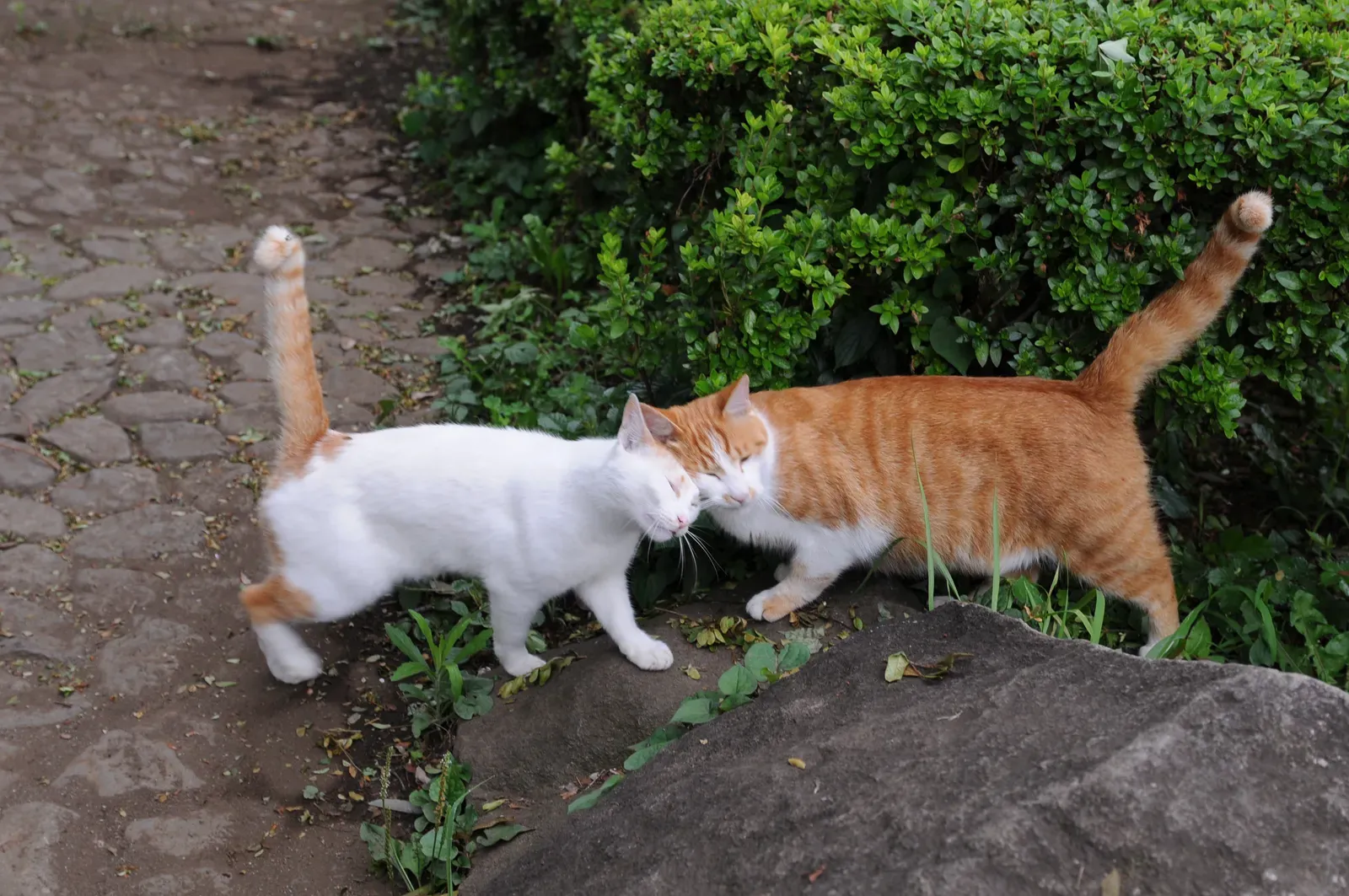
In multi-cat households, something truly fascinating happens. When cats within a colony headbutt each other, they are mixing their scents to create a combined scent that is distributed to all of the cats as the colony scent. It’s like they’re creating a communal perfume that identifies who belongs to the group and who doesn’t.
Cats that live together often develop a communal scent, which helps them recognize and bond with each other through frequent rubbing and mutual grooming. When your cat bunts you after interacting with their feline siblings, they’re essentially making sure everyone in the household shares the same olfactory signature. This shared scent reduces tension and promotes harmony within the group.
Your cat sees you as part of this scent family. Every time they rub against you, they’re refreshing that communal smell and reinforcing the social bonds that keep the household peaceful. It’s honestly pretty remarkable when you consider how sophisticated this system is.
The Social Hierarchy Behind Those Gentle Bumps
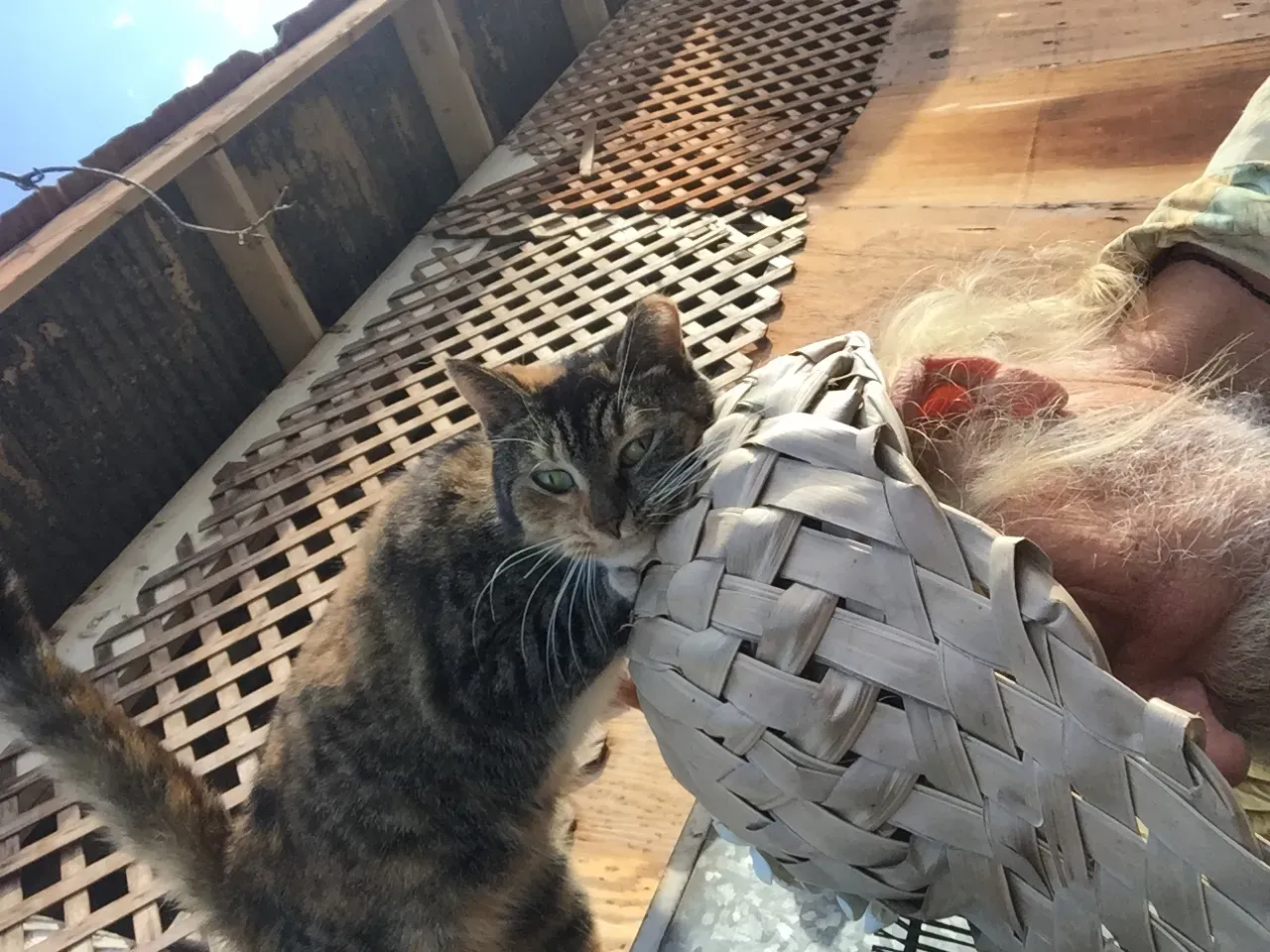
Not every cat in your home will be equally enthusiastic about bunting. A more dominant cat with a higher social rank will be the one to initiate head bunting, as it’s the job of the dominant, confident cat to spread the family scent. If you’ve noticed that one of your cats headbutts you way more than the others, you’ve probably identified the social leader of your furry pack.
The more confident and outgoing a cat is, the more likely they will bunt, though if there is more than one cat in your house, the more confident cat is likely to do most of the headbutting. This doesn’t mean your less assertive cats love you any less. They’re simply expressing their affection through different channels, respecting the social structure that keeps their world organized.
This hierarchy isn’t about aggression or domination in the human sense. It’s more about who takes responsibility for maintaining social cohesion through scent distribution and bonding activities. The cat doing the most bunting is essentially the social coordinator of your household.
More Than Marking – It’s About Creating Safe Spaces
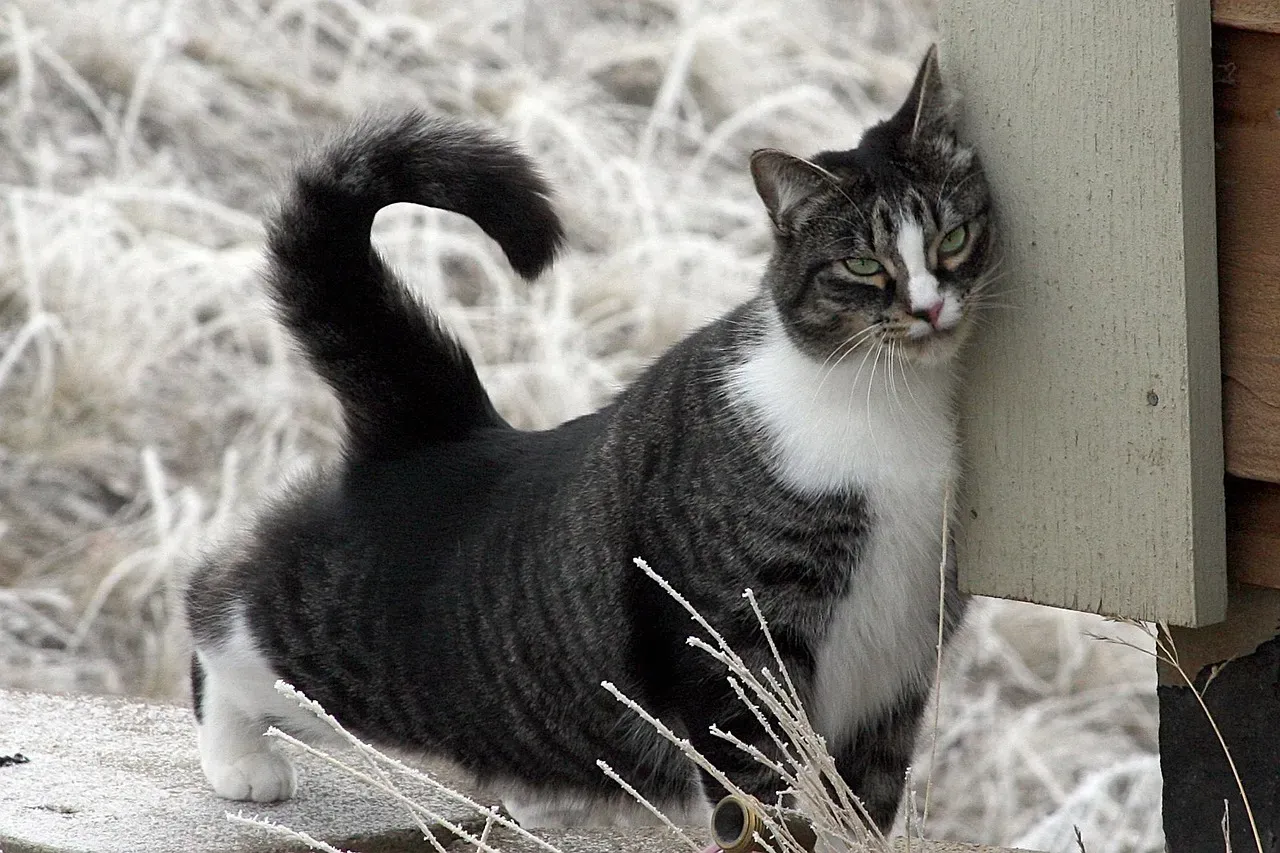
Cats use bunting as a way to familiarize themselves with their environment, and the pheromones released through this work to ease the cat’s anxieties about an unfamiliar area. When your cat rubs their face on furniture, doorways, or that new chair you just brought home, they’re not just claiming territory. They’re creating an emotional map of safety zones throughout their domain.
This type of marking behavior claims a territory as familiar and in a positive way, personalizing their surroundings and creating a safe space, quite different from the territorial challenges issued through urine marking. Your cat is essentially painting their home with invisible comfort signals that tell them everything is okay here.
When your cat bunts you, they’re including you in that network of safety and familiarity. You become a walking comfort zone for them, a mobile source of reassurance in an unpredictable world. It’s hard not to feel honored when you understand it that way.
The Self-Soothing Secret Behind the Behavior
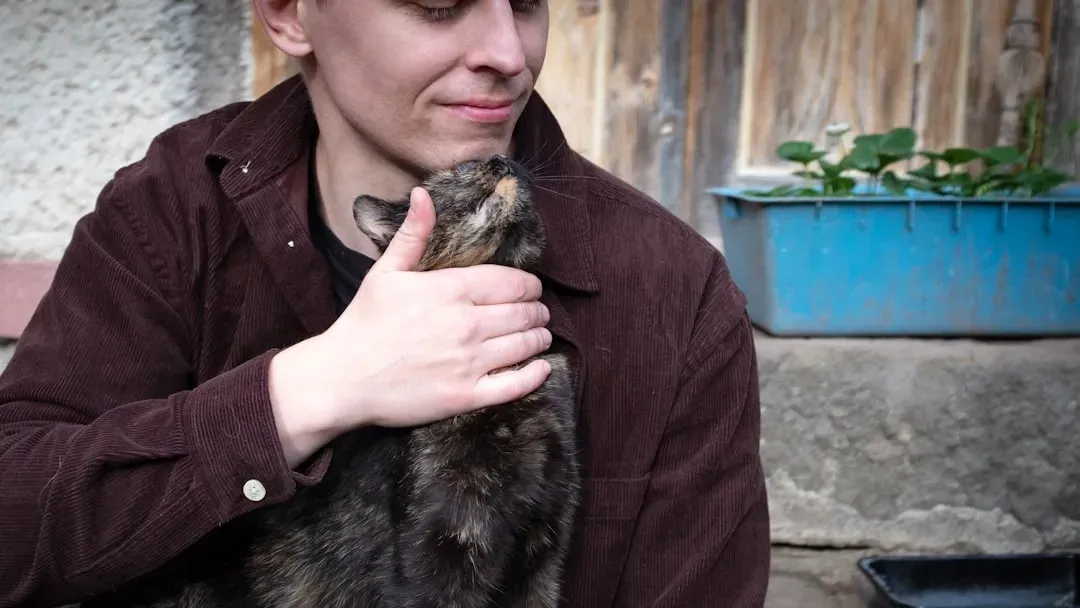
Headbutting is also a way that cats self-soothe, as cats usually appear relaxed and happy when they’re headbutting and often flop down playfully. Watch your cat closely next time they bunt you. You’ll likely notice they seem genuinely content, their body language loose and comfortable, perhaps accompanied by gentle purring.
They are self-soothing and finding enjoyment in the scent of their own pheromones, which creates a feedback loop of positive feelings. When your cat deposits their scent on you and then smells it back, it reinforces their sense of security and belonging. You’re basically a living security blanket that also provides food and chin scratches.
This is why cats often seek out bunting opportunities when they’re stressed or uncertain. The familiar scent they create through bunting helps them regulate their emotions and cope with challenging situations. Your willingness to accept these head nudges is actually supporting your cat’s emotional wellbeing.
What Your Cat Really Wants When They Headbutt You
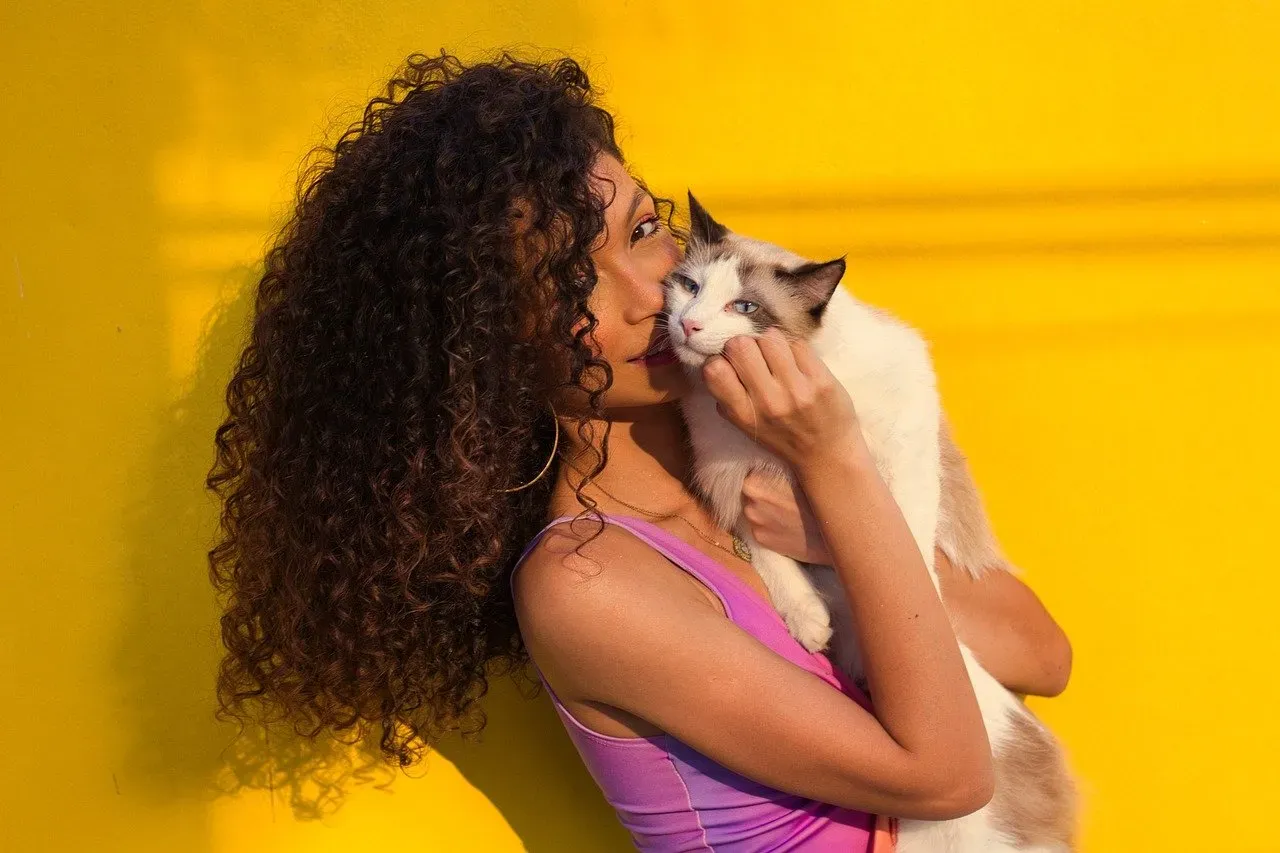
Sometimes bunting can also be a way for cats to get their owner’s attention, as a cat might bunt their human companion to initiate petting, play, or feeding. Pay attention to the context surrounding your cat’s bunting behavior. Are they headbutting you and then walking toward their food bowl? Leading you to the door? Positioning themselves for the perfect chin scratch angle?
Cats who bunt you may be asking for something specific, and if your cat bunts you and then leads you to their food bowl, they may want a refill. They’ve learned that this affectionate gesture tends to get your attention and prompt you to respond to their needs. Clever little manipulators, aren’t they?
The key is observing what happens immediately after the bunt. Your cat is communicating with you through this behavior, and the message might be anything from feed me to play with me to I’m anxious and need reassurance. Learning to read these subtle differences will deepen your understanding of your cat’s needs.
When Head Contact Becomes a Warning Sign
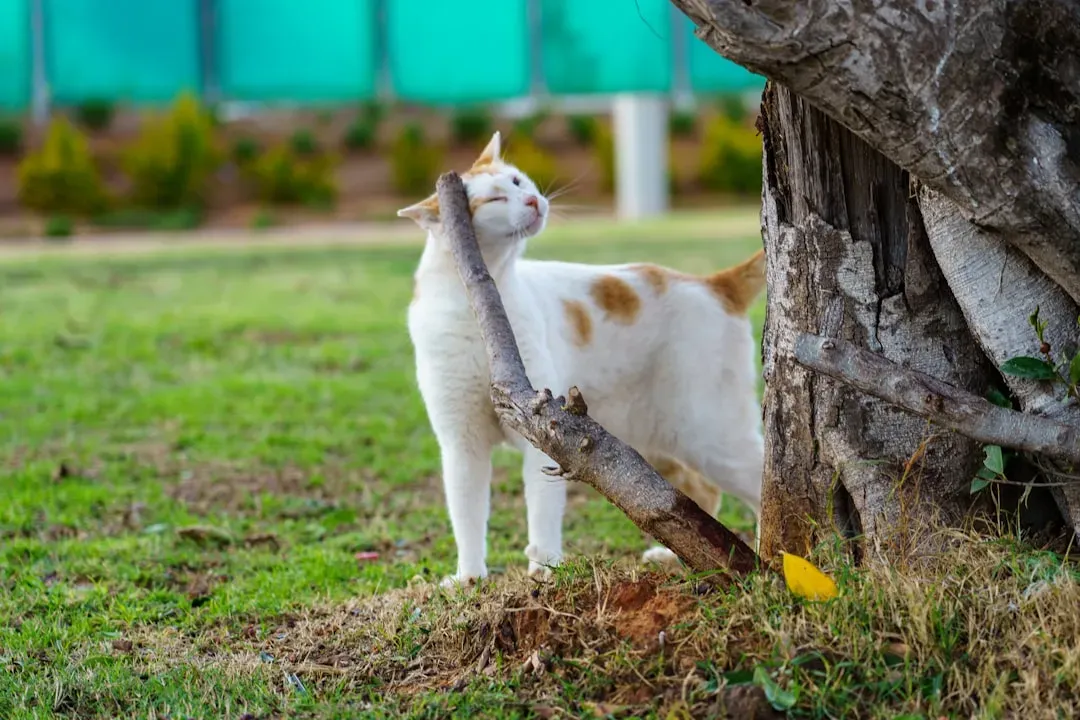
Bunting is a normal animal behavior and should be distinguished from head pressing, which is abnormal and typically a sign of illness. This distinction is crucial because while bunting is healthy and affectionate, head pressing indicates something is seriously wrong.
With head pressing, a cat will push their head into the wall, corner, or something else for a longer period of time and will typically not appear relaxed, potentially accompanied by symptoms such as pacing, vision changes, or other signs of illness. If you notice your cat pressing their head continuously against hard surfaces, especially if they seem distressed or disoriented, this requires immediate veterinary attention.
Head pressing can indicate neurological problems, metabolic disorders, or other serious health conditions. Unlike the gentle, affectionate bonk of bunting, head pressing is compulsive and often accompanied by other concerning behaviors. Learning to tell the difference could literally save your cat’s life.
How to Respond to Your Cat’s Love Language
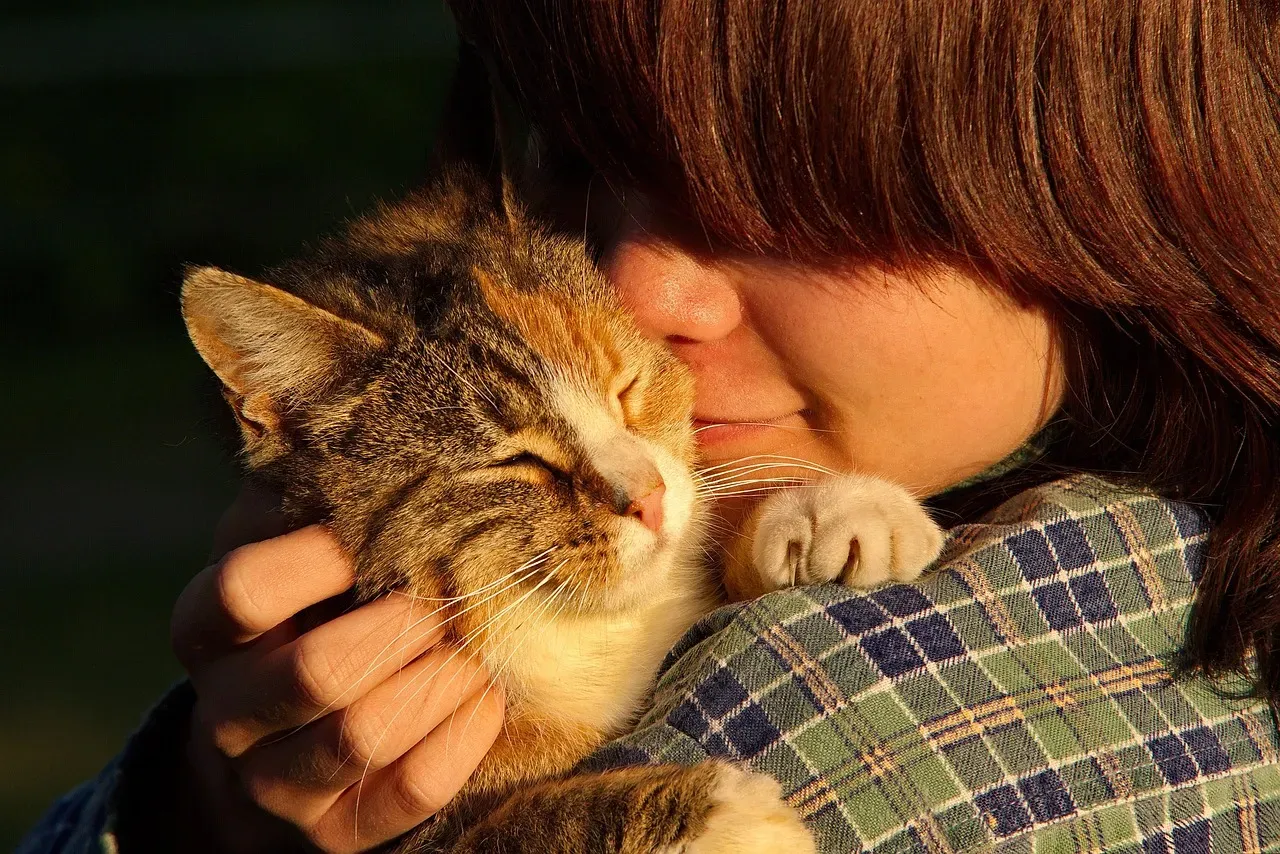
The best response to bunting is gentle reciprocation through petting or verbal acknowledgment, which reinforces the positive social interaction and strengthens your bond with your cat. When your cat bumps their head against you, they’re initiating a conversation in their native language. Responding appropriately shows respect for their communication style.
Petting your cat can stimulate the scent glands in their head, creating an even richer exchange of pheromones and deepening the bonding experience. Some people even gently press their forehead back against their cat’s head, though this isn’t necessary. What matters most is acknowledging the gesture and reciprocating with affection in whatever form your cat enjoys.
Pay attention to how your cat responds to determine what responses they like the best, then respond in those ways whenever bunting comes into play. Every cat is an individual with unique preferences. Some want to be petted, others want to play, and some simply want the acknowledgment before they go about their business. Reading your cat’s body language will tell you what they’re really after.
The Beautiful Complexity of Feline Affection
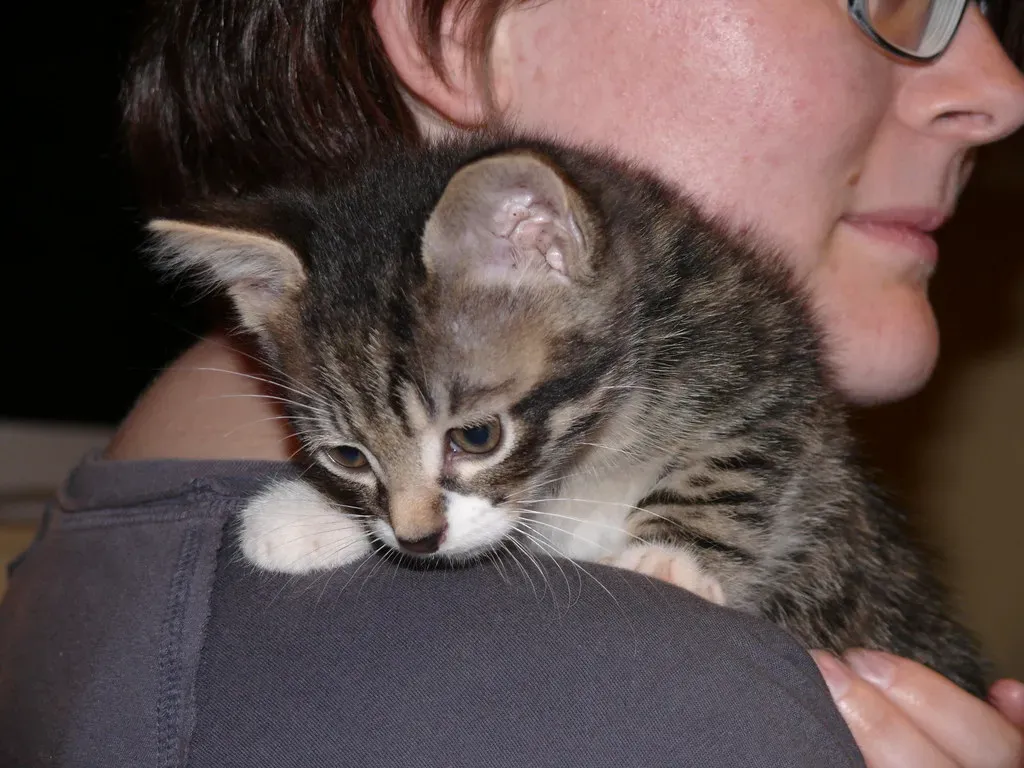
What seemed like a simple head bump turns out to be an incredibly sophisticated communication system involving biology, social hierarchy, emotional regulation, and trust. Scent communication is far more complex than mere territorial marking, as cats use scent to create comforting familiarity, show respect, create a common colony scent, self soothe, and much more.
Your cat’s head nudges represent a multi-layered message that simultaneously says I trust you, you’re family, I feel safe with you, and let’s strengthen our bond. It’s a gesture loaded with meaning that reflects thousands of years of feline social evolution. The fact that your cat chooses to share this behavior with you, a completely different species, speaks to the remarkable interspecies relationship you’ve built together.
Next time your cat bonks their fuzzy little head against yours, take a moment to appreciate the profound act of trust and affection they’re offering. You’re experiencing something truly special – a glimpse into the secret emotional world of one of nature’s most enigmatic creatures. What do you think about your cat’s headbutts now? Has learning the deeper meaning changed how you see these gentle nudges?