You love your cat. You’ve set up the perfect home with toys, comfy beds, and all the treats they could want. Yet somehow, your furry friend keeps scratching the furniture, peeing outside the litter box, or hiding for hours on end. You’re frustrated, maybe even a bit angry. Here’s the thing: what if these behaviors aren’t signs of defiance or bad habits at all?
What you see as misbehavior might just be your cat behaving like a cat, or suffering from an illness or behavioral problem rooted in a poorly enriched or unpredictable environment. Let’s be real, our feline companions can’t exactly sit us down for a heart-to-heart about what’s bothering them. Instead, they communicate through actions that we often misinterpret. So before you label your cat as naughty, consider this: fear, anxiety, and stress are among the most prevalent behavioral problems in cats.
That Furniture Scratching Isn’t Spite
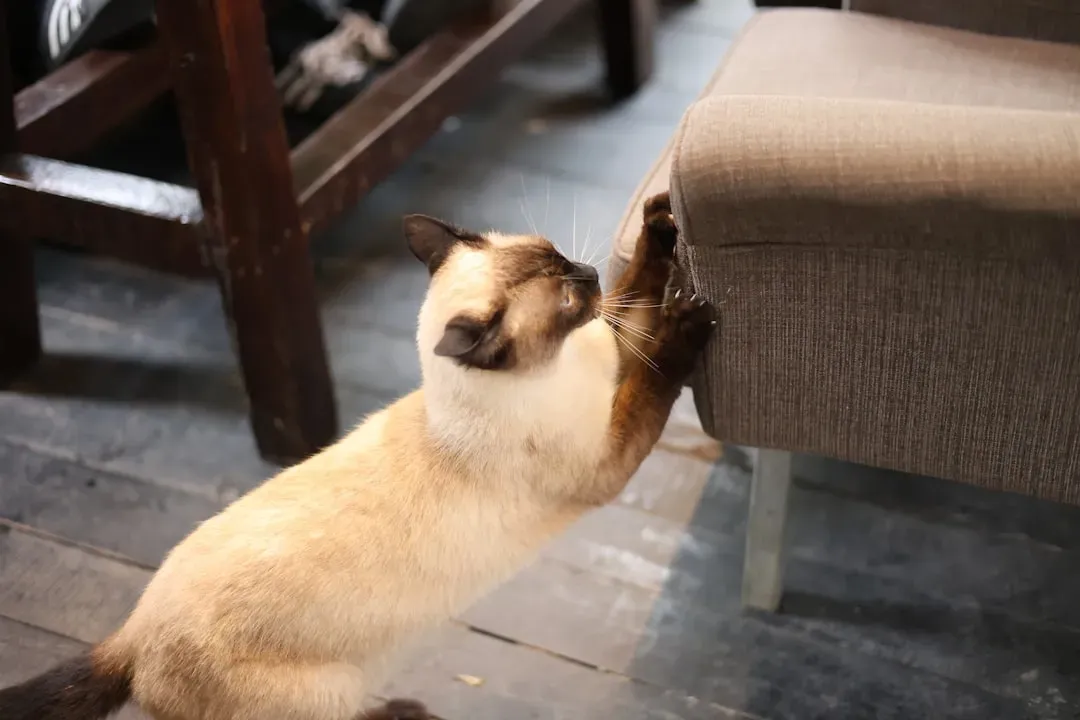
When your couch looks like it’s been through a shredding machine, it’s easy to think your cat is deliberately destroying your belongings. Scratching is one of the most common concerns cat owners face, but cats aren’t being destructive out of spite – they’re simply doing what cats are born to do. Scratching serves multiple purposes: it maintains their claws, marks territory, and provides a physical outlet for energy.
However, when the scratching becomes excessive or suddenly changes in intensity, you might be looking at something deeper. Cats that suffer from stress might start urine spraying, scratching furniture, or hiding more often. Think of it like how we might bite our nails or tap our feet when we’re anxious. Your cat could be using those claws to work through emotional turmoil you can’t see. Maybe there’s been a change in routine, a new pet in the neighborhood, or even just rearranged furniture throwing off their sense of security.
Litter Box Avoidance Speaks Volumes
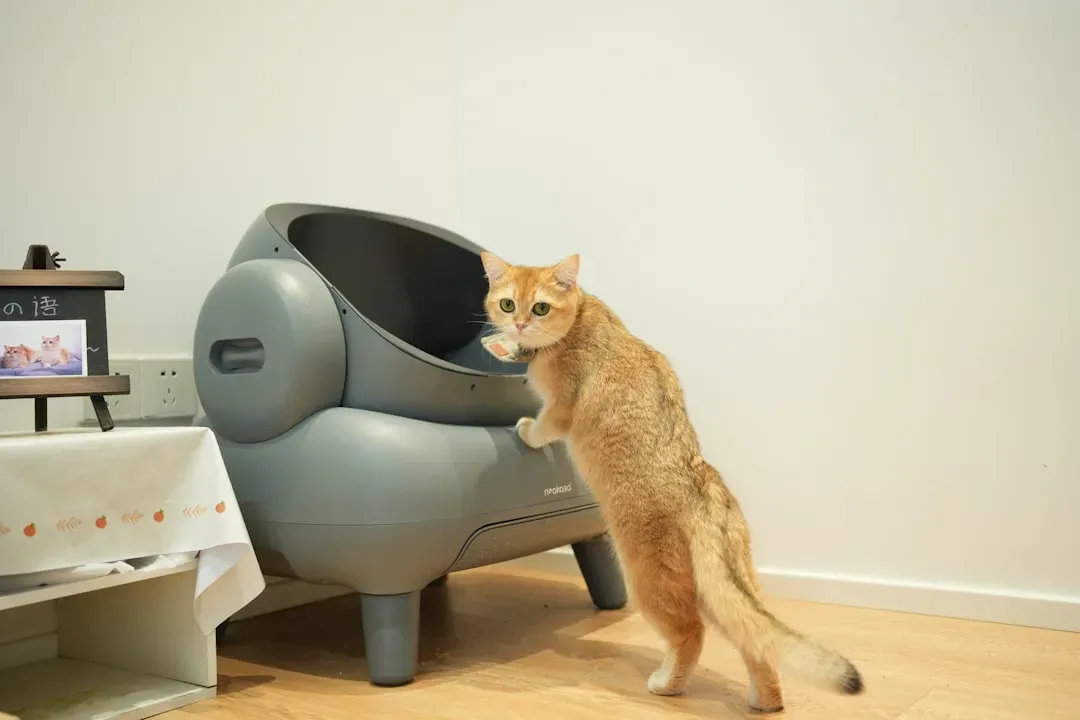
One of the most common signs of stress in cats is urinating outside the litter box because the smell of their own urine is comforting for them, and litter absorbs the smell. This behavior sends many cats to shelters, yet it’s often misunderstood as pure defiance. Honestly, your cat isn’t trying to ruin your carpet or make a statement about how you’ve wronged them.
Inappropriate elimination can signal medical issues too, which makes this behavior especially important to address quickly. Even a small change in routine can cause painful health issues like cystitis (inflammation within the bladder) in some cats. The connection between stress and physical symptoms is powerful in felines. They might associate the litter box with pain if they’ve had a urinary issue, or they might be marking territory because they feel insecure in their environment. Either way, this behavior is a cry for help, not an act of rebellion.
Excessive Grooming Can Turn Self-Destructive
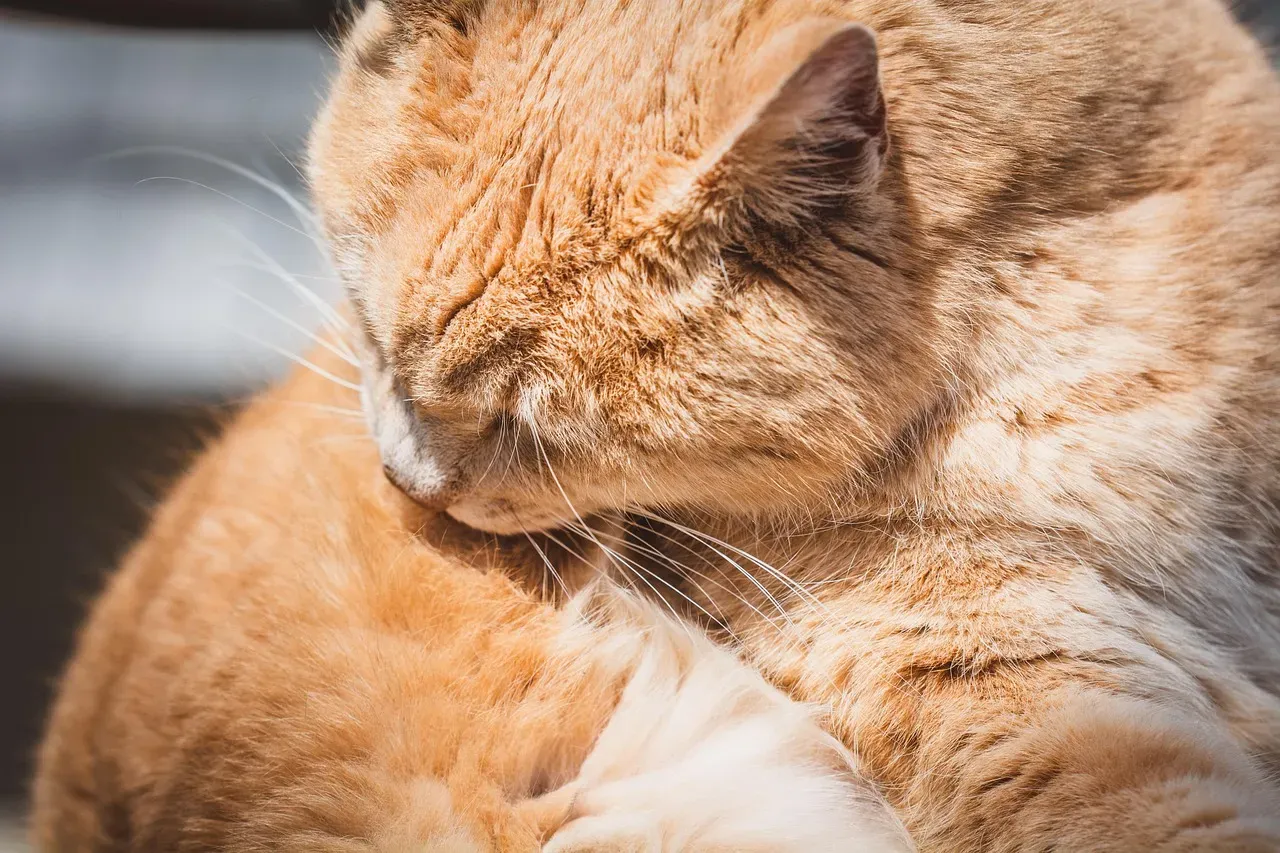
You’ve probably noticed your cat spending a good chunk of their day grooming themselves. That’s normal. Take note if your cat is aggressively grooming themselves, especially if it results in bald spots or irritated skin. When grooming crosses from routine maintenance into obsessive territory, you’re witnessing a stress response in action.
The most common types are excessive grooming, and chewing of wool, other fabrics, plastic, rubber, cardboard, or string, with compulsive behavior resulting from stress or anxiety in many cats. It’s hard to say for sure, but imagine being so anxious that you can’t stop a repetitive behavior even when it hurts you. Cats experiencing chronic stress may groom until they create painful sores, yet they can’t seem to stop. This self-soothing behavior becomes self-harming, and it requires intervention beyond just telling them “no.”
Hiding Isn’t Always About Independence

Cats have a reputation for being aloof and independent, so when yours disappears under the bed for hours, you might shrug it off. Cats love cozy, enclosed spaces, so a little hiding is normal, but when hiding behavior becomes excessive or sudden, it’s a sign something may be wrong. There’s a difference between seeking solitude and withdrawing from the world entirely.
While some cats may lash out when threatened, other cats may hide when they feel stressed and vulnerable, protecting herself when she’s experiencing emotional and mental strain by refusing to engage. Think about it: when was the last time your cat emerged from their hiding spot? Have they been eating? Are they still using the litter box? Prolonged hiding can indicate illness, fear, or overwhelming anxiety. Your cat might be telling you they don’t feel safe, or they might be concealing pain the way their wild ancestors would to avoid appearing vulnerable to predators.
Sudden Aggression Has Roots You Can’t Always See
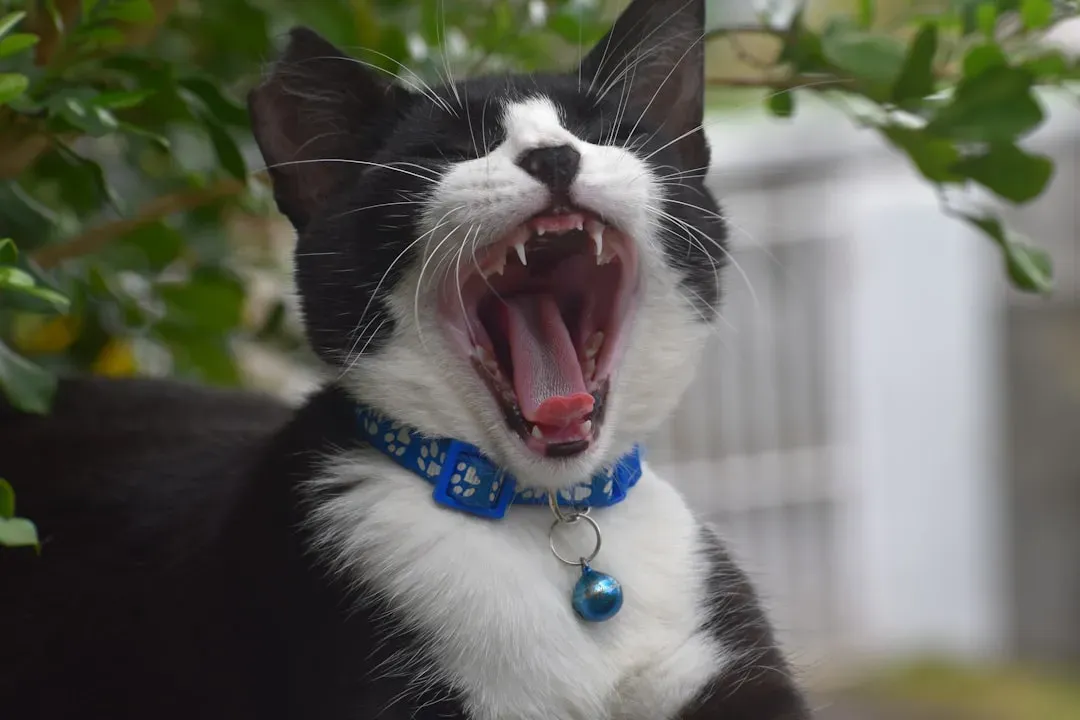
One common sign that your cat may be feeling stressed is aggressive behavior, including pouncing, stalking, biting, and scratching, though getting your cat to exercise can help alleviate their stress and reduce these behaviors. When your typically sweet cat suddenly hisses, swats, or bites, it’s jarring. You might feel hurt or betrayed, wondering what you did wrong.
Here’s what you need to understand: Fear or stress can cause a startled cat to lash out defensively, and medical causes like pain from dental issues, arthritis, or injuries can trigger irritability. Aggression is often a fear response, not an act of malice. Your cat might be in pain, feeling threatened by changes in their environment, or overwhelmed by stimuli they can’t escape. Before you write off an aggressive cat as mean-spirited, consider what might be triggering this behavior. The aggression you’re seeing is likely the tip of an iceberg of distress lurking beneath the surface.
Changes in Appetite Signal Emotional Distress
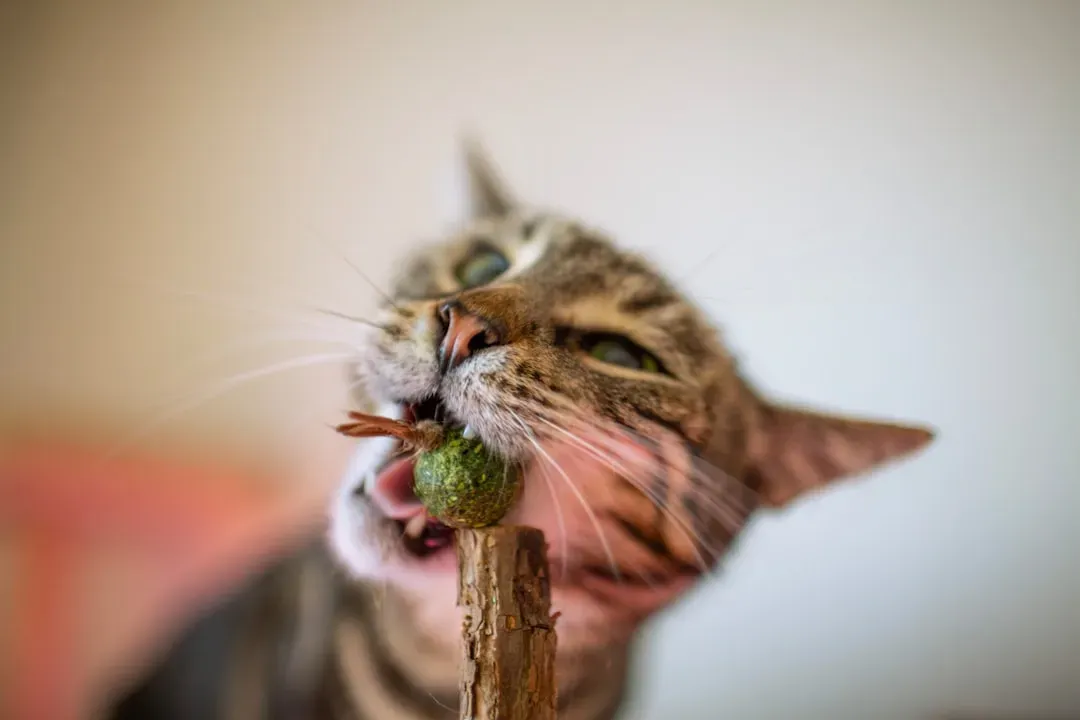
Stress is very likely to reduce feed intake, and stress-related anorexia may contribute to the development of potentially serious medical conditions. When your cat suddenly turns up their nose at their favorite food or starts eating ravenously, pay attention. These aren’t just quirky eating habits; they’re potential red flags for emotional turmoil.
Cats are creatures of routine, and disruptions can manifest through their eating behaviors. Cats are more likely to vomit and have diarrhea when experiencing stress, so if your cat is showing signs of low appetite, low water intake, diarrhea, or vomiting, schedule a veterinary visit. The gut-brain connection is strong in felines, meaning emotional stress translates directly into digestive upset. It’s not unusual for a stressed cat to skip meals entirely or develop an anxious overeating pattern. Either extreme deserves your attention and potentially veterinary intervention.
Excessive Vocalization Means Something
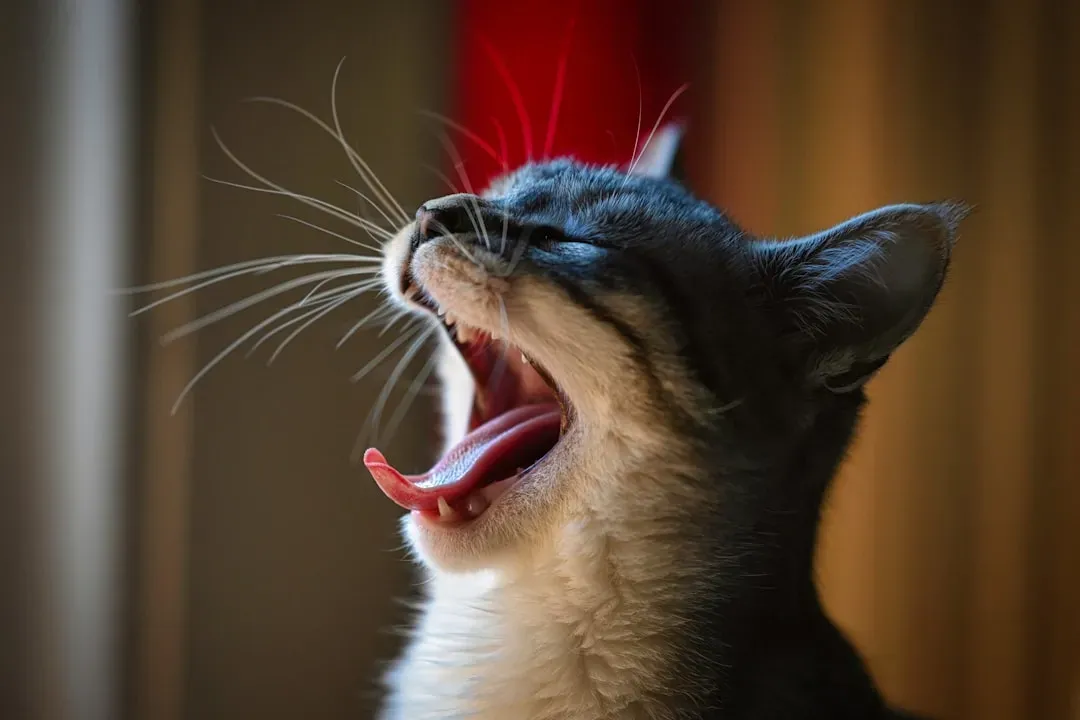
When cats are experiencing stress, they tend to be more vocal, and when your cat is stressed, she may make sounds that indicate distress. If your usually quiet cat suddenly won’t stop meowing, yowling, or making other sounds, they’re trying to communicate something important. Think of it as their way of saying, “Hey, something’s not right here.”
Different vocalizations carry different meanings. Meows and yowls may be a cry for help – your cat is attempting to get your attention, while hissing and growling are sounds cats naturally make when they feel threatened. Cats don’t waste energy on meaningless noise. When they vocalize excessively, they’re either seeking reassurance, expressing discomfort, or warning you about a perceived threat. Your job is to figure out what’s triggering this verbal barrage and address the underlying cause rather than just trying to quiet them down.
Compulsive Behaviors Reveal Deep Anxiety
Stalking, chasing, and grooming can become abnormal repetitive behaviors in some cats, with abnormal compulsive disorders exacerbated by stress or anxiety in their environment, such as relationship changes, the introduction of new cats, or owners that are disproportionately punishing behaviors. When your cat paces endlessly, chases invisible prey, or engages in other repetitive actions without apparent purpose, you’re witnessing compulsion.
Sucking, licking, chewing, or ingesting non-food substances such as plastic, lint, paper, string, cardboard, etc., can be a sign of a compulsive disorder. These behaviors often start as coping mechanisms but spiral into patterns the cat can’t control. It’s similar to human conditions like obsessive-compulsive disorder, where anxiety manifests as irresistible urges to perform certain actions. Left unaddressed, compulsive behaviors can lead to physical harm and significantly diminish your cat’s quality of life. They need help breaking these cycles, not punishment for exhibiting them.
Understanding the Physical Impact of Stress
Stress is related to the contraction and recurrence of certain diseases in cats, including upper respiratory infections as a result of feline herpesvirus and feline idiopathic cystitis. The mind-body connection in cats is incredibly powerful, meaning emotional distress doesn’t just affect behavior – it compromises physical health too. When your cat is chronically stressed, their immune system weakens, leaving them vulnerable to illness.
Excessive stress disrupts their immune system, by weakening their defences, and cats are then more likely to develop diseases. Think of stress as a slow poison that gradually erodes your cat’s wellbeing from the inside out. A stressed cat might develop recurring urinary tract issues, digestive problems, or skin conditions that have no clear medical cause. These conditions are real and painful, even though they originate from emotional rather than purely physical sources. Treating the symptoms without addressing the underlying stress is like putting a bandaid on a leaking dam.
Creating a Stress-Free Environment for Your Cat
Owners may unwittingly heighten a cat’s stress by making sudden changes in routine or living space, forcing contact on a reserved cat, or neglecting consistent access to litter, food, water, and secluded areas. The good news is that many stress-related behaviors can be managed or prevented with environmental modifications. Your cat needs predictability, safety, and resources that meet their instinctual needs.
Enriching your cat’s environment is one of the most beneficial interventions, including providing plenty of toys to keep your cat busy and entertained, and perches where your cat can survey his environment such as near a window. Creating vertical spaces, offering multiple hiding spots, maintaining consistent feeding schedules, and ensuring adequate litter box availability can dramatically reduce feline stress. You might also consider pheromone diffusers, increased playtime, and gradual introductions to any changes in the household. The investment you make in your cat’s emotional environment pays dividends in better behavior and improved health. Sometimes the simplest adjustments – like adding a window perch or playing with your cat for ten minutes daily – can transform their entire emotional state.
Conclusion
Awareness of the strong connection between observed behavior and physical and emotional health is essential for patient welfare, as it is often a change in the individual’s normal behavior that informs owners and veterinarians of the possibility of illness, pain and stress/distress. Your cat’s so-called bad habits deserve empathy and investigation rather than frustration or punishment. These behaviors are communication attempts from an animal that can’t use words to express their needs.
The next time your cat does something that drives you crazy, pause before you react. Ask yourself what might be causing this behavior beyond simple mischief or stubbornness. Is your cat stressed? Are they in pain? Has something in their environment changed? By shifting your perspective from viewing these actions as problems to fix to viewing them as symptoms to understand, you open the door to actually helping your feline friend. What do you think – could your cat’s irritating behavior actually be their way of asking for help?