Have you ever caught your cat making these peculiar bird-like sounds and wondered if they’re actually trying to tell you something important? Those cute little chirps and trills aren’t random noises. They might be your cat’s special code, a language they’ve developed specifically for communicating with you.
Most people assume cats just meow, purr, and occasionally hiss. Yet there’s this whole other vocal world happening right under our noses. Your feline friend has developed sophisticated communication methods that go way beyond the basic “feed me” meow. Let’s dive into what these fascinating sounds really mean and why your cat chooses to make them.
What Exactly Are Chirps and Trills?
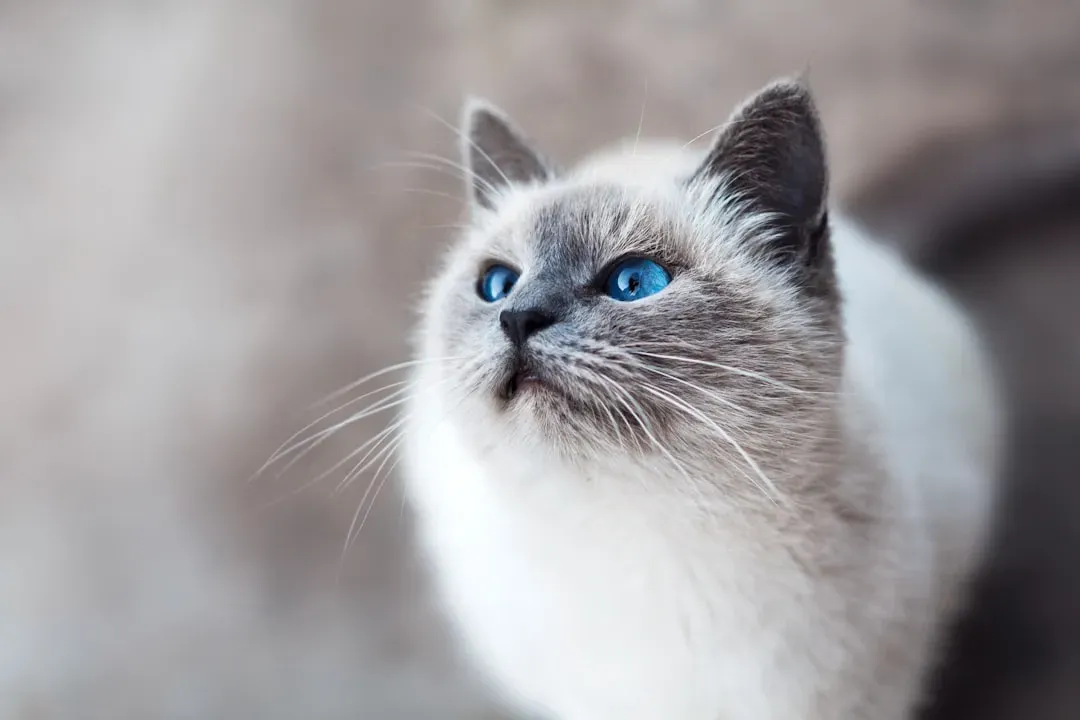
Trilling is a high-pitched, repetitive noise that comes out in short bursts. Think of it as a sound somewhere between a meow and a purr, but with its own distinct character. The cat chirp is a short, peep-like sound that’s very similar to a songbird’s warble.
Here’s the thing: cat trilling occurs with the mouth closed, not open like many other forms of vocalizing. This makes it different from meowing, where your cat opens and closes their mouth. Honestly, once you know what you’re listening for, you’ll never mix them up again. It’s like the difference between humming and talking.
Chirps are a bit shorter, faster, and more staccato than trills. Imagine a quick little burst versus a rolling, melodic sound. Both serve distinct purposes in your cat’s communication toolkit.
The Mother-Kitten Connection You Didn’t Know About
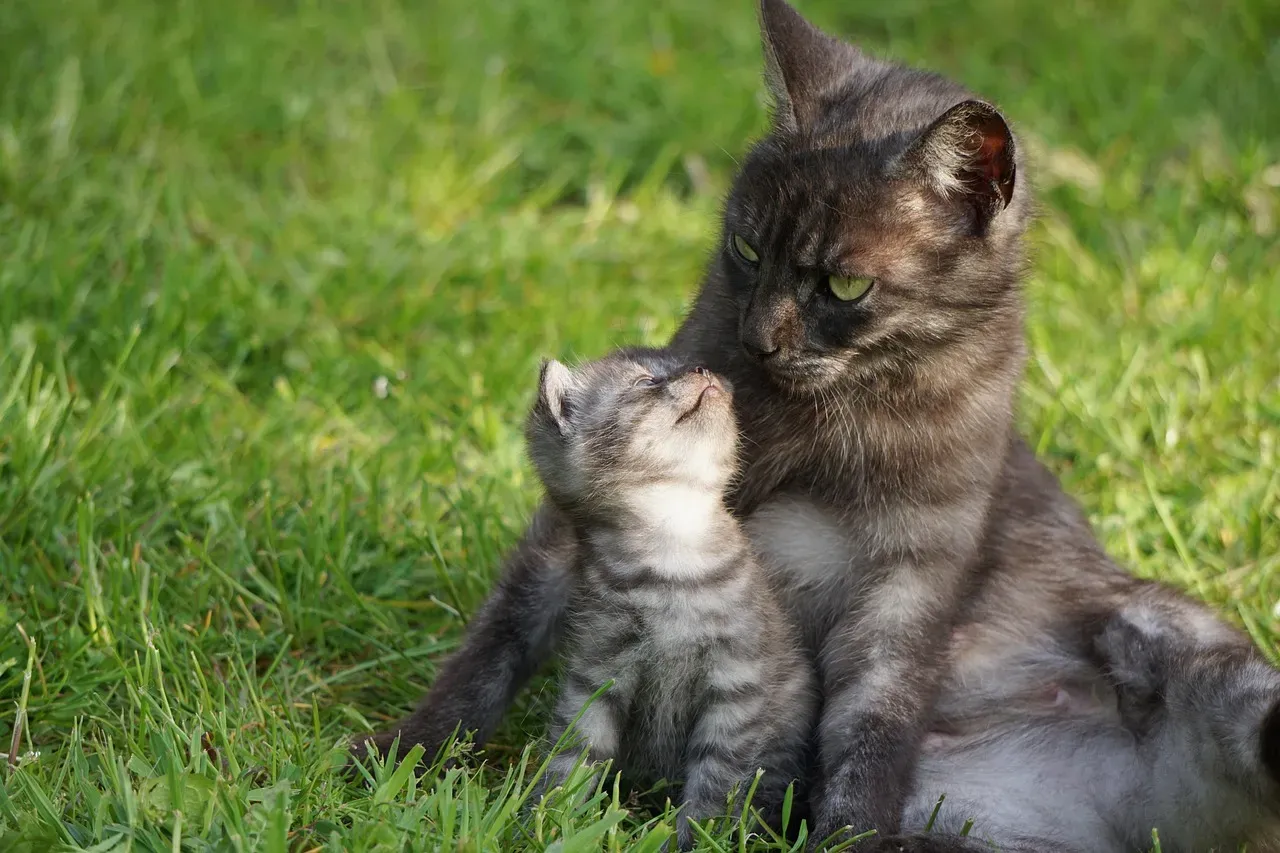
Mother cats use trilling to communicate with their kittens, guiding them or calling them back to safety. It’s a nurturing behavior that shows the bond between a mother cat and her offspring. This is where the whole trilling behavior originates.
It is commonly used by mother cats to call their kittens inside the nest. As such, kittens recognize their mother’s chirp. Pretty remarkable when you think about it. Kittens are hardwired to respond to their mother’s specific trill, which means this vocalization carries deeply ingrained meaning from birth.
When your adult cat trills at you, they’re essentially treating you like family. Trilling is a natural social behavior with other cats, and kittens begin learning key social behaviors between 2 and 7 weeks of age. Kittens raised without exposure to other cats in early kittenhood may be less likely to learn trilling. So if your cat trills, they learned it early and they’re using it with you intentionally.
Why Your Cat Trills When They See You
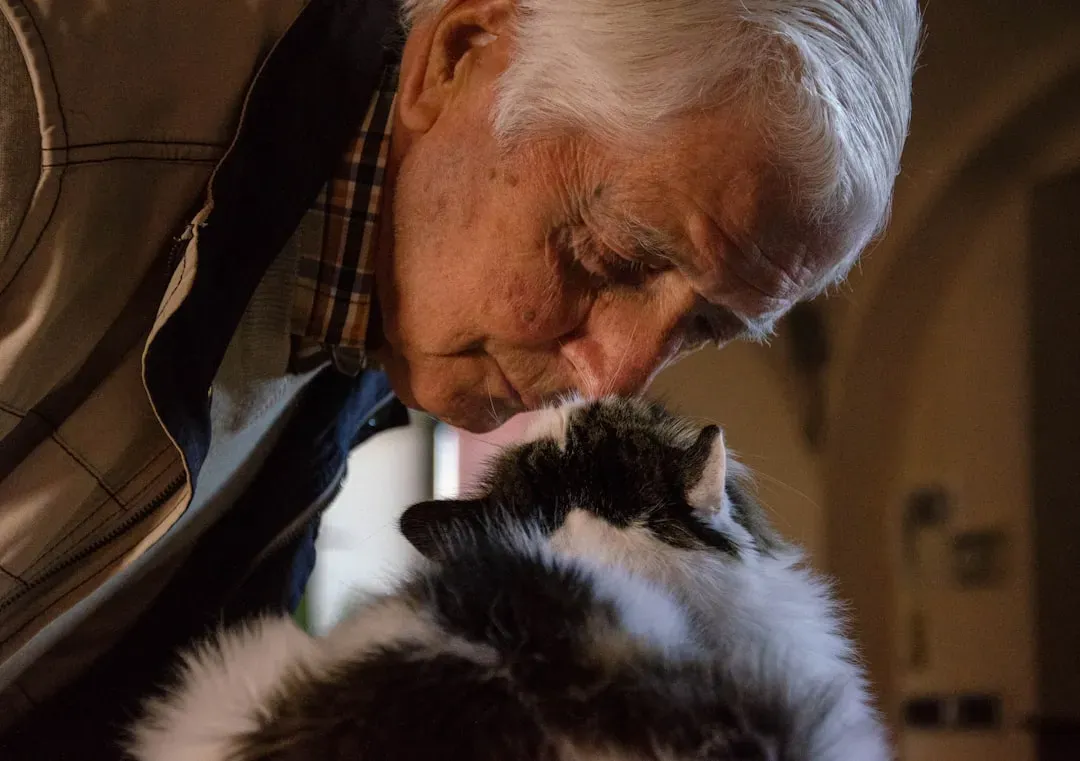
Cats trill when they see or approach a familiar and well-liked person, cat, or other animal. Studies show it is specifically associated with positive and familiar situations. Let’s be real: your cat is basically saying they’re happy to see you.
It’s not about the treat you’re holding or the toy you’re bringing out. A person they know may be offering treats or bringing out a favorite toy, but the reason for the trill is the specific person, not the activity itself. That’s a pretty powerful statement about your relationship. Your cat values you, not just what you provide.
Think of it as your cat’s version of saying hello. Trilling is usually how cats greet or acknowledge you or other kitties. For example, your cat might trill at you when you wake them up or come home after being away. It’s their friendly acknowledgment that you exist and they appreciate it.
The Hunting Chirp Mystery
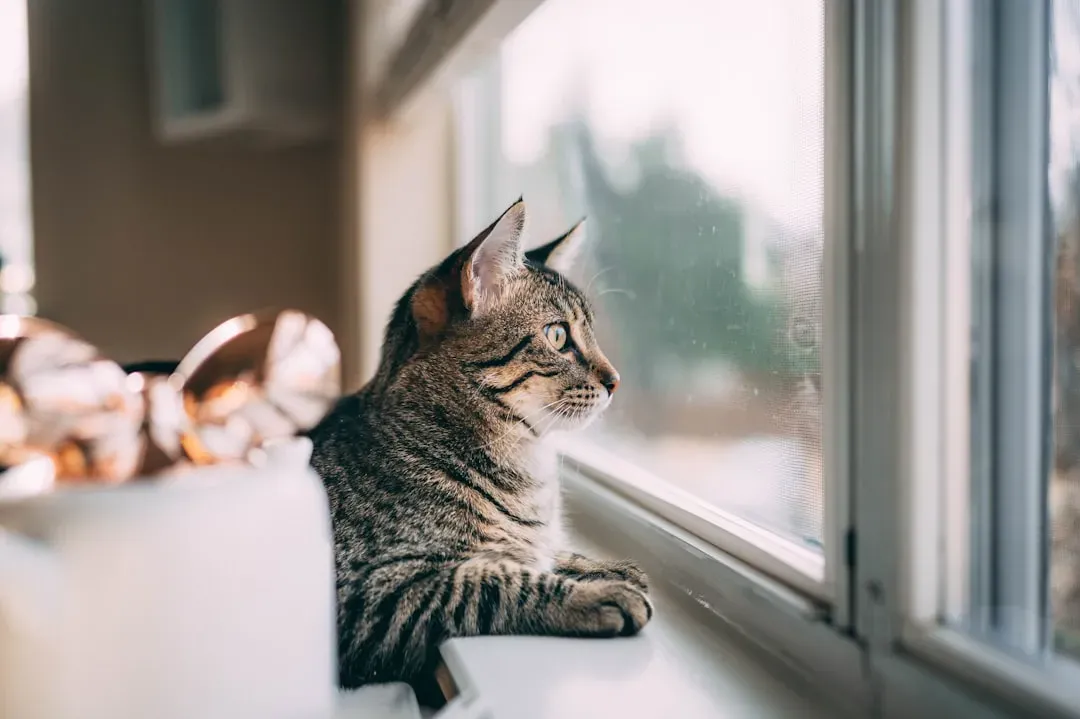
Ever seen your cat sitting by the window, staring at birds, and making these weird clicking or chirping sounds? Cats also pull out the chirp when their hunting instinct kicks in while watching birds. Cats employ this vocalization when a bird or insect catches their attention, and the cat becomes riveted to the prey, and starts to chirp, tweet and chatter.
The fascinating part is that experts still debate exactly why cats do this. It has been theorized that chirping is an evolutional advantage cats developed to use during hunting. Chirping sounds were thought to mimic songbirds so that the prey will feel at ease and let their guard down. This seems unlikely for a couple of reasons: cats will also chirp when they see squirrels or rodents, not just birds.
A behavioral study found that, in most cases, a cat chirps because of feelings of anticipation or frustration. So your cat is probably excited about potential prey but frustrated they can’t get to it through the window. It’s like watching a cooking show when you’re hungry.
Trilling as an Invitation to Follow
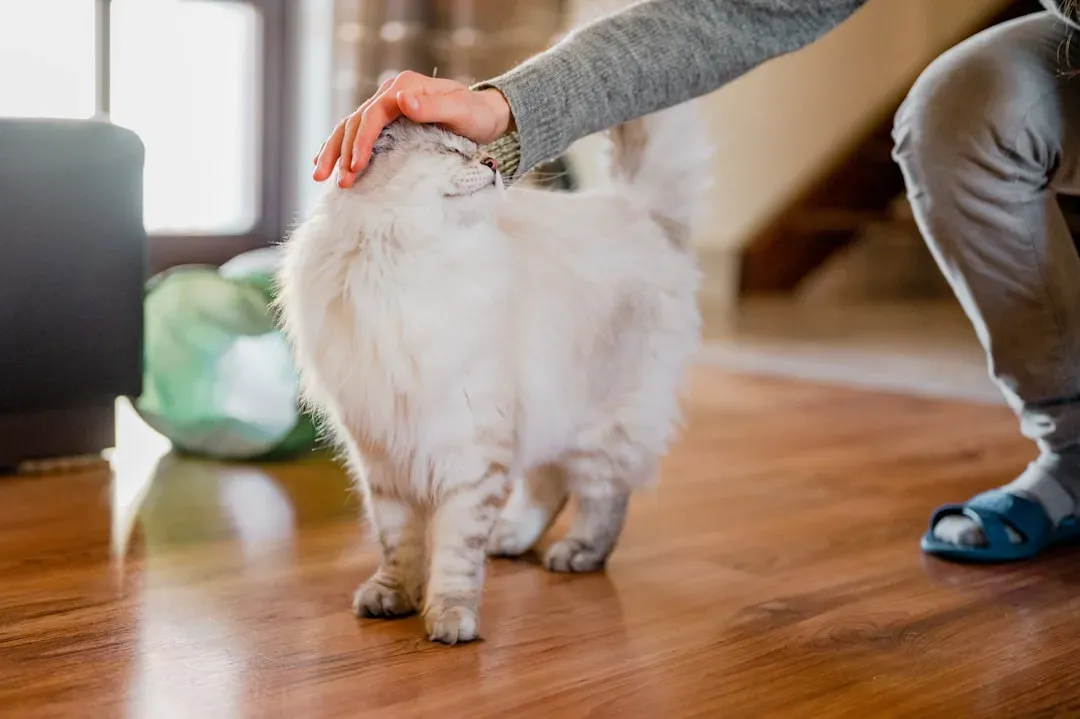
A common belief is that mother cats trill to get their young to follow them. This instinctual behavior is why your cat may also trill if they want you or another cat to follow it. If your cat trills and then walks away, they’re probably asking you to come along.
Chirps and trills are how a mother cat tells her kittens to follow her. When aimed at you, it probably means your cat wants you to follow them, usually to their food bowl. Sometimes the message is practical, like showing you the empty food bowl. Other times they just want you to come hang out with them in their favorite sunny spot.
Pay attention next time your cat makes this sound. They’re likely leading you somewhere or trying to get your attention for a specific reason. It’s their way of initiating interaction on their terms.
The Emotional Meaning Behind These Sounds
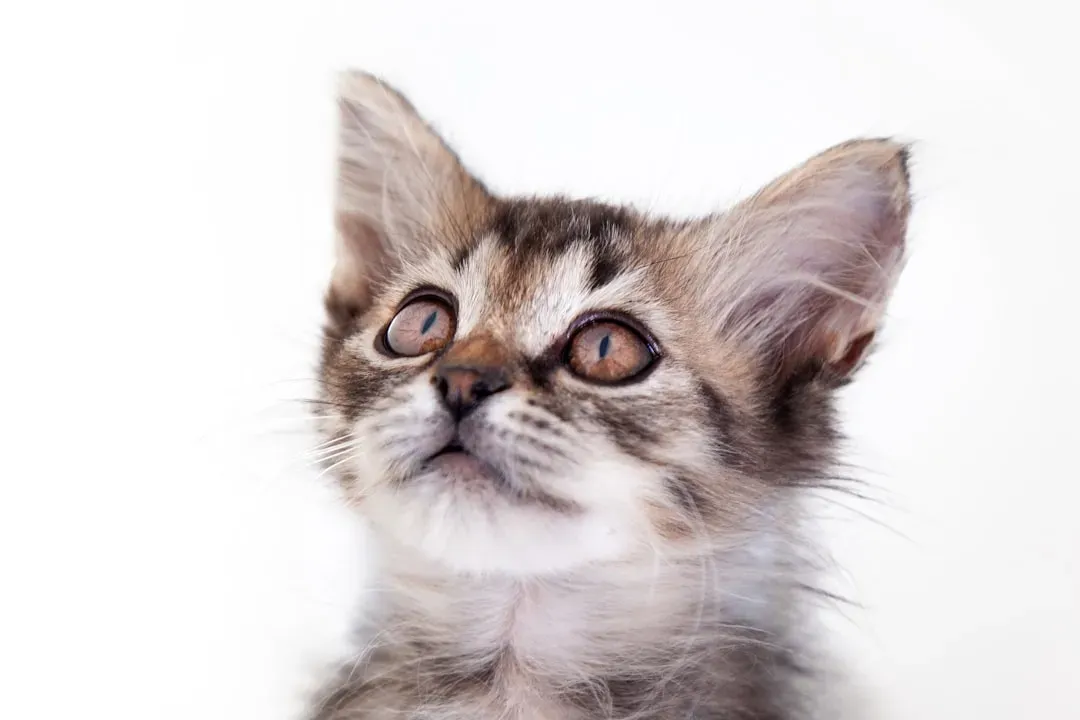
Studies have found that in pleasant situations, like being offered a favorite snack, cats made specific sounds like trilling, squeaking, purring, and chattering. This shows that cat trilling is associated with positive emotions. Your cat isn’t trilling when they’re upset or scared.
Trilling is widely considered one of the more positive cat sounds and can be a sign that your cat is happy, content, and comfortable. However, individual kitties have different personalities and communication styles and trilling is just one aspect of a cat’s overall behavior. Not every happy cat trills constantly, and that’s completely normal.
Cats often trill when they’re happy or content. It’s the same as a human smiling when they’re happy. So when you hear that little trill, know that you’re witnessing your cat’s version of a smile directed right at you.
Why Some Cats Trill More Than Others
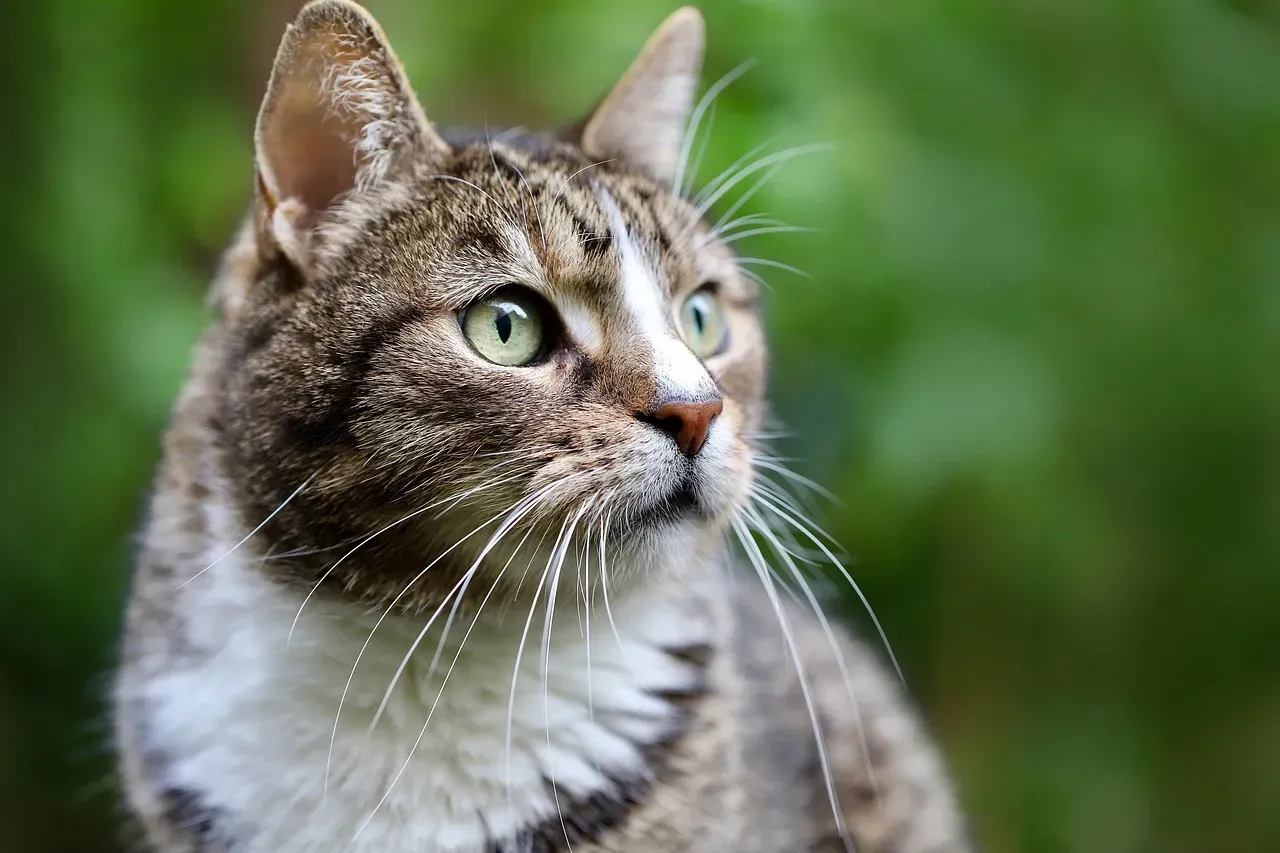
Cat trilling is a communication common to all cats, and different individual cats will trill more than others. There should be no concern with a cat that trills frequently. Some cats are just more social than others! Personality plays a huge role here.
While individual cats of any breed can trill, some breeds are more known for this behavior, possibly due to their affectionate personalities. A few cat breeds that are often reported to trill are Siamese, Maine Coon, Bengal, Siberian, and Birman. These chatty breeds love to communicate, and trilling is just part of their extensive vocabulary.
Female cats may also trill more because it’s a natural instinct, especially if their mother did it when they were a kitten. Cats learn by watching, so if mama was a triller, chances are her kittens picked up the habit. If your cat doesn’t trill at all, there’s nothing wrong with them. They simply prefer other forms of communication.
How Cats Combine Trills with Body Language
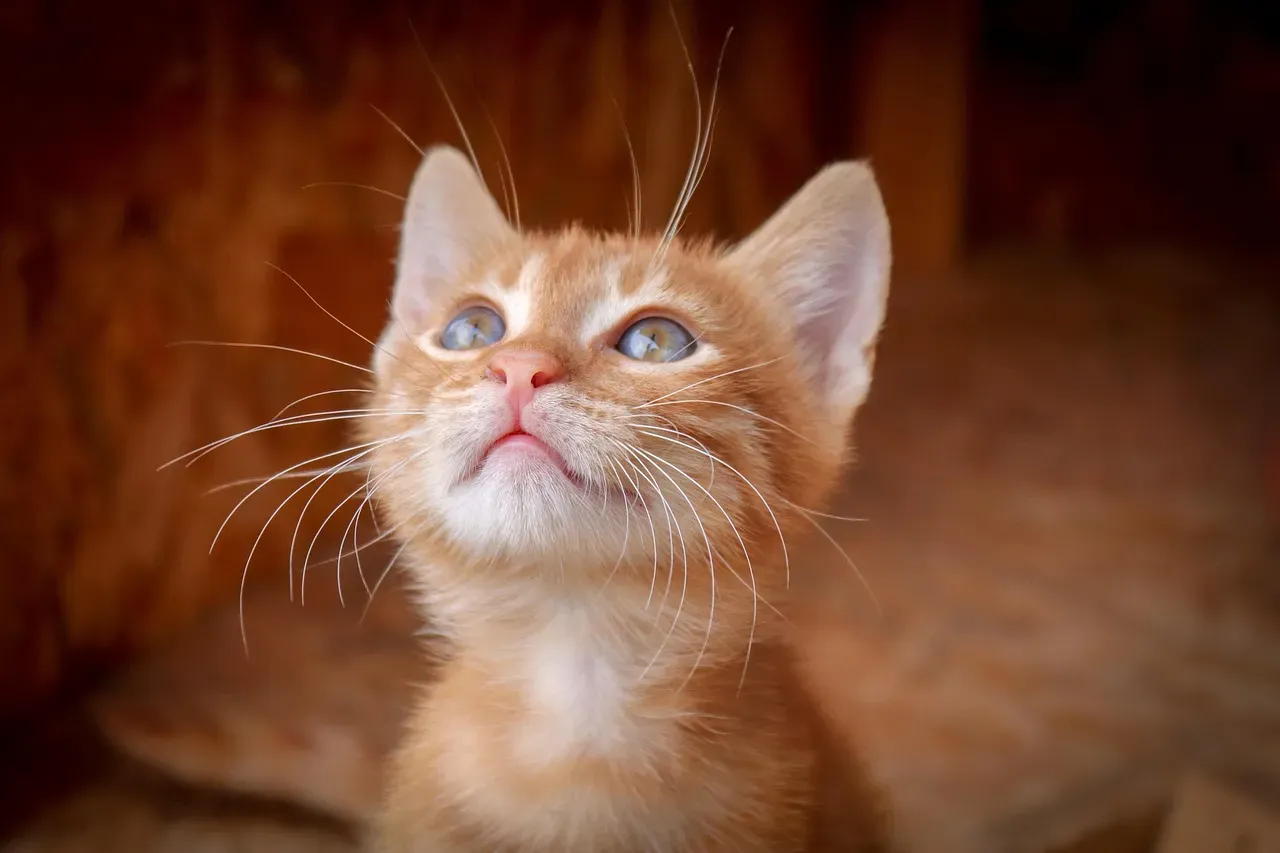
Cats use body language and movement to communicate a wide range of feelings and information. The trill doesn’t exist in isolation. Watch what your cat is doing when they make the sound.
Although the tail did not seem to play a significant role in visual configurations in cat interactions, the “tail-up” display was important when a cat approached a human being. In the vast majority of cases the cat rubbed itself on a human’s leg(s). When your cat approaches you with their tail up while trilling, they’re giving you the full friendly greeting package.
Happy cats’ ears are upright and facing forward. A tail that is pointed straight up with a curl at the tip is a reliable sign that a cat is happy and confident. Combine these visual cues with the trill, and you’ve got a cat who’s genuinely pleased to be around you.
The Domestication Factor in Cat Communication
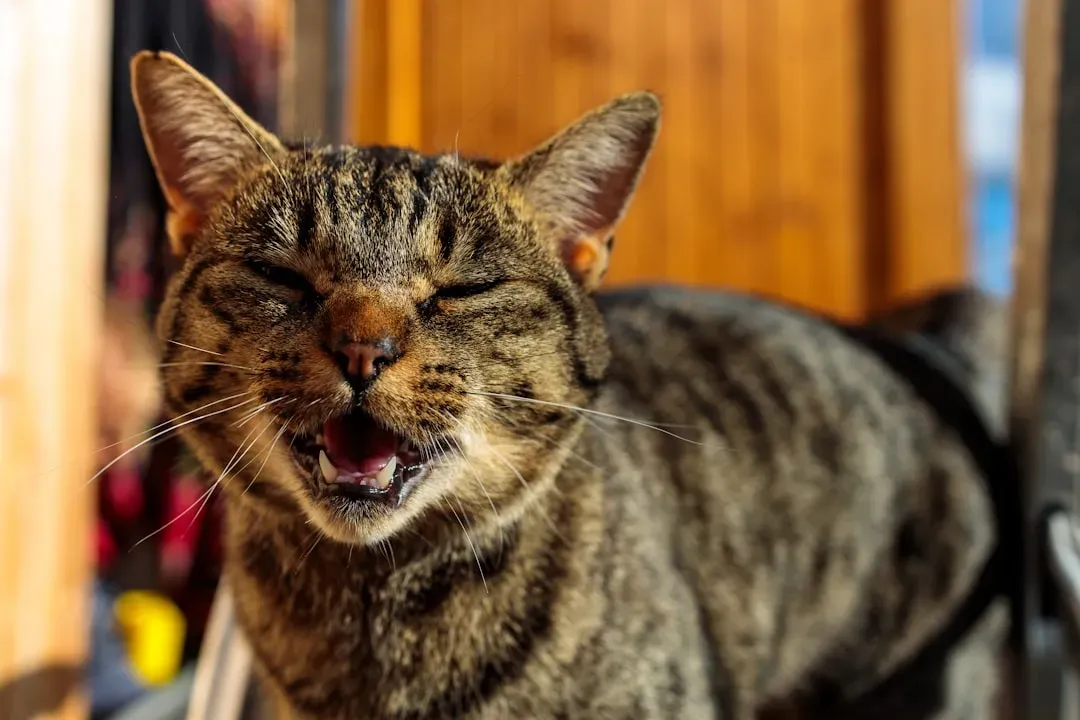
After thousands of years of domestication, cats have realized that “speaking” is the best way to communicate with their pet parents (and to get them to do what cats want them to do). Cats have adapted their communication style specifically for living with humans.
When cats communicate with humans, they do so to get what they need or want, such as food, water, attention, or play. As such, cat communication methods have been significantly altered by domestication. Studies have shown that domestic cats tend to meow much more than feral cats. They rarely meow to communicate with fellow cats or other animals.
Trilling and chirping, though, have different roots. It is also used in a friendly manner by cats when they are greeted by another cat or a human. Therefore, people can mimic the sound to reassure and greet pet cats. You can actually try trilling back at your cat. Many cats respond positively to this because they recognize it as friendly communication.
How to Respond When Your Cat Trills at You
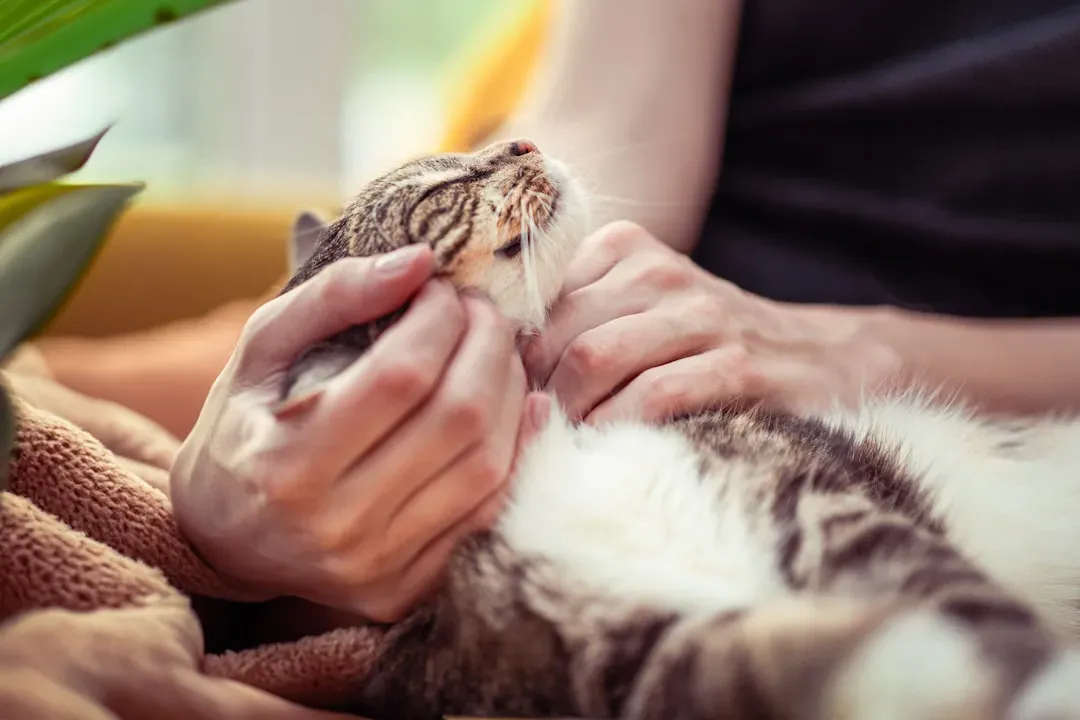
Cats trill when they’re happy or want your attention, so you should feel honored when they do it. Since trilling represents good emotions, you should reinforce that by responding positively. Acknowledge their communication.
If your cat is trilling in a playful mood or seeking attention, respond by engaging in play or offering some cuddles. This response shows your cat that you understand and appreciate its communication. Simple actions like making eye contact, talking gently to them, or giving them a head scratch can reinforce the positive interaction.
If they trill and walk away, follow them. See what they want to show you. No matter what they’re trilling for, choosing to go with your cat tells them you’re listening to their wants and needs. This builds trust and strengthens your bond. Your cat learns that their communication works, which encourages them to keep talking to you.
Conclusion: Decoding Your Cat’s Secret Language
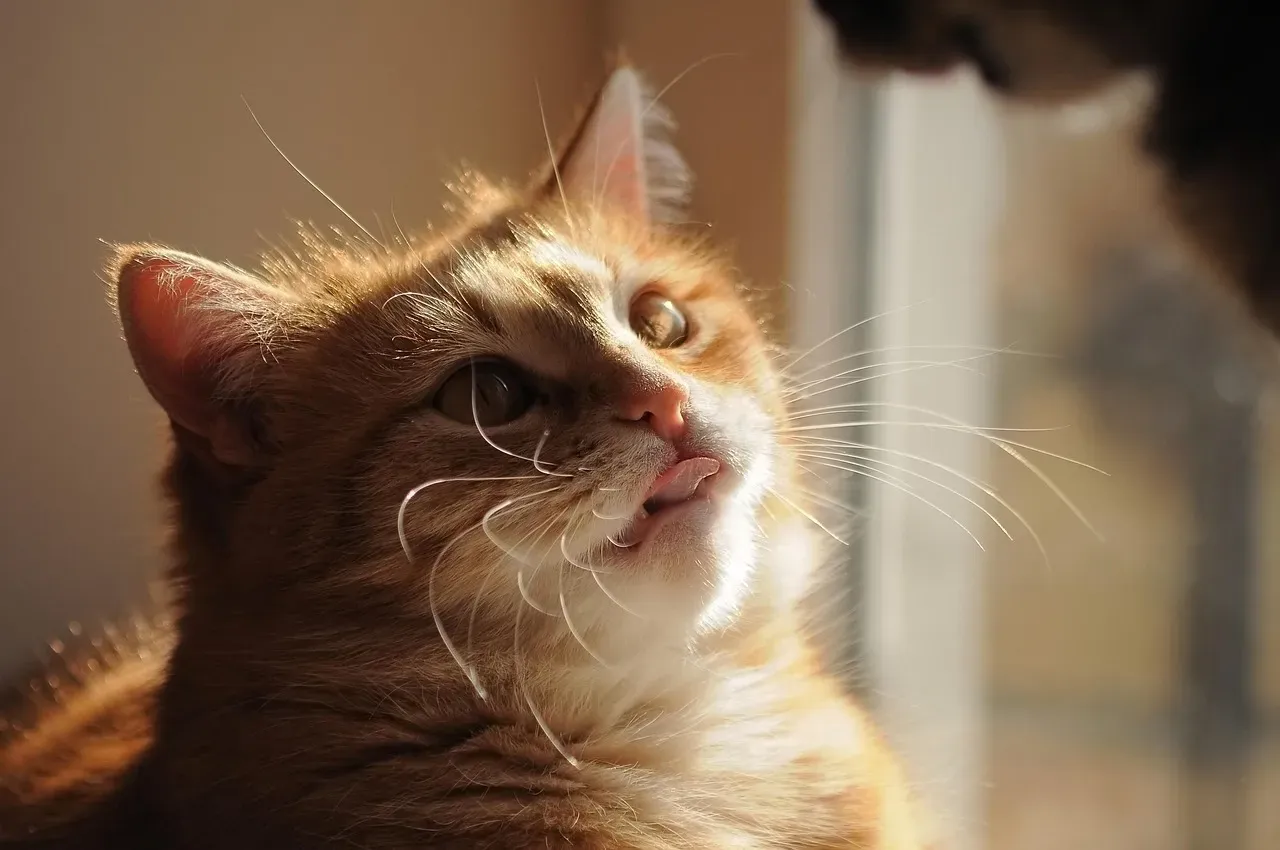
Those chirps and trills are far more than random cute sounds. They’re deliberate communication rooted in your cat’s earliest experiences with their mother. When your cat trills at you, they’re using a sound they reserve for those they trust and care about. They’re treating you like family.
Understanding this secret language opens up a whole new level of connection with your feline companion. You’re not just living together; you’re actually communicating in a language that matters to them. Next time your cat greets you with a trill, trill back. See what happens. You might be surprised at how much your cat appreciates being heard.
What unique sounds does your cat make to communicate with you? Have you noticed patterns in when they chirp or trill? Share your observations in the comments below.