You’ve probably watched your cat carry the same battered toy mouse across the room for the hundredth time, drop it at your feet, and stare at you with those unblinking eyes. It’s adorable. It’s also possibly something more. Cats are famously hard to read, and the behaviors we tend to dismiss as quirky habits are often layered with meaning that goes well beyond cute.
The idea that a favorite toy could signal distress rather than delight might seem like a stretch. The answer often lies in what toys truly represent, which goes far beyond mere entertainment. Cat toys are not just objects to keep your pet busy; they are essential tools that contribute to your feline’s overall health and happiness. When the relationship between a cat and a specific toy shifts in intensity or character, it’s worth paying attention.
The Deep Evolutionary Drive Behind Every Pounce
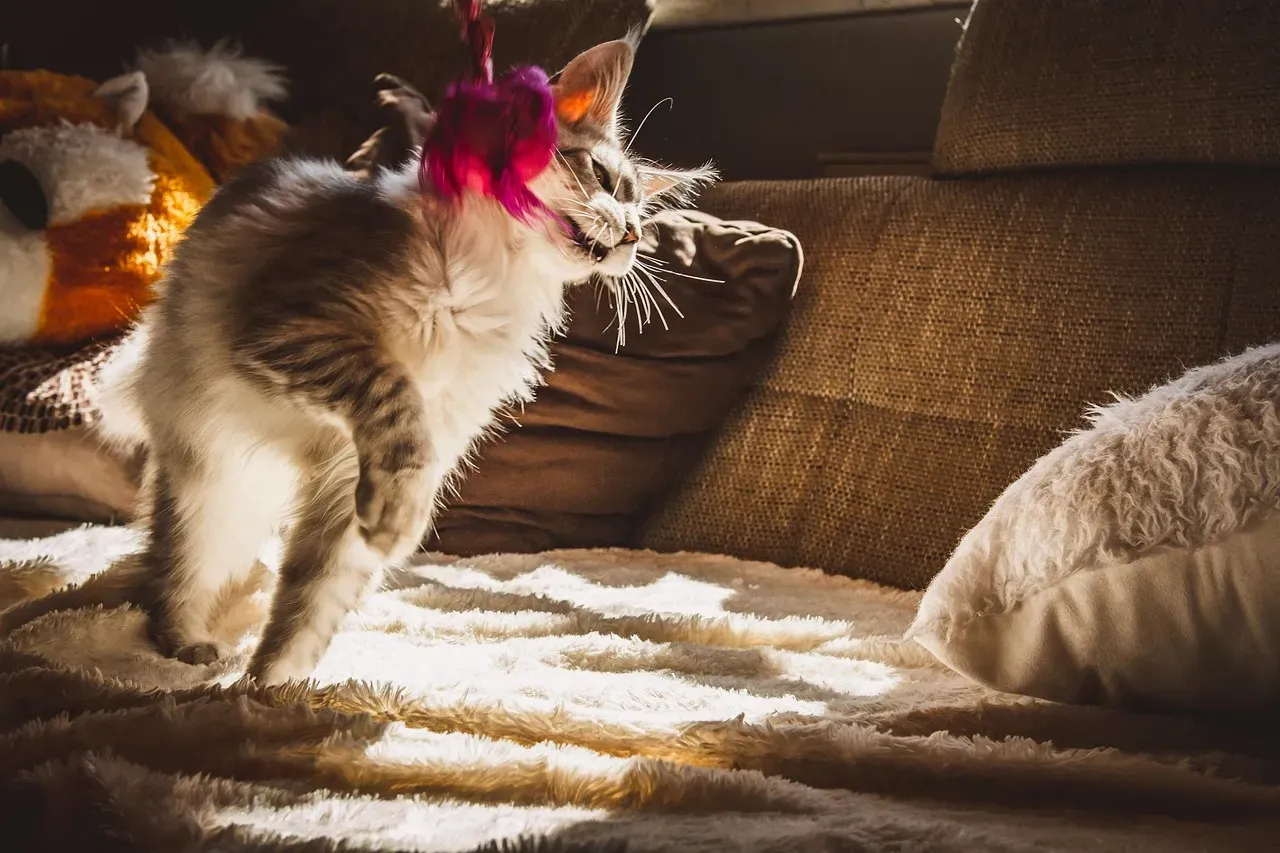
Your cat’s obsession with a particular toy isn’t random. To truly grasp what toys mean to cats, you need to look at their evolutionary history. Domestic cats are descendants of wild hunters, and their instincts are deeply rooted in the need to hunt, stalk, and capture prey. In the wild, play is a crucial part of a kitten’s development, teaching them the skills they need to survive. Even though domestic cats no longer need to hunt for their food, these instincts remain strong, and play serves as a way to satisfy their natural urges.
Because cats were domesticated relatively recently compared to other species, many of their habits resemble those of their wild ancestors. This is demonstrated by their preference for hunting, playing, exploring, territorial marking, and distinct reproductive cycles. So when your cat fixates on a toy, part of what you’re seeing is ancient wiring playing out on your living room floor. The question is whether that wiring is running smoothly or under strain.
When Playing Starts Looking Like Something Else
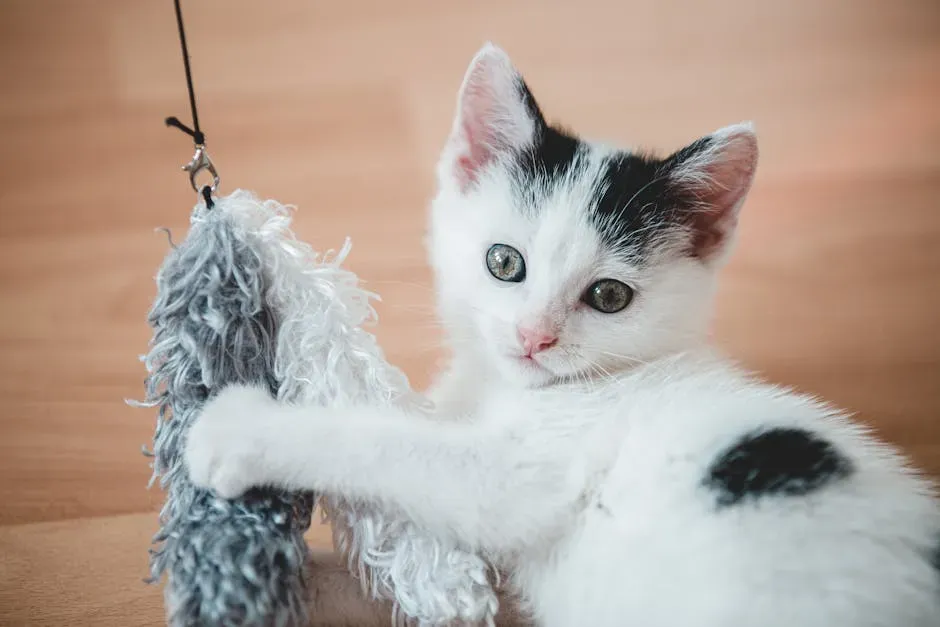
Cat toy anxiety happens when a toy overstimulates, scares, or frustrates your cat instead of engaging them in a fun, safe way. This distinction is easy to miss because the surface behavior, a cat swatting, pouncing, or carrying a toy around, can look identical whether the animal is content or quietly overwhelmed. Context and pattern are everything.
Even the most perfectly designed toy can become problematic if play sessions run too long or become too intense. Cats can shift from playful to stressed quickly, and recognizing these signs prevents negative associations with playtime. Excessive panting, aggressive behavior toward the toy, or sudden complete disengagement often signal that a cat has moved beyond healthy play into stress territory. If you’ve noticed your cat suddenly abandoning a formerly beloved toy mid-session, that abrupt exit is worth noting.
The Ritual of Carrying a Toy and Crying Out Loud
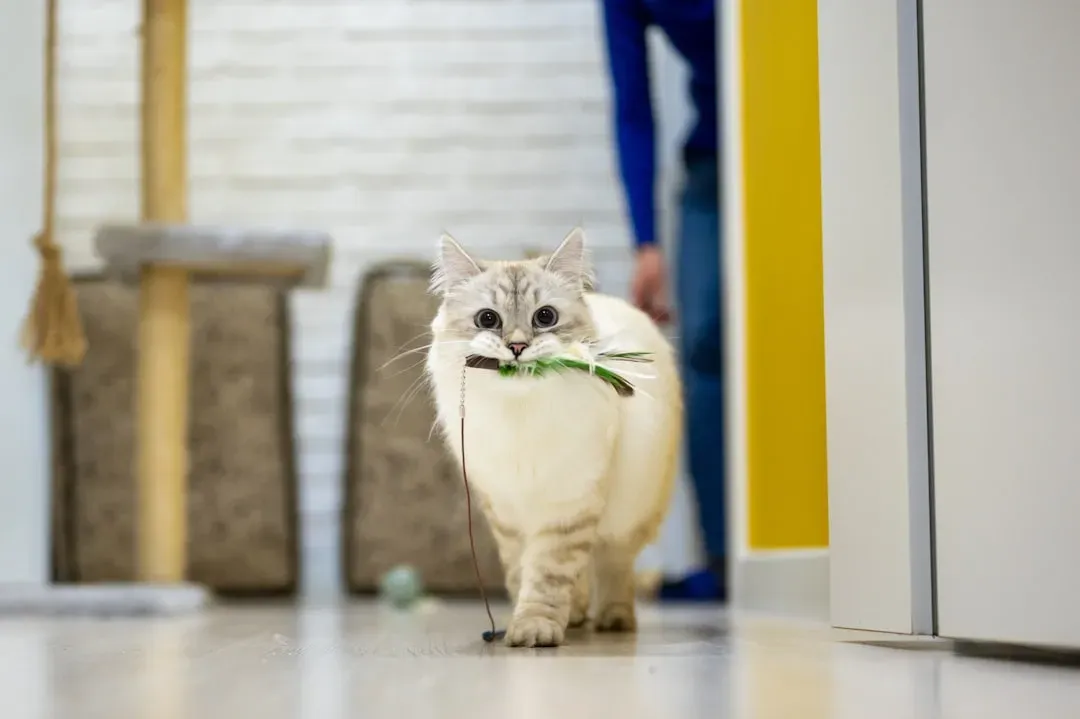
One of the most misunderstood behaviors is when a cat carries a toy in its mouth while vocalizing. It looks theatrical, even funny. In the wild, mother cats bring captured prey back to their dens to feed and teach their kittens. They might vocalize to announce their return or to encourage their offspring to engage with the “catch.” When your cat carries a toy in their mouth and vocalizes, they could be tapping into this deeply ingrained instinct, perceiving you as part of their “colony” and “bringing home the prey.”
While most meowing during play is benign and instinctual, it’s always important to consider if it could be a subtle sign of underlying stress, anxiety, or even physical discomfort, especially if the behavior is new or accompanied by other changes. In rare cases, a cat carrying a toy and vocalizing might be genuinely distressed. If the meows sound genuinely mournful, frantic, or are accompanied by other signs of agitation like pacing, hiding, aggression, or a change in appetite or litter box habits, it warrants closer investigation.
The Toy as a Comfort Object and Coping Mechanism
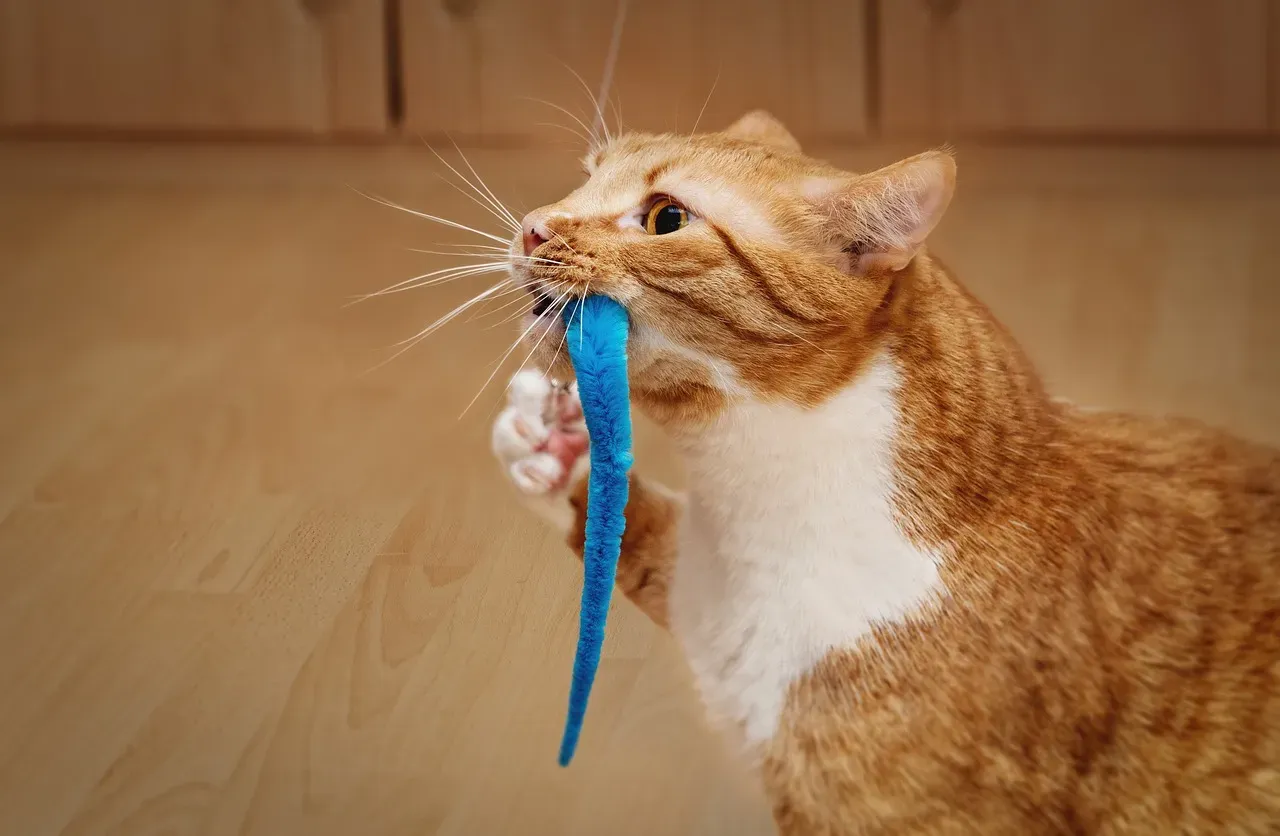
Carrying a toy and crying can be an expression of your cat’s emotions. Cats can experience a range of feelings, including happiness, anxiety, and even loneliness. This behavior might be a way for your cat to cope with stress or to seek comfort. If your cat is particularly attached to a specific toy, carrying it around and crying could be a way to self-soothe or to feel secure.
This behavior may be a way of coping with stress. Cats often struggle with change, and a move can induce stress that many owners might not notice. Some cats will knead, suck, or carry around soft toys when they are experiencing stress. Think of it somewhat like a child who won’t let go of a worn-out blanket during a stressful family move. The object becomes an anchor when everything else feels uncertain.
Reading the Signs Your Cat Is Sending Through Play
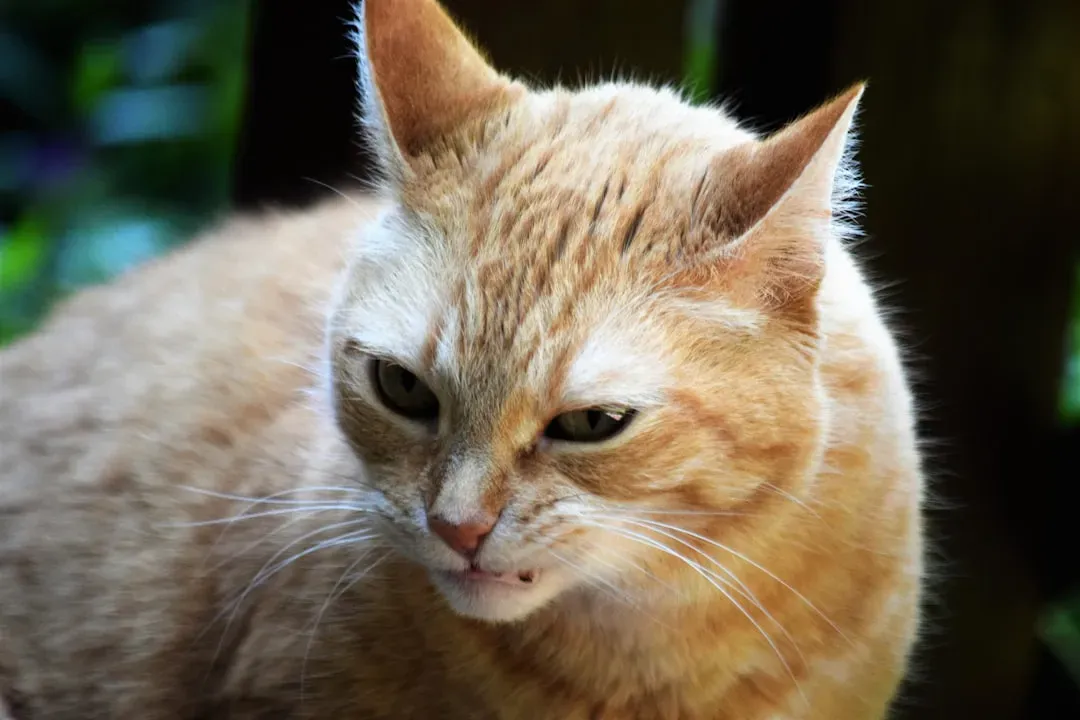
Stress can affect pets, with cats particularly sensitive to anxiety and stress. Changes in the environment, family structure, and daily schedule can trigger stress in cats, so new changes should always be instituted slowly and carefully to keep your feline friend comfortable and happy. This means the toy itself isn’t usually the problem, it’s the mirror that reflects what’s happening in your cat’s emotional world.
If you know what body language to look for, you will be able to stop interacting and playing with your cat before things escalate. Signs your cat is becoming overstimulated and may bite or scratch include wide eyes with dilated pupils, purring, loud meowing, growling or other vocalizations, rippling fur or skin on the back, excessive rubbing on you or weaving through your legs, a high and stiff vibrating tail or twitching tail tip, and large side-to-side swooping tail or puffed up fur. Learning to recognize these signals in real time genuinely changes your ability to respond appropriately.
Boredom and the Understimulated Indoor Cat
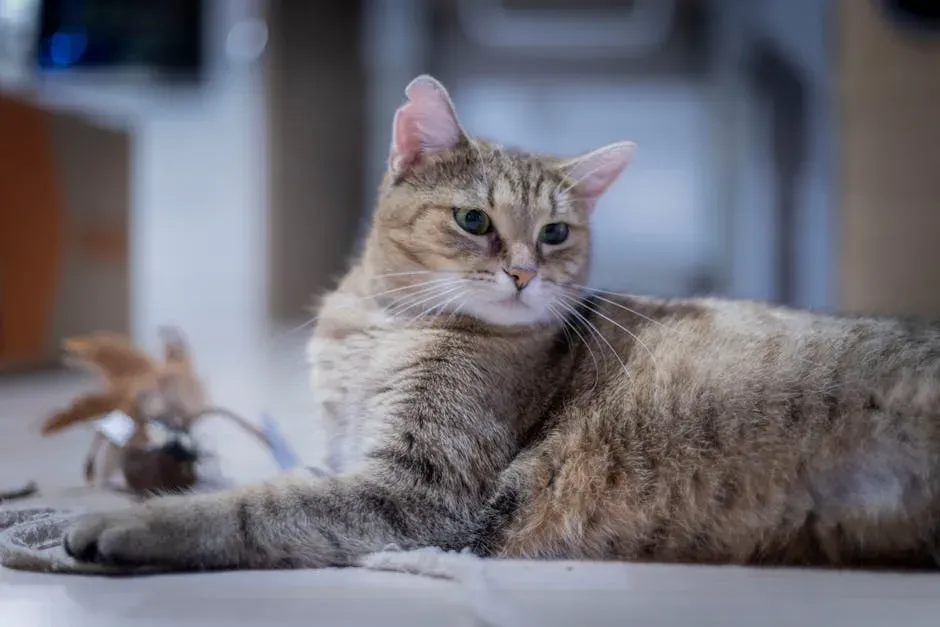
Cats are natural hunters with an inherent need for exploration, play, and mental engagement, and when confined indoors without proper stimulation, they can become bored and frustrated. Without proper stimulation, cats may become bored, leading to destructive actions like scratching furniture, knocking over items, or excessive meowing. Lack of enrichment can cause anxiety and stress in cats, as they are unable to express their natural instincts, leading to tension and frustration in their daily lives.
Under-stimulated cats are at risk of developing boredom-related or stress-relieving behaviors such as over-grooming, chewing inappropriate items, picking on companion pets, retreating into isolation, over-eating, self-mutilation, compulsive behavior, and loss of appetite. An unusually intense fixation on a single toy, one your cat returns to obsessively even when other toys are available, can be a quiet signal that their environment isn’t meeting their needs.
When Play Tips Into Compulsive Behavior
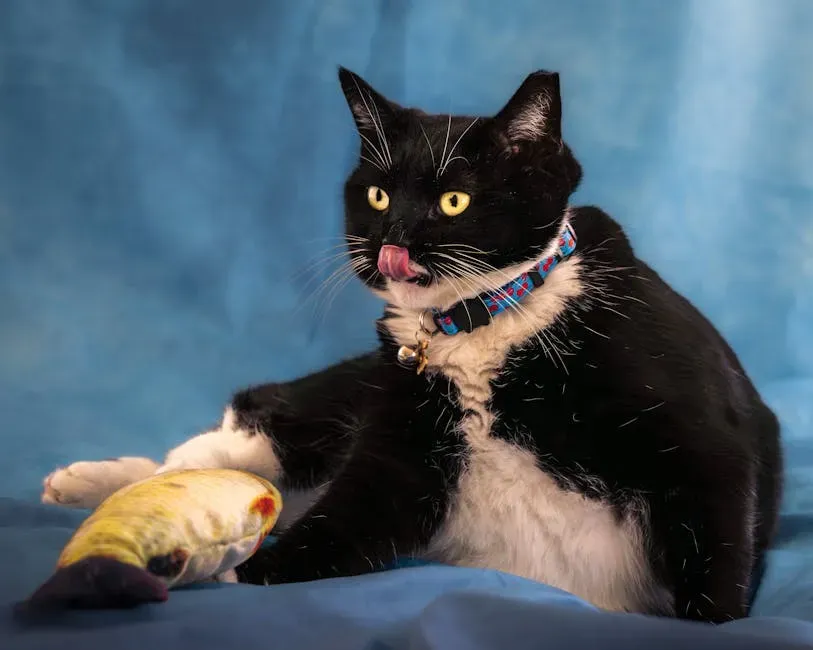
Feline obsessive-compulsive disorder is a condition where a cat performs repetitive, exaggerated behaviors that serve no clear purpose. These behaviors may interfere with their normal routine and can be distressing to both the cat and the owner. The line between enthusiastic play and compulsion can feel invisible at first, but duration, frequency, and the cat’s ability to be redirected are helpful indicators.
Compulsive behavior is when a cat exhibits abnormal and recurrent actions that are out of context with the situations in which they occur. The behavior becomes compulsive as the cat loses control over initiating or terminating it. The behavior is deemed excessive in duration, frequency, and intensity when the cat becomes difficult to distract from the behavior, and when it interferes with normal daily functioning and routines. If your cat can’t be drawn away from a specific toy-related ritual even by food or your voice, that’s a meaningful pattern to bring up with your vet.
The Role of Enrichment in Addressing the Root Cause
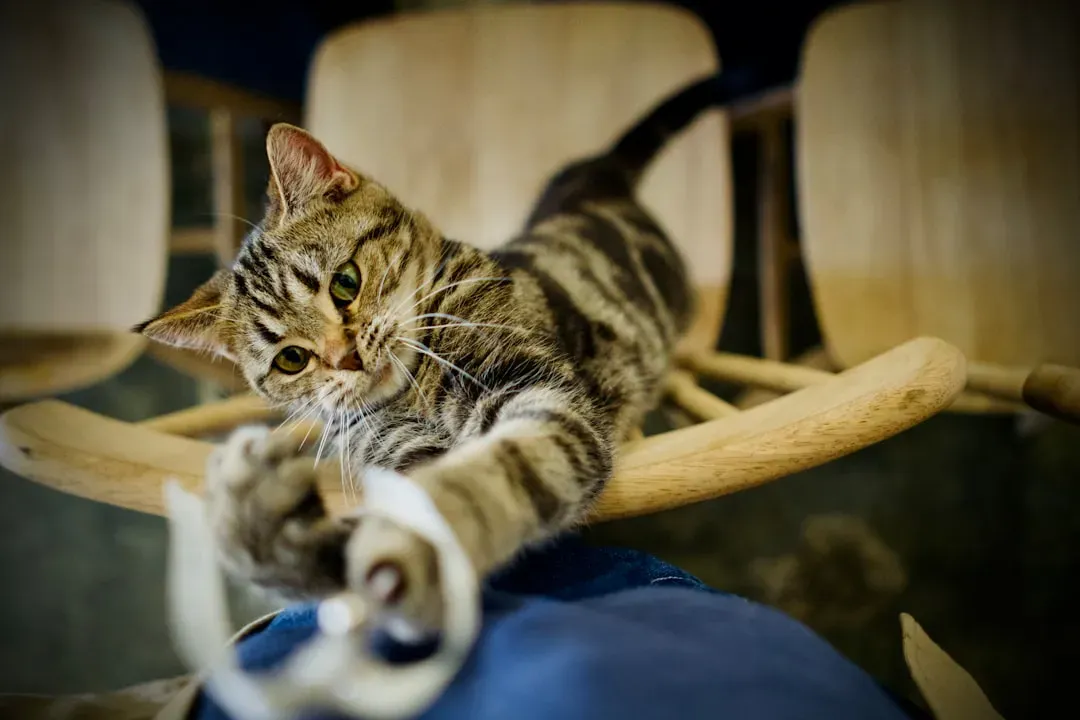
The science behind anxiety-reducing toys is straightforward: when cats engage their natural predatory instincts through play, their brains release endorphins and dopamine, the same “feel-good” chemicals that reduce stress in humans. This means thoughtful enrichment isn’t just entertainment. It’s biochemically meaningful for your cat’s nervous system.
Research from animal behaviorists shows that cats who engage in regular predatory play sessions display fewer stress markers and anxiety behaviors. The key is consistency, having toys available that move realistically and respond to your cat’s actions creates predictable enrichment opportunities throughout the day. Just like kids or even adults, cats can get bored with the same toys time after time. Rotating toys every once in a while helps maintain novelty and keep your cat engaged. Variety, paired with consistency, gives your cat both stimulation and predictability.
What You Can Actually Do About It
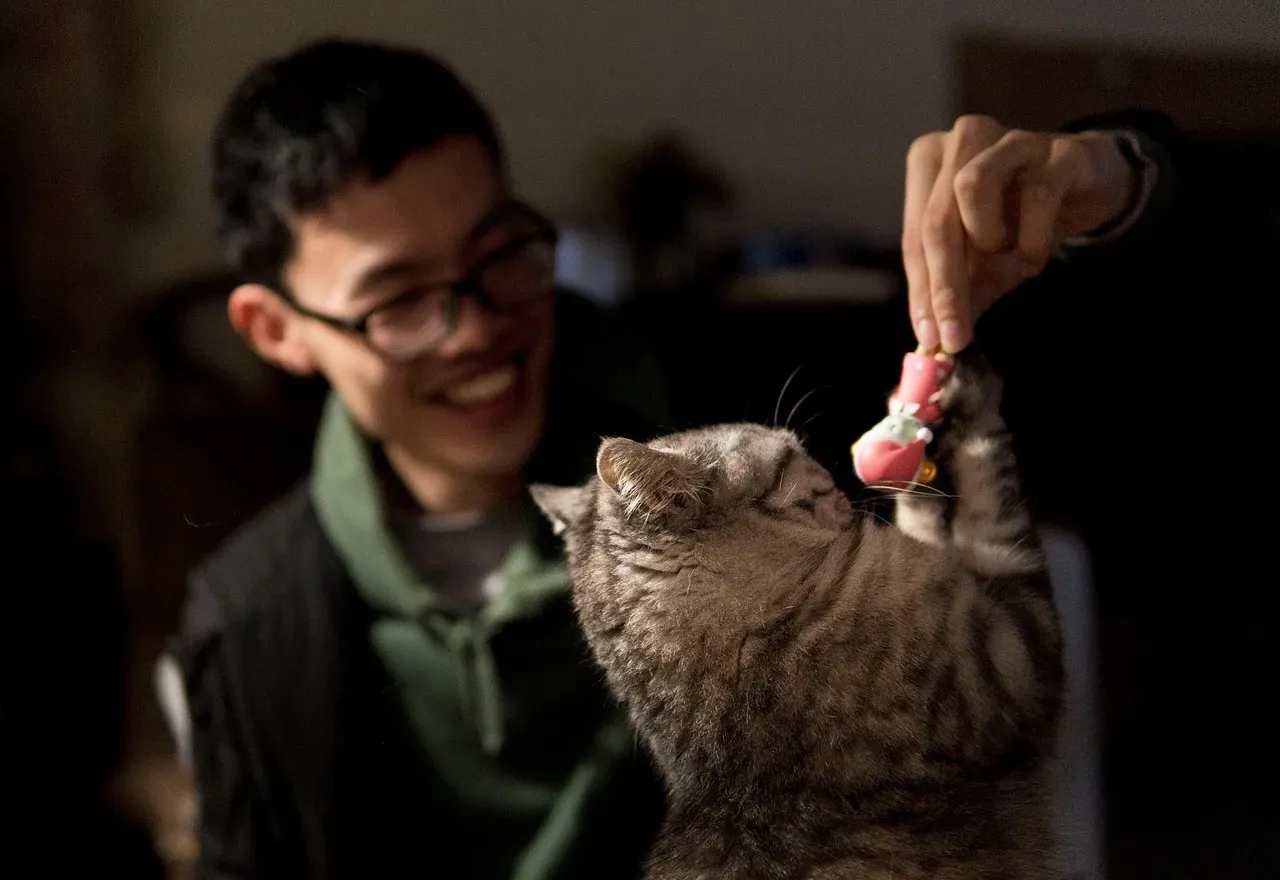
Presenting multiple new toys simultaneously can stress already anxious cats. Introduce one toy at a time, allowing your cat to become comfortable before adding additional options. That measured approach applies to enrichment generally, whether you’re adding a cat tree, a puzzle feeder, or a new play schedule. Small, steady changes land better than a dramatic overhaul.
Aim for at least two ten to fifteen minute play sessions daily, though more is better. Schedule these sessions during your cat’s natural active periods, typically dawn and dusk, for maximum engagement. If your cat is carrying a toy and meowing excessively, it could be a cry for help. Changes in the environment, lack of stimulation, or health issues could be the underlying causes. It’s important to observe your cat’s overall behavior and consult a veterinarian if you notice any concerning signs.
Conclusion: Look Closer at What the Toy Is Telling You
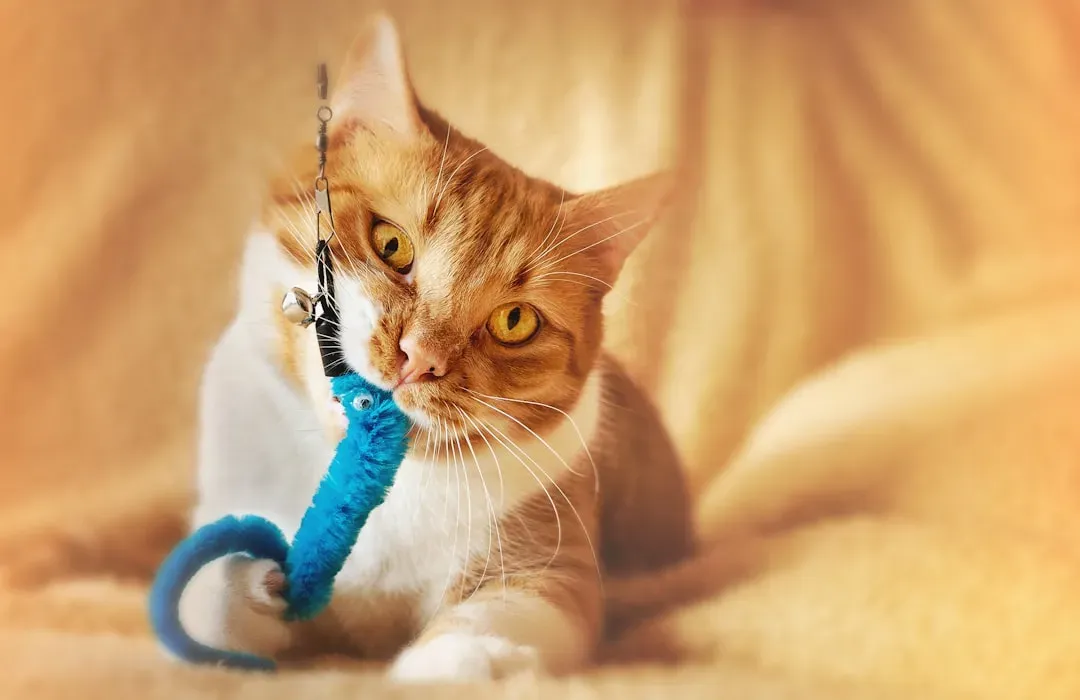
Most of the time, your cat’s beloved toy is exactly what it looks like: a source of joy, a stand-in for prey, a vehicle for the kind of satisfying predatory ritual that keeps cats mentally well. The difference between a toy that triggers joy and one that causes stress often comes down to how well it connects with your cat’s deep-seated hunting instincts. Size, movement, texture, sound, and scent all play crucial roles in this complex psychological equation. By understanding these factors, you can choose toys that don’t just entertain your cat but actually fulfill their psychological needs.
Occasionally, though, a toy is something else entirely. It’s the one consistent thing in an environment that feels unpredictable. It’s a comfort object, a ritual, or an outlet for anxiety that has nowhere else to go. Playing with your cat using interactive toys strengthens your bond and builds trust. Regular play sessions offer an opportunity for you and your cat to connect and have fun together. This positive interaction can help reinforce your relationship and enhance your cat’s sense of security.
Your cat can’t tell you in words when something feels wrong. What they can do is show you, through behavior, through patterns, through the particular way they carry that worn-out toy down the hall at midnight. Paying close attention to the context around their play, not just the play itself, is one of the more honest forms of care you can offer them.