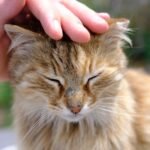
Have you ever been quietly sitting on your couch when your cat saunters over, gently pushes their furry forehead against your cheek, and rubs their face all over yours? It feels intimate, almost sacred. You probably assumed it was just their way of saying hello or asking for dinner. Here’s the thing though, this adorable gesture goes much deeper than a simple greeting.
Your cat isn’t just being sweet. They’re literally claiming you as their own. Let’s be real, cats have their own mysterious language, and understanding what they’re really telling you can transform your relationship with your feline companion completely.
The Science Behind Those Adorable Bonks
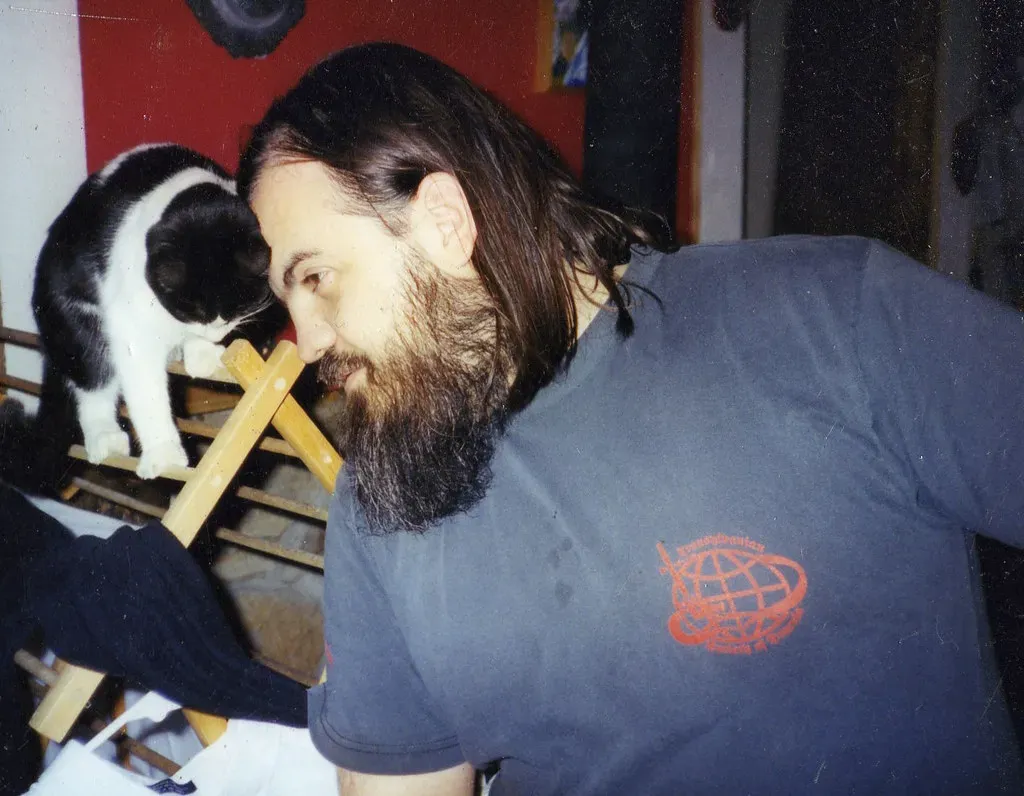
Cats have glands on their cheeks, forehead, and chin that contain pheromones, which are chemical substances that help cats communicate. When your cat presses their head against you, they’re not just looking for attention. They are rubbing pheromones on you from glands located just in front of their ears.
Humans can’t detect these pheromones, but to a cat, you can consider yourself marked. Think of it like an invisible signature that only other cats can read. Your cat is essentially writing their name all over you in a language you’ll never fully understand. It’s hard to say for sure, but this probably makes you theirs in the feline world.
More Than Territory Marking
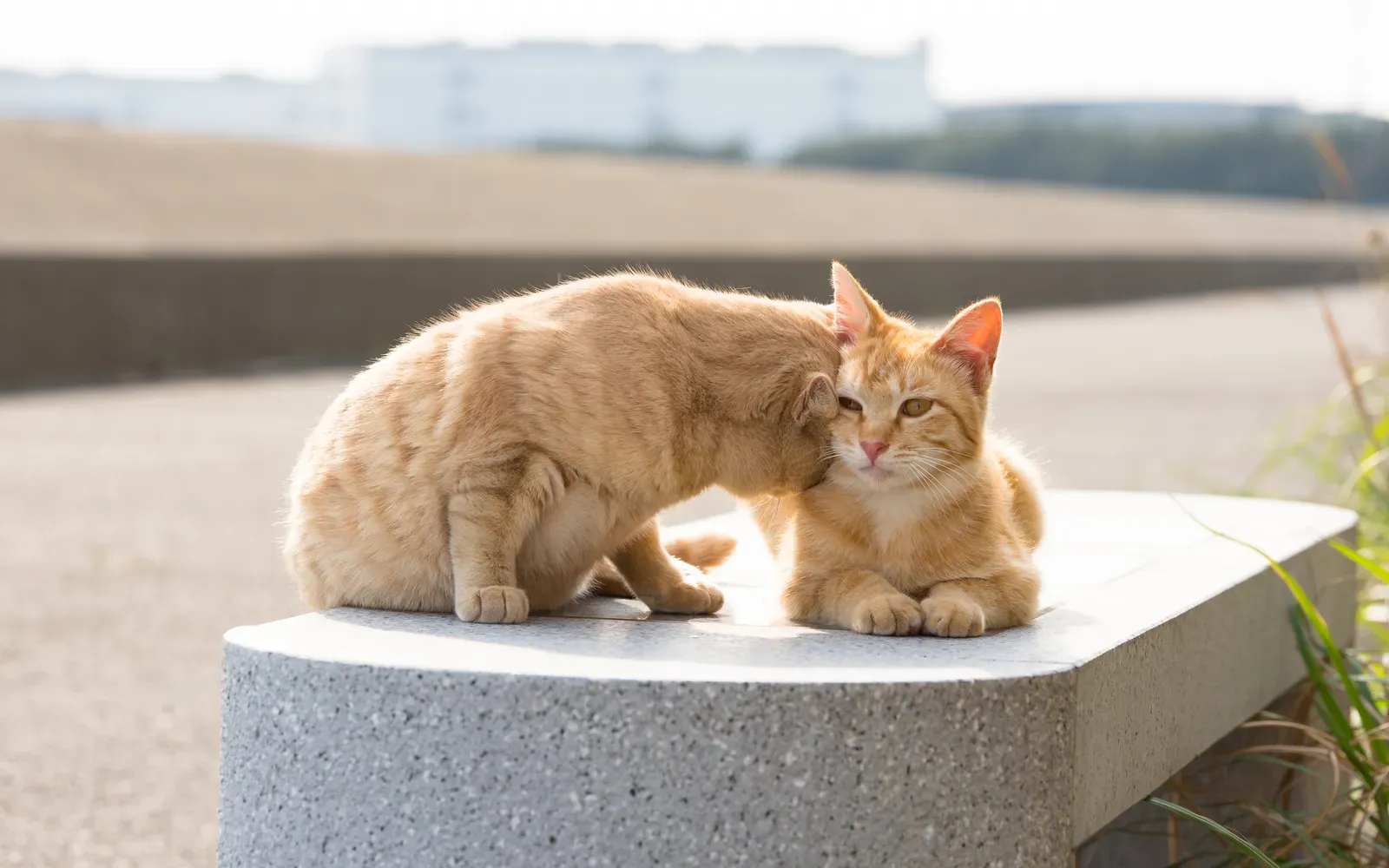
Head bunting is a way cats mark their feline friends and family, and it’s a stronger marker than leaving urine on objects, but instead of territory, they are claiming familial relationships. This isn’t about dominance or possession in an aggressive way. It’s about family.
When a cat headbutts and marks you, it means you’ve been accepted into a very special club: a cat’s inner circle. Honestly, that’s a huge compliment coming from an animal known for being aloof and selective. Your cat has essentially decided you’re worth including in their most trusted social group. Not everyone gets that honor.
Creating a Colony Scent
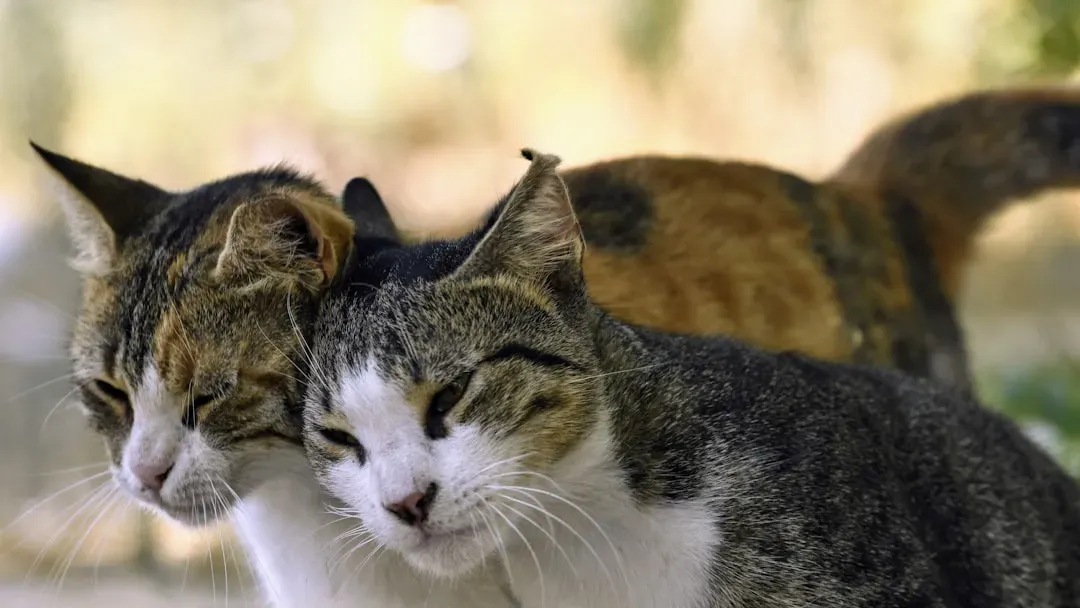
When cats within a colony headbutt each other, they are mixing their scents to create a combined scent, which is then distributed to all of the cats in the colony as the colony scent. In multi-cat households, you might notice your cats rubbing against each other, then against you, then back to furniture and other cats again.
They’re creating what amounts to a shared family perfume. Cats recognize members of their group by the way they smell, and group scent is very important for group identity in the cat world. By headbutting you, your cat is making sure you smell like part of the family. It’s like getting a membership card to an exclusive club where everyone knows each other by scent alone.
A Gesture of Trust and Vulnerability
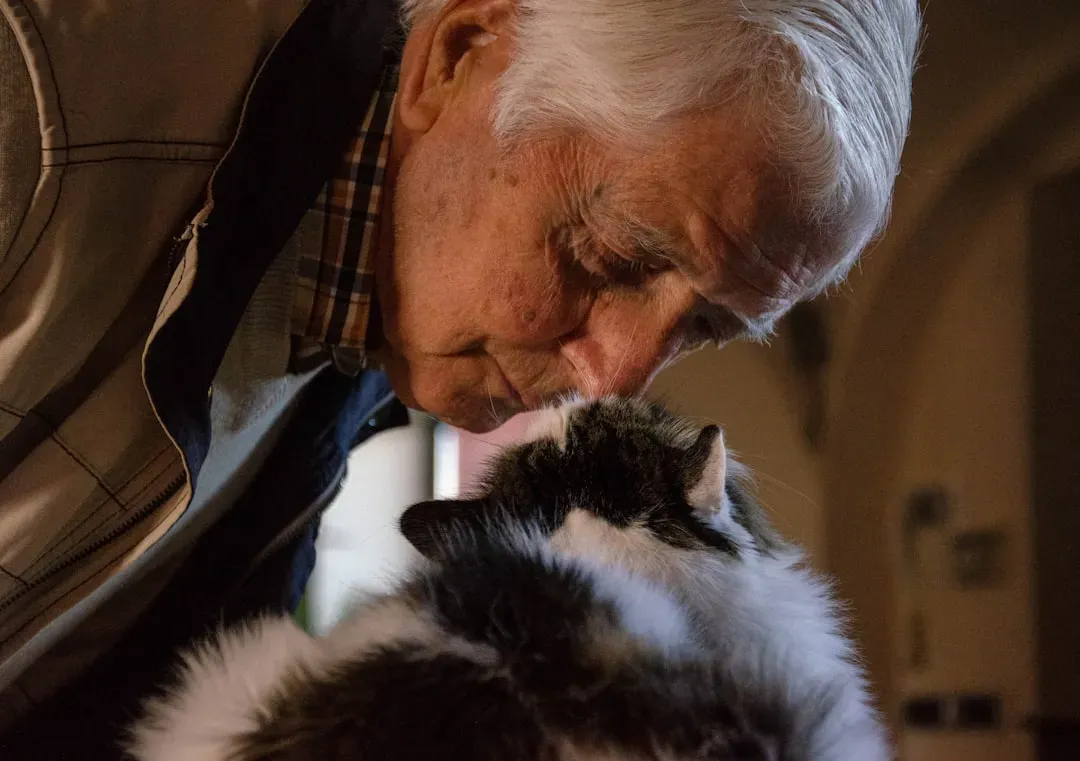
For the cat to place his face so close to yours and engage in this bonding behavior is quite an act of trust. Let’s think about this for a moment. Cats are predators, but they’re also prey animals in the wild. Their face, especially their eyes and nose, is incredibly vulnerable.
When your cat deliberately puts their most delicate body part right up against you, they’re showing incredible faith that you won’t hurt them. When cats perform this behavior, they’re putting themselves in a vulnerable position, demonstrating their trust in you, often accompanied by purring or a raised tail. If your cat does this regularly, you’ve earned something precious – genuine feline trust.
Different Styles of Head Bumping
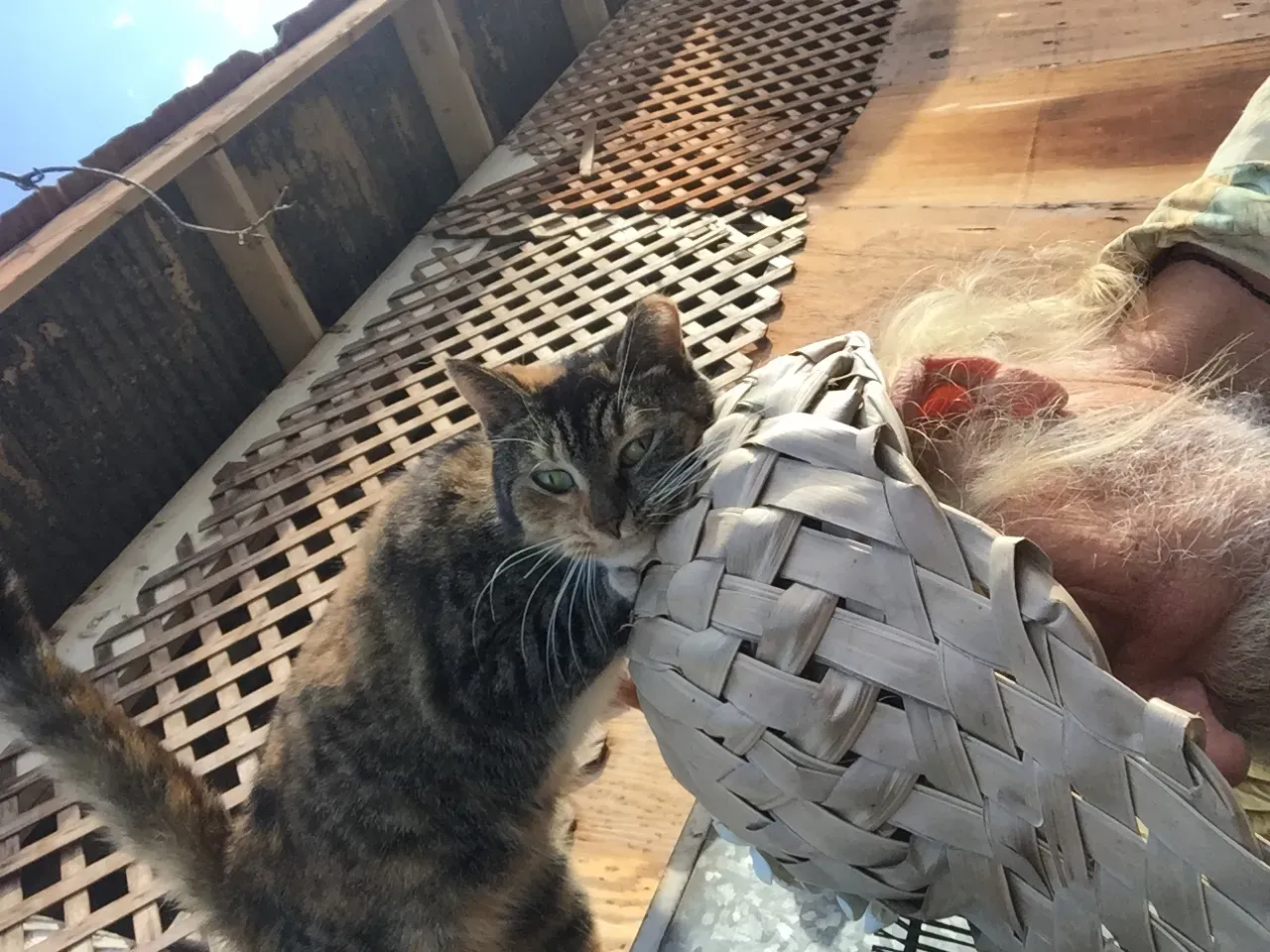
The type of headbutt varies from cat to cat, and sometimes a cat will clunk you skull to skull, which can be a jarring experience. Some cats are gentle nudgers, barely making contact. Others practically knock you over with their enthusiasm.
The force of the head butt is usually determined by a cat’s personality, with extroverted and social kitties tending to be more forceful and reserved felines prone to being more gentle. My own cat used to headbutt me so hard in the morning that I’d wake up with a slight headache. I know it sounds crazy, but I actually missed those aggressive bonks when she became older and gentler. Every cat has their own signature style.
When Head Bumping Means Something Else
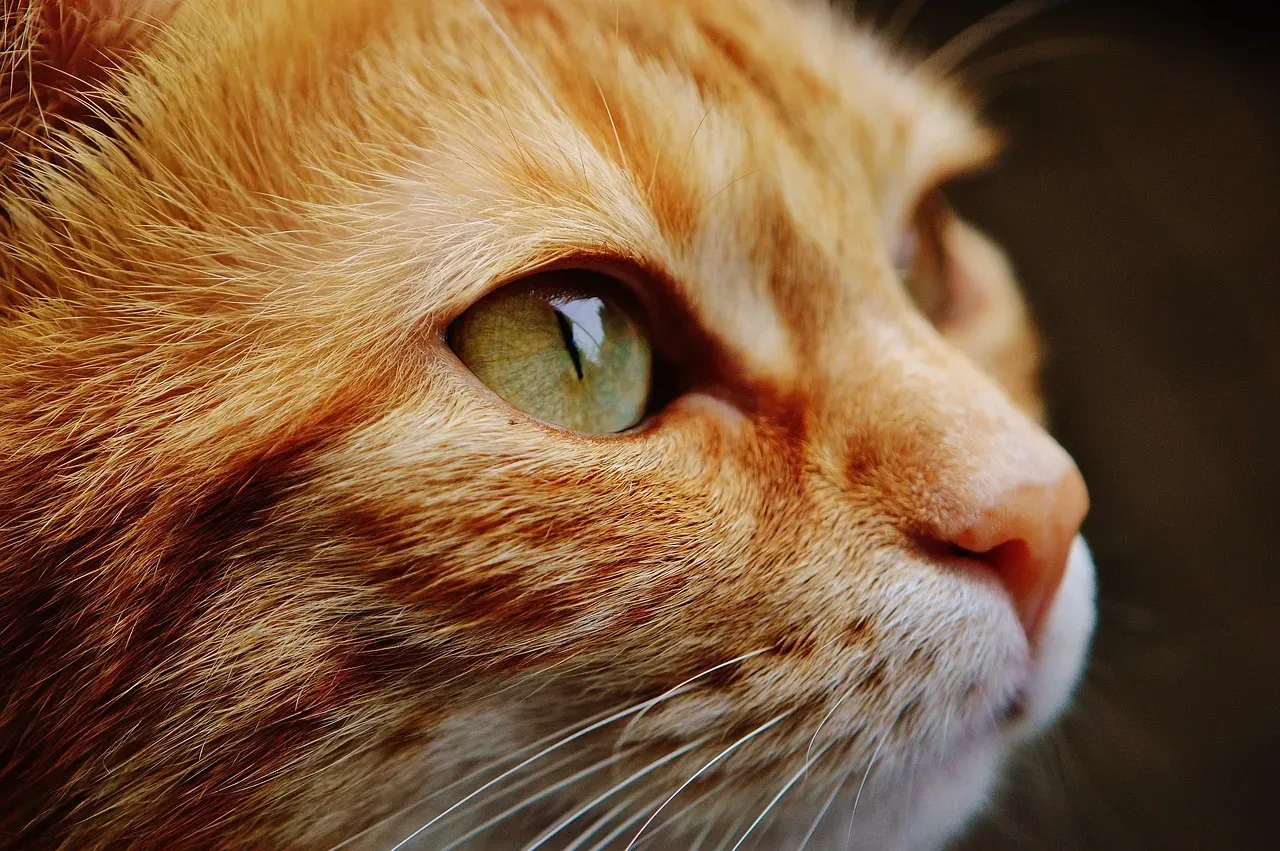
Head bunting can often be used as an attention-getting behavior, and figuring out the actual message is up to the cat guardian – your cat could be asking for scratches, food, snacks, or playtime. Sometimes those loving head bumps arrive right before dinner time or when their water bowl is empty.
Cats are smart enough to know that this behavior gets your attention. If your cat headbutts you and immediately walks toward their food bowl or the door, they’re probably making a specific request. They’ve learned that this sweet gesture opens the door to getting what they need.
The Hierarchy of Bunting
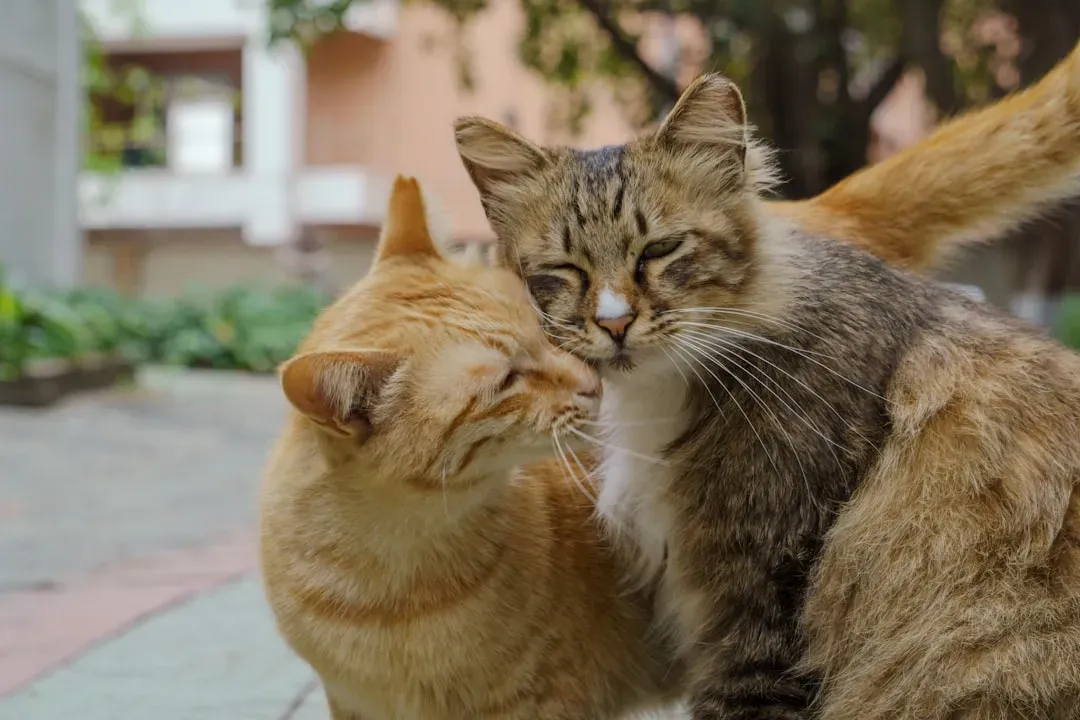
A more dominant cat with a higher social rank will be the one to initiate head bunting, and it’s the job of the dominant, confident cat to spread the family scent. In the feline social world, not all headbutts are created equal. The cat who initiates bunting is often the more confident one.
Cats that head bump a lot tend to be confident leaders, and head bumping is often a hierarchical behavior where a more dominant or confident cat will usually initiate it. If you have multiple cats and notice one does most of the head bumping to the others, you’re probably looking at the self-appointed leader of your little pride.
Not All Cats Are Head Bumpers
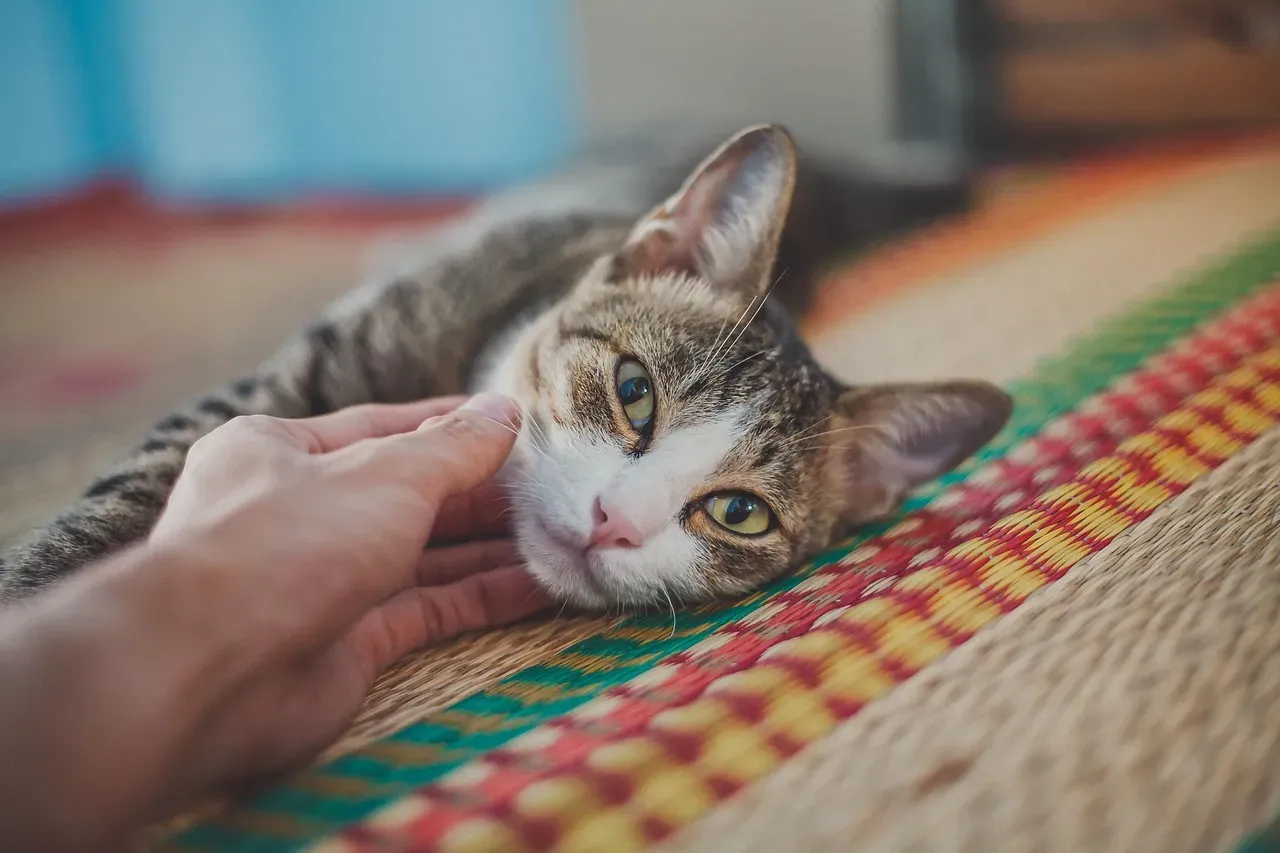
Kitties are different everywhere with a wide range of communication methods a cat may prefer, and while head bunting is a way many cats express trust and friendship, a cat that doesn’t use this method is not a problem – it just means they show affection in other ways. If your cat doesn’t headbutt you, don’t take it personally.
If your cat doesn’t head bump you it’s not because they don’t love or accept you, and head bumping can often be a behavior associated with hierarchy, so often only the most confident cats will show this behavior. Shyer or more reserved cats might show love through slow blinks, sitting near you, or bringing you gifts instead. Every cat has their own love language.
How to Respond to Your Cat’s Head Bumps
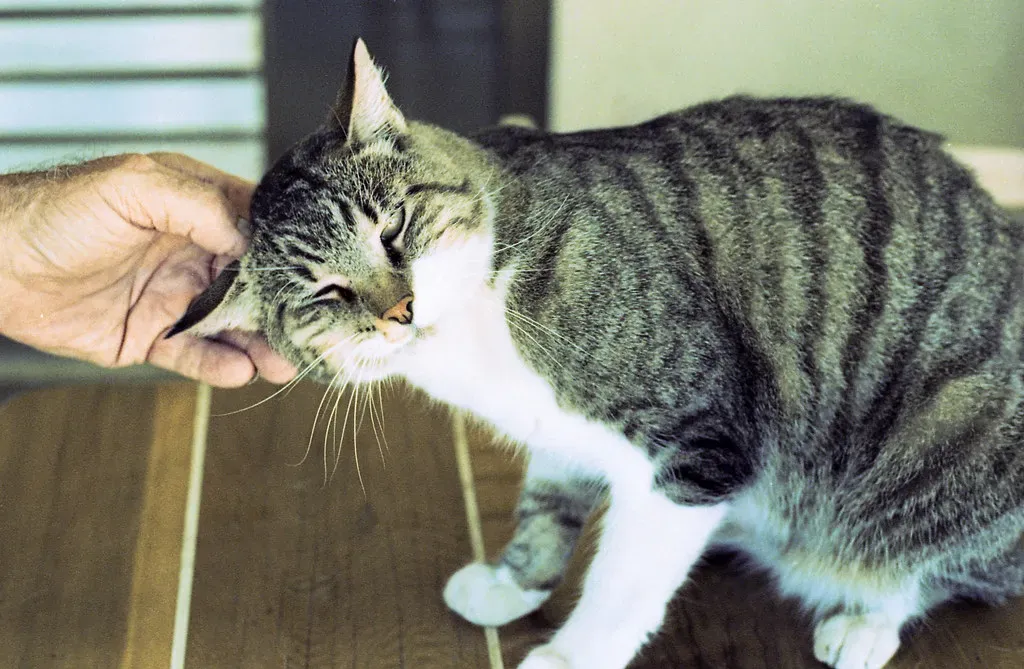
You should never respond negatively to your cat’s head bunting – you may gently bunt your kitty back, give them a few pets, or pick them up and cuddle with them. The worst thing you can do is ignore or reject this gesture. Your cat is offering you something precious.
Try gently pressing your forehead against theirs or scratching around their cheeks and chin where those scent glands are located. Petting your cat can stimulate the scent glands in their head. Pay attention to their body language – if their tail is up and they’re purring, you’re doing it right. If they pull away, give them space and let them come back to you.
When to Be Concerned: Head Pressing vs Head Bunting
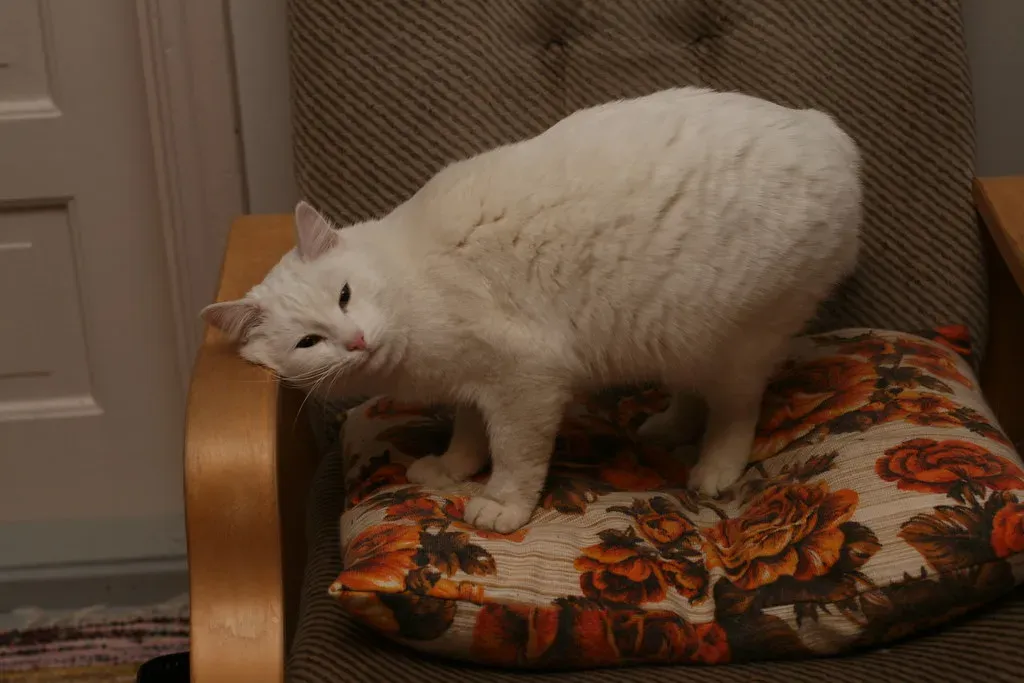
It’s important to note that cat headbutting is not the same as head pressing, where a cat will push their head into the wall or corner for a longer period and will typically not appear relaxed, and can be accompanied by pacing or vision changes. This is crucial to understand. Head bunting is relaxed, affectionate, and brief.
If your cat is head pressing or shows any other signs, it could be an indication of a serious neurologic condition, and your cat should be immediately examined by a veterinarian. Head pressing is a medical emergency. If you see your cat compulsively pressing their head against walls or furniture and holding it there, get them to a vet immediately. The difference could save your cat’s life.
The Emotional Bond Behind the Behavior
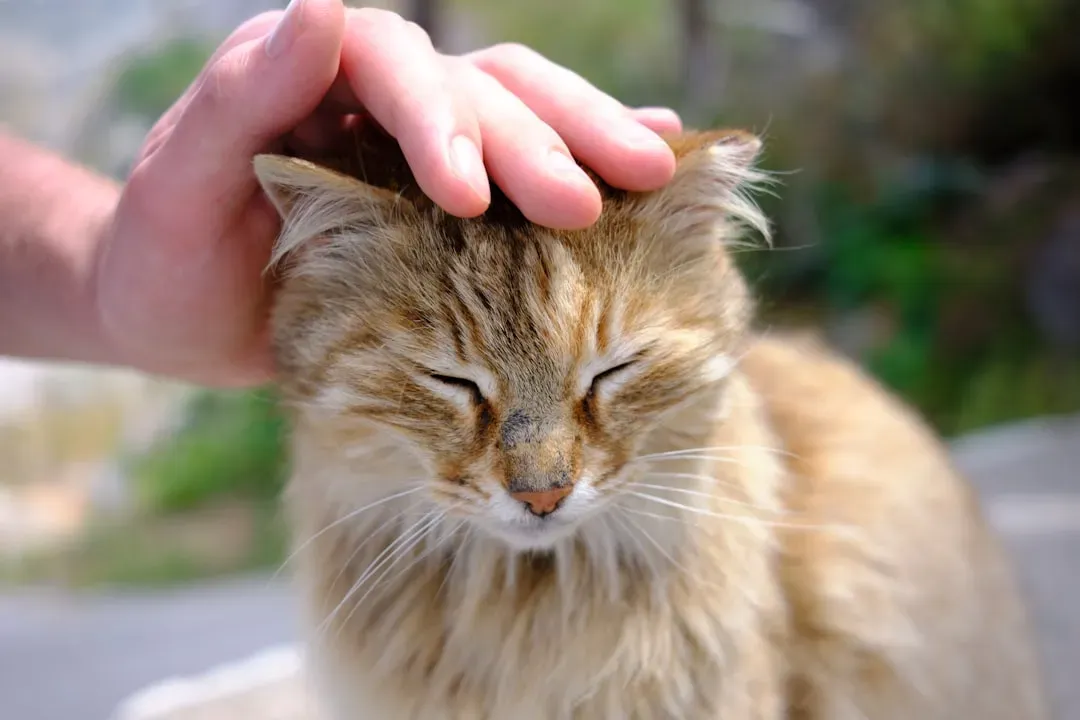
These behaviors release endorphins, which gives your cat a sense of calm, happiness, and safety. When your cat headbutts you, they’re not just marking you. They’re also getting a chemical reward in their brain that makes them feel good.
Physical contact between humans and cats can release oxytocin in both parties. That’s the same hormone released during human bonding between mothers and babies or romantic partners. So when your cat bumps their head against you, both of you are literally getting a neurochemical boost of love and connection. It’s a mutual exchange of feel-good emotions.
Your cat’s head bumps are far more complex and meaningful than they might appear at first glance. They’re a sophisticated form of communication that combines territorial marking, social bonding, trust, and genuine affection. When your cat chooses to mark you with their scent, they’re not just saying hello – they’re declaring to the world that you belong to them and they belong to you.
Next time your cat bonks their fuzzy little head against yours, take a moment to appreciate the depth of what they’re telling you. You’ve been chosen, claimed, and welcomed into their inner circle. In the mysterious world of feline communication, that’s about as close to a declaration of love as you’re going to get. What does your cat’s head bump style tell you about your unique bond? Pay attention next time, and you might be surprised by what you discover.