You know that moment when your cat opens their mouth and something unexpected comes out – a raspy grumble instead of the familiar chirp, or a long, haunting wail at two in the morning when the house is dead quiet? If you’ve been there, you’re not alone. Cats are remarkably expressive creatures, but their vocal signals can shift in ways that leave even seasoned cat owners utterly puzzled.
The truth is, your cat’s meow is never random. It carries meaning, context, and sometimes an urgent message you simply cannot afford to ignore. Whether you’ve lived with cats your entire life or you’re relatively new to feline companionship, understanding what those changing sounds actually mean could make a real difference for your pet’s health and happiness. So let’s dive in.
Your Cat’s Meow Is a Language Built Just for You
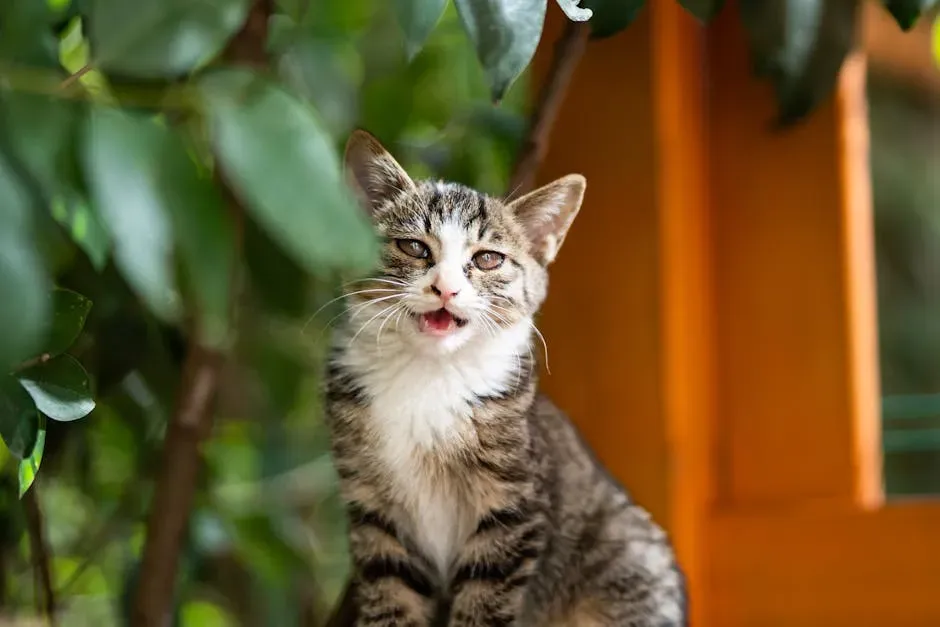
Here’s something genuinely fascinating that most people don’t know. Kittens meow to attract their mothers, but in adult cats, the meow is almost exclusively used to communicate with humans. Think about that for a second. Your cat isn’t using this sound to talk to other cats in the backyard or to the neighborhood stray. This vocal behavior was essentially developed and refined specifically to reach you.
Domestic cats have even evolved to produce higher-pitched, more pleasant-sounding meows than their wild cousins, and some studies suggest cats can tweak the tone, pitch, and length of their meows based on what gets the best response from their humans. Honestly, it’s almost like they’ve been quietly studying you for years – and they probably have.
The Alphabet of Meows: What Different Sounds Actually Mean
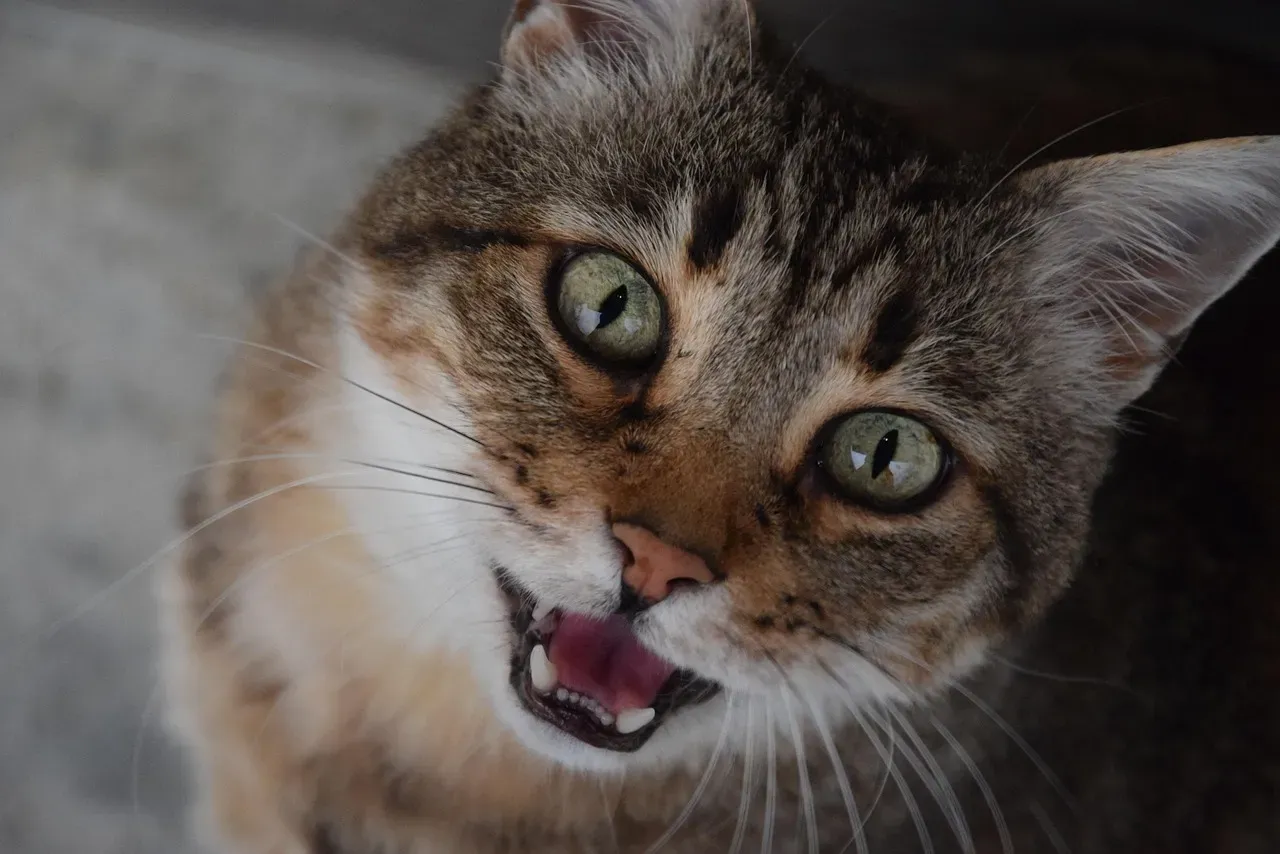
Short meows typically mean hello, while longer meows often indicate requests or demands. High-pitched meows might signal distress, while low-pitched meows can indicate displeasure or anger. It’s not so different from human communication. Think of it like a tone of voice. A short, bright “hey!” feels completely different from a slow, flat, drawn-out complaint.
Meows may become longer and more drawn out as your cat waits to be addressed. Pitch lowers as cats get more insistent and grows more strident when they feel ignored. So if your cat’s polite morning greeting has started sounding more like a protest march, there’s a good chance you’ve been hitting the snooze button one too many times.
When the Pitch Goes High: Understanding Urgency and Distress
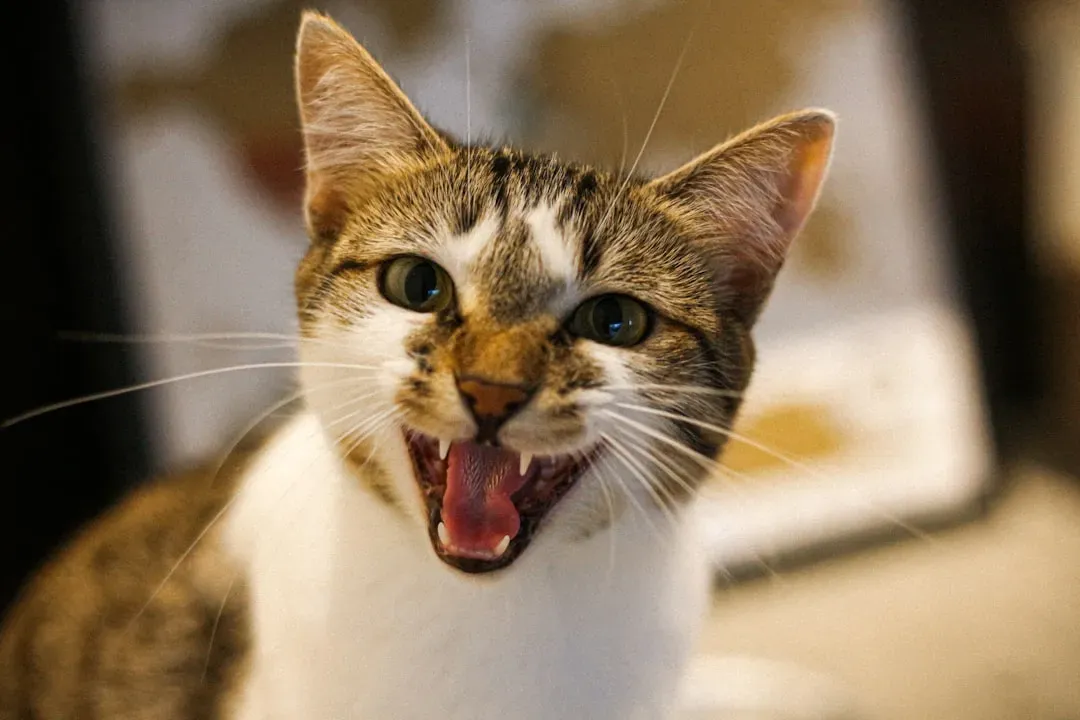
A high-pitched meow from a cat usually indicates that they are startled, hurt, anxious, or surprised. This meow can sound more like a yelp due to its high pitch. A high-pitched meow can also be a way of asking for attention in a quick, urgent manner. It’s like your cat dialing the volume up to eleven on an alarm that they really want you to hear.
High-pitched or prolonged meows often communicate urgency or distress. These sounds might indicate pain, anxiety, or genuine need for immediate attention. It’s essential to investigate these vocalizations promptly, especially if they’re unusual for your cat. If you’ve never heard that sound from your cat before, trust your instincts. Something has shifted, and it deserves your full attention.
Yowling, Caterwauling, and the Sounds That Keep You Up at Night
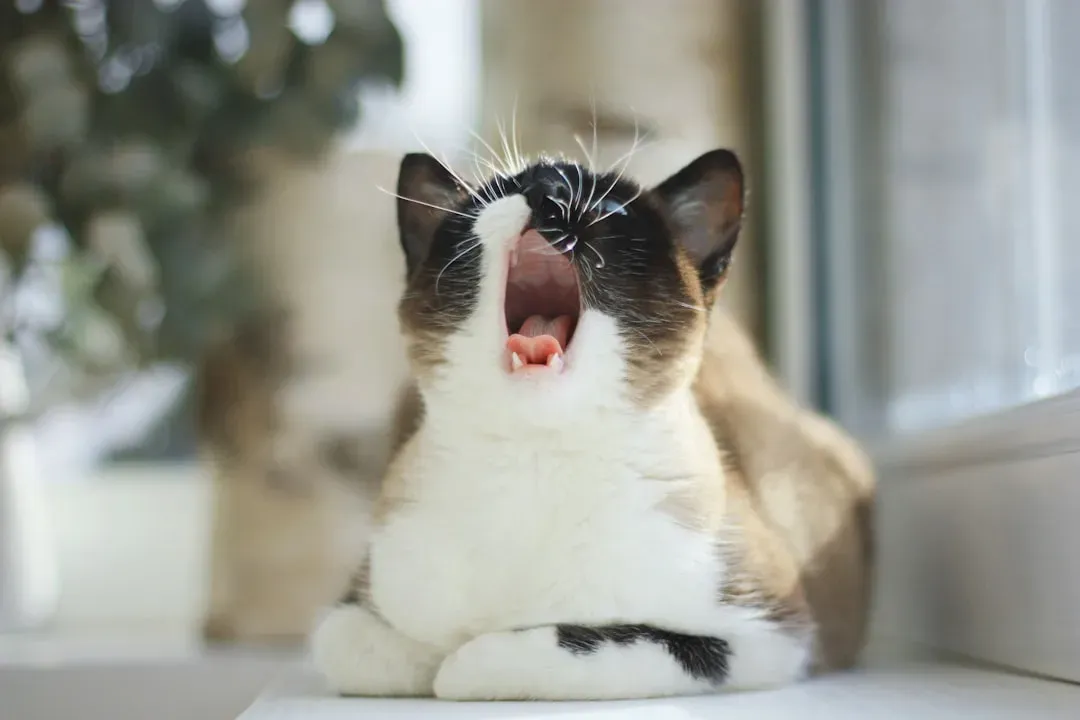
Yowling and howling are signs that a cat is in distress. This may be physical distress from pain or illness, or emotional distress from worry, frustration, boredom, or confinement. Let’s be real: there are few sounds more unsettling than a full-volume cat yowl at midnight. It’s dramatic, it’s loud, and it is almost never nothing.
When the usual meow turns into the high-pitched, drawn-out, howl-yowl called caterwauling, you may need an interpreter. Caterwauling is hard to describe, but you know it when you hear it. This disturbing sound is a combination of a yowl, a howl, and a whine. Most caterwauling is directed at humans, so it’s up to you to decipher this cat language. Ignoring it rarely ends well.
When Stress and Anxiety Change the Way Your Cat Speaks
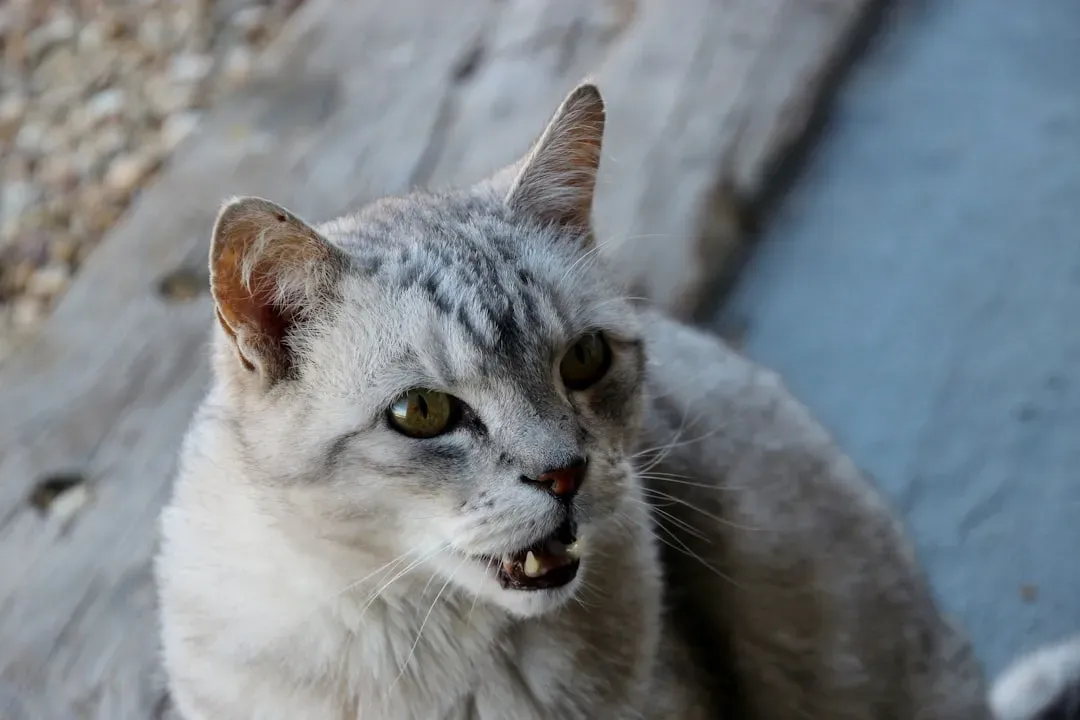
Cats are sensitive to change. Moving to a new home, introducing new pets, or altering daily routines can cause significant stress. Multi-cat households may experience territorial disputes that lead to increased vocalization. Think of it from your cat’s perspective. Their world is their territory, their routine, their people. Disrupt any one of those things and their voice will change to reflect it.
Stress and anxiety can have a profound impact on your cat’s behavior, including their vocalization patterns. When cats are under stress, they may exhibit changes in their vocal quality, such as a higher-pitched or more raspy voice, due to the tension in their vocal cord muscles. Additionally, stressed cats may vocalize more frequently or with increased urgency, which can be misinterpreted as a change in their voice. Cats respond positively to a well-structured routine. A predictable daily schedule can help calm them, and feeding them, playing with them, and spending time with them at regular hours can reduce anxiety-driven meowing.
A Hoarse or Raspy Meow Could Be a Physical Warning Sign
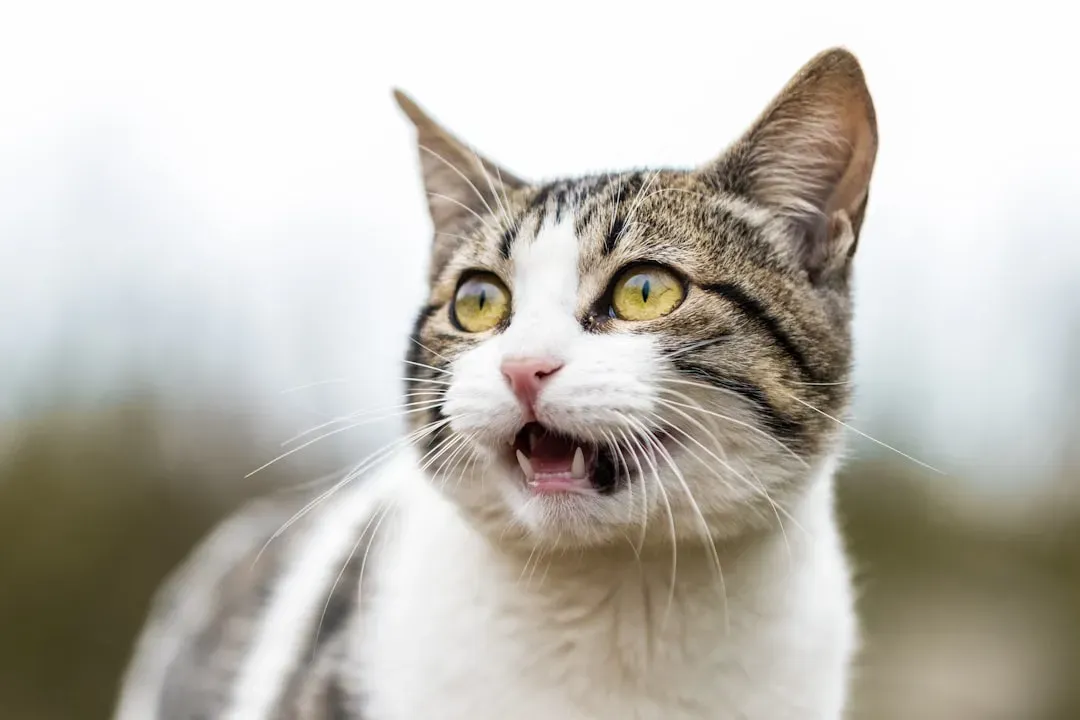
A subtle change in the sound of your cat’s meow may indicate a problem with the larynx, or voice box, which is composed of right and left paired cartilages that connect the oral cavity to the trachea. The voice box is literally the engine behind every meow, and when something goes wrong there, the sound is the first thing that changes. It’s a bit like how you can always tell when a friend is coming down with something just from their voice before they even mention feeling ill.
Sudden hoarseness or raspiness could point to laryngitis, vocal strain, or even the presence of a foreign object. Increased frequency might be a sign of thyroid issues or high blood pressure. If a normally talkative cat goes quiet, it could indicate illness, stress, or lethargy. A deeper or higher meow could signal inflammation or disease affecting the vocal cords or throat. Each of these changes is worth taking seriously.
Senior Cats and the Meow That Signals Something Deeper
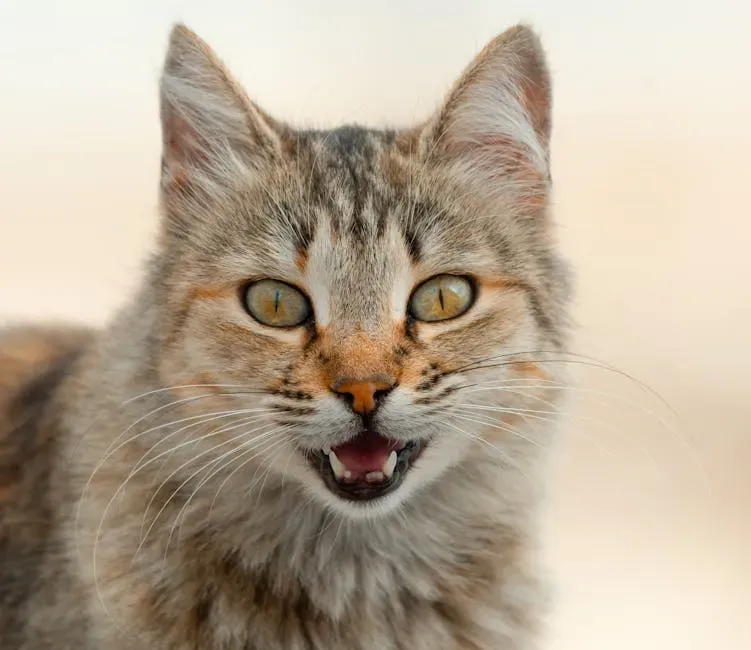
Senior cats often meow more due to cognitive dysfunction syndrome, hyperthyroidism, chronic kidney disease, arthritis pain, sensory decline including hearing and vision loss causing disorientation, or anxiety from confusion. It’s easy to chalk up an older cat’s increased vocalizing to “just getting older,” but that explanation is often too simple. The changes are usually telling you something specific.
According to the ASPCA, more than half of cats aged 11 to 15 and the vast majority of cats aged 16 to 20 have some form of cognitive dysfunction. Senior cats may approach the food bowl but forget to eat. Others may exhibit repetitive behaviors like pacing the floor. As cats age, sensory decline may lead to disorientation or distress, which they vocalize. This type of meowing often happens at night and may sound more mournful or prolonged than usual.
Hyperthyroidism: The Hidden Condition Behind the Changed Meow
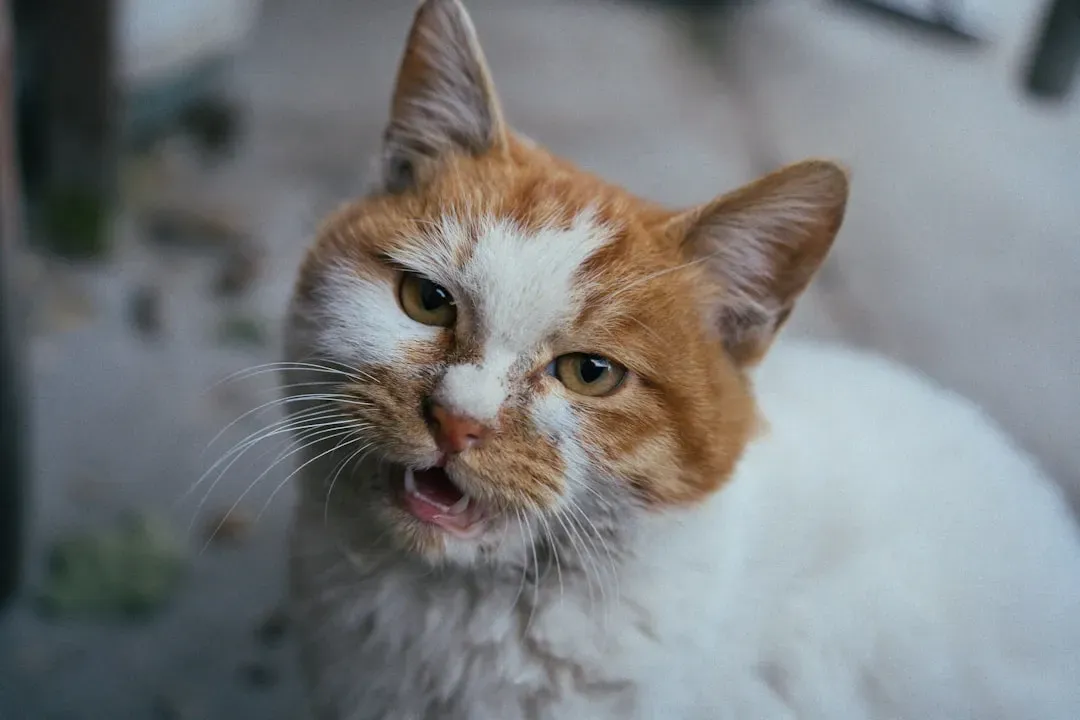
Hyperthyroidism is one of the most common endocrine diseases in older cats. The thyroid gland produces excessive hormones, speeding up metabolism and causing restlessness, increased appetite, weight loss, and frequent vocalization. Cats with hyperthyroidism often meow more at night and seem unable to settle. I think this is one of the most overlooked explanations out there, precisely because the meowing seems like just a personality quirk rather than a symptom.
Hyperthyroidism mainly affects cats over ten years old, and studies indicate that up to roughly one in ten senior cats may develop the condition, making it a prevalent concern for aging felines. Diagnosis requires bloodwork to measure thyroid hormone levels. Treatment options include medication, radioactive iodine therapy, or dietary management, all of which can significantly reduce vocalization and restore quality of life. The good news? It is very treatable when caught early.
How to Respond: Practical Steps When Your Cat’s Voice Changes
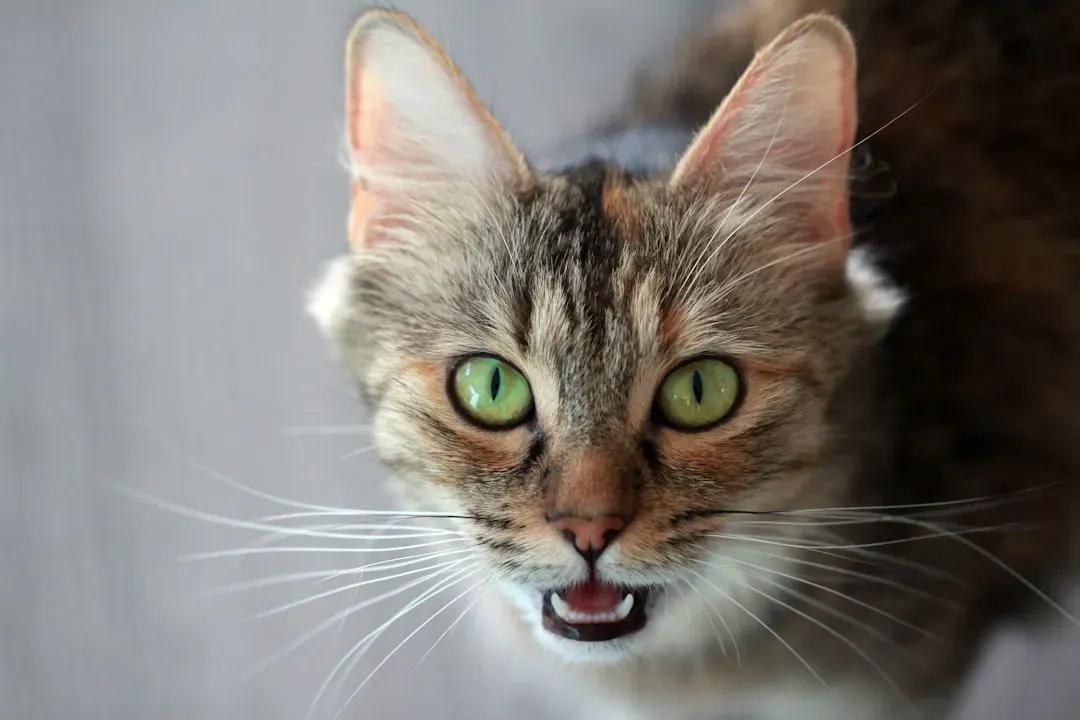
If you notice your cat’s meowing has become excessive or sounds louder or more guttural, those could be signs that something’s wrong. Your cat may be in pain or discomfort from injury, illness, or an underlying medical condition. The first and most important step you can take is to stop dismissing the change and start observing it. Log the when, the how, and the how often. Patterns matter enormously.
Because there are so many potential underlying causes of increased meowing, veterinarians will likely vary in their approach to the diagnosis. In most cases, however, your veterinarian will ask you a lot of questions and perform a complete physical examination. A vet will also compare your cat’s current weight and vitals to those from previous visits. If there’s reason to believe that a medical cause is at play, it’s very likely that blood work and a urinalysis will be recommended. Going to the vet prepared with notes makes all the difference.
Conclusion
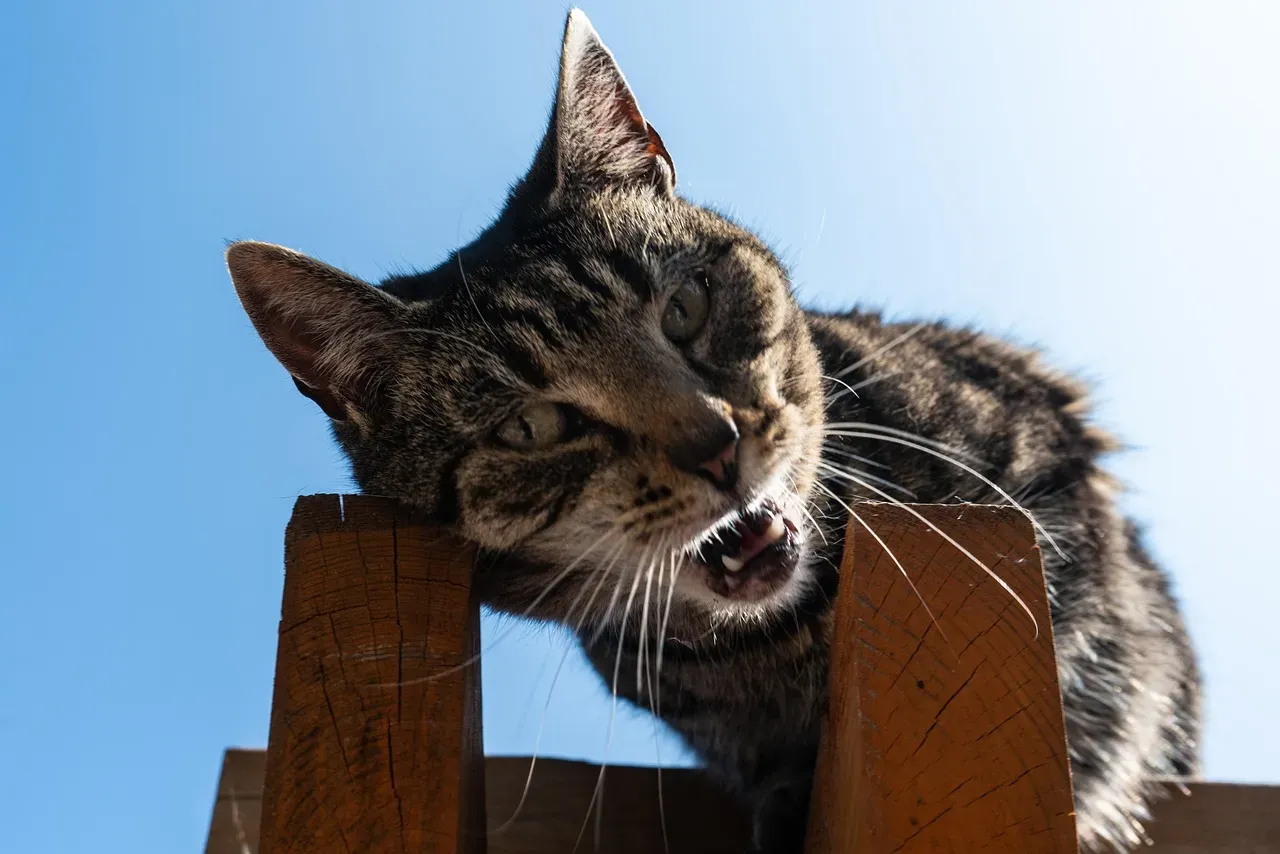
Your cat’s changing meow is never just background noise. It’s a conversation – sometimes a gentle request, sometimes an urgent cry for help, and occasionally a sign that something inside them has shifted in a way that needs real attention.
Your cat’s meow isn’t just background noise. It’s their way of reaching out to you. Whether they’re asking for food, a cuddle, or a bit of space, every meow tells a story. The more you learn to listen and observe, the deeper your connection will grow.
The next time your cat’s voice sounds different, resist the urge to shrug it off. Listen with curiosity rather than frustration. You’ve been gifted with a creature that developed an entirely unique form of communication just to speak with you. The least you can do is tune in.
What changes have you noticed in your cat’s meow lately – and what do you think they were trying to tell you? Tell us in the comments.