You’ve probably stood in your kitchen at odd hours, listening to your cat deliver what seems like a very specific monologue. Sometimes it sounds urgent, sometimes plaintive, and occasionally it borders on demanding. You respond, your cat responds back, and for a moment, you wonder if something more complex than simple need communication is happening here. What if those meows aren’t just random sounds but part of an intricate system your cat has been perfecting specifically for you?
Here’s the thing: science suggests your instinct might not be far off. Your cat isn’t speaking English, obviously. Still, the vocal exchanges happening between you two might be far more sophisticated than we’ve given them credit for.
The Silent Ancestors Who Discovered Their Voice
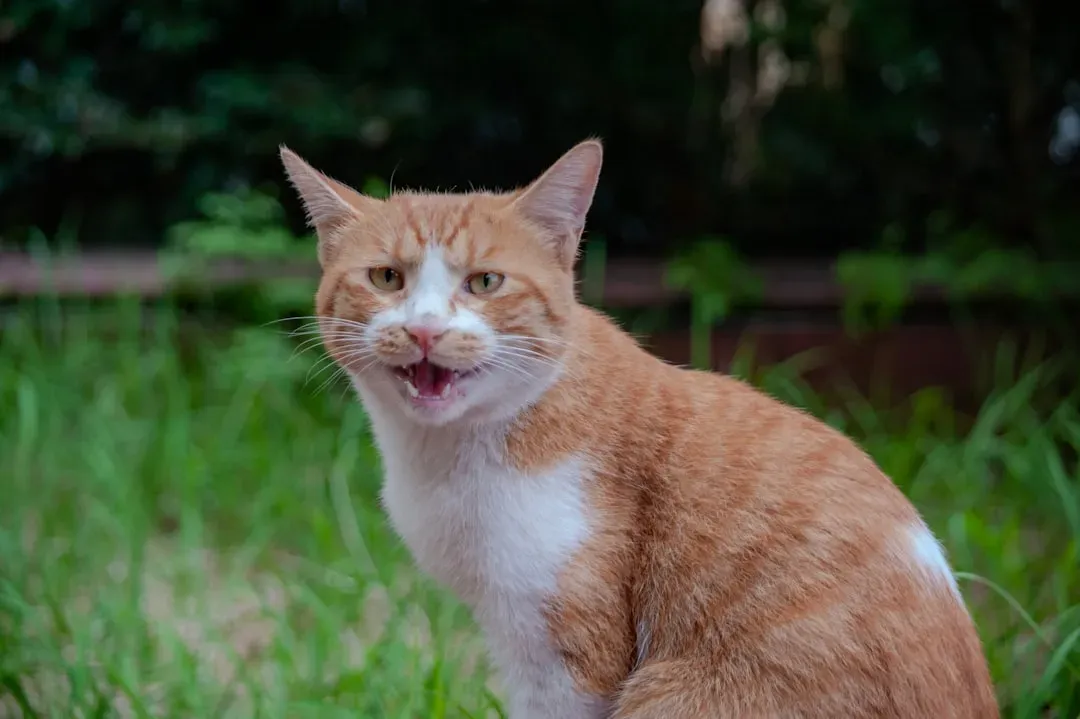
Your cat’s wild ancestors lived solitary lives and rarely vocalized to each other, relying instead on scent communication to avoid confrontation. Think about that for a second. Adult meowing to humans is likely a post-domestication extension of the kitten mew used to solicit attention from mothers.
Cats probably first encountered humans roughly 10,000 years ago when people established permanent settlements that attracted rodents, which drew cats looking for prey. The less fearful cats thrived with consistent food sources. Over generations, something remarkable happened. Domestic cats tend to meow much more than feral cats, and they developed these vocalizations almost exclusively for us.
Your Cat Thinks You’re Its Giant, Clumsy Parent
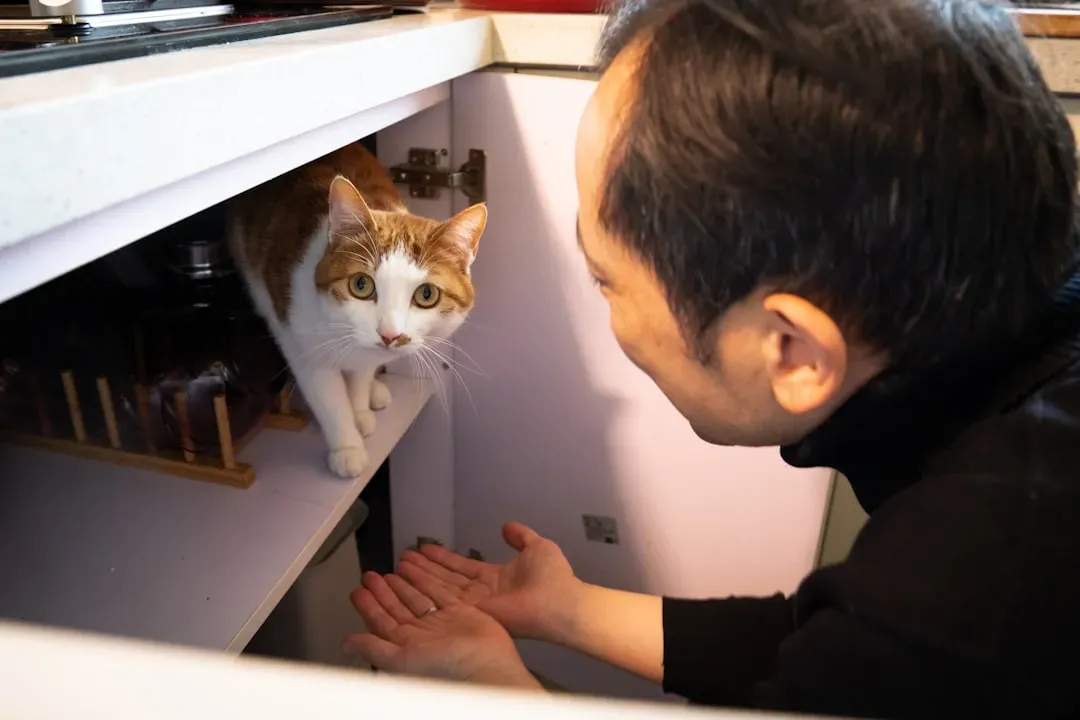
Let’s be real: your cat probably sees you as a bizarre, oversized version of its mother. Normally, kittens meow at their mothers when they need something, and as they grow more independent, the need to meow generally fades away. Yet your adult cat continues this behavior indefinitely with you.
In the comfortable confines of a human home, kittens don’t need to change their vocal tactics as they mature because humans respond to their vocalizations much like their feline mothers once did. You’ve essentially trained each other. Your cat meows, you respond with food or affection, and the cycle reinforces itself. Cats are domesticated animals that have learned what sounds to make to manage human emotions, and when we respond, we too are domesticated animals.
The Evolution of the Manipulative Meow
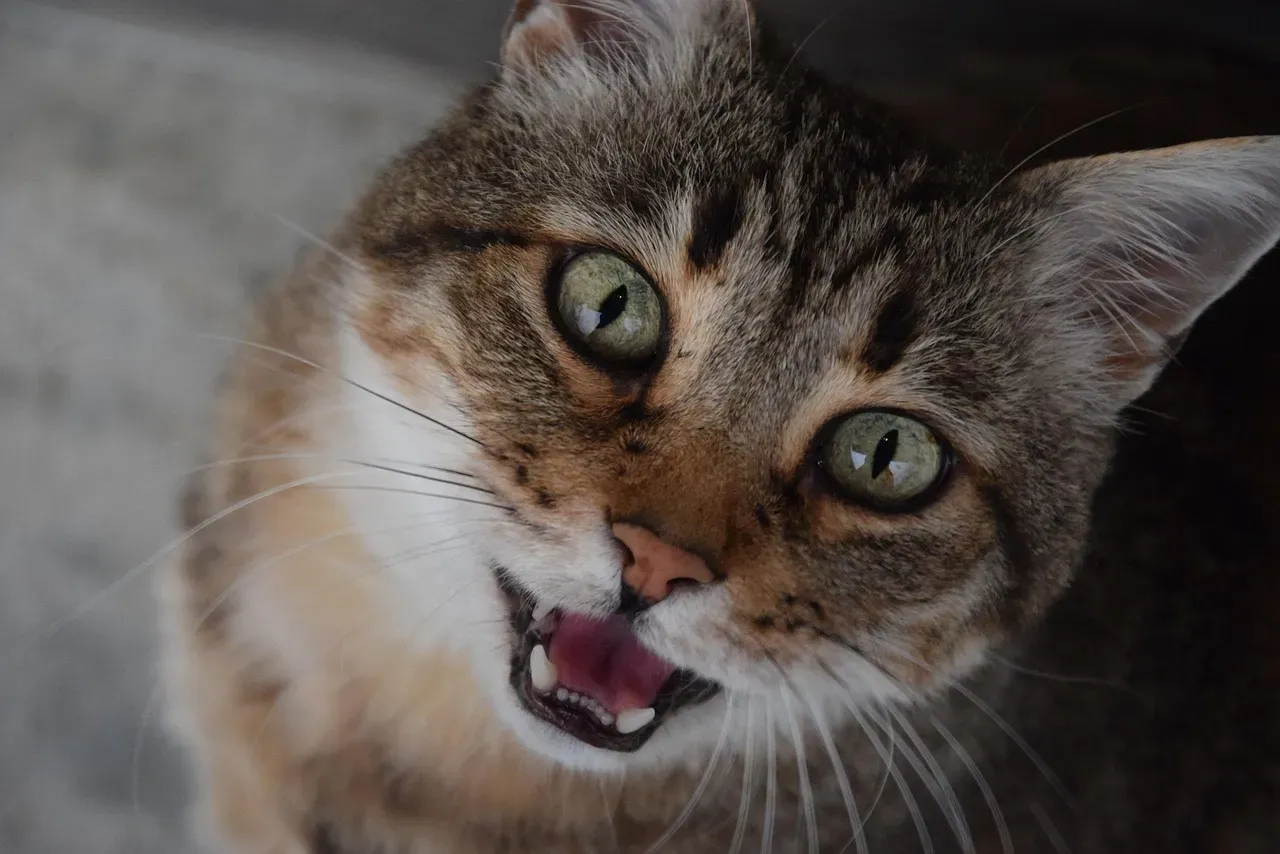
Domestic cat meows are significantly shorter in duration than wild cat meows, show higher formant frequencies, and exhibit higher fundamental frequencies. Translation? Your cat’s meow has been evolutionarily fine-tuned to sound appealing to human ears. Human listeners at all levels of experience rated domestic cat meows as far more pleasant sounding than wild cat vocalizations.
African wild cat calls were neither pleasant nor appealing, and researchers noted those cats sounded permanently angry. Your housecat’s ancestors who vocalized in more pleasing ways likely received better treatment from early humans. Over thousands of years, this created selective pressure favoring cats with kitten-like, higher-pitched meows that triggered our nurturing instincts. Honestly, they’ve been manipulating us from the start, and we’ve been happy participants.
Each Cat Develops a Private Dialect With You
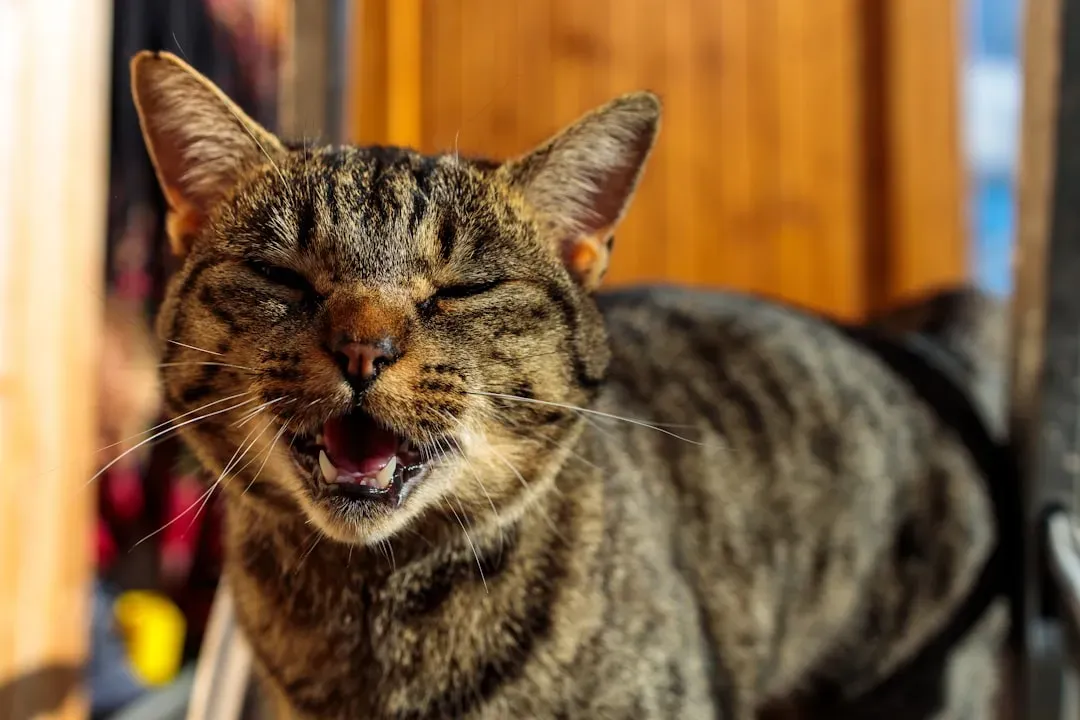
Cats do have different meows for different things, but it varies a lot by cat and by the humans they live with, as cats and people negotiate their own understanding. This is wild when you think about it. Your cat isn’t using a universal cat language. It’s creating a customized communication system specifically for your household.
Humans are better at interpreting meows from a familiar cat than a random one, suggesting cat-human pairs learn together to develop mutual understanding of one another. You probably can distinguish your cat’s “I’m starving” meow from its “let me out” meow or its “pay attention to me” meow. That’s not coincidence. That’s language development in real time.
The Acoustic Complexity We’re Only Beginning to Decode
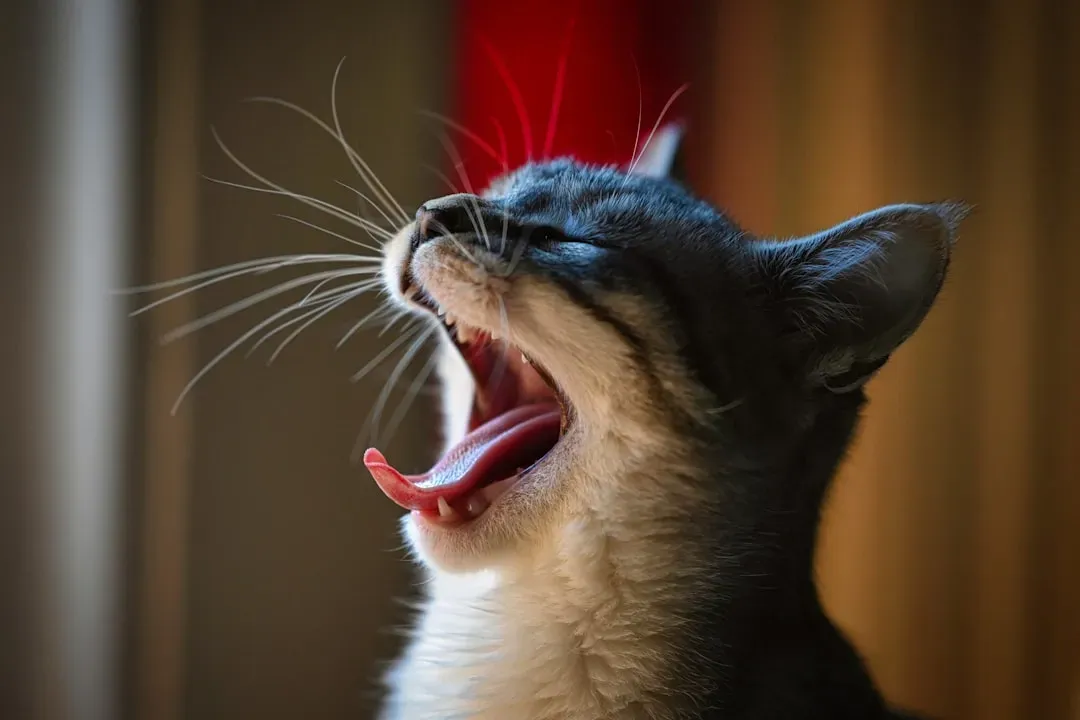
A Cornell study compiled a sample of 100 different vocalizations from just 12 cats. One hundred different sounds from a dozen animals. Up to 21 different cat vocalizations have been observed in research, but their vocal repertoire probably contains even more.
Researchers found a clear negative relationship between pleasantness and urgency in cat calls, with sounds rated as more urgent being longer. Your cat modulates duration, pitch, intensity, and tone to convey different emotional states and urgency levels. Through variations in tone and length of a meow to generate different meanings, cats have specially developed a language to converse with their human counterparts.
The Technology Racing to Translate Cat Speech
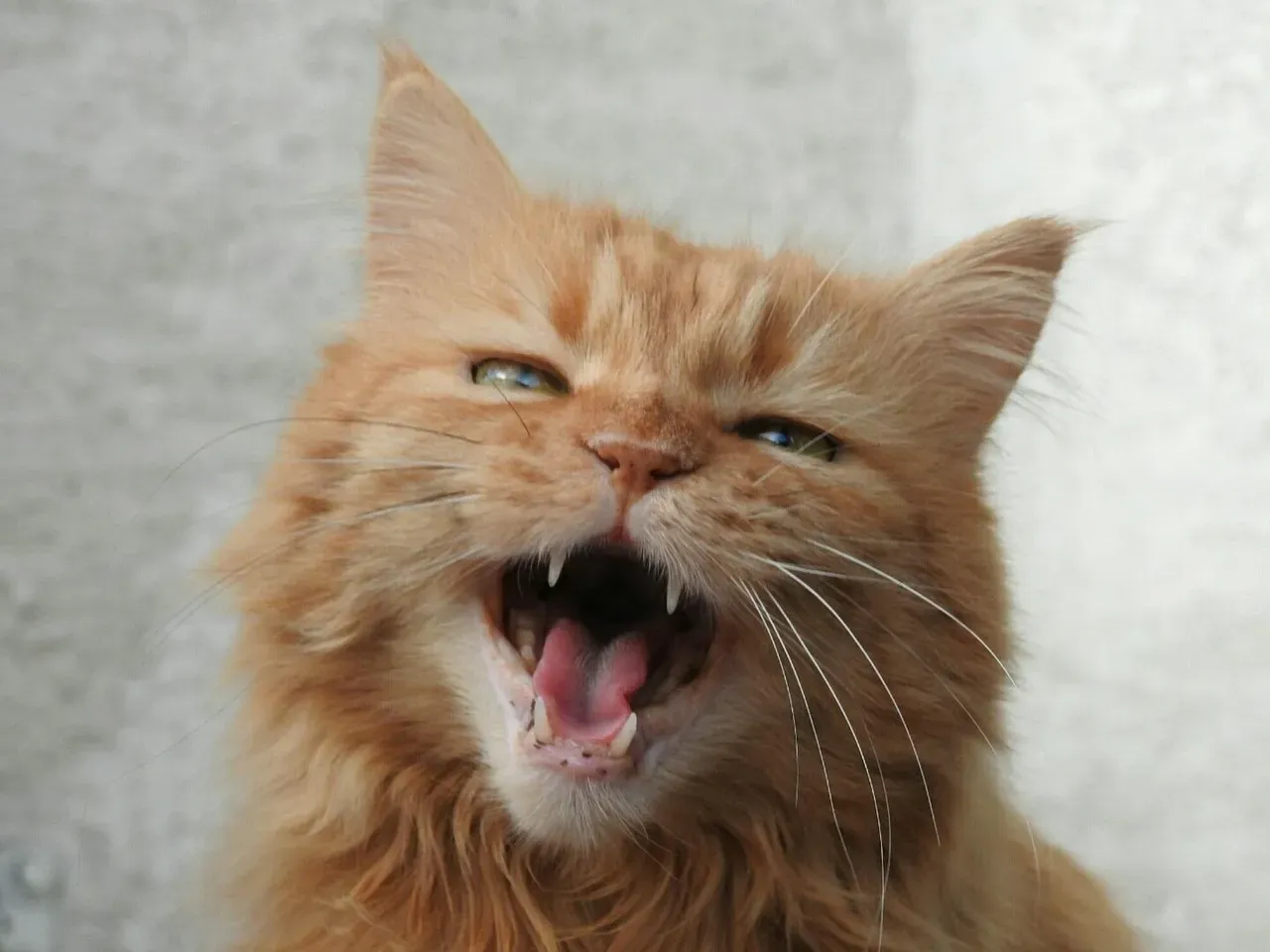
The MeowTalk app, launched in November 2020, has been downloaded over 20 million times, and the program has analyzed over a billion meows to date. An updated classification system called FGC2.3 offers 40 distinct cat vocalization classes with a deep learning model that recognizes these classes with over 95 percent accuracy.
Yet experts remain skeptical. Although meowing is mainly a human-directed vocalization, humans are not particularly able to extract precise information from cats’ vocalizations. Humans show limited capacity of discrimination based mainly on their experience with cats and influenced by gender and empathy toward them. The translation technology shows promise, though it’s hard to say for sure if we’ll ever perfectly decode every nuance.
What Your Cat Actually Doesn’t Know About Its Own Language
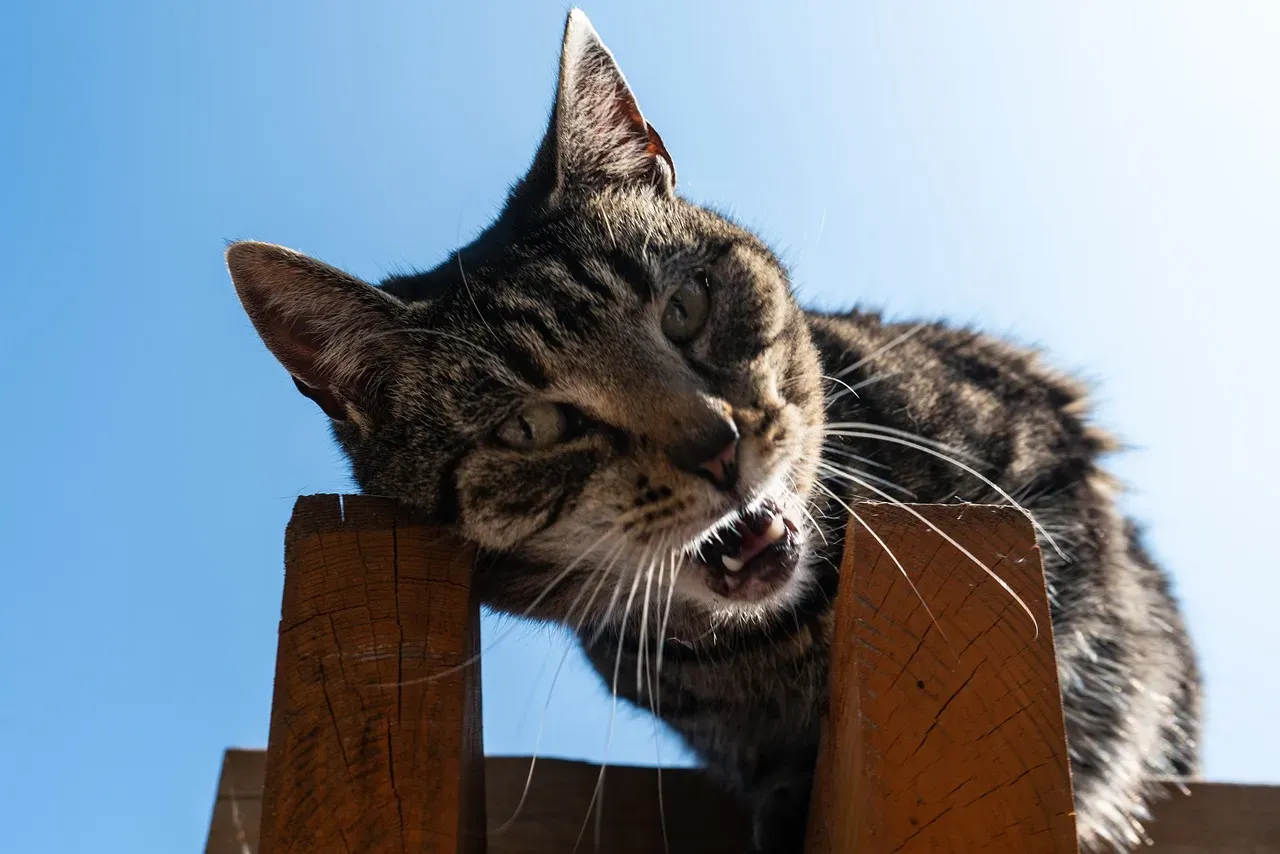
Here’s something surprising: Cats do not know the meaning of their own meows, though humans can assign meaning to sounds with various acoustical qualities because we have learned how they sound in different behavioral contexts. Your cat isn’t consciously thinking about language structure. It’s learned through operant conditioning which sounds produce desired responses from you.
Though they lack language, cats have become very skilled at managing humans to get what they want, basically food, shelter and a little human affection. This isn’t true language in the linguistic sense. There’s no grammar, no syntax, no abstract concepts being discussed. Still, it’s effective communication that bridges two very different species.
The Sensory World That Shapes Cat Communication
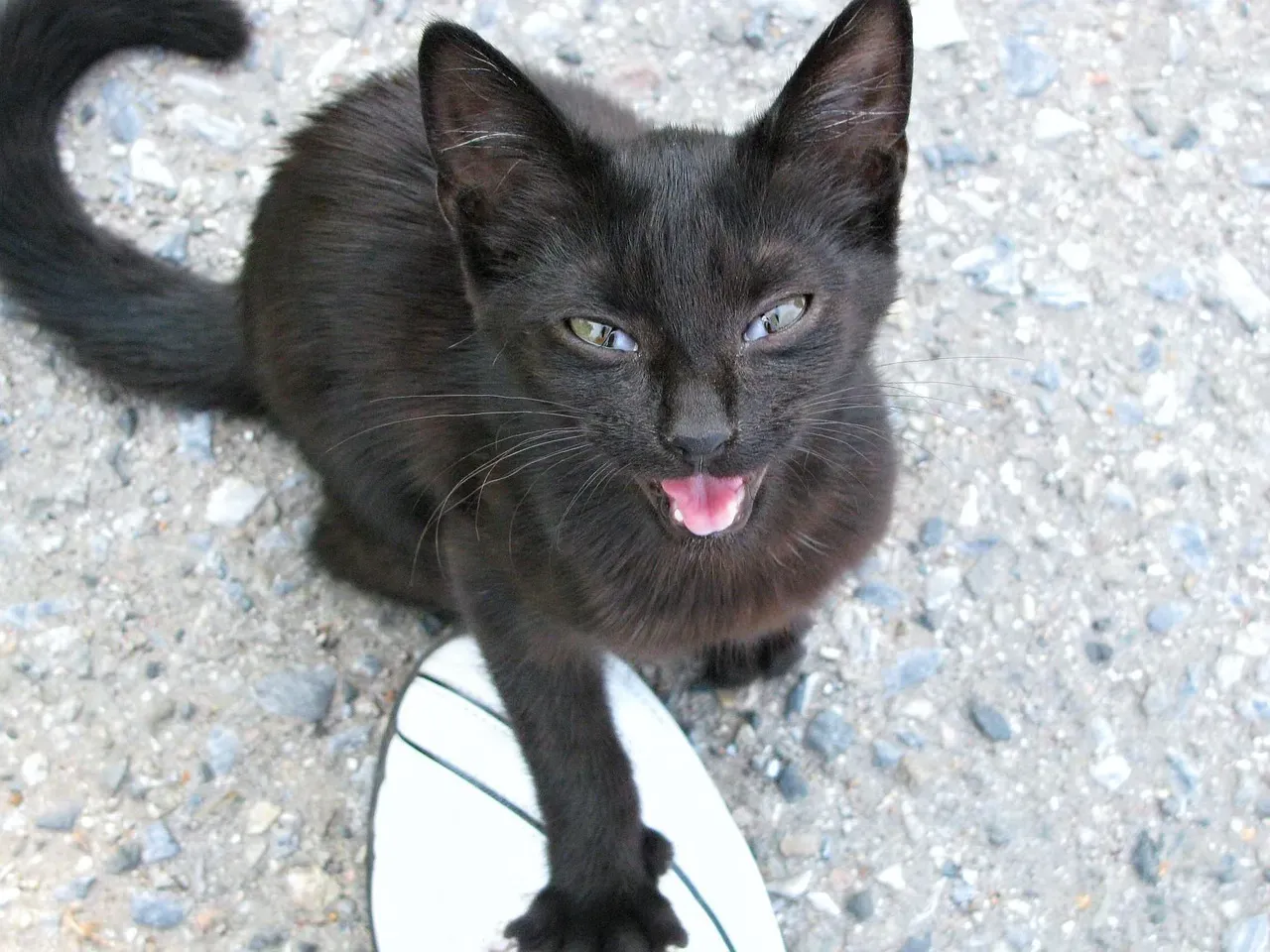
Cats can hear up to 64,000 Hz, 1.6 octaves higher and three times better than humans, and one octave higher than dogs. Cats are the most sensitive mammals tested in hearing studies, able to perceive weak sounds. Your cat exists in an acoustic universe you can barely imagine.
House cats meow both more frequently and specifically at human beings compared to strays, indicating that vocalization is a learned behavior stemming from domestication and environment. Since humans can’t perceive pheromones, their primary communication method, cats evolved to be more vocally expressive with us. They adapted to our limitations.
Context Is Everything in Cat Conversation
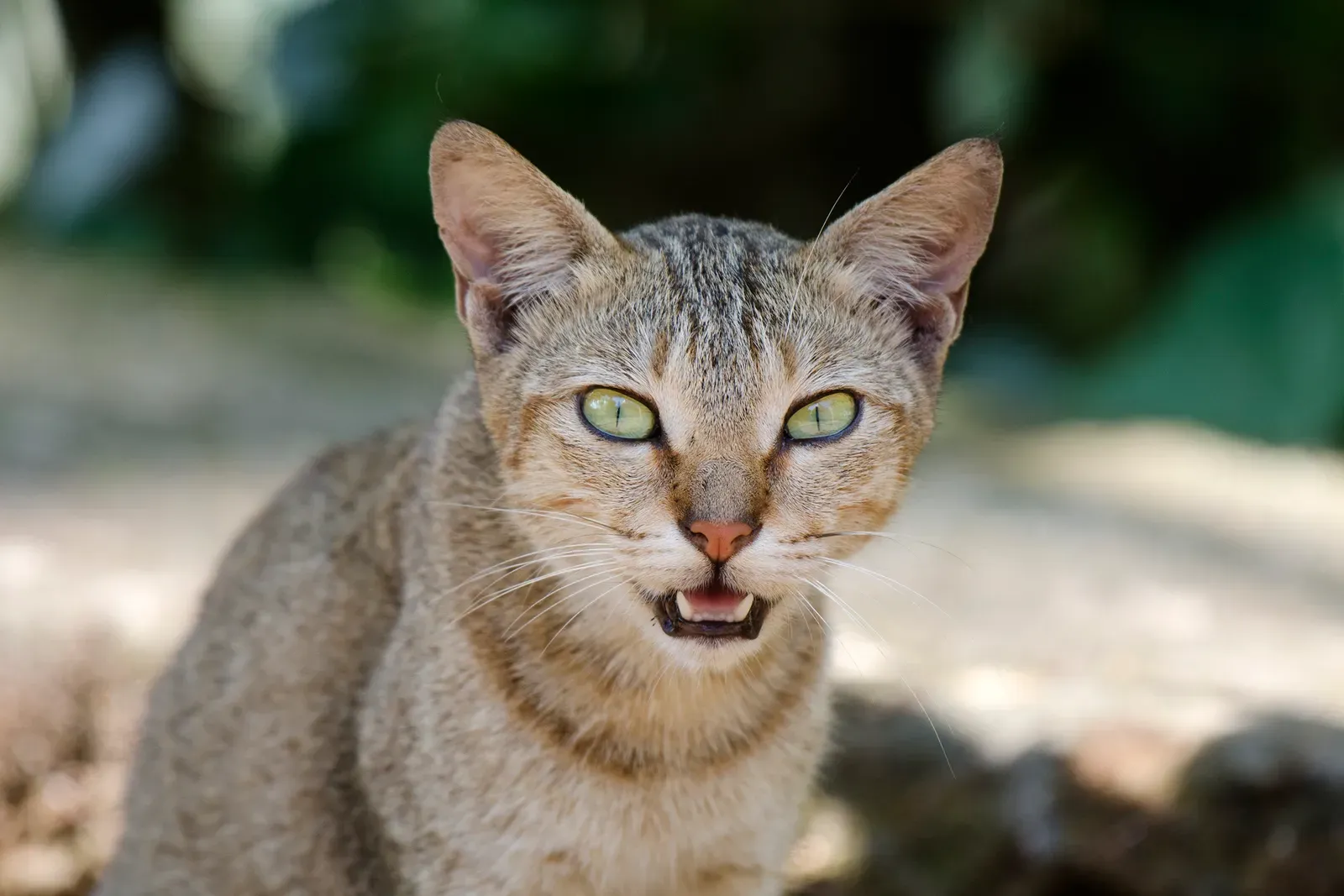
A University of Milan study with Maine Coon and European Shorthair cats determined whether consistent patterns were exhibited during meows, testing an AI framework’s accuracy in classifying the context of these meows in three different settings. The AI model had an accuracy rate of 95.94 percent, with 100 percent accuracy in identifying the wait for food.
The contexts tested are all human induced, proving that cats have specifically tailored their vocal language in response to a human environment. Your cat isn’t using these sounds in the wild. These vocalizations exist solely because you exist. That’s both humbling and slightly unnerving when you consider the implications.
Why Your Cat Sometimes Just Stares Silently
Cats that don’t live with humans, feral cats, don’t usually meow to one another to communicate. You won’t ever hear cats meowing to other cats, and cats in harmonious multi-cat households are typically pretty quiet around each other. They use body language, scent marking, and visual cues instead.
Meows are a unique form of communication reserved for conversing with humans, and adult cats typically don’t meow to other cats. When your cat sits silently staring at another cat, that’s normal feline communication. When your cat vocalizes at you, it’s code-switching to human-compatible signals. Your cat is essentially bilingual, though one language doesn’t use words at all.
The Ongoing Conversation Between Species
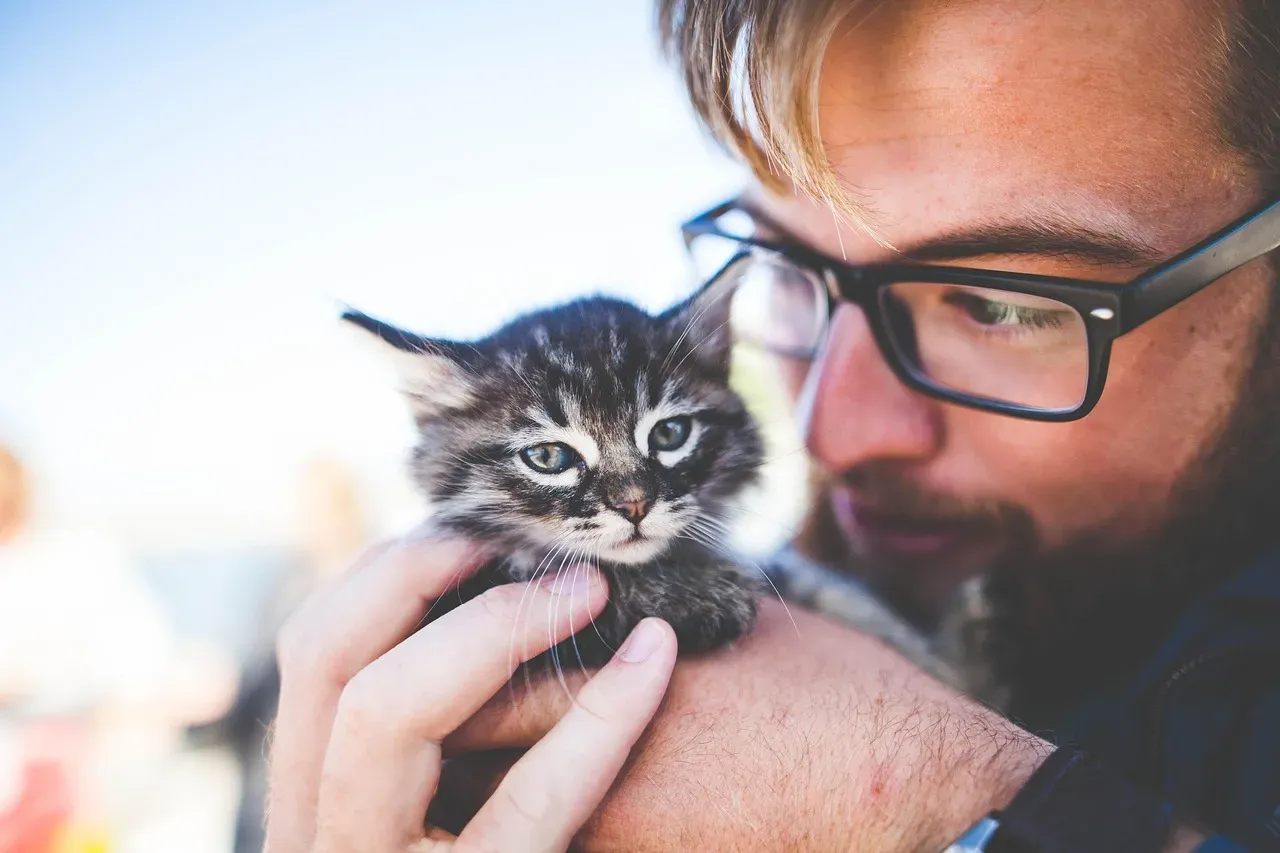
Cats respond to pet-directed speech, and a 2022 study found cats could distinguish between speech addressed to them and speech addressed to adult humans, particularly when it came from their owners. You probably talk to your cat in a higher pitch with exaggerated intonation. Your cat recognizes this and responds accordingly.
If humans respond with words and attention to their cats’ meows, they can create a back-and-forth almost like a conversation, and if responses are positive and predictive enough, the cat can try and communicate. This is genuinely remarkable. Two species separated by millions of years of evolution have developed a functional communication system through mutual adaptation. Your cat’s meow isn’t exactly a sophisticated language in the human sense, but it’s something perhaps more interesting: a bridge between worlds, built through patience, repetition, and thousands of years of coevolution. Every time your cat meows and you respond, you’re participating in one of nature’s most fascinating experiments in interspecies communication.
What do you think about your cat’s attempts to talk to you now? Does it change how you’ll listen to that next urgent 3 AM vocalization?