Have you ever woken up to the sound of your cat’s plaintive cries echoing through your hallway at three in the morning? You stumble out of bed, bleary eyed, only to find your furry companion sitting there, staring at you like they’ve been trying to reach you for hours. Let’s be honest, it’s equal parts adorable and infuriating.
There’s something mysterious about those nighttime meows. They feel different from your cat’s daytime chatter. More urgent. More insistent. Almost as though your cat is trying to tell you something specific, something that can only be said when the rest of the world is asleep.
What if those nocturnal vocalizations aren’t just random noise? What if they really are messages crafted specifically for you? Let’s dive into the fascinating world of feline communication and uncover what your cat might be trying to tell you when darkness falls.
Your Cat Evolved Their Meow Just for You
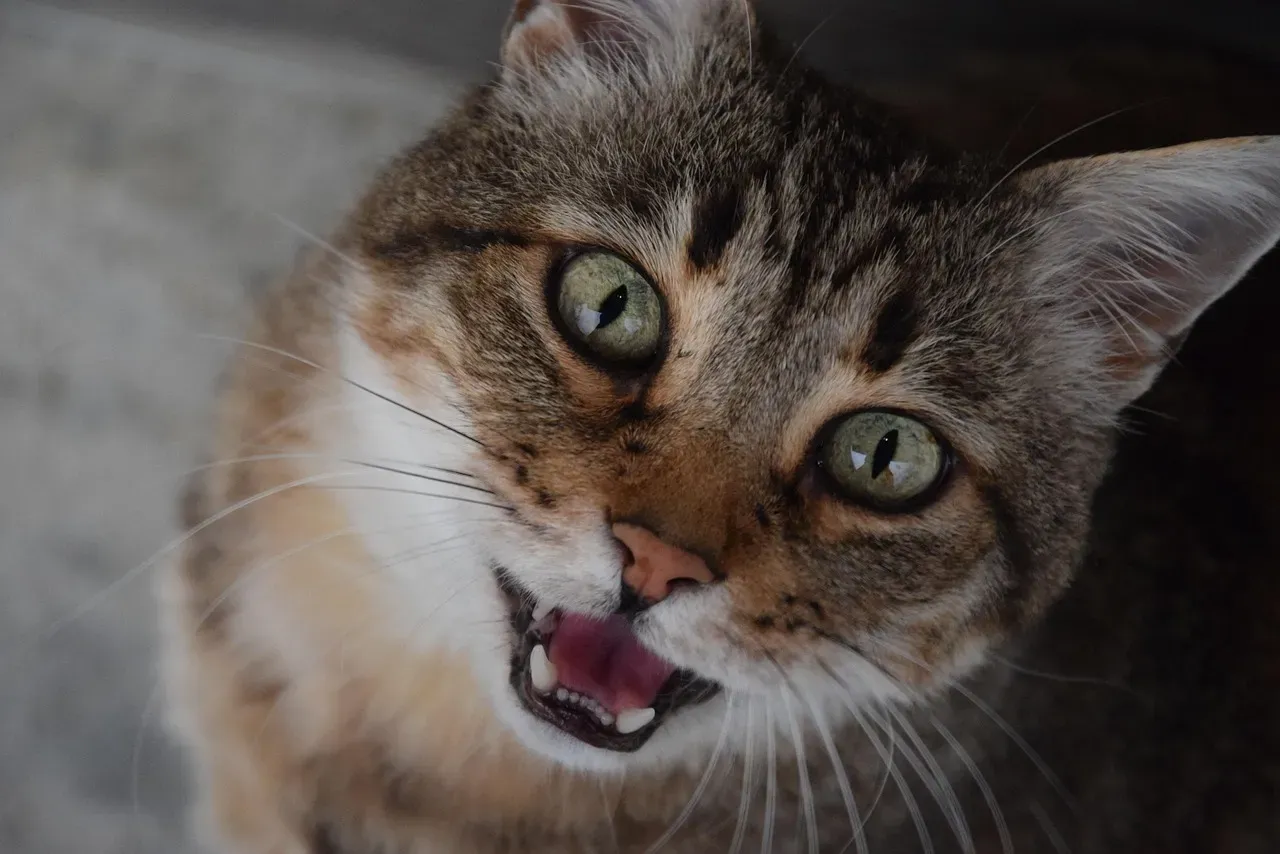
Here’s something that might surprise you. Adult cats don’t actually meow at each other, just at people. Kittens meow to let their mother know they’re cold or hungry, but once they get a bit older, cats no longer meow to other cats. Think about that for a second.
Where feline vocalization excels is cat-to-human communications. Many of their vocalizations are not only reserved for us humans but are specialized to get what they want when they want it, which is usually, food, attention, or access to a different area. With over 10,000 years of domestication under their collars, cats have learned to fine-tune their vocalizations to their individual household to best get what they want. Your cat has essentially developed a private language designed exclusively for communicating with you.
Although meowing is mainly a human-directed vocalization and in principle represents a useful tool for cats to communicate emotional states to their owners, humans are not particularly able to extract precise information from cats’ vocalizations and show a limited capacity of discrimination based mainly on their experience with cats and influenced by empathy toward them. So while your cat is speaking to you, understanding the message requires some detective work.
Why the Darkness Brings Out the Chatter
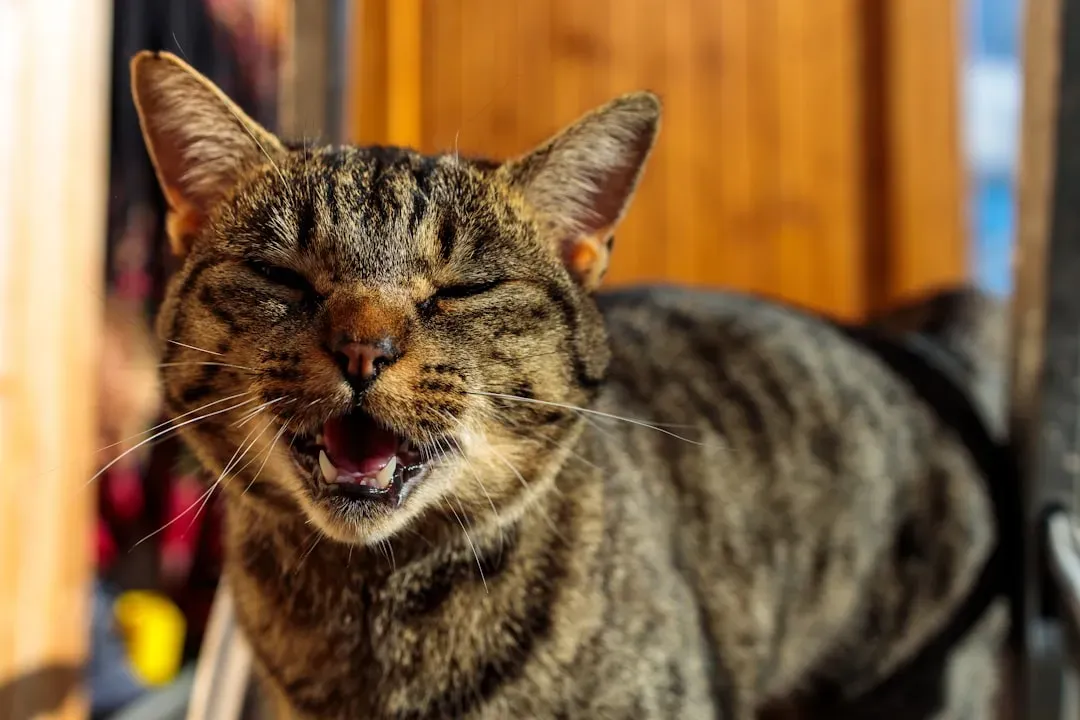
Cats are crepuscular – meaning that they are naturally most active at dusk and dawn. Although many cats do adapt to the routine of their owners, this crepuscular tendency means that your cat may be especially active in the early hours of the morning, when the rest of the house is asleep. It’s not that your cat is trying to torture you. Their internal clock is simply programmed differently.
During these peak activity hours, your cat’s hunting instincts kick into high gear. Younger cats, in particular, tend to be more active at night because their feline instincts alert them that the darkest hours are the perfect time to go hunting. Even if the only prey in your home is a dust bunny, those instincts remain strong.
At night he’s ready to hunt – or at least to eat – and to play. And he knows that vocalizations get your attention. Your cat has learned that meowing works. You respond. You wake up. Mission accomplished from their perspective.
Decoding the Different Types of Nighttime Calls
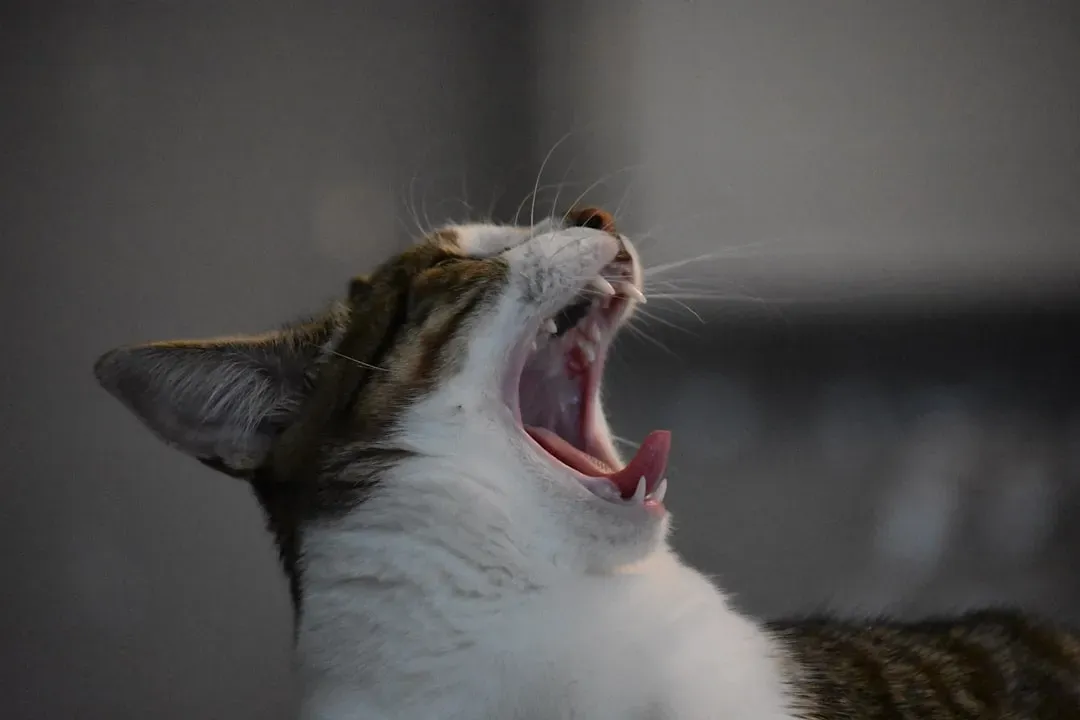
The vocal repertoire of the cat is wide and up to 21 different vocalizations have been described in the literatures. But it is more than probable that the repertoire contains more types of vocalizations. Not all meows are created equal. Your cat might be using subtle variations to convey different messages.
Meows can be assertive, plaintive, friendly, bold, welcoming, attention soliciting, demanding, or complaining, sad, or even be silent. Pay attention to the pitch, duration, and intensity. A short, high pitched meow might mean something entirely different from a long, drawn out yowl.
Some cats develop what researchers call trill meows, which combine a purr with a meow. Others might produce squeaks, moans, or even silent meows where they open their mouth but produce no sound. Each variation carries its own meaning, tailored to what your cat wants in that moment.
When Your Cat Is Simply Asking for Dinner

Let’s get practical. It’s a familiar scene for many cat owners, being woken up with the dawn chorus by your feline friend begging for food. The instincts for cats is to eat little and often, different from the set mealtimes our cats are used to! Your cat’s stomach operates on a different schedule than yours.
Nocturnal meowing may be a sign that your cat is ravenous and wants you to create the kitty version of a Dagwood sandwich to satisfy their craving. One way around this is to feed your cat later in the evening, just before bedtime. Be sure to fill kitty’s water bowl then, too. Simple solutions sometimes work best.
I know it sounds crazy, but your cat might genuinely be hungry at night. Their wild ancestors would hunt and eat multiple small meals throughout the day and night. Feeding your cat a small portion right before bed or using an automatic feeder can sometimes quiet those midnight food requests.
The Loneliness Factor Nobody Talks About
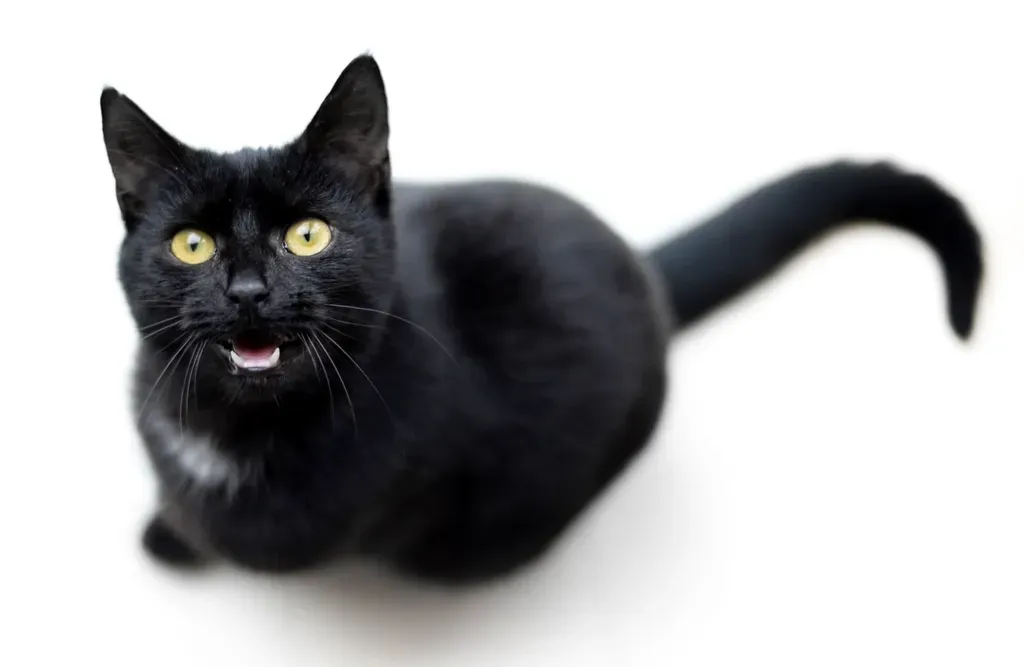
Cats often meow when they’re lonely. Loneliness, or even separation anxiety, can cause cats to cry out at night. Some kitties will quiet down if allowed to be near their favorite person or even another animal. Your cat might just miss you.
Many cats are used to having their humans around all the time during the day with the increase in working from home. This can mean they are anxious about being away from you at night, and this loneliness may lead to them meowing or waking you. It’s surprisingly common, especially after lifestyle changes.
Your cat spent the entire day following you from room to room. Then suddenly you disappear behind a closed bedroom door for eight hours. From their perspective, that’s an eternity. Those nighttime meows might be their way of checking if you’re still there, still safe, still available if they need you.
Health Issues That Demand Attention
If this is new behavior for your cat, especially an older cat, please take your kitty to your veterinarian to rule out any underlying medical issues, especially painful conditions, thyroid disease, and, in older cats, cognitive decline. This is where things get serious.
If your cat won’t stop crying at night even when they have plenty of play time, other causes to consider are thyroid or kidney disease. Medical conditions can manifest as increased vocalization, particularly at night when discomfort becomes more noticeable.
Pain, either from illness or injury, can make a cat meow at night. Cats hide pain very well. By the time we see even subtle signs of it in our furbabies, they’re likely in a great deal of pain. Your cat’s nighttime meows could be a cry for help. Never ignore sudden changes in vocalization patterns.
The Aging Cat’s Confused Conversations
Similar to Alzheimer’s disease in humans, Cognitive Dysfunction Syndrome (CDS) affects a significant percentage of senior cats. CDS can manifest in a variety of ways, including disorientation, confusion, changes in sleep-wake cycles, and, importantly, increased vocalization. Cats with CDS may yowl at night because they are lost, confused, or anxious. They may not recognize familiar surroundings, leading to vocalizations that are essentially pleas for help.
Studies show it is not uncommon, with some research indicating that 28% of cats aged 11 to 14 years and a significant 50% of cats aged 15 years and older show at least one sign consistent with CDS. Other studies suggest about 20% of senior cats over 12 years old show signs. If your older cat suddenly becomes vocal at night, dementia might be the culprit. Installing nightlights around your home can help disoriented senior cats feel less anxious in the dark.
When Boredom Becomes a Behavioral Issue
Excessive nighttime vocalizing is often a sign of a bored cat. If you’re away from home all day, your indoor cat(s) may lounge and nap most of the day, decreasing their need for sleep at night. Your cat basically slept all day and is now ready to party at your expense.
Cat crying at night may be simply because they’re bored – or because they haven’t had enough enrichment during the day to fulfil their physical and mental needs. Many cats lead boring sedentary lives at home and this boredom and frustration can often come out as increased vocalisations – as well as other behaviour problems. Making sure you give your cat plenty of appropriate enrichment throughout the day – in the form of games, play and environment will help keep them happy and fulfilled – and a game before bed can help reduce energy levels and prevent a noisy night.
Think about it from your cat’s perspective. They’ve had zero stimulation all day. Now they’re bursting with pent up energy. Those meows are their way of saying they need something to do.
The Territorial Announcement System
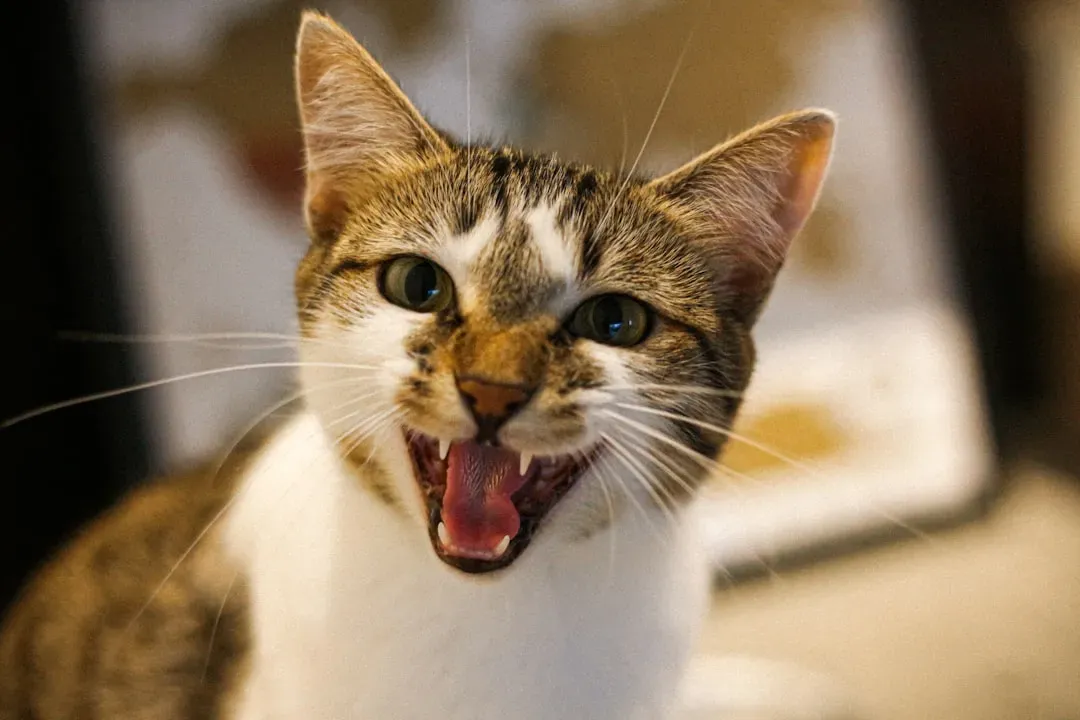
Cat owners may witness an intriguing yet usual occurrence in the moonlit hours – their cat’s nighttime meows, driven by instinctual territorial instincts. Naturally, protective cats use the night as a watchful period to alert against intruders, including other cats, creatures, or new human members. This behavior, termed caterwauling, entails intense yowls, indicating a cat’s claim over its territory. Occurring mainly at night, cats, being creatures active during these hours, stay extra alert for potential intruders.
Your cat might be detecting something you can’t see or hear. Another cat passing by outside. A raccoon in your yard. Even changes in neighborhood sounds can trigger territorial vocalizations. It’s their way of saying this house, this territory, belongs to them.
Creating Peace Through Environmental Changes
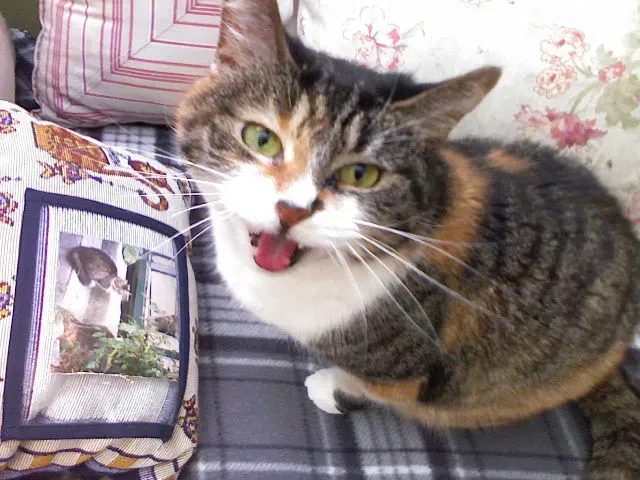
If you have an insecure night-time caterwauler, try to anticipate their needs and fill them before the noise begins. Make sure they are not hungry or thirsty. Give extra attention. Stay within the cat’s visual range, which may mean having them sleep in your room. But here’s where it gets tricky – don’t reward caterwauling. It’s okay to lavish your cat with attention to prevent caterwauling, but not to stop the caterwauling.
This is crucial. If you respond to nighttime meowing by immediately giving your cat what they want, you’ve just trained them to meow more. Instead, establish a bedtime routine that addresses their needs before they start vocalizing. Feed them. Play with them until they’re tired. Make sure the litter box is clean.
Nightlights play a pivotal role in assisting cats, especially those with dementia, by improving visibility in the dark. Cats experiencing cognitive decline may struggle to locate their essentials, making nightlights a valuable aid. Maintaining consistency in furniture placement also helps establish a routine, reducing confusion and disorientation for aging feline companions. Small environmental adjustments can make a massive difference.
Understanding the Message Means Better Connection
Your cat’s nighttime meows really are messages meant specifically for you. They’ve spent thousands of years perfecting this communication system. Female participants and cat owners showed a higher ability to correctly classify the vocalizations emitted by cats during brushing and isolation. A high level of empathy toward cats was significantly associated with a better recognition of meows emitted during isolation. The more you pay attention, the better you’ll understand.
Start keeping a journal of when your cat meows, what the meow sounds like, and what happens afterward. Patterns will emerge. Maybe your cat always meows at the same time. Maybe certain sounds consistently mean the same thing. You’re essentially learning a new language, and like any language, it takes practice.
The beauty is that your cat chose you as their person. They developed this entire vocabulary just to communicate their needs, wants, and feelings to you. Those nighttime messages, annoying as they might be at three in the morning, are proof of the unique bond you share.
Finding Your Way Forward Together
Here’s the thing. Your cat isn’t meowing at night to annoy you. They’re genuinely trying to communicate something important from their perspective. Whether it’s hunger, loneliness, pain, confusion, or just excitement, each vocalization carries meaning.
Start by ruling out medical issues with your veterinarian. Then address the environmental and behavioral factors. Create a consistent routine. Provide enrichment during the day. Make nighttime comfortable and secure for your cat. Most importantly, learn to distinguish between different types of meows.
Remember that your response matters. Never reward vocalization by providing food, attention, or play when the cat vocalizes, since it is likely to reinforce the behavior and cause it to continue. Mild outbursts of vocalization can either be ignored or interrupted with remote punishment techniques such as a water gun, compressed air, loud verbal no, or alarm device, but never with physical punishment. Be patient. Be consistent. Your cat is talking to you because they trust you to understand.
Those nighttime meows might drive you up the wall sometimes. Still, they’re also a reminder that you have a living creature who depends on you, communicates with you, and has developed an entire language just for your relationship. What do you think your cat is trying to tell you tonight?