You’ve probably felt it a thousand times. That soft rumble against your chest when your cat curls up in your lap. That gentle vibration when your furry companion settles next to you on the sofa. Most of us think it’s just a cute sound, a sign that your cat is content and relaxed. What if I told you there’s something far more fascinating happening when your cat purrs?
Recent research suggests that your cat’s purr might be doing more than expressing happiness. Those rhythmic vibrations could be quietly working to improve your health in ways you’d never imagine. From your bones to your blood pressure, from your stress levels to your heart, your feline friend might be offering you therapeutic benefits you never signed up for. Let’s explore what science has uncovered about this mysterious sound.
The Frequency of Healing Hidden in Every Purr
Here’s something wild. The frequency of a cat’s purring typically falls between 25 and 150 Hertz, and these specific frequencies could have therapeutic effects on the body and mind. It’s not random noise. Think of it like a built-in sound therapy machine that your cat carries around.
Sound frequencies in this range can improve bone density and promote healing. That’s the same range used in vibrational therapy that doctors and physical therapists employ to treat patients. Your cat is essentially offering you a natural version of what costs hundreds of dollars at a medical clinic.
Cats purr by rapidly vibrating muscles in their larynx and diaphragm. The sound stays consistent whether they’re inhaling or exhaling. This consistency matters because it creates that steady, rhythmic frequency that your body can respond to in surprisingly beneficial ways.
Your Bones Might Actually Get Stronger
This one’s honestly hard to believe at first. A frequency of 25 to 50 hertz can improve bone density, build bone strength, support wound and fracture healing, and stimulate bone fracture repair. That’s exactly the range where your cat purrs most strongly.
The same frequency has been shown to aid in the healing of broken bones, joint and tendon repair, and wound healing, and cats are well known for their ability to heal quickly from their own broken bones. Some people even report that their cats instinctively position themselves near injured areas of their owners’ bodies. Whether they know what they’re doing or simply seek warmth and comfort, the result might be the same.
It sounds like something out of science fiction. Yet the evidence keeps piling up. Researchers have noted that cats have fewer bone and joint problems compared to dogs, possibly because they’re constantly exposing themselves to these healing frequencies through their own purring.
Stress Melts Away When You Hear That Rumble
One of the most immediate effects of cat purring on humans is its ability to reduce stress and anxiety, and the soothing sound and vibration of a purr have been compared to the calming effects of meditation. Let’s be real, after a brutal day at work, there’s something magical about a purring cat in your lap.
College students who spent as little as 10 minutes per day petting a cat experienced decreased levels of cortisol, the hormone associated with stress. Ten minutes. That’s less time than you spend scrolling through social media, yet it could genuinely improve your mental state.
The repetitive sound of a cat’s purring has a calming, meditative quality that can reduce anxiety and promote mindfulness. It pulls you into the present moment. Your breathing slows. Your shoulders drop. It’s like nature’s anti-anxiety medication, and it comes with whiskers and a tail.
Your Heart Gets Serious Protection
Hold onto your seat for this one. Over a 10 year follow up period, cat owners showed a 30 per cent lower risk of death from heart attack compared to non cat owners. Thirty percent. That’s not a small difference. That’s the kind of impact that makes cardiologists take notice.
Studies have shown that cat owners are less likely to suffer from heart disease, and the soothing effects of purring help reduce blood pressure, which can lower the risk of heart attacks and strokes. The calming presence of a purring cat contributes to a healthier cardiovascular system overall.
Even better? People who used to own cats in the past, but did not currently live with a cat, still had less risk of death due to cardiovascular diseases when compared to people who had never owned cats in their life. The benefits seem to linger even after your cat is gone, which is both fascinating and a little heartbreaking.
Blood Pressure Drops Without Medication
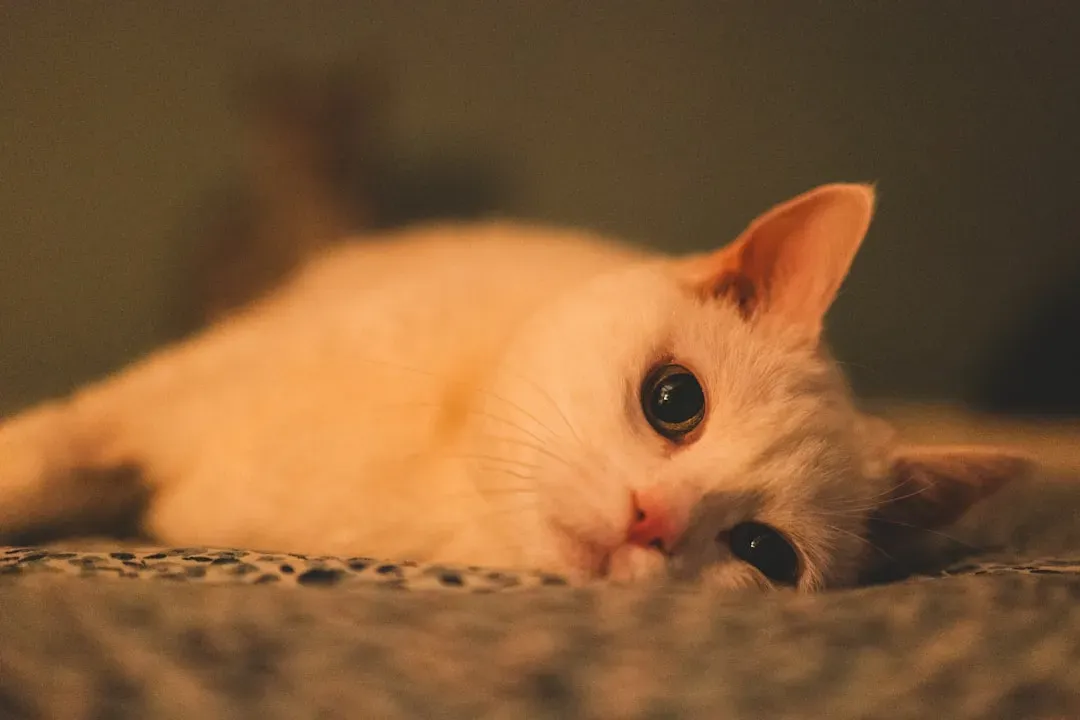
Many people who spend time with cats experience a decrease in heart rate and blood pressure, which reduces strain on the cardiovascular system and supports overall health. This isn’t a placebo effect. It’s measurable. Doctors can actually see the difference on monitoring equipment.
People with pets had significantly lower resting baseline heart rates and blood pressure, significantly smaller increases in heart rate and blood pressure in response to stress, and faster recovery of these parameters to baseline after cessation of stress. Your cat essentially acts as a buffer against the stress that spikes your blood pressure throughout the day.
For those dealing with hypertension, this could be genuinely life changing. It’s a natural intervention with zero side effects, unless you count occasionally getting cat hair on your clothes as a side effect.
Pain Relief Might Be Purring Distance Away

At 100 hertz, purring can reduce pain, increase recovery time after surgery, and ease breathing in patients with chronic respiratory disease. That’s a pretty impressive range of effects from a simple sound. For individuals dealing with arthritis or muscle soreness, the cat purring effect on humans may serve as a natural source of relief.
There are many stories of people with migraines whose headaches are eased or extinguished when they lie with their heads close to purring cats. I know anecdotal evidence isn’t the same as controlled studies, but when you hear the same story over and over from different people, it makes you wonder.
The vibrations created by cat purring have been linked to the release of nitric oxide, a molecule that plays a role in reducing pain and improving circulation. Your cat isn’t just keeping you company during recovery. They might actually be helping you heal faster.
Emotional Wellness Gets a Furry Boost
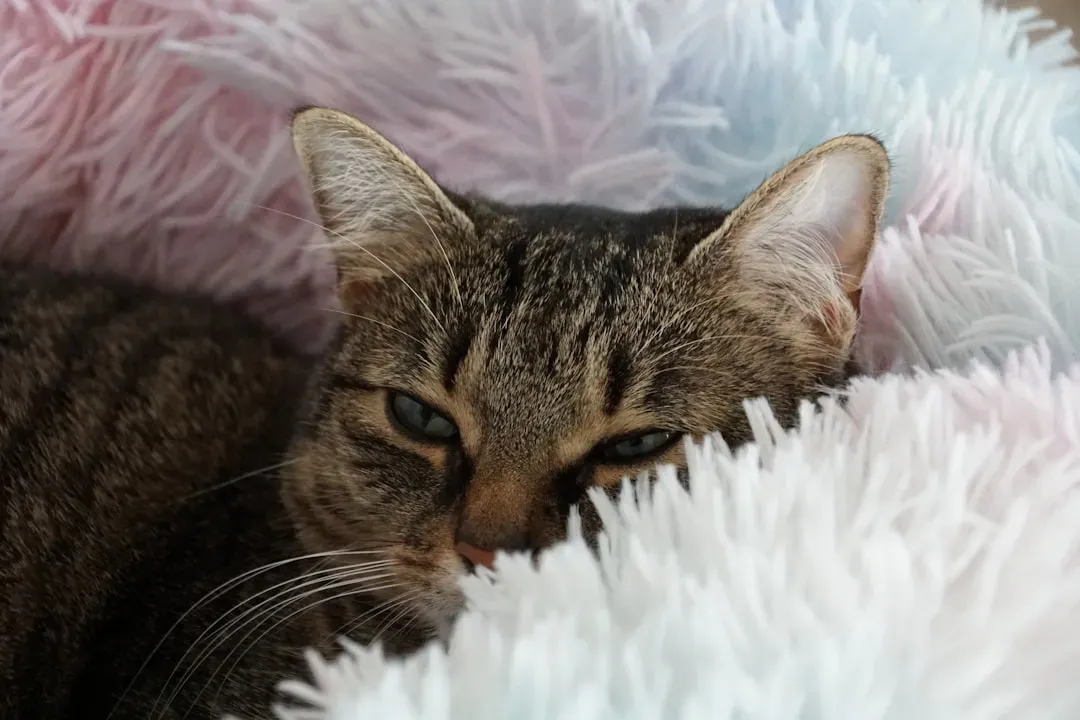
The presence of a purring cat can have a profound impact on mood and overall well being, going beyond stress reduction to foster a sense of connection, emotional stability, and even improved sleep quality. Sleep quality is huge. So many of us struggle with it, and a purring cat at bedtime might be better than any sleep app.
Petting a cat or listening to their purring triggers the release of oxytocin, a hormone that promotes happiness and reduces stress. Oxytocin is often called the love hormone. It’s the same chemical that floods your brain when you hug someone you care about. Your cat is essentially giving you a chemical hug.
Emotional support animals like cats offer vital relief to those experiencing anxiety, depression or other mental health conditions, and their presence fosters trust, security and companionship, helping people cope with stress and emotional challenges. For people living alone or dealing with isolation, this connection can be genuinely lifesaving.
Muscle and Tissue Repair Gets a Surprising Assist

At 25 to 50 hertz, purring promotes the healing of injured muscles and tendons. Athletes and people recovering from injuries might want to pay attention to this. When a cat purrs, the vibrations are transmitted throughout its body and can help promote the healing of soft tissue injuries in humans, including muscle strains, sprains, and other connective tissue injuries.
These vibrations can help reduce inflammation, improve circulation and stimulate the healing of damaged tissues. Inflammation is at the root of so many health problems. Anything that helps reduce it naturally is worth considering. Your cat curled up next to a sore shoulder might be doing more than just providing warmth.
A cat’s purr at a frequency of 18 to 35 hertz may also support tendon repair and joint mobility. If you’re dealing with joint stiffness or recovering from a sports injury, spending time with a purring cat could complement your physical therapy routine.
Breathing Easier With Feline Frequencies
A person with respiratory problems might also be able to breathe easier if a purring cat is nearby. This is particularly interesting for people with asthma or chronic respiratory conditions. Respiratory distress related to heart disease isn’t nearly as common in cats as it is in dogs and humans.
Cats themselves seem to benefit from their own purring when dealing with breathing difficulties. It makes sense that the same frequencies that help them might help us too. The vibrations could help open airways or simply create a relaxing environment that makes breathing feel less labored.
Obviously, this isn’t a substitute for proper medical care if you have serious respiratory issues. Still, as a complementary approach alongside your doctor’s treatment, a purring cat companion might offer some unexpected relief during difficult breathing episodes.
The Science Behind Why This Actually Works
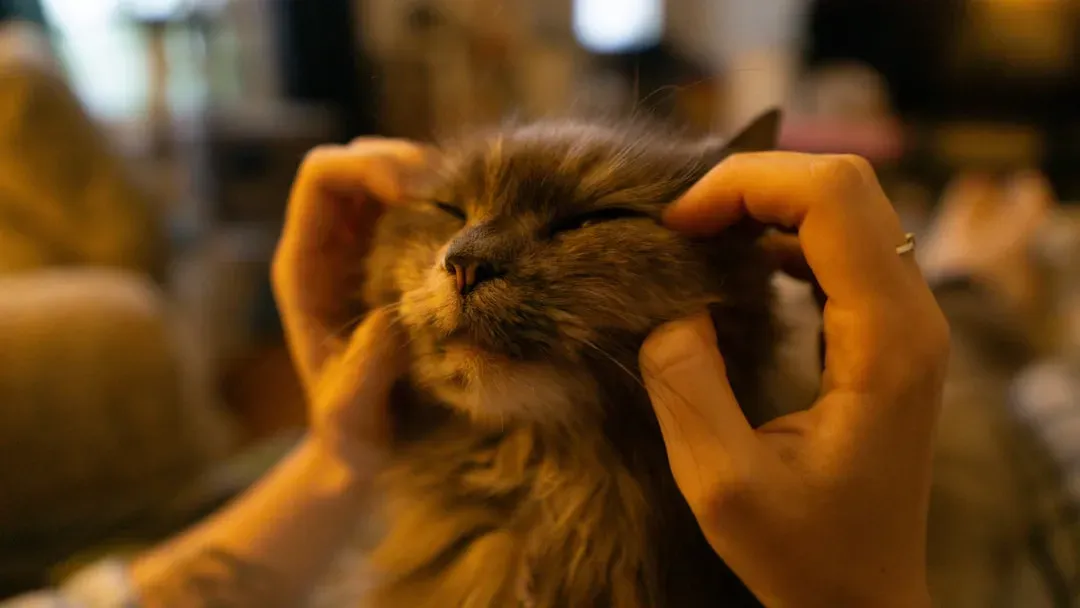
Low frequency vibrations of a cat’s purring are often used in sound therapy, a form of vibrational healing that applies specific frequencies to the body, and these vibrations can help reduce inflammation, improve circulation and stimulate the healing of damaged tissues. Sound therapy is a legitimate field of medicine. Your cat is essentially a portable sound therapy device.
The soothing vibrations of a cat’s purr can help regulate the autonomic nervous system, which controls involuntary bodily functions like heart rate and breathing, and by lowering stress and triggering the body’s relaxation response, purring promotes a sense of calm, balance and emotional well being. This is the system that controls your fight or flight response. When it’s constantly activated by stress, your health suffers.
More recent research has shown that frequencies between 20 and 50 Hz increase bone density. This isn’t pseudoscience or wishful thinking. These are measurable, reproducible effects that researchers have documented in controlled studies. The mechanisms are real, even if we’re still learning exactly how all the pieces fit together.
What This Means for You and Your Feline Friend
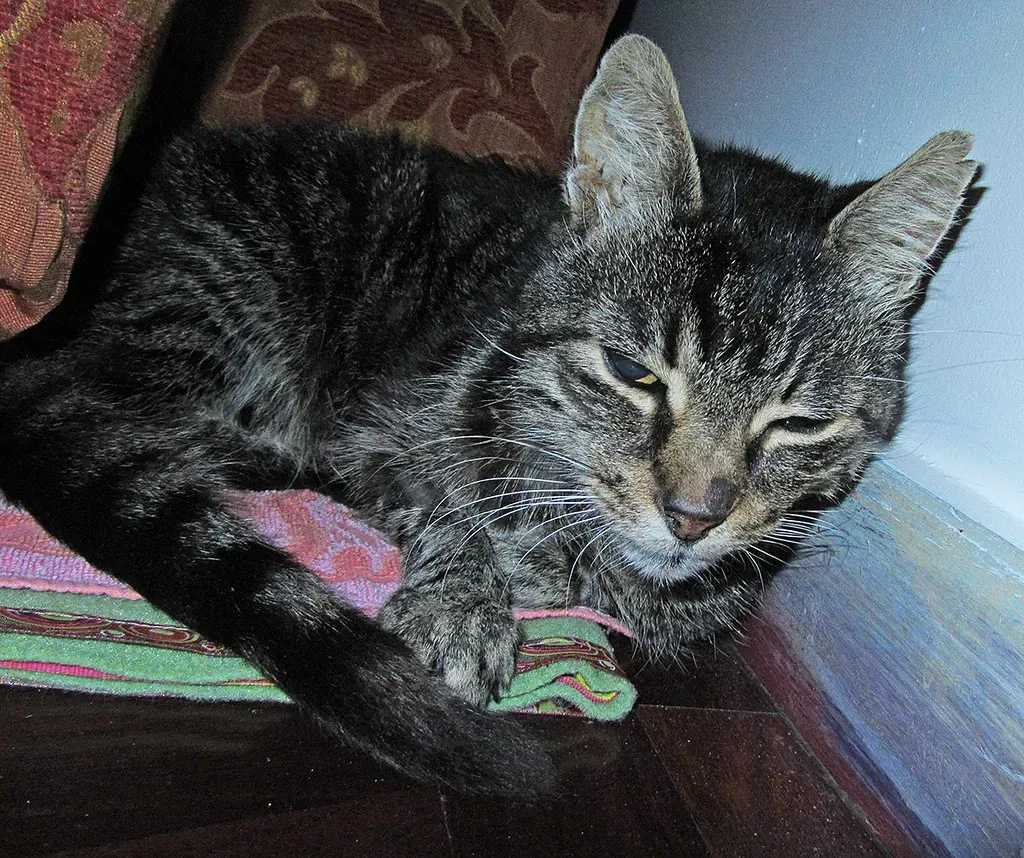
So where does all this leave you? If you already have a cat, you might look at them differently next time they settle onto your lap and start their rumbling motor. That sound isn’t just noise or a sign of contentment. It’s a complex biological mechanism that evolved over millions of years, and it turns out we humans can benefit from it too.
If you’ve been thinking about getting a cat, these health benefits might tip the scales. Just remember that owning a cat is a serious commitment that lasts years. They need food, medical care, attention, and love. Don’t adopt a cat solely for health benefits, but know that those benefits are a pretty amazing bonus to the companionship and joy they bring.
For those who can’t have cats due to allergies or living situations, spending time at cat cafes or volunteering at animal shelters might offer some of these same benefits. Even brief interactions with purring cats could help reduce your stress and improve your mood. The healing frequencies don’t require you to own the cat.
The relationship between humans and cats goes back thousands of years. Maybe we’ve always sensed, on some level, that these animals were good for us. Now science is catching up with what cat lovers have known all along. Your cat isn’t just a pet. They’re a companion, a stress reliever, and apparently, a four-legged healing machine wrapped in fur. Next time your cat purrs against you, take a moment to appreciate the ancient biological gift they’re sharing. Did you expect that your cat was quietly improving your health this whole time?