Most people hear their cat purring and think, “Oh, she’s happy.” You stroke the fur, feel that warm rumble against your fingertips, and smile. It’s a feel-good moment. Simple. Cozy. Nothing more.
Except, what if there’s something far more extraordinary hiding inside that gentle, rhythmic hum? What if the vibration your cat produces while napping on your chest is actually doing something to your body on a cellular level? Science, it turns out, has a few genuinely jaw-dropping things to say about all of this. Let’s dive in.
The Physics of the Purr: More Than Just Sound
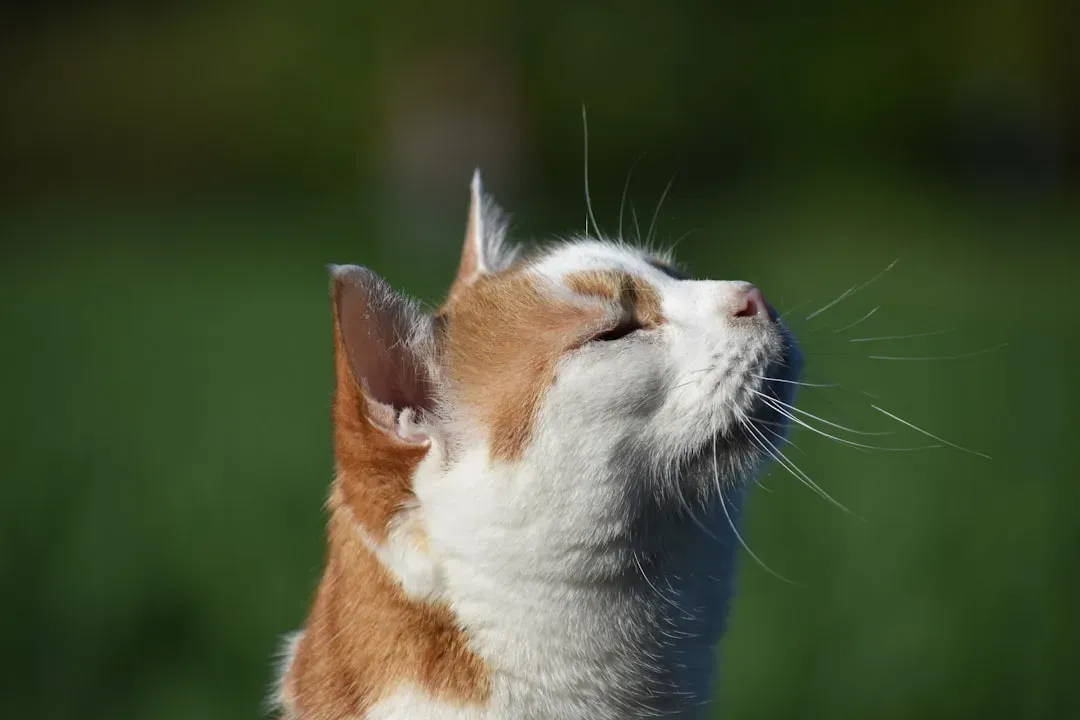
You might think of purring as just a pleasant noise, like background music. Here’s the thing, though: it’s not simply audio. The purr is produced when the laryngeal and diaphragmatic muscles are stimulated to vibrate, and it maintains a consistent pattern during both inhalation and exhalation. That consistency matters more than most people realize.
Research suggests that the frequency of a cat’s purring sits typically between 25 and 150 hertz, and those specific numbers could have therapeutic effects on the body and mind. Think of it like a tuning fork for living tissue. Your cat isn’t singing to you. It might actually be working on you.
Why Cats Purr When They’re Hurt, Not Just Happy
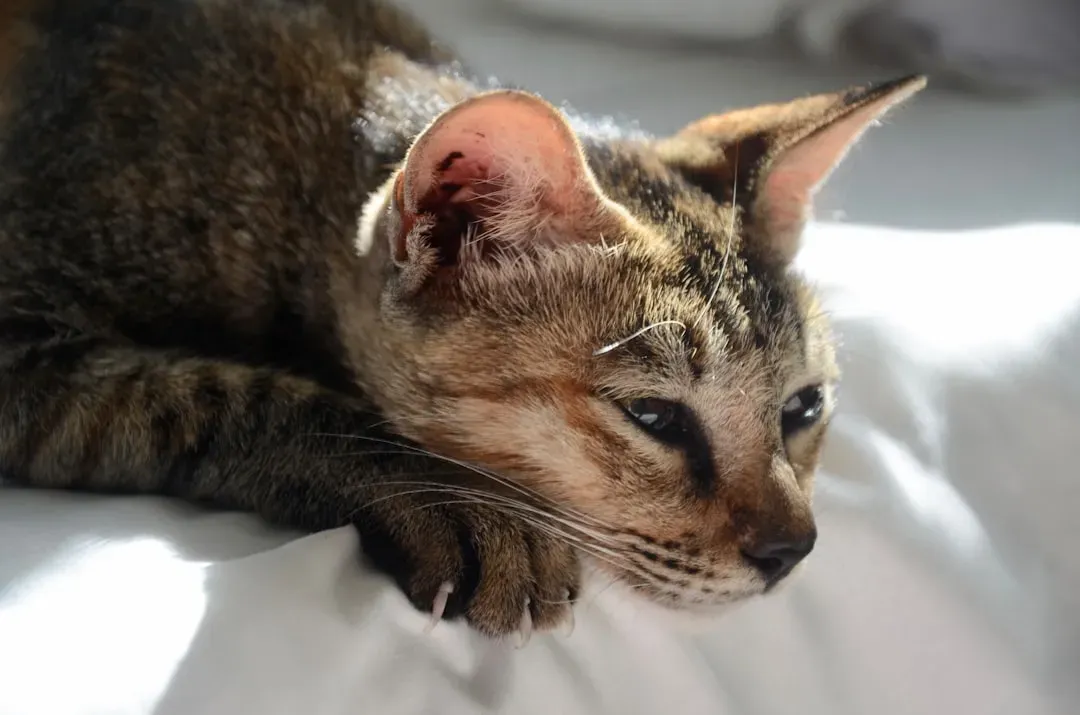
Here’s a detail that completely changes the narrative: cats often purr while under duress, such as during a visit to the veterinarian or when recovering from injury. Not all purring cats appear to be content or pleased with their current circumstances. That alone should make you rethink everything.
A current hypothesis suggests the purr indicates contentment, however, cats purr when they are severely injured or frightened. Cats purr when being affectionate, but they also purr when giving birth to kittens and mending from physical trauma. In other words, purring seems to be an internal survival mechanism just as much as an expression of pleasure.
Bone Healing and the Remarkable Frequency Connection
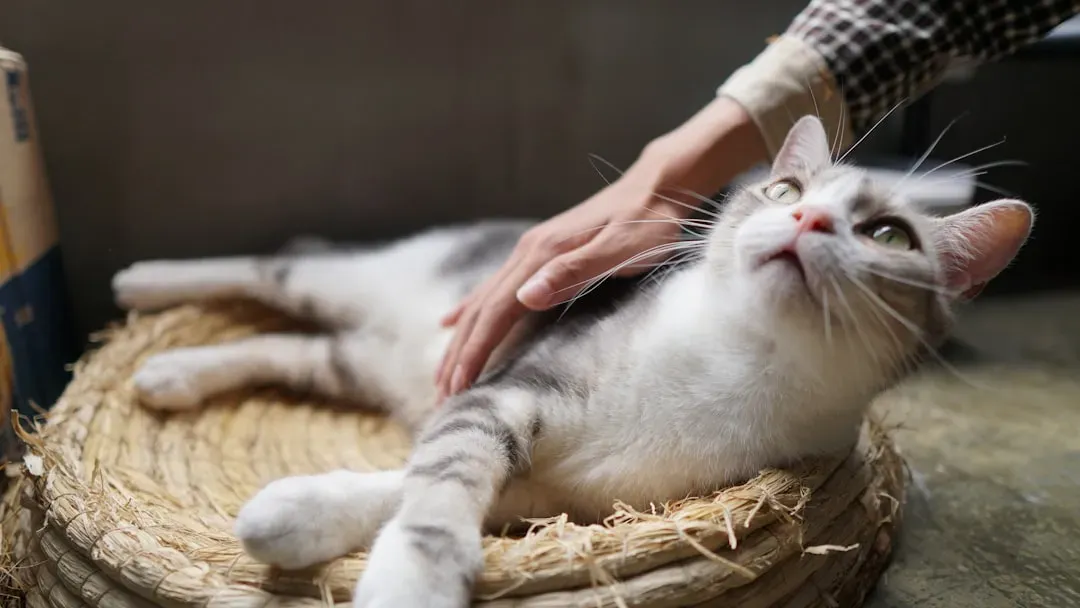
This is where things get genuinely fascinating. Purr frequencies correspond to vibrational frequencies used in treatment for bone growth, fractures, pain, edema, muscle growth, joint flexibility, and wounds. Domestic cats, servals, ocelots, and pumas produce fundamental frequencies at exactly 25 Hz and 50 Hz, the two low frequencies that best promote bone growth and fracture healing.
A study by Dr. Clinton Rubin and his team showed that bones of older sheep started showing signs of repair after being exposed to 30 Hz of vibrations for 20 minutes, five days a week. Similarly, in humans, vibrational therapy with a frequency between 10 and 50 Hz has been found to not only benefit bone repair but also strengthen tendons and joints. Your cat, curled up on your lap, may be delivering a version of that very therapy to you without any prescription needed.
Your Heart Might Actually Thank Your Cat
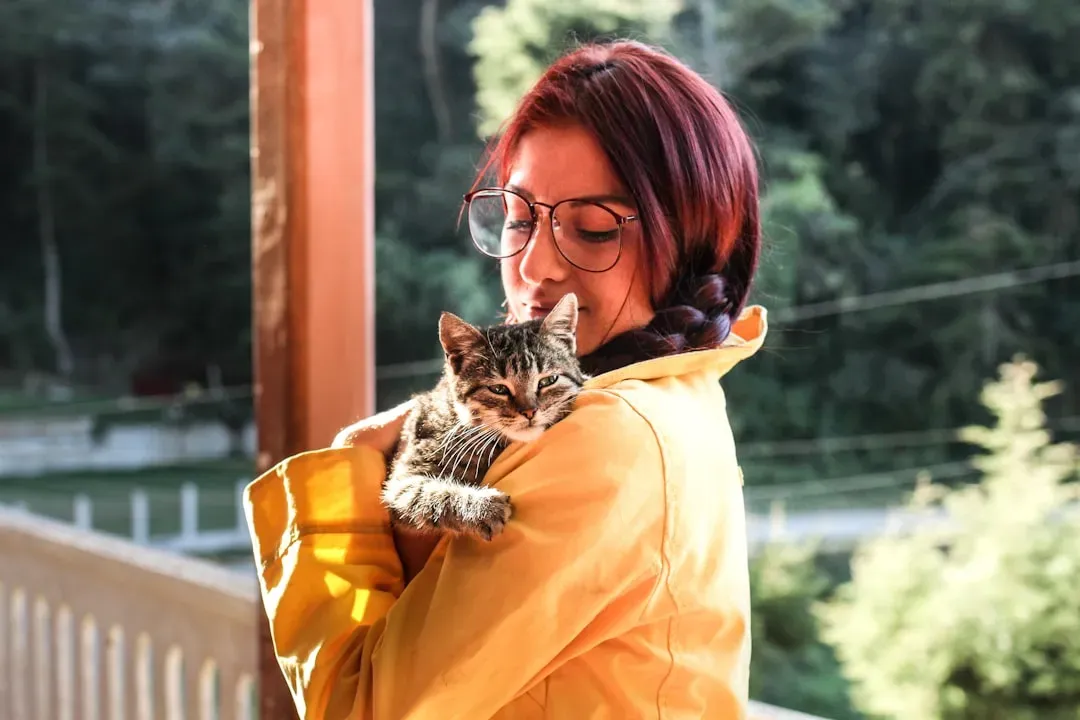
Studies have shown that cat owners are less likely to suffer from heart disease compared to those without cats. The soothing effects of purring help reduce blood pressure, which can lower the risk of heart attacks and strokes. The calming presence of a cat, combined with the rhythmic vibrations of its purr, contributes to a healthier cardiovascular system.
Studies show that owning a cat could cut your risk of stroke or heart disease by as much as a third. Honestly, that statistic is staggering. Nobody talks about that at the doctor’s office. Yet here it is, sitting quietly in the research. Perhaps your cat deserves more credit than being just a fluffy couch companion.
Stress, Cortisol, and the Chemistry of Calm
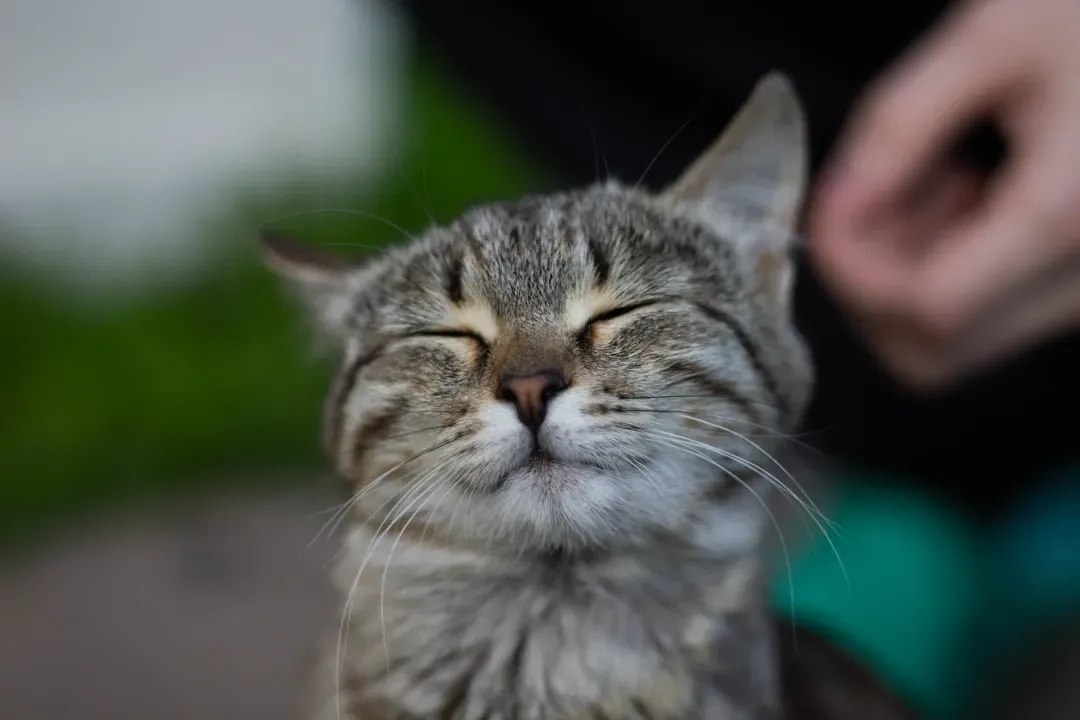
Cat purring stimulates the production of endorphins, which are natural chemicals that promote feelings of happiness and well-being. When a person interacts with a purring cat, their body releases serotonin, a neurotransmitter associated with mood regulation. This physiological response can help lower cortisol levels, the primary hormone associated with stress.
The soothing vibrations of a cat’s purr can help regulate the autonomic nervous system, which controls involuntary bodily functions like heart rate and breathing. By lowering stress and triggering the body’s relaxation response, purring promotes a sense of calm, balance, and emotional well-being. It’s hard to say for sure whether we’ll ever fully map the neuroscience behind it, but the evidence keeps stacking up in one very clear direction.
Muscles, Tendons, and the Soft Tissue Surprise
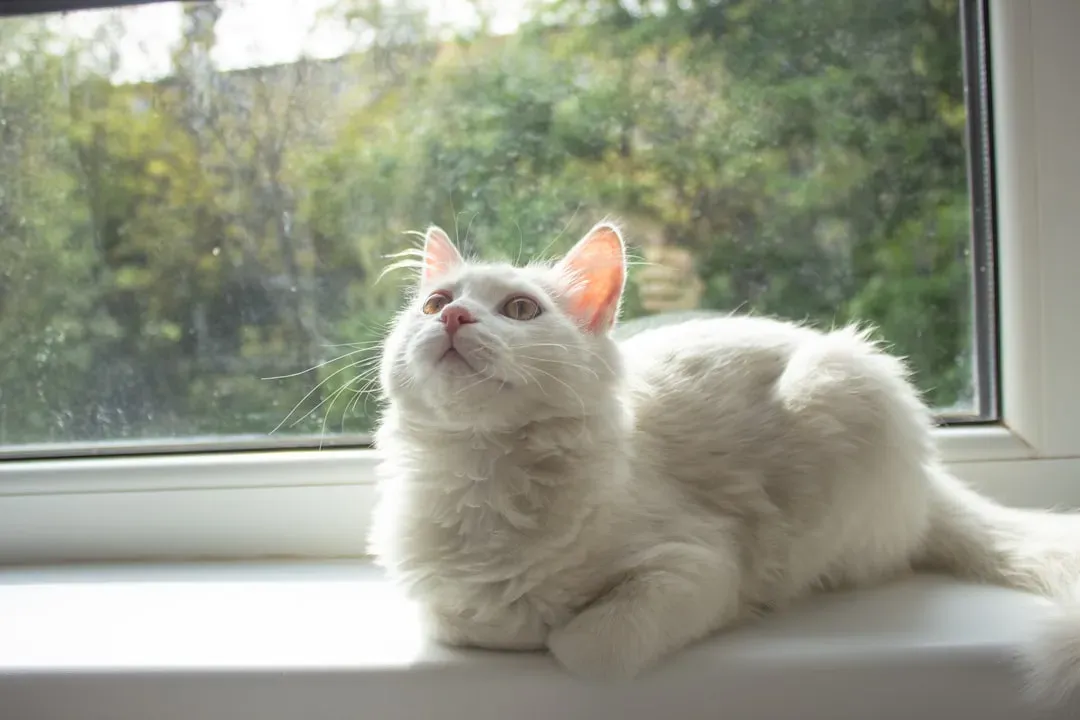
You might already know that physiotherapists use vibration devices to help with soft tissue recovery. What you probably didn’t know is that your cat has been doing something remarkably similar all along. A cat’s purr at a frequency of 18 to 35 hertz may support tendon repair and joint mobility. At 25 to 50 hertz, purring promotes the healing of injured muscles and tendons. At 100 hertz, purring can reduce pain, increase recovery time after surgery, and ease breathing in patients with chronic respiratory disease.
The healing power of a cat’s purr doesn’t stop with improving bone density and lowering blood pressure. Scientific and anecdotal evidence indicates that the vibrations of a cat’s purr can help fight infections, reduce swelling and pain, and promote muscle growth and repair. Let’s be real: if a device in a physiotherapy clinic did all that, it would cost a small fortune.
Does Your Cat Somehow Know When You’re Hurt?
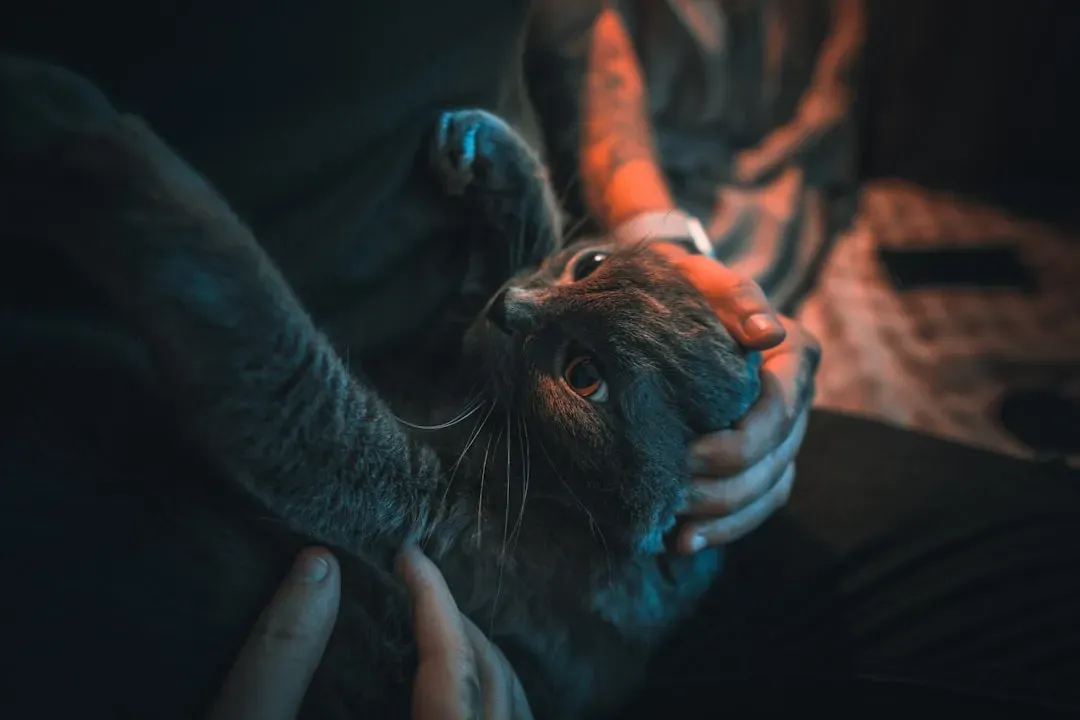
This is the part that gives you goosebumps. There are numerous accounts of cats gravitating toward injured or ill owners with an almost eerie precision. A house cat never ventured upstairs until a colleague returned from the hospital with a broken collarbone. Each time the colleague rested upstairs, the cat curled into a fur-ball on the collarbone and purred constantly. When the collarbone healed, the cat declined all invitations upstairs.
Coincidence? Maybe. Still, stories like these are far too numerous to dismiss entirely. An internal healing mechanism would be advantageous, increasing recovery time and keeping muscles and bones strong when sedentary. Whether cats consciously understand what they’re doing or not, their instinct to seek out areas of physical distress is something researchers continue to explore with growing curiosity.
Vibrational Therapy and the Technology That Followed
Science didn’t just observe the purr and move on. It tried to replicate it. By simulating the frequencies of a cat’s purr, researchers have explored its effects on human wellbeing. Recent studies have shown that technology mimicking a cat’s purr can induce a significant increase in parasympathetic activity, effectively reducing stress and anxiety levels. This promising outcome suggests that technology can replicate the calming effects of a cat’s purr, making it accessible to those without a feline companion.
The increase of HF-HRV observed only after application of the investigational Pure Purr medical device supports the main hypothesis that Pure Purr intervention strongly modulates autonomic nervous system balance toward parasympathetic activation. In simpler terms: a device engineered to mimic cat purring successfully shifted the nervous system into a recovery and rest state. That’s not mysticism. That’s measurable science.
The Cat’s Own Healing and What It Means for You
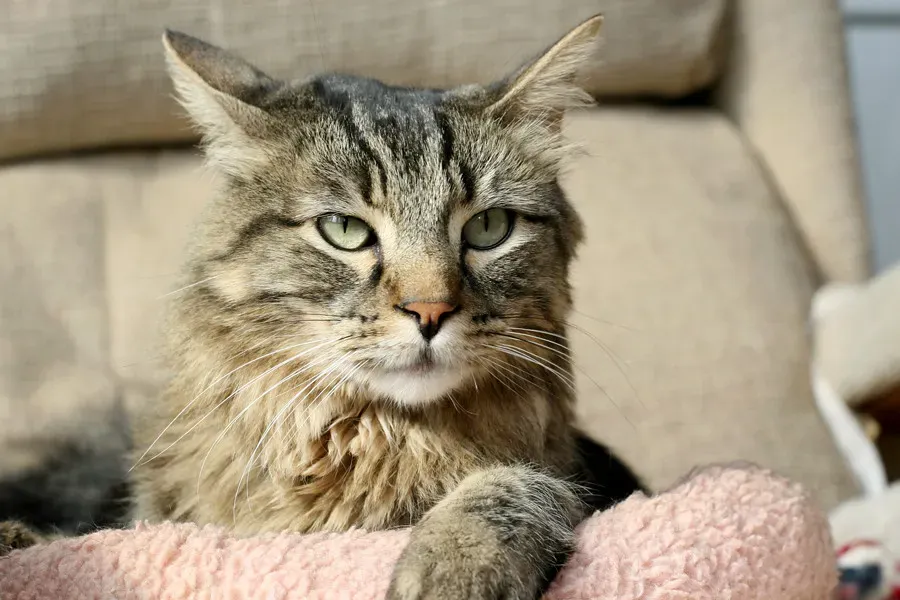
Cats spend a large part of their day napping to conserve energy and avoid being injured as a result of overexerting themselves. The purr may be a low-energy way for cats to keep their bones and tissues healthy while sedentary or at rest. It’s like an internal maintenance system running quietly in the background, keeping everything in working order.
This is supported by the fact that broken felid bones take significantly less time to heal than broken dog bones, and low frequency vibrations in the range of cat purrs are used to heal complex fractures in humans. Being multi-frequency, the cat’s purr accelerates the healing of bones, reduces pain, and relaxes muscles. The benefits your cat enjoys from its own purr may be quietly extending to every person it shares a sofa with.
Conclusion
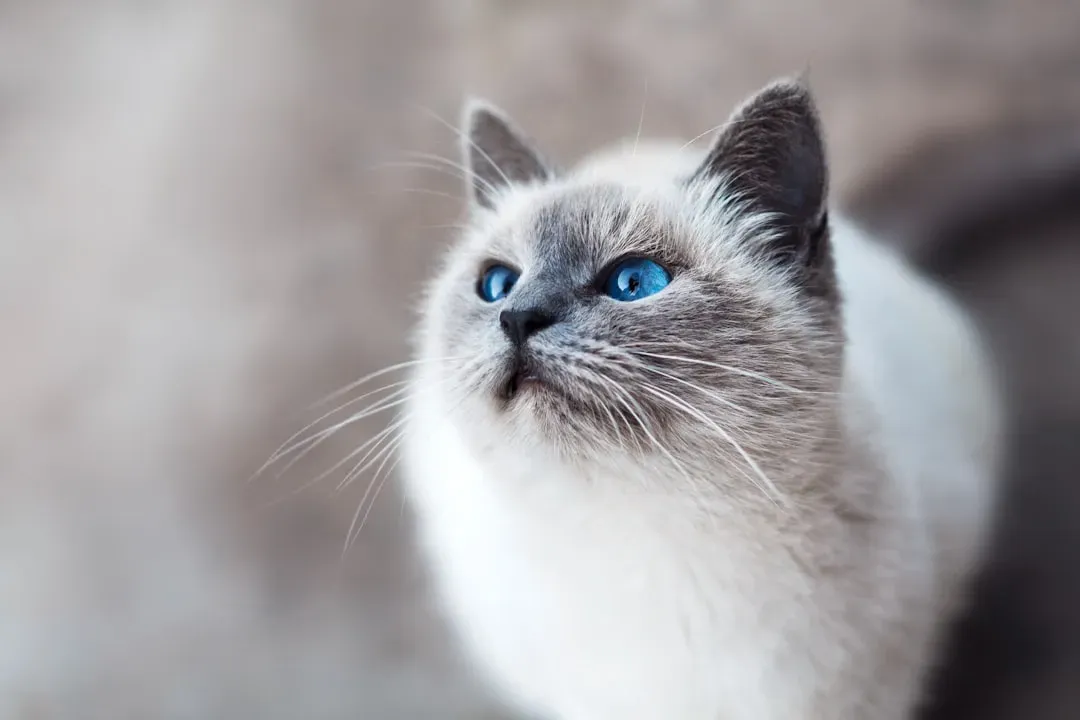
There is something quietly profound about realizing that a sound you’ve always associated with lazy Sunday afternoons and warm blankets might carry within it genuine therapeutic power. Your cat was never just purring to tell you it was happy. It was running its internal engine, maintaining its own body, and perhaps, without ever intending to, offering you a dose of something deeply restorative along the way.
Science still has more ground to cover here. Controlled human trials are limited, and not every researcher is fully convinced. Yet the frequency data is hard to argue with, and the number of studies pointing in the same direction keeps growing. It is more plausible that cat purring is a means of communication and a potential source of self-healing. So the next time your cat climbs onto your chest, closes its eyes, and starts that familiar rumble, maybe don’t just smile and scroll your phone. Pay attention. Something extraordinary might be happening.
What do you think? Is your cat secretly your best therapist? Tell us in the comments.