Most people assume their cat is just being weird. The sudden sprint across the living room at 2 a.m., the slow stare from across the room, the deliberate nudge that sends your glass off the table – these feel random, even a little chaotic. In reality, they’re not random at all.
Cats have developed a rich, layered system of communication over thousands of years, one that relies on sound, scent, posture, and even the position of a single ear. While feline behaviors often seem random, there’s frequently a deeper meaning behind the antics – and since cats communicate differently than people do, their “talk” tends to happen through body language rather than words. Once you start learning to read those signals, your relationship with your cat changes completely.
The Slow Blink: Your Cat’s Version of “I Love You”
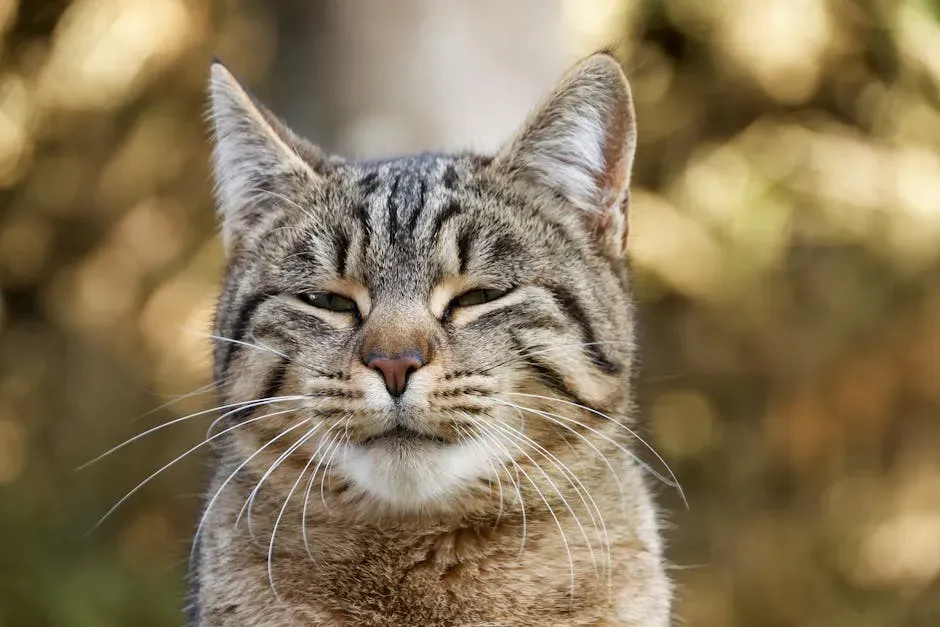
You’ve probably noticed your cat gazing at you from across the room and then slowly closing their eyes. It looks like drowsiness. It isn’t. A study published in 2020 confirmed that slow blinking plays a key role in feline communication. When cats feel relaxed and content, they naturally narrow their eyes and blink slowly – a facial expression that closely resembles the soft squint humans make when smiling. In other words, it’s a cat’s way of expressing friendliness and trust, a kind of silent “hello.”
To validate this, researchers conducted two separate experiments. The first involved 21 cats and their owners in a familiar home environment, and results showed that cats were significantly more likely to return a slow blink when their owners initiated it. You can actually speak back in the same language. When cats look directly at you and slowly close and open their eyes, the message translates roughly to “I love and trust you.” Looking at your cat and slowly blinking sends a message of affection and peaceful intentions, and many cats will respond with slow blinks in return, creating a kind of “conversation” through eye contact.
The Meow Is Almost Exclusively for You
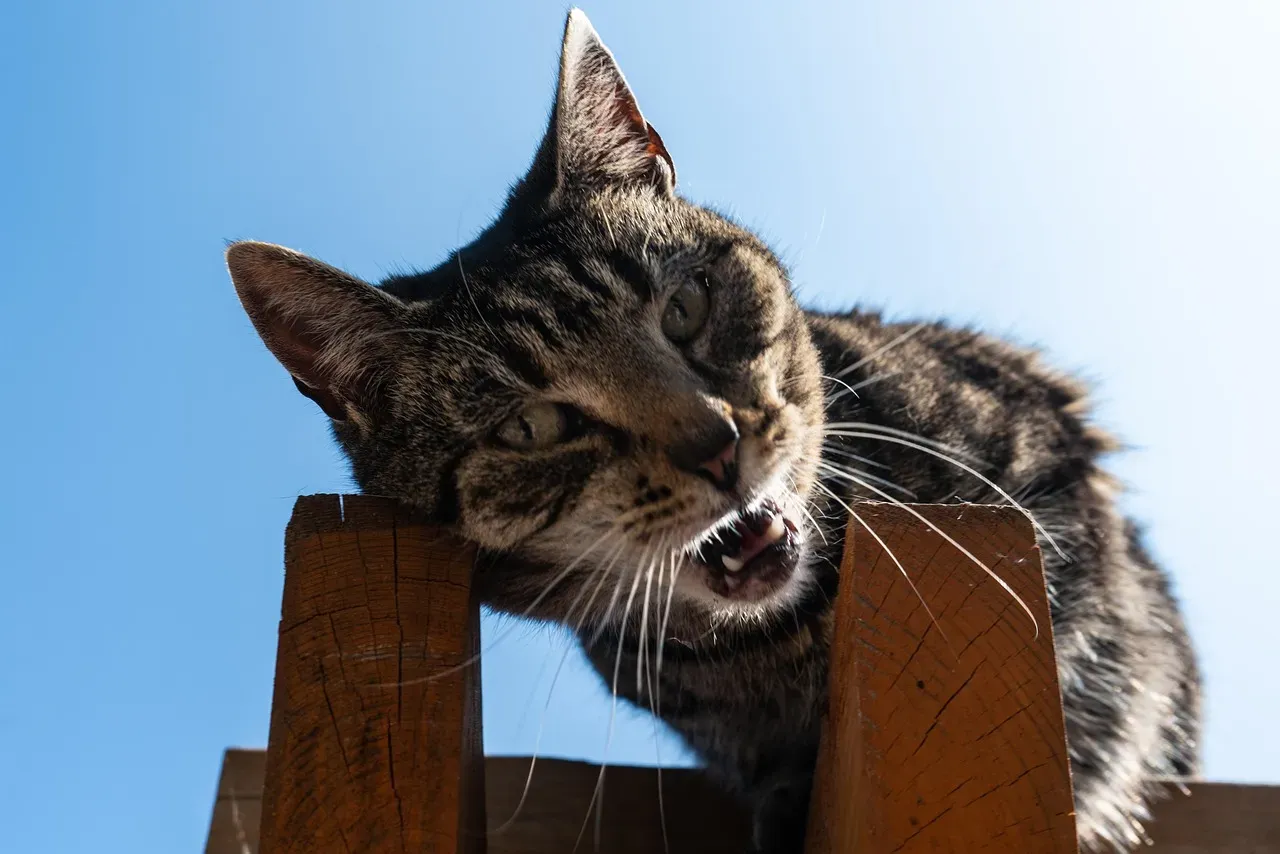
Here’s something that surprises most cat owners: adult cats don’t really meow at each other. Scientists have identified more than a dozen different meows that cats make, each with its own meaning. In general, kittens use meows to communicate with their mothers, but grown cats employ them solely to communicate with humans. Cats use hisses, growls, squeals, and other sounds to talk to each other.
Your cat, in a very real sense, developed its meow vocabulary specifically for you. More perceptive owners can probably tell a cat’s “I’m hungry” meow from its “I’m bored,” or discern “I’m hurt” from “I’m scared.” That means the more attention you pay to your cat’s vocalizations, the more fluent you become in a language your cat has essentially customized just for your household. It’s a one-on-one dialect, and that’s genuinely remarkable.
Kneading Is a Deep Emotional Signal, Not Just a Weird Habit
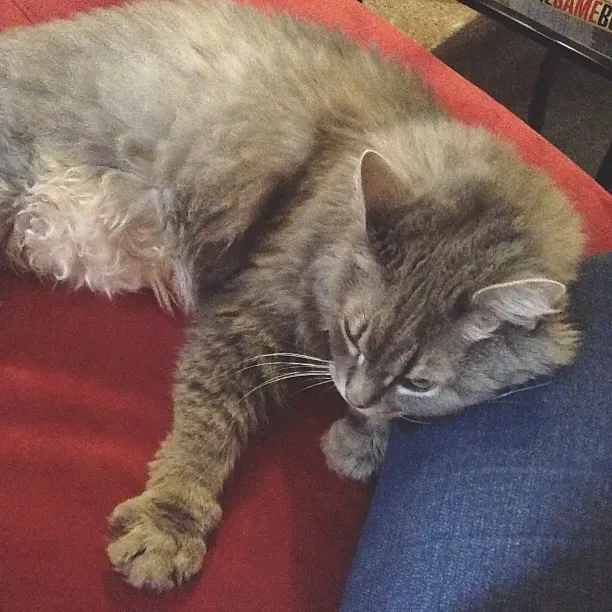
Kneading – often called “making biscuits” – is the rhythmic motion cats make by pushing their paws into a soft surface, alternating between left and right paws. This behavior is commonly observed when a cat is relaxed. Kneading originates from kittenhood, when kittens press their paws against their mother’s belly to stimulate milk flow, and this comforting behavior often persists into adulthood, associated with feelings of security and contentment.
There’s also chemistry involved. The action of kneading in cats causes the release of the pain-relieving, feel-good chemical dopamine in the brain. On top of that, cats have scent glands in their paw pads, and kneading can deposit these scents onto surfaces, marking their territory in a subtle, instinctive way. So when your cat kneads on your lap, they’re simultaneously comforting themselves, claiming you, and telling the world you belong to them. That’s layered communication in every single press of the paw.
Head Bunting: You’ve Been Claimed as Family
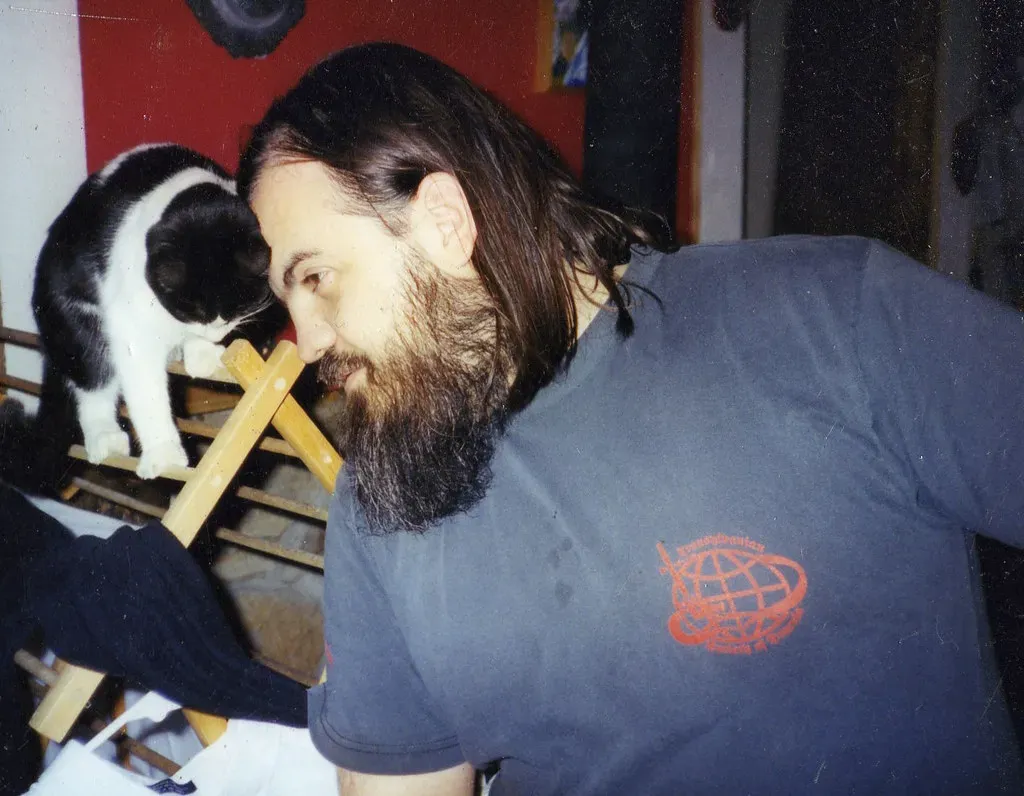
When your cat walks up and presses their forehead against yours, or rubs their cheek slowly along your face, it might look like simple affection. It goes deeper than that. Head bunting is a way cats mark their feline friends and family. It’s a stronger marker than leaving urine on objects to claim territory – instead of territory, they are claiming familial relationships.
Cats have scent glands all over their body, including their face. These glands excrete pheromones that carry their unique scent. One of the reasons cats head bunt is to share their scent and mark you as one of their feline family. When your cat does this, they’re not just being cute. They’re performing an act of social bonding that carries real meaning in cat society. Either way, it’s a recognized gesture that shows you are an accepted member of the feline family.
Tail Movements Are a Running Emotional Commentary
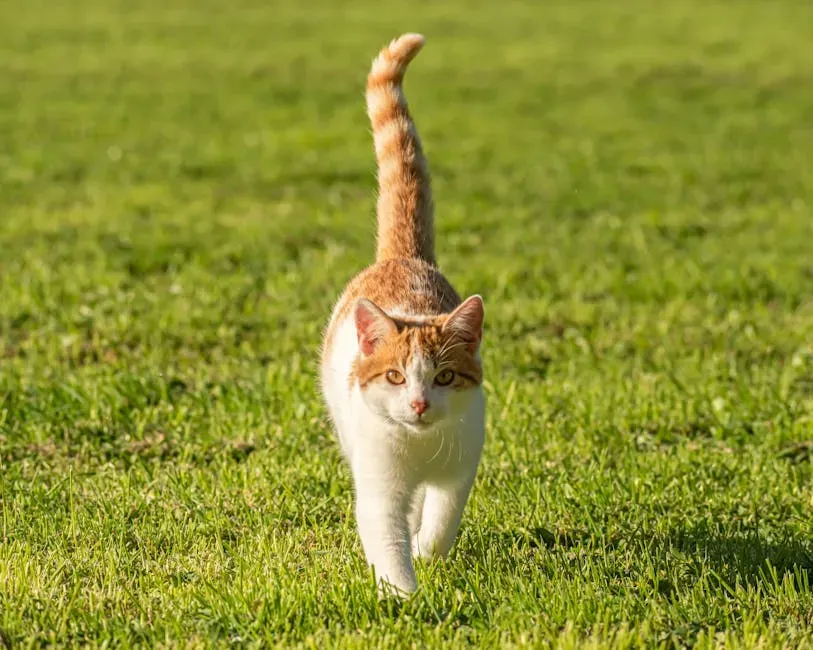
Your cat’s tail is essentially a mood barometer, and it’s broadcasting information constantly. Your cat’s tail serves as a means of communication, conveying a wide range of emotions. A relaxed, gently swaying tail indicates contentment and relaxation, while an upright, puffed-up tail signifies aggression or fear. A flicking or twitching tail may indicate excitement or anticipation.
Context matters enormously, though. The same tail position can signal completely different emotions depending on the situation. A high, vertical tail usually means happiness and confidence – but if another cat approaches while your cat displays this posture, the high tail might indicate territorial assertion or potential aggression. Each cat has unique tail movements and carriage when relaxed, so observing what’s normal for your specific feline is essential. What might indicate relaxation in one cat could signal increasing arousal and discomfort in another. You really do need to know your individual cat to read the full story.
That Strange Chattering at Birds Is Pure Instinct Surfacing
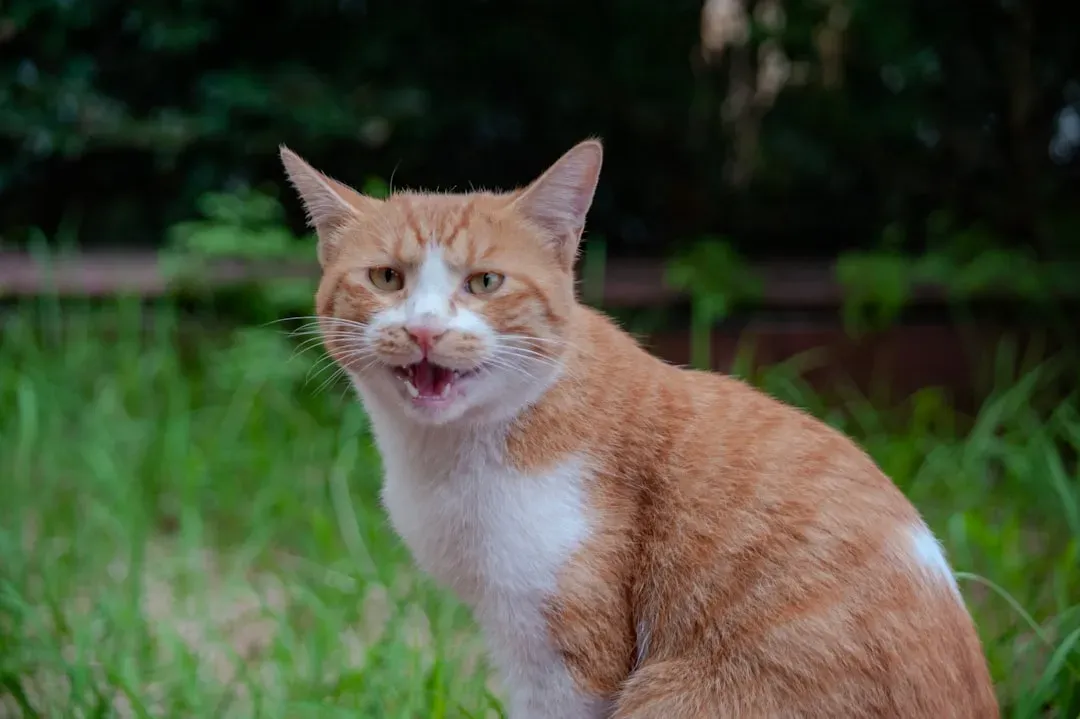
You know the scene: your cat spots a bird through the window, body locked, eyes fixed, and suddenly begins producing a rapid, stuttering clicking sound from their jaw. The leading theory, supported by field researchers studying wild felids in the Amazon, is that this chattering mimics the “kill bite” – a rapid, precise neck bite cats use to dispatch prey. The behavior appears to be an involuntary motor response triggered by predatory arousal when prey is visible but completely unreachable.
Chattering can signal different feelings in cats, including excitement, frustration, or even joy during play. It isn’t one-dimensional. When cats chatter while watching prey, it can serve as a form of communication with their human companions. They might be trying to share their excitement with you or express their desire to hunt. If your cat turns from the window and chatters directly at you, they may very well be narrating the situation – and expecting you to understand.
The Zoomies Are a Communication About Unmet Needs
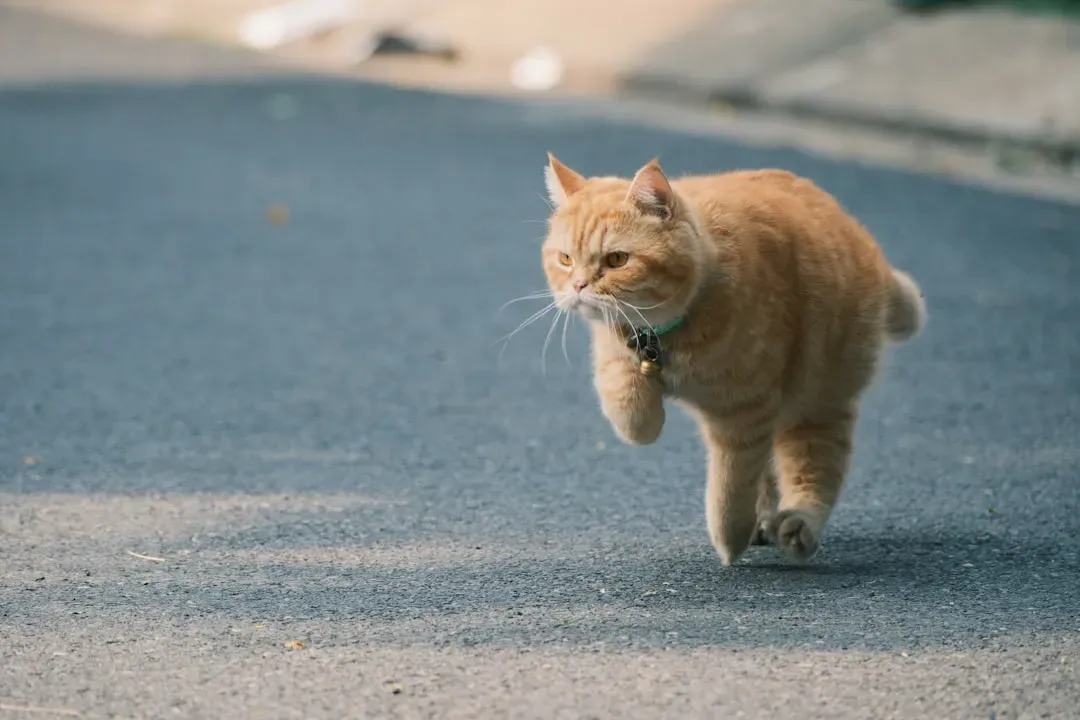
Those sudden sprints through the hallway at full speed, usually at an inconvenient hour, have a name and a logical explanation. Frenetic Random Activity Periods, or “zoomies,” are a normal outlet for accumulated energy, especially in indoor cats. If it happens frequently, it is a signal your cat needs more structured daily playtime. It’s not chaos – it’s feedback.
Cats are naturally crepuscular, meaning they are most active during dawn and dusk. The zoomies are simply a way for them to burn off excess energy. This behavior is inherited from their wild ancestors, who hunted during twilight hours. As a result, domestic cats retain this instinctual activity pattern, often resulting in bursts of energy at night. In other words, your cat is not trying to disrupt your sleep. They’re running on evolutionary software that predates your apartment by thousands of years.
Knocking Things Off Tables Is Not Pure Mischief
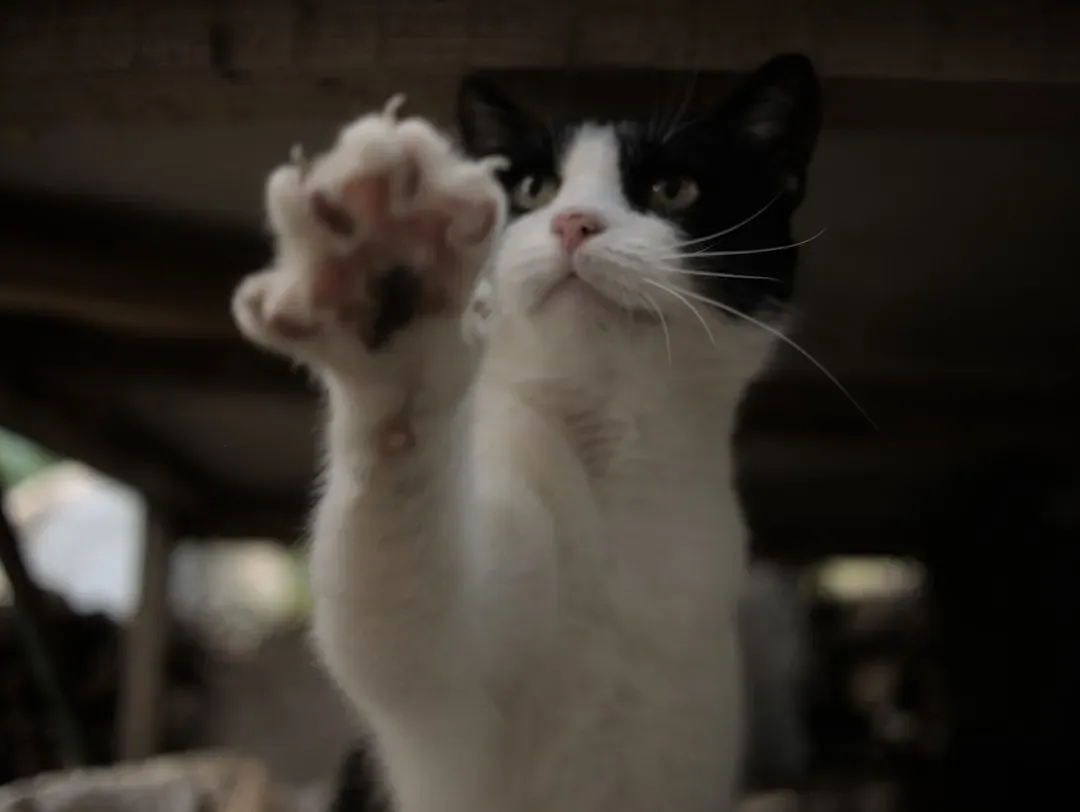
Few behaviors frustrate cat owners more than watching their cat make calculated eye contact, reach out one paw, and send a coffee mug sailing off the counter. It feels personal. Your cat isn’t just knocking things over – they’re practicing their hunting skills. The swift “bat” of a paw mimics how they would disable prey in the wild. This behavior is part of the natural sequence: stalk, pounce, bat, and “kill.” Even though your keys aren’t a mouse, the movement triggers the same instinctual response.
There’s a social dimension too. Cats are brilliant observers of cause and effect. They quickly learn that knocking something off a table reliably gets your attention. Whether you yell, chase them, or pick up the object, they see this as interaction. So when you respond – even with frustration – you’ve just confirmed that the tactic works. Cats can knock things off surfaces for many reasons, including boredom, playfulness, and attention-seeking. Making a mental note of the situations where your cat acts this way can help you figure out what they might really need.
Ear Position and Whiskers Are a Constant Emotional Broadcast
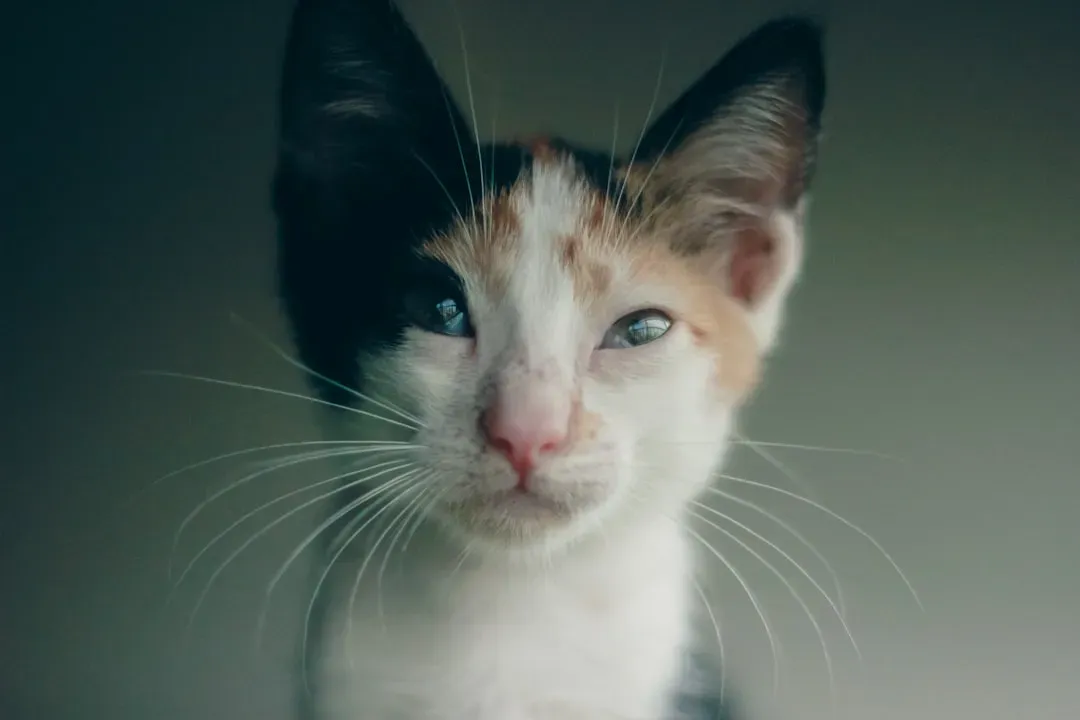
Your cat’s ears and whiskers are in near-constant motion, and they’re communicating the entire time. Cats have highly expressive ears that can provide valuable insights into their mood and intentions. When a cat’s ears are pointed forward, it usually indicates attentiveness and curiosity – they may be focused on something in the environment or preparing to pounce. Flattened or backward ears, on the other hand, can be a sign of fear, aggression, or discomfort.
When tense or highly alert, the whiskers will be fanned out and pointing forward in front of the face. When relaxed, a cat’s whiskers point directly out and are less spread out. A frightened or nervous cat may flatten their whiskers against the side of their face and bunch them together. Ears and whiskers together give you a near-complete read on what your cat is feeling in real time. With their posture, tails, ears, eyes, whiskers, and vocalizations, cats will tell you whether they’re comfortable or not. The main takeaway is that a cat’s body language should be looked at as part of one big picture – using the context of the entire situation and looking for subtle cues gives you the best chance of understanding your feline friend.
Conclusion: A Language Worth Learning
Cats haven’t been mysterious all along – we’ve simply been slow to listen. For too long, we’ve assumed we can easily interpret what cats are trying to tell us through their meows, purrs, and body language. Research reveals some sobering truths about the gaps in human-cat communication. The good news is that the gap is closeable, and the effort pays off in real ways.
When you understand the evolutionary context behind your cat’s “weird” behaviors, they stop seeming weird and start seeming like exactly what they are: a highly adapted animal doing its best to express its needs. The more fluent you become in your cat’s behavioral language, the more responsive and enriching an owner you become – and the more content, less stressed, and genuinely happier your cat will be. Every slow blink, every tail flick, every midnight sprint has something to say. The question is whether you’re paying attention.