Have you ever been sitting peacefully on your couch, maybe sipping tea or reading, when suddenly your cat transforms into a furry tornado? One second they’re calm and serene, the next they’re ricocheting off walls, scaling furniture, and sprinting from room to room like they’re possessed by some wild spirit. You’re not imagining things. That peculiar behavior has a name, and honestly, it might be one of the most fascinating aspects of cat ownership.
Scientists call them frenetic random activity periods, or FRAPs, though most of us simply know them as the zoomies. These sudden eruptions of hyperactivity mystify many cat parents, leaving them wondering if their beloved feline has lost their marbles. Yet what if these dramatic displays are actually something deeper? What if your cat’s midnight madness is less about chaos and more about an ancient, hardwired ritual to release stored energy? Let’s dive into the curious world of cat zoomies and uncover what’s really happening when your kitty goes absolutely bonkers.
Are Zoomies Just Your Cat’s Way of Burning Off Energy?
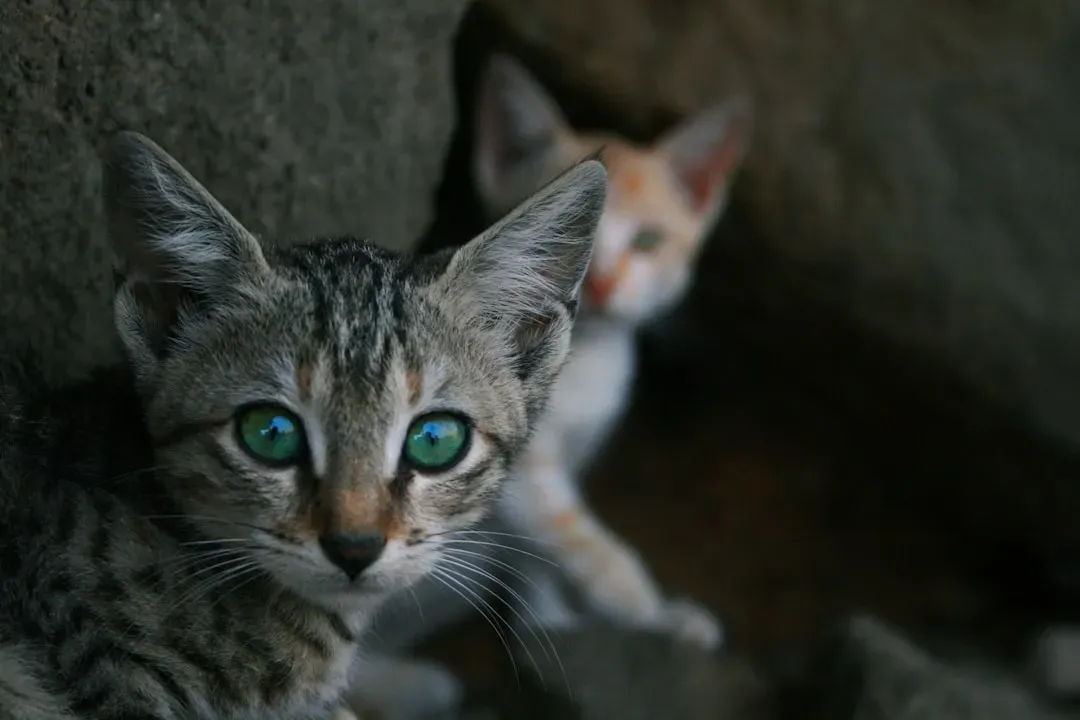
Your cat’s zoomies are likely a healthy way to release energy, especially if they’ve been lounging around all day. Think about it this way: cats can sleep anywhere between twelve to sixteen hours daily, conserving energy like little furry batteries. When they’re awake, they’re really awake.
Just like humans need to move after sitting too long, cats need to release pent-up energy, and this is especially true for indoor cats who have fewer opportunities to exercise. If your feline friend doesn’t get adequate playtime throughout the day, all that stored energy eventually reaches a breaking point. It’s like shaking a champagne bottle and then popping the cork.
Could Those Wild Eyes Mean Your Cat Is Channeling Their Inner Hunter?
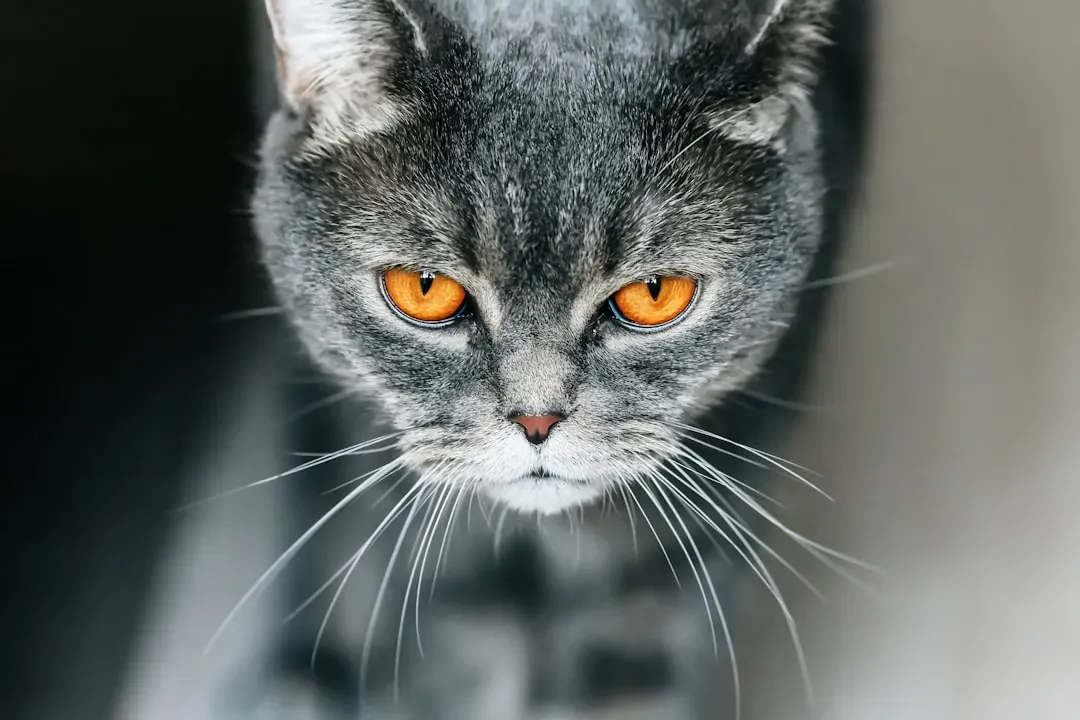
Your domesticated fluffball may lounge on your bed eating gourmet kibble, but deep down, they’re still programmed like tiny predators. Cats are predators by nature, and even if they live indoors, they still have bursts of energy hardwired into their behavior. In the wild, a cat would stalk prey, chase it, and then rest.
Zoomies may originate from cats’ natural predatory instincts, as the bursts of activity with their sudden sprints and sharp turns may represent hunting behaviors. Without real prey to chase, your cat improvises. That invisible enemy they’re batting at? That phantom creature they’re stalking across the living room? It’s their hunting software running on autopilot. Pretty wild when you think about it.
Why Does Your Cat Always Get the Zoomies at 3 AM?
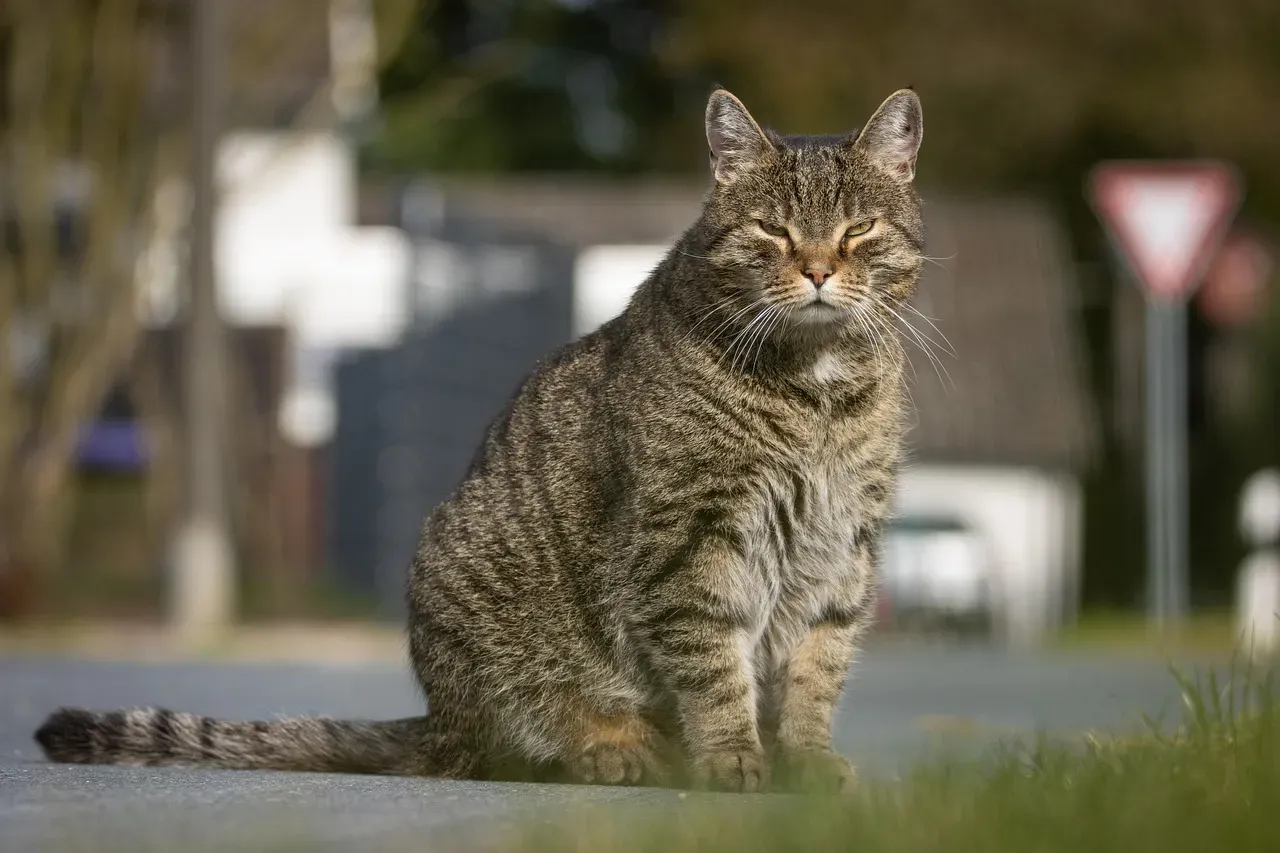
Let’s be real, if you’ve ever been jolted awake by the thundering sound of tiny paws galloping down the hallway, you’ve probably wondered what possesses your cat at such ungodly hours. Turns out, there’s actually a scientific explanation. Cats are crepuscular animals, meaning they are most active during dawn and dusk. This behavior can be traced back to their wild ancestors, who hunted during these times to take advantage of cooler temperatures and the movement of prey.
Since cats are crepuscular, it’s no surprise that many pet parents notice zoomies happening during the early morning or evening hours. So when your kitty decides to practice parkour at midnight, they’re simply following ancient biological programming. Still annoying? Absolutely. But at least there’s a reason behind the madness.
Is Your Cat Celebrating After Using the Litter Box?
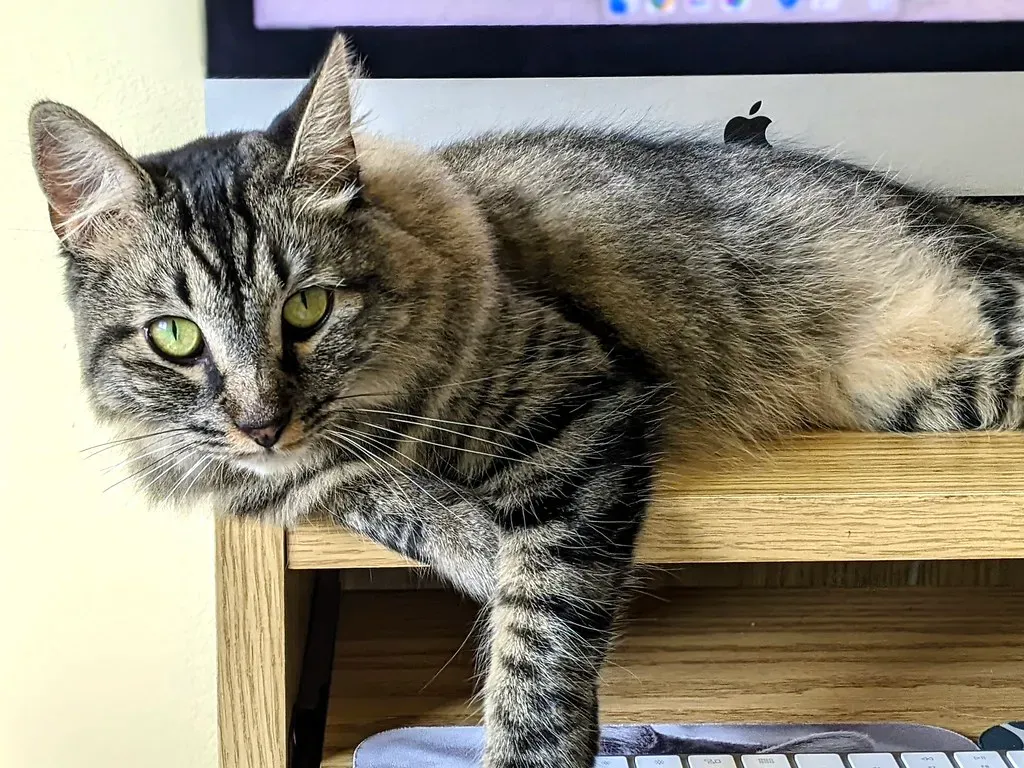
This one sounds bizarre, but hear me out. Potty time can make a kitty super antsy. While this is more common with dogs, you may notice your feline friend act fidgety before the time comes. If you see your cat suddenly scurrying around the home, make sure they have easy access to their litter box.
Cats getting a case of the zoomies after going for a poo is common. Their zoomies could be because they want to get away from the scent that may attract predators. It could be due to the drop in heart rate and blood pressure that occurs when a cat goes for a poo, which causes a euphoric feeling. Honestly, who among us hasn’t felt relief after a successful bathroom trip? Your cat’s just expressing it more… dramatically.
Are Zoomies Actually Good for Your Cat’s Health?
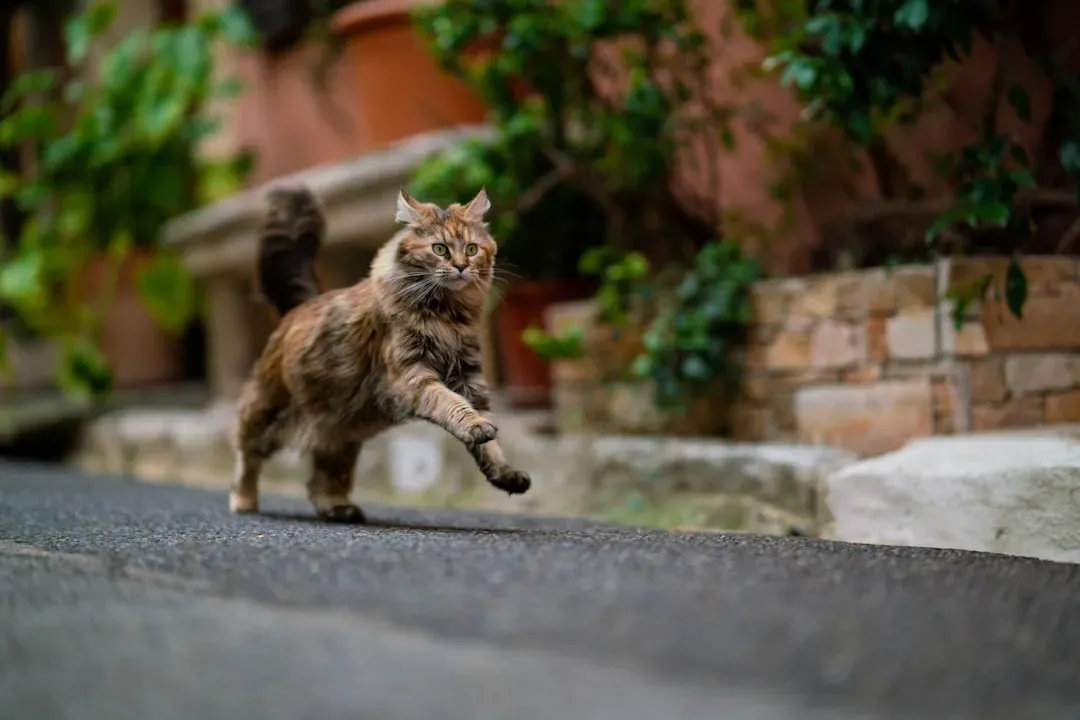
Here’s where things get interesting. FRAPs may release endorphins, causing a pleasurable or euphoric response. From a physical standpoint, these bursts of activity can strengthen muscles, boost cardiovascular health, and support overall well-being. So those frantic sprints aren’t just entertainment for you – they’re actually beneficial exercise.
Think of zoomies as your cat’s built-in workout routine. They’re doing interval training without even knowing it. The sudden acceleration gets their heart pumping, works various muscle groups, and provides mental stimulation all at once. It’s actually pretty efficient when you consider they accomplish this in roughly thirty seconds to a minute.
When Should You Worry About Your Cat’s Zoomies?
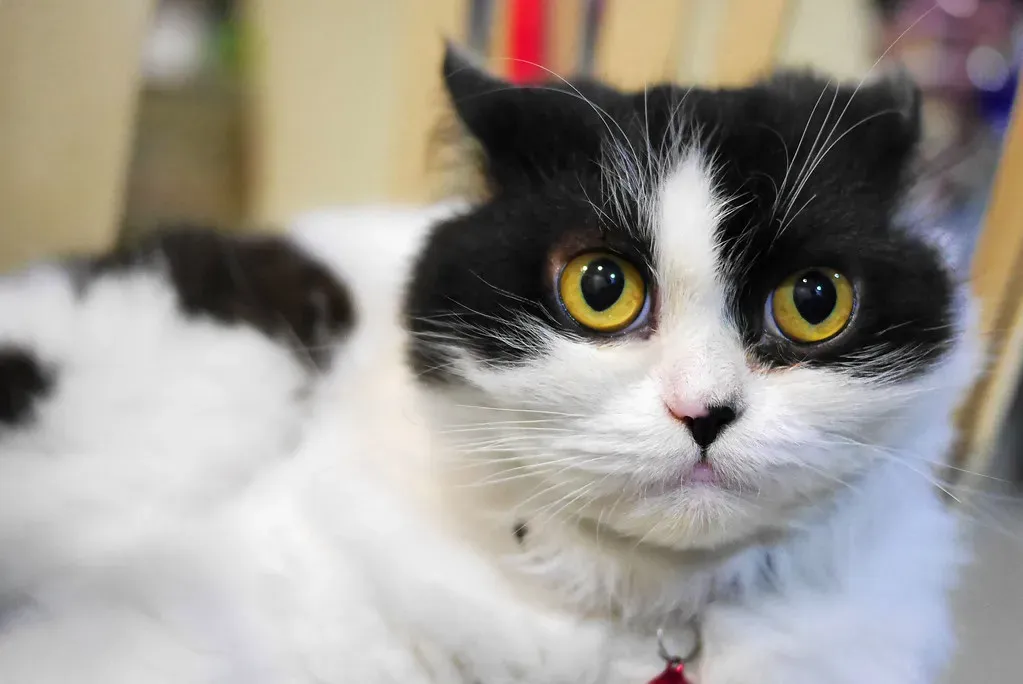
Most of the time, zoomies are completely harmless and even endearing. However, there are moments when this behavior might signal something’s off. Anxiety or distress can trigger zoomie-like behavior, though these episodes typically look different from playful ones. Anxious cats often appear uncoordinated or frantic during these moments.
Sudden changes in zoomie behavior might signal underlying health conditions like hyperthyroidism or mobility problems. If your older cat who never zoomed suddenly starts racing around constantly, or if your normally zoomy youngster stops entirely, that’s worth mentioning to your vet. Also watch for signs of distress like excessive vocalization or hiding afterward.
Can You Predict When Zoomies Will Strike?
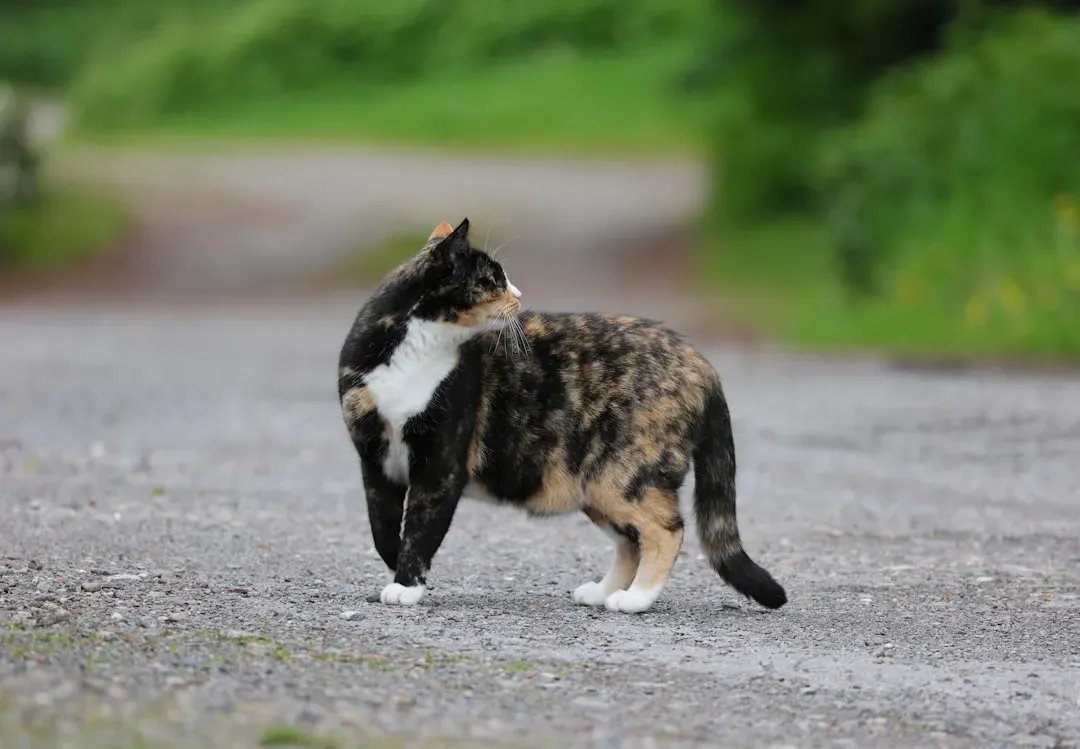
While zoomies often seem random, you might notice patterns if you pay attention. Cats often get the zoomies after a long snooze. That post-nap energy burst makes total sense – they’ve been stationary for hours and suddenly need to move.
Your cat may have a zoomie session before mealtimes or just after finishing a meal. This is due to them getting excited in anticipation of food. Some cats also zoom when their favorite human comes home from work, channeling their excitement into physical activity. Once you identify your cat’s triggers, you can almost set your watch by their wild episodes. Almost.
Do All Cats Experience Zoomies the Same Way?
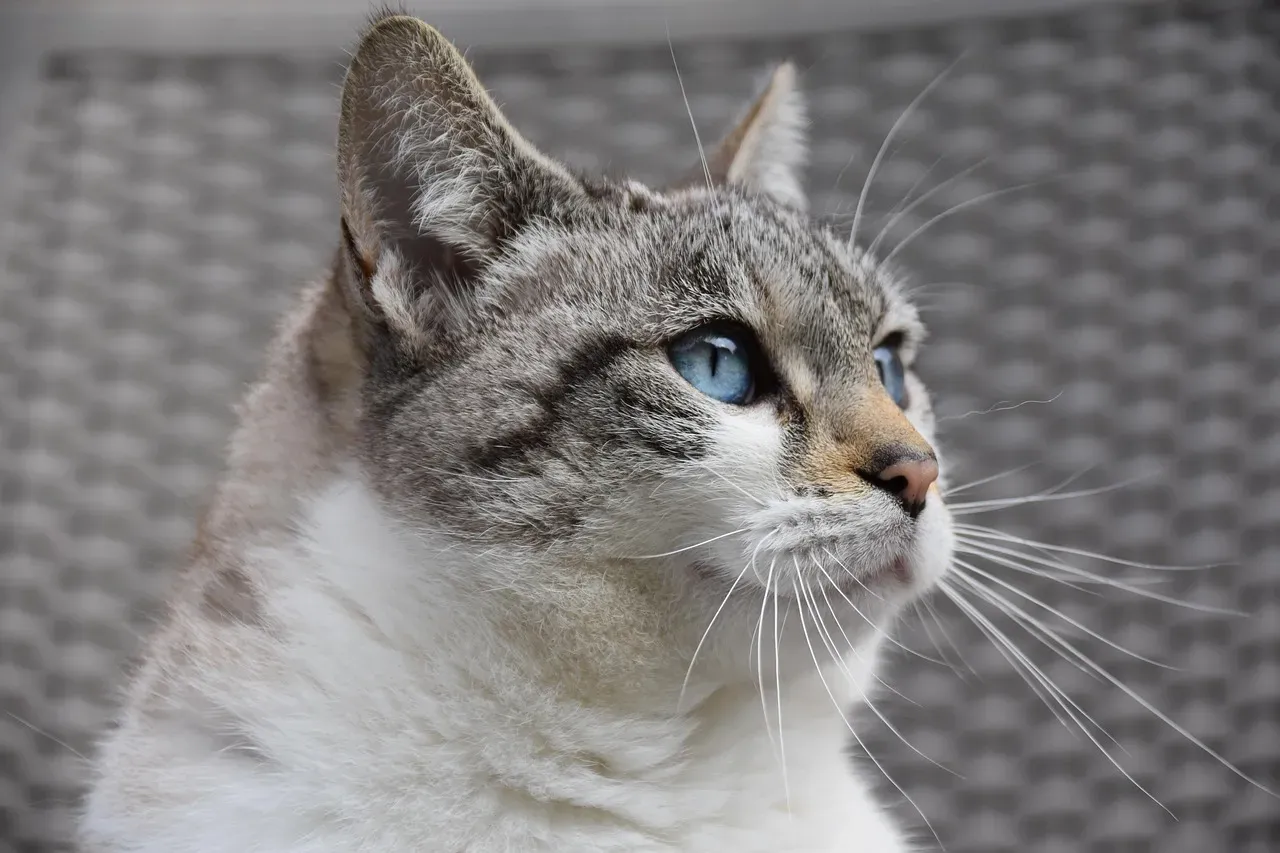
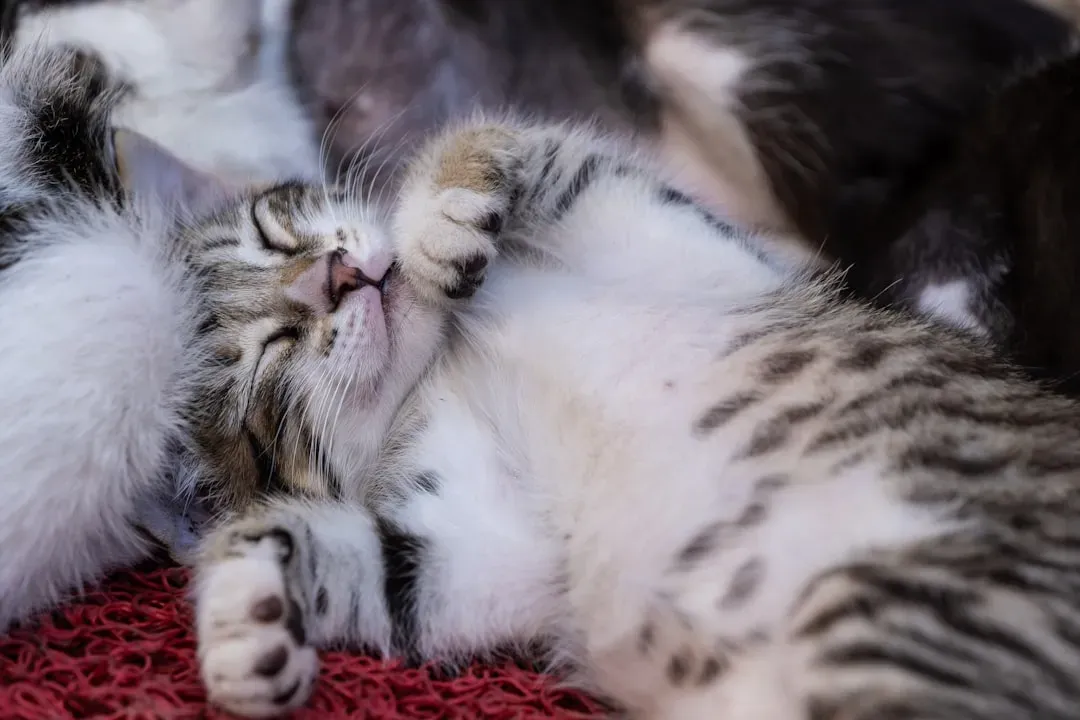
Not exactly. Cats of all ages can experience zoomies from pent-up energy, but the behavior may be more common in younger cats and kittens who have more energy to expend. Kittens are basically tiny chaos machines with seemingly endless batteries. Their zoomies tend to be more frequent and intense.
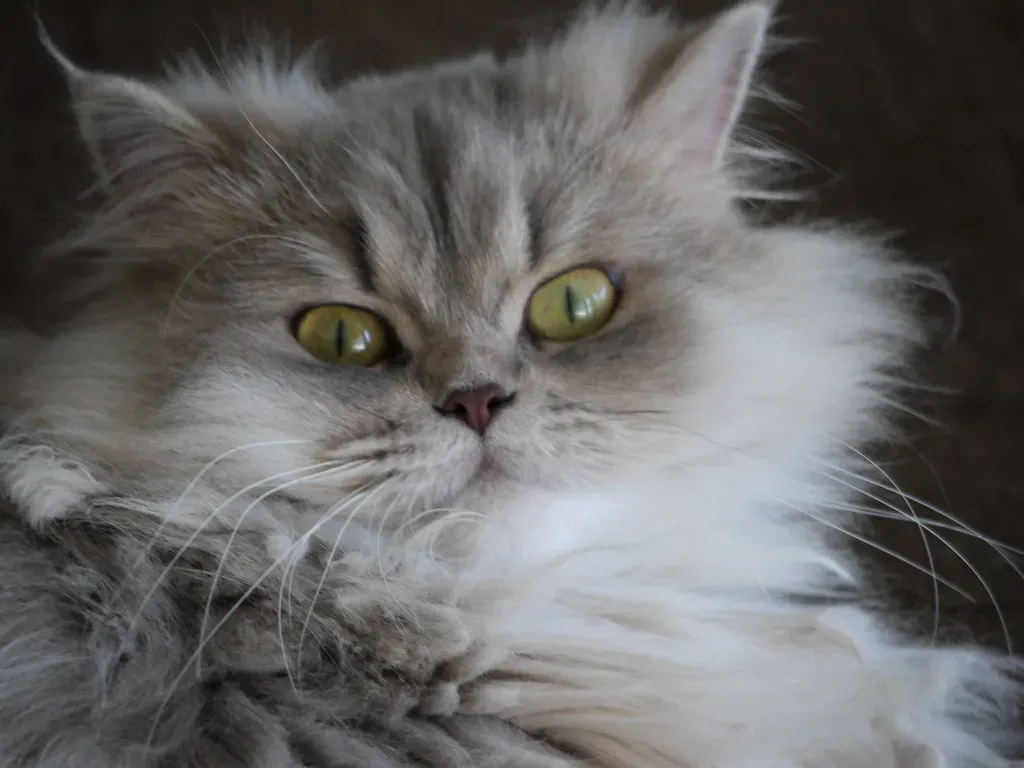
Even as cats enter their senior years, they may still experience zoomies, though typically less often due to age-related changes like decreased muscle mass and arthritis. So if your elderly cat suddenly starts zooming after receiving new pain medication, it could actually be a positive sign they’re feeling better. Different breeds also vary – some naturally energetic breeds like Bengals or Abyssinians might zoom more frequently than mellow Persians.
Can You Help Manage Your Cat’s Zoomies?
While you shouldn’t try to eliminate zoomies entirely – they’re natural and healthy – you can help channel that energy more productively. Make sure to engage your feline with exercise throughout the day. This allows them to use that pent-up energy without knocking over vases and turning up rugs. Plus, you’ll bond with your kitty over playtime and enrichment activities.
Aim to engage in at least two 15-minute interactive play sessions per day. It’s also important to provide mental exercise and satisfaction so don’t just exhaust the cat, but instead, play in a way that allows kitty to stalk and plan. Use wand toys, feather teasers, or even treat-dispensing puzzles to simulate hunting behavior. Tired cats are generally calmer cats.
Are Zoomies Actually a Form of Communication?
This might sound odd, but your cat’s zoomies could be their way of telling you something. Maybe they’re bored and need more stimulation. Perhaps they’re inviting you to play. Watching your cat bound aimlessly throughout the house might just be their way of trying to tell you that they want to play.
Sometimes zoomies happen because your cat is genuinely happy and excited. Sometimes zoomies are a result of your cat feeling extra happy or excited. It’s their version of doing a happy dance. When you think about it that way, those midnight sprints become less annoying and more endearing. Your cat is literally so full of joy they can’t contain themselves.
What Does the Future Hold for Understanding Zoomies?
While there’s no definitive research on why it happens, understanding possible motivations can help you support your cat’s well-being. The scientific community continues studying feline behavior, and we’re learning more about these fascinating creatures every day. What we do know is that zoomies occur across many species – dogs, rabbits, even elephants experience similar bursts.
Overall, zoomies are a healthy and often entertaining phenomenon that comes with being a cat parent. As long as your cat shows normal, playful behavior during these sessions, you can relax and enjoy the show. Maybe the real secret isn’t that zoomies are some mysterious ritual, but rather that they’re a beautiful reminder that even the most domesticated cats remain connected to their wild roots.
So the next time your cat launches themselves off the sofa at breakneck speed, perhaps smile instead of sighing. They’re not broken or crazy – they’re just being magnificently, authentically feline. What do you think happens during your cat’s zoomies? Have you noticed any patterns or triggers unique to your furry friend?