Picture this. You’re curled up on the couch, totally relaxed, maybe halfway through a show – and then it happens. Your cat erupts into full chaos mode, sprinting from the hallway to the bedroom, ricocheting off the sofa, eyes wide open like little black planets. You didn’t do anything. Nothing changed. So what on earth just happened?
Most people assume the worst. Mischief, madness, maybe a little cat-brand trolling aimed directly at you. Honestly, though, the real story behind your cat’s wild sprinting episodes is far more fascinating, and a whole lot more joyful, than you might expect. Get ready to see your cat in a completely different light. Let’s dive in.
The Science Behind the Sprint: What Are Zoomies, Really?
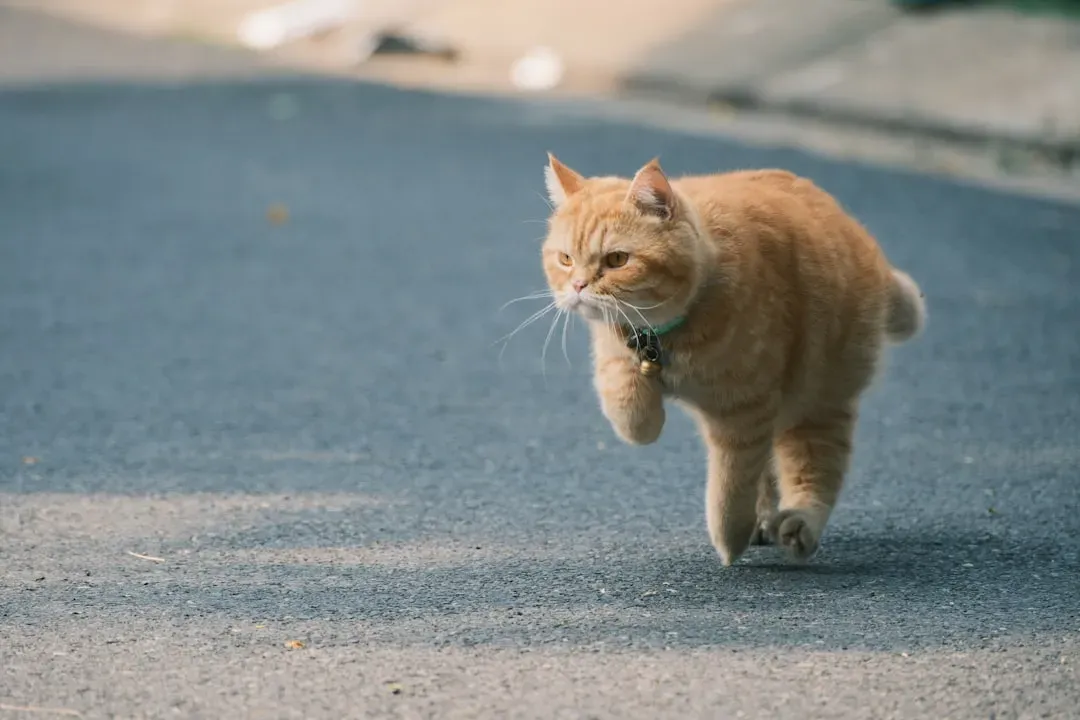
While “zoomies” is the commonly used term among pet owners, the technical name for these episodes is “Frenetic Random Activity Periods,” or FRAPs. It sounds like something a physicist would study, and honestly? It kind of is. Your cat isn’t just running wild – it’s acting out a deeply programmed biological response.
Zoomies are short, intense bursts of energy characterized by erratic movements such as running in circles, darting from room to room, or leaping onto furniture. These episodes are typically brief, lasting from a few seconds to a few minutes, and are more common in younger animals. Think of it like a kettle that’s been sitting on a low boil all day, and then suddenly – whoooosh.
Some ethologists suggest FRAPs express excitement, joy, or a positive arousal state, for instance after greeting an owner or successful play. Marc Bekoff, among others, interprets many such episodes as play-related and pleasurable. So yes, science is essentially telling you your cat is doing a happy dance. Just a really, really fast one.
Your Cat Is Not Misbehaving – You’re Watching Pure Instinct in Action
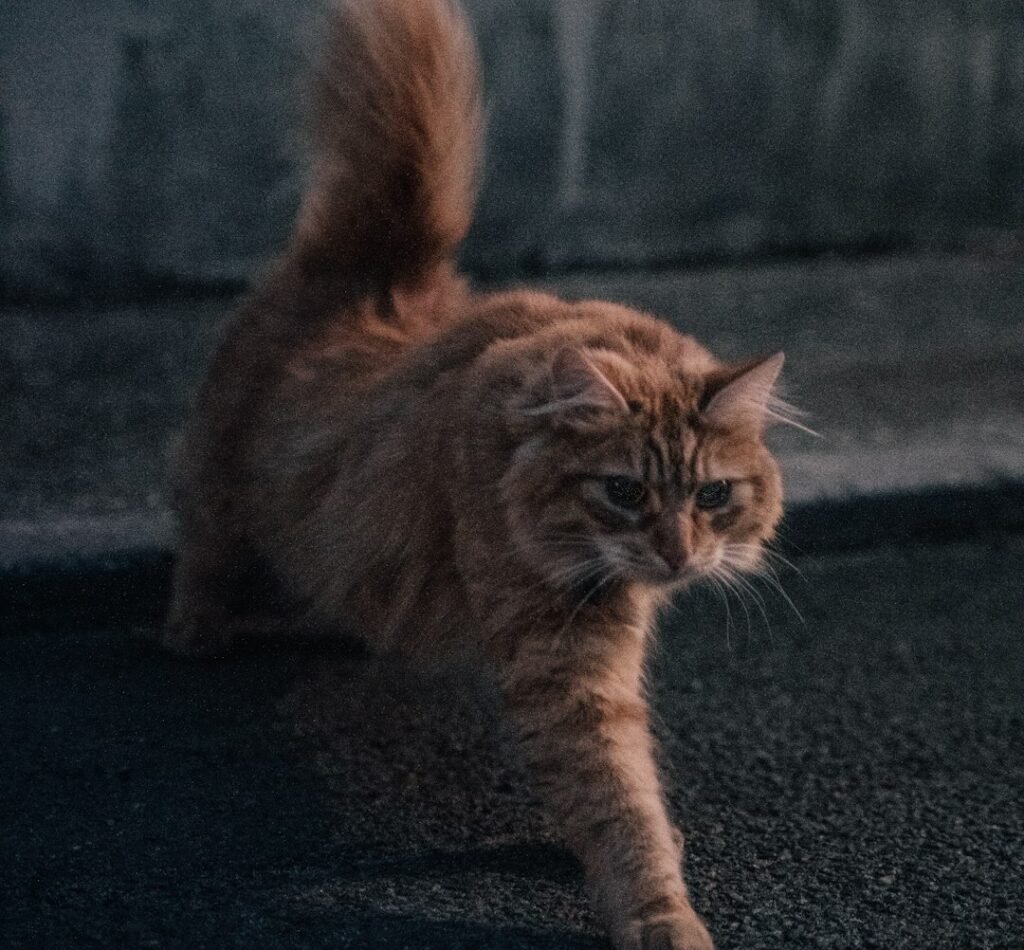
Here’s the thing: when your cat goes full tornado mode, it almost never has anything to do with mischief or spite. Zoomies are rooted in feline instincts. Cats are predators by nature, and even if they live indoors, they still have bursts of energy hardwired into their behavior. In the wild, a cat would stalk prey, chase it, and then rest. Indoor cats still feel these natural urges, and without hunting opportunities, they sometimes release pent-up energy in a sudden, high-speed dash around the house.
Think of it this way: your living room is basically a savanna with better lighting and a couch. Cats are natural hunters, and zoomies are a way for them to stimulate their predatory drive and the thrill of the hunt. During zoomies, you will often notice behaviors such as pouncing, darting, and chasing imaginary prey. The prey just happens to be invisible. And your ankles, occasionally.
The Endorphin Rush: When Zoomies Are Basically Your Cat Getting High on Joy
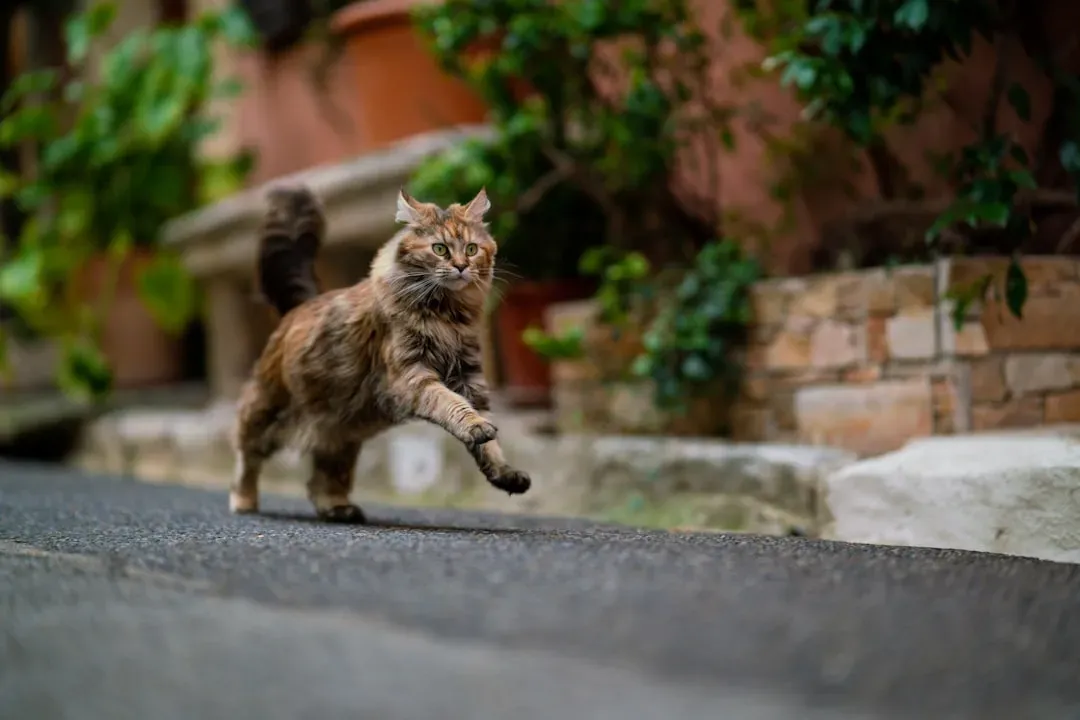
This is the part that genuinely surprised me when I first learned about it. Just like humans need to move after sitting too long, cats need to release pent-up energy – and zoomies provide the perfect outlet. This is especially true for indoor cats who have fewer opportunities to exercise. These high-speed sessions aren’t just fun – they benefit your cat’s health.
FRAPs may release endorphins, causing a pleasurable or euphoric response. In other words, your cat running full speed into the hallway is kind of like a runner’s high – just compressed into about 45 chaotic seconds. These episodes are a way for pets to release pent-up energy, celebrate moments of joy, and engage with their primal instincts. Pure, unfiltered, four-legged bliss. Who could blame them, really?
Why Timing Matters: The Dawn, Dusk, and Post-Litter Box Connection
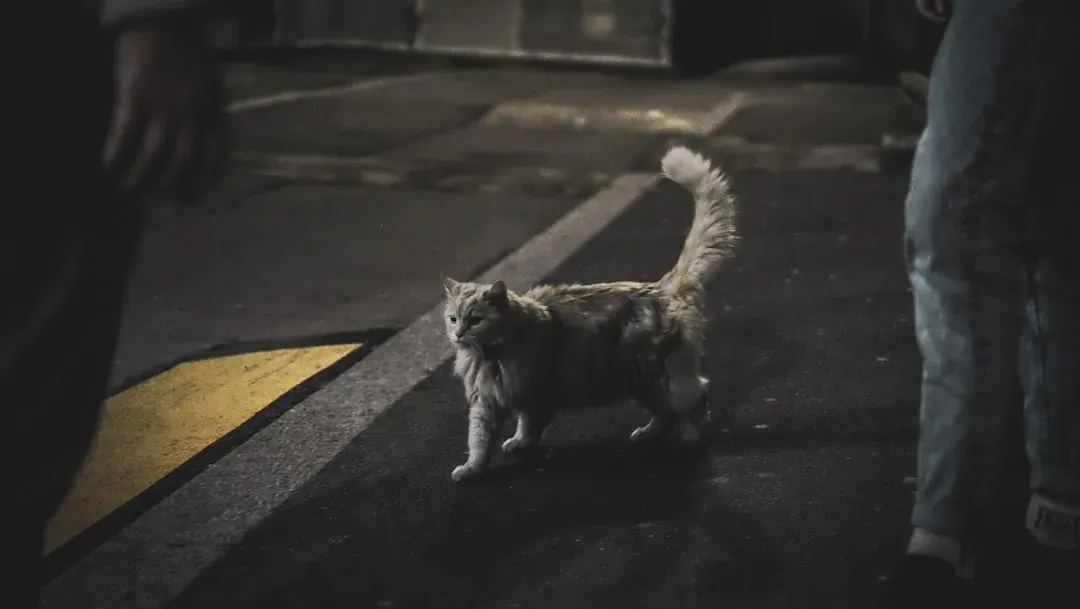
You’ve probably noticed your cat doesn’t just zoom randomly throughout the entire day. There’s a pattern, even if it doesn’t feel like it at 3 a.m. when you’re being woken up by the sound of something galloping across your hardwood floors. Contrary to popular belief, cats are not nocturnal but are crepuscular. This means they are naturally most active at dawn and dusk due to their biological need to take advantage of cooler times of day in order to more effectively hunt. This is why cats so often exhibit FRAP late at night, even if their owners are tucked away in bed.
Then there’s the post-litter-box zoom, which is perhaps the most puzzling variation of all. If you’ve ever wondered why your cat gets zoomies after scratching in the litter box, it could simply be because they feel good. Defecating stimulates the vagus nerve, which can lead to a feeling of release and relief. Depending on the cat’s personality, that might lead to excitement and zoomies. Yes. Your cat is literally celebrating a successful bathroom trip. It’s oddly relatable, if you think about it.
Age and Personality Play a Huge Role – Not Every Cat Zooms the Same Way
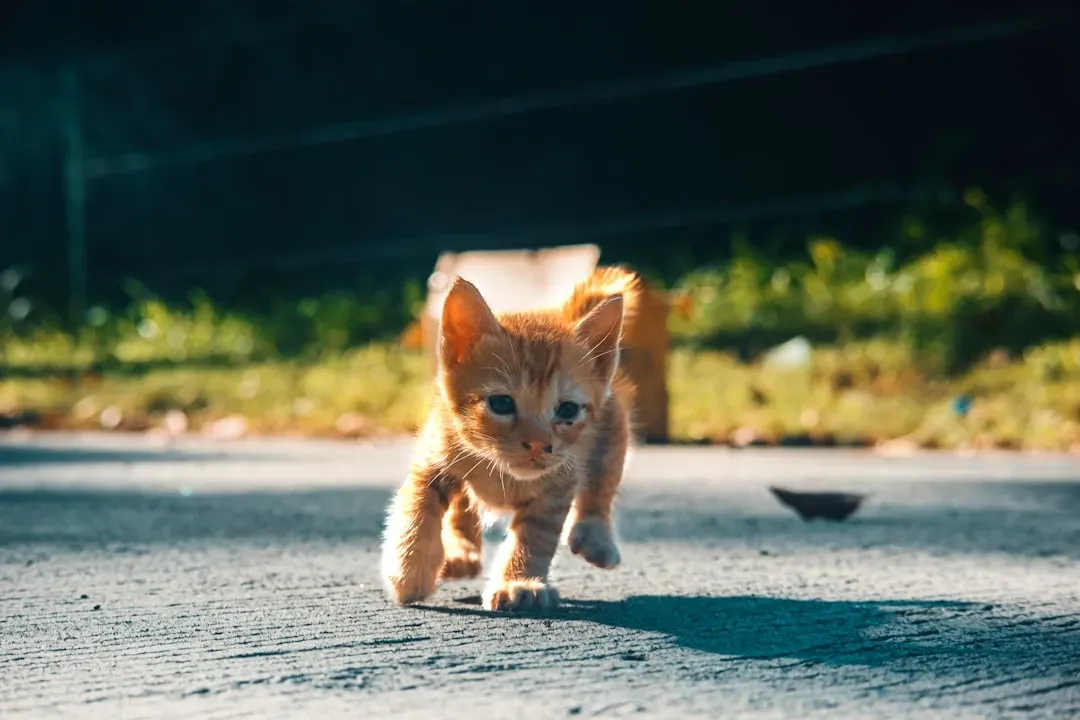
Not all cats are equal-opportunity zoomers. Kittens are basically the Formula 1 drivers of the cat world, and for good reason. Young cats, especially kittens, tend to have frequent and intense zoomies due to their high energy levels and rapid growth. These bursts of activity help practice essential skills like agility, coordination, and motor control. Even as cats enter their senior years, they may still experience zoomies, though typically less often due to age-related changes like decreased muscle mass and arthritis.
Certain breeds are especially prone, such as Bengal cats, whose zoomies can be a particularly entertaining experience for owners. Meanwhile, personality counts for everything. Some cats get excitation zoomies from a predatory aspect and often like to express their zoomies using a toy they can chase: a wand with feathers at the end or even a laser they can hunt. Honestly, one cat’s gentle trot is another cat’s full-on house demolition sprint.
When Zoomies Could Be Telling You Something Else Entirely
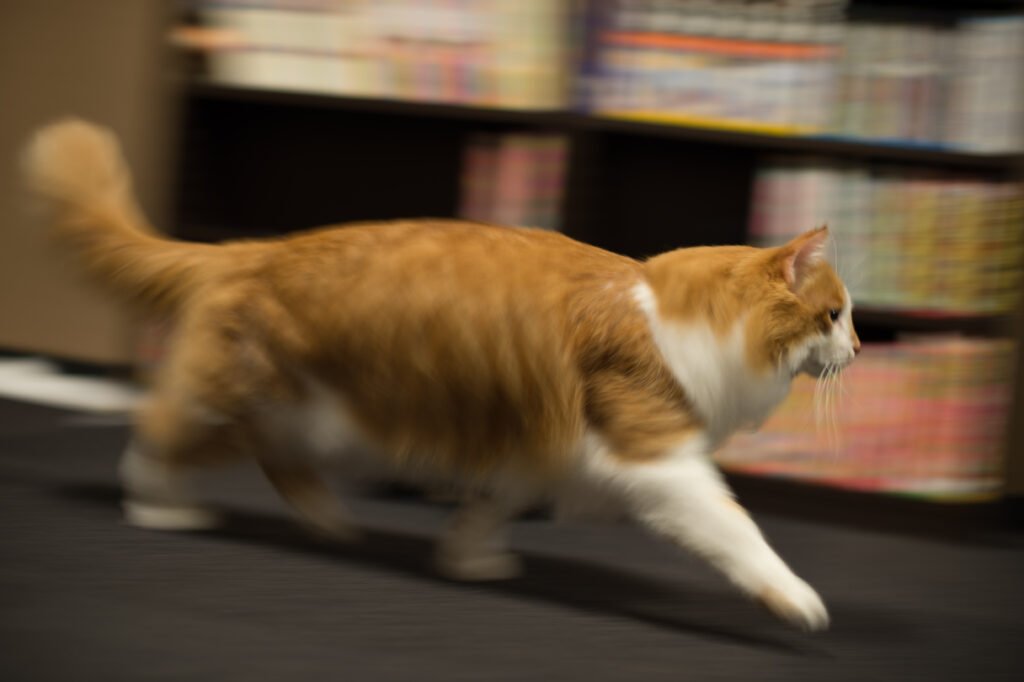
Let’s be real – while zoomies are mostly a joyful thing, they’re not always. Context matters enormously, and as a cat parent, you’re the one best positioned to notice the difference. If your cat starts to exhibit above-average levels of activity, it may indicate an underlying health condition such as hyperthyroidism, which increases energy levels in older cats. If your cat is suffering from some type of irritation stemming from allergies or fleas, they may race around to escape the unpleasant feeling.
Zoomies can also be a symptom of either stress or an underlying medical condition, especially if they’re accompanied by spinning or behaviors occurring during times of confinement. The key is to pay attention to whether the zoomies look joyful or frantic and distressed. Playful zoomies often come with relaxed body language: ears in a neutral or forward position, tail upright or gently swishing, and possibly playful sounds like chirps or meows. If what you’re seeing looks more like panic than play, a vet visit is always the right call.
How You Can Channel the Chaos Into Bonding and Healthy Play
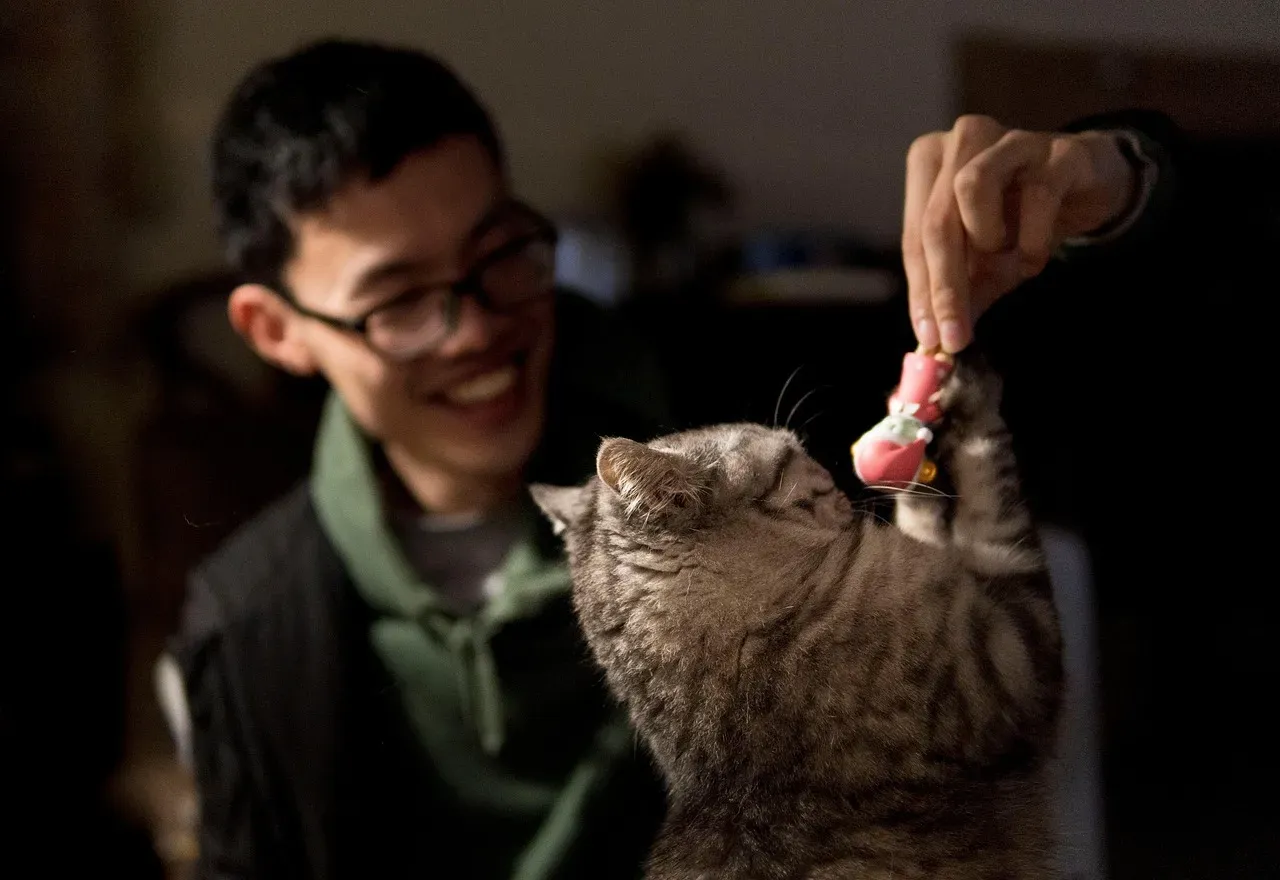
Good news – you don’t have to just stand there and watch the madness. You can actually become part of it. Treat the cat zoomies as an invitation to enjoy some extra-special bonding time with your best friend! Grab a wand toy, a crinkle ball, whatever your cat loves, and let the zoom session become a shared experience rather than a spectator sport.
Playing with your cat multiple times a day – especially before bedtime – can help manage their energy levels and reduce excessive nighttime zoomies. You might also want to think about their environment. Adding cat trees and perches gives your cat a chance to explore their vertical space. Puzzle feeders encourage problem-solving and mimic the challenge of hunting for food. Hiding spots and tunnels can make your cat’s zoomies even more fun and engaging. A little environmental enrichment goes a very long way.
Conclusion: The Zoomies Are Love in Motion
Here’s the takeaway: the next time your cat bolts across the room at full speed, knocking over a glass of water and skidding into the wall, try not to see chaos. Try to see something closer to pure, unfiltered delight. Cat zoomies are a natural expression of playfulness and instinctual behavior. They’re not a personal attack. They’re not mischief. They’re your cat being magnificently, authentically alive.
Most of the time cats get the zoomies when they are playing or practicing their hunting instincts. This means that a cat with the zoomies is usually a healthy and happy cat. Think about that the next time your furry little tornado disrupts your evening. That wild, wide-eyed sprint? It might just be the purest expression of joy your cat knows how to show you.
So the real question is this – now that you know what’s really going on behind those epic sprints, will you ever look at your cat’s midnight madness the same way again? Drop your thoughts in the comments. We’d love to hear your best zoomies story.