You’re sitting quietly on the couch, your cat draped lazily across your lap like a tiny furry pancake. Then, without warning, something flips. Your perfectly serene feline launches off your legs, tears across the hallway, ricochets off the couch cushion, skids on the hardwood floor, and disappears around the corner at full speed. You didn’t do anything. Nothing changed. Yet your cat is now a tiny, blurring tornado of chaos.
If you’ve ever experienced this, you already know the strange magic of what pet owners call “the zoomies.” It’s one of those cat behaviors that somehow manages to be utterly baffling and absolutely hilarious at the same time. Honestly, I think it’s one of the most fascinating windows into what actually goes on inside a cat’s mind. What’s really happening in there? Are they playing? Hunting? Just… happy? Let’s dive in.
What Exactly Are the Zoomies? The Science Behind the Madness
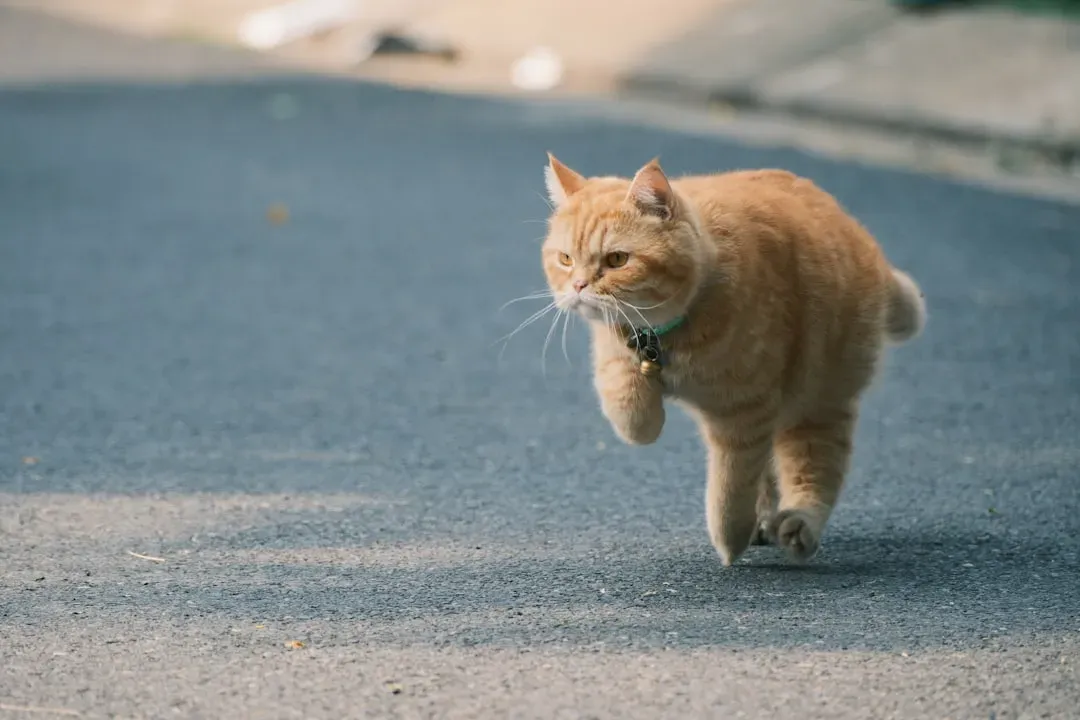
Most cat owners use the term “zoomies” casually, but the phenomenon actually has a proper scientific name. The technical name for these episodes is “Frenetic Random Activity Periods,” or FRAPs. Think of it like your cat suddenly downloading all their stored excitement and exploding it across your living room floor in one breathtaking sprint.
These episodes are characterized by a burst of energy and excitement, and they are considered normal and natural behavior. Zoomies can happen suddenly and seemingly out of nowhere, and they often bring joy and laughter to pet owners. What’s particularly interesting is just how widespread this behavior actually is across the animal kingdom.
Cats aren’t the only animals affected by these bursts of energy. Zoomies are actually common among many mammals, including horses, rabbits, ferrets, and even elephants. So the next time your cat goes full tornado mode, just know they’re part of a very distinguished club.
Your Cat Is a Hunter, Whether You Like It or Not
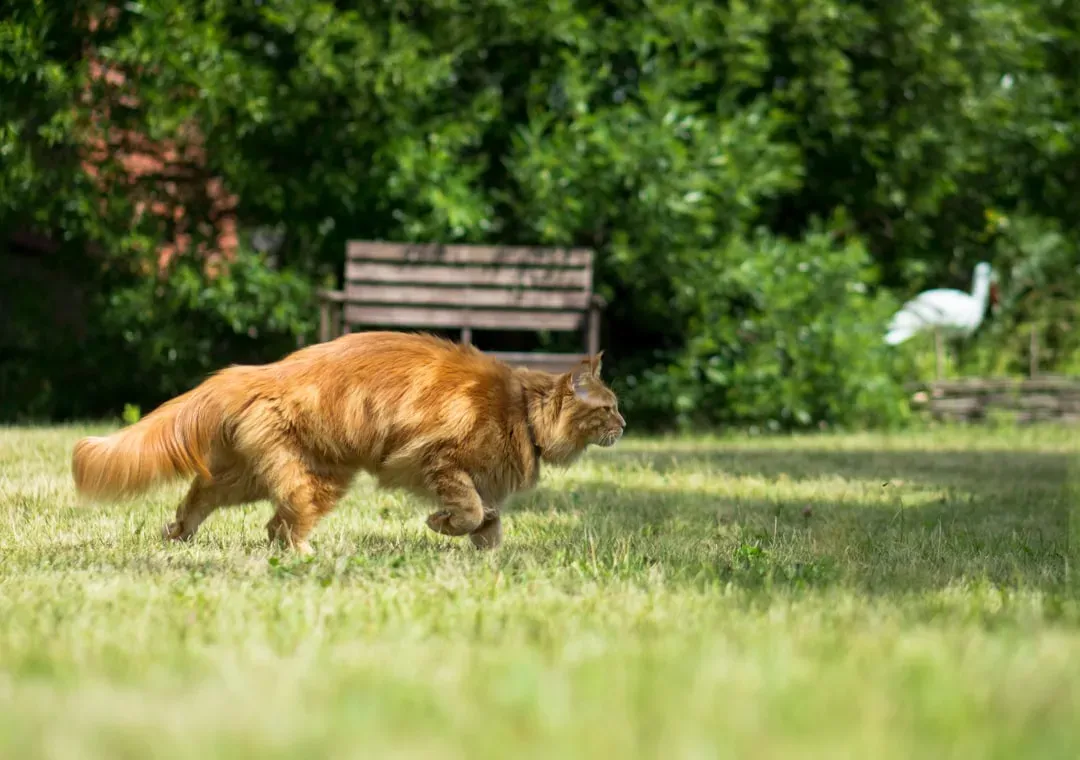
Here’s the thing a lot of people forget when they look at their adorable, well-fed, pampered indoor cat: underneath all that softness is a predator. A real one. Even though they’re fully domesticated, cats still have a primal urge to stalk, chase and pounce on prey. During zoomies, they might tap into this instinct, engaging in playful behaviors that mirror what their wild ancestors did every single day just to survive.
The zoomies mirror a cat’s hunting instincts and can be a manifestation of their natural hunting behaviours. As your cat runs and leaps around, they’re trying to mimic the act of chasing prey, even if this prey is imaginary. Picture it like your cat running its own internal simulation of a savanna chase, right there between your kitchen and your bedroom. No gazelle required.
The Incredible Role of Pent-Up Energy
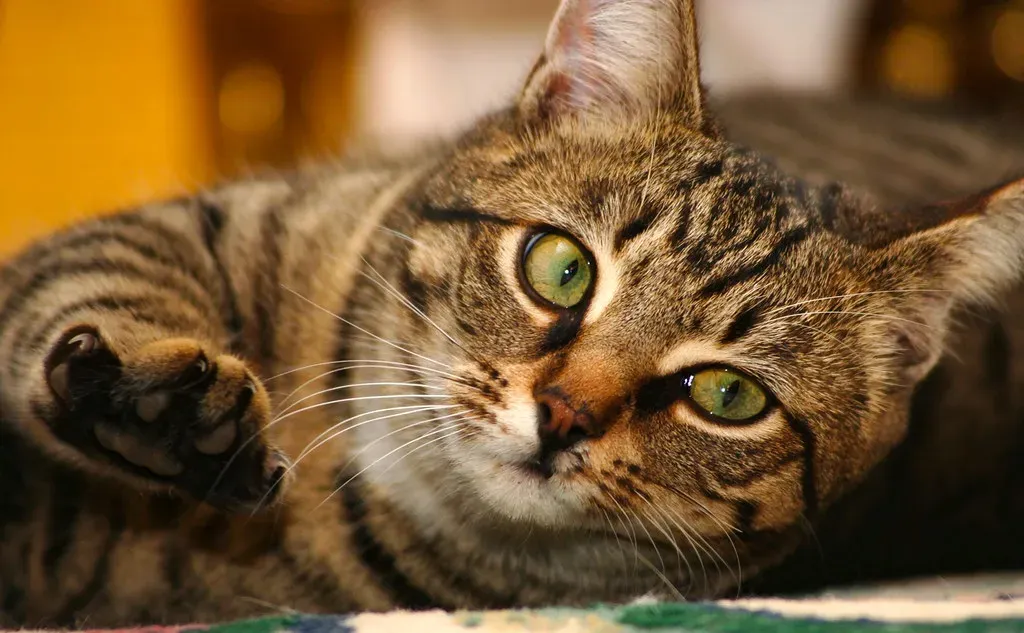
You might not realize just how much energy your cat is storing during those long, luxurious nap sessions. The most common reason cats experience the zoomies is pent-up energy. Cats rest and sleep for a majority of the day to conserve energy for short, very active periods. Without intentional exercise and activity, your kitty will need to find a way to get that extra energy out, resulting in a case of the zoomies.
The main reason cats sleep so much is to store up energy for those short bursts of blinding speed needed to catch darting rodents and fleeing birds when the sun comes up or goes down. So when indoor cats wake up from a long nap with a bundle of neurotransmitters firing, but nothing to hunt, that energy gets released as sudden, frenetic activity. It’s like shaking a soda bottle all day, then finally popping the cap.
Why Your Cat Goes Absolutely Wild at Dawn and Dusk
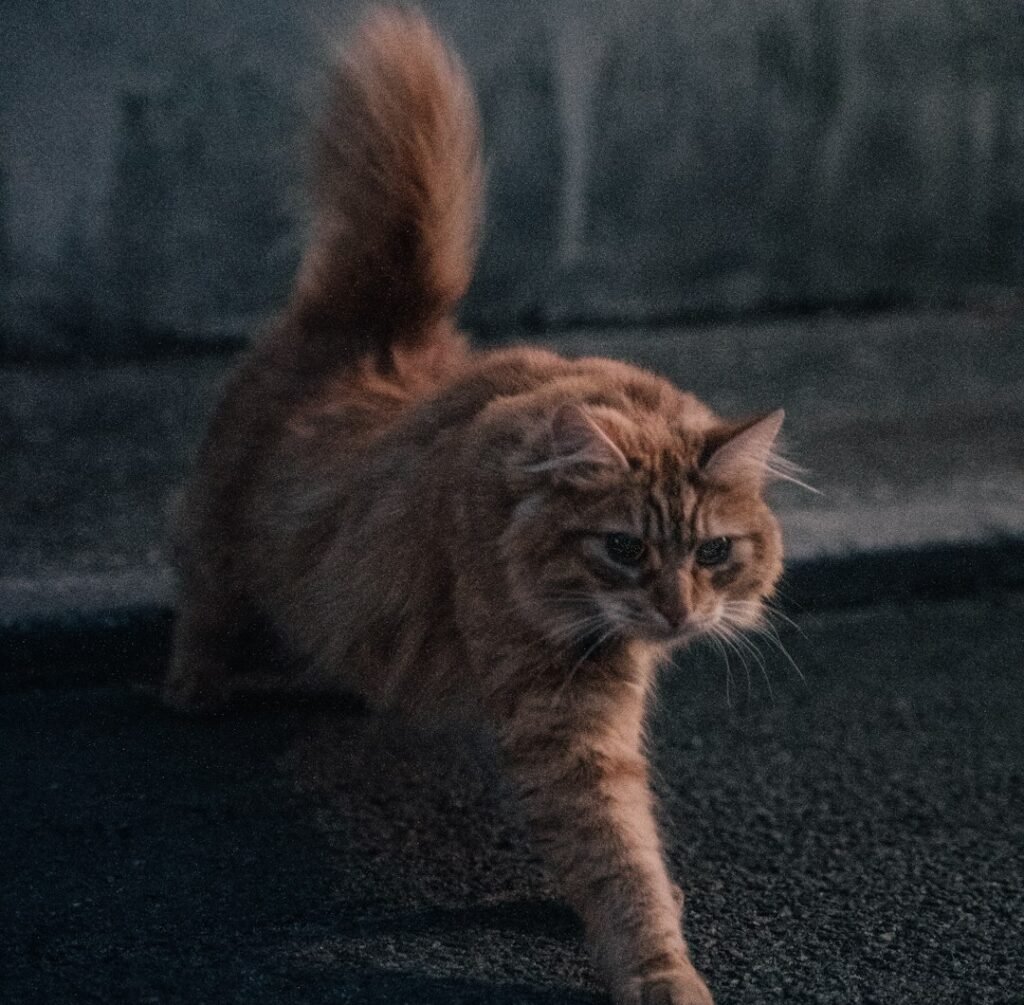
If your cat has ever launched a 3 a.m. sprint session through your bedroom, there’s actually a very logical reason for the timing. Cats are naturally more active at dawn and dusk, meaning they’re crepuscular rather than nocturnal. This is because wild cats would hunt during these cooler times of day. So your cat isn’t trying to ruin your sleep out of spite. They’re just following a biological clock that’s millions of years old.
Cats, being crepuscular creatures, are naturally more active during dawn and dusk. This behavior explains why zoomies often occur at these times, much to the amusement or annoyance of their human companions. These energy surges align with their instinctual hunting routines, as twilight hours offer prime conditions for stalking prey in the wild. In other words, your cat’s internal alarm clock is set to “hunt o’clock,” not your preferred sleeping schedule.
The Endorphin Explosion: Why Zoomies Actually Feel Amazing
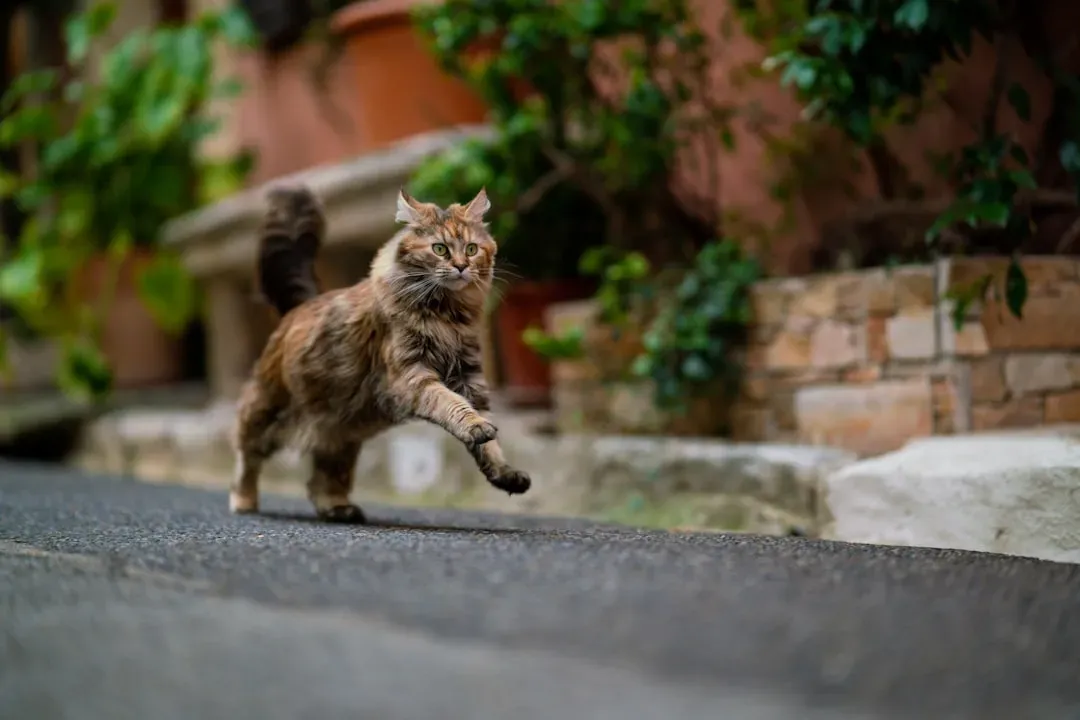
Here’s where it gets genuinely exciting. The zoomies aren’t just a physical release, they may also be an emotional and neurological one. FRAPs may release endorphins, causing a pleasurable or euphoric response. From a physical standpoint, these bursts of activity can strengthen muscles, boost cardiovascular health, and support overall well-being. Basically, your cat is getting a natural high from their own sprint session.
These episodes are a way for pets to release pent-up energy, celebrate moments of joy, and engage with their primal instincts. Think about that for a second. Your cat, racing through the hallway at warp speed, may actually be experiencing something close to pure, unfiltered euphoria. That’s not chaos. That’s joy, raw and real and completely unedited.
Post-Litter Box Zoomies: The Strangest Trigger of All
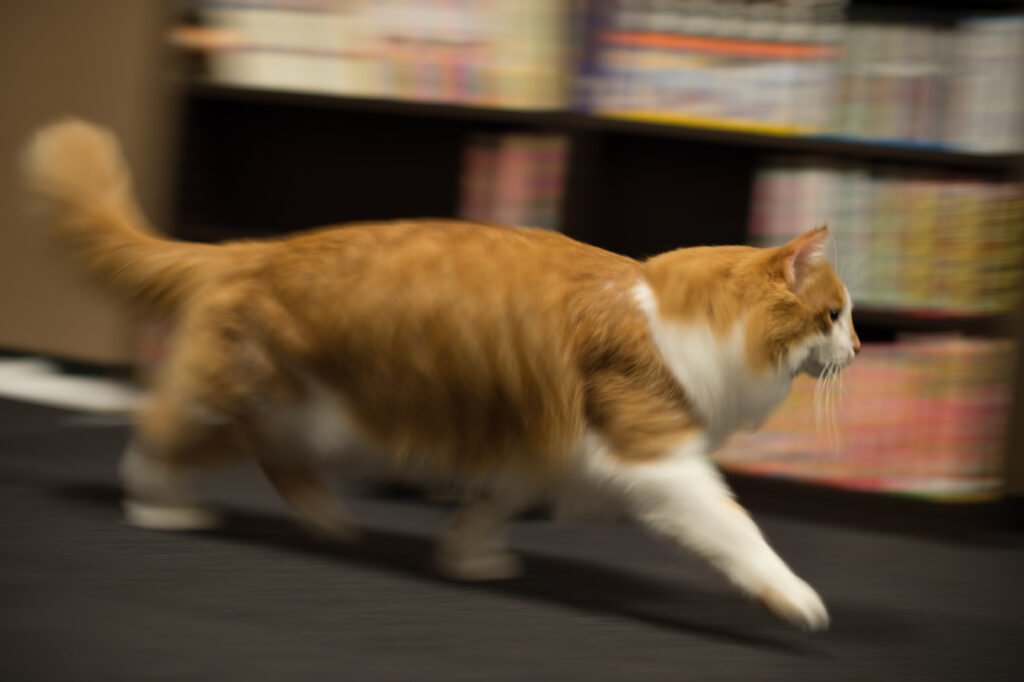
Let’s talk about one of the weirdest zoomie triggers that somehow makes perfect sense once you understand the biology behind it. If you’ve ever wondered why your cat gets zoomies after scratching in the litter box, it could simply be because they feel good. We know that defecating stimulates the vagus nerve, which can lead to a feeling of release and relief. Yes, your cat’s victory lap after using the bathroom is actually neurologically real.
If your cat suddenly gets the zoomies right after using the litterbox, it’s usually harmless, but it could be linked to several things: relief or excitement, as your cat might just feel a sense of relief after eliminating waste, and this behaviour is simply their way of expressing that freedom. So the next time your cat bolts out of the litter box like they’ve just won a race, just… celebrate with them. They earned it.
Zoomies as a Window Into Your Cat’s Emotional World
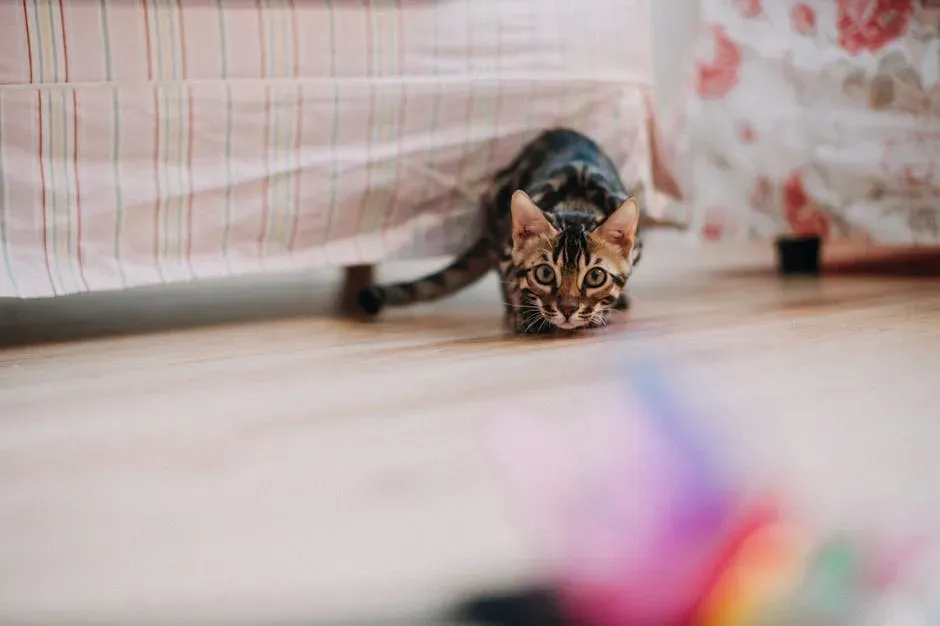
It’s easy to watch your cat zoom across the room and just laugh. But honestly, there’s something deeper going on here that’s worth paying attention to. While cat zoomies are entertaining to witness, they can also offer insights into your cat’s well-being. These bursts of energy showcase your cat’s curiosity, agility and zest for life. By letting loose and embracing their playful side, cats can meet many of their physical and mental needs.
This behaviour is deeply tied to your cat’s need for physical activity and mental stimulation. Rather than seeing zoomies as hyperactivity, it’s best to recognise them as a sign of a healthy and happy cat with energy to expend. There’s something almost beautiful about that, when you think about it. Your cat isn’t malfunctioning. They’re flourishing.
When Zoomies Might Be Signaling Something More Serious
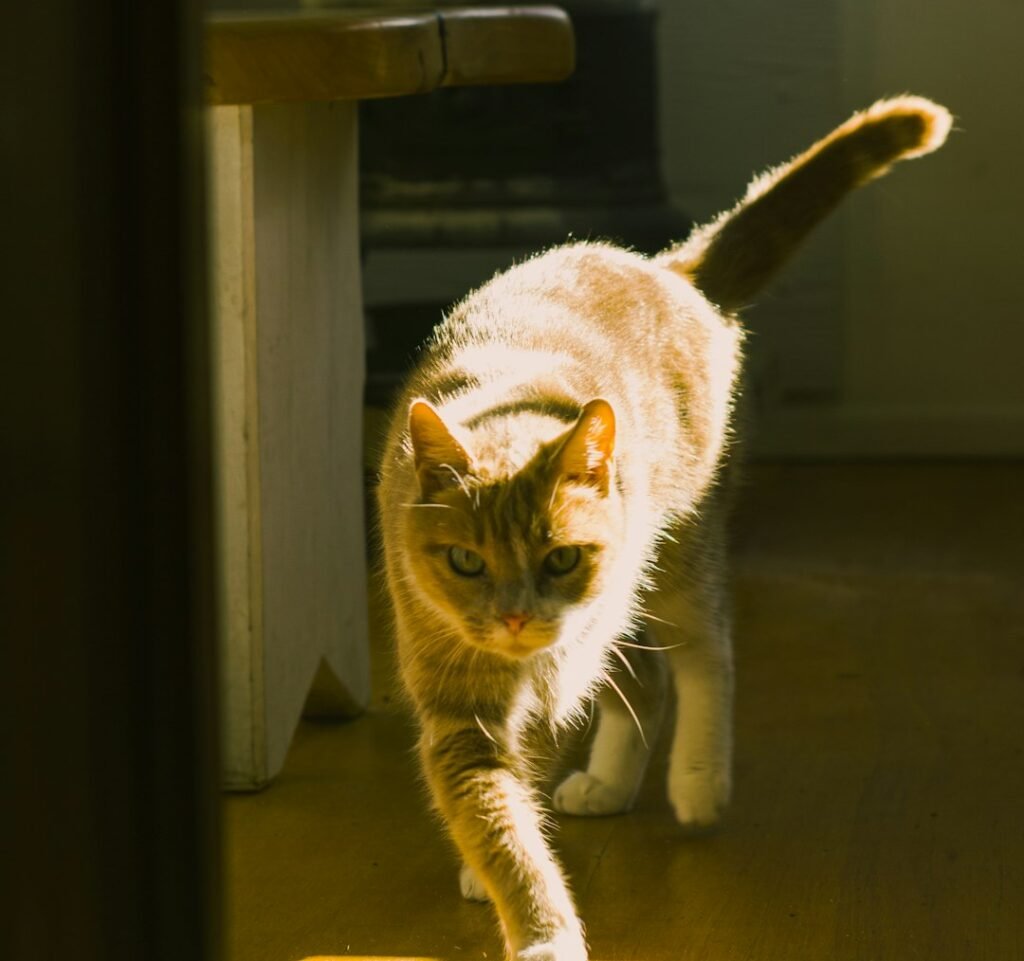
Let’s be real, while zoomies are usually a sign of a perfectly healthy, joyful cat, there are moments when the behavior could be pointing to something that deserves a closer look. If your cat starts to exhibit above average levels of activity, it may indicate an underlying health condition such as hyperthyroidism, which increases energy levels in older cats. If your cat is suffering from some type of irritation stemming from allergies or fleas, then they may race around to escape the unpleasant feeling.
While occasional zoomie episodes are perfectly normal, significant changes in frequency or intensity may warrant a trip to your veterinarian. Keep an eye out for any signs of distress or discomfort, as they may indicate medical or behavioral concerns that need attention and evaluation. It’s hard to say for sure when exactly the line is crossed, but the key signal is always change. If your cat suddenly develops a new zoomie pattern that doesn’t fit their normal personality, that’s worth checking out.
How You Can Support and Channel Your Cat’s Primal Energy

Rather than trying to stop the zoomies, the smarter move is to work with them. Instead of trying to prevent zoomies, channelling your cat’s energy in constructive ways can lead to a more enriching life. You’re not fighting nature here. You’re just redirecting it, like a coach drawing up a slightly better play.
Keep your cat mentally and physically stimulated by incorporating regular play sessions into their daily routine. Interactive toys, scratching posts and puzzle feeders can help satisfy your cat’s natural instincts and prevent boredom-induced zoomies. It’s also worth noting that playing with your cat multiple times a day, especially before bedtime, can help manage their energy levels and reduce excessive nighttime zoomies. Think of it as your cat’s pre-sleep wind-down routine, just with more acrobatics involved.
Conclusion: Your Cat’s Chaos Is Actually Pure Magic
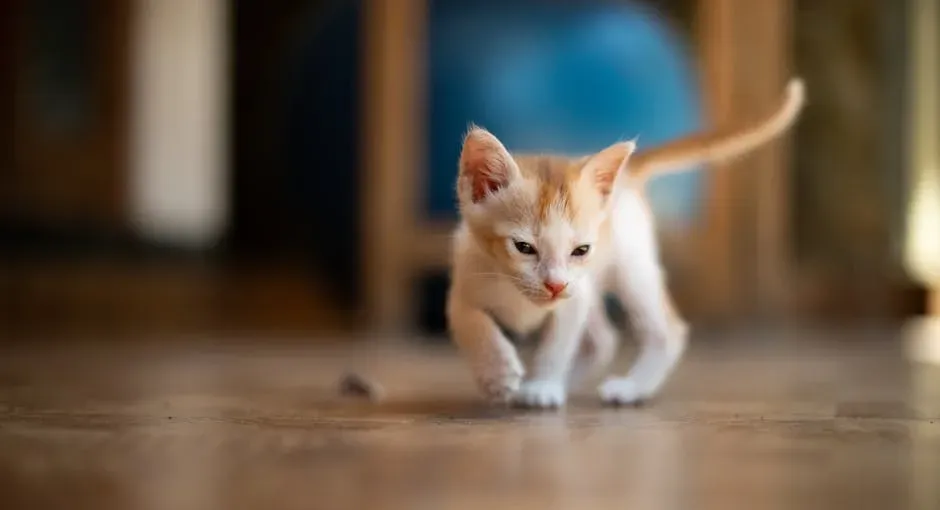
At the end of the day, your cat’s zoomies are not a glitch. They’re a feature. They’re a primal echo of something ancient and wild, wrapped up inside the small, soft creature who also sleeps on your clean laundry and judges you silently from across the room.
Every time your cat launches into a full-speed sprint for no apparent reason, they’re not losing their mind. They’re expressing something real, something deeply wired into who they are. Joy, instinct, energy, freedom – all of it bundled into one ridiculous, glorious, 90-second explosion of fur and movement.
So the next time the zoomies strike at midnight and your cat skids into the wall at full speed, maybe don’t be frustrated. Maybe just watch. Because what you’re actually seeing is a tiny, domesticated predator feeling fully alive in that moment. And honestly? That’s kind of wonderful. Does your cat’s zoomie behavior surprise you now that you know what’s really behind it? Tell us in the comments!