Have you ever watched your sweet, affectionate cat suddenly transform into a hissing, swatting whirlwind, attacking you or another pet for seemingly no reason? It’s confusing, terrifying, and honestly heartbreaking. You might wonder if your furry friend has lost trust in you or developed some deep psychological issue overnight. The truth is, what you’re experiencing could very well be redirected aggression, a completely normal feline behavior that just happens to be wildly misunderstood. This phenomenon occurs when your cat becomes aroused or frightened by something they can’t reach, then takes out their frustration on the nearest target – often you or another household pet. Let’s explore what’s really going on inside your cat’s mind when this happens, and more importantly, how you can help both of you through it.
Understanding What Redirected Aggression Really Means
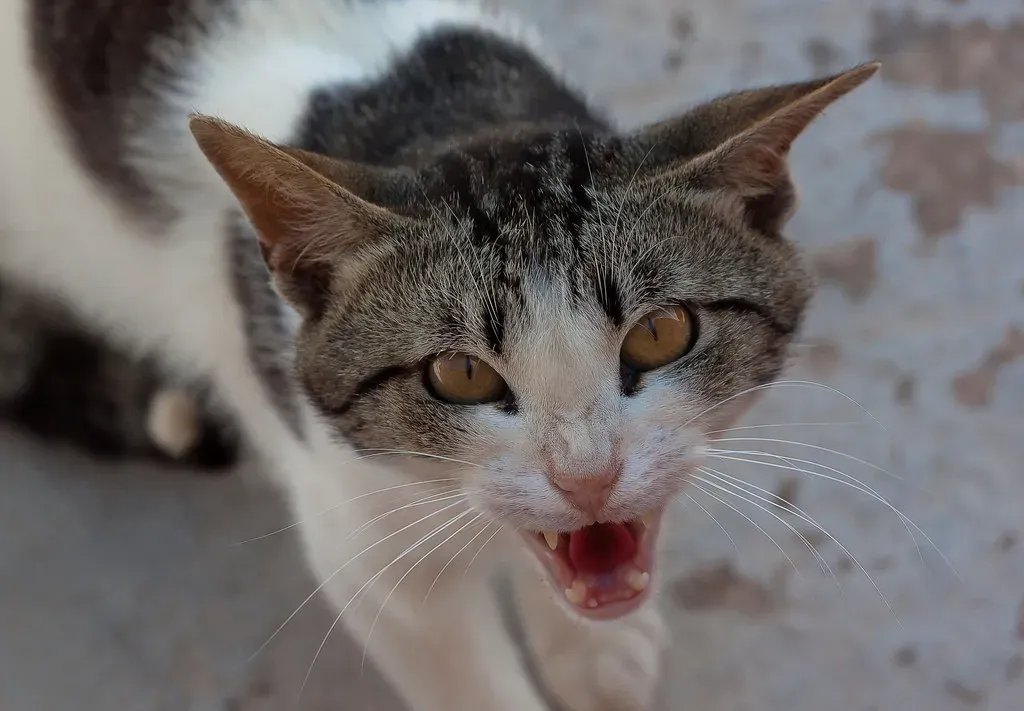
Redirected aggression occurs when a cat is aroused by another animal, person or event, but is unable to direct aggression toward the stimulus. Think of it like this: your cat spots a neighborhood cat through the window and becomes extremely agitated, their instincts telling them to chase or confront this intruder. Since they can’t actually reach the outdoor cat, all that pent-up energy and frustration has nowhere to go.
Then you innocently walk into the room or another pet happens to stroll by, and suddenly you’ve become the unfortunate target. Cats redirect their aggression when aroused by a trigger that the cat cannot access. Honestly, it’s not personal, though it certainly feels that way when you’re nursing scratch marks or watching your once-peaceful cats suddenly at war with each other.
Common Triggers That Spark This Behavior

The most common stimuli leading to redirected aggression are the presence of another cat, high-pitched noises, visitors in a house, a dog, an unusual odor, and being outdoors unexpectedly. Your cat might spot a stray prowling around your garden, hear a sudden loud crash, or catch the scent of an unfamiliar animal on your clothing. These triggers can send your cat into a heightened state of alertness that feels almost electric.
Situations include the sight or sound of intruder cats on the property, especially in the spring and fall, new people or pets in the household, the sight or sound of prey, loud or unusual noises, and a variety of other new or novel stimuli that are sometimes difficult to identify. Sometimes you might never figure out what set your cat off, which is part of what makes this behavior so frustrating to manage. Was it a sound you didn’t hear? A smell you couldn’t detect?
Recognizing the Warning Signs Before an Attack

Your cat usually gives off signals before redirecting their aggression, though they can be subtle and easy to miss. Your cat becomes very agitated, begins to focus on the other cat and shows aggressive body postures, hisses, or growls. You might notice their pupils dilate dramatically, their fur puffing up along their spine and tail, and their ears flattening against their head.
A change in the cat’s facial expression, as well as ‘weird’ behaviour, are often described preceding redirected attacks. Learning to read these warning signs can be the difference between preventing an incident and ending up as collateral damage. If your cat suddenly goes still with an intense stare, or their tail starts thrashing back and forth, it’s time to give them space immediately. The problem is that these attacks can happen lightning-fast, giving you precious little time to react.
How Long Your Cat Might Stay Agitated
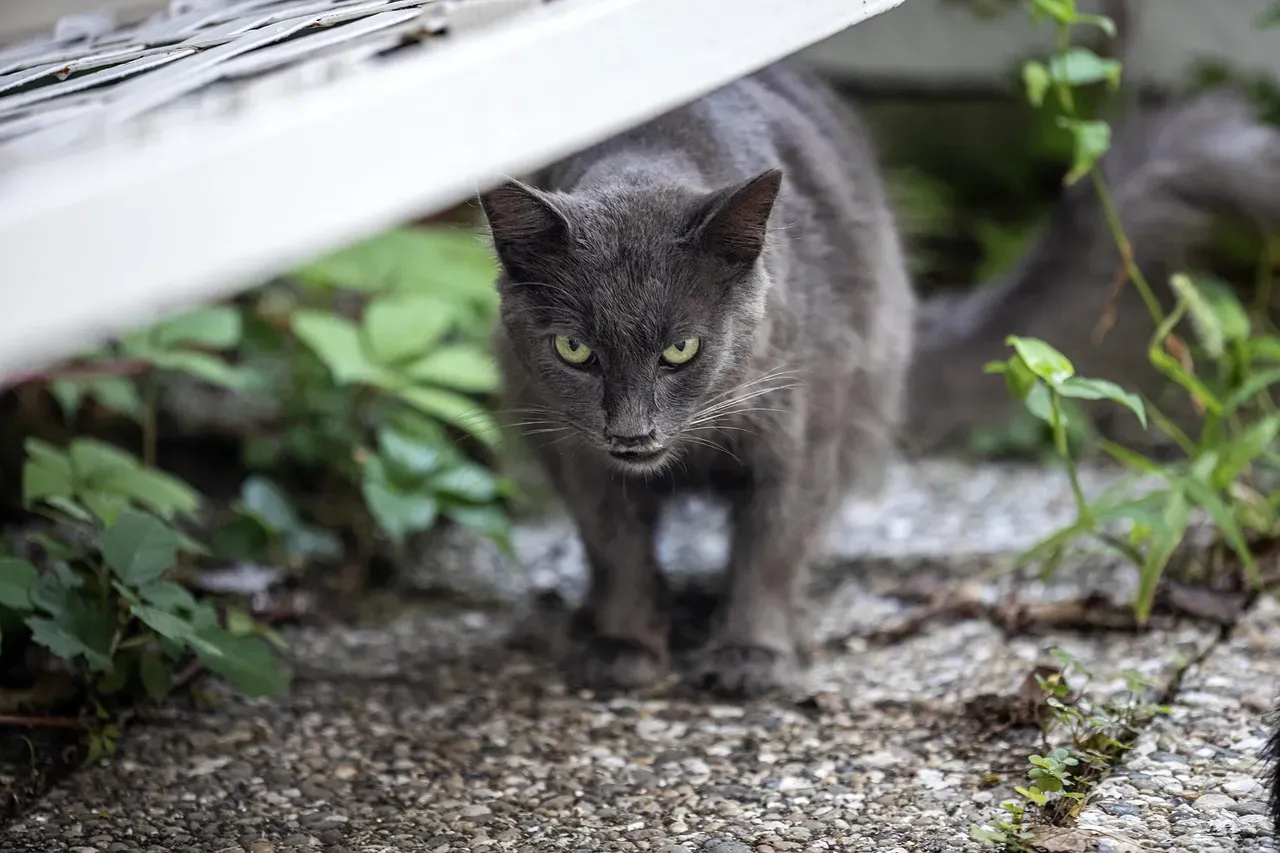
Cats displaying redirected aggression could maintain a state of arousal for hours and even days. During this period, the risk of new attacks is very high. This extended arousal state is something many cat owners don’t anticipate. You might think your cat calmed down after thirty minutes, only to have another explosive incident hours later when you try to approach them.
The state of arousal can last two hours or more, but in most cases is over within thirty minutes. Still, every cat is different. Some snap back to normal relatively quickly, while others need considerably more time to decompress. After the cat has engaged in another behavior, such as grooming, playing, or eating, it is usually safe to approach the cat, their normal behavior has returned. Watching for these normal behaviors can help you gauge when your cat is truly calm again.
Immediate Steps to Take During an Episode

First and foremost, you must avoid the cat until it calms down. This is absolutely critical, even though your instinct might be to comfort your frightened cat. Approaching them while they’re still aroused could result in serious injuries to you or escalate the situation further. The best way to calm an agitated cat is to put the cat in a darkened room and leave it there.
If your cat has attacked another pet in the household, separate them immediately and carefully. Never try to physically grab an aroused cat with your bare hands. Therefore, the owners should avoid interacting with the cat. Use a thick blanket or large piece of cardboard to create a barrier if needed, then guide the aggressive cat into a quiet, dark space where they can decompress without further stimulation.
Creating a Safe Decompression Space
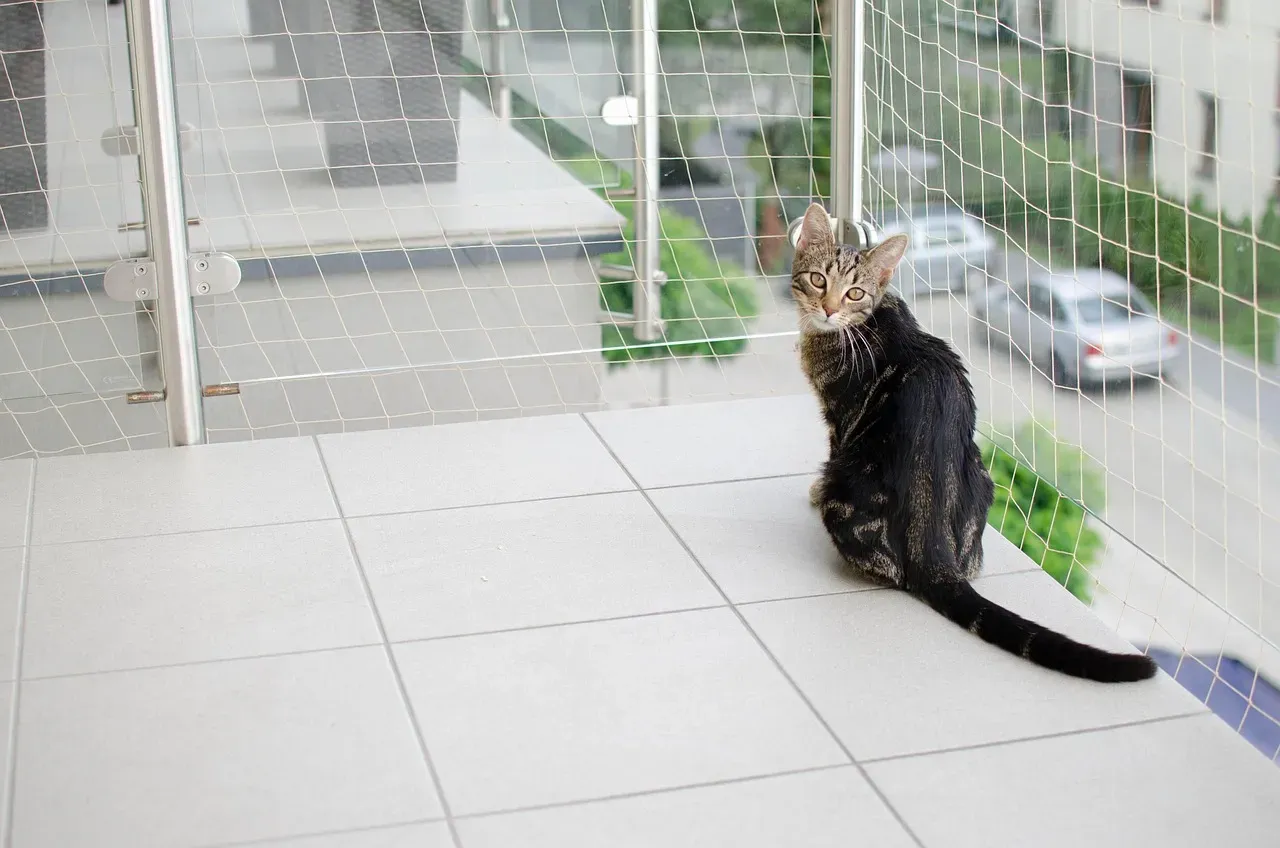
In some cats, separation to another room with water and litter may only be required for a few minutes, but it is not unusual for it to take hours, or in some cases days, until the cat is calm enough to be reintroduced safely to the other cat. Set up a room with everything your cat needs: water, food, a litter box, and familiar bedding. Keep the lights dim and minimize noise.
You can go in, turn on the light, offer food or a favored treat, and if the cat remains fearful or does not accept the food, turn out the lights and leave. If the cat continues to remain aroused for a couple of days, make certain that there is a minimum of food, litter, and water in the room, and offer favored treats or play toys each time you open the door. Check on them periodically, but don’t force interaction. Let your cat tell you when they’re ready to reconnect.
Identifying and Eliminating Triggers
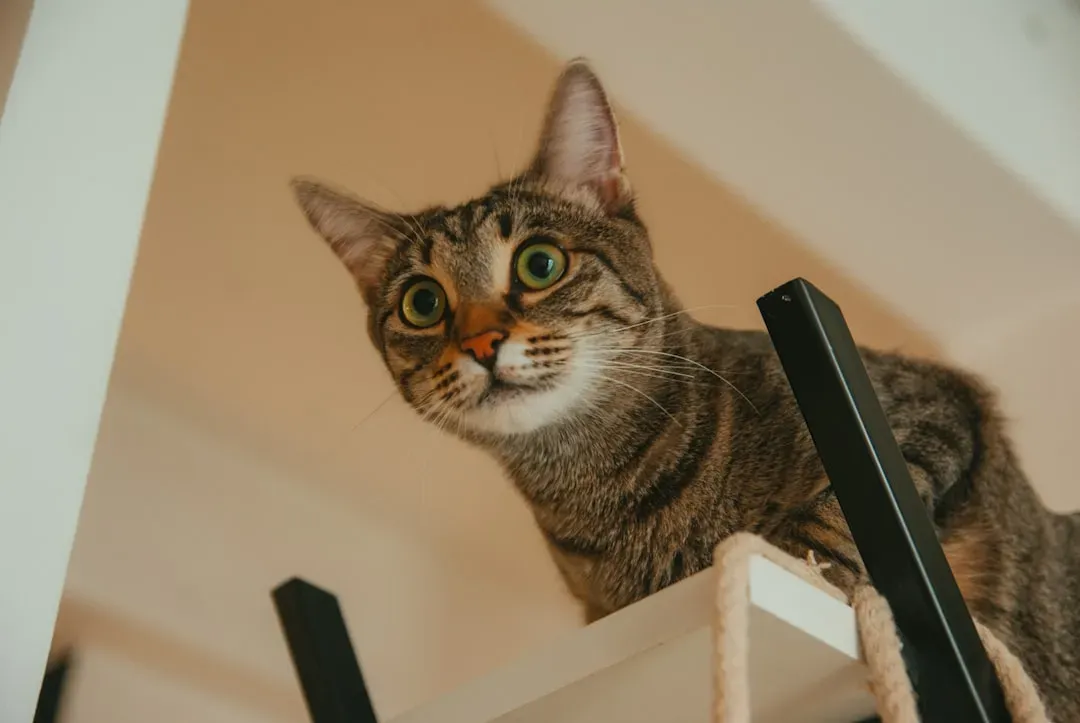
Resolving the aggression requires that the source of the arousal, agitation or aggression be identified. Once you’ve gotten through the immediate crisis, it’s time to play detective. Think back to what was happening right before the incident – were there outdoor cats visible through windows? Did a loud truck pass by? Was there construction noise in the neighborhood?
If your cat is reacting to animals outside the window, keeping blinds down at times when other animals are present can help prevent redirected aggression episodes. If your cat is anxious around new people, setting up a safe space for them to relax while company is over may help. Sometimes the solution is as simple as closing curtains or using motion-activated deterrents to keep stray cats away from your windows. Other times, you’ll need to get more creative with environmental modifications.
Reintroducing Cats After an Aggressive Incident

The biggest mistake that owners make in trying to resolve this problem is to try and bring the cats together too soon. I know how tempting it is to rush this process, especially when you’re dealing with cats who were best friends just hours ago. Patience is absolutely essential here, even though it feels unnatural.
If aggression has been directed toward a second cat in the home, it is very important to wait until the cats are calm before reintroducing them. Start by allowing each cat to explore the space where the incident occurred separately, rewarding calm behavior with treats and play. Reintroductions are best done slowly. Food rewards should be used to facilitate calm, nonanxious behavior. Think of it like starting from scratch with a new cat introduction, using baby gates or cracked doors to allow visual contact before full interaction.
Using Calming Products and Medication
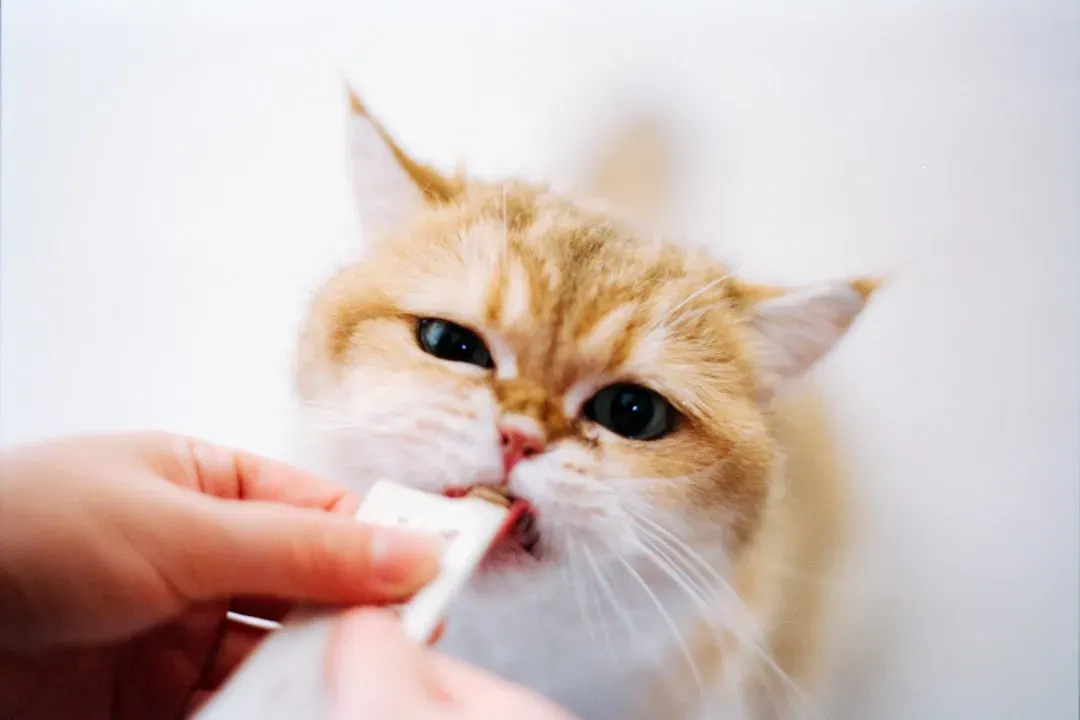
The use of pheromones in a spray or diffuser (Feliway®) may help calm very agitated cats. These synthetic pheromones can create a more relaxed atmosphere and may help your cat feel safer in their environment. While not a miracle cure, many cat owners find them helpful as part of a comprehensive management plan.
There are a variety of medications that veterinarians may prescribe for redirected aggression in cats, such as fluoxetine, gabapentin, and alprazolam. If the problem is severe, one or both of the cats may need to be medicated. This is a step that needs to be discussed with your veterinarian and all the risks and benefits explored. Don’t feel like medication is a failure on your part; sometimes our cats need pharmaceutical help to manage their anxiety and arousal levels.
Long-Term Prevention Strategies

The best way to prevent this type of aggression is to remove or avoid the stimuli, for example, by pulling down a window shade, using deterrents to keep stray cats away from the window, or by preventing aggressive interactions among indoor cats. Think proactively about your home environment. Are there windows where your cat frequently spots outdoor animals? Consider applying frosted window film or rearranging furniture so your cat can’t easily access those viewing spots.
A peaceful and stress-free environment can help prevent redirected aggression. This can include providing hiding spots, comfortable resting areas, and a routine schedule for feeding and playtime. Environmental enrichment isn’t just about preventing boredom; it’s about giving your cat appropriate outlets for their natural hunting and territorial behaviors. Regular interactive play sessions can help burn off excess energy before it builds into something more problematic.
When to Seek Professional Help
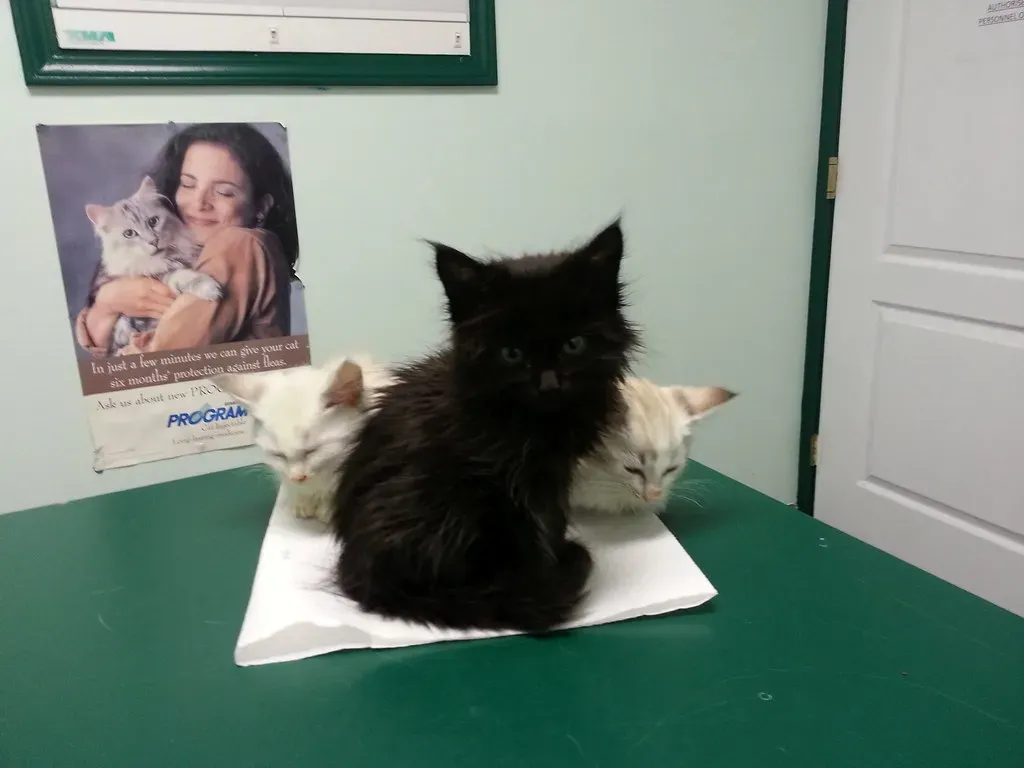
It’s also recommended to see your primary veterinarian if your cat has shown redirected aggression, especially if it’s the first episode you’ve observed and you aren’t able to identify the cause. Aggression of any kind in cats can sometimes be related to medical issues, such as pain, hormonal problems like hyperthyroidism, or neurological conditions. Never assume that aggressive behavior is purely behavioral without ruling out medical causes first.
If you’ve tried environmental modifications and the aggression continues or worsens, it’s time to consult a veterinary behaviorist. The treatment plan involves identifying and avoiding triggers, establishing a positive relationship between the owner and the cat, implementing environmental enrichment and behavior modification, and incorporating medication if necessary. These specialists can create customized behavior modification plans and help you navigate the complex emotional landscape of living with an aggressive cat. There’s no shame in asking for help; redirected aggression can be genuinely dangerous and emotionally exhausting for everyone involved.
Living Peacefully After Redirected Aggression
Recovering from redirected aggression incidents takes time, patience, and a whole lot of understanding. Your relationship with your cat might feel fractured right now, particularly if you were the target of an attack. Remember that your cat wasn’t making a conscious choice to hurt you; they were operating on pure instinct in a moment of overwhelming arousal. Rebuilding trust means creating an environment where your cat feels safe and secure, where triggers are minimized, and where everyone in your household understands the warning signs.
With the right management strategies, most cats can live happily without repeated incidents of redirected aggression. Stay observant, remain patient during the recovery process, and don’t hesitate to reach out for professional support when you need it. Your cat is counting on you to understand their behavior and help them navigate a world that can sometimes feel threatening and overwhelming. Have you noticed any patterns in your cat’s behavior that might indicate they’re prone to this type of aggression? Being aware is the first step toward creating a calmer, safer home for everyone.