Have you ever woken up to find a dead bird on your doorstep or a mouse carefully placed near your bedroom door? Let’s be real, it’s not exactly the kind of present you were hoping for. While chocolates or flowers would be nice, your feline friend has a different idea of what makes the perfect gift. This behavior might seem puzzling or even a little gross, but there’s actually something rather sweet happening beneath the surface.
Your cat’s gift-giving tendencies are rooted in ancient instincts and emotions that go back thousands of years. What looks like a bizarre or unsettling habit is actually your cat’s way of communicating love, trust, and belonging. So before you panic the next time your furry companion drops something unexpected at your feet, take a moment to understand what’s really going on in that complicated feline mind.
Your Cat Is Hardwired to Hunt
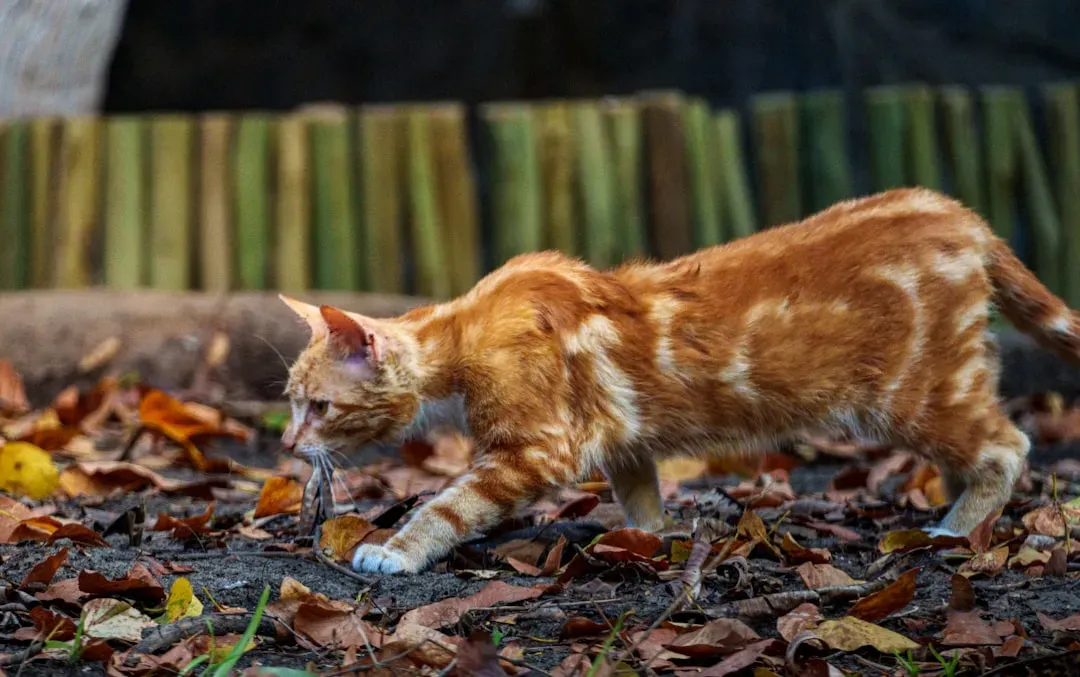
Bringing dead animals is simply a natural instinct for cats. Even though your pet gets regular meals from a bowl, today’s domestic cat hunts more for fun and entertainment rather than survival. Think about it this way: your cat’s ancestors had to be exceptional hunters to survive, passing those skills down through countless generations.
The sight or sound of prey triggers your cat’s hunting instinct, making it near-impossible for them to resist the sound of a bird’s wings flapping or the sight of a darting mouse. This hardwired response means that even the most pampered indoor cat will display hunting behaviors. Whether it’s pouncing on a toy mouse or stalking your feet under the blanket, these instincts run deep.
They’re Actually Trying to Teach You
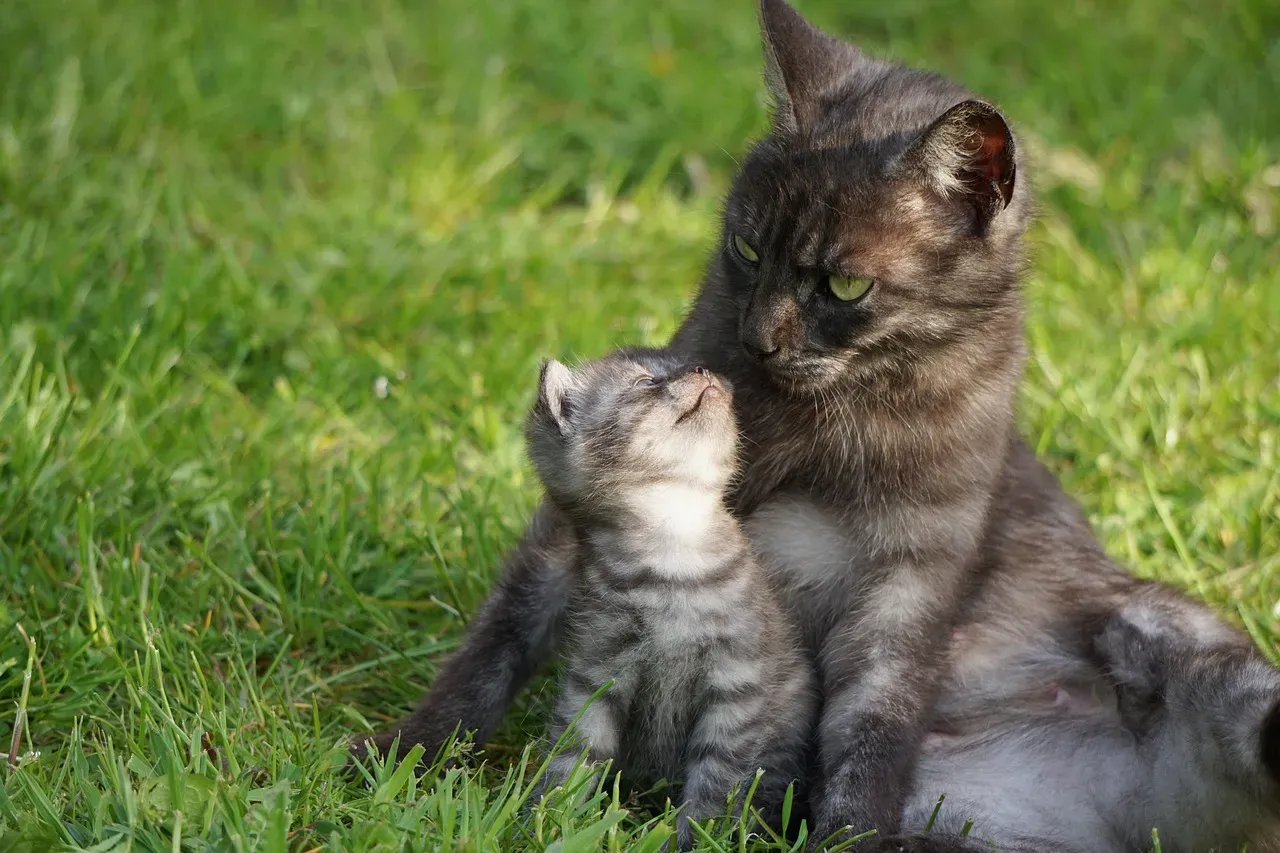
Here’s where it gets interesting. In the wild, mother cats go out and hunt and then bring the food back for their kittens, not only feeding the young cats but also providing something for them to play, practice how to hunt and recognize prey. Your cat might genuinely view you as a less-than-skilled hunter who needs some serious training.
In the context of human pet owners, our cats may see us as “not so efficient kittens.” It sounds a bit insulting at first, right? While that might sound a bit insulting on the surface, it’s one of many ways cats show you their love. Your cat wants to help ensure you can survive, even if you never actually need to catch your own dinner.
Bringing Prey to Their Safe Zone
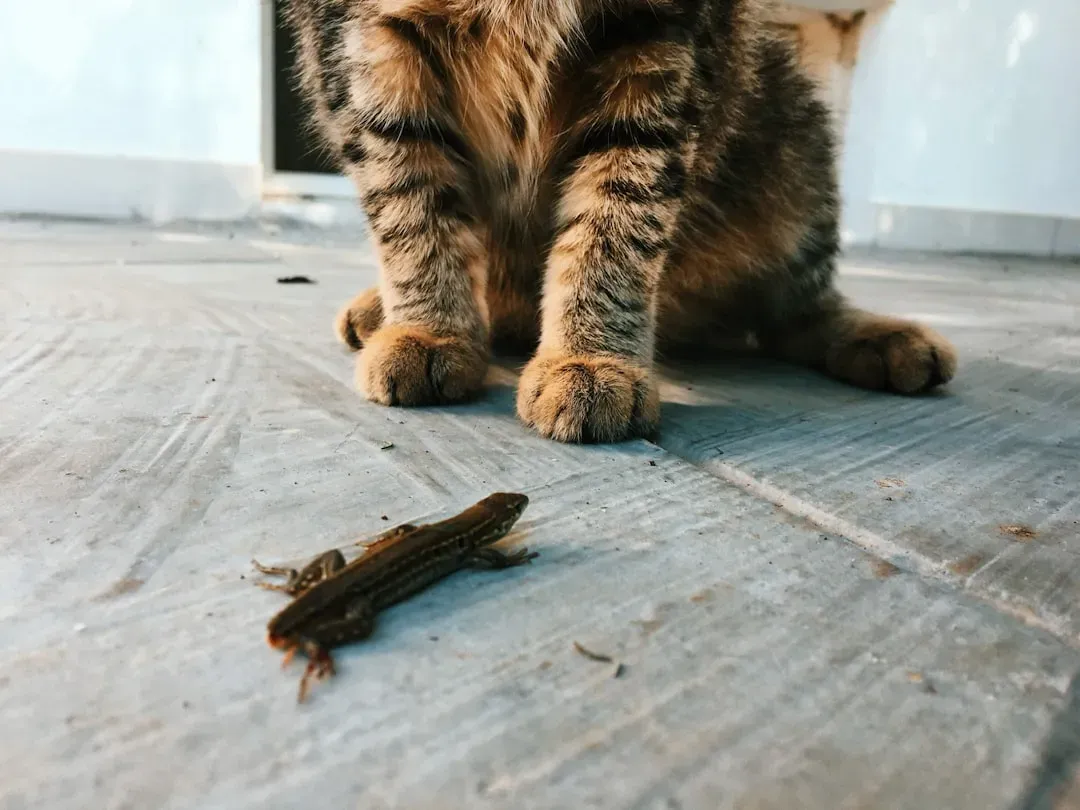
The real reason why cats bring these ‘gifts’ home is because their home is where they feel safe and secure. Cats have territorial instincts that divide their world into different zones. They patrol and hunt in outer areas but prefer to eat and rest in their core territory, which happens to be your house.
Cats quite simply prefer to bring their prey back to their core territory where it is safer to eat it or store it for a bit later, with this ‘core territory’ being the house. Sometimes your cat catches something and then simply loses interest after bringing it home. The thrill was in the hunt itself, and now that the prey isn’t moving anymore, it’s just not as fun.
A Sign You’re Part of the Family
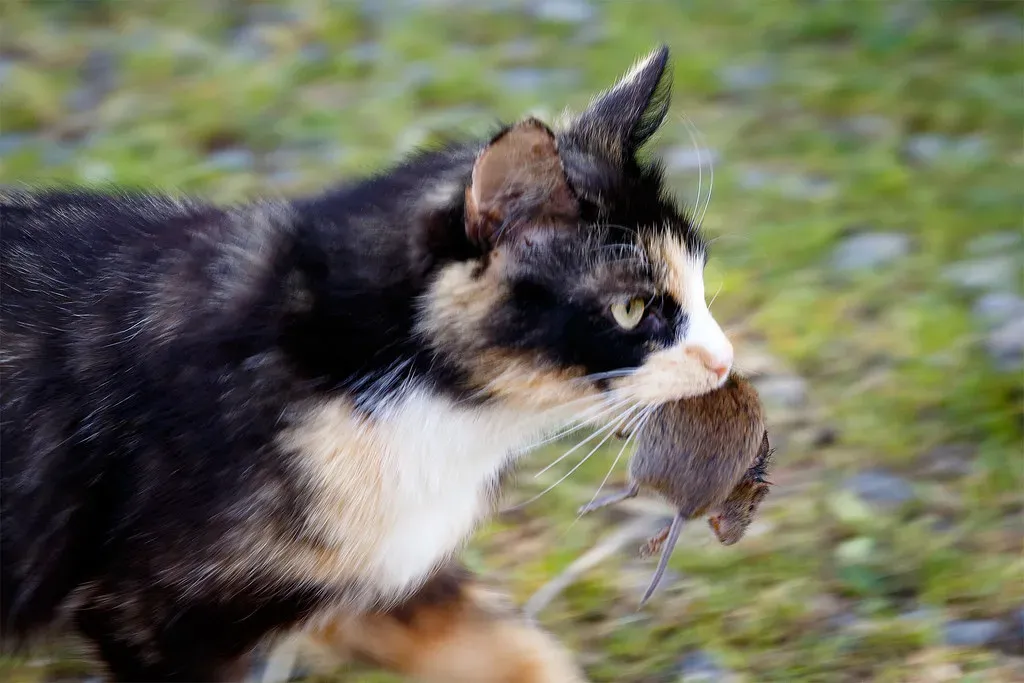
By gifting you a dead animal, your cat might be trying to signal that you’re part of their group, essentially viewing you as part of the pack or clowder. This behavior mirrors how feral cats in colonies share resources with one another. It’s a compliment in the feline world, truly.
It’s somewhat of a compliment when cats bring gifts, as they feel comfortable in their home and consider you part of their family. Your cat is essentially saying they trust you enough to share their most prized possessions. Honestly, from their perspective, what could be better than fresh prey?
Not All Cats Hunt the Same Way
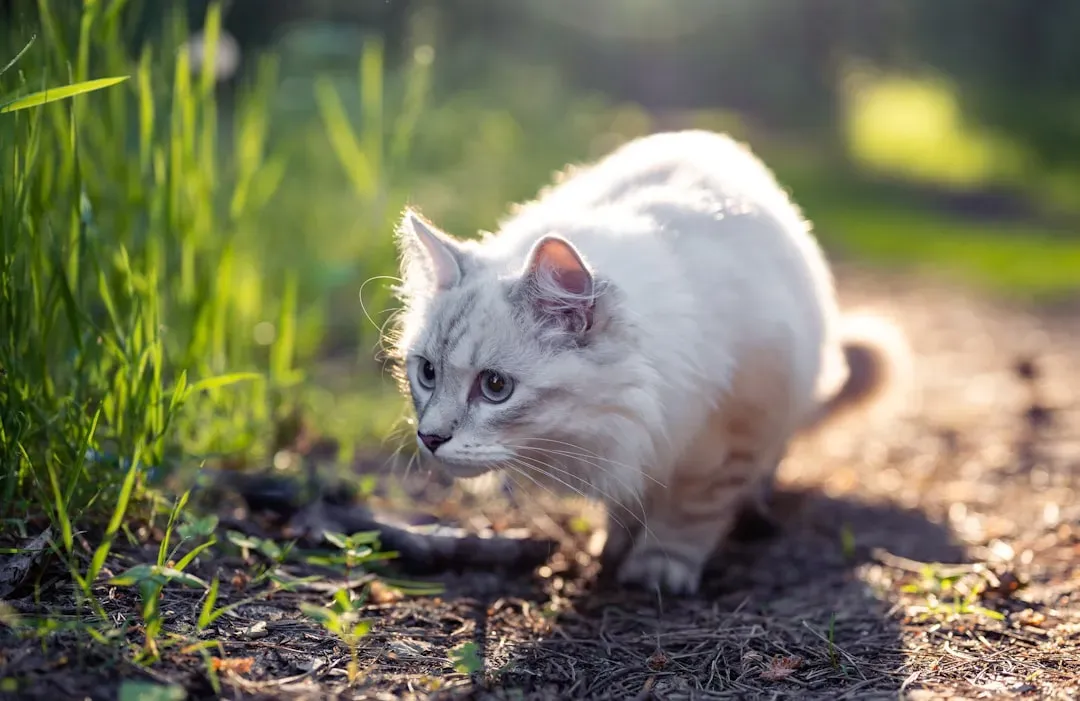
Dominant, aggressive and active cats, as noted by their owners, brought back more dead animals into the home, while cats that were shy and friendly with their owners tended to bring home less prey. Personality plays a huge role in how often you’ll receive these unwanted presents. Your bold, confident cat is more likely to show off their skills.
The environment matters too. A cat that lives in a rural area may have more space to roam and access to more prey than city cats do, so urban pet owners may get fewer dead animals brought to them than those in the countryside. Indoor cats might bring you toys instead, which is definitely a more welcome alternative.
They’re Not Actually Hungry
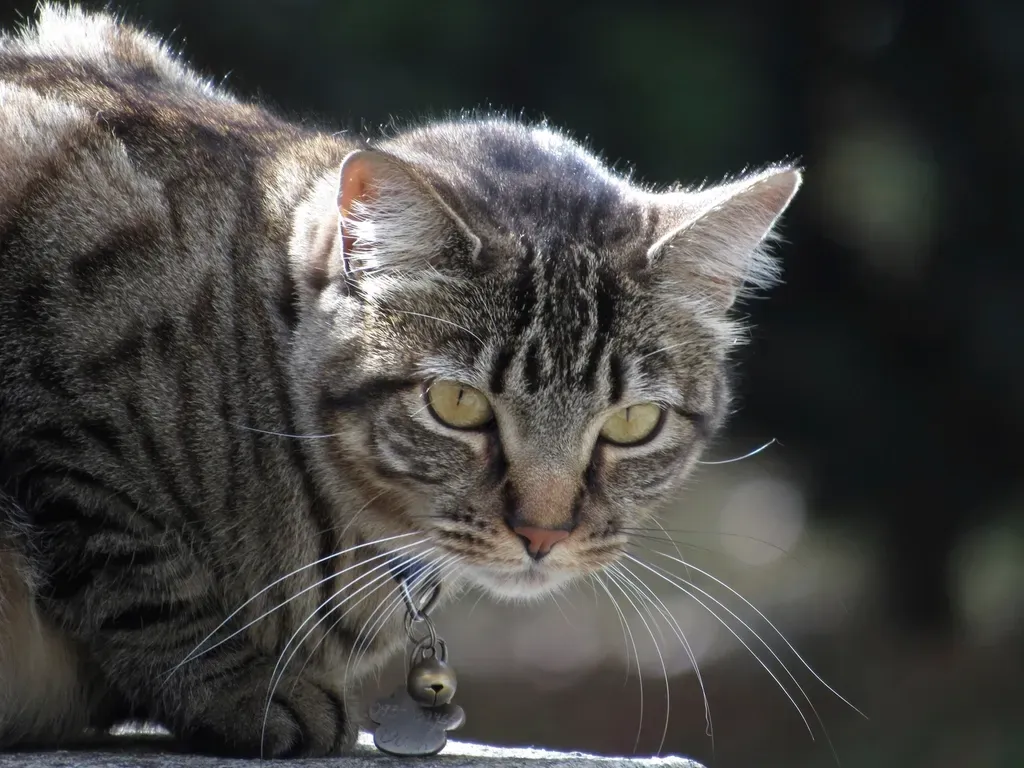
Studies indicate domestic cats do not eat all the prey they kill. This surprising fact shows that hunting behavior isn’t driven by an empty stomach. Your well-fed cat hunts because the instinct to do so is simply too powerful to ignore.
For cats being fed by humans, hunting is more of an activity they engage in when the opportunity presents itself, rather than one of necessity. It’s hard to say for sure, but your cat probably enjoys the thrill of the chase more than the actual meal. The movement, the stalking, the pounce, all of it lights up their predatory brain in ways that canned food never could.
What to Do When You Receive a Gift
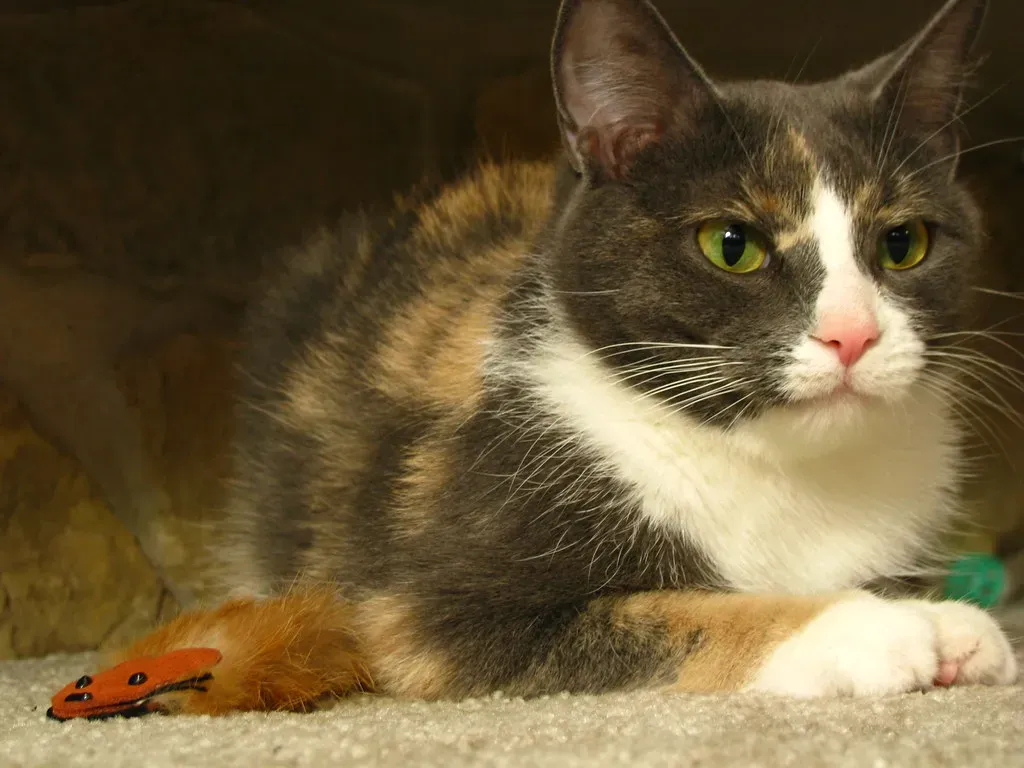
The first thing to do is react as little as possible when your cat brings home a dead animal. I know it sounds crazy, but getting excited or making a big fuss might actually encourage the behavior. Your cat could interpret your reaction as praise or interest.
It’s important not to punish your cat for catching wildlife or bringing their prey home, as they won’t understand what they’ve done wrong and shouting at them won’t deter them from doing again. Instead, calmly remove the gift when your cat isn’t watching, wearing gloves to protect yourself from any potential parasites or diseases.
How to Reduce Unwanted Gifts
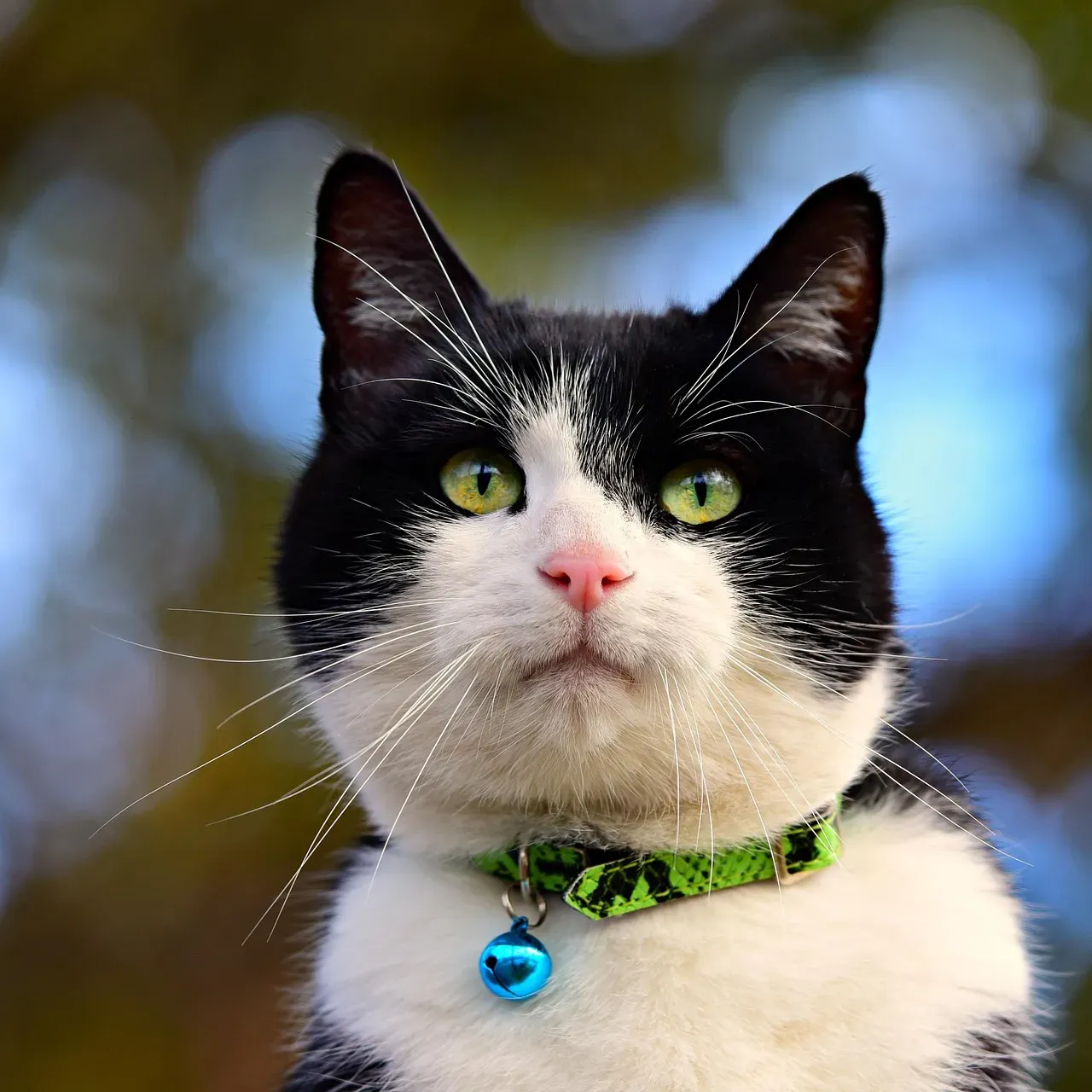
Putting a bell on your cat’s collar is one of the easiest ways to prevent many of your cat’s successful hunts, as a bell will sound your cat’s approach to wildlife and give them time to fly or scurry to safety. Make sure you use a quick-release collar for safety reasons.
Playing with your cat regularly can also help satisfy their hunting drive. Cats need to stalk, chase and pounce on things that move, so there are endless toys on strings that you can buy to indulge your cat’s hardwired predatory behaviors. Wand toys with feathers work particularly well because they mimic the movement of birds.
Understanding the Love Behind the Gift
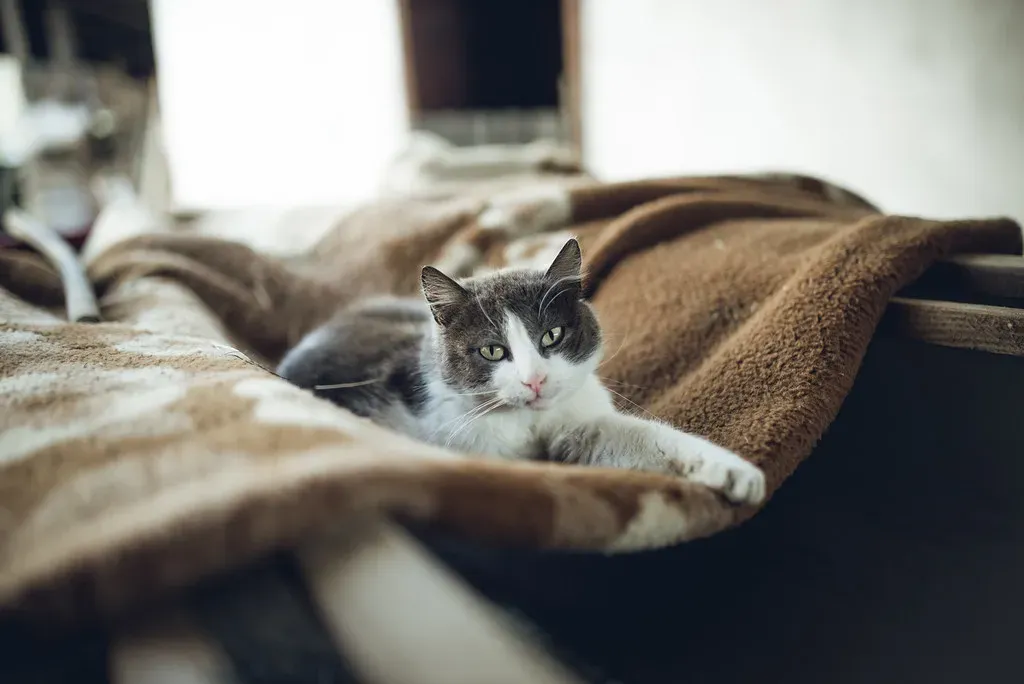
When a cat brings a dead animal to its owner, it is often seen as a gift or a token of affection, and while it may seem gruesome to us, cats see it as a sign of love and trust. They’re sharing what they value most with someone they care about deeply. From their perspective, they’re being incredibly generous.
Let’s be real, receiving these gifts isn’t pleasant for most people. The intention behind it matters more than the gift itself. Your cat is trying to contribute to the household and show appreciation for everything you do. It’s their language of love, even if it’s not a language we particularly want to understand.
When Gift-Giving Becomes Concerning
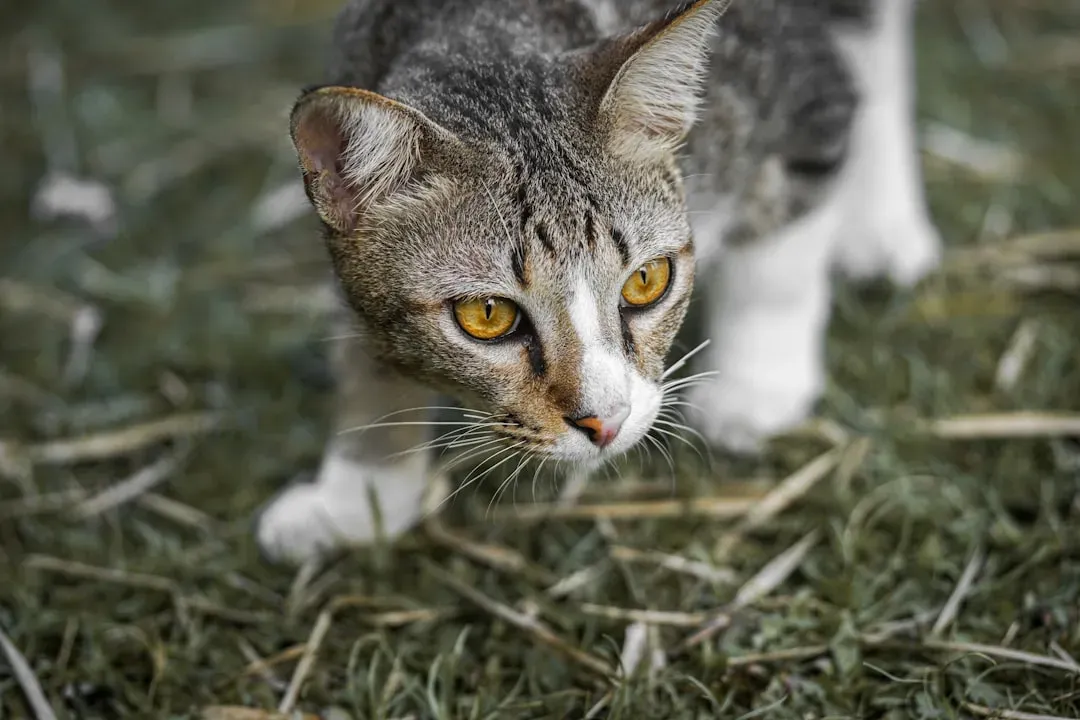
While occasional gifts are normal, frequent hunting can pose risks. Rodents like mice and rats can carry diseases that humans can contract, so the CDC recommends covering your hands with plastic bags or gloves when picking up the dead rodent. Health concerns are legitimate, especially if your cat is bringing home multiple animals regularly.
Consider keeping your cat indoors or limiting outdoor time during dawn and dusk when prey animals are most active. You could help your cat and nature stay safe by keeping your cat indoors or building a “catio” to keep your cat contained while still allowing it access to the outdoors. This protects both wildlife and your sanity.
Accepting Your Role as the ‘Kitten’
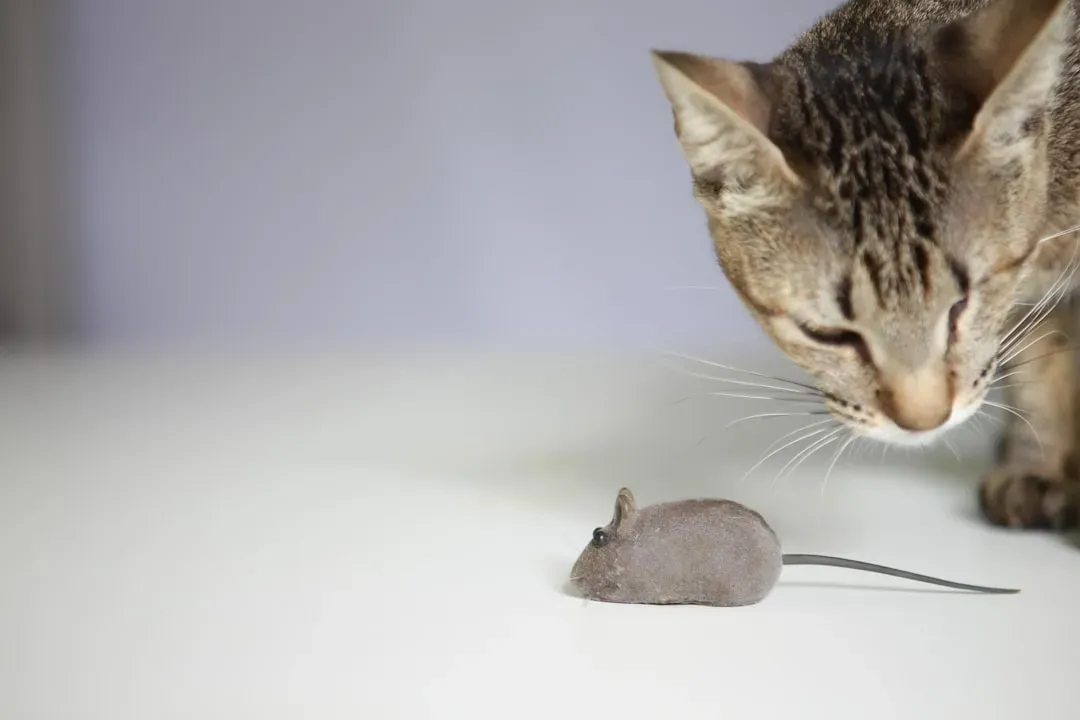
One theory suggests that cats with no young still naturally want to pass on their hunting skills, and since we are their family and since we are clearly very poor hunters from a cat’s point of view, they may be trying to help train us to provide for ourselves. It’s actually kind of endearing when you think about it that way.
Your cat genuinely wants to make sure you’re okay. They’re fulfilling an ancient maternal or paternal role by attempting to teach and provide for you. Next time you find an unwanted surprise, remember that your furry companion thinks they’re doing you a massive favor. Strange as it seems, that dead mouse represents pure feline devotion.
The next time your cat proudly presents you with their latest catch, you’ll know exactly what message they’re trying to send. It’s love, plain and simple, just wrapped in a package you probably didn’t ask for. What do you think about your cat’s gift-giving habits now? Tell us in the comments.