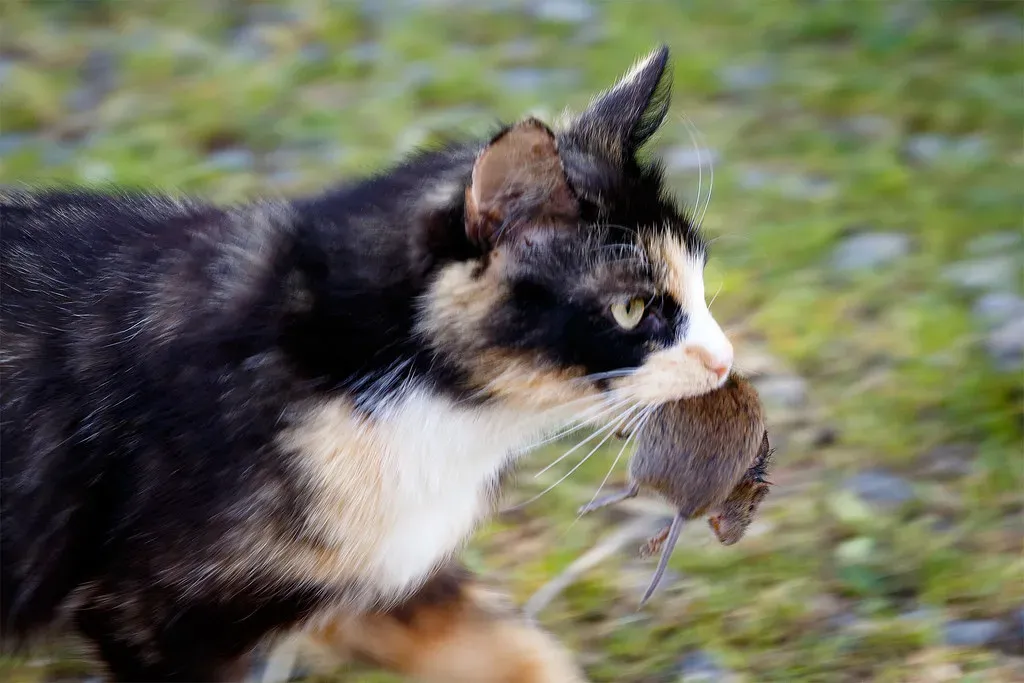
You come home from a long day, kick off your shoes, and there it is. A small, lifeless mouse laid carefully at the foot of your bed. Or maybe it’s a bird on the kitchen floor. Your cat sits nearby, tail flicking with what looks like pride, watching you discover this peculiar offering. If you’re a cat owner, this scenario probably sounds familiar. It can be unsettling, confusing, even a bit gross.
But here’s the thing. This behavior isn’t random, and it certainly isn’t meant to disgust you. Your feline companion is acting on instincts that stretch back thousands of years, and understanding why they do this can completely change how you see your cat. So let’s dive into the fascinating world of feline behavior and uncover what your cat is really trying to tell you when they present you with these unusual tokens.
Your Cat’s Hunting Instinct Never Really Goes Away
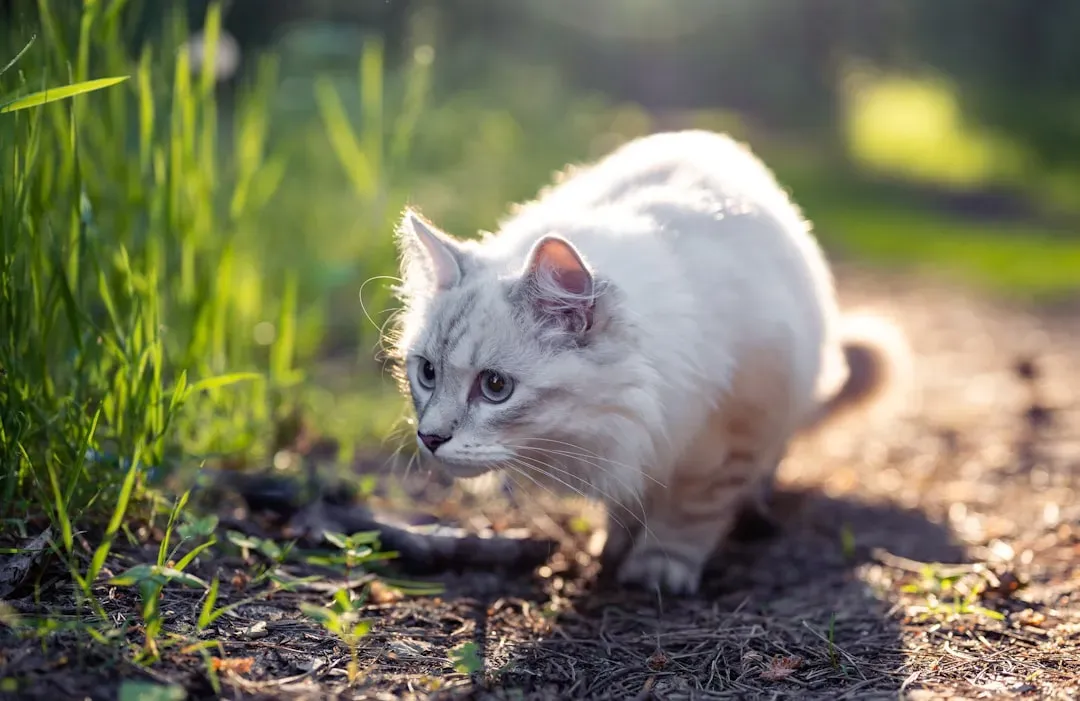
Bringing you dead animals is rooted in your cat’s natural instinct. Even if you feed your cat the finest kibble twice a day, their predatory drive remains hardwired into their DNA. Think about it this way: domestication happened relatively recently in evolutionary terms, and cats still carry the genetic blueprint of their wild ancestors.
The hunting instinct is not governed by hormones and does not diminish after neutering. This means even your spayed or neutered indoor cat retains these powerful urges. Well-fed cats hunt less than those who have to hunt to survive, but the feeling of being full does not cause a cat to give up hunting altogether. It’s simply part of who they are as predators.
They’re Not Actually Hungry When They Hunt
Here’s something that surprises many people. Your cat doesn’t bring you prey because they’re starving or because you’re not feeding them enough. Cats have learned to be opportunistic feeders, changing their activity patterns depending on food availability, and if the opportunity to hunt presents itself, they’ll do so regardless of whether they’re hungry at the time.
There’s less than a fifty percent chance of success at each hunting attempt. In the wild, waiting until hunger strikes to hunt could be fatal. So cats evolved to hunt whenever they spot potential prey, storing energy for leaner times. If they’ve eaten well, they may hunt but not necessarily kill or eat what they’ve caught, instead bringing it home and leaving it. That explains the untouched mouse on your doorstep.
It Could Be About Feeling Safe at Home
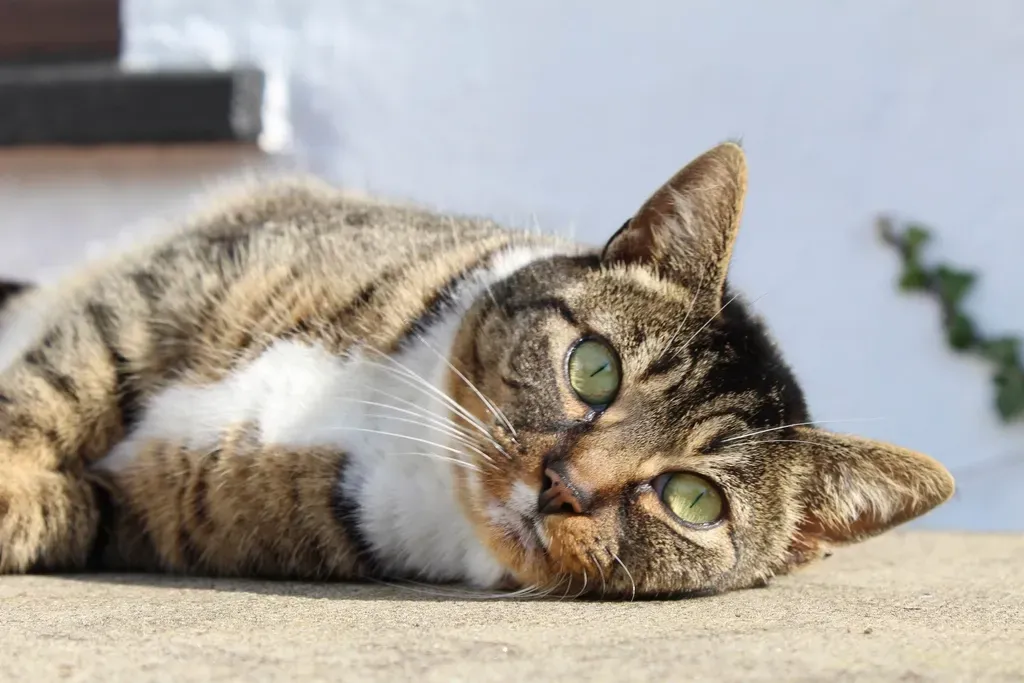
One of the most logical explanations for this behavior might also be the simplest. Cats bring these gifts home because their home is where they feel safe and secure, and when cats catch prey they may not want to eat it or leave it where other animals could steal it. Your home represents a sanctuary to your cat.
Your cat has an instinct to bring prey back to a safe environment to guard it from other predators that may want to steal from them, so take it as a compliment that your cat feels safe and secure in the home you’ve made for them. Honestly, when you look at it this way, it’s actually kind of sweet. Your cat views your shared space as the safest place in their world.
They Might Be Trying to Teach You How to Hunt

This theory is both amusing and touching. In the wild, mother cats would teach their kittens how to survive, and even in a litter of tiny kittens, you can see them practicing their stalking, pouncing and killing behaviors. Mother cats bring prey to their young as part of this essential education.
When your cat brings you dead animals, it might be because they think you’re a terrible hunter and want to help you practice. From your cat’s perspective, you never bring home any prey. You probably can’t pounce worth a darn. Cats with no young may still naturally want to pass on their hunting skills, and since we are their family and clearly very poor hunters from a cat’s point of view, they may be trying to help train us to provide for ourselves.
Sharing Resources with Their Social Group
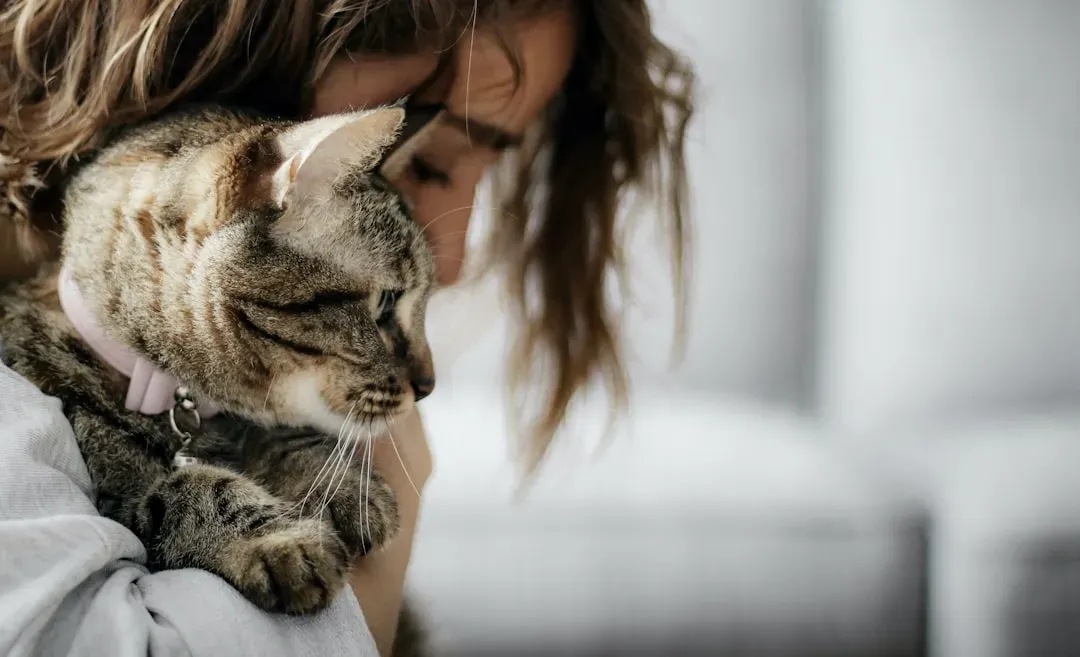
Cats are more social than we often give them credit for. Cats see us as part of their social group, and families and groups of cats will share the success of their hunt and try to teach hunting skills to the other cats. This behavior extends naturally to their human companions.
This may be a sign that your cat considers you a part of their family, sharing the bounty of their hunt, just as Mama Cat may have done with them when they were kittens. It’s their way of contributing to the household. In cat society, bringing food back to share is a sign of affection and social bonding. Let’s be real, that’s pretty remarkable when you think about it.
Sometimes It’s About Attention and Play
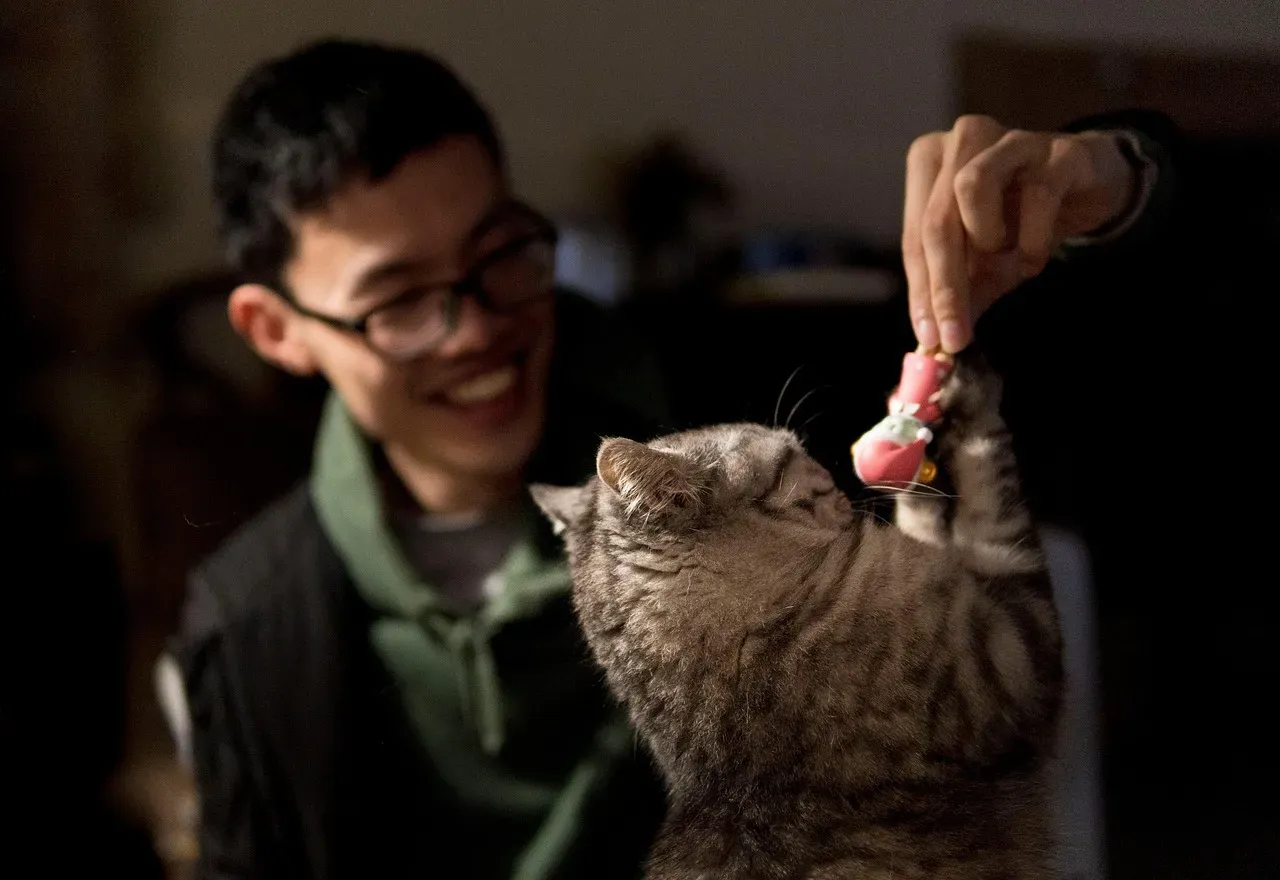
Not all motivations are deeply instinctual. Sometimes the explanation is more straightforward. Cats will often play with their prey before eating it, so your cat might bring you dead animals or toys to engage in a play session with you, and as such, gift-giving might be a kind of attention-seeking and bond-building behavior in cats.
Your cat’s dead-animal-leaving behavior may not be associated with a desire to hunt or please you at all but may just be the way that she plays and entertains herself, as she sees something small darting around, so she captures it. The thrill of the chase itself provides stimulation and satisfaction, regardless of whether they’re hungry or trying to communicate something specific.
The Old Theory About Gifts and Affection
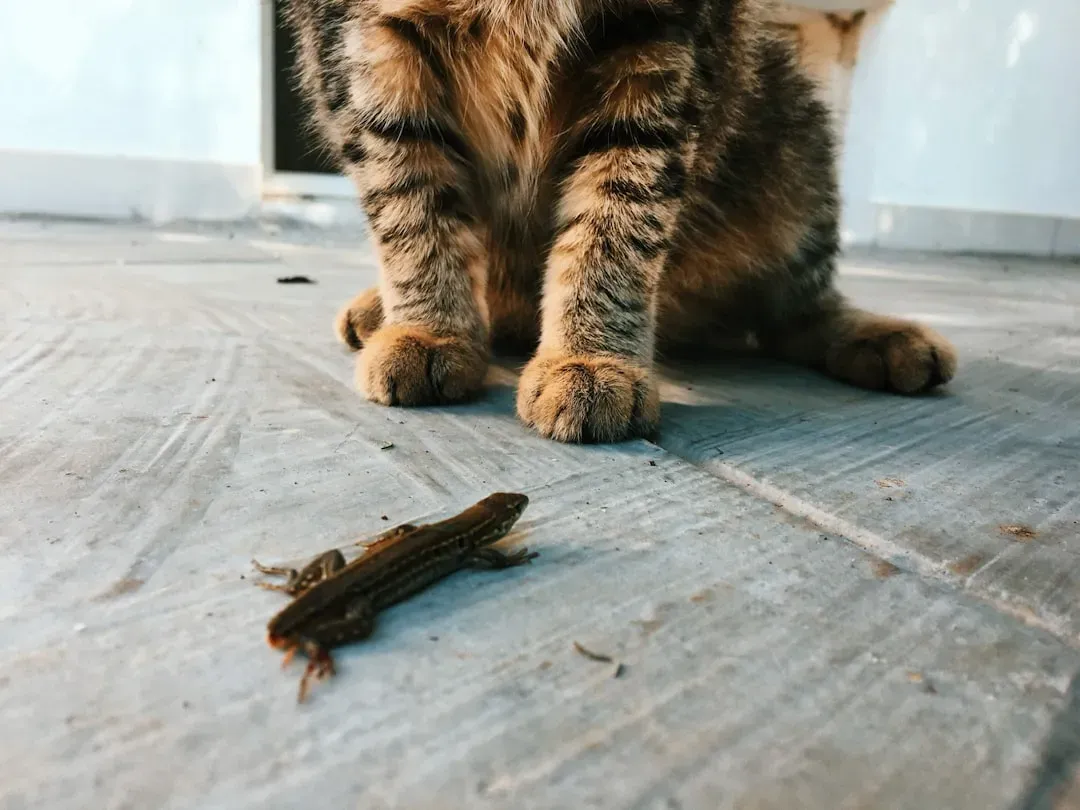
You’ve probably heard people say that cats bring dead animals as gifts to show love. It used to be thought that cats bringing home presents was an indication of affection and that we should look on it as a compliment, or maybe that they thought we are obviously totally useless at hunting and need some help. While these ideas are charming, current research suggests the reality is more nuanced.
It is now thought that cats quite simply prefer to bring their prey back to their core territory where it is safer to eat it or store it for a bit later. Still, that doesn’t mean affection plays no role whatsoever. When a cat brings you a gift, it may be a sign that it trusts you enough to share its catch. Trust and affection often go hand in hand in the feline world.
Cat Personality Matters More Than You’d Think
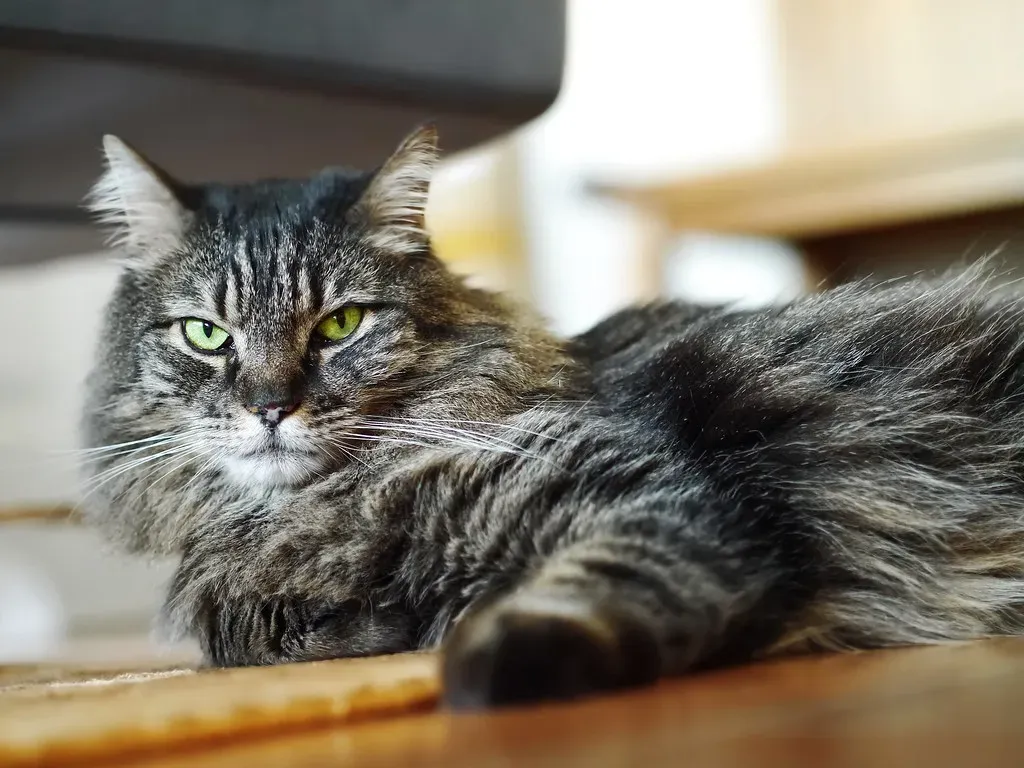
Not all cats are equally enthusiastic hunters. Studies showed that dominant, aggressive and active cats brought back more dead animals into the home, while cats that were shy and friendly with their owners tended to bring home less prey. Your cat’s individual personality plays a significant role in whether they’ll present you with these offerings.
A cat that lives in a rural area may have more space to roam and access to more prey than city cats do, so urban pet owners may get fewer dead animals brought to them than those in the countryside. Environment shapes behavior just as much as temperament does. If you have a timid indoor cat, you might never experience this particular aspect of cat ownership.
Why You Shouldn’t Punish This Behavior
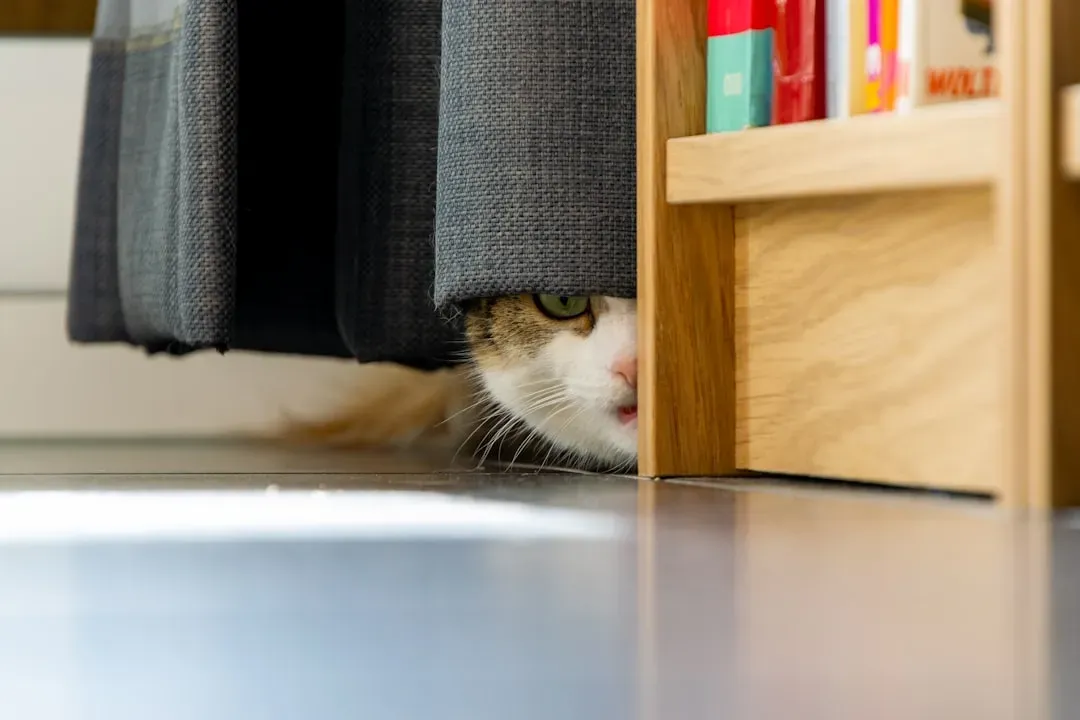
Finding a dead animal in your home is unpleasant. Your first instinct might be to scold your cat. It’s important not to punish your cat for catching wildlife or bringing their prey home because they won’t understand what they’ve done wrong, and as hunting is a natural instinct for cats, shouting at them won’t deter them from doing it again and will only cause them stress which could lead to other unwanted behaviors.
Your cat is simply being a cat. You should never punish your cat for hunting, as she’s only expressing her natural instincts. Punishment creates confusion and anxiety without actually addressing the underlying behavior. Instead, focus on prevention strategies and redirecting that hunting energy into more appropriate outlets.
How to Reduce Unwanted Prey Presentations
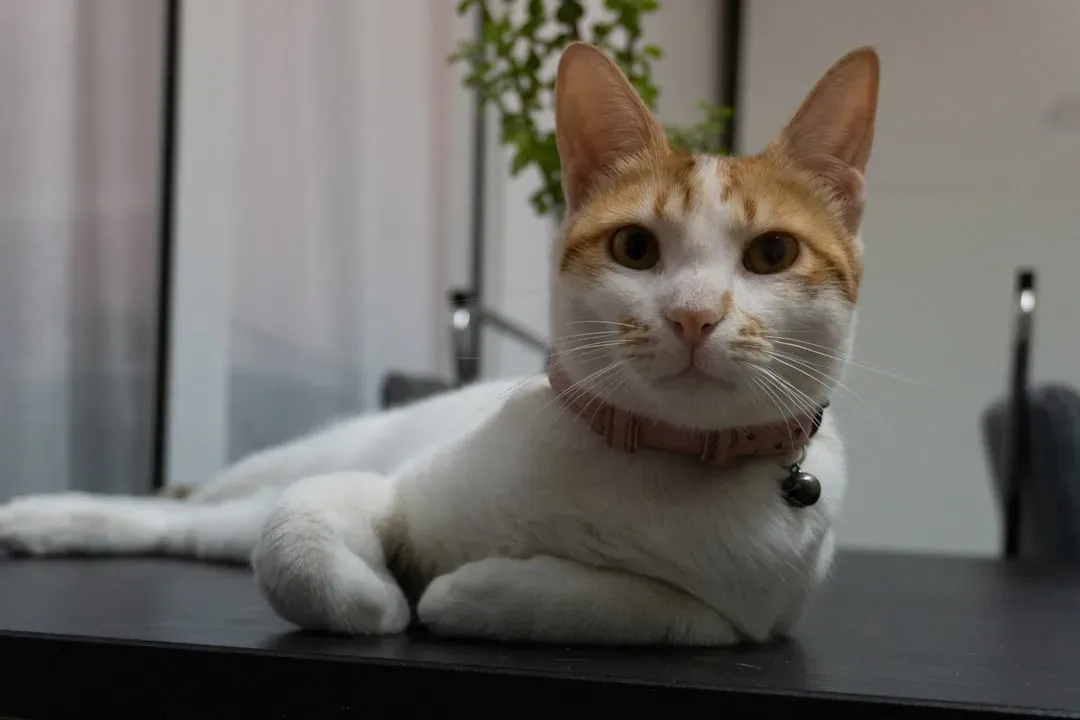
While you can’t completely eliminate this instinct, you can take practical steps to minimize it. Putting a bell on your cat’s collar is one of the easiest ways to prevent many successful hunts, as a bell will sound your cat’s approach to wildlife and give them time to fly or scurry to safety. Just make sure it’s a quick-release collar for safety.
Prevent your cat from going outside in the first place, especially at dawn and dusk, when prey animals are foraging. Redirecting your cat’s hunting instincts through frequent play is one of the most effective methods in helping to reduce or eliminate her hunting behaviors. Interactive toys that mimic prey movements can satisfy that predatory drive without involving actual wildlife. Honestly, a good play session with a feather wand can work wonders.
Conclusion
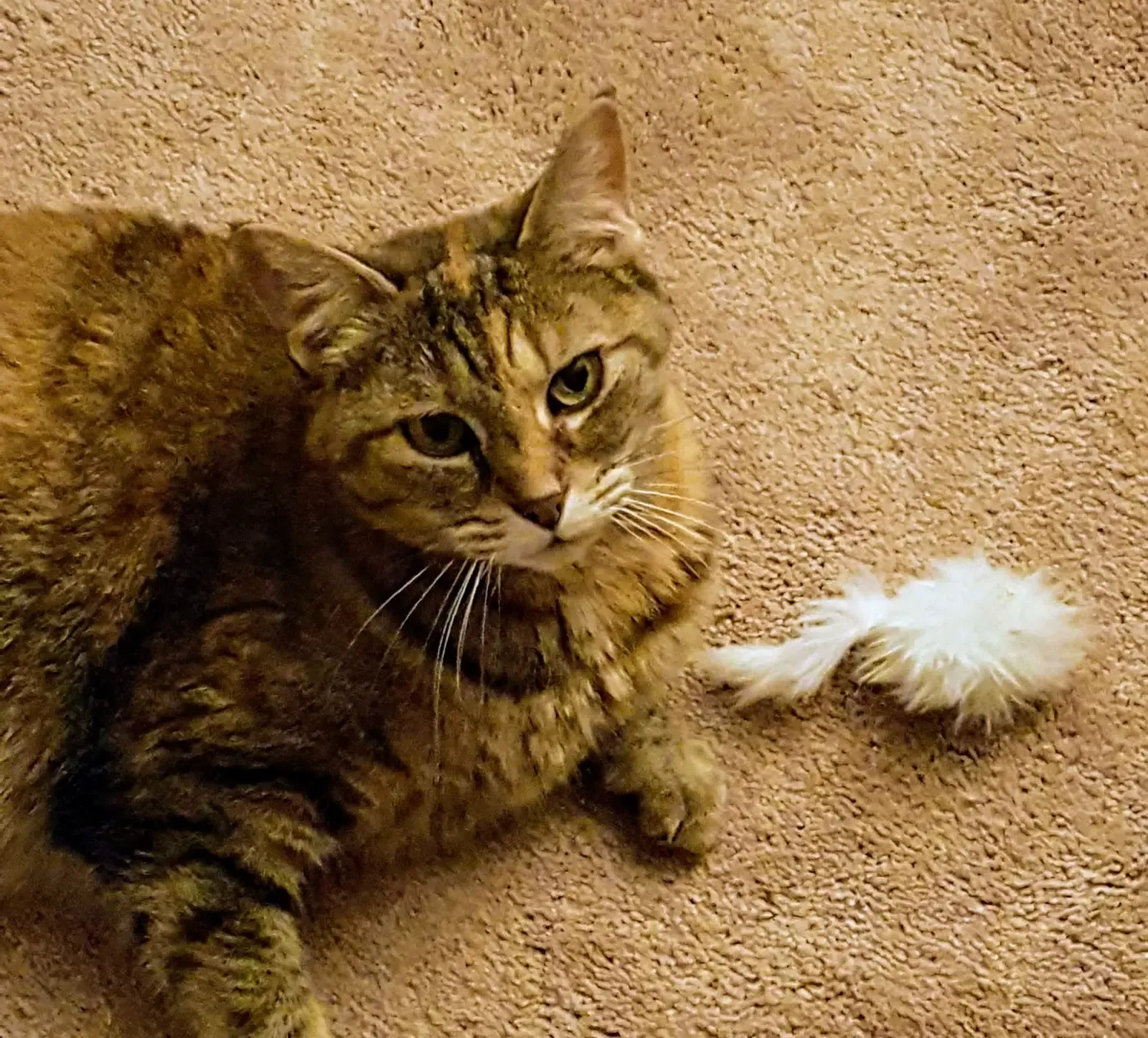
Understanding why your cat brings you these peculiar presents changes everything. It’s not about being macabre or trying to upset you. Your cat is following ancient instincts, seeking safety, sharing resources, or possibly even trying to help you survive in a world where you clearly lack basic hunting skills. These behaviors connect your modern house cat to their wild ancestors and to the complex social structures of feline communities.
The next time you discover an unexpected gift, take a deep breath and remember what it represents. Your cat trusts you, views you as family, and considers your home their safest sanctuary. That little mouse might be unwelcome, but the sentiment behind it speaks to the deep bond you share with your feline companion. What’s your experience with this quirky cat behavior? Have you found any strategies that work particularly well in your household?