You wake up, shuffle to the kitchen for your morning coffee, and there it is – a small, very dead mouse sitting proudly at your feet. Your cat stares up at you with those big luminous eyes, almost visibly waiting for applause. If you’ve ever lived with a cat, you know this moment well. It’s equal parts baffling, slightly horrifying, and honestly, strangely touching.
So what exactly is going on? Is your cat trying to tell you something? Is this love, a warning, a skill demonstration, or just feline chaos? The truth is richer and far more fascinating than you might expect. Let’s dive in.
Your Cat’s Inner Hunter Has Never Gone Away
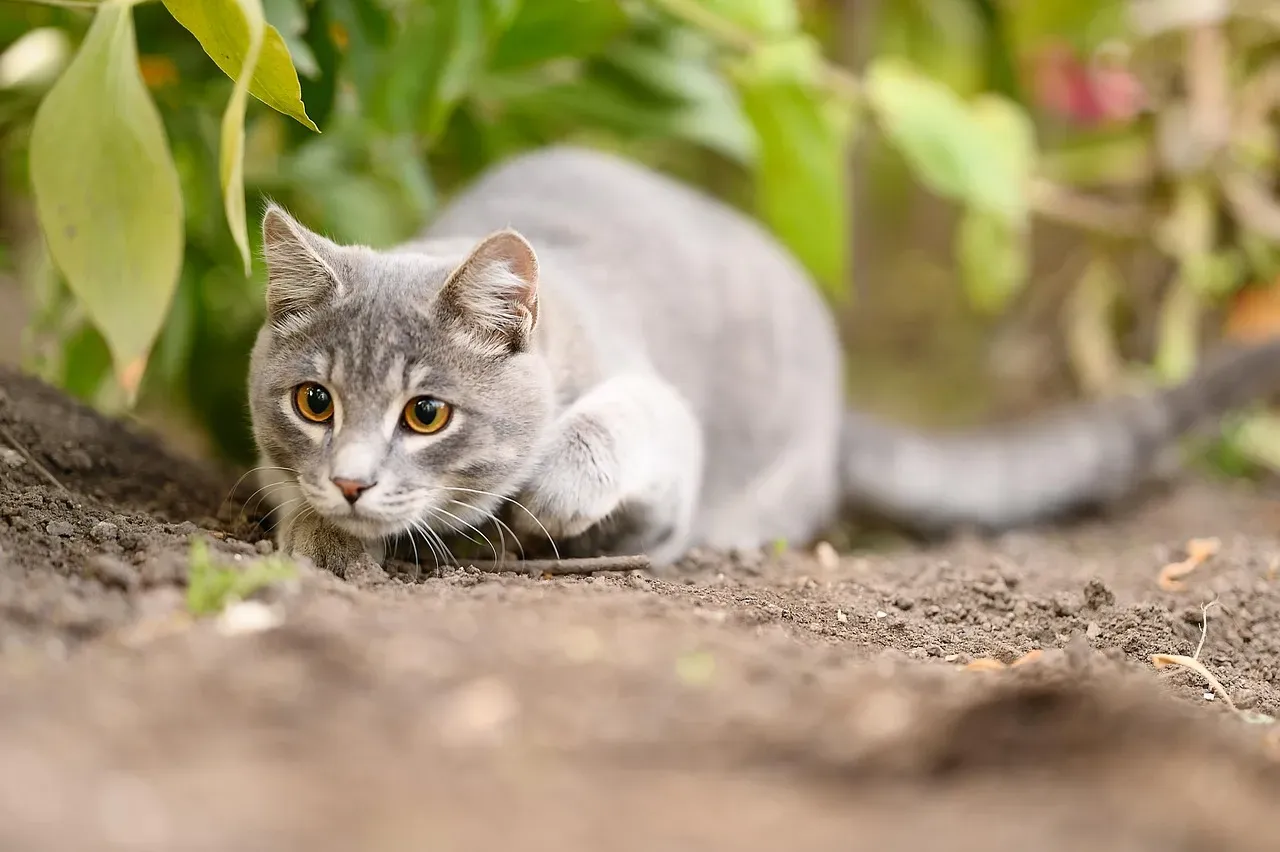
Here’s the thing – your cat, no matter how pampered, how well-fed, or how deeply obsessed with napping on your heated blanket, is still a predator at heart. The original reason for the domestication of cats was to protect food supplies from rodents, and although this is no longer required of the majority of cats, hunting remains a permanent part of their lives. Think of it like a professional athlete who retires but still feels the urge to sprint when they see an open field. The instinct doesn’t retire just because the lifestyle changes.
Along with the urge to procreate and to defend their patch, the hunting instinct is one of the most distinctive behavioral patterns in cats – and the desire to hunt is not governed by hormones, meaning it does not diminish after neutering. So if you thought having your cat spayed or neutered would put a stop to the gift parade, you might want to think again. That drive runs bone-deep, and no amount of premium kibble is going to silence it completely.
The “Gift” Is Actually a Compliment
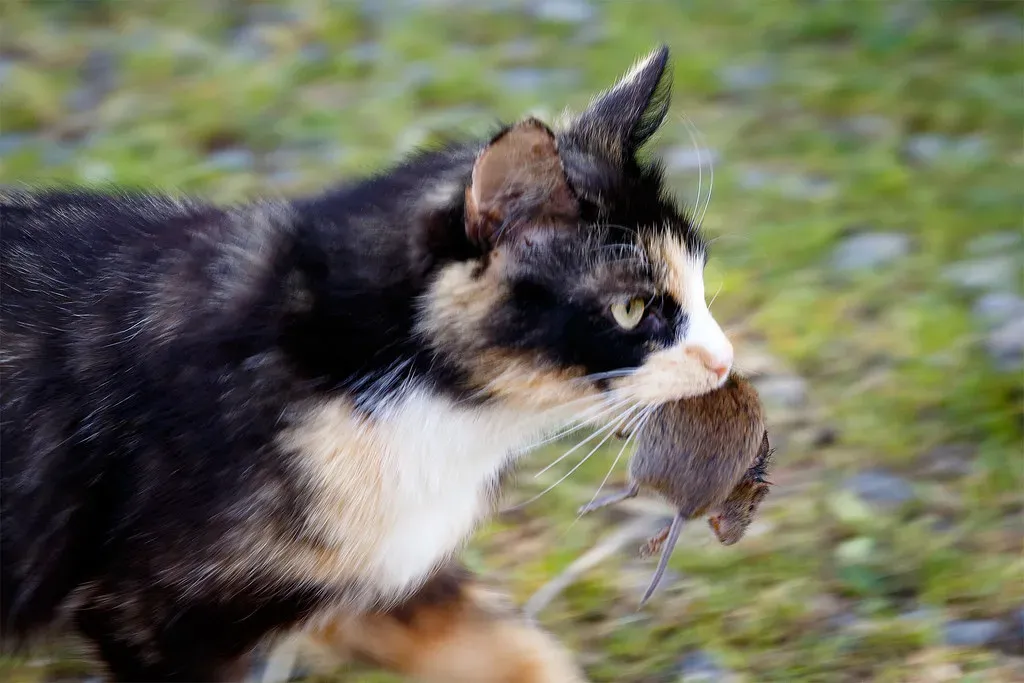
I know it sounds crazy, but that limp mouse dropped on your pillow? It’s a compliment. A twisted, slightly unsanitary compliment – but a compliment nonetheless. It used to be thought that cats bringing home presents was an indication of affection, and that we should look on it as a compliment – or maybe that they thought we are obviously totally useless at hunting and need some help in that department. Both theories, honestly, are equally amusing.
When your cat brings you a gift, it signifies affection and trust. Cats are social animals and form strong bonds with their owners. Your cat shows that it loves and trusts you by bringing you a gift, and it is also a sign that your cat sees you as part of its family and wants to provide for you, just as it would for its young in the wild. So the next time you find a mystery offering by the door, take a breath and accept it in the spirit it was given – even if you accept it using rubber gloves.
She Thinks You Are Her Kitten
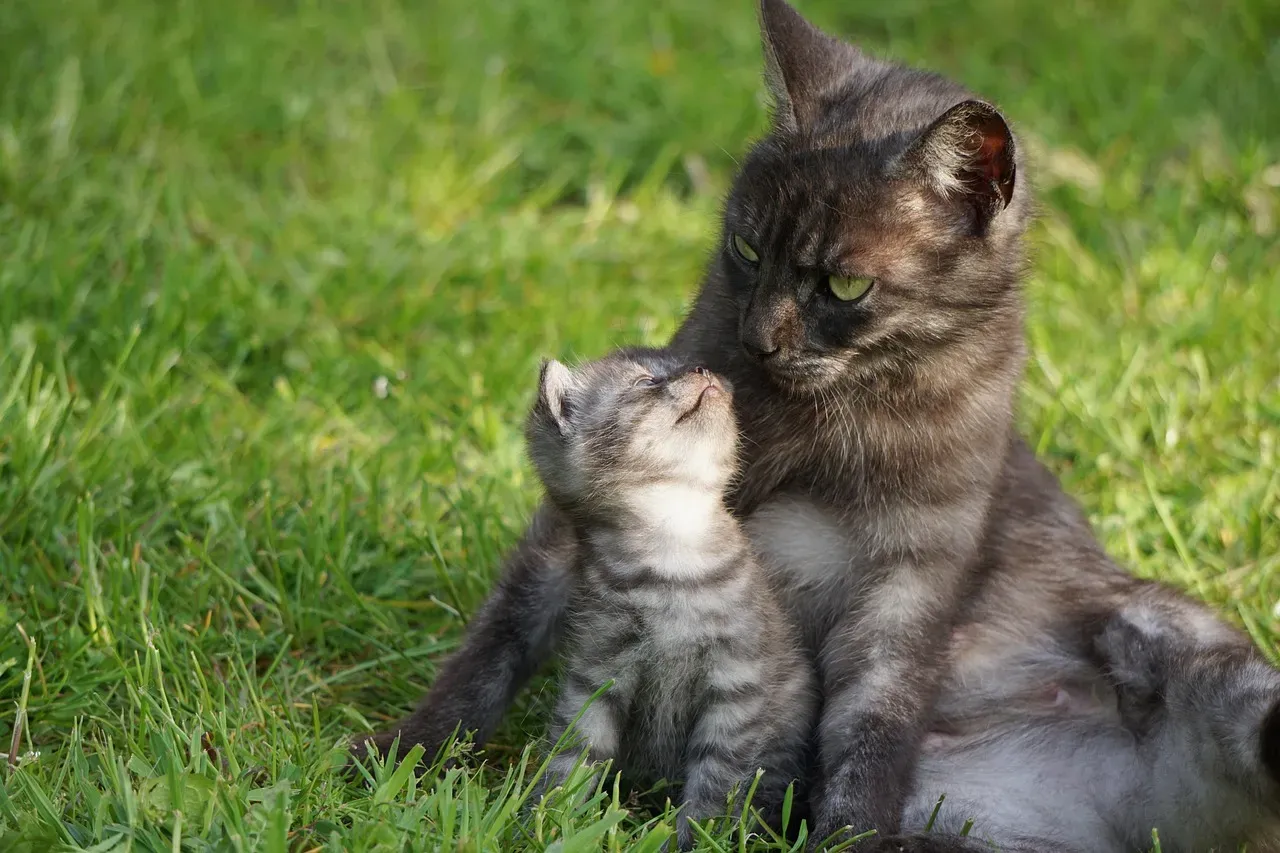
This one genuinely blew my mind when I first came across it. Your cat may not see you as her superior, or even as her equal – she may see you as her helpless little kitten who desperately needs feeding. In the wild, mother cats teach their kittens hunting skills by bringing them injured or dead prey. When your cat brings you gifts, they might be treating you as they would their own kitten, attempting to teach you these essential survival skills. This behavior is particularly common in female cats, though males may also display it.
Your cat might genuinely believe you need help learning to hunt, or they may be fulfilling their natural teaching instincts in the only way they know how – it’s their way of contributing to the family unit and ensuring their “kitten” (you) can survive. From the cat’s perspective, you stumble around all day, produce no prey whatsoever, and seem completely unequipped for survival. She’s just doing her part. Honestly, it’s kind of sweet when you frame it that way.
It’s About Territory and Trust, Not Just Affection
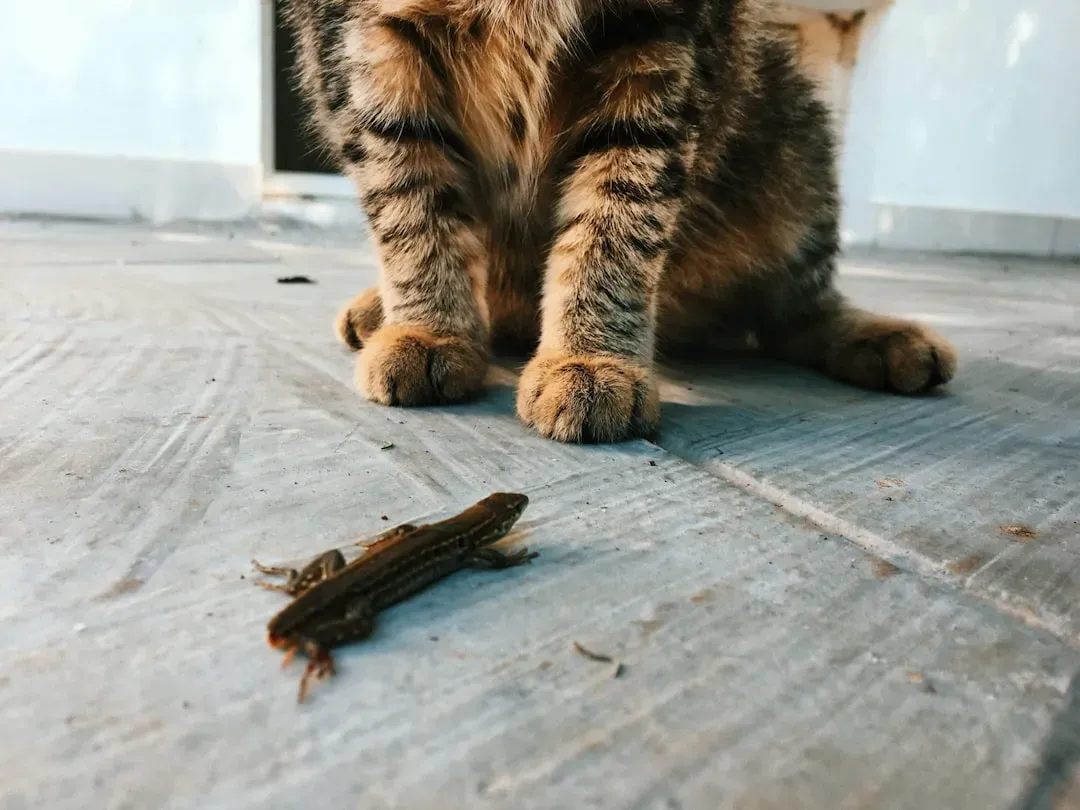
Beyond love and maternal instinct, there’s another layer to this behavior that has everything to do with territory and safety. It is now thought that cats quite simply prefer to bring their prey back to their core territory where it is safer to eat or store it for later – and this “core territory” is the house, often in the space they share with you. Your living room is essentially your cat’s version of a personal dining room, and you just happen to be invited.
Cats are known for their highly territorial nature, and by bringing you a toy or prey item, your cat is marking you as part of their territory. It’s a subtle way of asserting dominance and ownership over you and your living space, and while it might not sound very flattering, it’s their way of showing affection and trust in you. So you’re not just a family member in your cat’s eyes. You’re a valued part of their territory – which, in cat language, is about as high an honor as it gets.
Indoor Cats Have Their Own Version of the Gift
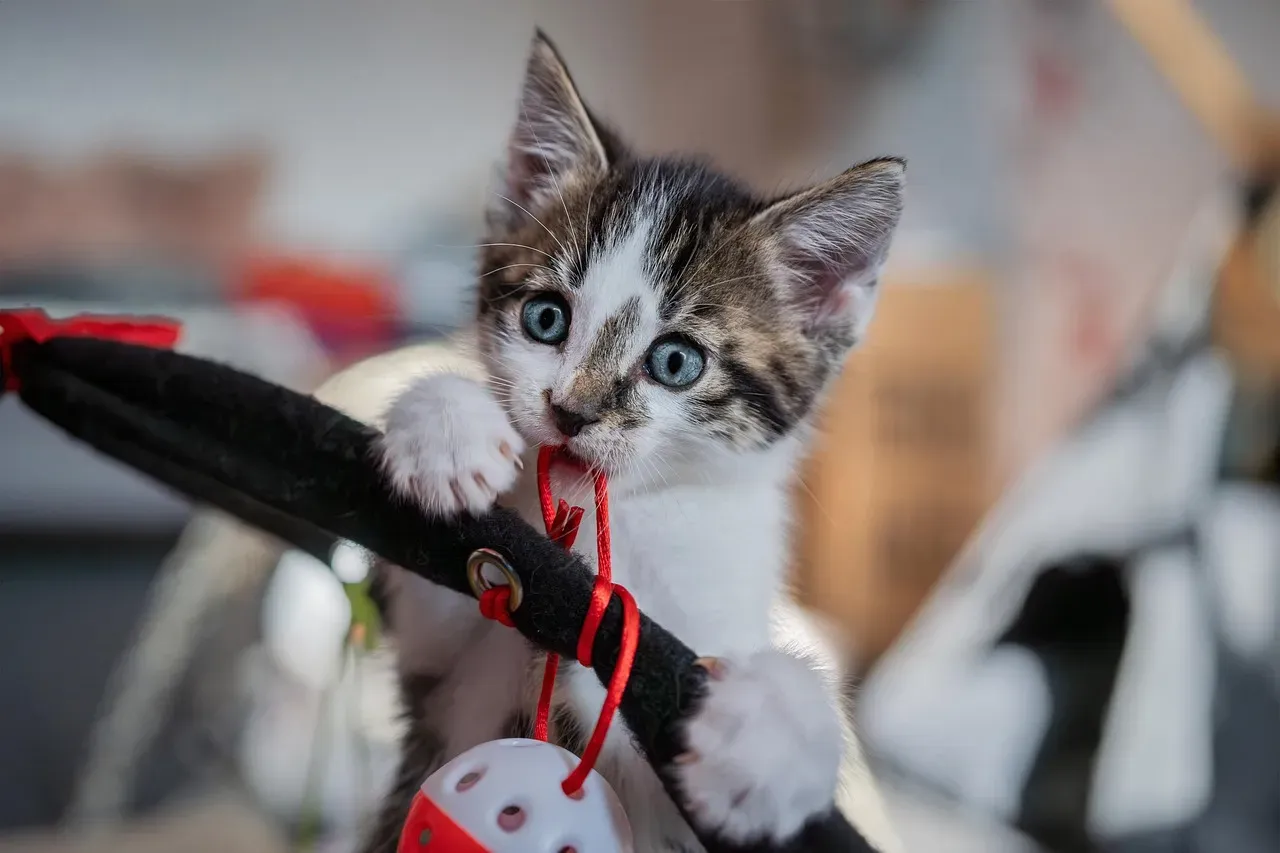
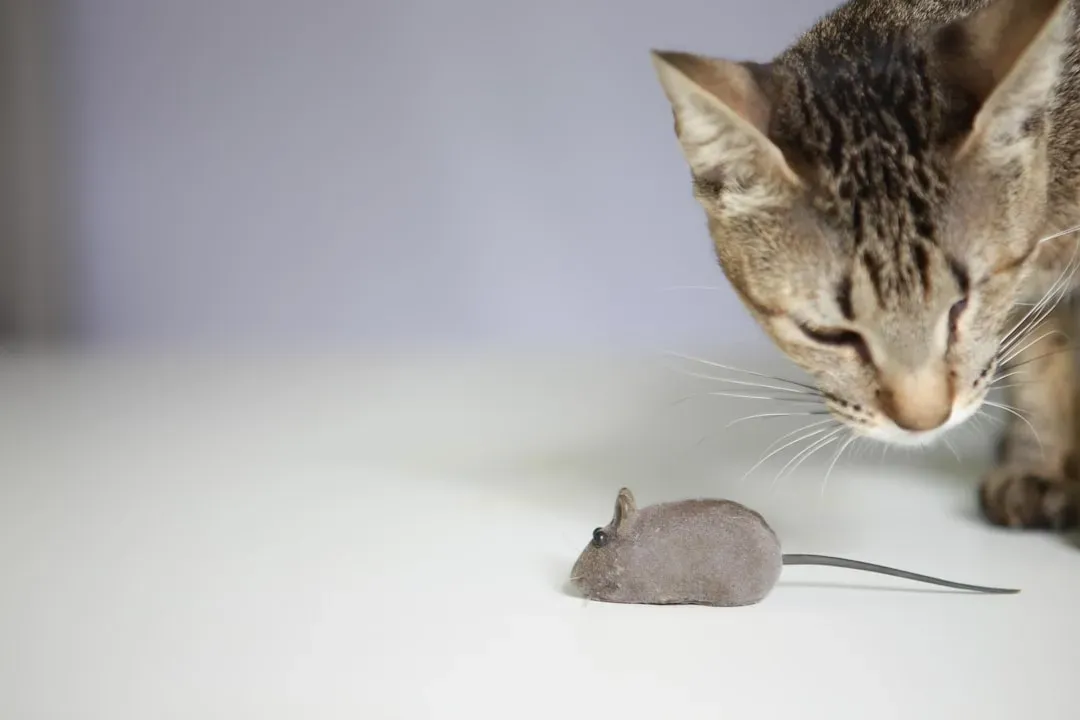
Not all cats have outdoor access, and yet plenty of indoor-only cats still participate in the gift-giving ritual. They just swap the dead mice for something more accessible. Even indoor cats who have never hunted live prey demonstrate this behavior with toys, showing that the instinct transcends the need for food. This explains why your cat might proudly present you with a favorite stuffed mouse or ball in the same way they would actual prey.
Many strictly indoor cats bring toy mice or other things they find around the house, setting them at their owner’s feet or near their chair in the home office. You might find a hair tie, a crinkle ball, or even a stray sock delivered to you with tremendous ceremony. Even though house cats today no longer need to hunt for dinner, many still carry the genetic memory of those wild days – when your cat picks up a toy and brings it to you, they may be reenacting the ancient hunting ritual: catch, capture, deliver.
The Very Real Health Risks You Should Know About
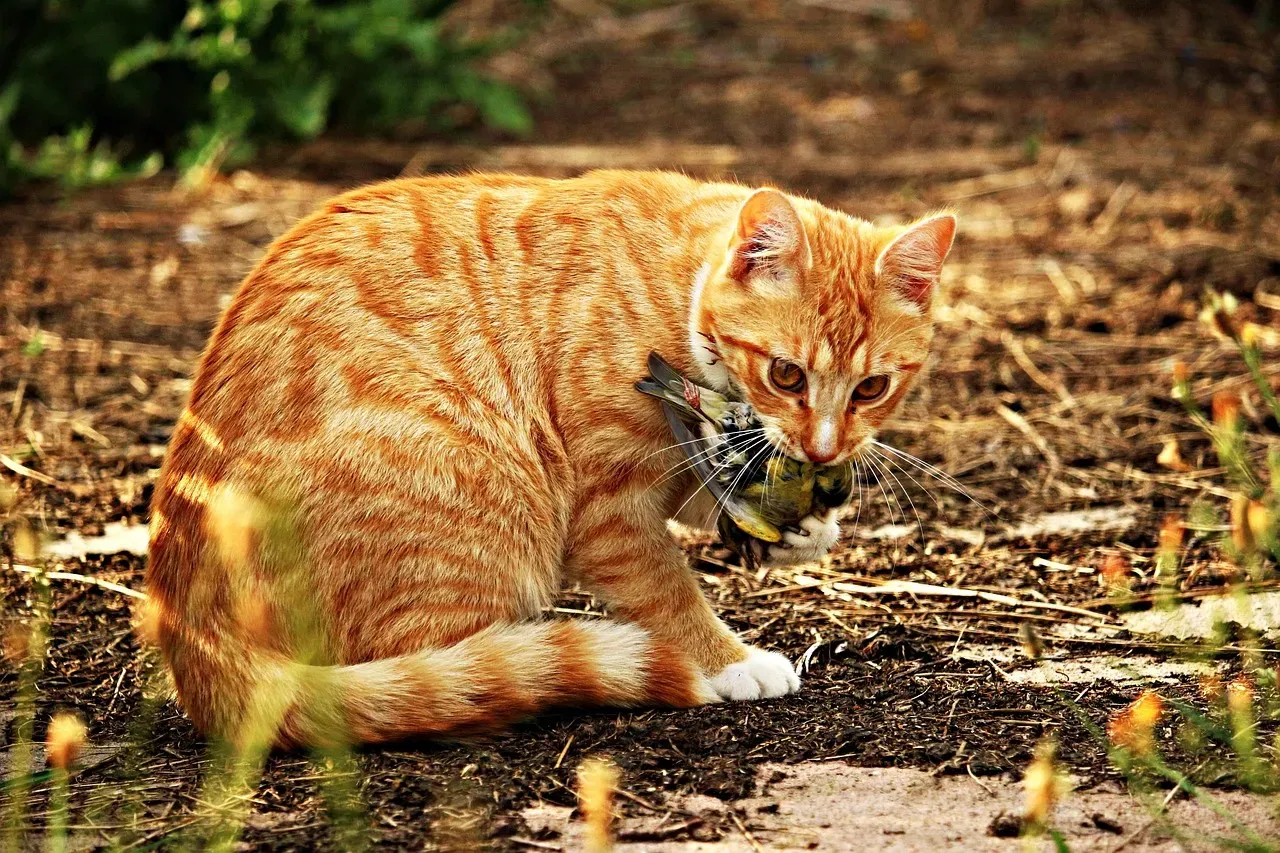
Here’s where things get a bit less heartwarming and a lot more practical. Outdoor cats bringing in real prey aren’t just creating a mess – they can be bringing in genuine health hazards. Wildlife can transmit fleas, ticks, and other parasites and infections to your cat, such as roundworms, toxoplasmosis, hantavirus, leptospirosis, and plague, and some of these diseases can be zoonotic, meaning they can be spread to humans. That’s not a small list.
Small rodents such as mice or rats that your cat might put in their mouth can carry parasites like tapeworms or might have ingested rodenticide poisons, both of which can make your cat sick – and your cat could be injured if the prey animal bites or scratches them. Keeping cats indoors is also beneficial for their health, since prey may carry parasites, rabies, or other diseases, like avian flu. The gift your cat is so proud of, in other words, can come with some deeply unwanted strings attached.
The Impact on Local Wildlife Is Surprisingly Massive
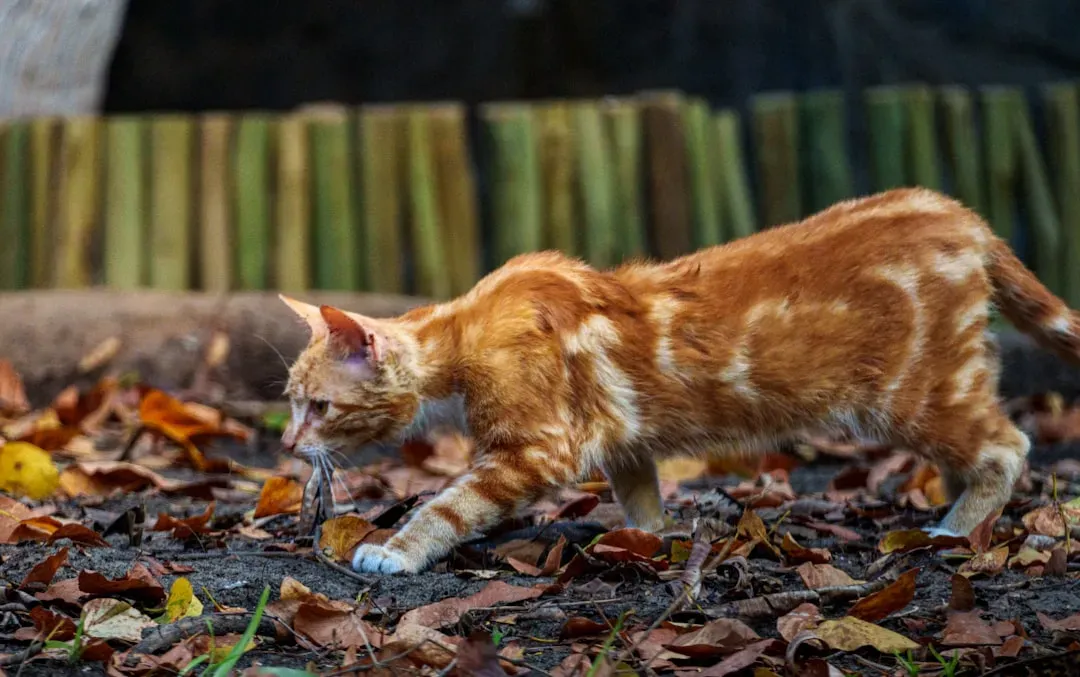
Let’s be real – this one surprises most people. Your cat looks small and domesticated, curled up on the couch like a furry loaf of bread. Yet collectively, domestic cats represent one of the most significant threats to wildlife populations in the world. Cats are incredibly efficient hunters that can do an extensive amount of damage to wild bird numbers in any given area – according to the American Bird Conservancy, cats kill 2.4 billion birds in the U.S. every year. That number is almost too large to comprehend.
Native predators like foxes, owls, and bobcats rely on wild prey to survive, but well-fed cats still hunt out of instinct rather than hunger, which reduces the food available for wildlife and disrupts local ecosystems. Therefore, keeping cats indoors helps protect our native species while keeping our pets safer too. It’s a difficult truth for cat lovers, but it’s one worth sitting with. Your beloved feline is not operating with any malice, but the ecological consequences are very real.
How You Should Actually Respond to the Gift
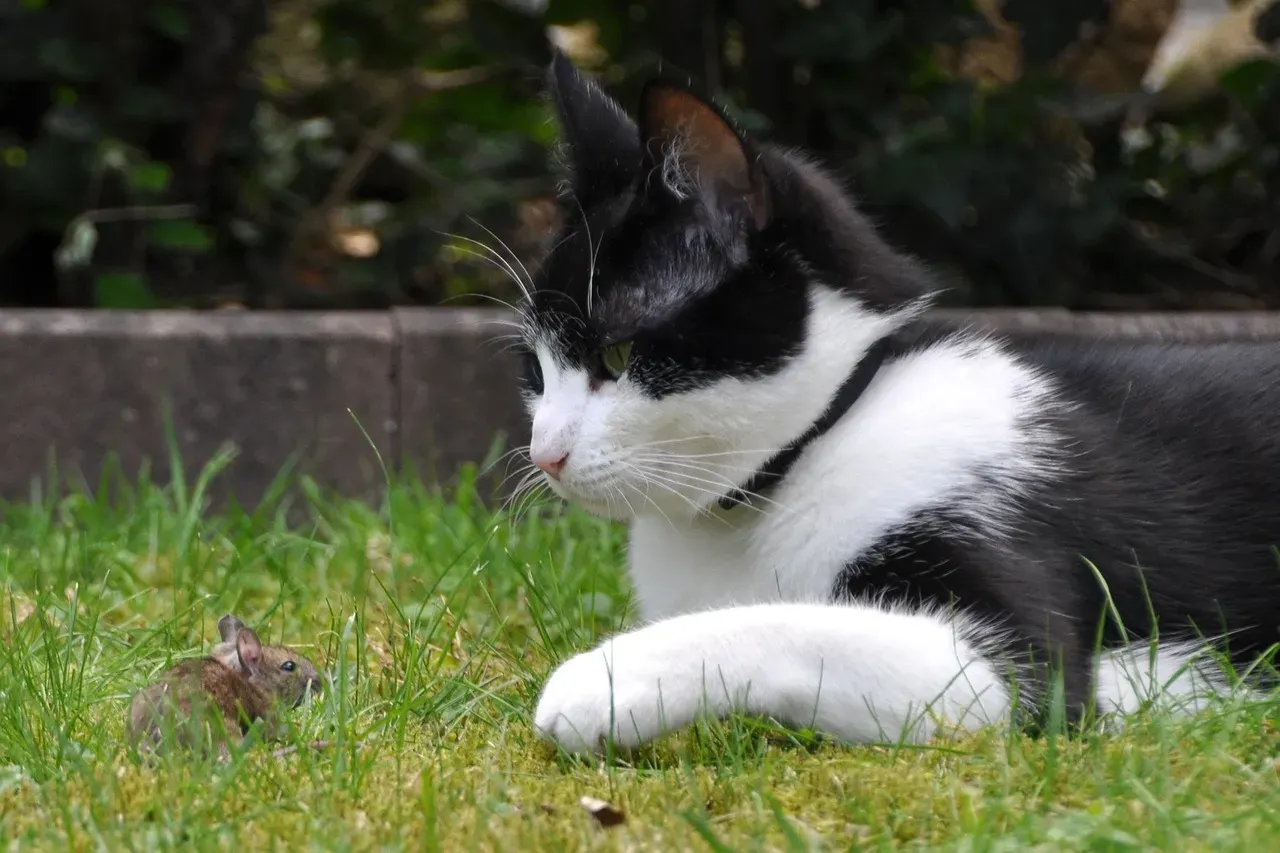
So your cat just dropped a mouse at your feet. What do you actually do? Your instinct might be to scream – and honestly, that’s fair – but it’s the wrong move. Reacting with alarm can confuse or distress your cat. Try to remain calm and avoid making a horrified face, as cats can read body language. Thank your feline friend for the gift, and if they will let you, dispose of it. Yes, really. Say thank you to the cat. For a dead mouse. Welcome to cat ownership.
If your cat manages to bring home a dead animal, the first thing to do is react as little as possible, because diverting your cat’s attention with a toy or treat might be perceived as a reward for bringing you prey, which could cause the behavior to increase. For small creatures like mice or birds, use gloves, double-bag the animal, and dispose of it in your normal household waste – always wash your hands thoroughly afterward. Simple, sanitary, and calm. That’s the play.
Smart Ways to Redirect the Behavior

If the gifts are becoming a regular occurrence and you’d prefer a different kind of morning surprise, there are genuinely effective ways to manage this. If you give your cat an outlet for their instinct to hunt, it will help to satiate their prey drive – this isn’t just throwing them a catnip mouse. Cats need to stalk, chase, and pounce on things that move, which means joining in with these games. There are endless toys on strings you can buy to indulge your cat’s hardwired predatory behaviors.
One study found that owners who switched their cat’s food to a high-protein diet noted an average 36 percent decrease in gruesome gifts – this data could indicate that cats might also hunt due to dietary deficiencies. However, always check with your vet before changing your pet’s diet. Your cat’s hunting success relies on silence and stealth, so attaching a bell to a safety breakaway collar can significantly disrupt their quiet approach, giving potential prey a chance to escape. Small changes, big results – and a much calmer start to your morning.
Conclusion
Your cat’s “presents” are not random, not malicious, and not a sign that anything is wrong. They are a window into an ancient, deeply wired behavior that speaks to loyalty, love, teaching, and territory all at once. Whether it’s a real mouse or a well-loved toy mouse, the message is largely the same: you matter to your cat, and they want you to know it – in the only language they’ve ever truly spoken.
The trick, of course, is balancing that appreciation with practical safety, both for yourself and for the wildlife your cat encounters. Keep your cat enriched, engaged, and ideally indoors, and redirect that incredible hunting energy into play. Your cat will still feel like the brilliant hunter they are – and you’ll wake up to a much more welcome kind of morning surprise. After all, which would you prefer on your pillow: a dead mouse or a toy one? What do you think – does your cat’s “gift” feel more like love or a lesson? Let us know in the comments.