Have you ever wondered why your cat, who seemed perfectly content snoozing on the couch for weeks, suddenly abandons that spot for your laundry basket or the bathroom sink? It’s one of those quirky feline behaviors that leaves you scratching your head. You might think your cat is just being difficult or unpredictable, but there’s actually a fascinating mix of instinct, comfort, and survival strategy behind this habit.
Cats are masters of mystery, and their sleeping patterns are no exception. While it might seem random or even bizarre, the truth is that your cat’s choice to rotate through different sleeping locations reveals much more about their inner world than you’d expect. Let’s dive into the surprising reasons behind this common behavior and what your feline friend is really trying to tell you.
The Ancient Survival Instinct at Play
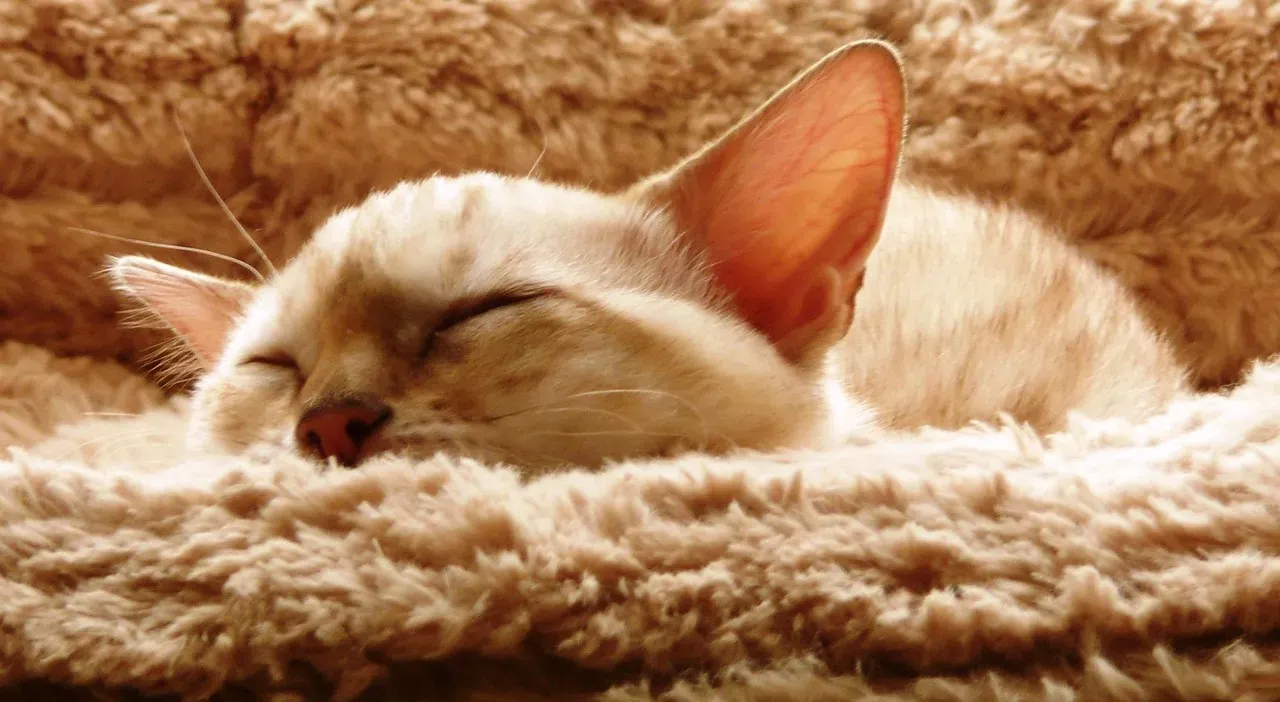
Your cat’s tendency to switch sleeping spots is rooted in an ancient survival mechanism developed eons ago, when cats needed to avoid predators tracking their scent to their sleeping locations. Even though your pampered house cat doesn’t face the same dangers as their wild ancestors, this deeply ingrained instinct remains firmly embedded in their DNA.
Cats are mesopredators, meaning they both hunt smaller prey and can themselves become targets for larger predators. This unique position in the food chain has shaped their behavior in profound ways. Wild cats regularly change their sleeping positions because they fear that predators like coyotes or foxes might learn their routines and ambush them during vulnerable moments. Your domestic cat carries this same protective blueprint, even if the biggest threat they face is an overzealous vacuum cleaner.
Temperature Control Drives Location Decisions
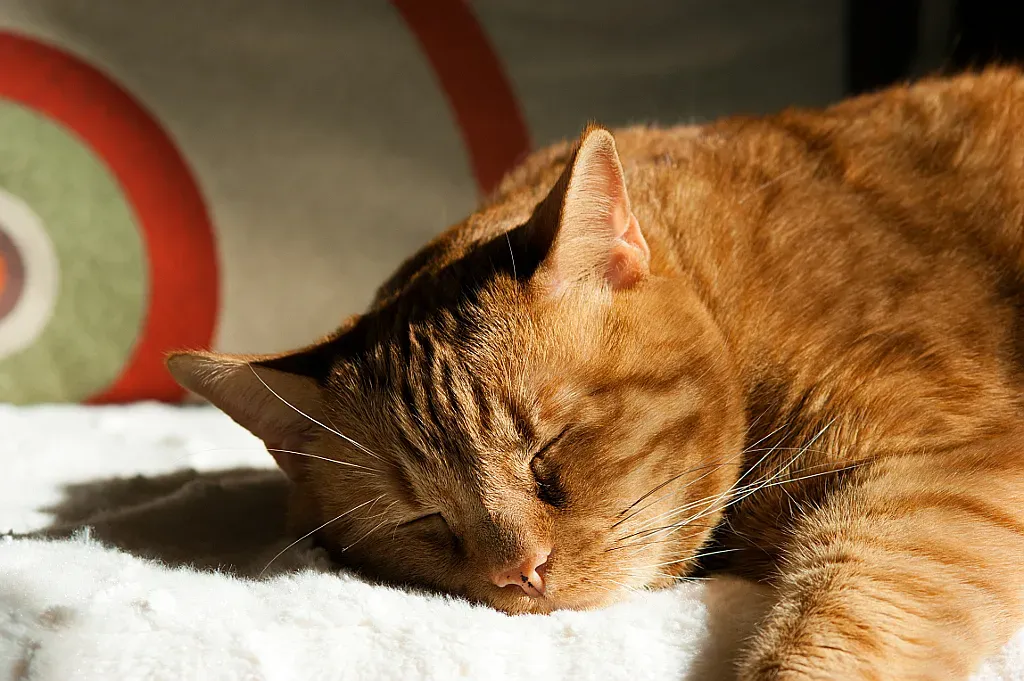
Let’s be real, cats are terrible at regulating their own body temperature. Cats frequently change their preferred sleeping spot depending on the temperature, seeking warm and cozy spots in winter while opting for cooler places like bathroom sinks during hot summer months. Your cat is essentially conducting a personal climate survey throughout your home.
Because cats are quite sensitive to temperature changes and struggle with regulating their body temperature, changing sleeping spots helps them find that perfect comfort zone. During colder seasons, you might notice your cat gravitating toward sunny windowsills, radiators, or even your laptop keyboard. In summer, they’ll seek out tile floors, basements, or any surface that offers relief from the heat. It’s not complicated, they’re just chasing comfort.
Multiple Sleeping Spots Are Normal Behavior
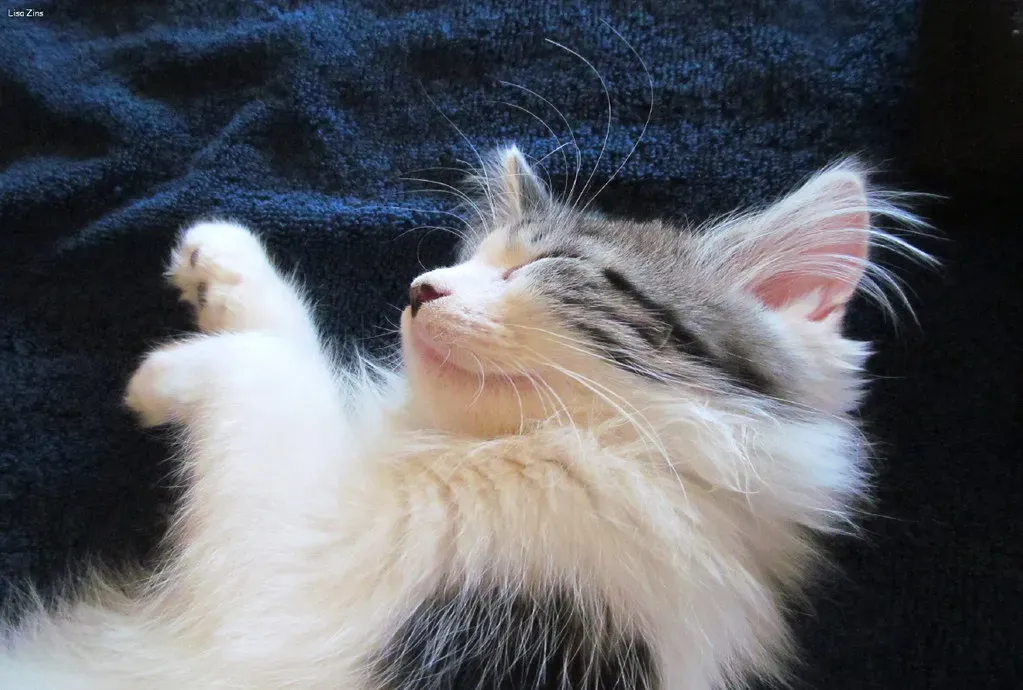
If you think your cat has just one favorite sleeping spot, think again. Studies suggest that most felines maintain about five preferred sleeping areas. This isn’t indecisiveness, it’s strategic planning.
While cats do have preferred sleeping spots, they naturally like to vary where they rest, which is a feline survival instinct developed in the wild that has carried forward to domesticated life. Your cat isn’t rejecting their fancy cat bed you spent money on, they’re simply exercising their natural inclination to maintain options. Each location likely serves a different purpose depending on the time of day, temperature, or your cat’s mood.
Territorial Claims and Household Hierarchy
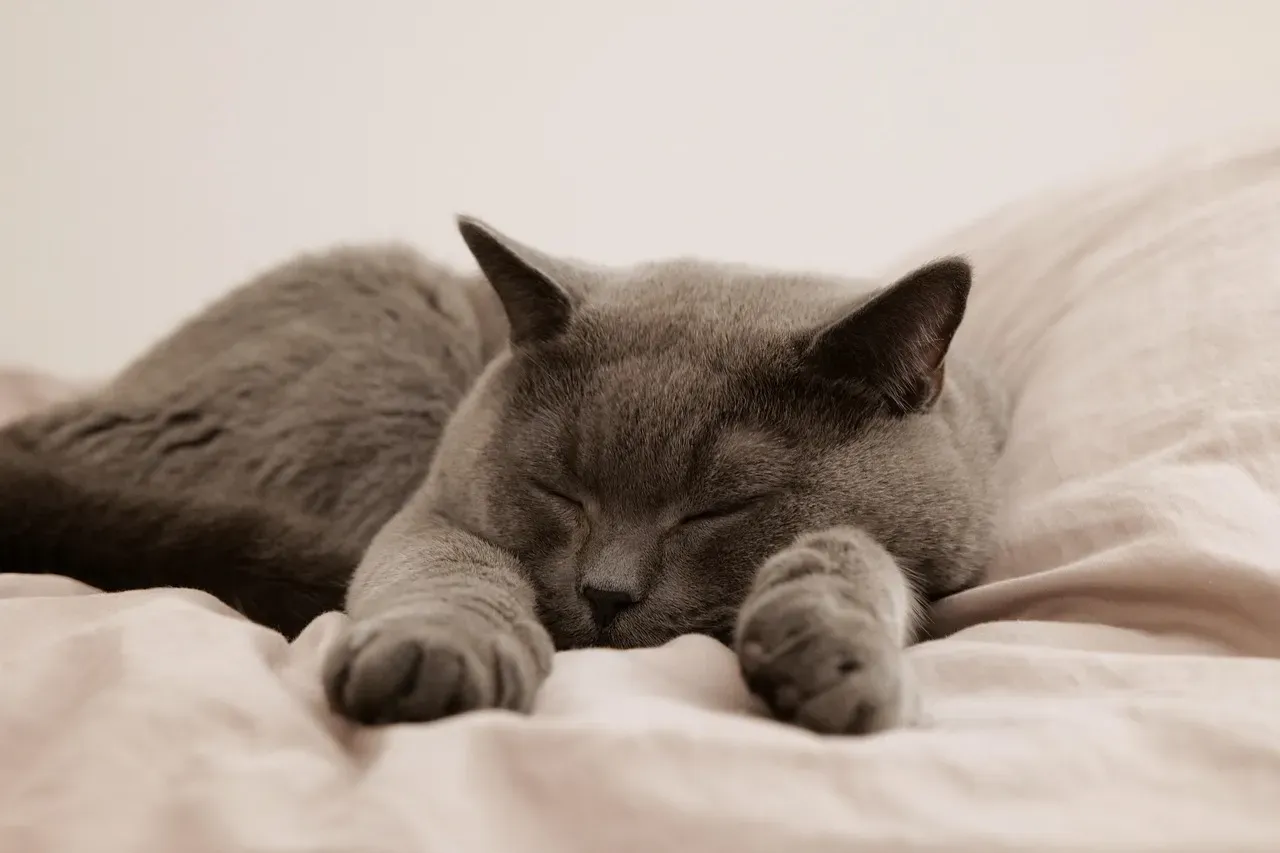
In homes with multiple cats, sleeping spots become prime real estate. Hierarchy influences where a cat sleeps in multi-cat households, with the dominant cat choosing its sleeping spot first while other cats must defer. It’s like a furry version of musical chairs, except the dominant cat always wins.
In multi-cat households, cats alternate sleeping spots according to the home’s hierarchy, with dominant cats claiming preferred sleeping spots and sharing them with more submissive family members, much like they do in the wild. When a new cat joins your household or an older cat passes away, you might notice a complete shuffle in sleeping arrangements. Honestly, it’s fascinating to watch the subtle power dynamics play out through nap locations.
Negative Experiences Create Location Avoidance
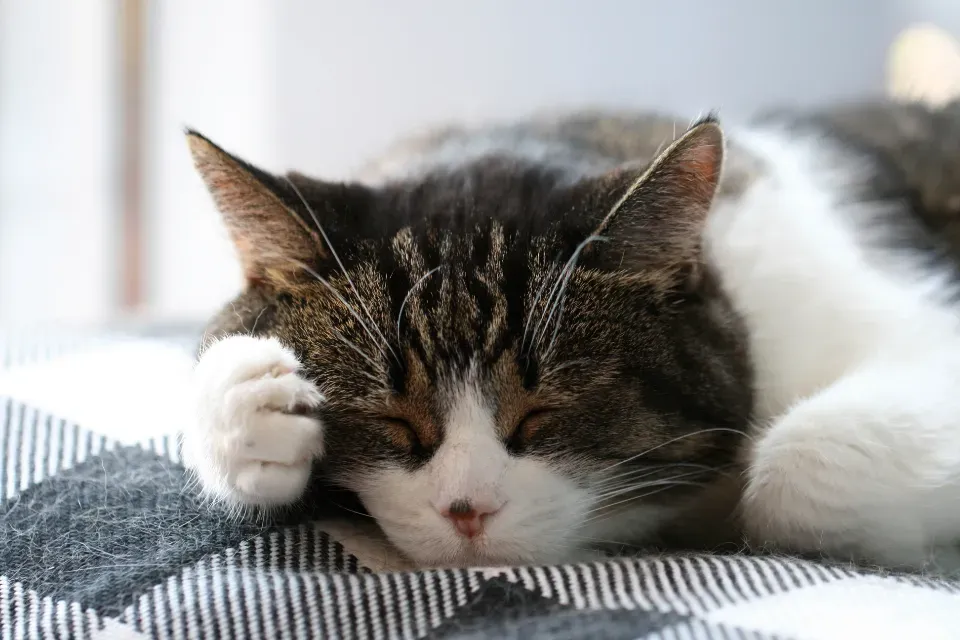
Cats have excellent memories, especially when it comes to unpleasant experiences. Cats may equate their sleeping spot with a painful sensation or uncomfortable memory, such as an ear mite infestation or physical trauma like being stepped on, which leads them to avoid that location. Your cat doesn’t understand coincidence, they just know something bad happened in a specific place.
Any negative experience may instinctively teach a cat to avoid a particular spot, and any disturbing noise or presence will make them want to avoid that particular corner of the home. Maybe a loud noise startled them awake, or perhaps a child accidentally sat on them. Whatever the cause, that sleeping spot is now mentally flagged as unsafe, and your cat will move on to greener, or safer, pastures.
Pain and Discomfort Signal Health Issues
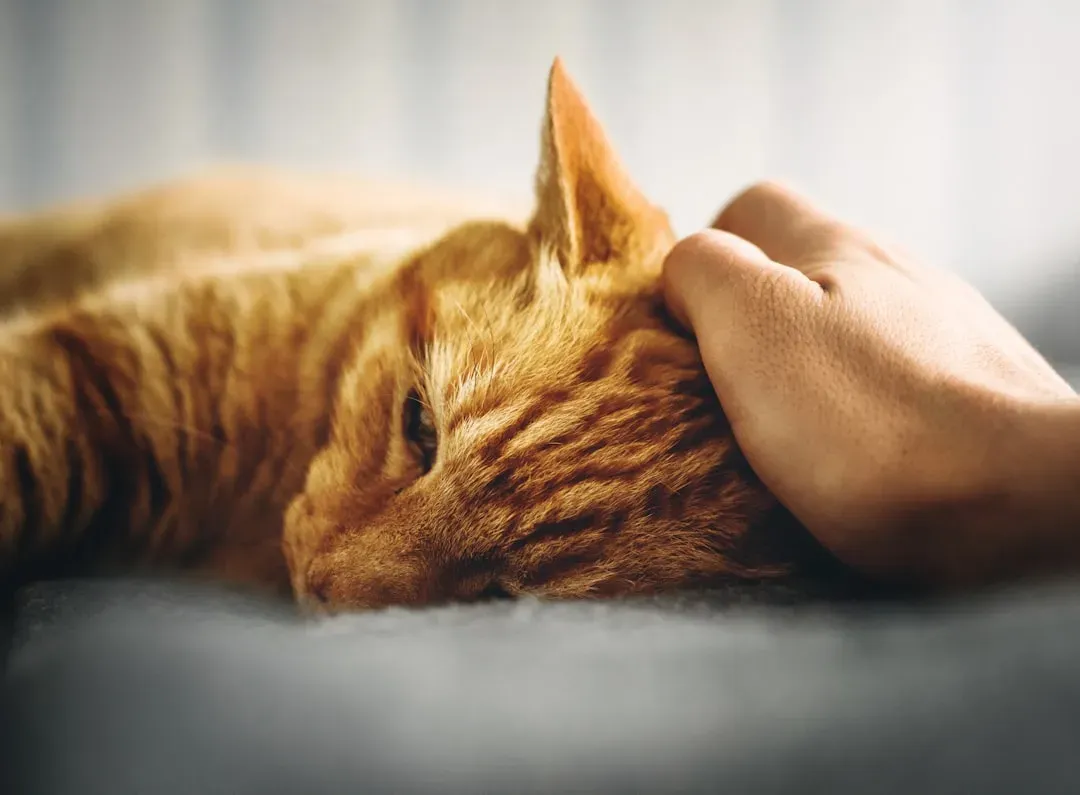
Sometimes a change in sleeping habits points to something more serious than preference. Pain can cause frequent or constant switches in sleeping places because cats employ vertical thinking and blame the bed when they experience pain, trying another spot instead, which is more common in older cats with arthritis. This behavior is a bit heartbreaking when you understand it.
A cat may look for a new sleeping spot when feeling discomfort, and conditions such as arthritis in older cats may cause extreme discomfort, hence the constant change in sleeping spots. If your cat’s sleeping spot changes are accompanied by other behavioral shifts like reduced appetite, lethargy, or unusual vocalizations, it’s worth a vet visit. Your cat might be trying to literally escape their pain by finding a more comfortable position or surface.
Environmental Changes Trigger Relocation
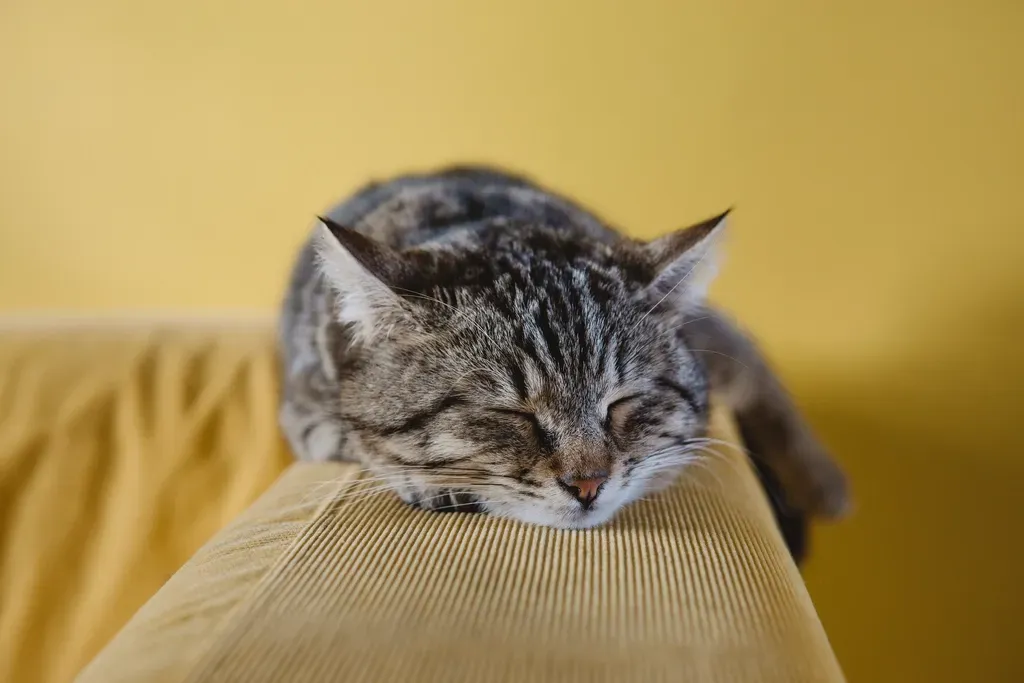
Cats like things to stay the same, especially the home’s layout, so remodeling or moving furniture around requires an adjustment period causing initial stress, as the cat needs to relearn its terrain and decide on the most comfortable resting spots. Even minor changes can throw your cat’s world into chaos.
Major and stressful events such as bringing a newborn baby or new pet into the home might prompt cats to find safer sleeping spaces, and things like road work or construction near the home can cause stress in cats who thrive on consistency. Your cat’s sleeping spot rotation might be their way of regaining control when everything else feels unpredictable. They’re essentially conducting a home security audit until they find a location that feels right again.
Seeking Privacy and Personal Space
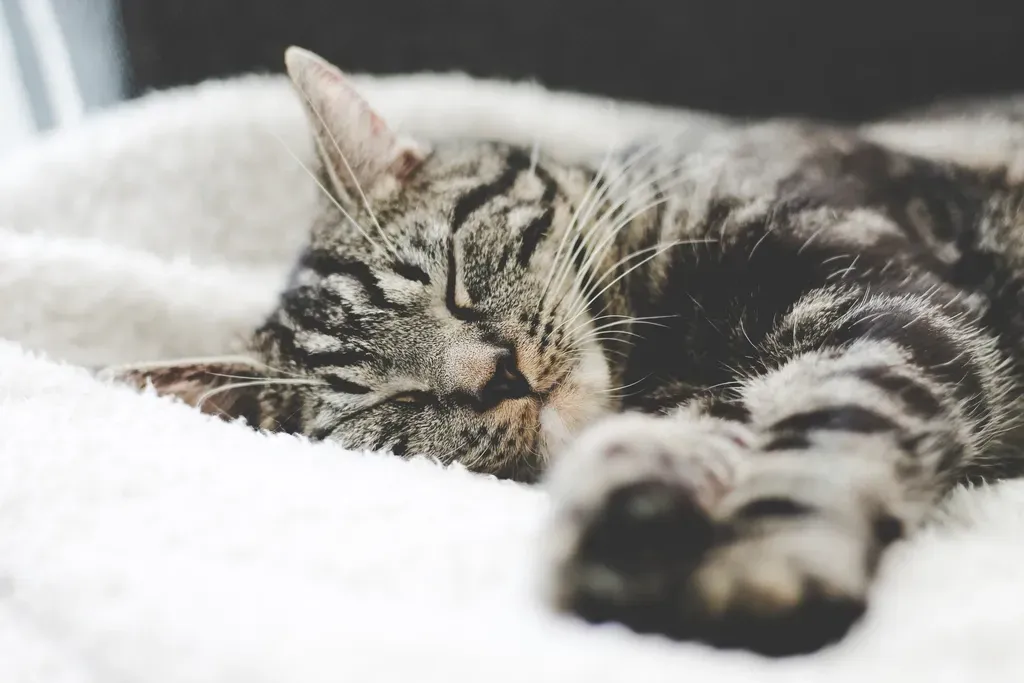
Just like you sometimes need alone time, your cat craves privacy too. Cats sleep in different locations to claim territory, enjoy privacy, moderate body temperature, or react to stressful experiences, and may choose spots that are quiet because people don’t frequent them or because they’re at the rear of the house. Your cat might love you, but they don’t need constant companionship.
I think this is one of the most overlooked aspects of cat behavior. When your normally social cat suddenly starts sleeping in the guest room closet, they might just need a break from household activity. It doesn’t mean they’re upset with you, they’re simply recharging their social batteries in peace. Cats are surprisingly self-aware about their emotional needs.
Instinctive Protection During Vulnerable Moments
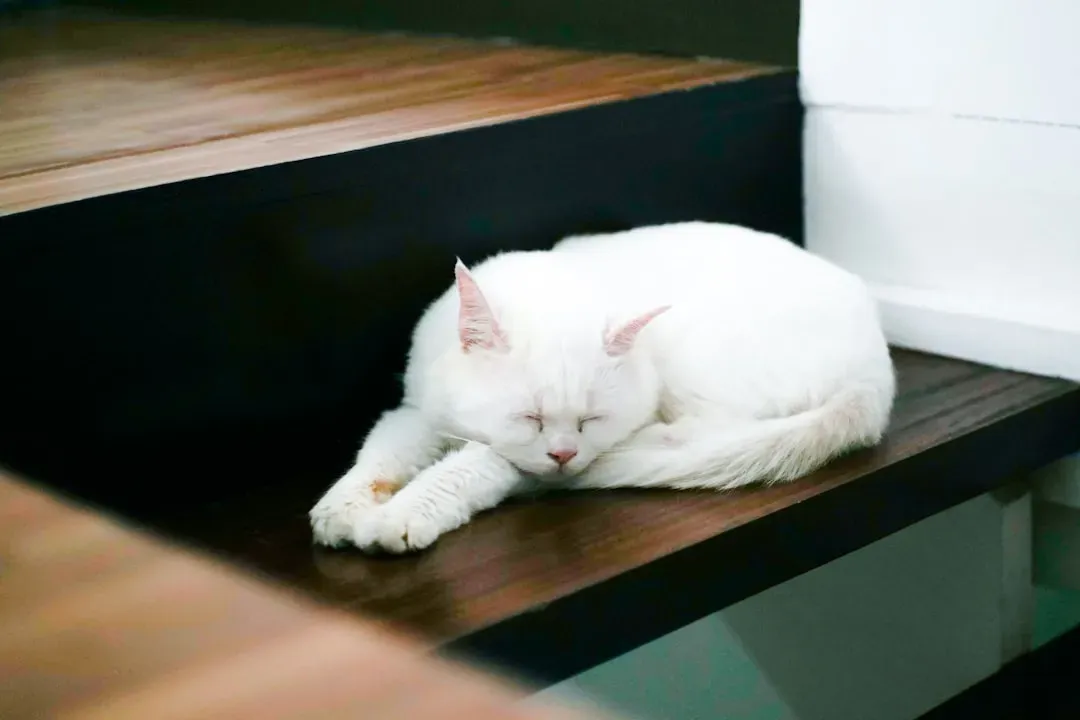
Cats spend up to sixteen hours a day sleeping, and older cats rest even more. That’s a significant portion of time spent in a vulnerable state. Cats seek out safe spots to sleep and think they need to move frequently to protect themselves, retaining the instinct to switch sleeping spaces even though they don’t face many predators now.
This behavior explains why you might find your cat in seemingly absurd locations like inside a cardboard box or on top of the refrigerator. These strange spots mimic the protective environments their ancestors would have chosen in the wild. A box becomes a cave, a high shelf replaces a tree branch. Your cat is simply following an internal GPS programmed by thousands of years of evolution, even if it leads them to sleep in your bathroom sink.
When to Worry About Sleeping Spot Changes
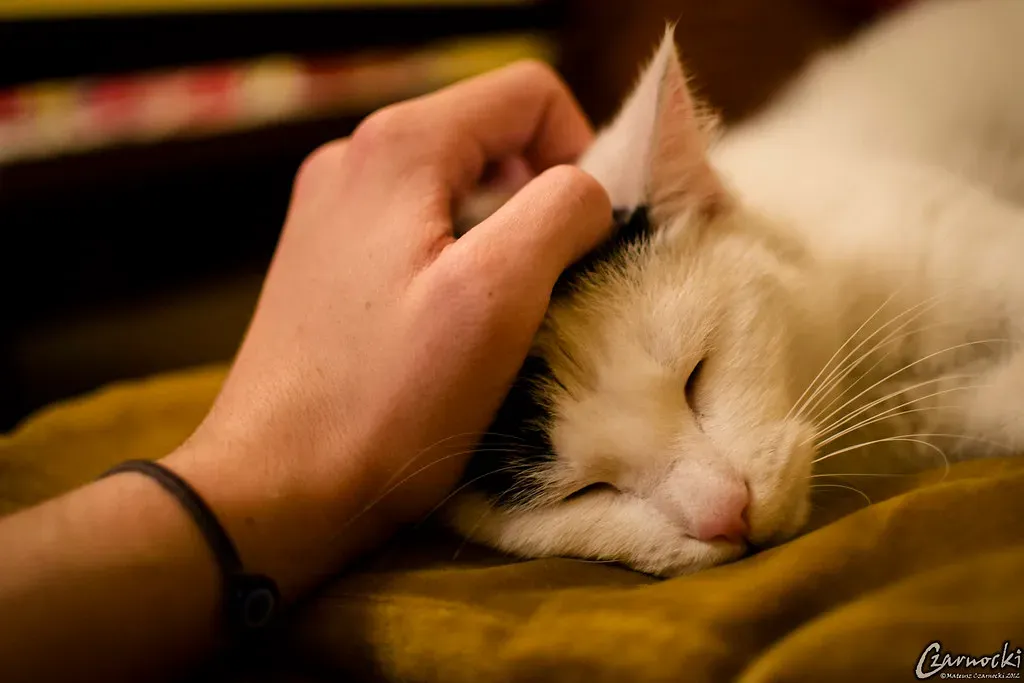
While rotating sleeping spots is generally normal, there are times when it signals a problem. If your feline friend swaps nap spots and seems out of sorts in other ways, contact your vet, though nine times out of ten it’s not really something to worry about. You know your cat better than anyone, trust your instincts.
If a cat has a minor illness, it may start sleeping in different locations, such as a cat with a urinary tract infection wanting to stay close to a litter tray. Watch for accompanying symptoms like changes in eating habits, increased vocalization, litter box issues, or lethargy. A sudden shift combined with other behavioral changes deserves professional attention. Still, most of the time your cat is just being, well, a cat.
Understanding Your Cat’s Sleeping Patterns
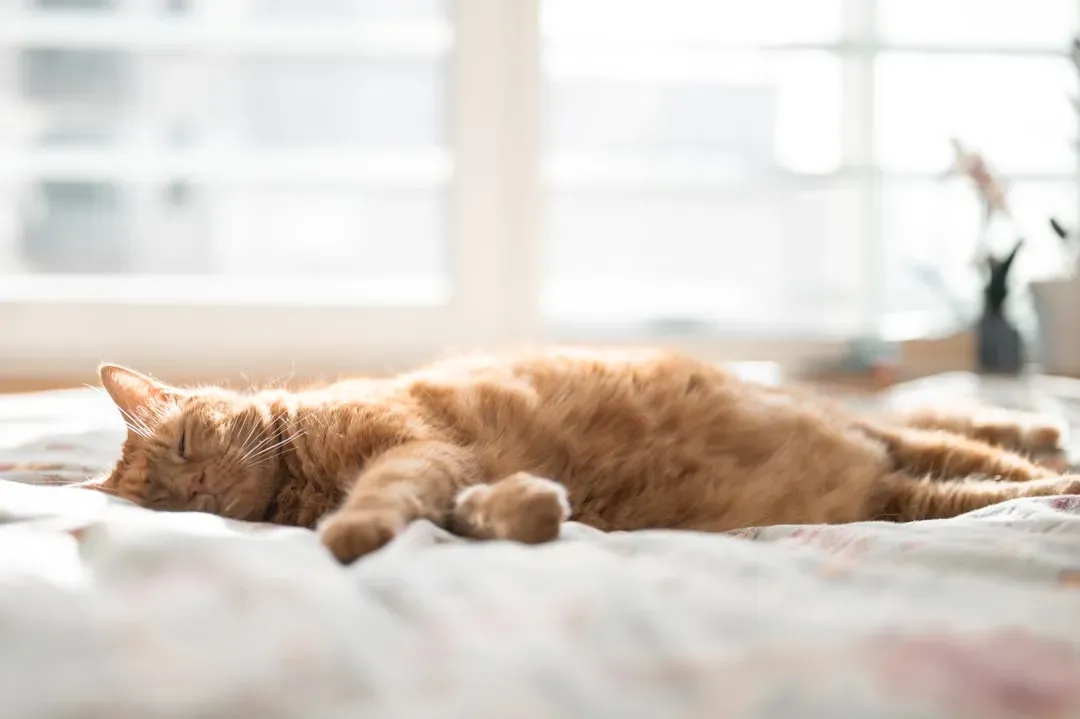
At the end of the day, your cat’s wandering sleep habits are usually nothing more than natural feline behavior. Cats switch sleeping spots due to instincts for safety, temperature regulation, or environmental changes, which helps them avoid predators and stay comfortable, though stress, new household members, or changes in routine can also prompt this behavior.
Rather than viewing your cat’s sleeping spot changes as frustrating or concerning, try seeing them as a window into your pet’s fascinating inner life. They’re balancing ancient instincts with modern comfort, navigating household dynamics, and constantly optimizing their environment for maximum coziness and security. That’s actually pretty impressive for an animal that also spends time knocking things off counters and chasing invisible threats. Your cat isn’t being difficult, they’re being authentically cat, and understanding this behavior helps you appreciate the complex creature sharing your home. What sleeping spot will your cat choose next? You’ll just have to wait and see.