Imagine opening your closet to grab a sweater, only to find your cat cozily curled up on your favorite jeans, purring softly as if she owns the place. It’s a scene familiar to many cat owners, and it often leaves us wondering: Why the closet? Is it just a quirky feline preference, or does it reveal something deeper about your cat’s needs, instincts, and personality? Let’s step into the mysterious, snuggly world of cats and closets.
A Sanctuary of Safety
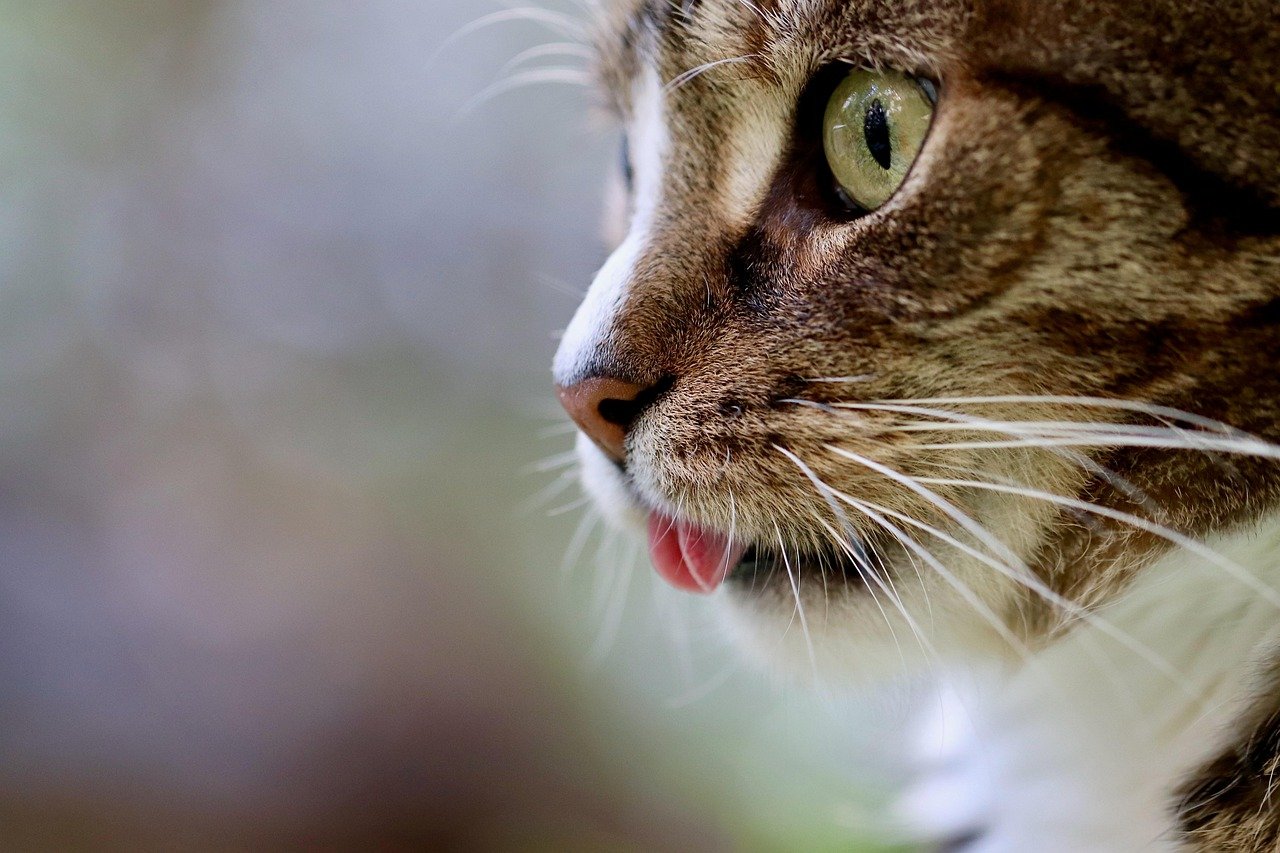
Closets are like fortresses for our feline friends. For cats, safety is everything. The confined space of a closet offers security, making it an ideal retreat from the noise and chaos of the outside world. In the wild, cats instinctively seek out hidden nooks to avoid predators and observe their environment in peace. Your closet, with its soft clothes and closed doors, mimics this natural hiding spot. It’s not just about comfort; it’s about survival instincts kicking in, even in the safety of your home.
The Lure of Darkness
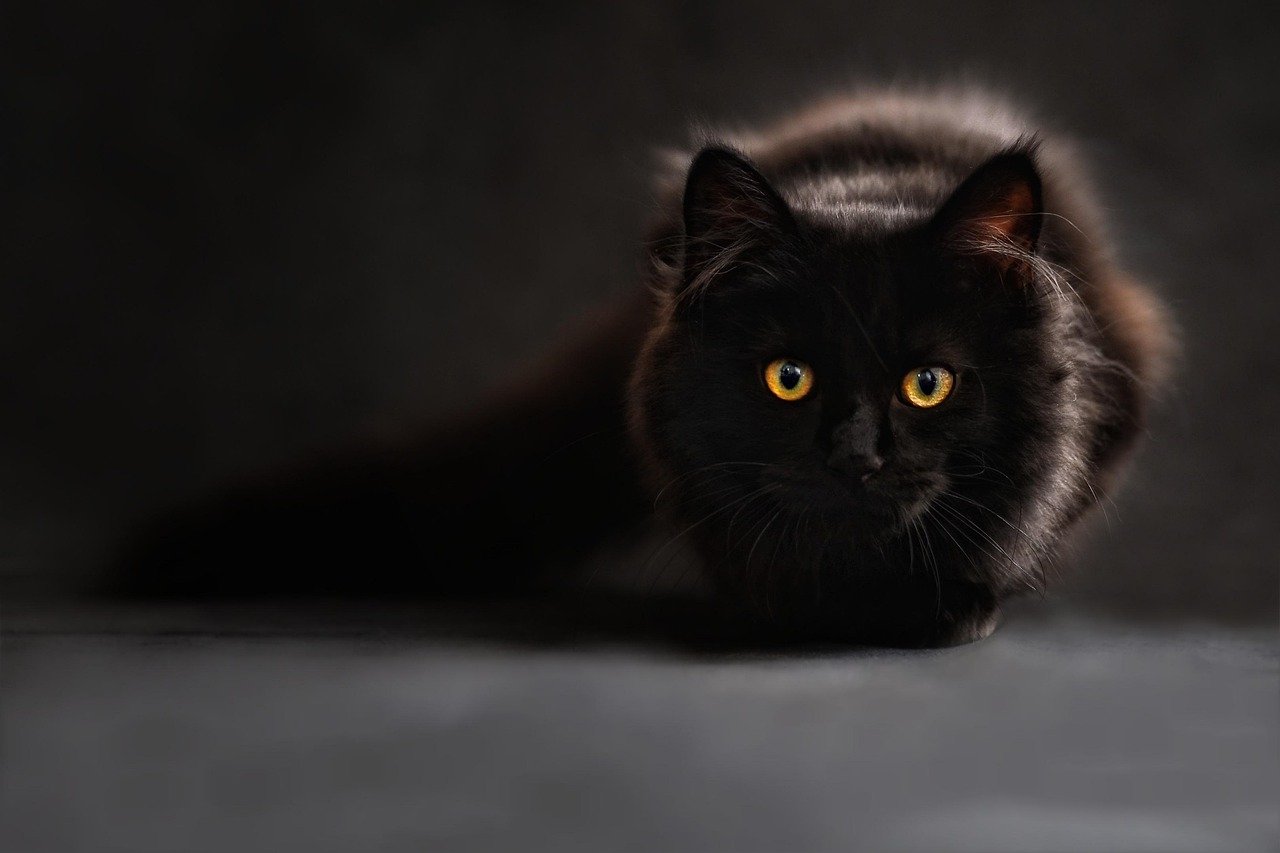
Cats are crepuscular creatures, meaning they’re most active at dawn and dusk. During the day, they crave a quiet, dim place to nap. Closets deliver exactly that—a dark, undisturbed environment where sunlight barely creeps in. The darkness helps your cat relax and sleep more deeply, away from distractions and sudden movements. Just like us pulling the blackout curtains for a Sunday nap, cats love a room with the lights out.
A Place to Escape from Stress

Just like humans, cats can feel overwhelmed by stress. Maybe you’ve had guests over, or there’s a storm rattling the windows. When faced with stressors, cats look for a quiet place to decompress. The closet becomes a safe space where they can escape the commotion and reset their nerves. If your cat disappears into the closet during loud events, she’s simply taking care of her emotional well-being.
The Scent of Home

Closets are filled with your clothes, and your scent is everywhere. Cats are deeply comforted by familiar smells. When your cat snuggles up to your hoodie or buries herself in your laundry, she’s surrounding herself with your scent, which is both calming and reassuring. In the cat world, scent is a powerful connector, and your closet is like a warm, invisible hug.
Seeking Warmth and Comfort

Cats are notorious for their love of warmth. Closets, often insulated by clothes and nestled away from drafts, are naturally warmer than other parts of the house. The layers of clothing provide a soft, cozy bed that’s far superior to the cold floor. Especially during cooler months, your cat’s search for heat might lead her straight to the closet, where she can burrow into a pile of sweaters and snooze the afternoon away.
A Retreat from Other Pets
If you have dogs, other cats, or even energetic children, your cat might use the closet as a personal sanctuary. Cats enjoy social interaction—on their own terms. When they’ve had enough playtime or want to avoid a pesky sibling, the closet offers solitude and a moment of peace. It’s like their own private “do not disturb” sign, letting everyone know they need a little alone time.
Instinctual Denning Behavior

Denning is a natural behavior for cats, especially for mothers with kittens. Even if your cat is spayed or neutered, she still has the instinct to seek out a den-like space. Closets mimic the protected, enclosed feeling of a den in the wild. By choosing the closet, your cat is following ancient instincts that have helped her ancestors survive for thousands of years.
Curiosity and Exploration
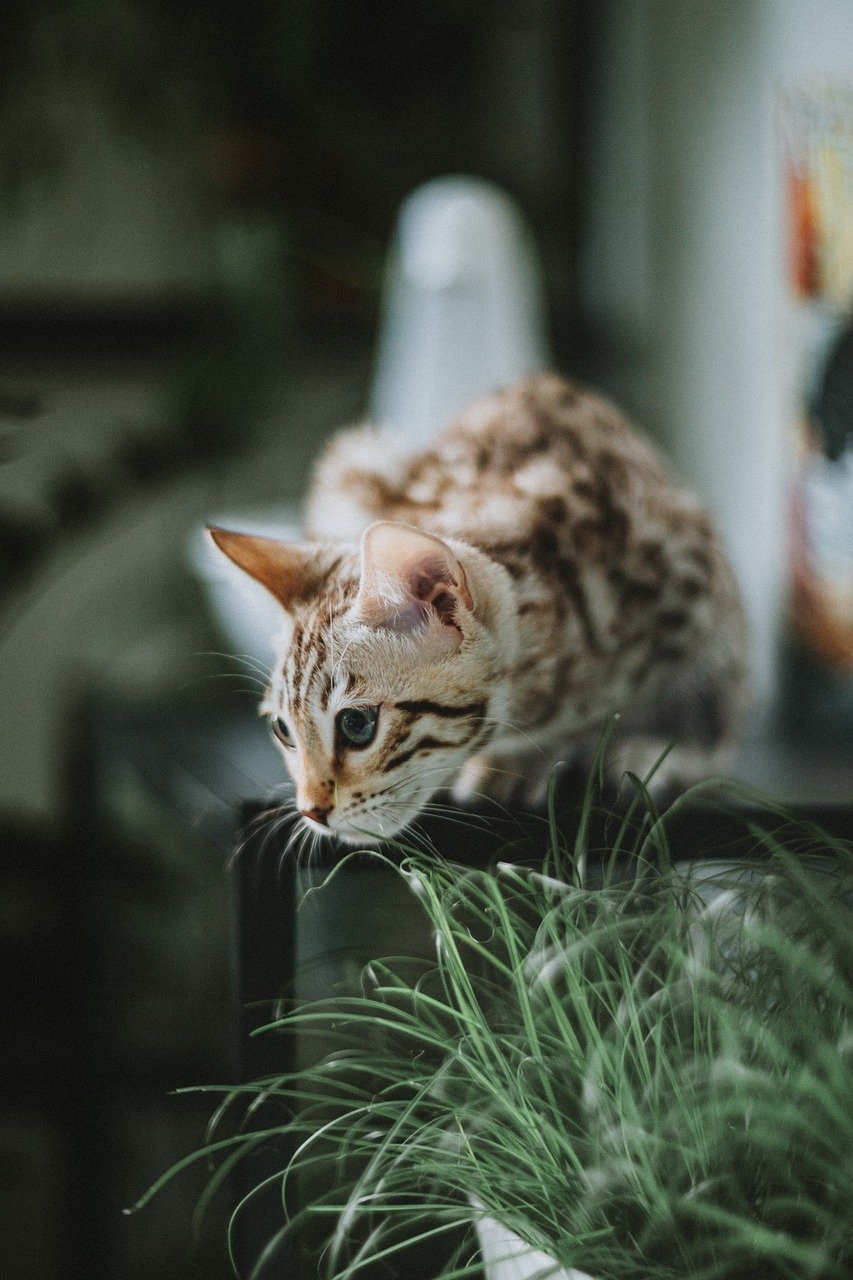
Cats are endlessly curious. The closet is often a forbidden or rarely explored territory, making it irresistible. The simple act of opening the closet door can spark your cat’s sense of adventure. She’ll investigate, sniff around, and, if she finds it appealing, claim it as her new favorite spot. It’s not just a sleeping place; it’s an adventure zone waiting to be discovered.
Hiding from Unfamiliar Visitors

When unfamiliar faces come through the door, cats sometimes vanish. The closet is an ideal hiding place when your cat feels uncertain around strangers. It gives her a vantage point to observe from afar, or, if she prefers, to remain completely out of sight. This behavior is perfectly normal and is simply your cat’s way of managing her comfort level with new people.
Health and Recovery
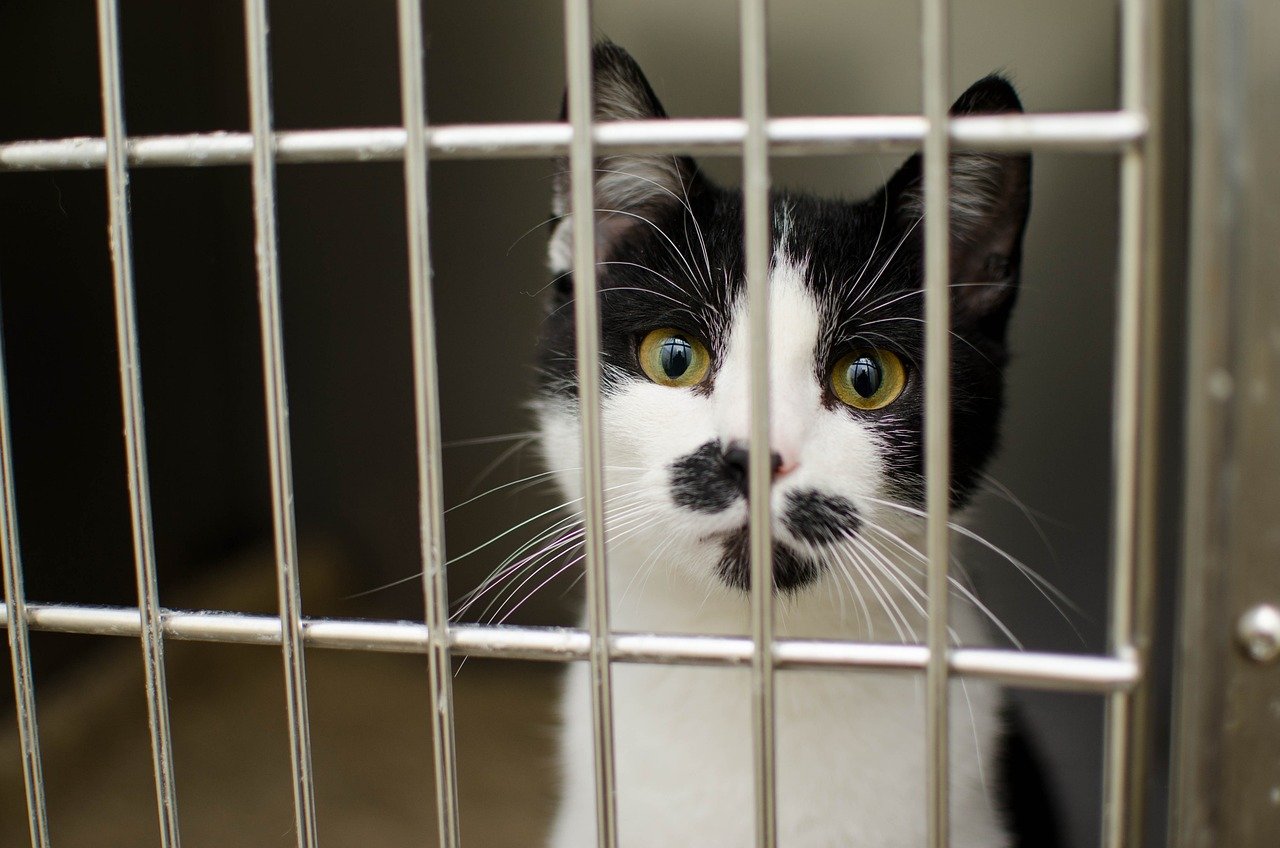
If your cat isn’t feeling well, she might retreat to the closet to recover in private. Cats instinctively hide signs of illness, a trait inherited from their wild ancestors to avoid appearing vulnerable. If you notice your cat spending excessive time in the closet along with changes in appetite or energy, it could be a signal that she needs a vet checkup. The closet becomes her sanctuary for healing when she feels under the weather.
Temperature Regulation

Closets can help your cat regulate her body temperature. In the summer, she may seek the coolest corner of the closet to escape the heat, while in winter, she’ll find the warmest pile of clothes to snuggle into. Cats are experts at finding microclimates within your home, and the closet often offers the perfect conditions for their comfort.
Claiming Territory

Cats are territorial animals. By sleeping in your closet, your cat is marking it as part of her domain. She might knead your clothes or rub her face on the walls, leaving behind her scent markers. This behavior is her way of saying, “This is my space, too.” It’s both a sign of confidence and comfort in her surroundings.
A Quiet Place to Observe

From the depths of the closet, your cat can secretly watch everything happening outside. It’s a perfect lookout spot where she can observe without being seen. This satisfies her natural instincts to watch and wait before making a move—whether it’s to pounce on a toy or sneak up on her unsuspecting owner.
Following Your Routine

Cats are keen observers of human behavior. If you spend a lot of time in your bedroom or closet, your cat may simply want to be near you. By sleeping in the closet, she’s following your scent trail and staying close to your daily routine. Sometimes, it’s less about the closet itself and more about being part of your world.
Soft Textures and Cozy Bedding

Cats are all about comfort. The piled-up clothes, soft fabrics, and even the crinkly sound of plastic bags make closets a paradise for a sleepy feline. It’s like having a custom-made bed that changes every laundry day. The variety of textures lets your cat pick the perfect spot to knead, curl up, and snooze.
Feeling Overwhelmed by Changes

Big changes—like moving, new furniture, or a new family member—can make your cat anxious. The closet provides a stable, unchanging refuge when the rest of the house feels topsy-turvy. It’s her way of coping with the unfamiliar and holding onto something that feels safe and predictable.
Nighttime Nesting
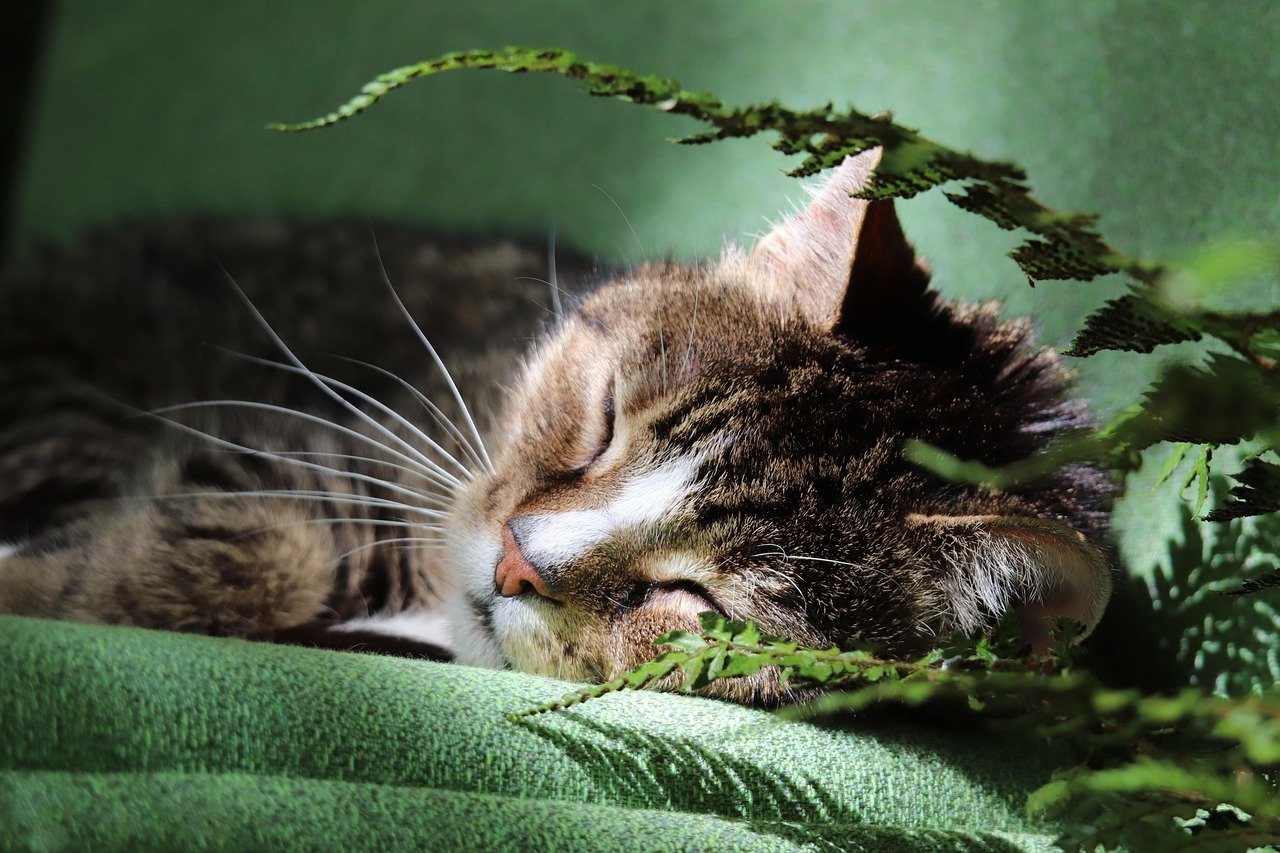
Some cats prefer to sleep in closets at night, away from the hustle and bustle of the household. The quiet, darkness, and separation from nighttime activity help them feel more secure. If your cat disappears at bedtime, she might just want an undisturbed place to dream.
Copying Your Habits

Ever notice your cat following you into the closet or waiting outside the door? Cats love mimicking their owners. If you spend time picking out outfits or organizing shelves, your cat may think the closet is the place to be. She’s not just looking for a place to nap—she’s joining in on your daily rituals.
Expressing Their Individuality

Every cat is unique. Some prefer the couch, others the bed, and a few have a special fondness for closets. Your cat’s choice of sleeping spot is one way she expresses her personality. Whether she’s shy, bold, or just a little quirky, the closet might be her signature move.
Bonding with You from Afar

Even when your cat chooses the closet over your lap, she’s still finding a way to connect. By sleeping among your things, she’s surrounding herself with your presence. It’s her quiet way of saying she feels safe and loved in your home. For many cat owners, discovering a cat in the closet is a reminder of the mysterious, yet deeply affectionate, bond we share with our feline companions.
What Your Cat Wishes You Knew

If your cat could talk, she’d probably say the closet is her happy place. It’s quiet, cozy, filled with your scent, and away from all the things that sometimes make life overwhelming. The next time you find her nestled among your shoes, remember she’s not just hiding—she’s taking care of herself in the best way she knows how.

Hi, I’m Bola, a passionate writer and creative strategist with a knack for crafting compelling content that educates, inspires, and connects. Over the years, I’ve honed my skills across various writing fields, including content creation, copywriting, online course development, and video scriptwriting.
When I’m not at my desk, you’ll find me exploring new ideas, reading books, or brainstorming creative ways to solve challenges. I believe that words have the power to transform, and I’m here to help you leverage that power for success.
Thanks for stopping by, Keep coming to this website to checkout new articles form me. You’d always love it!