You’re sitting on the couch, minding your own business, when suddenly you feel it. A gentle tap on your arm. You look down to find your cat staring up at you with those big, knowing eyes, one little paw resting deliberately on your skin. It happens so often that you barely think about it anymore. Yet have you ever stopped to wonder what your feline friend is actually trying to tell you?
This simple gesture is far more complex than it appears. Cats are not the vocal chatterboxes that dogs tend to be, yet they communicate with us constantly through body language, subtle movements, and yes, those carefully placed paws. The truth is, when your cat reaches out and touches you, they’re speaking a language all their own. Let’s dive in and decode what your furry companion might be saying when they place that soft paw on your arm.
Your Cat Is Asking for Attention
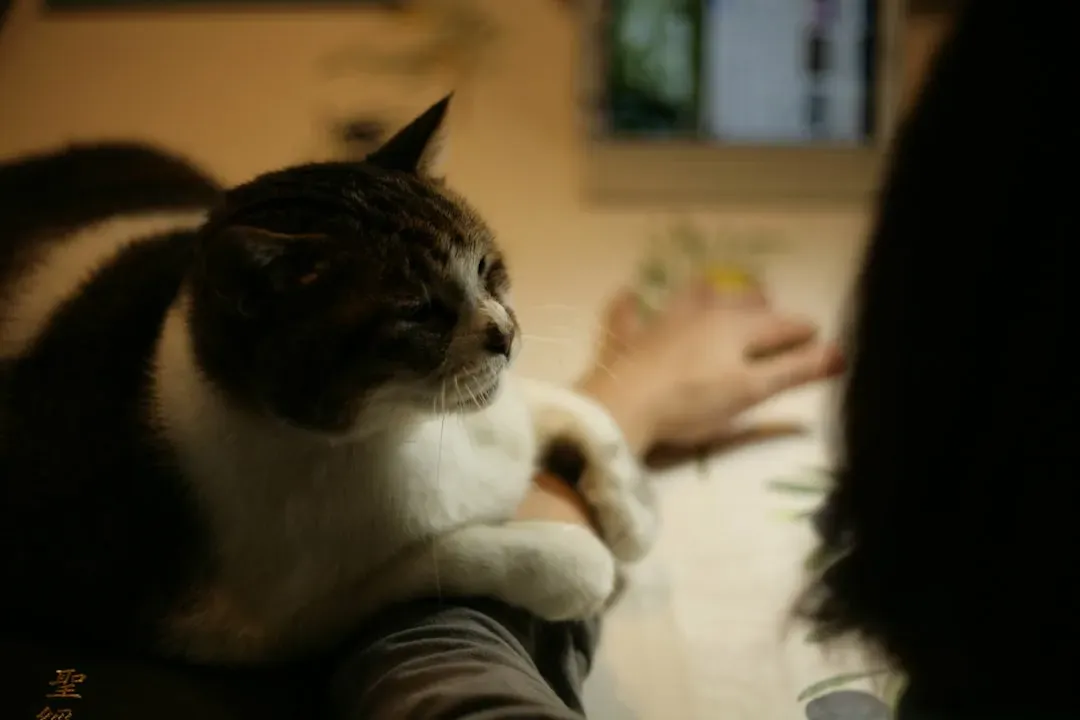
Think of it as the feline way of tapping your shoulder. Honestly, it’s hard not to smile when you realize your cat has figured out this technique works. When your feline companion places their paw on your arm, one of the most common reasons is that they simply want your attention.
The most obvious reason is to try to get your attention. Maybe you’ve been staring at your phone for too long, or perhaps you’re engrossed in a book. Your cat notices this and decides it’s time you remembered who really runs the household. The gentle paw tap is their polite way of saying, “Hey, I’m here, and I’d like some acknowledgment, please.”
Not all cats enjoy sitting on people’s laps, so patting you on the arm for attention is a common tactic from kitties that want a fuss, but would rather sit next to you whilst they receive it. Some cats are affectionate but on their own terms. They might not want to curl up in your lap, yet they still crave connection and interaction with you.
They’re Showing You Affection and Love
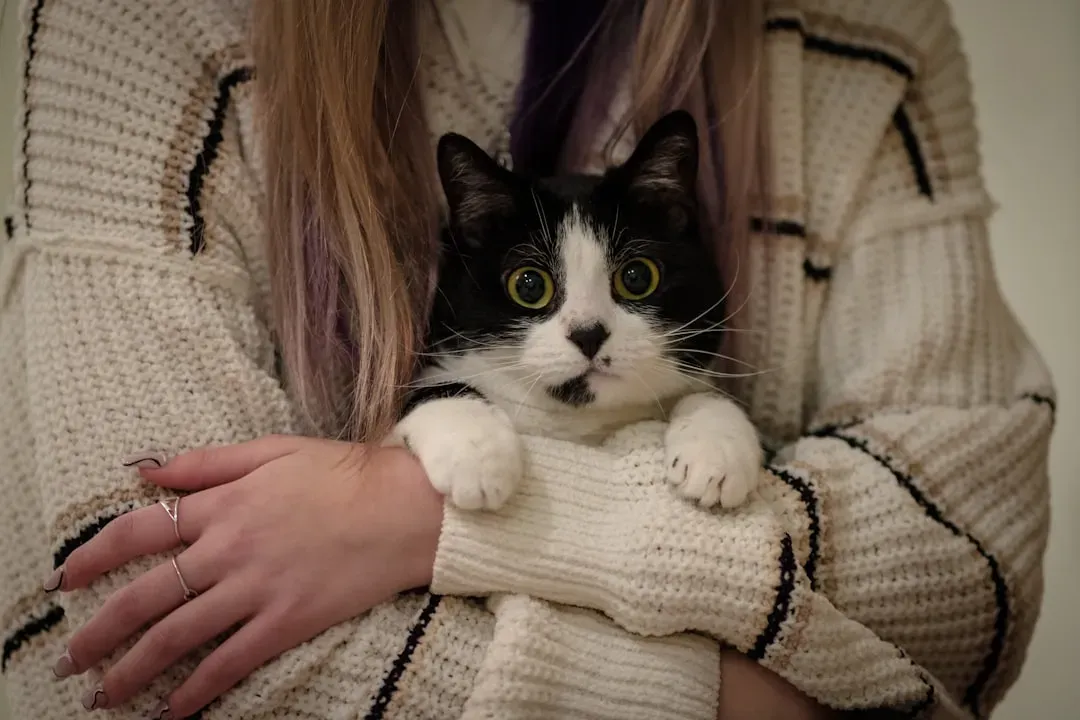
Let’s be real, sometimes your cat just loves you. Cats may paw at you if they’re seeking your affection. In fact, this behaviour derives from kittenhood, when kittens knead on their mothers mammary glands to stimulate milk flow. As your kitten grows into an adult cat, they may knead on you instead as a way to show their love and affection.
This behavior is rooted in something deeply instinctive and comforting. When kittens nurse, they use their paws to stimulate milk production from their mother. That memory sticks with them into adulthood. When your cat places their paw on you, they’re essentially saying you make them feel safe, loved, and content, just like their mother once did.
By gently putting its paws on you, your cat is communicating that they want to be close to you. There are many reasons why your cat wants your company, and cat parents can interpret this behaviour by observing the context, as well as your cat’s body language and verbal cues. It’s one of the sweetest compliments a cat can give you.
It’s an Invitation to Play
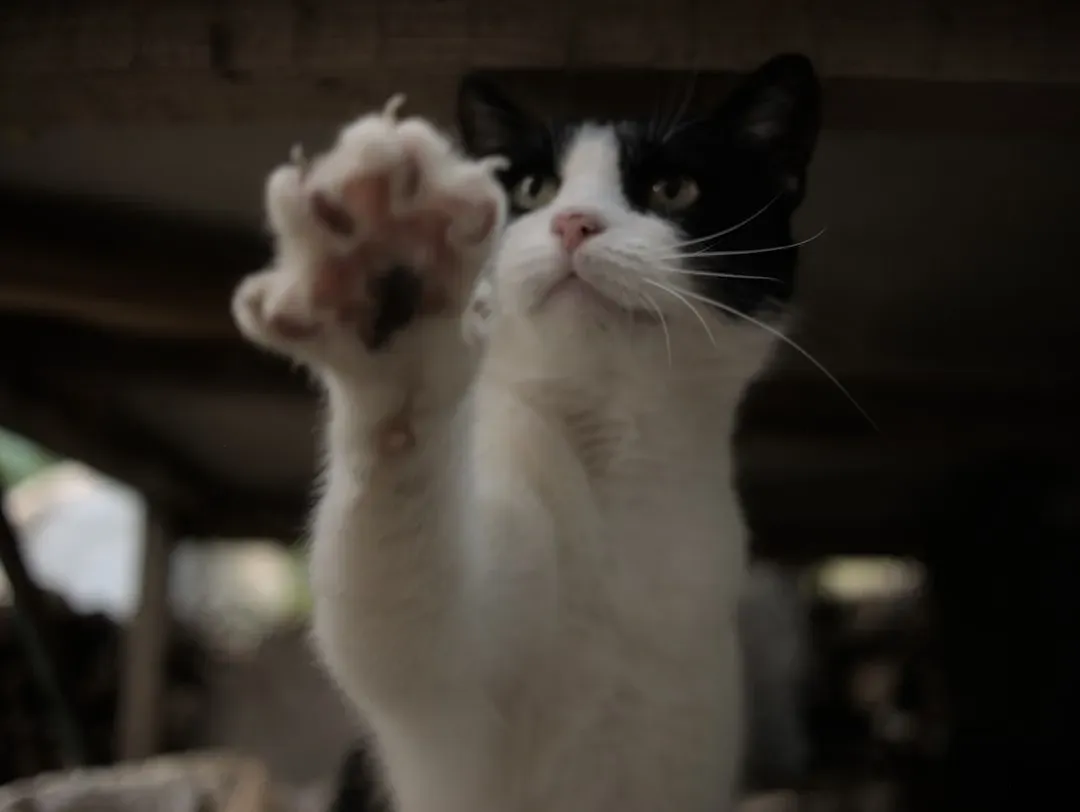
When cats put their paws on your face, it can be a sign that your cat wants to play. Just as cats use their paws to play with toys, your cat may put their paw on you to initiate playtime. Sometimes that little paw on your arm isn’t about cuddles at all. Your cat might be bored and looking for some action.
Cats are natural hunters, and they need regular mental and physical stimulation. When your cat taps you with a bit more energy or follows it up with a playful swat or pounce, they’re probably asking you to engage with them. Watch the type of pawing your cat is doing – sometimes little playful swats can be a sign your cat would like a game. Keep a selection of toys handy so you can oblige and meet your cat’s needs if this is the case.
This is your cue to grab a feather wand, laser pointer, or even a crumpled piece of paper. Playing with your cat strengthens your bond and keeps them happy and healthy.
They’re Trying to Tell You They Need Something
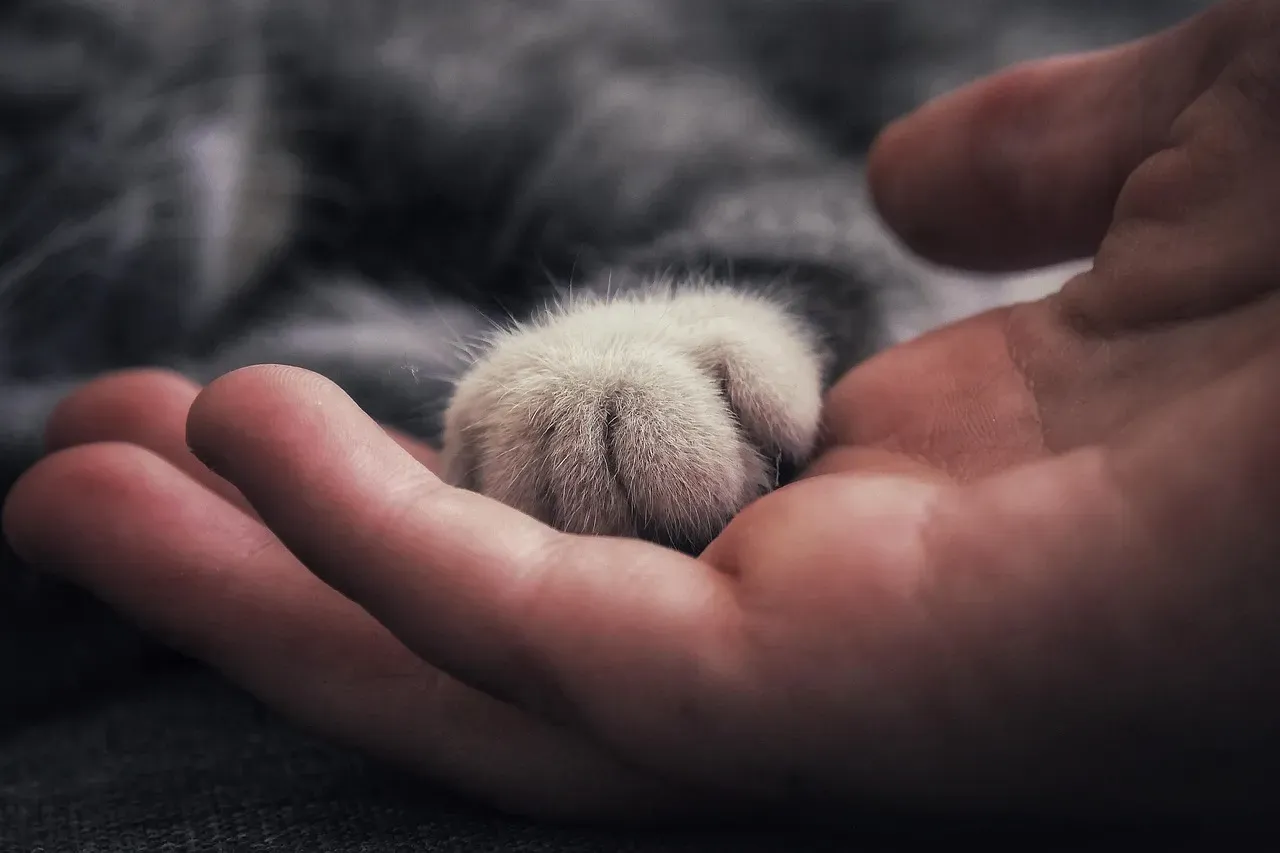
Sometimes cats don’t want our attention for affection. Instead, they may need something. A door could be closed that leads to their favorite sleeping spot, or they could be out of water. Your cat might be using that paw tap as a way to communicate a very specific request.
Maybe their food bowl is empty. Maybe their water dish needs refilling. Or perhaps they want you to open a door, turn on a faucet, or move something that’s blocking their path. If your cat paws at you and moves towards their water and food bowl, this is a tell-tale sign of what they want.
Cats are smarter than we often give them credit for. They quickly learn which behaviors get results. If tapping your arm with their paw gets you to follow them to the kitchen and fill their bowl, you can bet they’ll do it again.
Your Cat Is Marking You With Their Scent
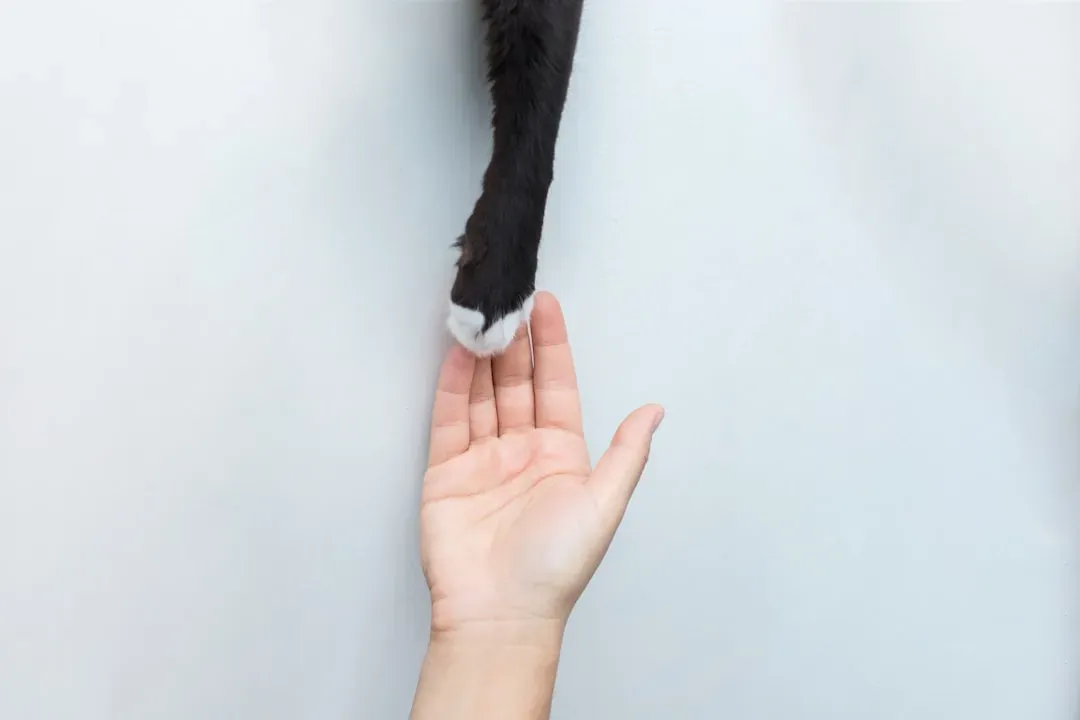
Here’s something you might not realize. They actually have small scent glands in the pads of their feet, which help them leave their scent when they scratch on things. They may be touching you with their paws to “mark” you. This might sound a little territorial, yet it’s actually quite endearing.
Cats that are affectionate toward each other would have a mixed scent – they would smell like each other. Cats can tell which cats another cat is around by their scent. Your cat may simply be mixing your scents together to indicate that you’re part of the same family. In other words, when your cat places their paw on you, they’re claiming you as part of their inner circle.
It’s their way of saying, “You’re mine, and I’m yours.” This scent marking is a sign of trust, affection, and belonging. Your cat wants the world to know that you two are a team.
They’re Mimicking What You Do to Them
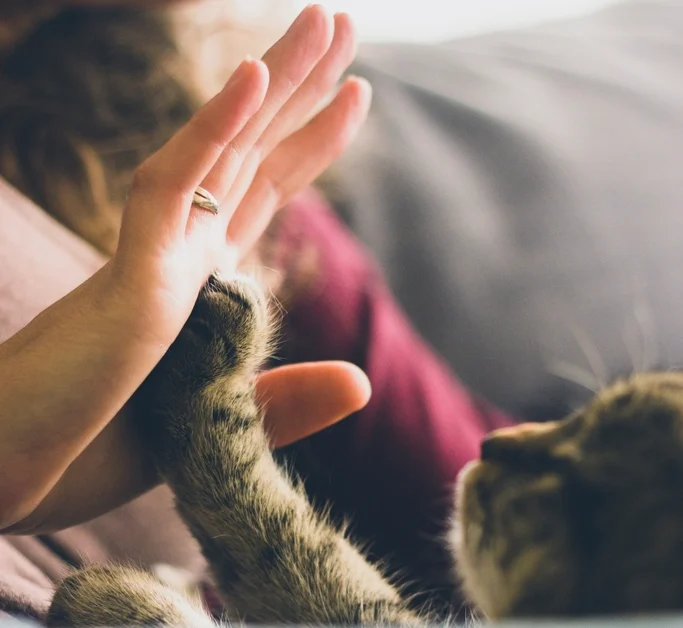
Instead, they may be using their paw to pet you as a sign of affection. Cats are pretty smart creatures, so they’re sure to figure out that we pet them because we love them. Plus, petting feels pretty good for them, so it must also feel pretty good for us, right?
Cats are observant little creatures. They watch everything you do, and sometimes they try to mimic your actions. You pet them with your hand, so they might think they should pet you back with their paw. It’s adorable when you think about it.
Research has even shown that some cats can imitate human behavior. The incredible thing was that Ebisu understood the parallels between her body and her owner’s: when the owner used her hand, Ebisu used her paw. When the owner used her face, Ebisu used her face. So when your cat places their paw on you, they might simply be reciprocating the affection you show them.
It Could Be a Way to Set Boundaries
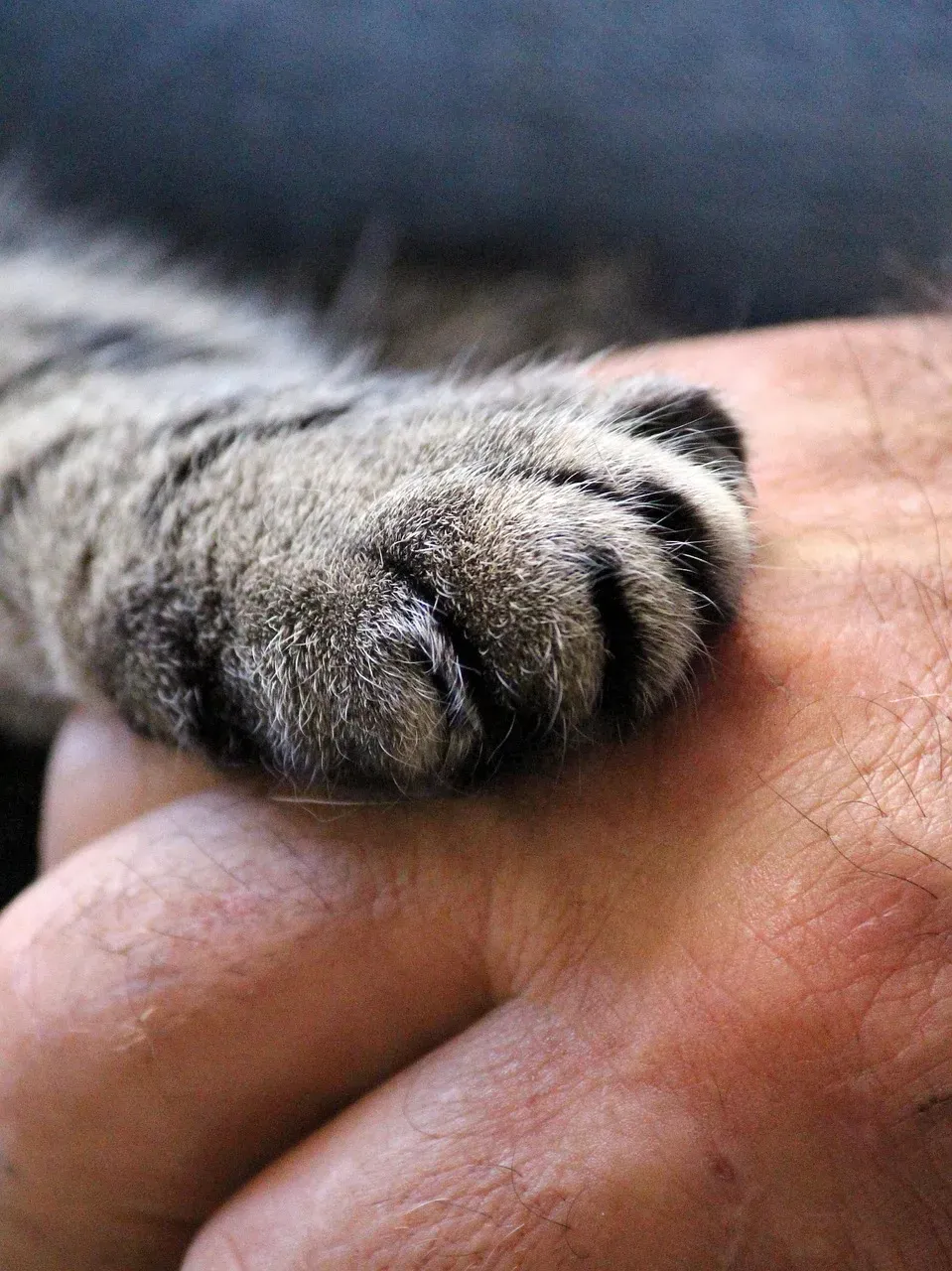
Not every paw placement is about love and affection. Sometimes your cat is politely telling you to back off. We don’t know exactly what our cats are thinking when they perform this behavior but we do know that some of our cats may tolerate more petting from us than they really enjoy. To a point. And that may be what the firm paw to the face might mean.
If you’re petting your cat and they suddenly place a firm paw on your hand or arm, they might be saying, “Okay, that’s enough now.” Cats have limits when it comes to physical affection. While they enjoy being petted, overstimulation can make them uncomfortable.
We don’t know exactly what our cats are thinking when they perform this behavior but we do know that some of our cats may tolerate more petting from us than they really enjoy. To a point. And that may be what the firm paw to the face might mean. Pay attention to your cat’s body language. If their ears go back or their tail starts twitching, that paw is probably a gentle warning.
Your Cat May Just Be Stretching
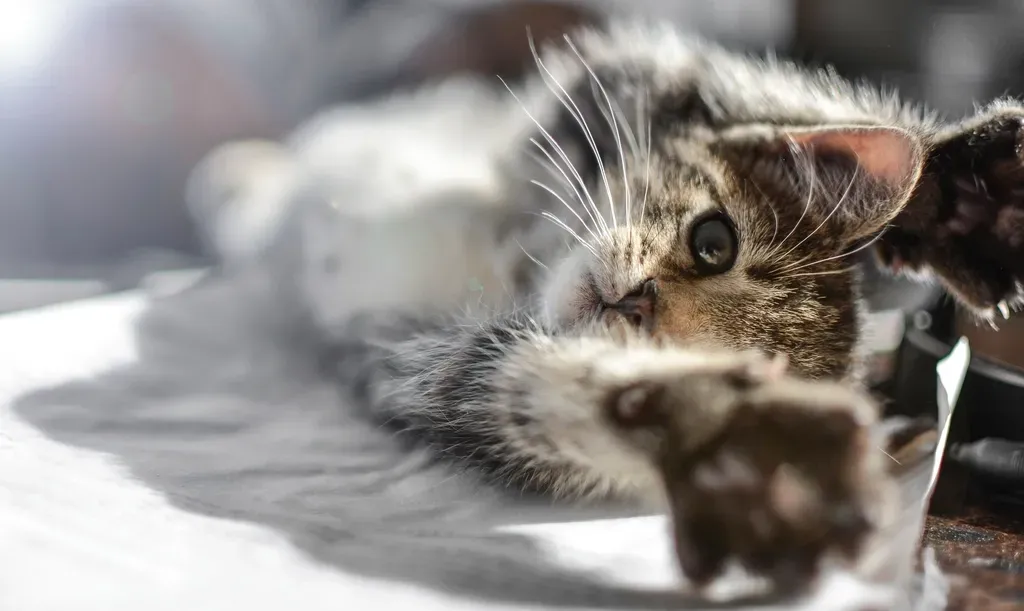
Sometimes there’s no deep meaning at all. If your cat puts his paw on you when he sleeps or has his focus elsewhere, he may just be stretching. Stretching is an extremely relaxed behavior in cats, so it isn’t uncommon for them to do it often. Don’t be surprised if your cat seems to stretch every time they get comfortable.
If your cat is stretching near you and paws at you, it was likely just an accident. Furthermore, if they fail to make eye contact with you or display another action after the pawing, it is a tell-tale sign that they didn’t mean to paw at you.
Cats love to stretch, especially when they’re waking up from a nap or settling down for a rest. If your cat happens to be near you when they do this, their outstretched paw might land on your arm purely by chance. It’s nothing personal, just a happy accident.
They Might Be Feeling Stressed or Unwell
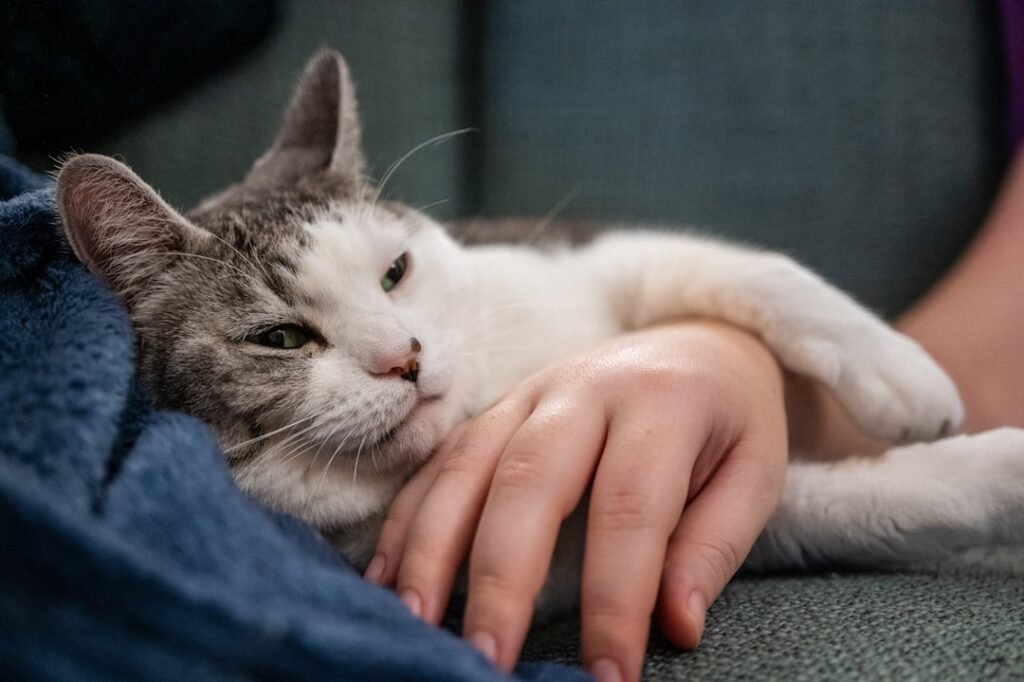
A cat may indicate stress or discomfort by tapping you with a paw. Kneading can be a self-soothing mechanism to release tension and calm down. While most paw touches are harmless and even sweet, there are occasions when your cat might be trying to tell you something’s wrong.
While there are many non-concerning reasons why cats put their paws on you, on rare occasions your cat could be telling you that they’re feeling unwell. Cats are very good at hiding their pain, which is why a crucial part of caring for a cat is to understand their normal behaviours so you notice any deviations that may suggest your cat is not feeling well.
If your cat’s pawing behavior suddenly increases or changes in nature, or if it’s accompanied by other symptoms like lethargy, loss of appetite, or unusual vocalizations, it’s worth a visit to the vet. Cats can’t tell us when they’re hurting, so they rely on subtle cues to communicate their discomfort.
Understanding and Responding to Your Cat’s Paw Gesture
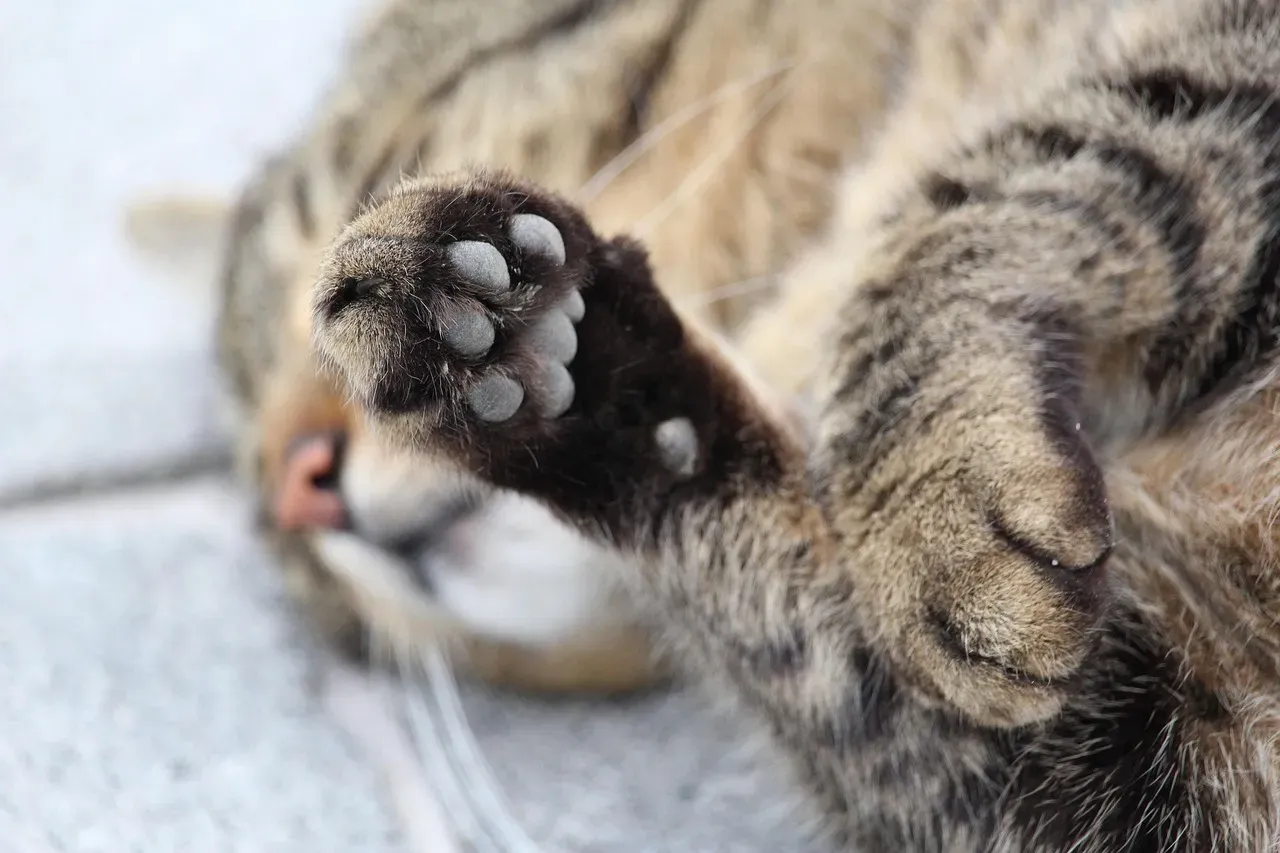
So what should you do when your cat places their paw on your arm? The answer depends on the context. Once you know why cats paw at you, you can respond appropriately to meet your cat’s physical, mental and emotional needs. This will help to strengthen the bond between you and your feline friend.
If your cat seems relaxed and content, they probably just want some attention or affection. Take a moment to pet them, talk to them, or simply acknowledge their presence. If they seem playful, engage them with a toy. If they’re leading you somewhere, follow them and see what they need.
If the pawing is something that bothers you, you can train your cat to not paw at you. “Preventing unwanted behaviors is key. Anticipating what your cat needs before they feel the need to paw you is the best way to address it. If that’s not enough, use clicker training to redirect and ask for an alternative behavior such as a high-five.” The key is understanding your individual cat’s communication style and responding with patience and love.
When your cat places their paw on your arm, it’s a moment of connection. Whether they’re asking for dinner, showing you love, or simply stretching after a long nap, that little gesture is their way of reaching out to you. Next time it happens, take a second to appreciate what your cat might be saying. You might just find that you understand each other better than you thought. What do you think your cat is trying to tell you? Pay attention next time and see if you can decode their message.