You’re sitting quietly on the couch, maybe reading a book or watching your favorite show, and you suddenly get that unmistakable feeling – someone is watching you. You glance over, and there they are. Those wide, unblinking eyes of your cat, fixed directly on you, completely unwavering. It’s one of the most delightfully strange things about sharing your life with a feline.
Honestly, it can feel a little unsettling the first time you really notice it. Like something out of a suspense film. But here’s the thing – that gaze probably means something far less sinister than you’d imagine, and in many cases, something genuinely touching. There’s a whole world of communication happening behind those eyes. Let’s dive in.
Your Cat Is Actually Reading You Like a Book
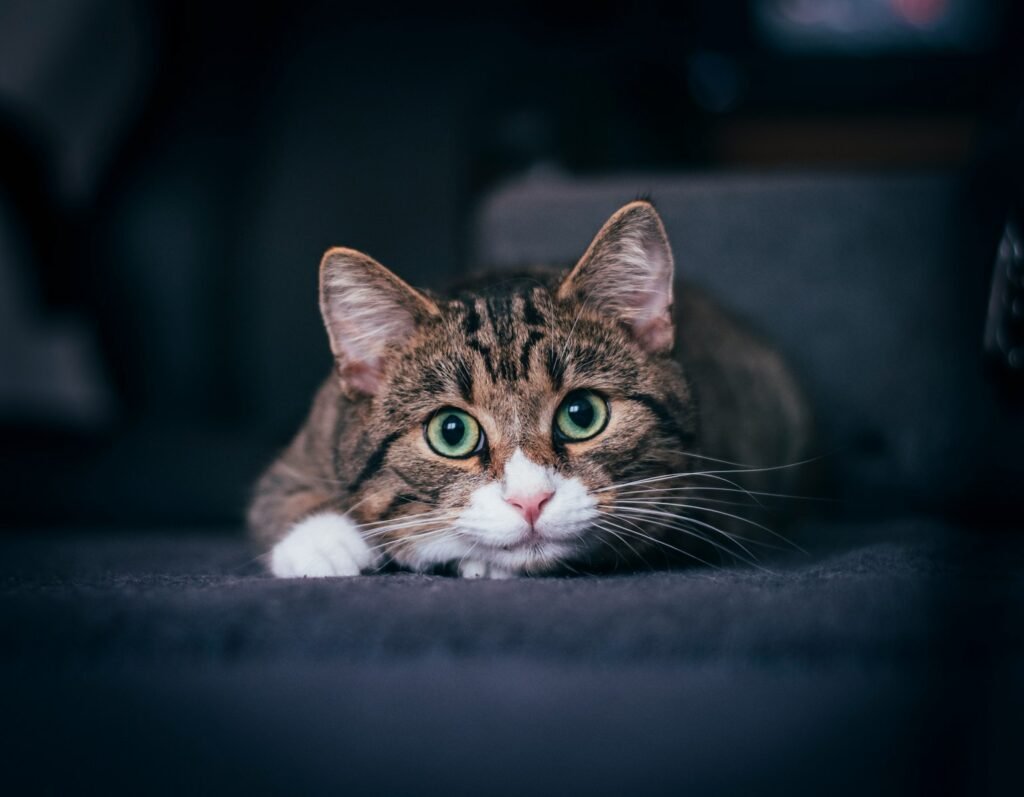
Think of your cat as an incredibly attentive analyst of human behavior. When a cat stares at a person, they use instinctive focus to gather information. You might think they’re simply watching you, but they’re actually reading your movements, tone, and behavior. It’s a bit like having a tiny, furry behaviorist living in your home who never, ever takes notes but misses absolutely nothing.
Cats communicate through various means, including vocalizations, body language, and staring. A cat’s stare is a powerful form of nonverbal communication that can convey their emotions, intentions, and wants. So the next time you catch your cat in a long, locked-on gaze, know that you are being very carefully studied – and probably found interesting.
A Stare of Affection: When Those Eyes Say “I Love You”
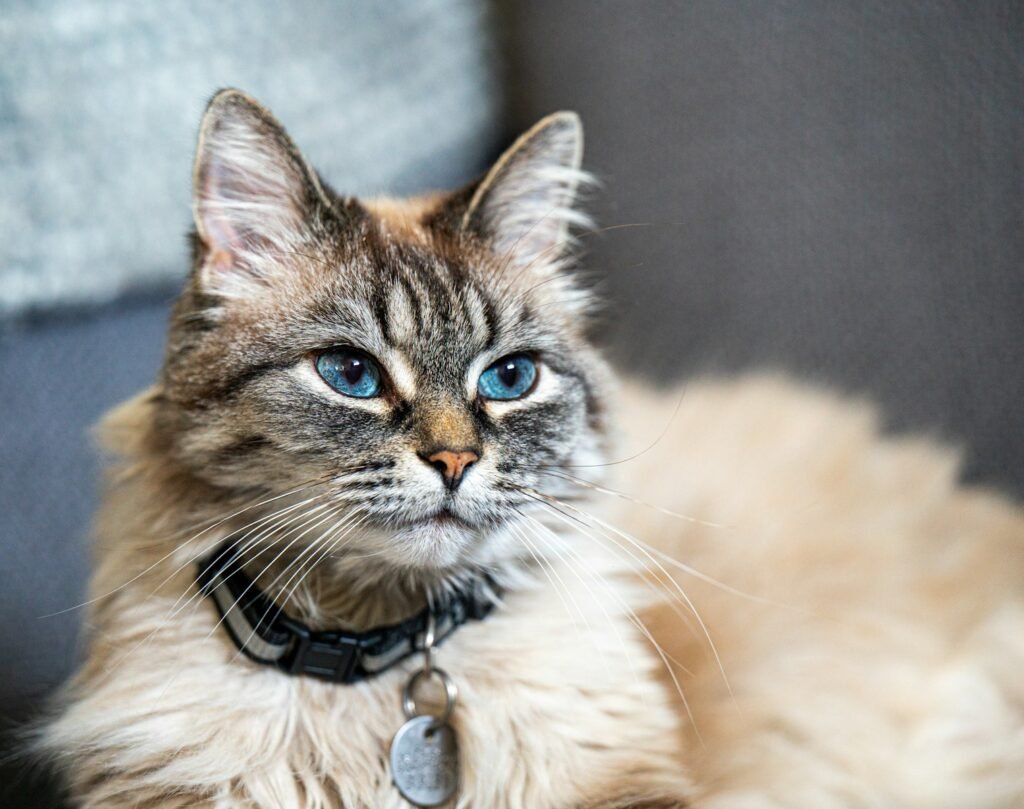
Here’s something that might genuinely surprise you. That steady, calm stare your cat gives you from across the room? It may actually be a love letter written in eye contact. Cats will often stare at their owners as a way of being affectionate. They may get really close to you or snuggle up while staring, and will usually do some slow blinks when they are expressing this kind of affection.
When your cat chooses to look at you for long moments, it means they see you as part of their secure environment. This kind of staring often happens during quiet moments when your cat is relaxed – while you are reading, watching television, or simply sitting still. Your cat feels no need to be alert or defensive, so they allow themselves to observe you openly and peacefully. That’s basically the cat equivalent of a warm hug.
The Slow Blink: Science Has Confirmed It’s a Cat Kiss
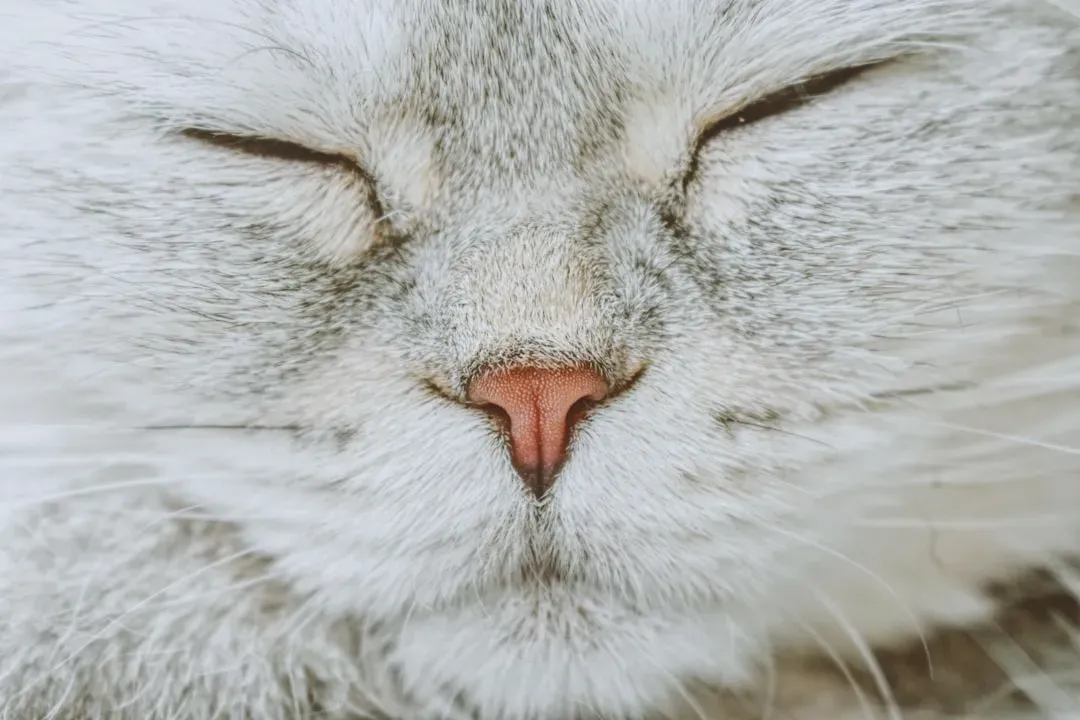
You may have heard that your cat’s slow blink is a sign of affection – and researchers have actually backed this up. When a cat slow blinks at you, they are often expressing a sense of trust, contentment, and affection. In the feline world, closing their eyes in the presence of another creature makes them vulnerable, as they are unable to detect potential threats. So when your cat does it, they’re essentially lowering their guard completely for you.
Research revealed that cat half-blinks and eye narrowing occurred more frequently in response to owners’ slow blink signals toward their cats. In a second experiment, cats had a higher propensity to approach an experimenter after a slow blink interaction than when the experimenter had adopted a neutral expression. In other words, if you slow blink back at your cat, you’re speaking fluent “cat” – and they understand you perfectly.
Your Cat Is Asking for Something (Yes, Loudly, With Their Eyes)
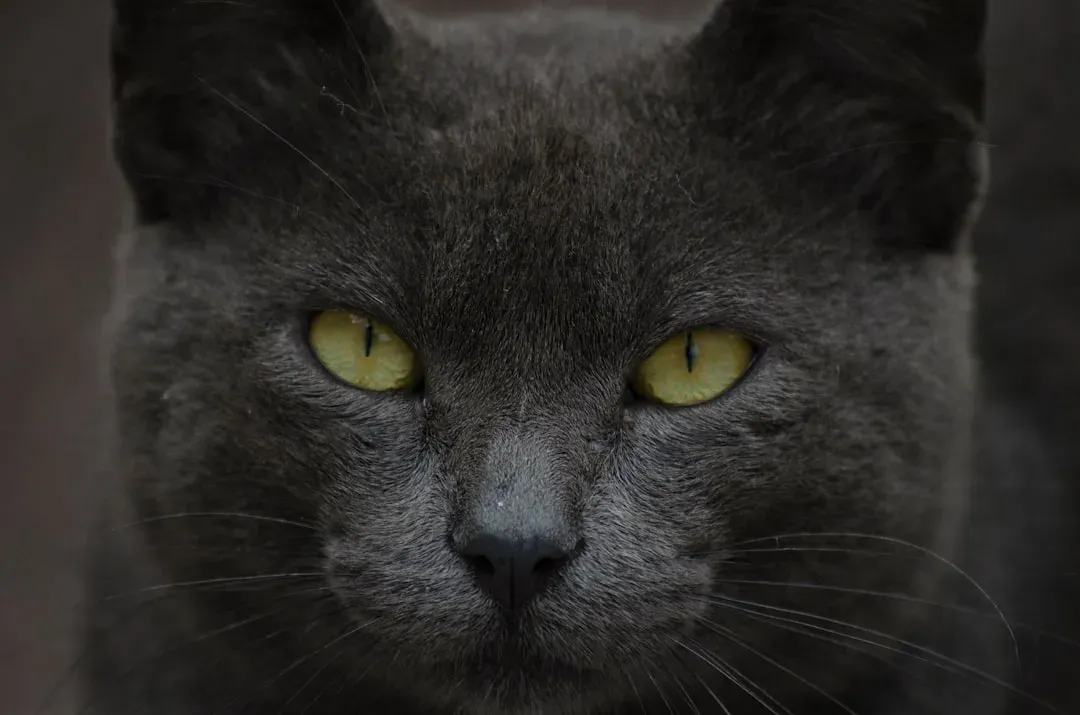
I know it sounds funny, but cats are remarkably skilled at the art of the silent demand. A direct, unblinking stare may be your cat’s way of asking for something – like food, playtime, or attention. If the stare comes with a pointed glance toward the food bowl, there’s really no ambiguity there. You’re being summoned.
Some cats have been known to stare at their pet parents when it’s feeding time. Once you make eye contact, the cat may vocalize and rub on you. Some cats may then walk or run toward their food bowl, automatic feeder, or the location where the food is kept. Other cats may stare intently at you while you’re eating your meal, in hopes of getting a tasty morsel of human food. Charming, relentless, and 100 percent effective – that’s a hungry cat for you.
Curiosity Is a Massive Driver of the Feline Gaze
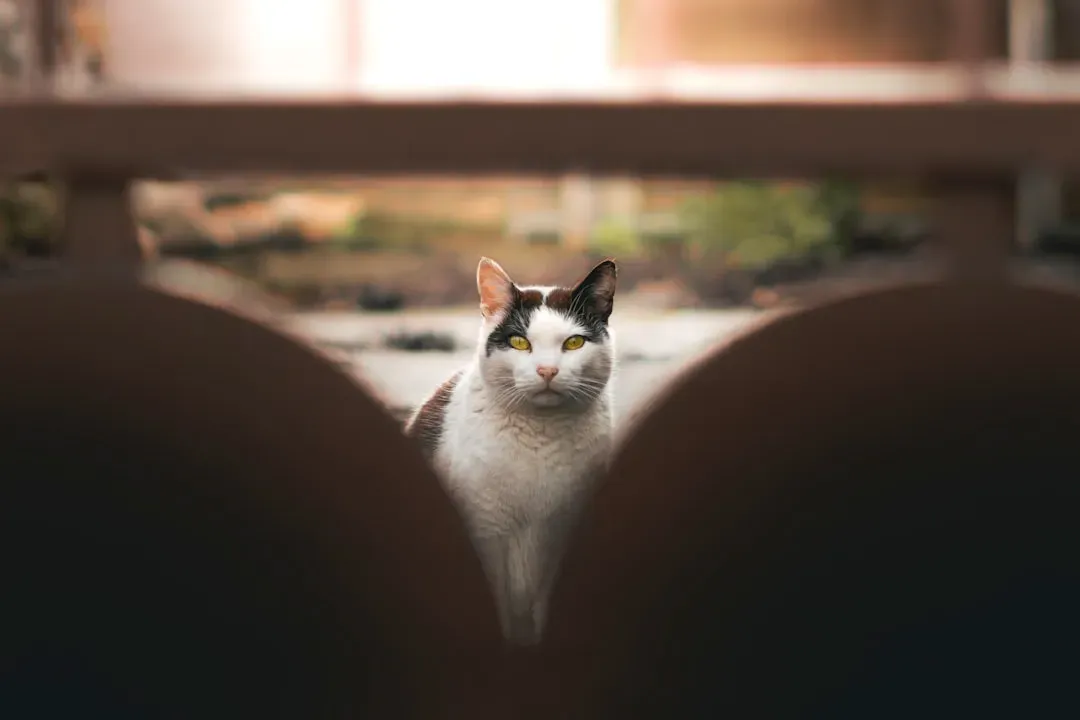
Cats are wired to notice every tiny thing in their environment. Their eyes are designed to detect motion more than detail, so your every movement catches their attention. Cats may stare from across the room because they’ve noticed something subtle you haven’t – even a small bug or flickering light. It’s like living with a surveillance system that also likes belly rubs.
Cats are naturally curious and may stare to see what you’re doing, or they may be attempting to understand your actions, or they’re fascinated by your movements. A curious stare is usually accompanied by relaxed body language, with ears forward and a relaxed tail. So if your cat’s ears are perked forward and they look engaged rather than tense, you’re dealing with pure, wholesome curiosity – nothing more.
When the Stare Turns to Play: Hunter Mode Is On
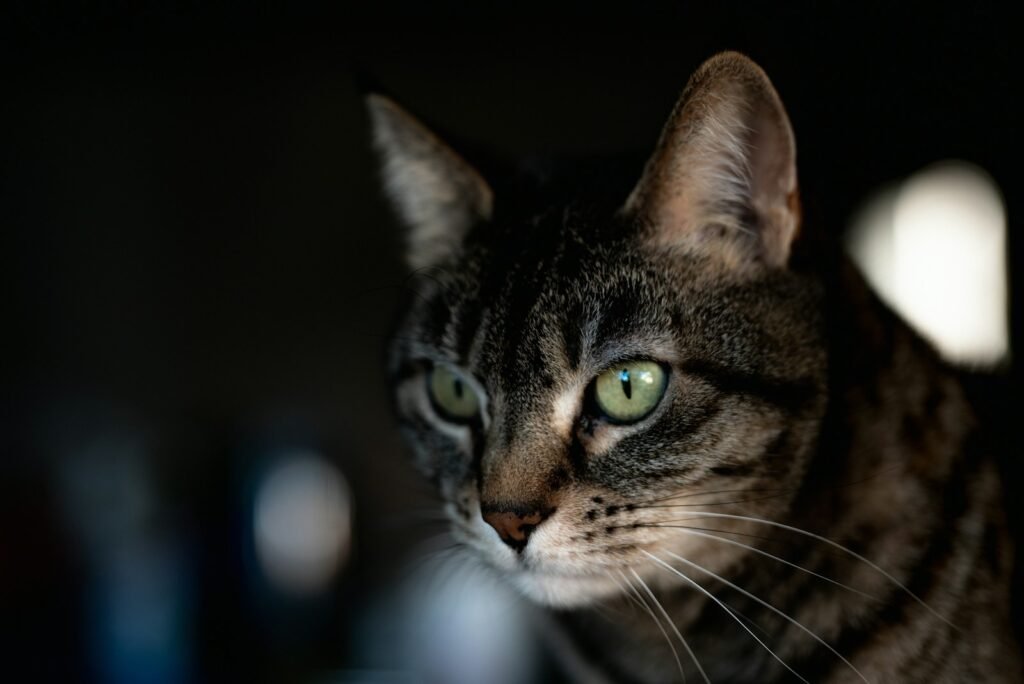
Sometimes that intense gaze isn’t about you at all – it’s about what you represent as a potential “target.” Staring is also part of your cat’s natural hunting behavior. They may fixate on a bug, toy, or even something invisible to you, tracking even the tiniest movement. It’s their way of prepping for a pounce. If you’ve ever had a cat suddenly spring off the couch and attack your foot, you’ve experienced this firsthand.
Some cats may crouch down and stare at you with their pupils dilated and tail swishing back and forth. Then, the staring cat may sprint toward you to swat at your foot or veer off before making contact. Some cats have even been known to tackle their pet parent’s leg and bunny kick it with their hind paws. This is an example of a kitty that’s looking for playtime with you. Grab a wand toy and redirect that energy – both of you will be happier for it.
Your Cat Stares at You While You Sleep (And It’s Actually Sweet)
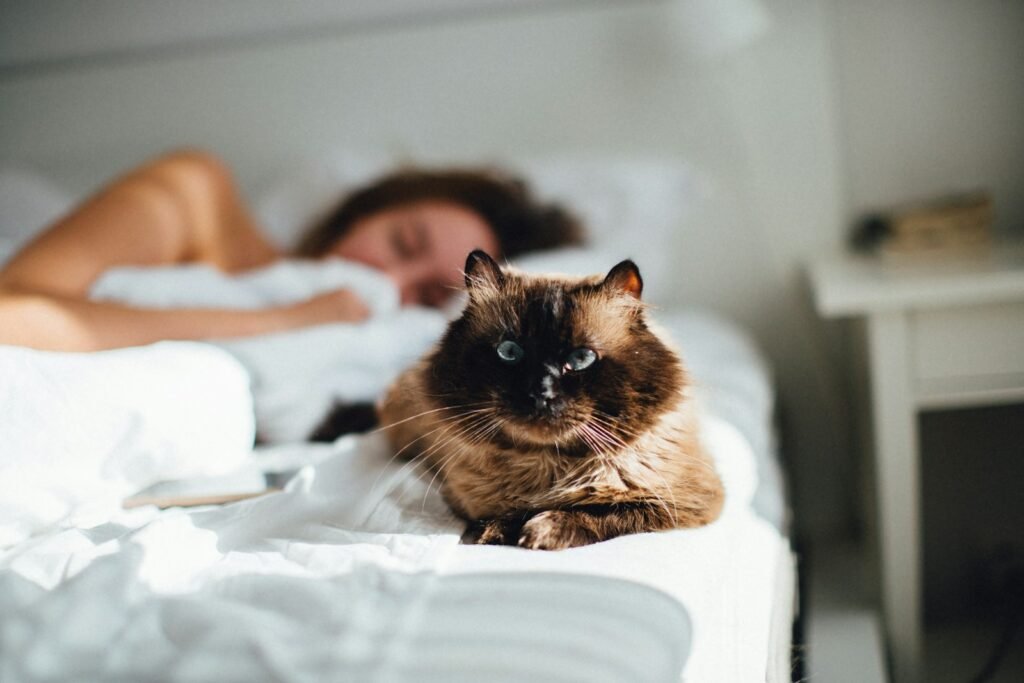
Few things are as immediately alarming as opening your eyes in the middle of the night to find your cat directly in your face, staring without blinking. Let’s be real – it’s objectively a bit much. A cat staring at you as you sleep is probably a mix of affection and bonding, as cats like to watch their owners when they’re safe and comfortable, curiosity, as cats tend to find humans and our habits a source of endless entertainment, and security, as cats are naturally more alert and watchful late in the day.
Cats are crepuscular animals, which means they are most active during dawn and dusk. This could explain why they are more likely to observe you while you’re resting. Your cat’s watchful behavior might actually be their natural protective instincts at work. In the wild, cats take turns keeping watch while others rest, ensuring the group’s safety. Your domestic cat may be carrying out this ancestral duty, appointing themselves as your personal security guard. Honestly, that’s kind of adorable.
When the Stare Means Fear or Aggression: Read the Room
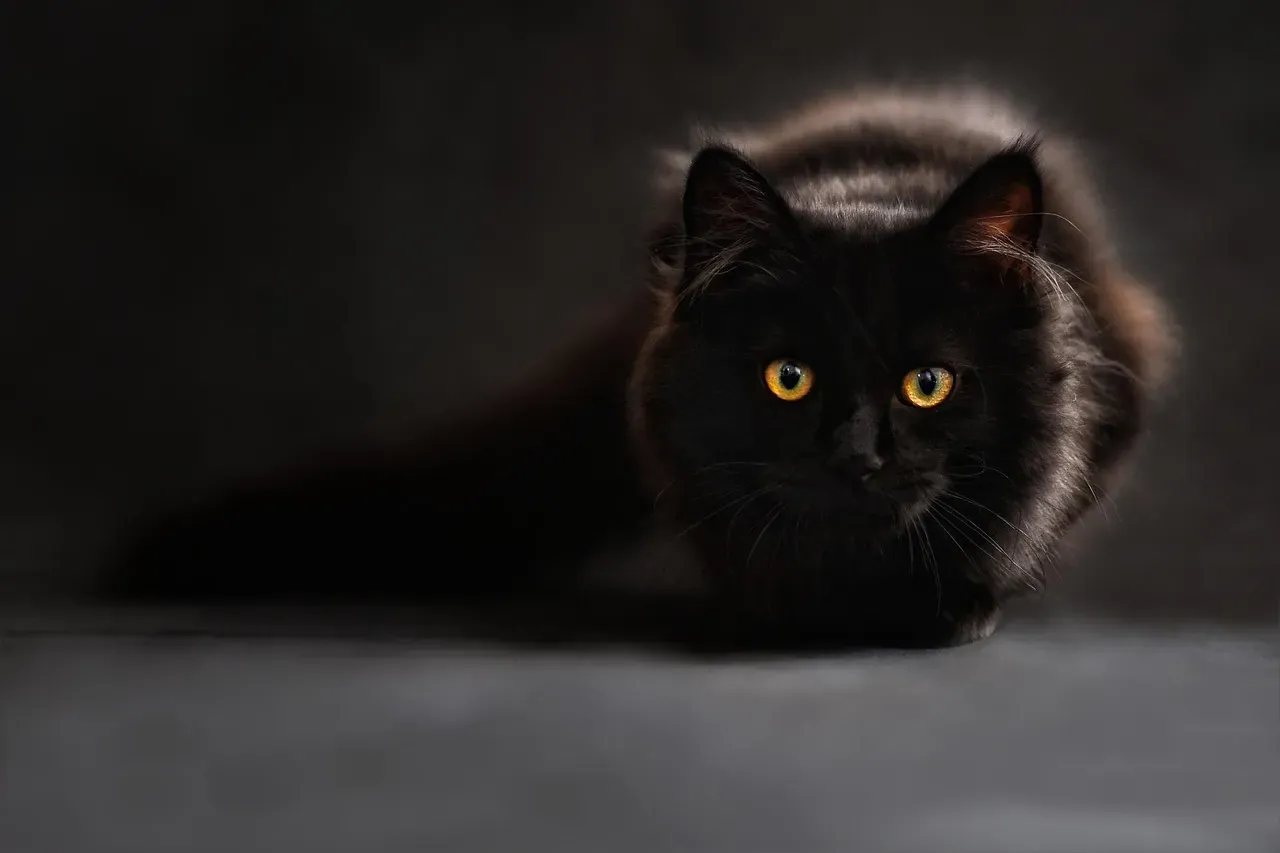
Not every stare is a love letter, and it’s genuinely important to know the difference. If your cat pairs staring with tense posture, flattened ears, or hiding, the behavior may reflect unease. Cats sometimes observe closely when they feel unsure about a situation or a change in their environment. In these cases, the stare is not meant to communicate affection. Instead, it allows the cat to evaluate potential threats or unfamiliar routines.
An agitated or scared cat will show an intense stare. Their tail will swish back and forth rapidly, their pupils will dilate, and their ears will be turned to the side or pinned back. This is an angry or upset cat who may need some distraction or some space away from whatever is bothering them. In this case, the best thing you can do is give them space, move slowly, and let them come to you on their own terms.
When the Stare Could Signal a Health Issue
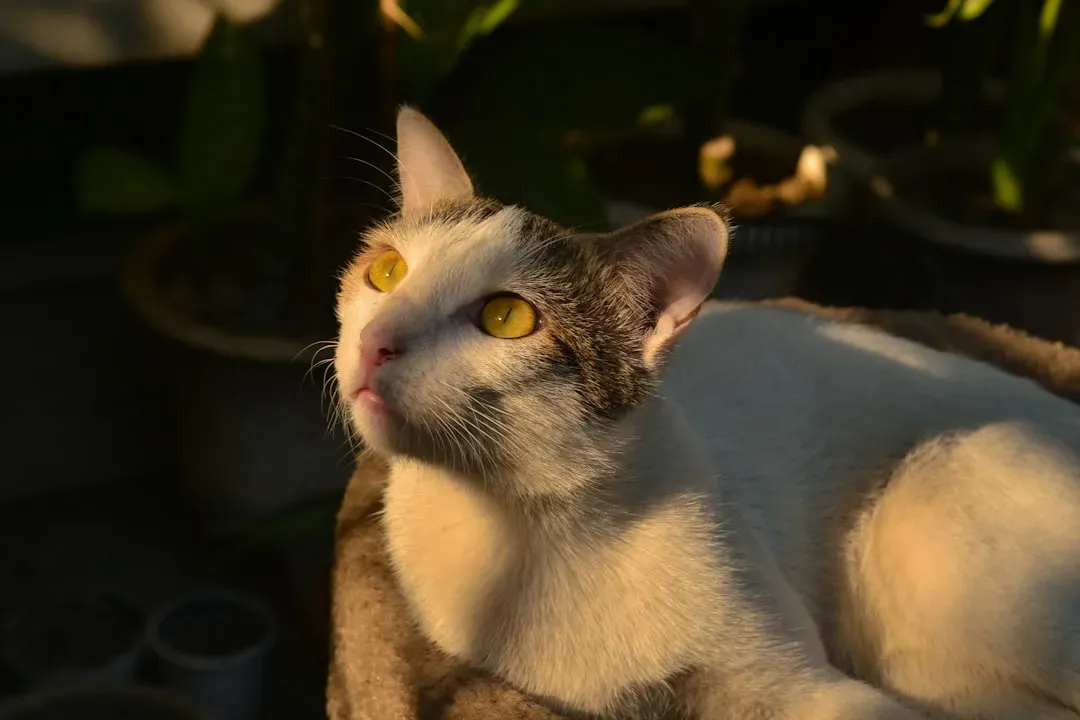
This one matters more than people often realize. While a cat’s staring behavior is usually just a form of cat communication, it could sometimes be a symptom of certain health concerns. Persistent or unusual staring could potentially indicate that something is wrong with your four-legged friend. If the staring feels different or has suddenly changed in character, pay close attention.
Neurological problems can impact a cat’s behavior, including their staring habits. Seizures, head tilting, or abnormal movements accompanied by prolonged staring may indicate neurological concerns. Cats may stare if they’re experiencing pain or discomfort. Changes in behavior, such as altered postures, lethargy, or vocalizations, alongside staring, may suggest discomfort. When in doubt, a visit to your vet is always the right call – better safe than sorry with your furry companion.
How You Should Respond to Your Cat’s Stare
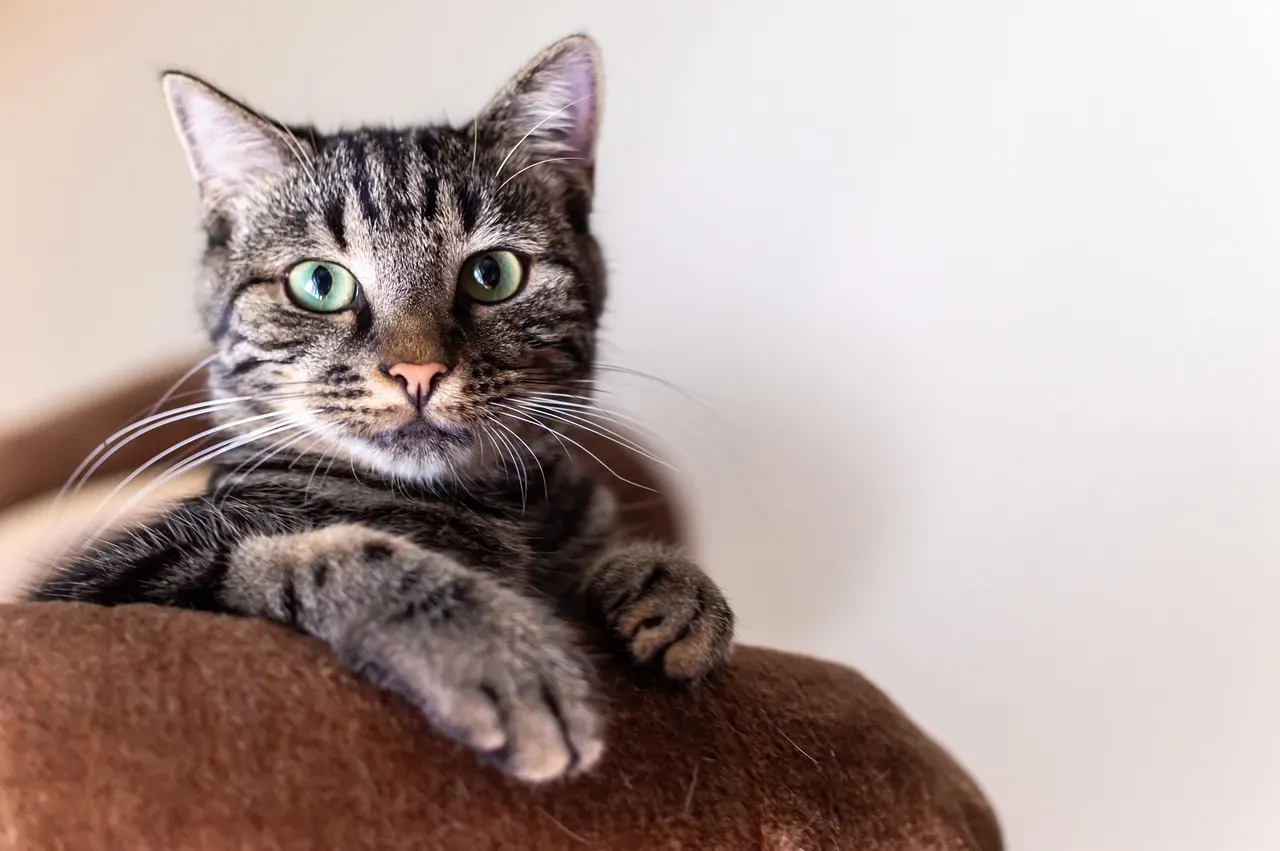
Now that you understand the “why,” the real question is: what do you actually do about it? Context is everything. If your cat’s gaze is soft or slow-blinking, indicating affection or curiosity, return the slow blink, talk to them in a calm, friendly voice, or give a gentle head scratch. Think of it as having a conversation in your cat’s native language – it goes a long way.
Returning a soft gaze or slow blink is a sweet way to build trust. Skipping the unblinking stare is wise – cats may take that as a challenge. Cat behaviorists agree it’s best not to hold prolonged eye contact with a cat, as they may interpret it as a threat or challenge. A slow blink, on the other hand, is often interpreted as friendly and affectionate. It’s a small gesture that carries enormous meaning in the feline world – and it costs you absolutely nothing.
Conclusion: Those Eyes Are Telling You Something Beautiful
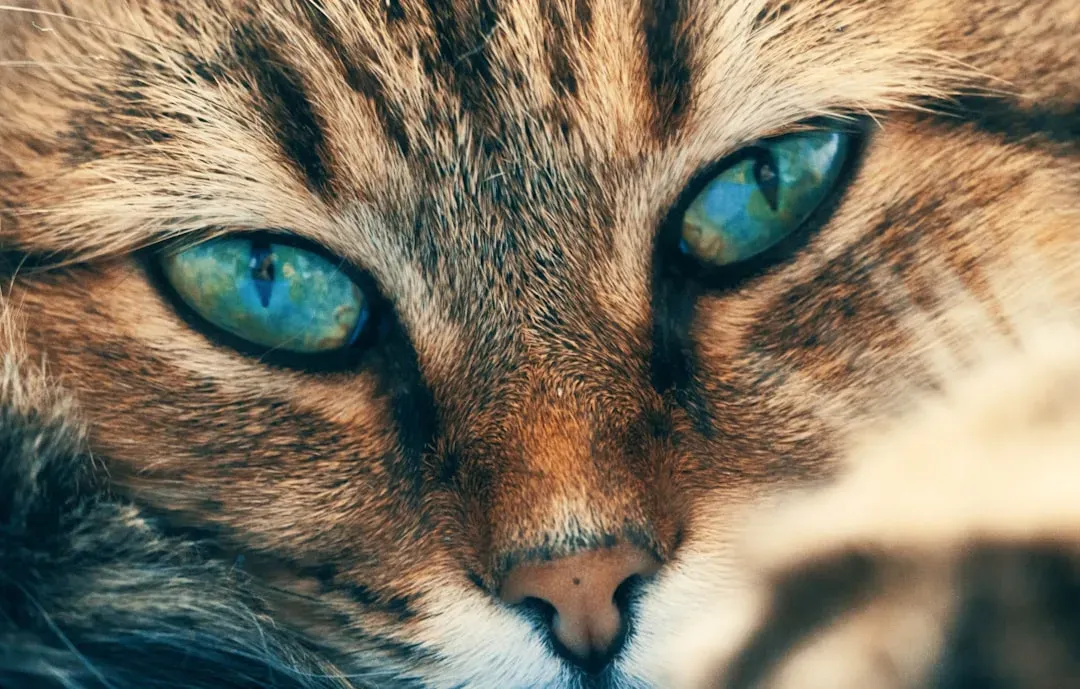
Your cat’s gaze, however intense it may feel in the moment, is almost always a window into something meaningful – trust, curiosity, hunger, love, or the universal desire to be understood. When your cat stares at you, it is rarely meaningless. Most of the time, that steady gaze reflects trust, awareness, or a quiet attempt to connect. Cats use their eyes as powerful tools for understanding and communication.
Once you learn to read those subtle signals – the slow blink, the relaxed tail, the soft eyes versus the wide and tense ones – your entire relationship with your cat can shift. You stop feeling watched and start feeling seen. By tuning in to these small signals, you’ll gain a better understanding of your feline companion and build an even stronger bond in the process. After all, cats may be mysterious, but they’re always trying to tell us something.
So the next time your cat locks eyes with you from across the room, don’t look away too fast. Stare back gently, blink slowly, and say hello in the language they actually understand. What do you think your cat has been trying to tell you all along? Share your thoughts in the comments – we’d love to hear your story.