If you’ve ever had a full-blown conversation with your cat and genuinely wondered whether they understood you, you’re not alone. Millions of cat owners do this every single day, and honestly, I think that instinct to “talk back” is more right than wrong. Your cat is communicating with you constantly, in ways far richer and more layered than most people realize.
The truth is, your feline companion has an entire vocabulary at their disposal, one that goes way beyond a simple “meow.” From the tip of their tail to the subtle flutter of an eyelid, every little gesture carries meaning. So if you’re ready to finally understand what your cat has been trying to tell you all along, let’s dive in.
Your Cat Developed Meowing Just for You
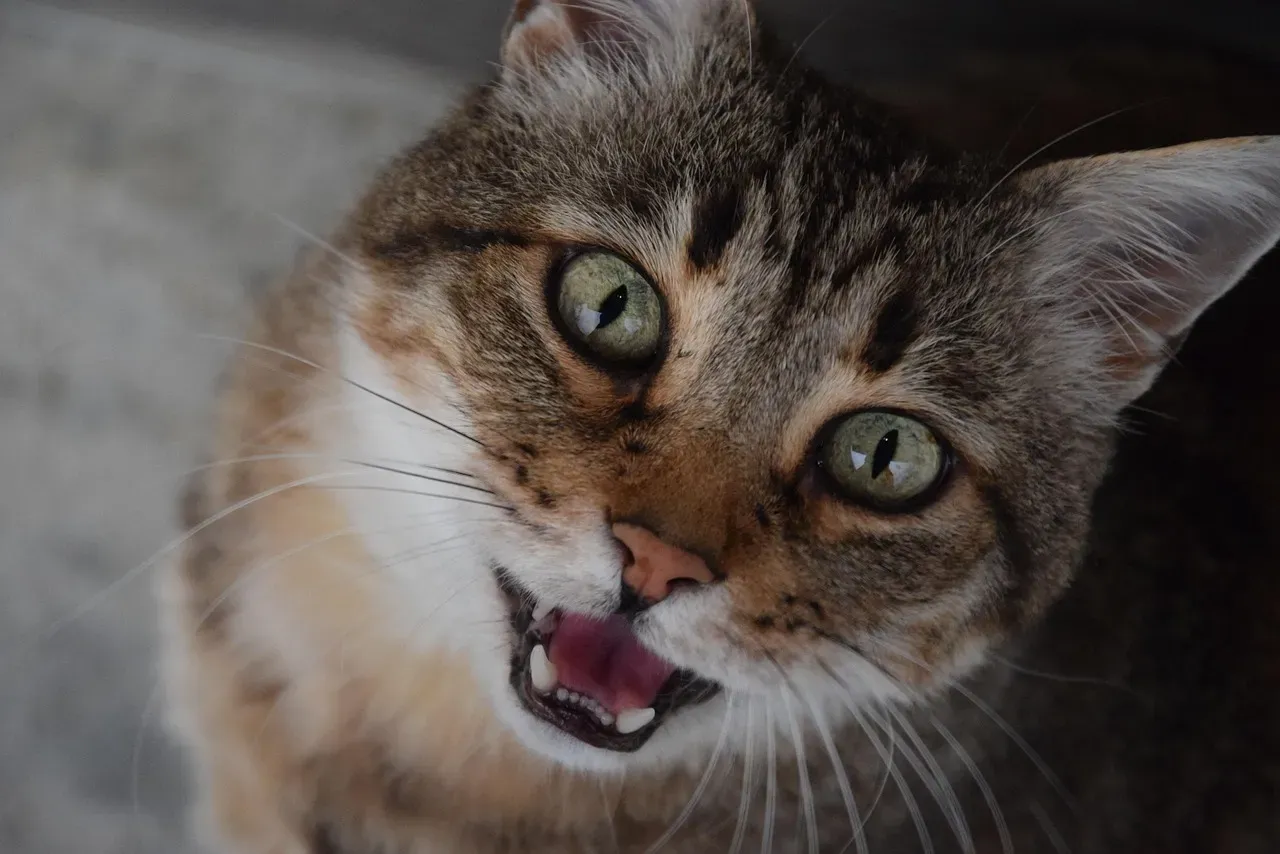
Here’s something that might genuinely surprise you. Adult cats rarely meow to each other, and so adult meowing to human beings is likely to be a post-domestication extension of mewing by kittens. That means when your cat meows at you, it’s not a sound they throw around casually in the wild. It’s a specially evolved form of communication directed almost exclusively at humans.
Cat communication methods have been significantly altered by domestication. Studies have shown that domestic cats tend to meow much more than feral cats. They rarely meow to communicate with fellow cats or other animals. So when your cat opens their mouth and says something to you, consider it personal. It truly is.
The Many Different Meanings Hidden Inside a Single Meow
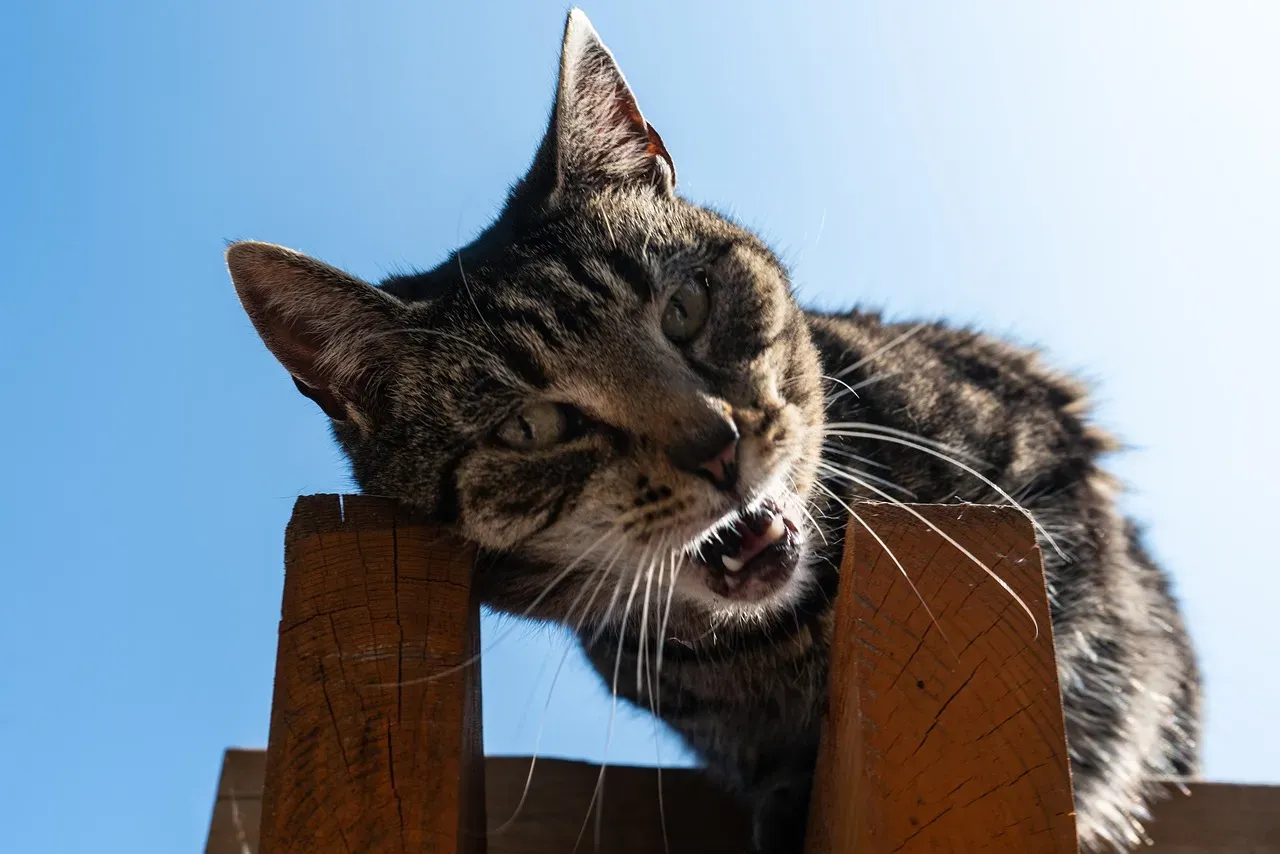
Not all meows are created equal. Far from it. Meowing is all-purpose; your cat may use “meow” as a greeting, a command, an objection, or an announcement. Think of it like the word “aloha” in Hawaiian, carrying an entirely different meaning depending on context, tone, and timing.
One common misconception is that all meows are the same. In reality, cats have a wide range of vocalizations, each with its own meaning. By paying attention to the tone, pitch, and context of your cat’s meows, you can better understand what they’re trying to communicate. It takes time, but once you start tuning in, you’ll be amazed at how much you’ve been missing.
Chirps and Trills: Your Cat Is Actually Inviting You Somewhere

If your cat trots ahead of you, turns back, and makes a short, high-pitched chirpy sound, they’re not just being eccentric. Chirps and trills are how a mother cat tells her kittens to follow her. When aimed at you, it probably means your cat wants you to follow them, usually to their food bowl. You’re essentially being herded, and there’s something endearing about that.
A cat may purr to express their contentment and pleasure, meow when greeting someone or asking for something like food or attention, or trill, which is like a high-pitched purr, to show they are friendly. So when your cat trills at you in the hallway first thing in the morning, that’s basically the feline equivalent of a warm “Good morning!” Take it as the compliment it is.
Chattering at the Window: Excitement, Frustration, or Something Else?
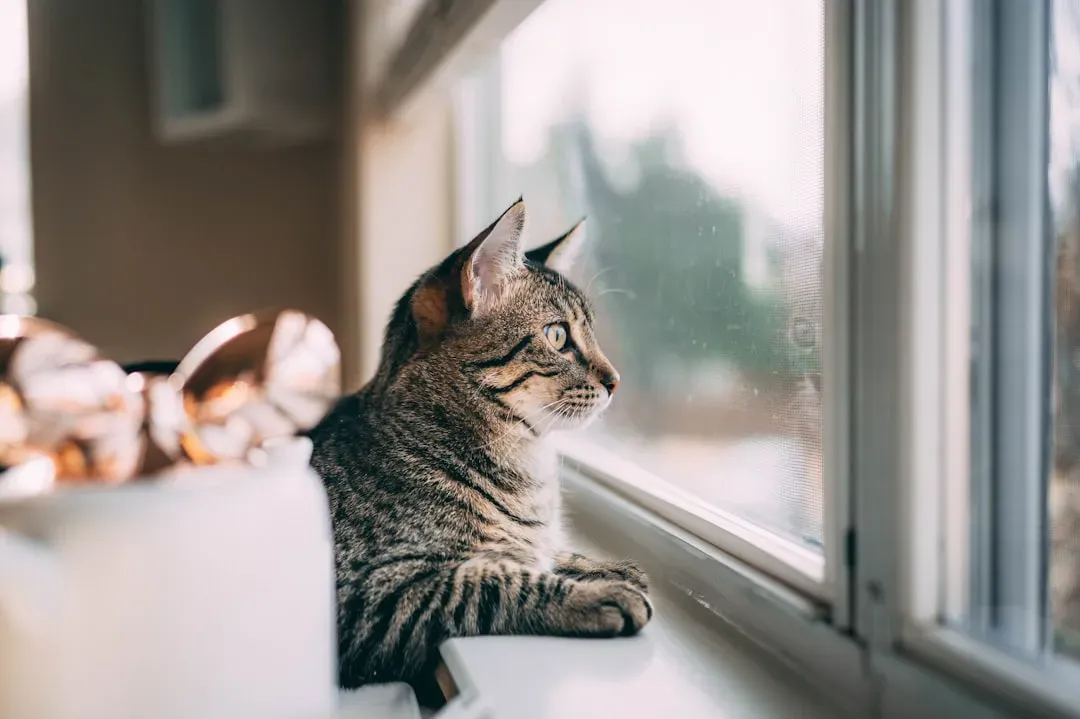
You’ve probably seen it. Your cat perched at the window, jaw doing that weird rapid vibrating thing as a bird hops across the lawn outside. It looks bizarre, but it tells you a lot. Chattering, chittering, or twittering are the noises your cat makes when they’re sitting in the window watching birds or squirrels. It usually translates to excitement, or they may be contemplating snack time.
Some researchers believe this chattering may also be a form of instinctive prey mimicry or even sheer frustration at being unable to reach the target. Think of it like watching your favorite food through a glass window with no way in. Your cat is basically doing the equivalent of saying “I WANT that” over and over again. It’s more emotion than strategy.
The Slow Blink: A Love Letter Written With Eyelids
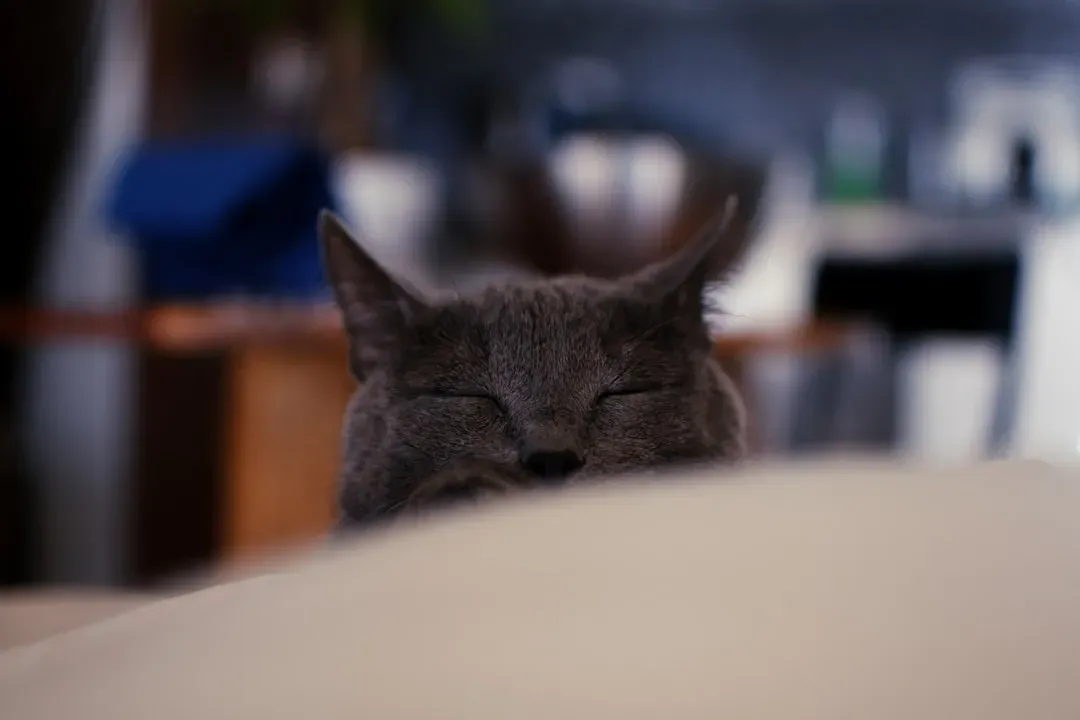
This one genuinely fascinates me. Cats are predators by nature and remain vigilant to their surroundings almost constantly. The slow closing of their eyes while looking at you is a clear offering of trust and comfort. They are letting you know that they are comfortable around you and trust you so much that they’ll close their eyes to prove it.
Other visual communication can be a single behavioral change, such as slowly blinking to signal relaxation and comfort in their environment. Try it yourself. Lock eyes with your cat gently, then slowly close and reopen your eyes. More often than not, they’ll blink back. That’s not coincidence. That’s a conversation, and it might just be the sweetest one you ever have.
Tail Talk: The Mood Barometer You’ve Been Ignoring
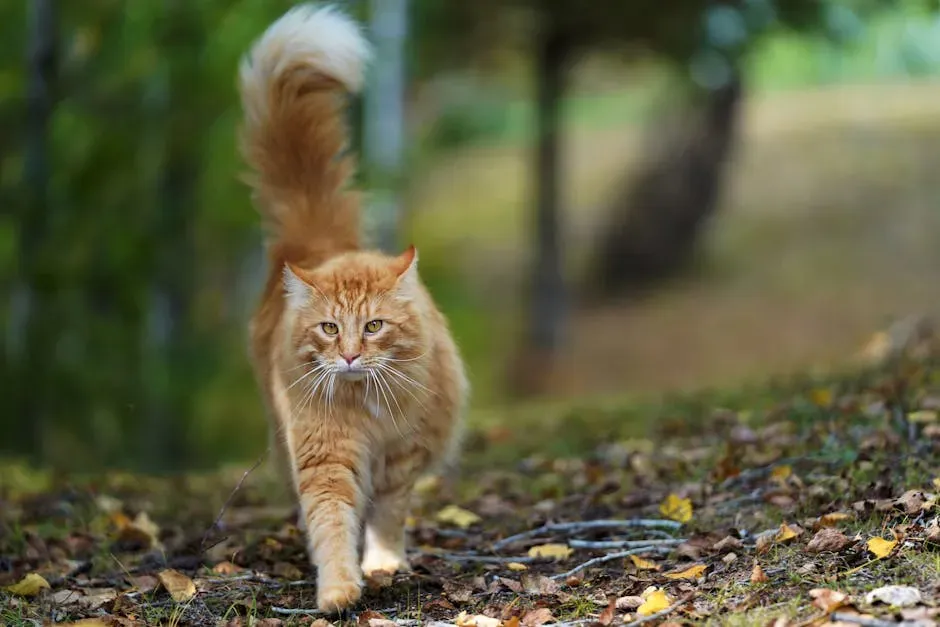
Your cat’s tail is practically a news ticker of their emotional state, broadcasting updates in real time. The “tail up” position, where the tail is held vertically in the air at a right angle to the ground, signals friendly intent when a cat approaches another cat, animal, or person. So a tail held high when they walk toward you? That’s a confident, happy greeting.
A tail tucked between the back legs is often a sign that a cat is anxious or fearful, whereas a tail held out, moving slowly side-to-side across the body, may signal frustration. If that tail begins wagging faster and more aggressively, almost like a thrash, then that means the cat is getting irritated and you should stop petting, or whatever it is you’re doing. That escalating tail thrash is not a happy wag. That’s a warning.
Hissing, Growling, and Yowling: When Your Cat Means Business
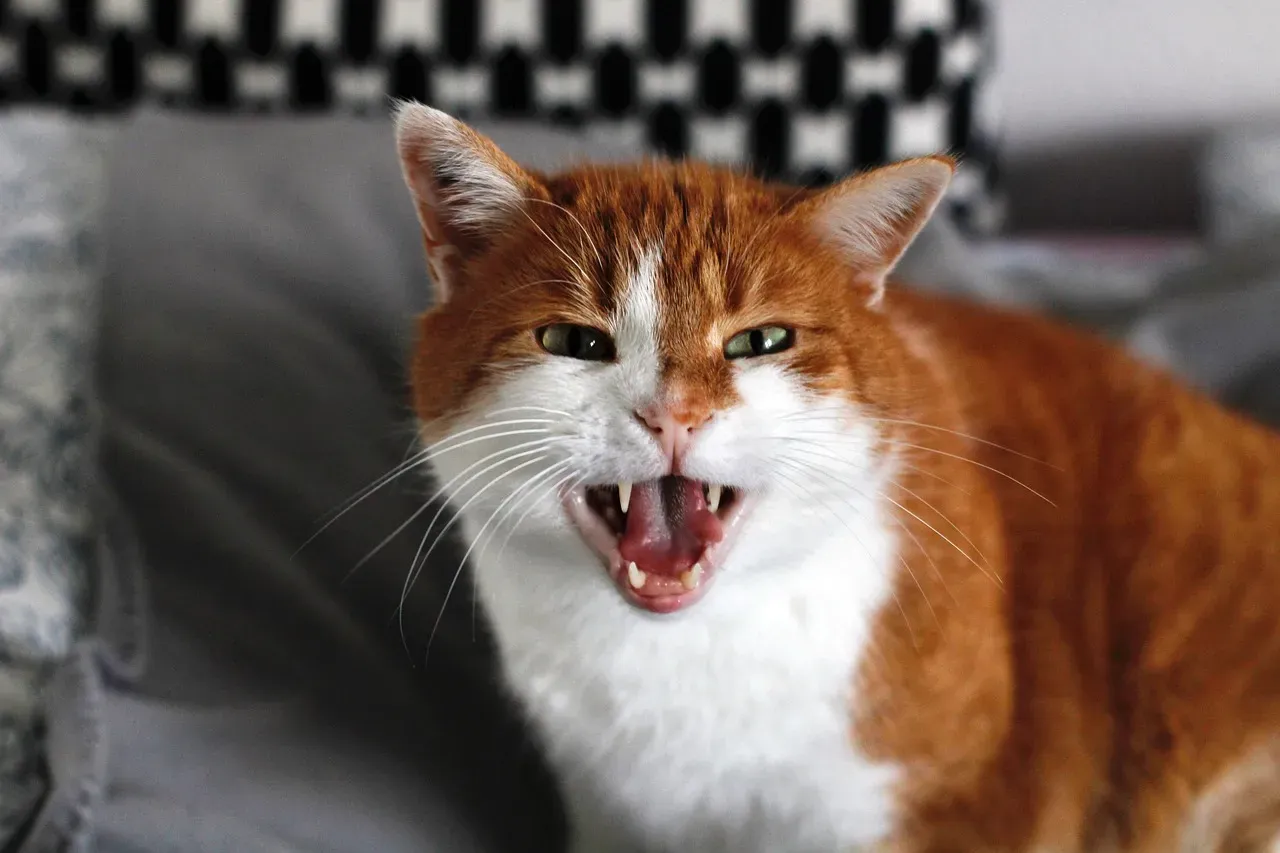
Let’s be real. These sounds are not ambiguous. Growling, hissing, or spitting indicates a cat who is annoyed, frightened, angry, or defensive. Leave this cat alone. There’s no reading between the lines here. Your cat has dropped all subtlety and is communicating in the clearest possible terms.
A yowl or howl tells you your cat is in some kind of distress, stuck in a closet, looking for you, or in pain. Find your cat if they’re making this noise. However, in unaltered cats, these sounds are part of mating behavior. If your cat is elderly, they may howl because they’re disoriented, especially if suffering from a cognitive disorder such as dementia. So the context here really does matter enormously.
Kneading, Head-Butting, and Rubbing: The Language of Touch
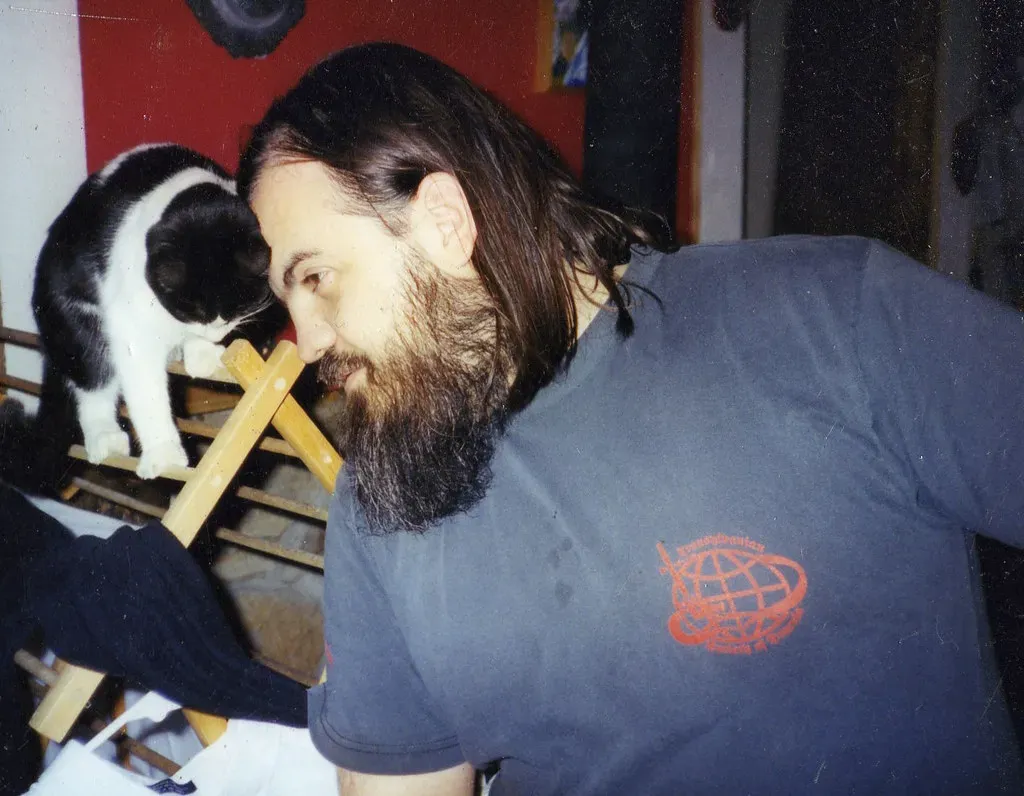
When your cat climbs into your lap and starts rhythmically pressing their paws into you, they’re not just making themselves comfortable. Cats sometimes repeatedly tread their front paws on humans or soft objects with a kneading action. This is instinctive to kittens and adults and is presumably derived from the action used to stimulate milk let-down from the mother during nursing. It’s a deeply rooted comfort behavior, and the fact that they’re doing it to you says everything.
Head butts and chin rubbing are also clear signs that your cat loves you because cats have scent glands in their faces that allow them to claim friends and objects as their own. So when your cat smashes their face against yours, they’re marking you as theirs. It sounds possessive, but honestly? It’s one of the most affectionate things they can do.
When Talking Becomes a Warning Sign: Vocalization and Health
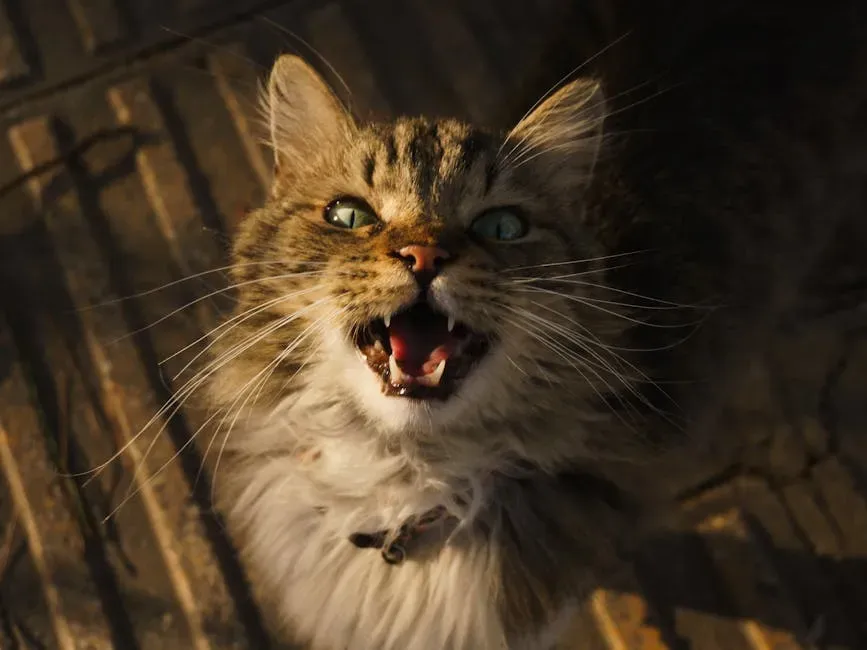
Here’s the thing. If your cat suddenly becomes much more vocal than usual, or goes noticeably quiet, that shift deserves your attention. If your normally quiet kitty starts meowing or your cat is vocalizing more often, begins excessive meowing, or yowls, it’s time to get suspicious and consider pain as a cause. Cats are remarkably stoic creatures, so when they break that silence, something significant is happening.
Cats can also become increasingly vocal as they age. Two possible reasons for this are age-related dementia and deteriorating eyesight. A cat who feels anxious or confused may meow to seek reassurance. Hearing loss can also cause a kitty to vocalize louder than usual because they can’t determine their volume. A cat who meows a lot should be checked thoroughly by a veterinarian to ensure a medical condition is not the cause of the cat’s distress.
Conclusion: Your Cat Is Always Talking. Are You Listening?
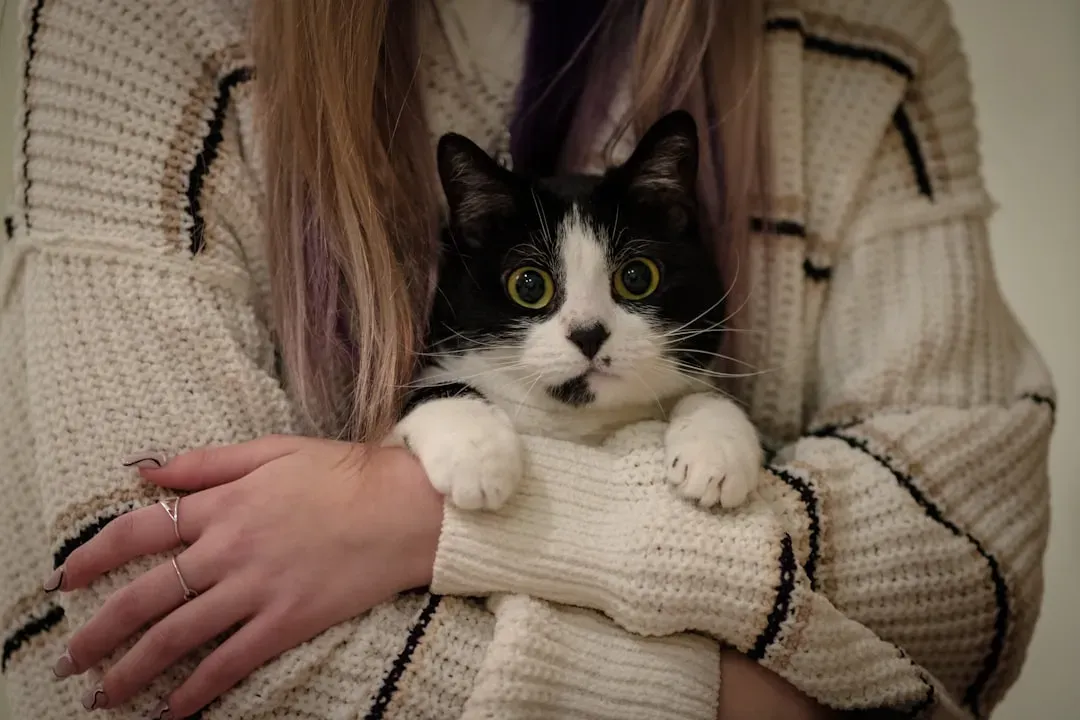
The truth is, your cat has never been silent. They’ve been talking to you every single day through meows tailored just for human ears, through the arc of their tail, the slow close of their eyes, the press of their paws on your lap. You can better understand your furry friend by paying attention to their vocalizations, body postures, and daily routines. In time, you may become so attuned to your kitty’s personality and habits that you’re able to detect subtle changes in their mood and even recognize health problems before physical signs of illness appear.
Many cats come up with consistent and repeatable vocalizations that get predictable responses from their owners. If your cat says the same things to get the same result, repeatedly, then they are picking up on your responses. That’s not just communication. That’s a relationship being built, one chirp, blink, and slow tail wave at a time. So the next time your cat stares at you and opens their mouth, stop what you’re doing and actually listen. You might be surprised by how much you already understand.
What’s the most interesting thing your cat does to “talk” to you? Have you ever figured out a sound they make that’s completely unique to them? Drop it in the comments below – because every cat has their own dialect, and honestly, that never gets old.