You’ve probably never spotted a clouded leopard in the wild, and honestly, few people have. These mysterious felines prefer to keep to themselves high above the forest floor, where they’ve perfected the art of vertical living. Let’s be real, when it comes to climbing prowess in the cat world, the clouded leopard doesn’t just participate in the game; it basically wrote the rulebook.
They inhabit dense forests from the foothills of the Himalayas through Northeast India and Bhutan to mainland Southeast Asia into South China. Their elusive nature and preference for remote canopy habitats mean that understanding these cats requires a bit of detective work. What we do know, however, is absolutely fascinating and reveals a creature so perfectly adapted to life among the branches that it seems almost otherworldly.
Those Incredibly Flexible Ankles That Defy Gravity
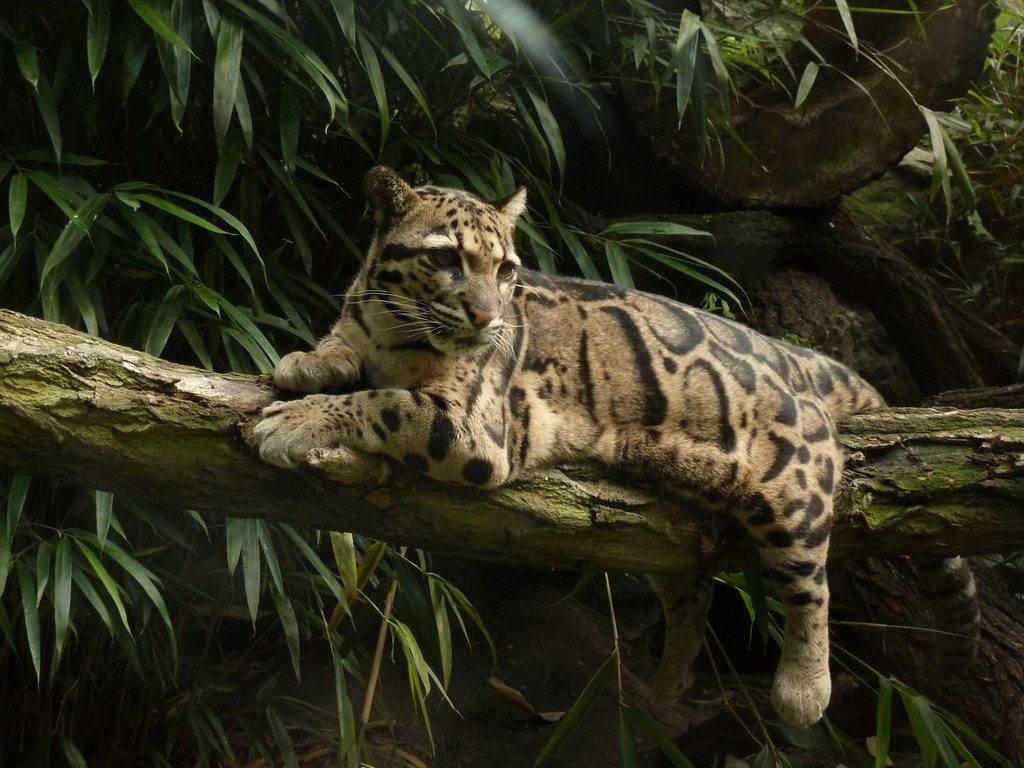
The clouded leopard possesses anklebones that allow for extraordinary flexibility, with joints that rotate backward, enabling them to descend trees headfirst. Think about that for a second. Most animals, including humans, would tumble straight down if they tried such a maneuver. They’re one of only two cat species that can climb down trees headfirst.
Their ankles can rotate backward so the cat can climb down a tree headfirst, climb upside down, and even hang from its back feet. This incredible adaptation essentially gives them superpowers in the trees. These short, powerful legs equipped with rotating rear ankles allow them to safely downclimb in a headfirst posture, much like a common squirrel.
Paws Designed Like Nature’s Climbing Gloves
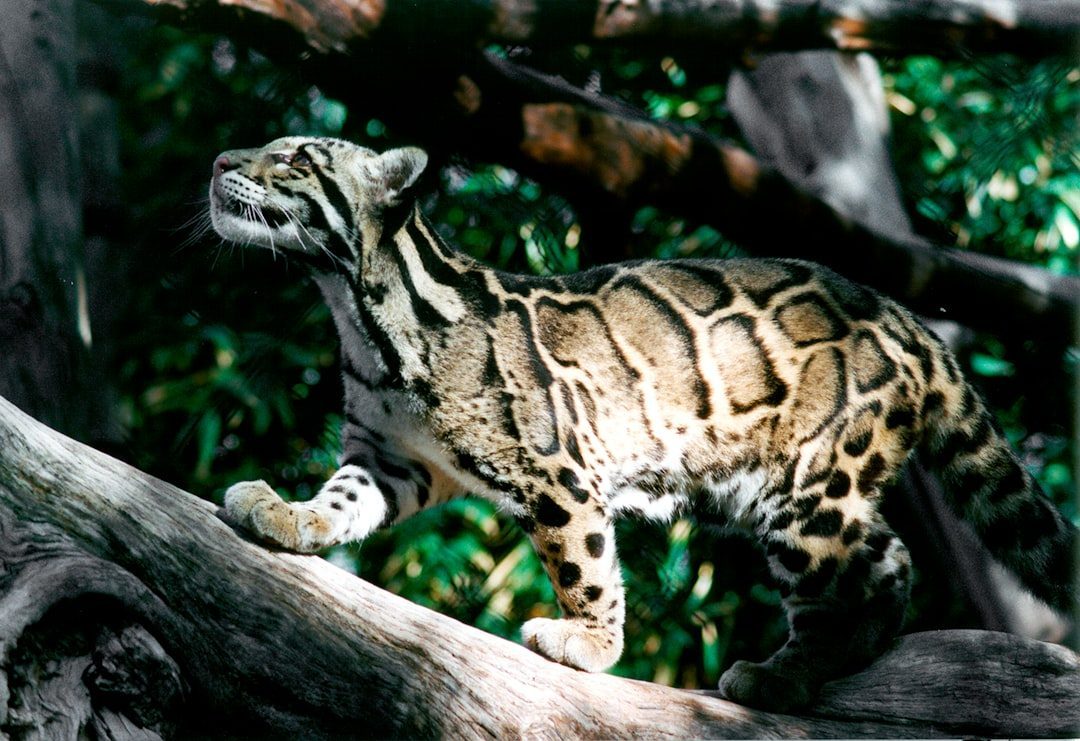
The clouded leopard has large paws that can rotate up to 180 degrees, allowing it to perform supination, which means it can face its paws toward its face rather than just at the ground. It’s almost as if evolution gave them an extra evolutionary gift that most other cats simply don’t possess. They have large, dexterous paws with specialized footpads for gripping branches.
Their sharp, retractable claws and strong paw pads provide an exceptional grip, allowing them to scale vertical surfaces with ease. These aren’t just regular cat paws; they’re precision instruments calibrated for gripping bark and branches at any angle.
The Tail That Acts Like a Built-In Balance Beam
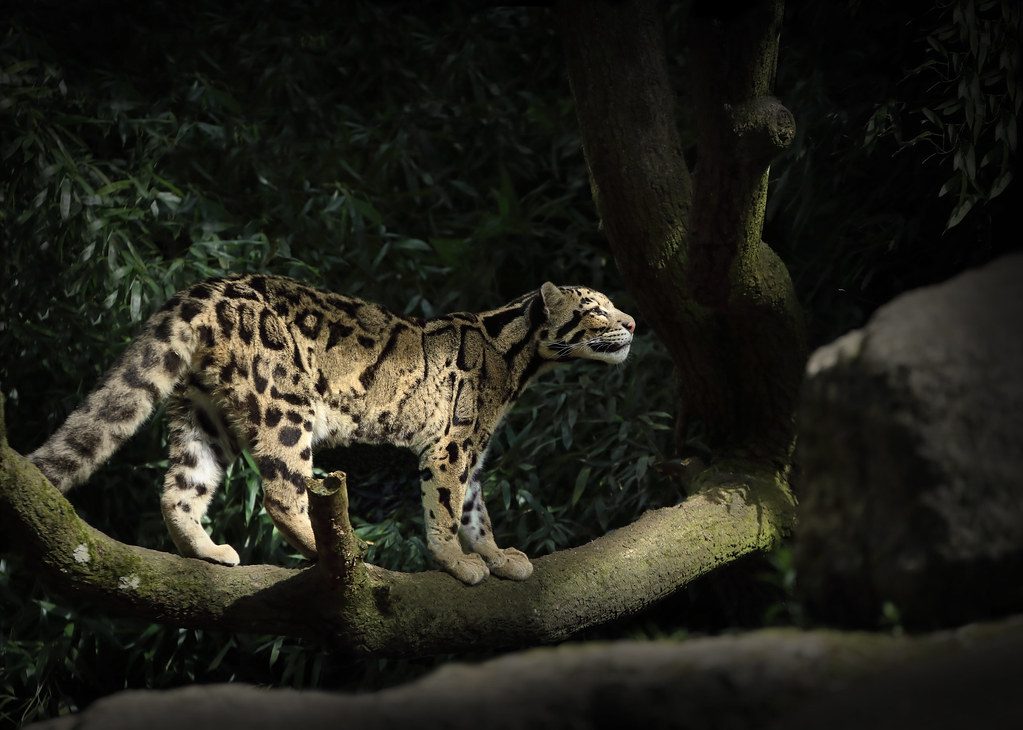
Here’s the thing about clouded leopards: their tails are almost comically long for their body size. They have a distinctive, long tail that is often as long as or longer than their body itself, used for balance. Picture a tightrope walker holding a long pole for stability; that’s essentially what their tail does as they navigate the complex maze of branches.
The tail is used for balancing when moving in trees and climbing down vertical tree trunks head first. The long tail provides balance as they leap from branch to branch. Without this incredible counterbalance, those death-defying leaps between trees would be far more dangerous. It’s roughly about as essential to their survival as wings are to birds.
Saber-Tooth Style Teeth for Aerial Ambush
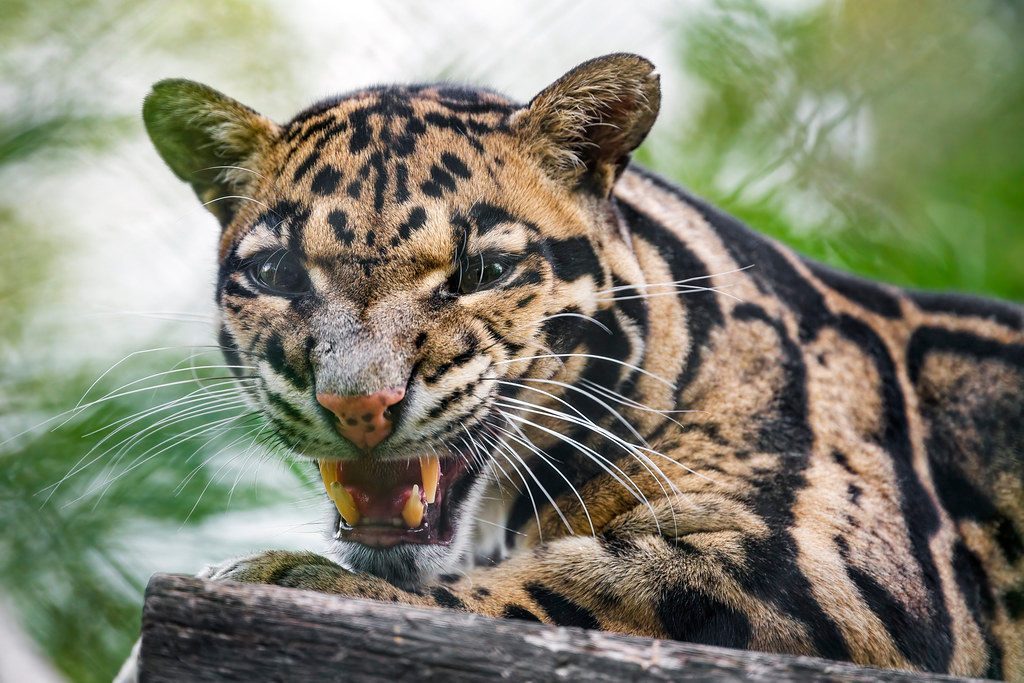
The canine teeth are exceptionally long, with the upper pair measuring 4 cm or longer, and the clouded leopard is often referred to as a “modern-day sabre-tooth” because it has the largest canines in proportion to its body size. Those teeth aren’t just for show either. A clouded leopard can open its jaws wider than any other cat, and its tooth development is most like that of the extinct sabertooth cat, enabling them to take down larger hoofed mammals.
Evidence suggests that their super-long teeth help them grasp prey up in the trees where they can’t use their paws to help. Imagine trying to hold onto a squirming monkey while balancing on a branch thirty feet up; those massive fangs become essential tools. A clouded leopard’s 2-inch-long canine teeth are proportionally the longest of any living cat – even though a tiger is 10 times larger in body size.
Acrobatic Moves That Would Make Gymnasts Jealous
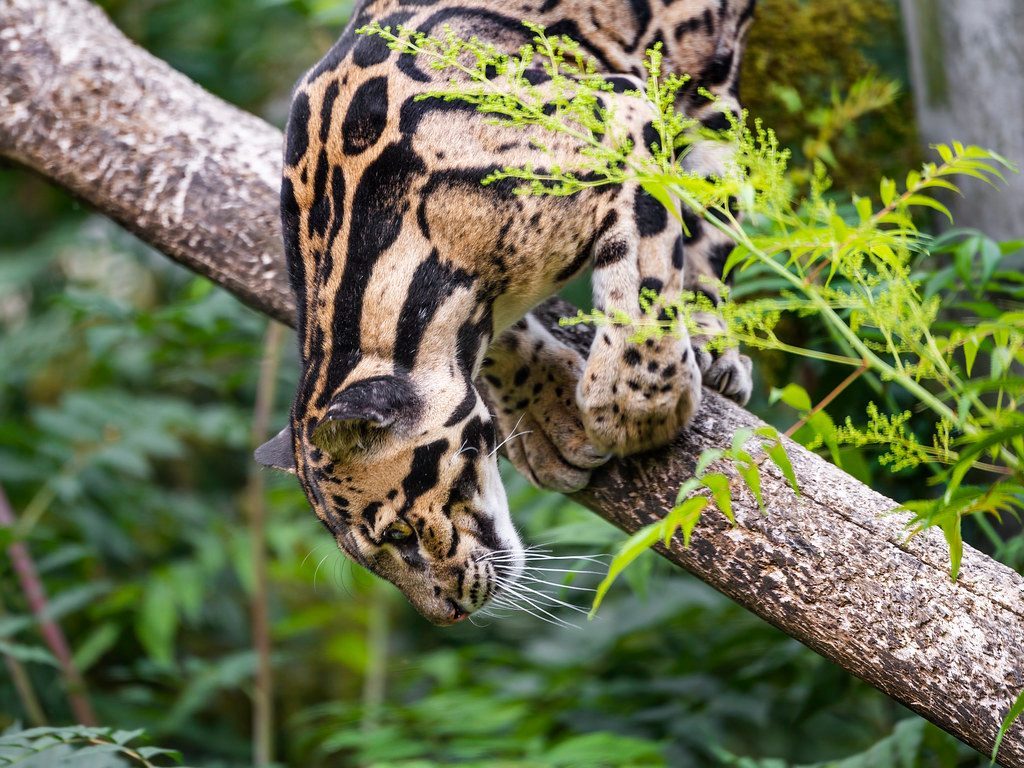
The clouded leopard doesn’t simply climb trees; it performs aerial acrobatics that seem to defy physics. It can climb straight down head first by gripping smaller trunks with its back legs, and it can also hang, drop, and catch itself easily, allowing it to jump from tree to tree quickly. They are capable of supination and can hang down from branches only by bending their hind paws and their tail around them.
They have been observed engaging in acrobatics such as climbing slowly head first down tree trunks, hanging upside down while moving along horizontal branches, and hanging from branches using only their hind feet. They can leap 15 feet from branch to branch. I think it’s safe to say that these cats would dominate any feline obstacle course.
Camouflage Patterns That Blend Into Dappled Light
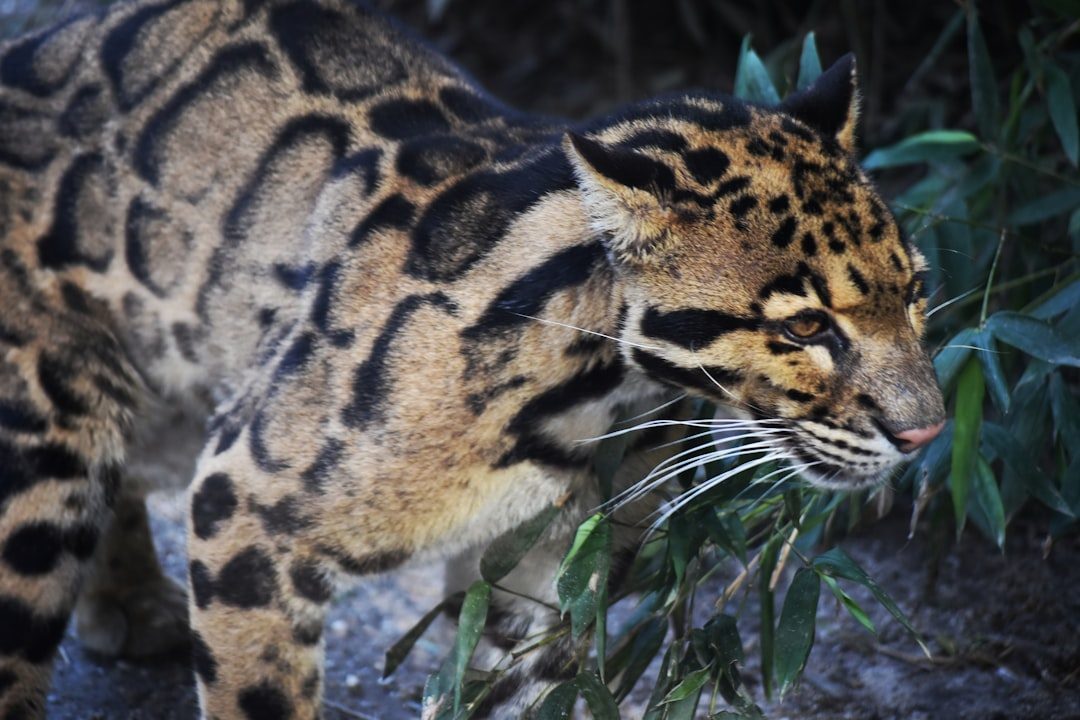
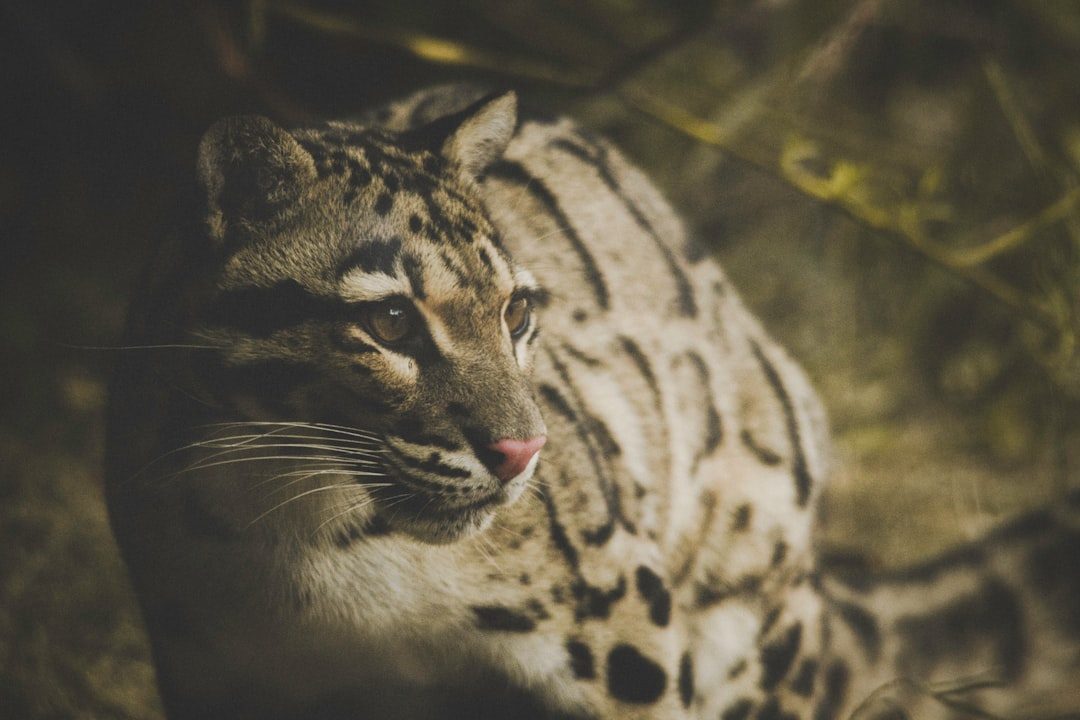
The clouded leopard has large dusky-grey blotches and irregular spots and stripes reminiscent of clouds. These aren’t random markings; they’re evolutionary masterpieces. The distinctive cloud-like patterns are not just for show; these intricate markings help them blend seamlessly into the dappled light of their forest habitat, making them nearly invisible to both prey and potential threats.
The clouded leopards’ distinctive coloration and cloudlike spot pattern provide excellent camouflage in their forest habitat. When sunlight filters through the canopy, creating shifting patterns of light and shadow, the clouded leopard simply vanishes. This camouflage serves them both as ambush predators waiting for prey to pass below and as protection from larger threats like tigers.
Hunting Strategy Between Earth and Sky
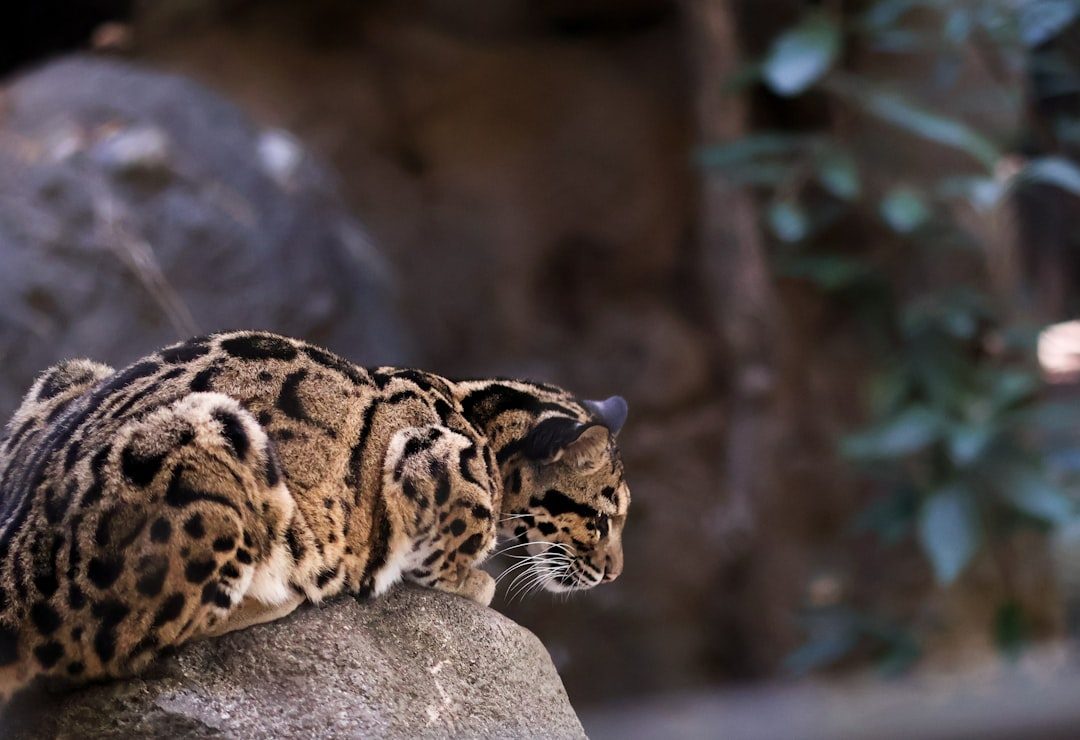
When hunting, the clouded leopard stalks its prey or waits for the prey to approach, and after making and feeding on a kill, it usually retreats into trees to digest and rest. While some hunting may occur in the trees, the majority most likely takes place on the ground. It’s hard to say for sure, but their versatility gives them an edge over more specialized predators.
These cats can ambush their prey from the treetops, landing on their target’s back and delivering one killing bite, and despite their small size, cloudeds can take down large hoofed animals with this method. Their chief prey are gibbons, macaques, slow loris, small deer and wild boars, which they ambush from the trees or stalk from the ground. The trees provide both a hunting platform and a dining room where they can enjoy their meals away from scavengers.
Conservation Challenges Threatening Tree Dwellers
Their forest habitat is experiencing the world’s fastest rate of deforestation, with clear cutting of forests for agricultural lands such as palm oil being its primary threat, as the clouded leopard requires large tracts of forest for hunting. Honestly, it’s devastating to think about these magnificent climbers losing their vertical world piece by piece. The total population is suspected to be fewer than 10,000 mature individuals, with a decreasing population trend, and it is classified as Vulnerable on the IUCN Red List.
They are also widely hunted for their teeth, decorative pelt, and for bones for the traditional Asian medicinal trade, with clouded leopard pelts being the most commonly seen pelts on the illegal market. Conservation efforts are focused on education for human communities, providing resources for coexistence like predator-proof goat corrals, and protecting habitat.
The clouded leopard represents something truly special in the animal kingdom: a cat so perfectly designed for arboreal life that it seems to exist in a different dimension from ground-dwelling predators. From those rotating ankles to that impossibly long tail, from massive saber-tooth canines to acrobatic abilities that boggle the mind, every aspect of their anatomy tells a story of evolutionary refinement. Yet these remarkable adaptations may not be enough to save them from the chainsaw and the poacher’s trap. What do you think we should prioritize to ensure these tree-dwelling ghosts don’t fade away completely?