Your cat has been talking to you every single day. You just haven’t known how to listen. While we often fixate on meows, purrs, and chirps as the main channels of feline communication, the tail is quietly doing most of the heavy lifting – a swirling, flickering, puffing antenna of raw emotion pointed right at you.
Your cat’s tail is one of its most expressive features, and it uses it to let you in on a world of feelings and emotions. Once you better understand feline body language and know what your cat is trying to convey, you can respond to it when it’s feeling happy or assist it when it’s stressed. Honestly, learning this language might just be one of the most rewarding things you do as a cat owner. So let’s dive in.
The Tail Straight Up: Your Cat’s Friendliest Hello
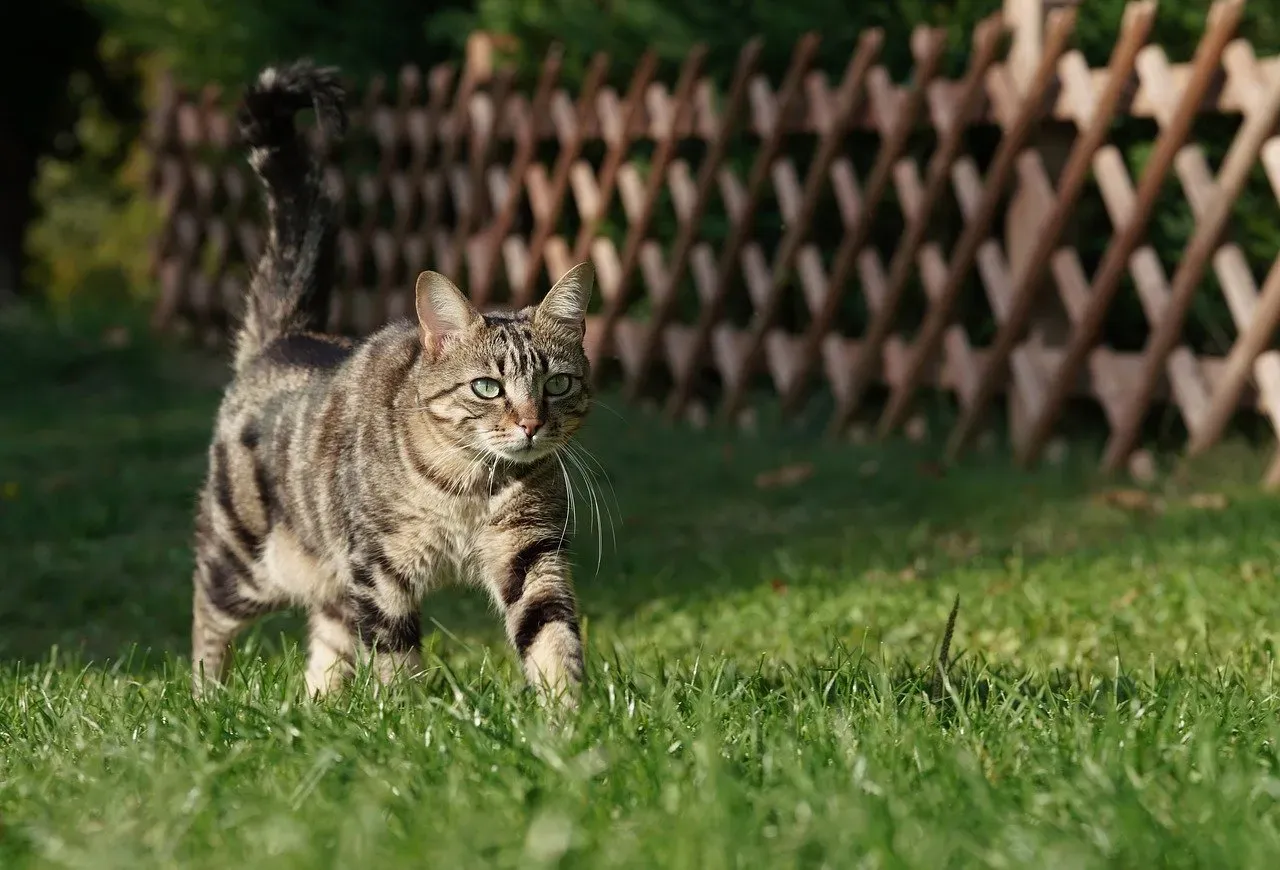
Picture this: your cat struts into the room, tail pointed toward the ceiling like a tiny flag of goodwill. That is not a coincidence. When your cat walks in with its tail sticking straight up, it’s feeling confident, comfortable, and ready to engage in some friendly interaction. Think of it as the feline equivalent of walking into a room with your arms wide open and a huge grin on your face.
A tail held high like a flagpole is the ultimate sign of sociability and confidence, and it mimics the posture kittens use to greet their mothers. So when your cat does this toward you, you’re not just its human – in some deep, instinctual way, you’ve earned a place in its inner circle. That’s actually kind of beautiful, if you think about it.
The Question Mark Tail: An Invitation You Shouldn’t Ignore
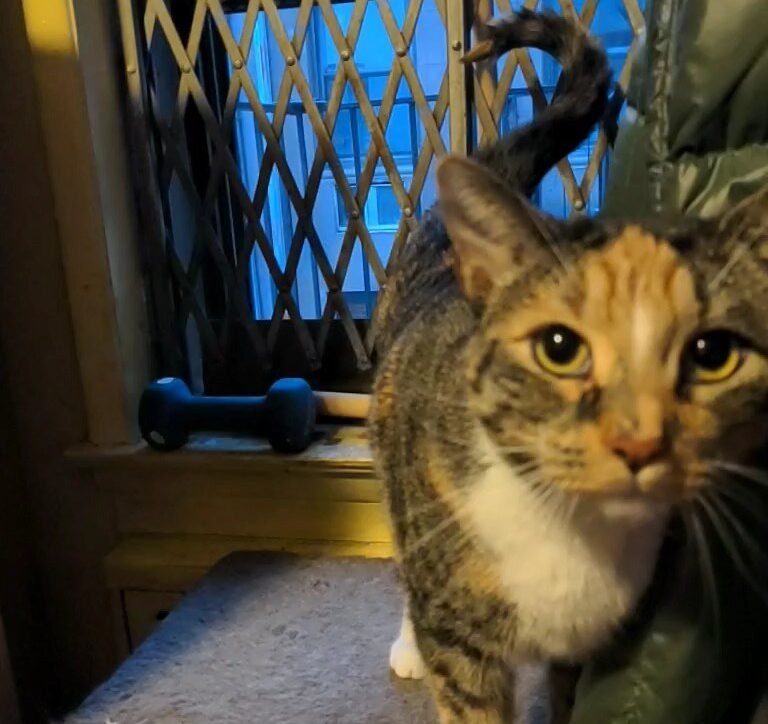
Here’s one that always makes people smile. A tail in the shape of a question mark is a gesture often referenced in cartoons. The question mark isn’t about confusion at all – instead, it’s an invitation to play or interact. Perhaps your cat is also suggesting it’s open to whatever you want to do, kind of like a dealer’s choice. It’s basically your cat saying, “I’m in a good mood – surprise me.”
When your cat’s tail is in this position, it means it’s an invitation to interact with your cat. However, while it is tempting to pet that curly-tipped tail, most cats prefer to be pet around their facial glands on their cheeks, under their chin, and next to their ears. So yes, the door is open – just knock in the right place.
The Puffed-Up Bottle Brush: Maximum Alert Mode
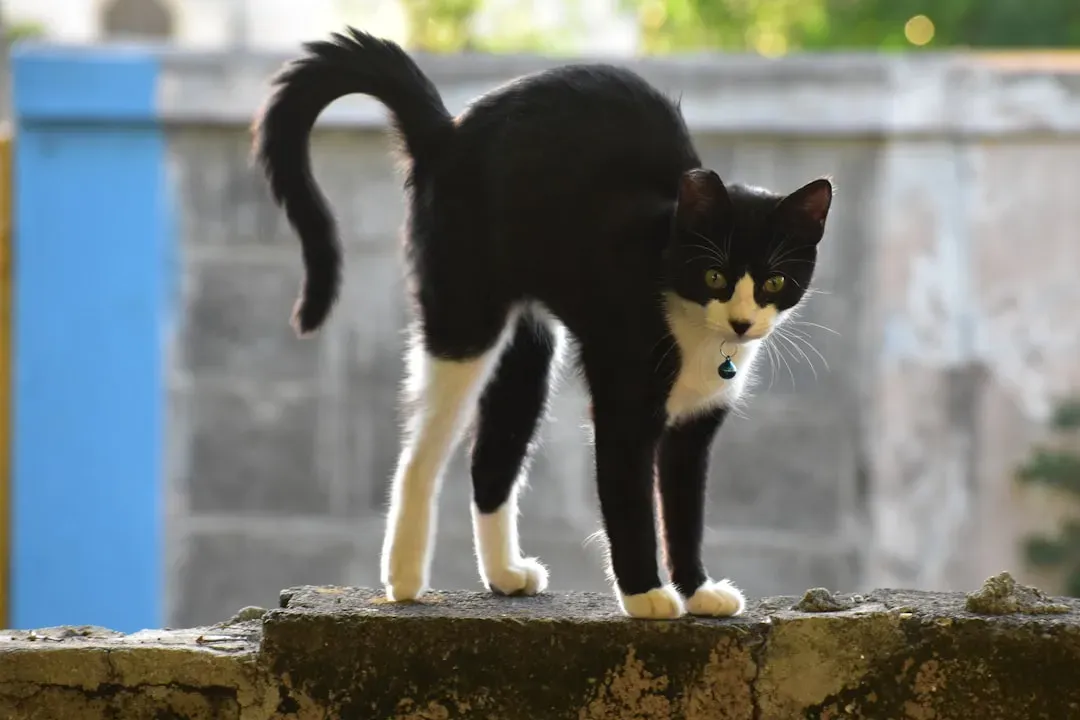
If your cat assumes the quintessential Halloween-cat posture with a puffed tail and arched back, it is startled or frightened by a sudden, severe threat. Your cat’s hair stands on end through piloerection so it can appear to be larger. This is a defensive reaction indicating that your cat wishes to be left alone. It’s the feline version of puffing out your chest before a confrontation – pure survival instinct on full display.
This tail position is often triggered by feeling threatened, such as by other animals in the yard, approaching dogs, visitors in the home, or sudden noises. If you see this, the kindest thing you can do is give your cat some space, dim the atmosphere, and let it come down on its own terms. Rushing toward a puffed-up cat is like trying to hug someone mid-panic attack. Well-intentioned, but not the move.
The Tucked Tail: Something Is Really Wrong
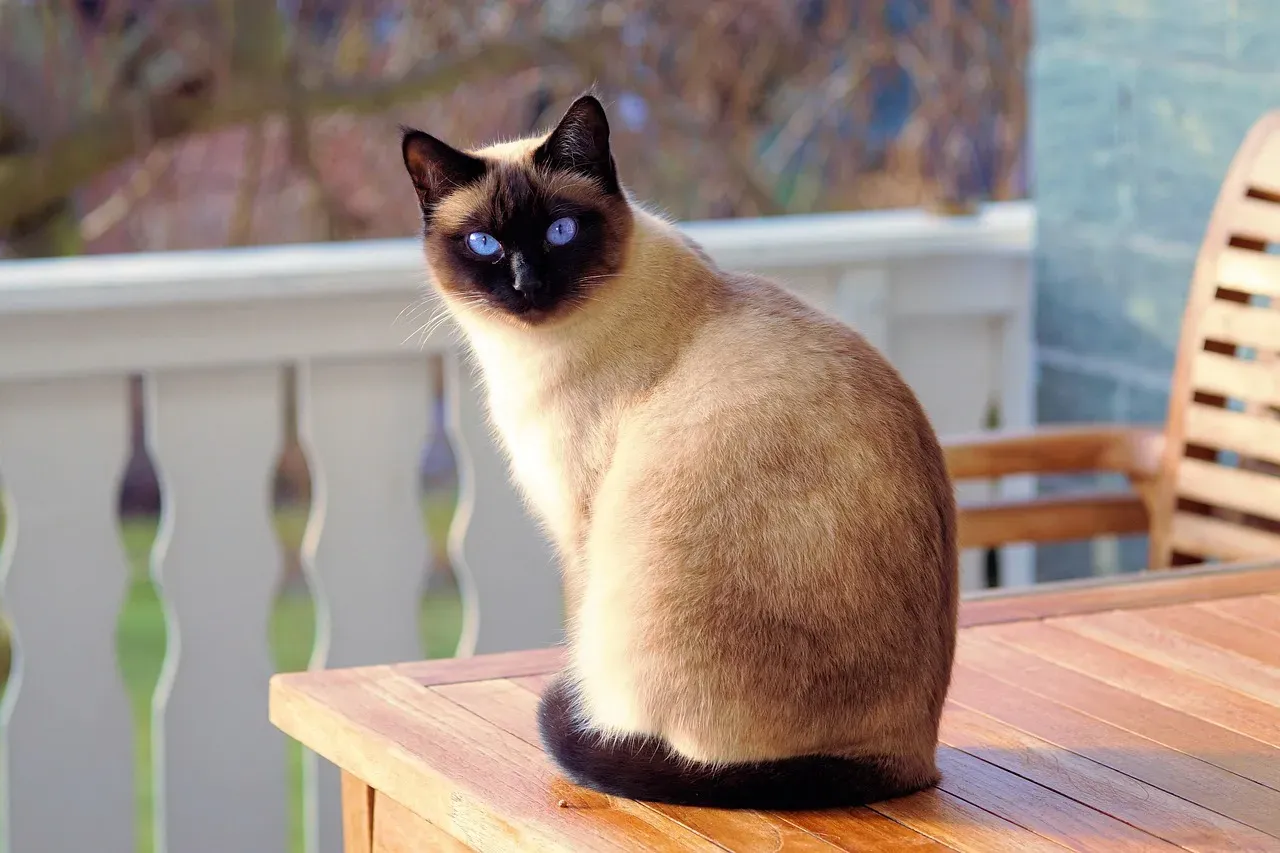
A tucked tail is one of the more sobering signals in your cat’s communication toolkit. A cat who has tucked the tail between the hindlegs is very frightened. This is a submissive posture where the cat is trying to appear small and non-threatening. Don’t assume though that this posture says it’s safe to approach. If there’s no means of escape, the frightened cat may display defensive aggression.
Similar to dogs, a lowered tail can mean your cat is feeling uncomfortable or scared. In fact, the closer the tail is to the cat’s body, the less comfortable your cat is feeling. When a cat feels afraid, it attempts to pull in vulnerable parts like its tail. It’s hard to say for sure what’s triggering the fear in every case, but your job is to find the source and remove it if you can – not to force affection your cat clearly isn’t ready for.
The Thrashing Tail: Back Off, Right Now
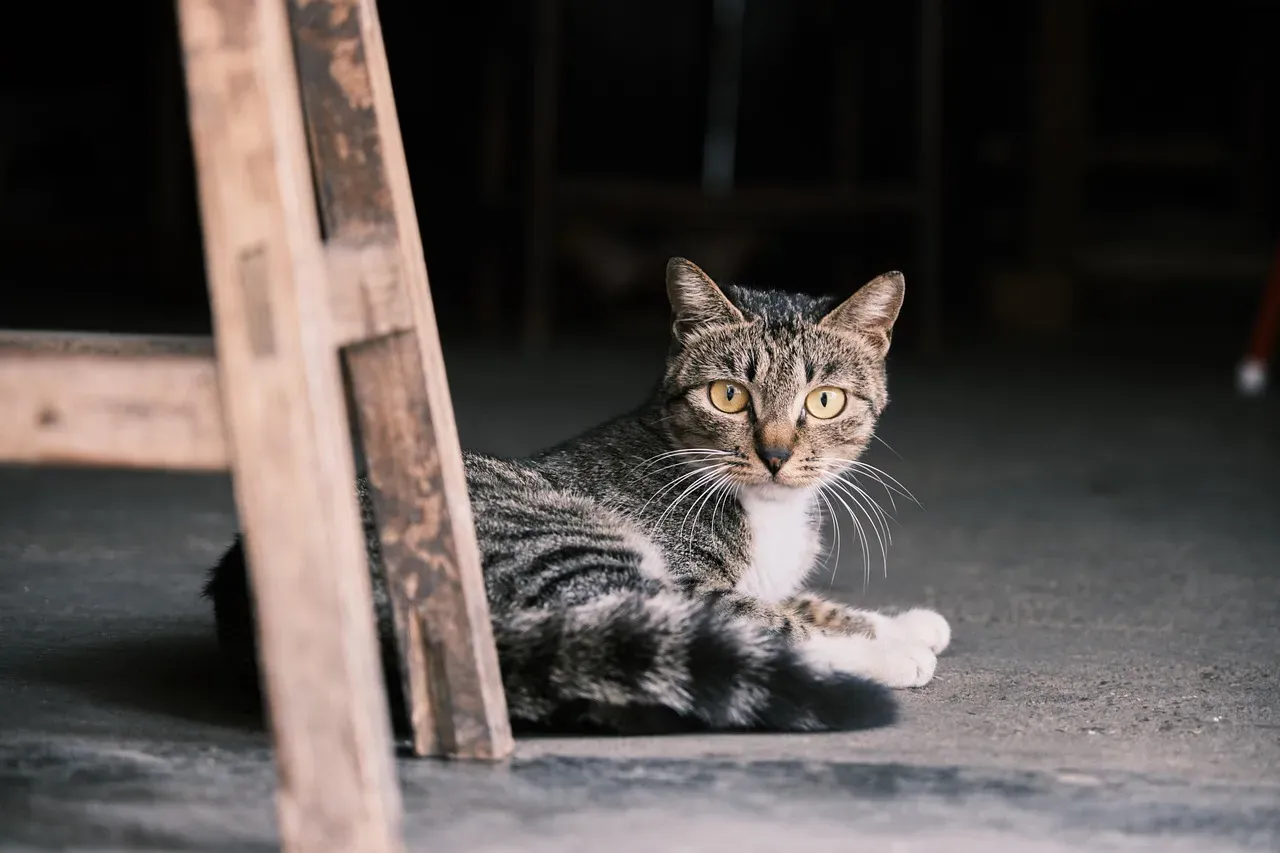
Let’s be real – if your cat’s tail is thrashing back and forth like it’s trying to swat an invisible enemy, that is not the time to go in for a belly rub. When your cat thrashes its tail or is thumping it on the ground, it is irritated, annoyed, or angry. This tells you that something is bothering your cat. This is a distance-increasing behavior. In other words, if you are petting your cat and it starts thrashing its tail, it is trying to tell you to stop.
If you don’t, then the thrashing tail may be a prelude to hissing, growling, swatting, or biting. Think of the thrashing tail like a warning siren. It’s not aggression yet – it’s your cat giving you a fair and generous heads-up before things escalate. Respect the warning, step back, and let your cat reset. For example, your cat may be enjoying being petted around the head and neck, but as you begin to stroke along the spine and base of tail, the tail starts lashing – what was relaxing and enjoyable has transitioned to being either too stimulating or even painful.
The Slow Swish: Your Cat Is Deep in the Zone
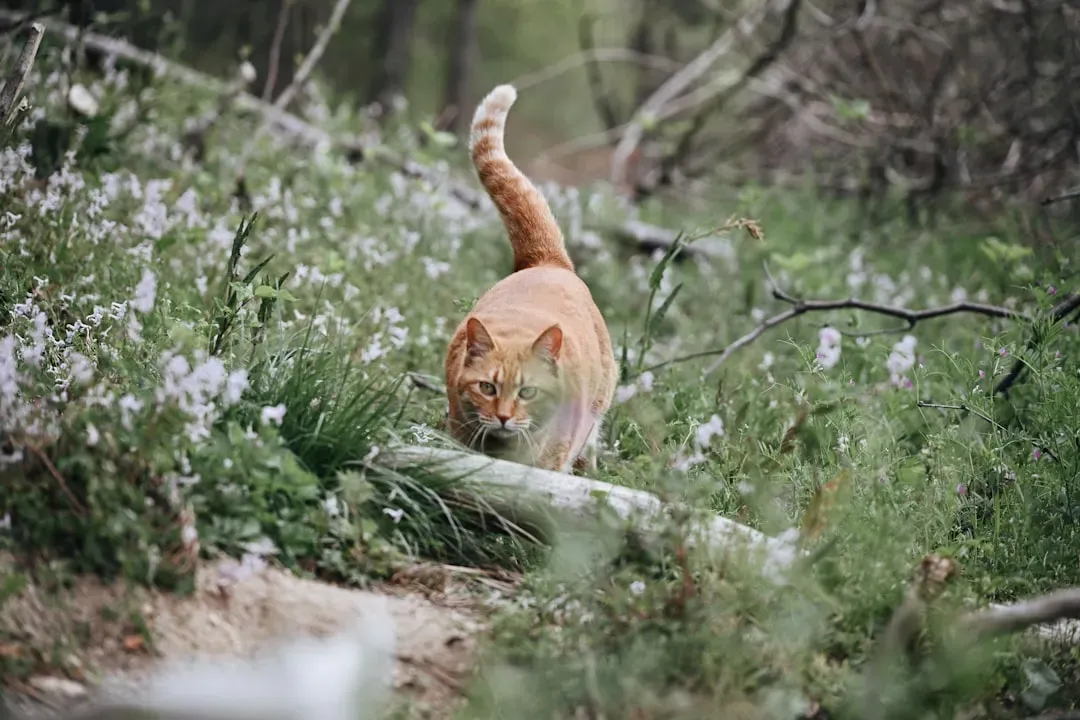
This one is honestly fascinating to watch. When your cat slowly swishes its tail from side to side, it may be intently focused on something like a toy, another animal in the home, or something outside. It may be about to pounce! Engaging in predatory behavior like stalking and pouncing is good enrichment for your cat, so let it continue to engage in whatever is captivating its attention.
A wagging tail means that the cat is ambivalent – it is pausing for thought, not sure about what to do next. It’s like watching someone stare at a menu for five minutes before ordering. Your cat is running calculations, weighing options, deciding whether to commit to the pounce or pull back. It’s almost meditative – a little pocket of wild predator instinct unfolding right there on your living room floor.
The Quivering Tail: Pure Joy or a Territorial Signal
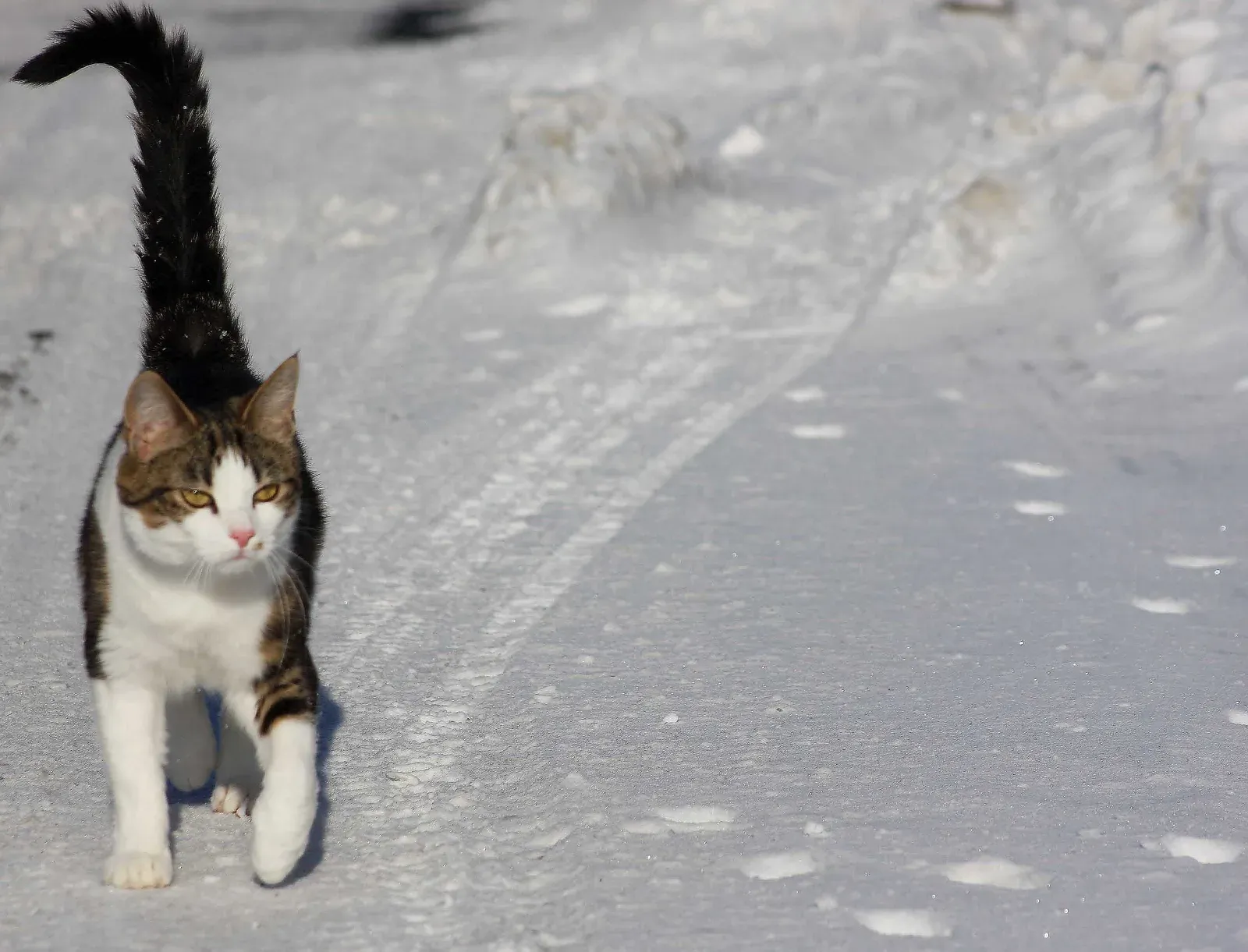
Here’s where things get a little tricky, and context really matters. Your cat may quiver its tail when it is especially excited to see you or another cat. Though sometimes, when a cat quivers its tail while holding it straight up and backing up against a vertical surface, it may be urine marking. One is an adorable display of love. The other… not so much. The difference is all in what your cat is doing while its tail quivers.
A tail that points up accompanied with a quiver at the base of the tail is often an indication your cat is especially excited to see you or to be getting a tasty bowl of cat food. So if your cat bolts to the kitchen every morning with a trembling, upright tail, you should feel genuinely flattered. You – and arguably your cat’s breakfast – are the highlight of its day.
The Tail Wrap: The Feline Version of a Hug
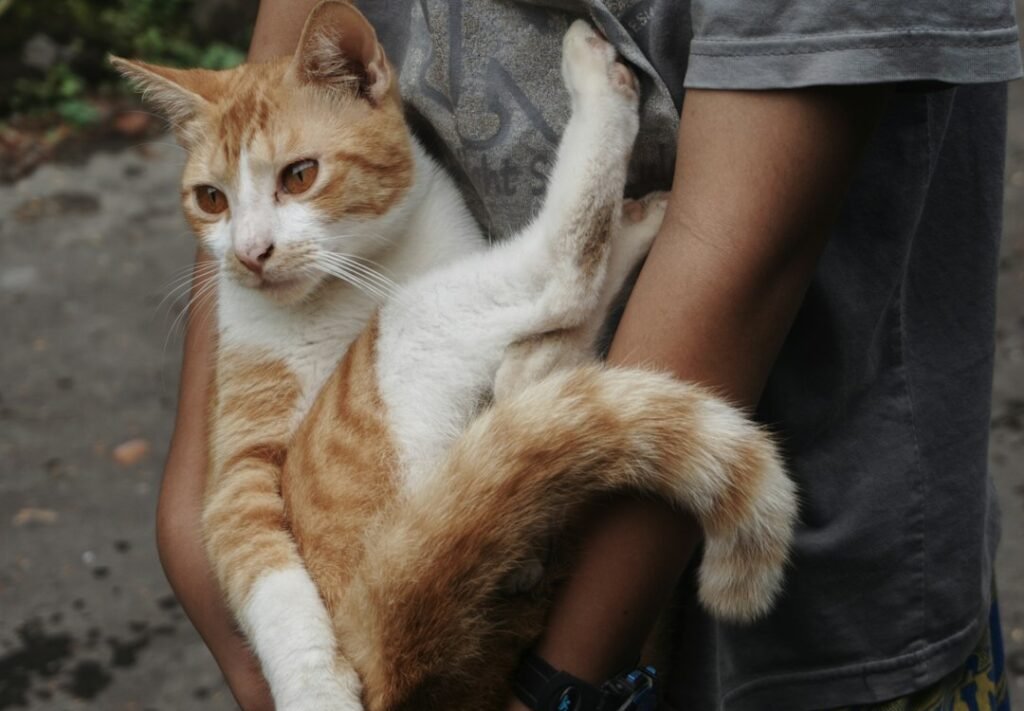
Have you ever seen a cat wrap its tail around another cat or maybe even a person? If you interpreted that as a sign of friendship and affection, you’re correct. This is one of those quiet, understated cat gestures that could easily go unnoticed, but it carries enormous emotional weight. It’s a deliberate act of closeness from an animal that chooses warmth very carefully.
You can liken this body language to putting your arm around someone. Cats often engage in tactile communication, whether with their owners or other felines. It’s part of their bonding. So, if your kitty wraps its tail around you, it is probably showing trust and security. There’s something quietly moving about the fact that your independent, mysterious cat chose to reach out and say, without words: “I trust you.” Don’t take that lightly.
Conclusion
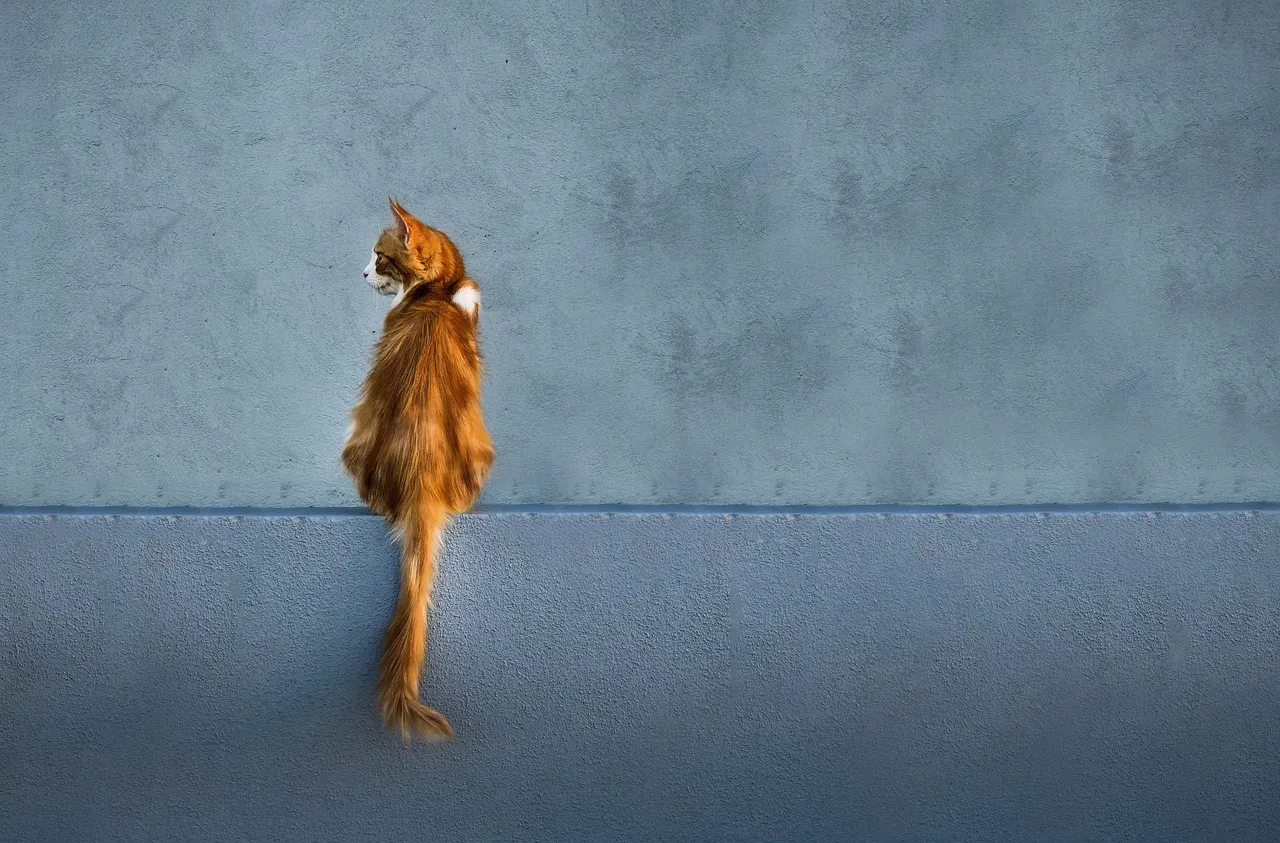
Your cat has never been silent. It has been speaking to you in a rich, layered visual language that most of us simply weren’t taught to read. The cat’s tail is one of its most expressive features, serving as a dynamic, real-time barometer of its emotional health. Once you start paying attention, you’ll be amazed at how much you’ve been missing – and how much your cat has been patiently, persistently trying to tell you.
Cats are masters of communication and your job is to pay attention. If you learn to accurately read body language signals and respect what your cat is “telling” you, it will create trust and strengthen the bond you share. It takes practice, patience, and a lot of quiet observation – but once you crack the code, your entire relationship with your cat shifts. Suddenly, you’re not just a person sharing a home with a mysterious creature. You’re two beings who actually understand each other.
Next time your cat walks into the room, take a second before you reach for it. Look at the tail first. What do you think it’s trying to say – and how long has it been saying it without you knowing?