You live with a creature that holds entire conversations without uttering a single sound. Every time your cat flicks, swishes, puffs, or curls their tail, they are broadcasting a feeling as clearly as a weather forecast. The problem is, most of us are not fluent in the language.
Here’s the thing – your cat isn’t being mysterious on purpose. They are actually quite expressive, if you know where to look. And the tail? That’s the headline. Get ready to discover what your feline friend has been trying to say to you all along. Let’s dive in.
The Tail Is Your Cat’s Emotional Broadcasting System
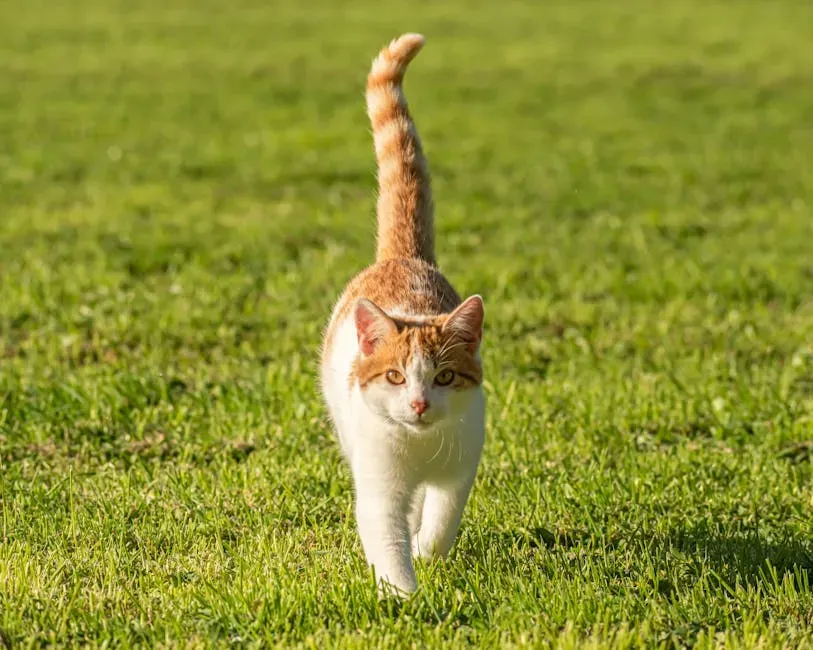
Think of your cat’s tail as a live news ticker. A cat’s tail holds a complex language all its own – every swish, wag, flick, and curl contains a hidden message, and understanding cat tail positions and movements can give you deeper insight into your cat’s personality and feelings. It is genuinely one of the most underrated tools of animal communication you’ll ever encounter up close.
Feline behavior experts agree that cats use their tails as part of a broader system of body language to communicate a wide range of emotions – including fear, anger, joy, contentment, and curiosity, according to research published in the Irish Veterinary Journal. So when you glance over and notice your cat’s tail doing something unusual, trust your instincts. There is definitely a message in there.
The Upright Tail: Your Cat Is Happy to See You
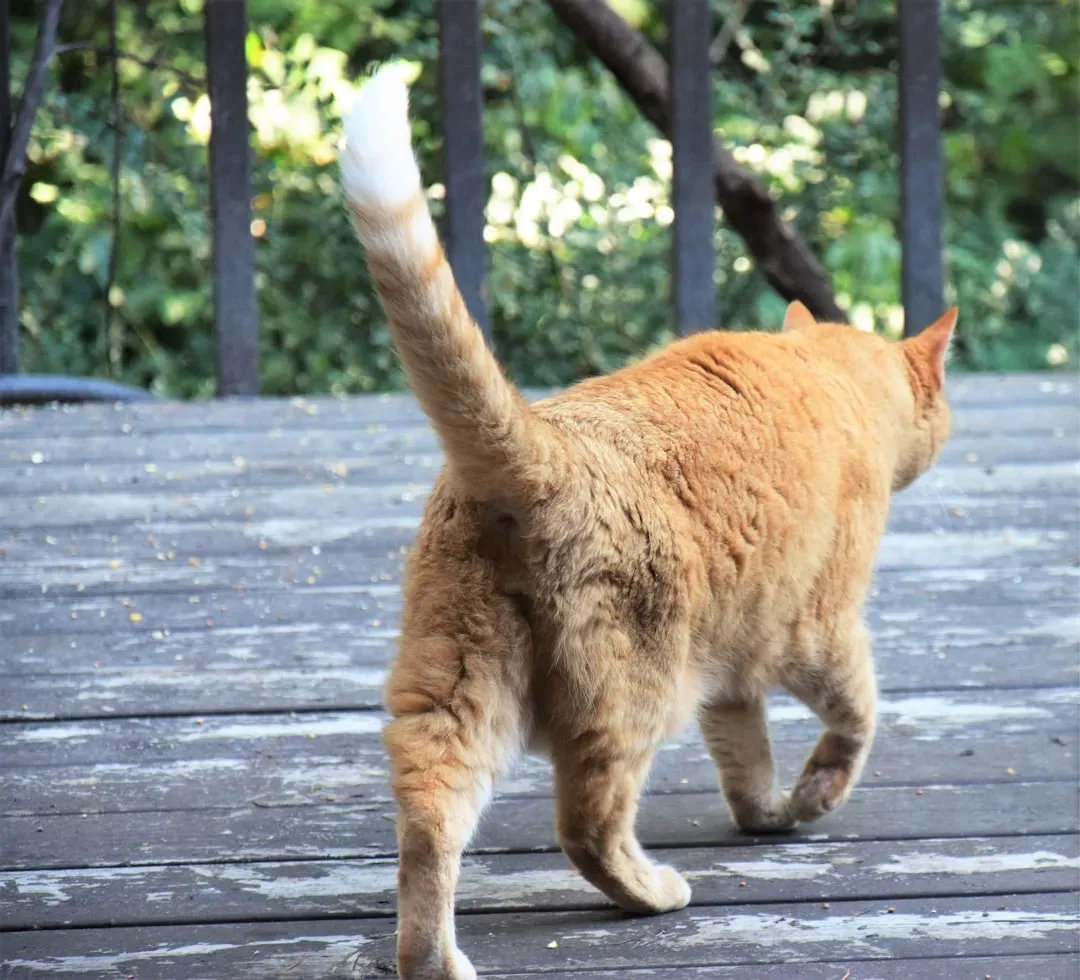
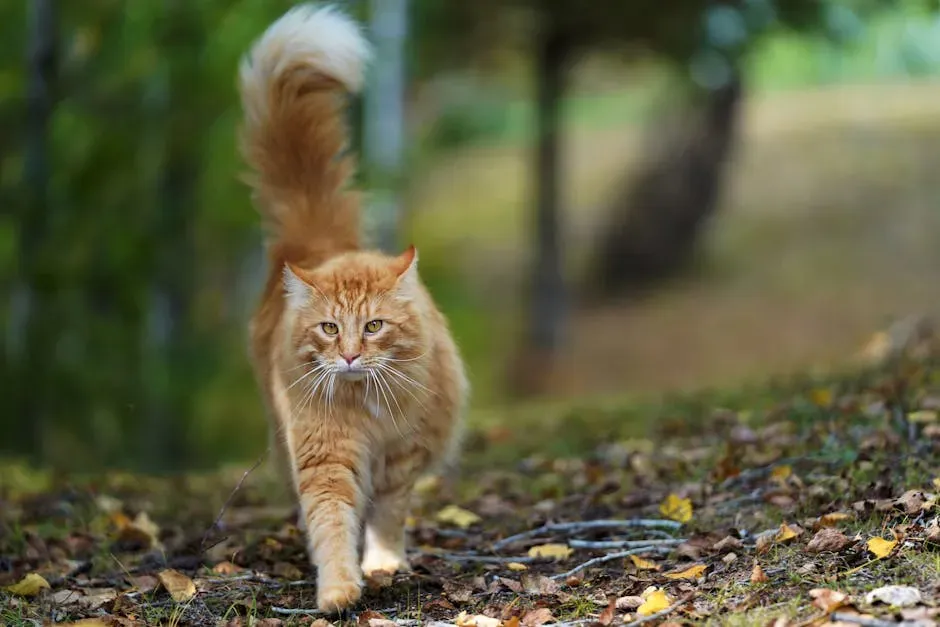
When your cat’s tail is upright, they are feeling social and confident, approaching in a friendly manner. This tail language indicates a friendly greeting between cats, and it’s how kittens greet their mothers. Honestly, if you think about it, that makes the moment your cat struts toward you with their tail held high even more touching than you realized.
If a cat walks into the room with their tail sticking straight up, they’re feeling confident, comfortable, and ready to engage in some friendly interaction. This tail position indicates all is right in the world. A tail pointing up accompanied with a quiver at the base is often an indication your cat is especially excited to see you or to be getting a tasty bowl of cat food. So yes, dinner time enthusiasm is real and fully legible.
The Question Mark Tail: An Invitation You Should Never Ignore
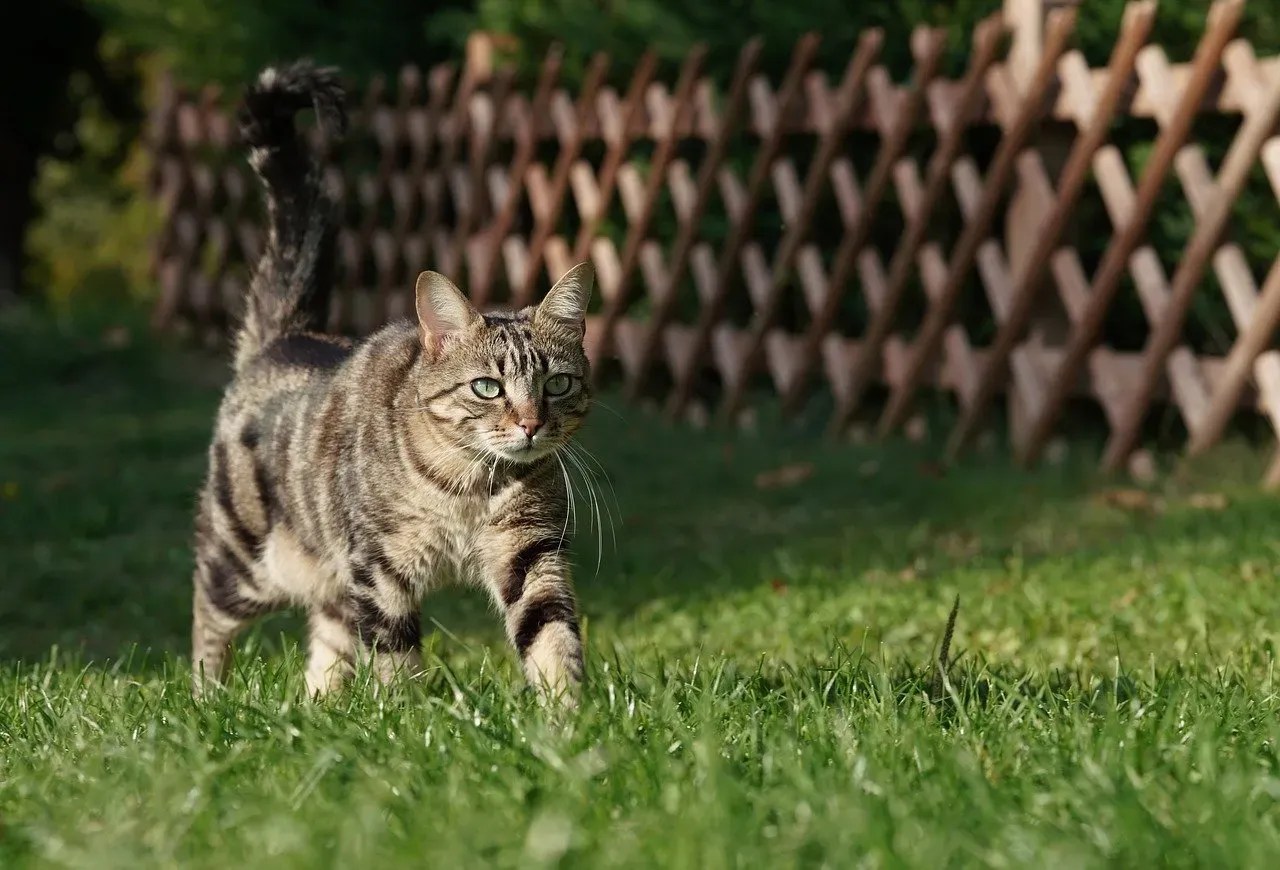
When your cat bends its tail in the shape of a question mark, this is good news, especially if you have a few minutes to spare and some cat toys at the ready. The question mark-shaped tail position is a cat’s way of asking you, “Would you like to play?” Cats may also move the tip of their tails back and forth with the question mark changing orientations, which is an even more intense play signal. Basically, your cat is sending you a very polite, curly invitation.
If your cat bends their tail into the shape of a hook or question mark, this is a very positive sign. According to veterinary behaviorists, “question mark tail” is a pro-social behavior. It’s like walking up to another person with a huge smile on your face and your arms open wide. In other words, it’s your cat’s way of giving you a friendly greeting. The next time you spot that little curl, drop whatever you’re doing and say hello right back.
The Thrashing and Thumping Tail: Back Off – Right Now
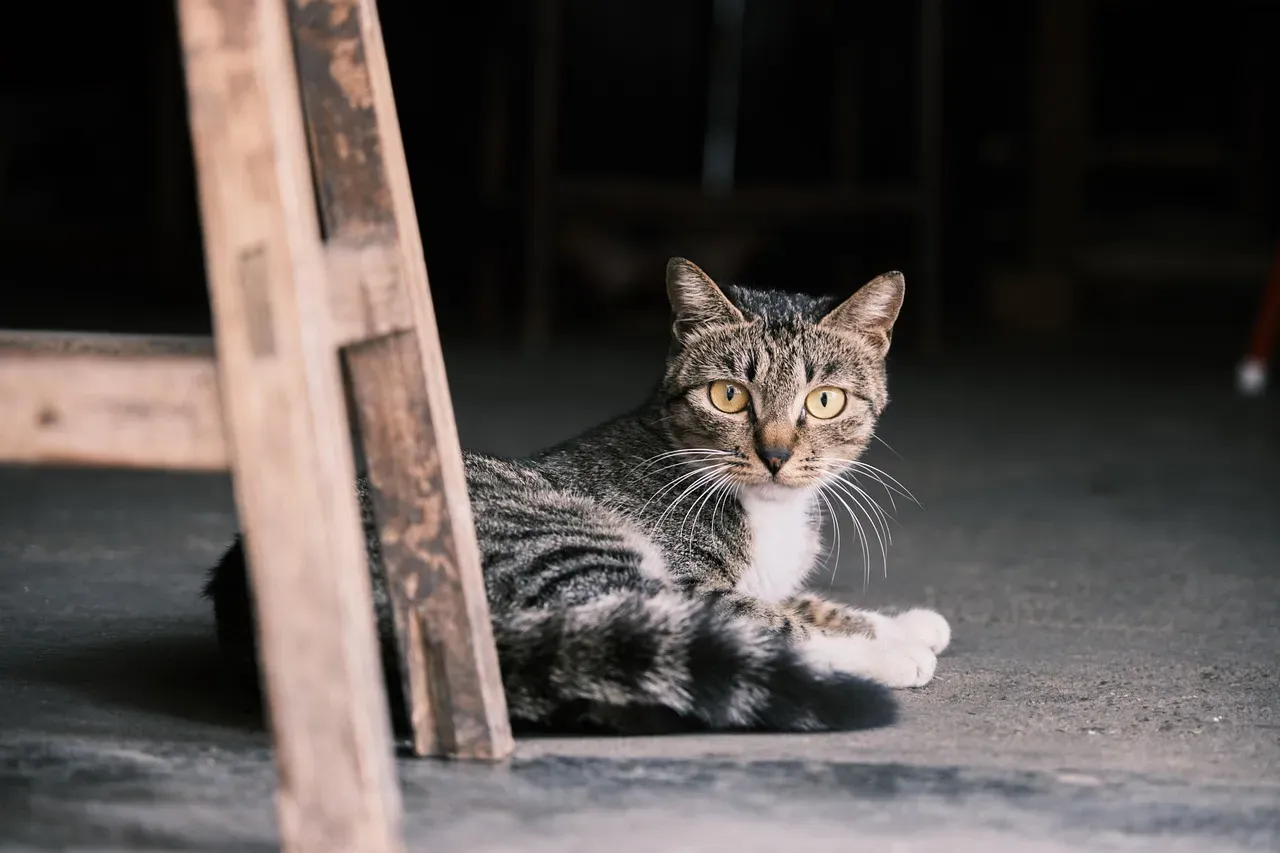
When your cat thrashes their tail or is thumping it on the ground, they are irritated, annoyed, or angry – something is bothering your cat. If you are petting your cat and they start thrashing their tail, they are trying to tell you to stop. If you don’t, then the thrashing tail may be a prelude to hissing, growling, swatting, or biting. Think of it like a yellow light turning red – the warning is built right in.
A tail thumping rhythmically against the floor is another clear form of cat communication. While it might look playful or casual, it typically signals that your cat is bothered – or that they’re highly alert. Cats will often thump their tails when lying in a seemingly relaxed position but reacting to something they see, hear, or smell. If another pet has entered the room, a stranger is nearby, or there’s a sudden noise, the tail thump acts as a cue that your cat’s focus has shifted. Ignore this signal at your peril.
The Slow Swish: Focus Mode Is On
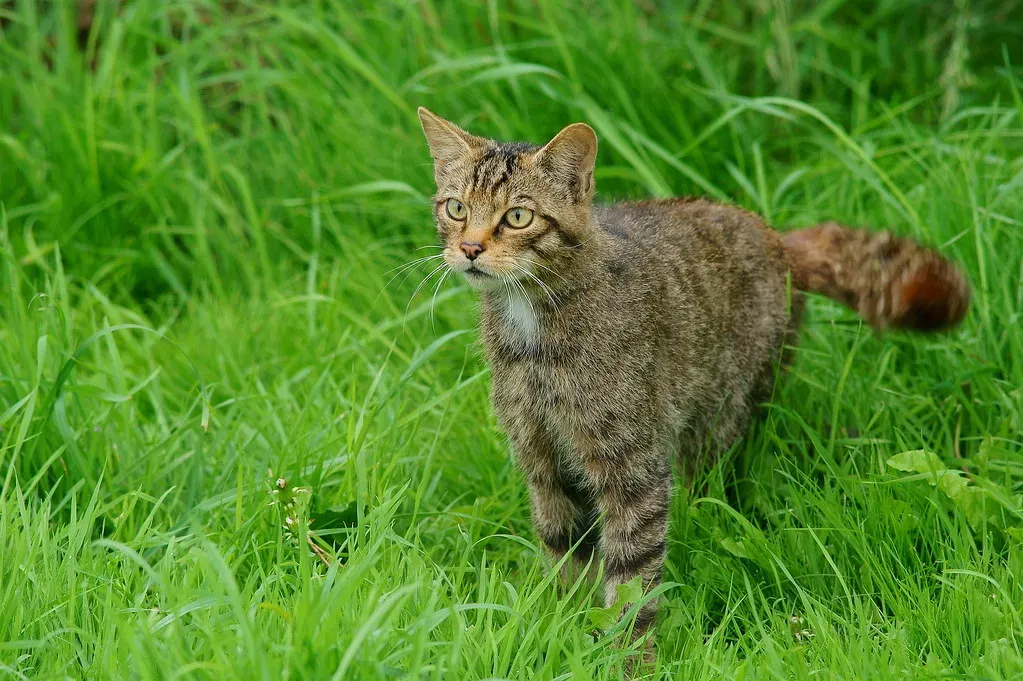
When your cat slowly swishes their tail from side to side, they may be intently focused on something like a toy, another animal in the home, or something outside. They may be about to pounce! Engaging in predatory behavior like stalking and pouncing is good enrichment for your cat, so let them continue to engage in whatever is captivating their attention. Watching a cat in this mode is like watching a chess grandmaster calculating their next move.
A cat may show ambivalence or uncertainty by slowly wagging their tail. When a cat wags their tail, moving it rhythmically from side to side, they are expressing ambivalence about what to do. If a cat is in confrontation with another cat, the tail wags as if to say “will I attack or will I run away?” If a cat is stalking prey, their tail will switch from side to side before they pounce. It is basically your cat’s version of internal deliberation, played out in real time right before your eyes.
The Puffed-Up Tail: Fear, Threat, and Maximum Drama
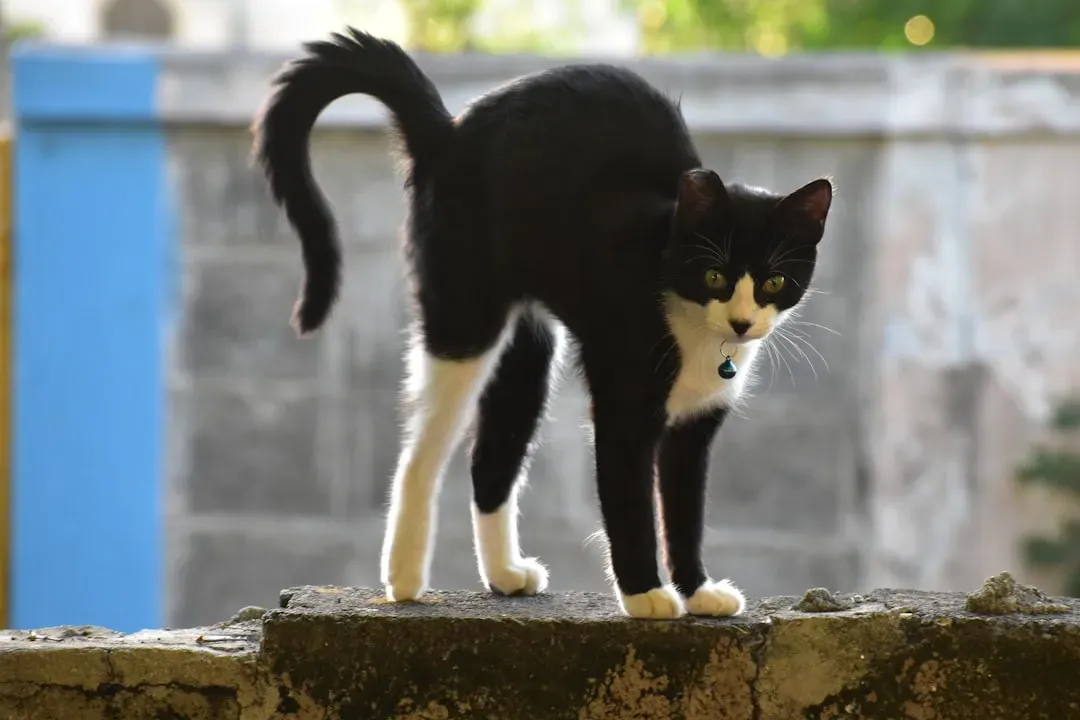
When a cat’s tail suddenly puffs out, it usually reflects a strong emotional reaction – often fear, surprise, or aggression. You might see this after a loud noise, an unexpected guest, or when two unfamiliar pets cross paths. The puffed tail makes the cat appear larger, which is a natural defense mechanism. I know it sounds crazy, but a fluffy, terrified cat is genuinely trying to look like a much bigger predator.
A puffed-out tail, often two or three times the size of a normal one, is either a sign of a very excited cat or one that is scared and ready for a fight. A feline may also have hair raised on their back to make them appear larger and a more formidable opponent. It’s an indication of high emotions that can go either way. When you see this, give your cat space. Lots of it.
The Tip Twitch: The Subtle Signal Most Owners Miss
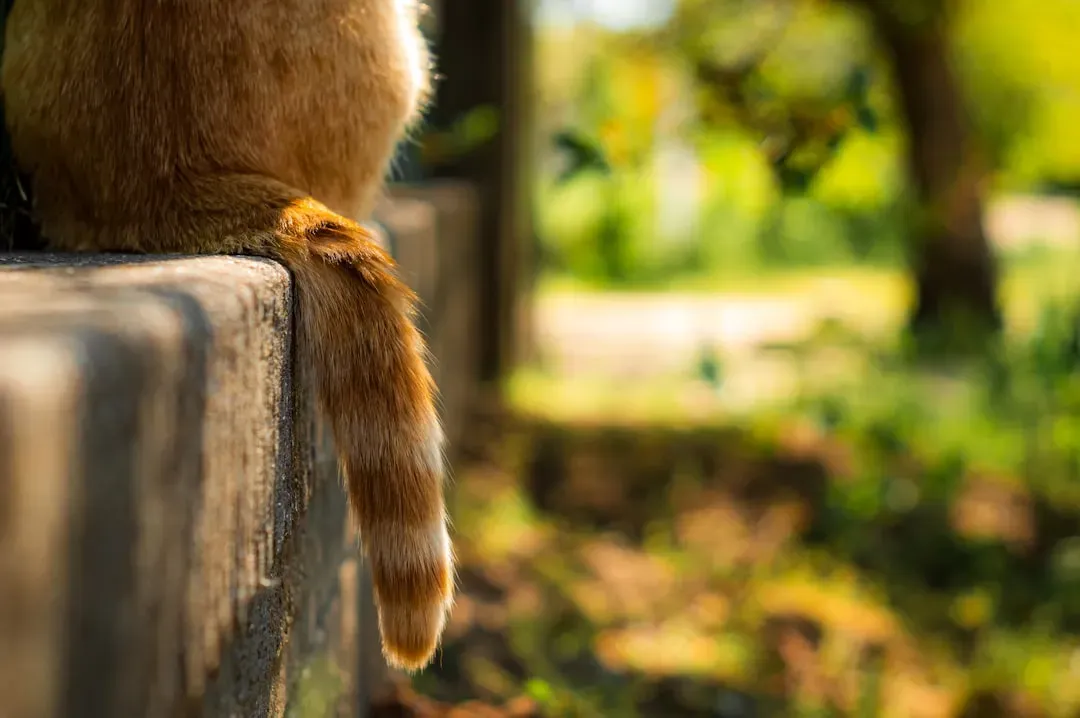
Cats twitch the end of their tails when they are hunting and playing, as well as when they are mildly irritated and frustrated. Felines often signal their displeasure with plenty of cues, so pay attention when you see a cat’s tail twitching at the tip. Don’t say they didn’t warn you! Cats may also twitch the tip of their tail if they are focusing on prey or preparing to pounce on a toy, so make sure you interpret their tail position in accordance with the situation and other body language cues.
Tail twitches, particularly at the tip, can mean your cat is alert or mildly agitated. In some cases, this twitching precedes a focused behavior like stalking or pouncing. Think of the tip twitch as your cat’s “loading” symbol – something is being processed, and action is about to follow. Whether that action is a playful leap or a grumpy swat depends entirely on the situation around them.
The Tail Wrap: Your Cat Is Saying “You’re My Person”
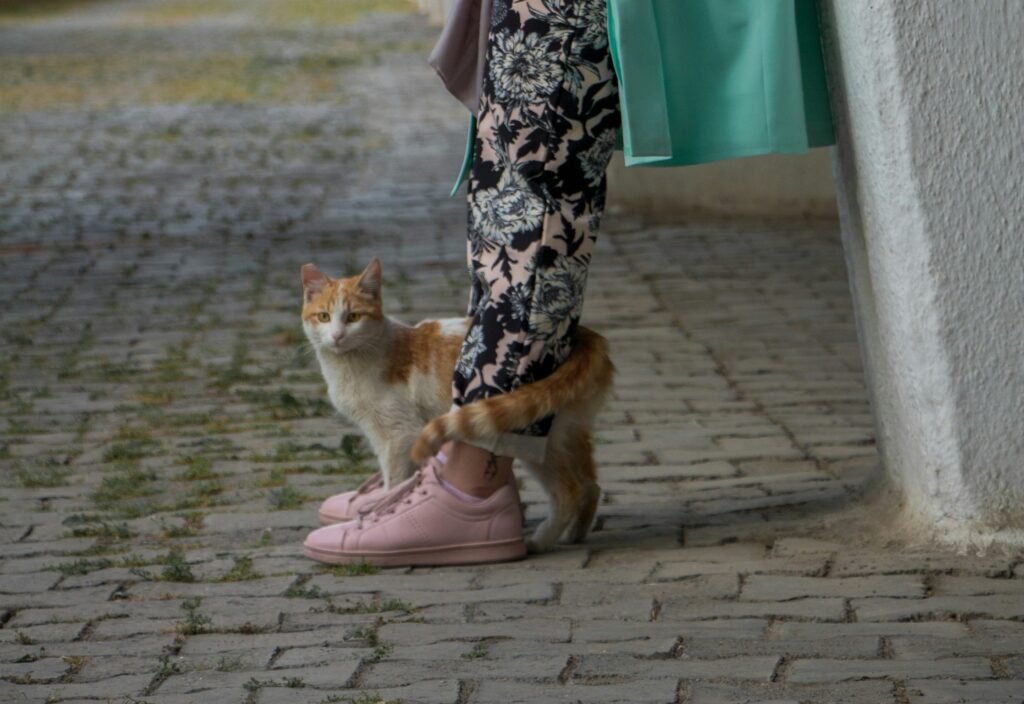
When your cat wraps his tail around you, he’s basically giving you a kitty hug. A cat’s scent glands are in his tail, so when he wraps his tail around you, he’s sharing his scent with you – a sure sign of affection. Affectionate social interactions like tail wrapping and head butts are known as affiliative behavior, and many animals engage in them. Let’s be real – being marked by your cat with a tail wrap is an honor most cat people don’t fully appreciate.
When a cat wraps their tail around a person or animal, it is usually a sign of affection. If a cat uses their tail to wrap around your leg, or perhaps another cat’s tail, this is a sign of close affection. At a biological level, a cat’s tail includes scent glands, so the tail is being used to swap scents with the other creature. This is similar to head-pressing and cheek-rubbing, and it’s as if the cat is petting you, in the same way as you pet them when you want to engage. Mutual, wordless affection – that’s the tail wrap in a nutshell.
The Low or Tucked Tail: Something Is Wrong – Pay Attention
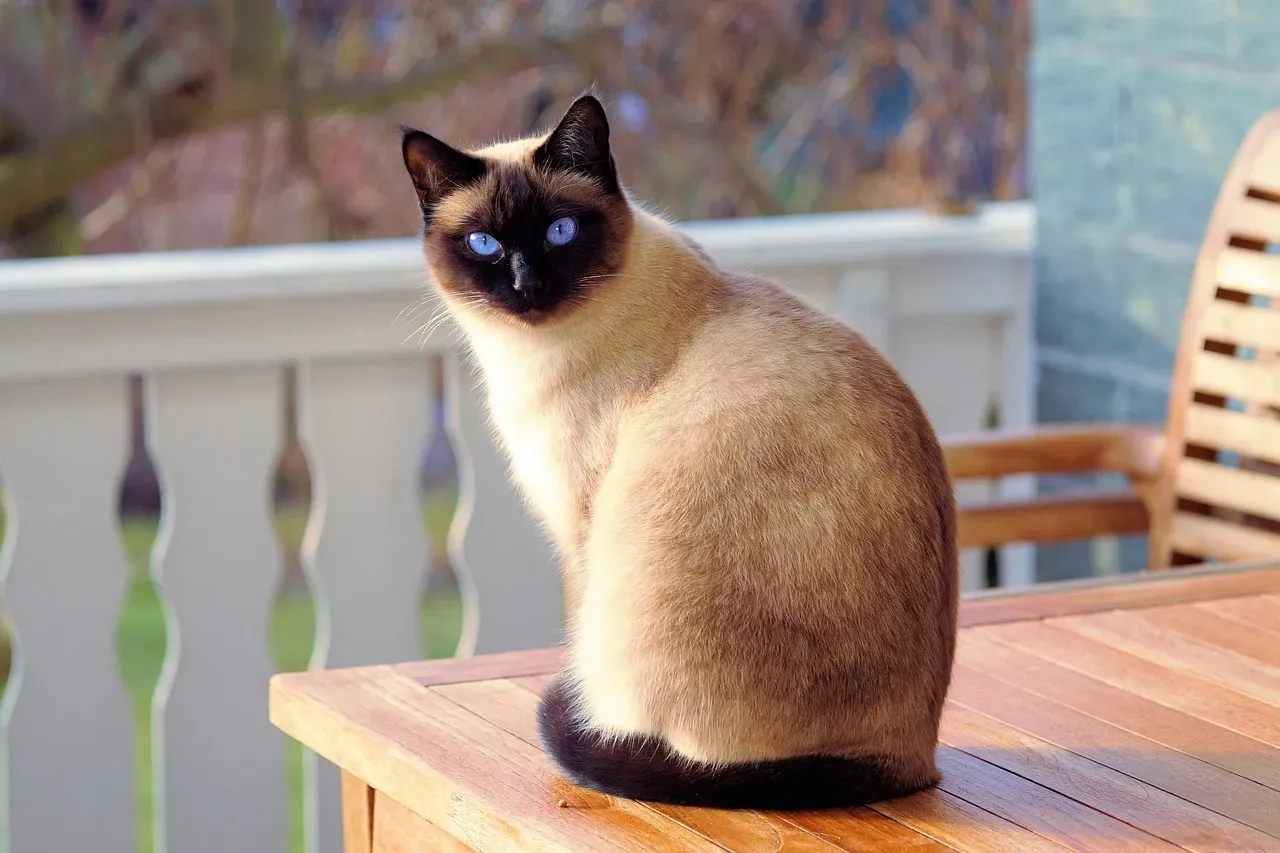
A lowered tail can mean your cat is feeling uncomfortable or scared. The closer the tail is to the cat’s body, the less comfortable your cat is feeling. When a cat feels afraid, they attempt to pull in vulnerable parts like their tail. If you can identify what’s frightening your cat, it can be helpful to remove it from their environment if possible. Your cat is essentially trying to make themselves as small and invisible as possible – a clear plea for safety.
If your cat is sitting or lying down with their tail wrapped around their body, then they are frightened, defensive, in pain, or feeling unwell. When you see this, end your interaction with your cat and ensure that your cat’s environment is free of stressors. If your cat frequently crouches with their tail curled tightly around their body for more than a few days, then an evaluation by your veterinarian is warranted to rule out pain or illness. This one is not a signal to brush off. When in doubt, book that vet appointment.
Reading the Whole Picture: Tail Language Never Works Alone
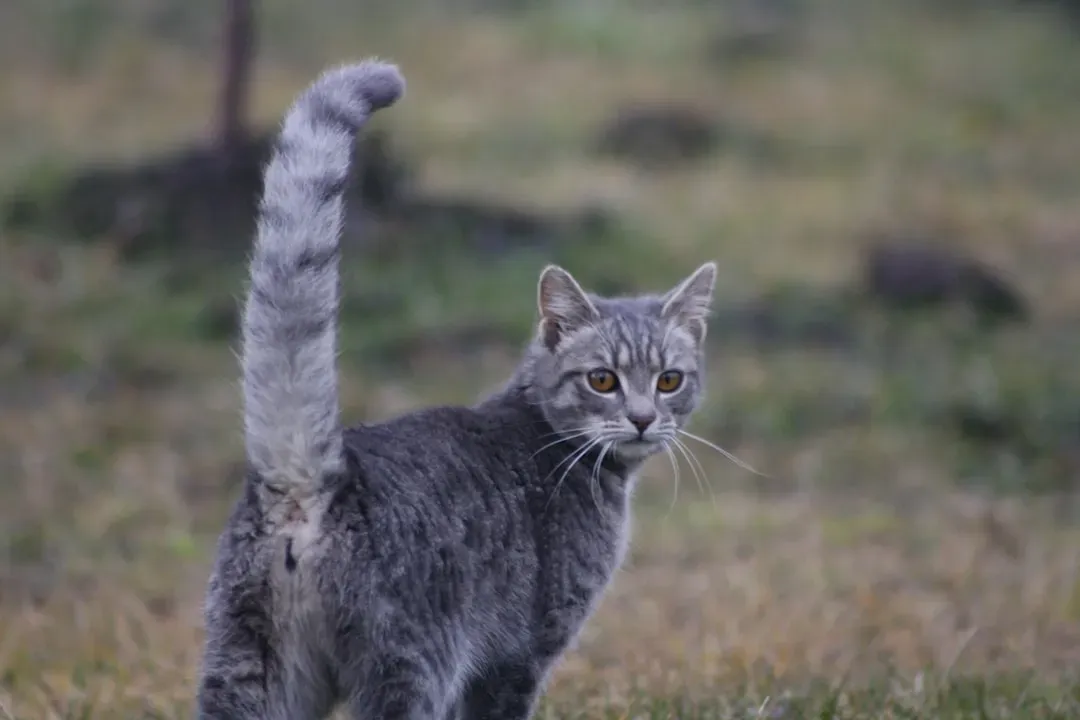
When it comes to reading feline body language, don’t just look at the tail position. Pay attention to things like ear position, back, and full body posture to get a better idea of your cat’s current behavior and mood. Eyes are also important. The tail is the headline, but the whole body is the full story. You need to read both to truly understand what is going on.
It’s helpful to remember that all feline body language cues are best read in context for the most accurate appraisal of your cat’s mental state. This means considering your pet’s general personality as well as the current situation, such as the presence of other animals, any loud noises, or your cat being in an unfamiliar situation. Cat moods can change really quickly, and they can have ‘strong opinions’ about some things! Honestly, it’s a little like learning a new language. It takes time, observation, and a few close calls before it all clicks into place.
Conclusion: Your Cat Has Always Been Talking – Are You Finally Listening?
The truth is, your cat has never needed words. Cats are masters of non-vocal communication. The emotions they convey with their tails are excellent examples of this ability. It’s adaptive, and it helps them avoid detection by prey or predators to get their point across silently. It also helps them prevent physical conflicts, which ups the risk of injury or worse. Every swish, quiver, and thump is a sentence in a language that has existed far longer than any human alphabet.
A cat’s tail is one of their most expressive features, and they use it to let us in on a world of feelings and emotions. Once you better understand feline body language and know what your cat is trying to convey, you can respond to them when they’re feeling happy or assist them when they’re stressed. All this knowledge can help you form a deeper bond with your furry friend. So the next time your cat strolls in and flicks their tail in your direction, take a moment and really look. They have been speaking this whole time – you just needed the decoder ring. What’s your cat been trying to tell you that you may have been missing all along?