You’ve had one of those days. Everything went sideways. You walk through your front door, drop your bag, slump onto the couch – and within minutes, your cat is already there. Watching. Adjusting. Maybe even pressing their warm little body against you like they somehow knew you needed it. Is it coincidence? Honestly, probably not.
Cats have a reputation for being mysterious and emotionally distant, but science keeps chipping away at that myth. It turns out your feline companion picks up on far more than you might ever imagine – including the subtle shifts in your body, voice, and even your scent. The secret signals they send back to you are equally fascinating, and once you start noticing them, you’ll never look at your cat quite the same way again. Let’s dive in.
Your Cat Is Literally Reading Your Emotions
Here’s the thing – your cat is not just staring blankly at you. Research demonstrates that cats integrate visual and auditory signals to recognize human emotions, and they appear to modulate their behavior according to the valence of the emotion perceived. Think of it like your cat running a constant, silent emotional weather report on you. It’s not magic. It’s biology.
A 2020 study entitled “Emotion Recognition in Cats” published in the journal Animals demonstrated that cats are able to recognize both conspecific and human emotions through auditory and visual observations. So when you’re pacing around in a panic or sitting hunched over with your head in your hands, your cat clocks every single detail. They’re cataloguing you.
They Can Actually Smell Your Stress
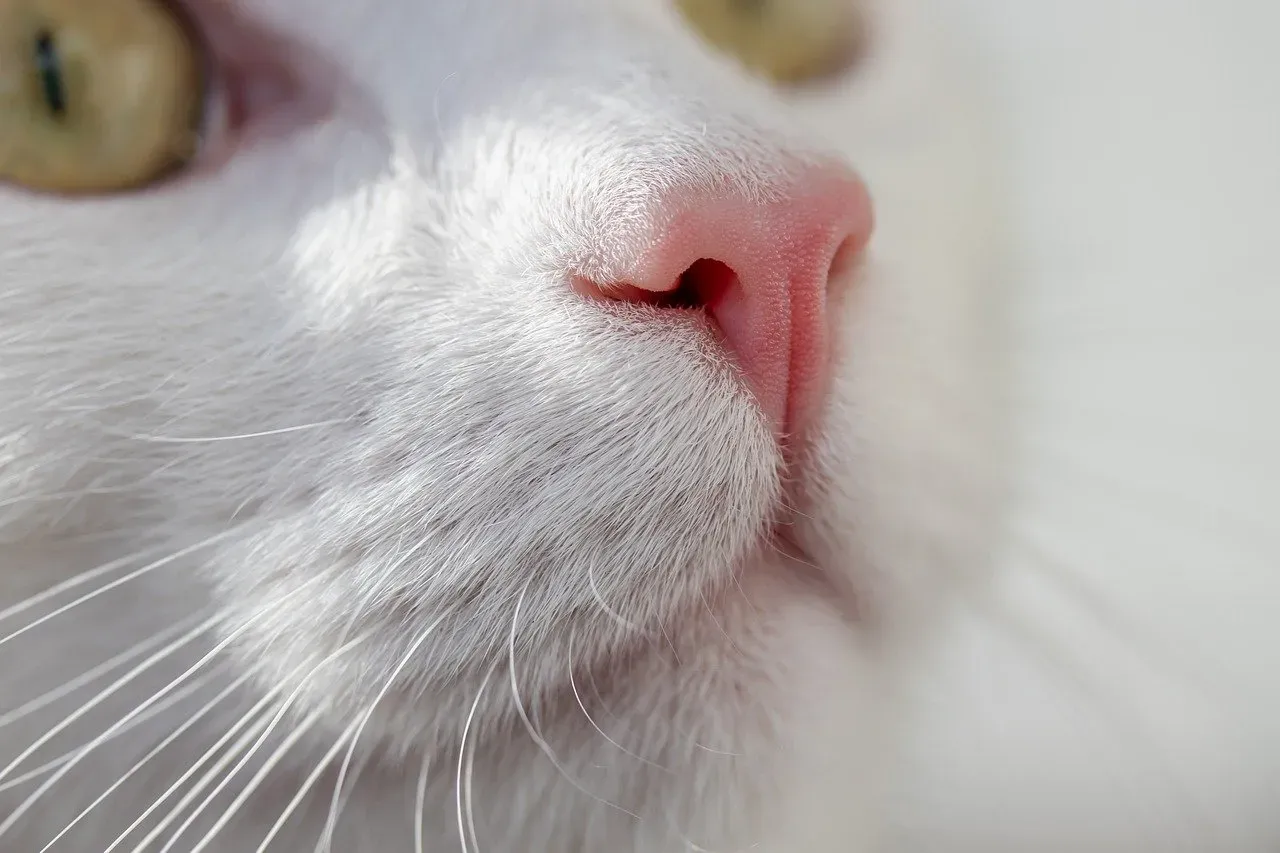
This one tends to genuinely surprise people. Odor plays a central role in the social behavior of domestic cats, and researchers have started investigating just how far this extends. Researchers from the University of Bari Aldo Moro in Italy explored this by examining how cats react to human odors associated with different emotional states, including fear, happiness, physical stress, and neutral conditions.
The findings revealed that “fear” odors elicited higher stress levels than “physical stress” and “neutral,” suggesting that cats perceived the valence of the information conveyed by fear olfactory signals and regulate their behavior accordingly. So when your cortisol spikes and your body chemistry shifts because you’re overwhelmed at work, your cat’s nose is already telling them something is wrong. It’s a biological alarm bell they can detect that you probably didn’t even know you were sending.
The Slow Blink That Says Everything
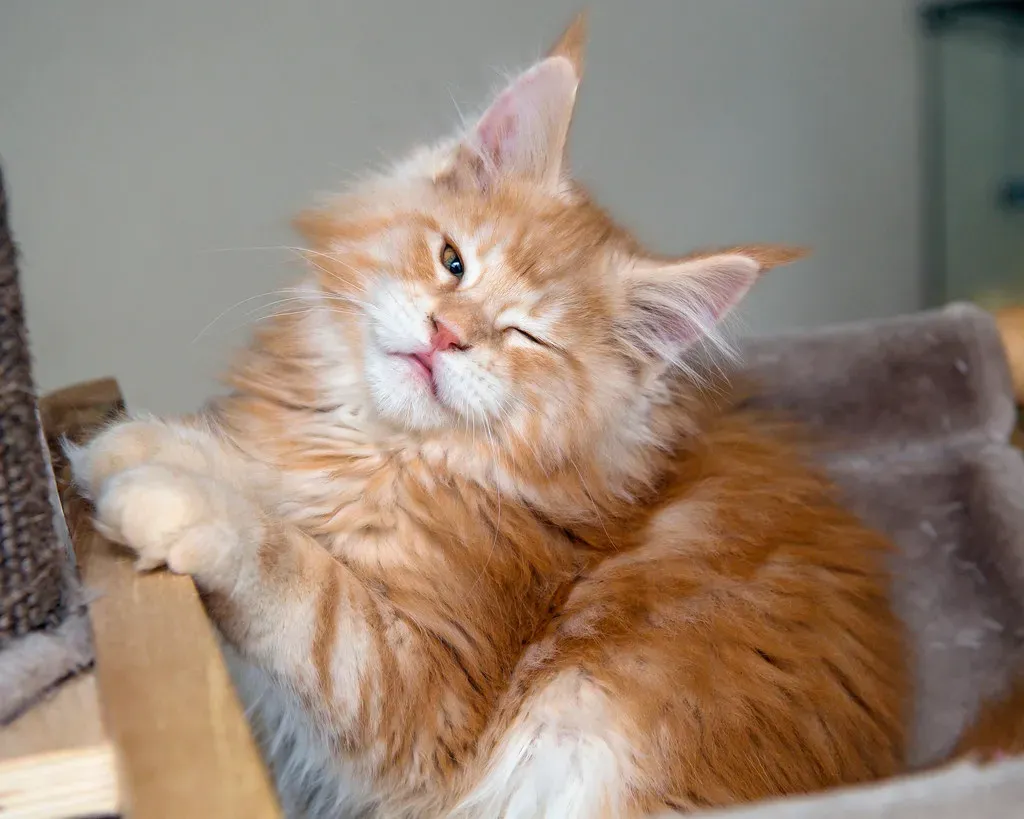
You’ve probably seen your cat do this – they look at you, and their eyes close slowly, almost lazily. It feels casual, but it’s actually one of the most meaningful signals in the feline emotional vocabulary. When your cat gives you a slow blink while you’re stressed, they’re essentially offering you calm on a platter. It’s their version of saying “I see you, and everything is okay.”
Cats can sense human emotions by observing body language, tone of voice, and behavioral changes, and they respond to anxiety or depression with extra cuddles, energy mirroring, and protective behavior. The slow blink is part of that protective communication. If you slow-blink back at your cat, you’re participating in a genuine emotional exchange. I think that’s one of the most quietly beautiful things about having a cat.
The Sudden, Unexplained Cuddling
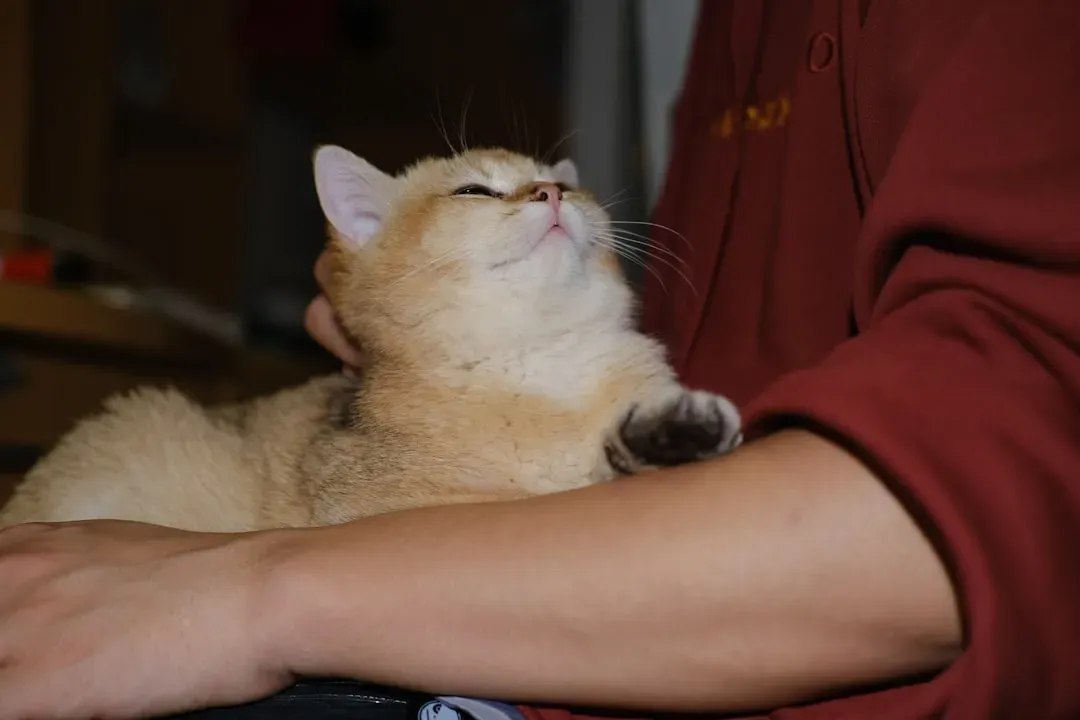
You know the scenario. Normally your cat is completely self-sufficient, wandering around doing their own thing, not particularly interested in you. Then, on the day you’re a complete mess emotionally, they jump onto your lap and won’t budge. Cats may come in closer proximity when their owners are depressed, and some even purr and rub themselves more once they sense that their human is in a distressed state.
When your cat starts picking up on emotions such as depression or anxiety, they may act differently to help you calm down or return your mood to a happier one. This isn’t random affection – it’s a deliberate and surprisingly responsive signal. If they come to cuddle you, it might help regulate your emotions by calming your breath and heart rate. Your cat might be doing more therapeutic work than you realize.
Mirroring Your Mood Back at You
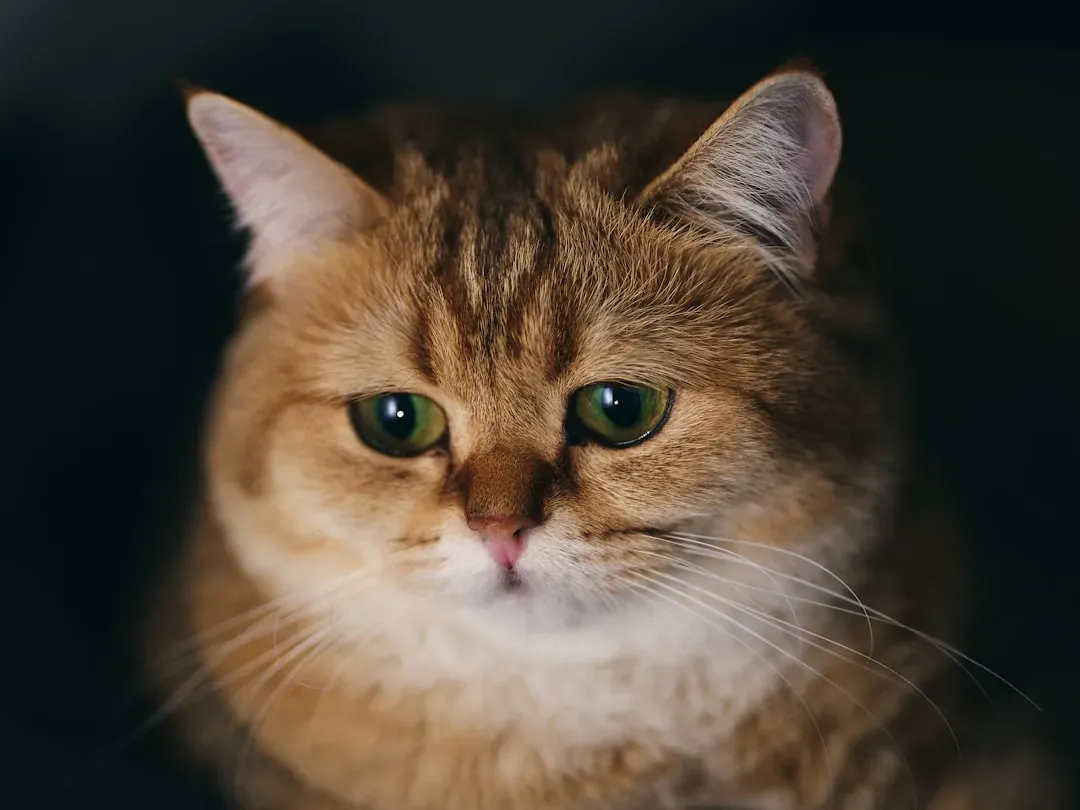
Let’s be real – have you ever noticed your cat getting a little twitchy or restless on days when you feel the same way? That’s not a coincidence. Often, cats will mirror their owner’s mood, so if you’re stressed, it’s likely your cat will feel stressed too. Think of them like an emotional mirror on four paws, reflecting whatever energy is filling the room back at you.
Studies show that cats respond functionally to their owner’s emotional stimuli, and their stress levels are higher when their owners showed anger or anxiety compared to when they were shown happiness. This mood mirroring is a signal in itself. Research from Nottingham Trent University found that cats are able to determine when their humans are anxious or stressed, and they can also mirror their human’s emotions and well-being. If your cat suddenly seems on edge for no obvious reason, it might be worth asking yourself how you’ve been feeling lately.
Vocal Changes That Are Trying to Tell You Something
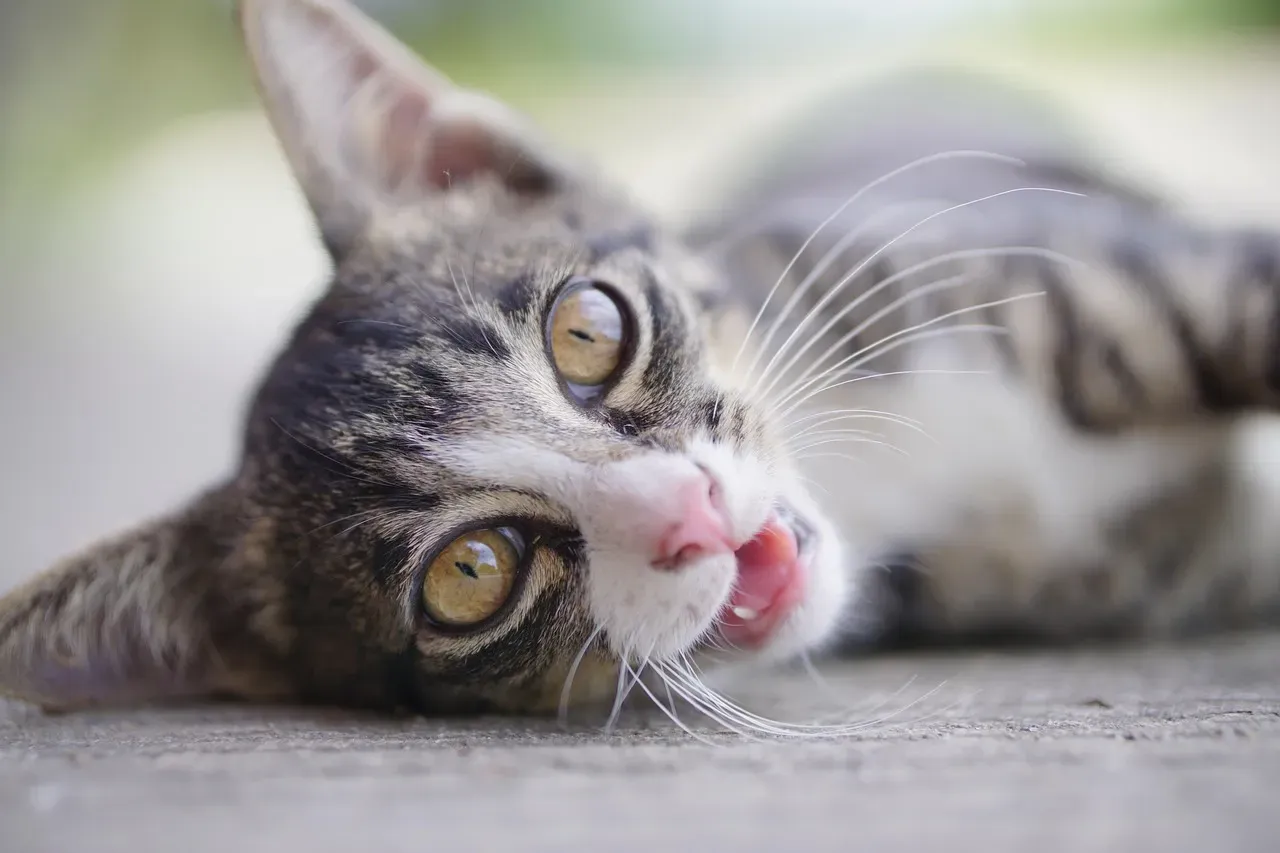
Cats that are picking up on your stress often become more vocal. Increased yowling, crying, or even growling can indicate that your cat is feeling stressed, and cats may also meow more frequently when they’re seeking reassurance. This increased vocalization is frequently a direct response to your own emotional state. It’s your cat trying to open a conversation with you the only way they know how.
Increased vocalization such as meowing, hissing, or growling can be a sign of anxiety, as this behavior indicates that your cat might be trying to communicate discomfort or distress, and it’s important to pay attention to these changes in vocal habits as they can give clues about how your cat is feeling. When your cat starts chattering at you more than usual during a tough week, treat it less like noise and more like a message worth decoding.
Social Referencing – When Your Cat Looks to You for Cues
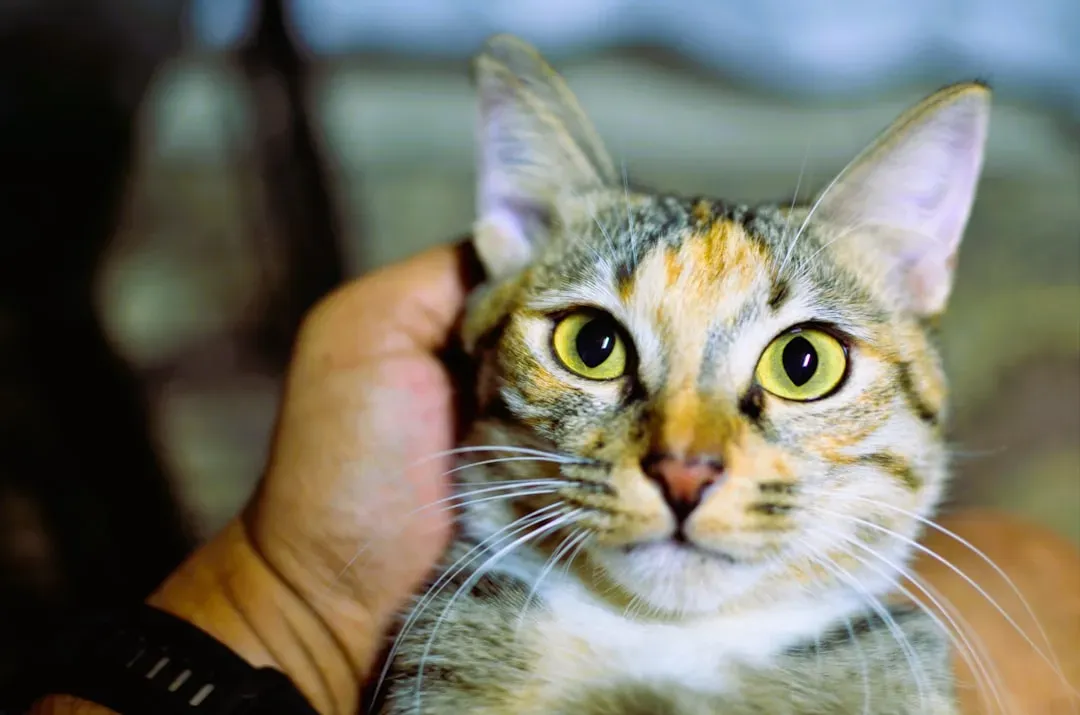
Here’s something that might genuinely blow your mind. A study by Animal Cognition showed that cats look at their owners for signals, a behavior known as “social referencing.” This is the same kind of behavior observed in toddlers who look to their parents for cues about how to feel in an unfamiliar situation. Your cat checks in with you, reads your emotional state, and adjusts accordingly.
The findings show that whether a happy or fearful tone was used, the vast majority of cats were seen looking at their owners first before trying to determine how to act, and many based their behavior on the disposition of their owners at the time. So your cat isn’t just reacting to the environment around them – they’re reacting to YOU specifically. You are essentially their emotional compass. It’s a profound responsibility when you think about it.
Body Language Signals You Might Be Missing
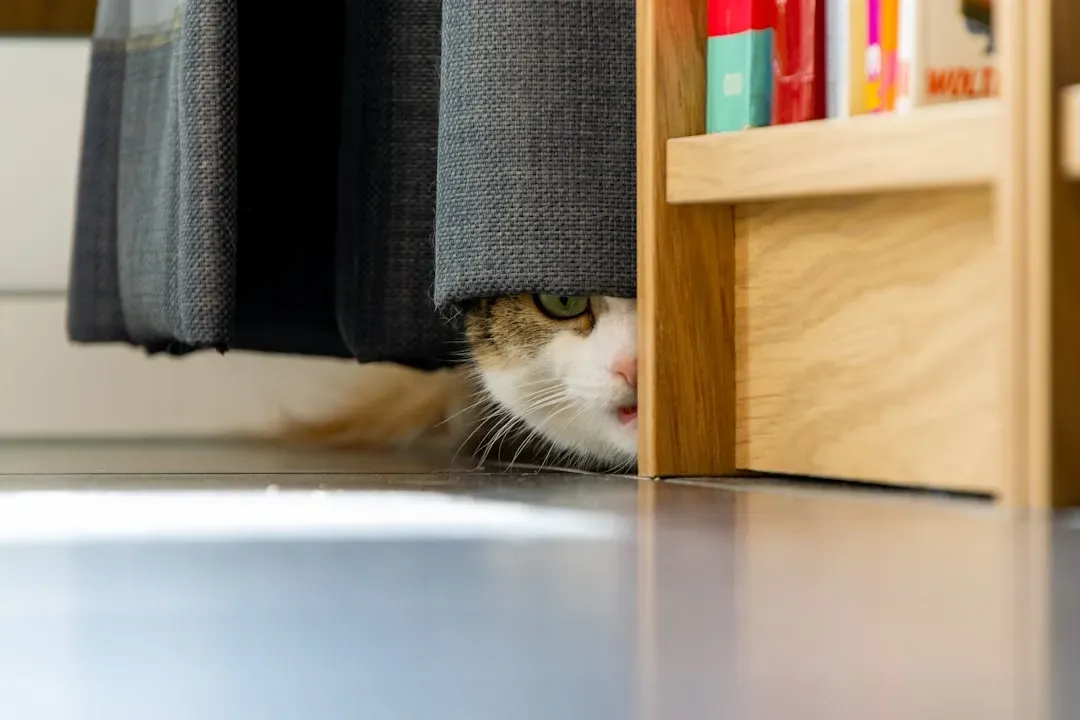
Your cat communicates so much through their body, and when they’re responding to your stress, these signals get amplified. When a cat’s ears are pinned back and their pupils are wide, they’re likely feeling scared or overwhelmed. Tail position matters too. One of the most obvious stress signals in cats is retreating to a quiet, enclosed space, and this behavior is often accompanied by a flicking or twitching tail, another sign of unease.
Researchers analyzing cat behaviors indicating relaxation noted sitting calmly with ears erect and facing forward as positive signs, while moderate stress was indicated by tail tip twitching and ears angled backward, and severe stress by retreating with ears flattened backward. Learning to read these physical signals is like learning a second language. Once you do, your cat’s entire emotional life becomes readable – and it’s often a direct reflection of yours.
How Your Cat’s Signals Can Actually Help You Heal
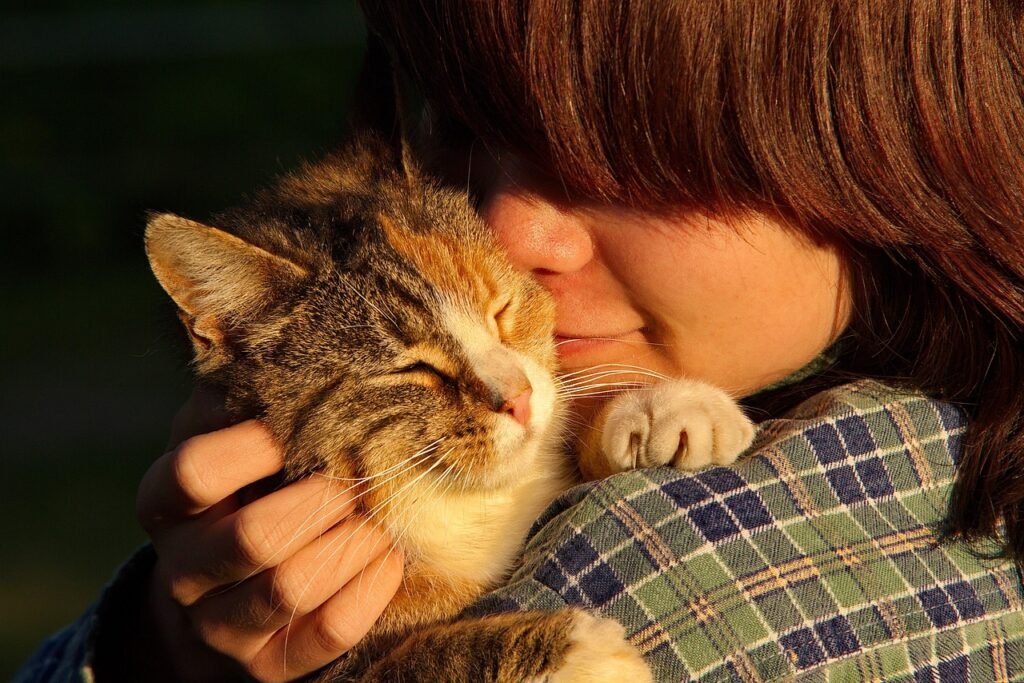
Here’s where it gets genuinely beautiful. Your cat doesn’t just pick up on your stress – they actively try to do something about it. Interacting with your cat can shift both the human’s and the cat’s cortisol levels, which means that when you’re stressed, your cat can help reduce your stress hormones, suggesting that cats can sense your emotional state and respond in a way to help you both feel more relaxed and connected.
Cat ownership can help lower your blood pressure and heart rate, reduce stress all over your body, calm anxious or negative moods, and provide you with a companion that offers comfort and stability. Cats seem to know when they’re needed and will try to bring you comfort by sitting on your lap and purring – and while a cat will purr when content, they also purr when stressed to comfort themselves, which is your cat’s way of sending you positive vibes. It’s a two-way emotional healing system, and honestly, it’s one of the best things about sharing your life with a cat.
Conclusion
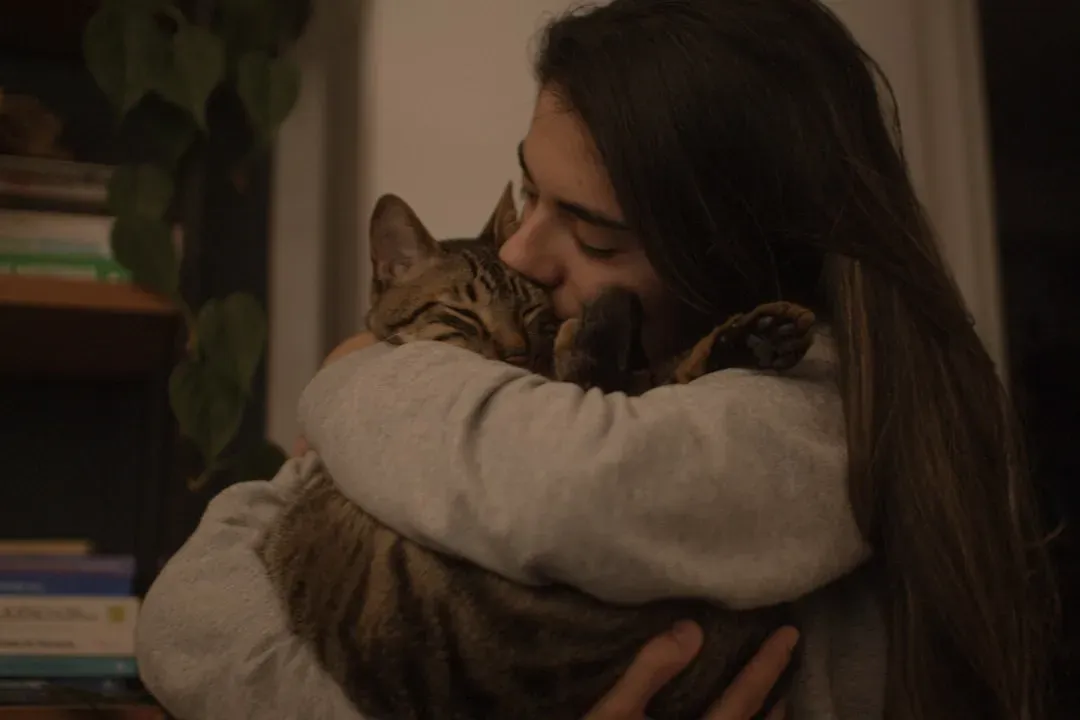
Your cat is doing far more than just existing in the same space as you. They are watching, smelling, listening, and calibrating their behavior around your emotional state in ways that science is only now beginning to fully appreciate. Cats are masters of hiding their emotions, so it’s crucial to pay attention to subtle changes in their behavior. The same applies in reverse – once you start learning to read the signals your cat sends, you unlock a layer of communication that most pet owners never even notice.
The slow blink, the unexpected lap visit, the extra meowing on your worst days – none of it is accidental. Cats and their owners have an incredible bond, and recent studies have shown how emotionally intelligent cats actually are, as they can interpret visual and auditory signals to pick up on our moods and act accordingly, delivering comfort in the form of snuggles, a quiet companion, or a purring lap-warmer. The next time your cat shows up uninvited during one of your hardest moments, maybe don’t dismiss it. They knew before you said a word.
What’s the most uncanny moment your cat seemed to “just know” how you were feeling? You might be surprised to realize just how long they’ve been paying attention.