Have you ever woken at three in the morning to the sound of your cat tearing through your living room at breakneck speed? Or maybe you’ve been startled by mysterious meowing when everyone else in your home is sound asleep. Your cat’s nighttime antics might seem completely random, but they’re actually windows into behaviors perfected over thousands of years of evolution.
These nocturnal behaviors aren’t just quirky habits or attempts to drive you crazy. They’re deeply rooted patterns that connect your fluffy house cat to their wild ancestors who prowled the deserts and grasslands hunting for survival. Every midnight sprint, every pre-dawn vocalization, and every late-night hunting session with their toy mouse tells a story about who cats really are beneath that domesticated exterior.
The Twilight Hunter Within Your Living Room
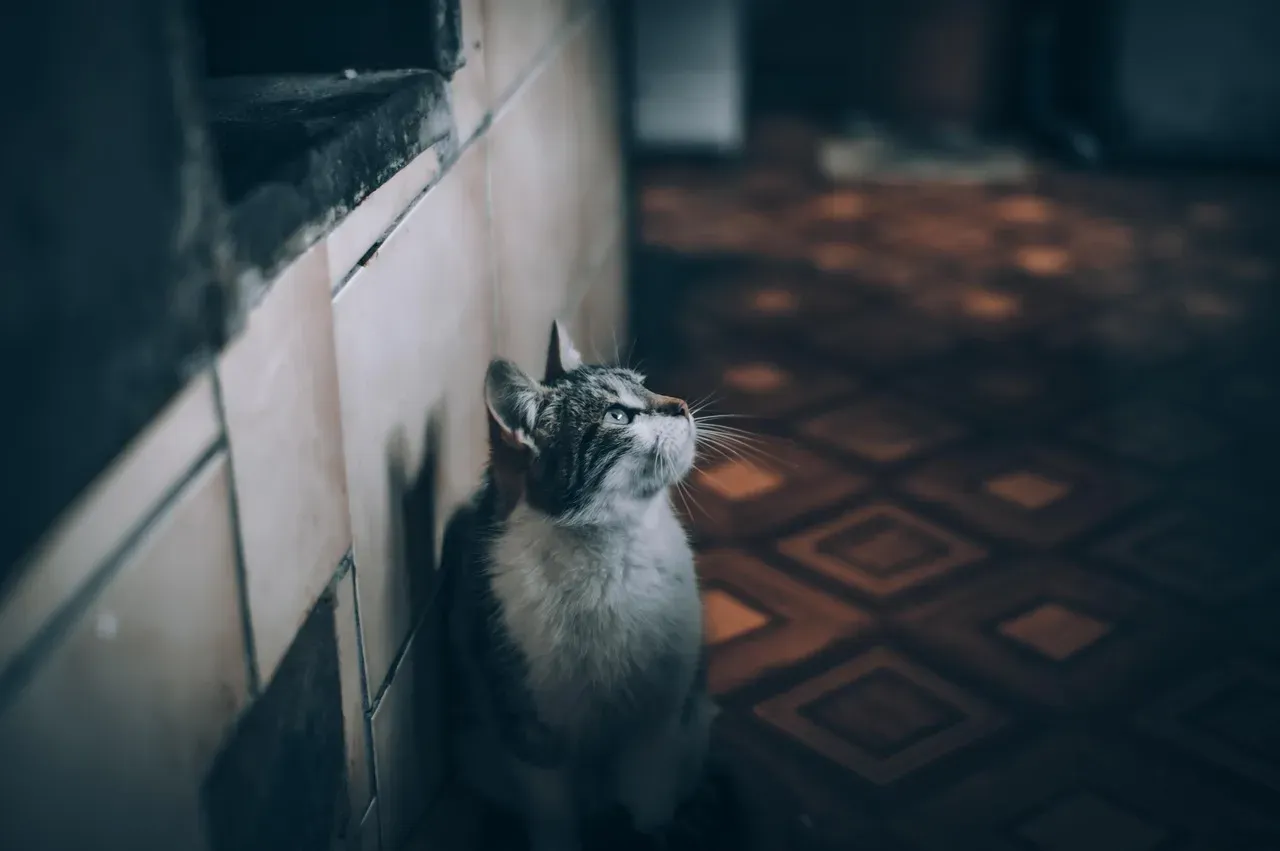
Your cat isn’t actually nocturnal – they’re crepuscular, which means they’re most active at dawn and dusk. This might come as a surprise when your furry friend is racing around at two in the morning, but there’s a crucial evolutionary reason for this pattern. Their wild ancestors hunted during these twilight hours to catch prey while avoiding predators.
Think about it from a survival perspective. Birds and mice are very active at dawn, and cats evolved to take advantage of this. The low light conditions gave cats just enough visibility to spot movement while providing cover for their stealthy approach. Your pampered indoor cat has inherited this biological clock, even though the only thing they’re hunting these days is probably a dust bunny under the couch.
Those Mysterious Midnight Zoomies Explained
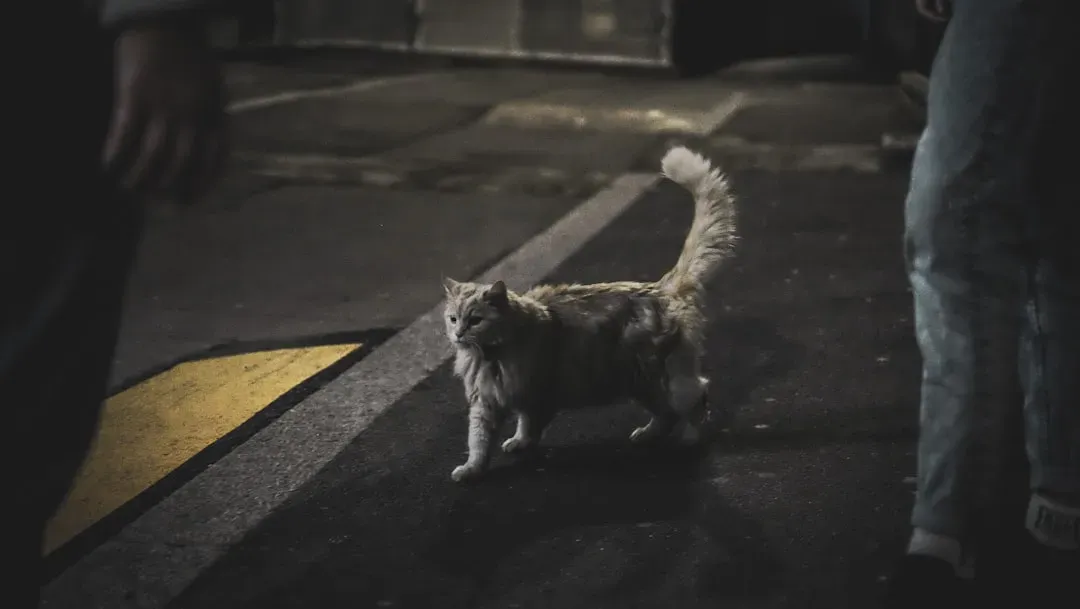
These energy spikes, scientifically known as Frenetic Random Activity Periods or “zoomies,” are particularly common in indoor cats who may have pent-up energy. When your cat suddenly rockets from room to room like they’ve been launched from a cannon, they’re not losing their mind. They’re expressing something deeply instinctual.
Zoomies serve as an outlet for pent-up energy and satisfy your cat’s predatory instincts. In the wild, cats would spend twilight hours stalking, chasing, and capturing prey – activities that require explosive bursts of speed and agility. Your indoor cat doesn’t have gazelles to chase, but those same instincts are hardwired into their system. The zoomies are essentially your cat’s way of fulfilling an evolutionary need that hasn’t disappeared just because their food now comes from a can.
Why Your Cat Sees Better Than You in Darkness
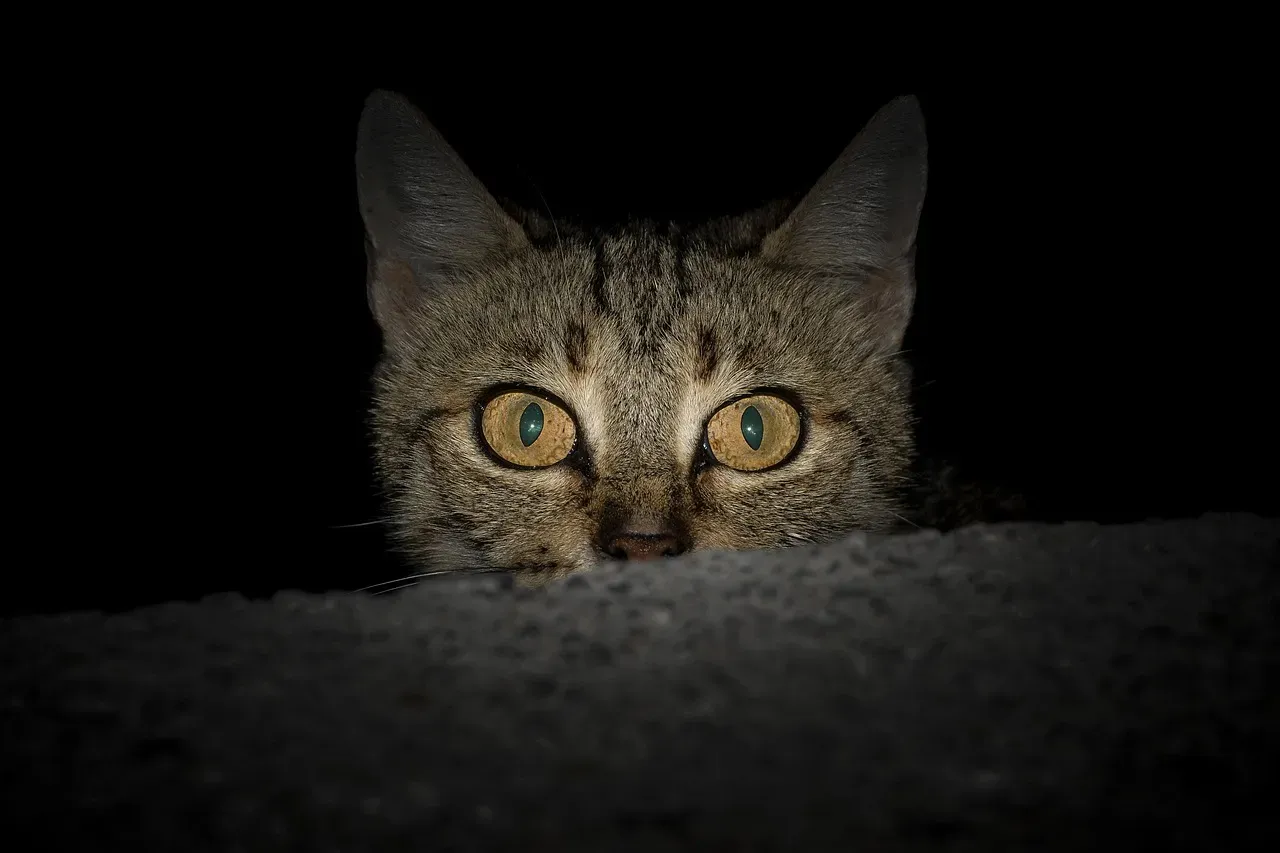
Cats have unique features that allow them to see fairly well in low light conditions, making out shapes and movement better than we can when the sun is just starting to come up or go down. This isn’t magic – it’s evolutionary engineering at its finest. Cats have a high number of rod cells in their retinas, which are more sensitive to low light than cone cells, making cats excellent at navigating and hunting in dim conditions.
Honestly, when you watch your cat navigate a pitch-black hallway without bumping into anything, it’s hard not to feel a little jealous. Their eyes are designed for the hunting lifestyle their ancestors perfected. While we stumble around reaching for light switches, your cat is perfectly comfortable prowling in near darkness, just like their wild relatives who needed every advantage to catch dinner.
The Pre-Dawn Serenade Nobody Asked For
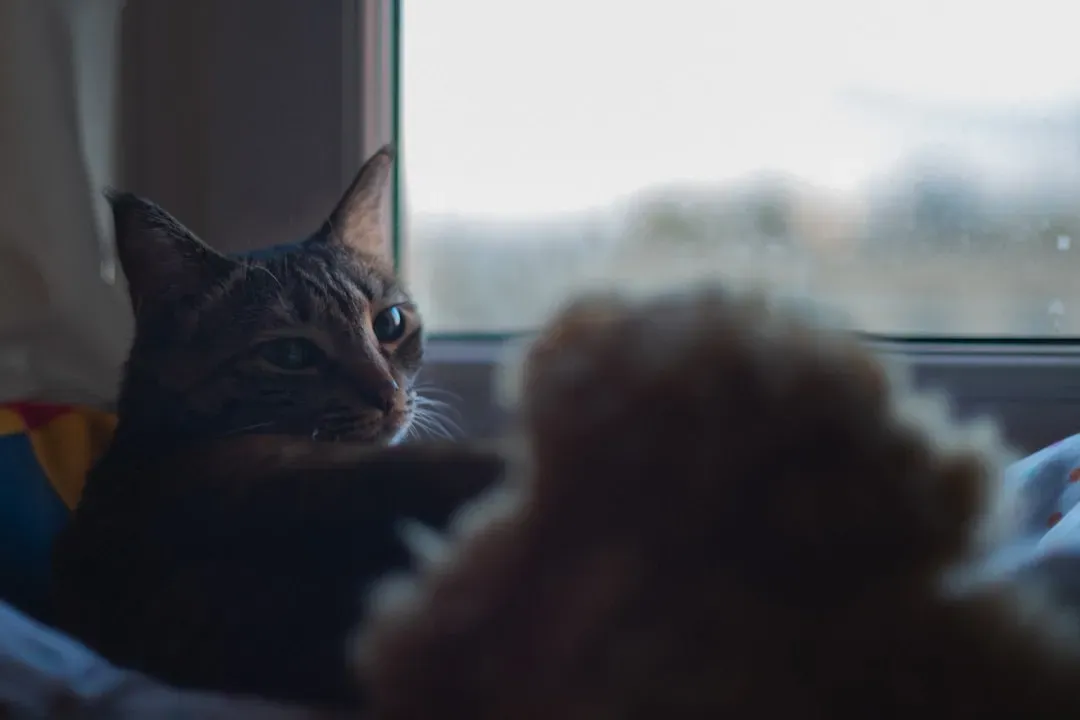
Cats are crepuscular, meaning that they are naturally most active at dusk and dawn, which means your cat may be especially active in the early hours of the morning. If your cat has been waking you up with persistent meowing before sunrise, they’re not being malicious. Their body clock, geared for hunting in the morning, leads to heightened energy levels between 3 and 5 a.m., and these nighttime meows are instinctual.
Let’s be real – this doesn’t make it any less annoying when you’re trying to sleep. Your cat’s internal alarm clock is set for prime hunting time, and in their mind, you should be up and alert too. In the wild, cats couldn’t afford to waste those precious twilight hours when prey was most vulnerable. That same urgency translates to your modern cat pacing your bedroom and vocalizing persistently.
The Secret Sleep Schedule Your Cat Won’t Tell You About
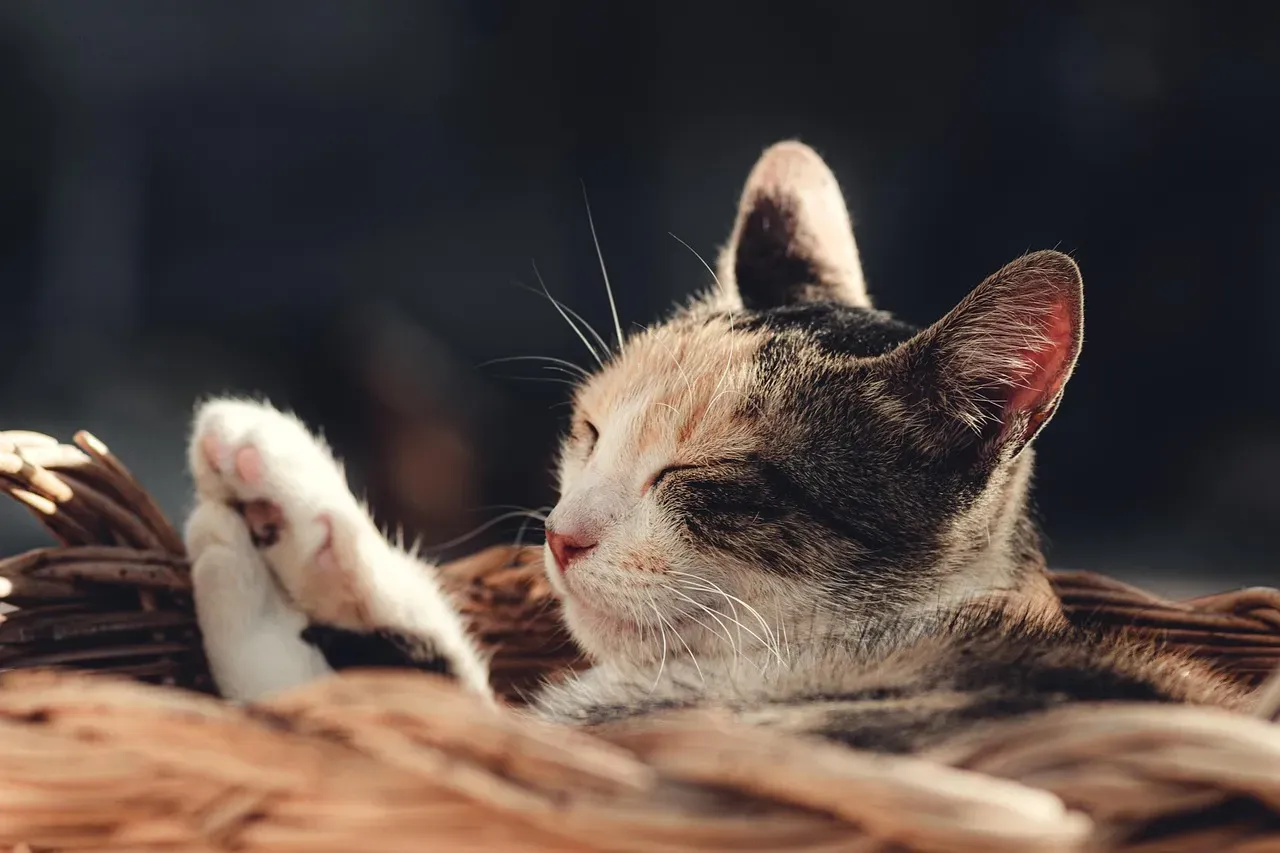
Cats sleep anywhere from 12 to 16 hours daily, experiencing light sleep and frequent naps rather than long stretches of deep sleep. This sleep pattern is called polyphasic sleeping, and it’s completely different from the way humans rest. Cats are actually resting in preparation for short bursts of very intense activity, with sleeping often occurring in short bursts in between waking moments.
Picture a wild cat conserving energy during the heat of the day, dozing lightly so they can spring into action if a potential meal wanders by. That’s exactly what your cat is doing on your couch, even though the biggest threat is probably you accidentally stepping on their tail. Their sleep architecture reflects a lifestyle where being able to wake instantly and move with explosive speed could mean the difference between eating and starving.
When Nighttime Becomes Hunting Time
If your cat does go outside, nighttime is when they might engage in active hunting behavior, and fighting occurs more often at night because cats are more active. Even indoor cats retain these powerful hunting drives. House cats don’t depend on hunting for their source of food, but this doesn’t mean those instincts are gone, as cats have retained their hunting skills.
I think this explains why your cat brings you “presents” or stalks their toys with such intensity. The predatory sequence – watch, stalk, pounce, kill – is so deeply embedded that it emerges even when there’s a full food bowl nearby. Your cat isn’t hunting because they’re hungry; they’re hunting because that’s what cats do. It’s like asking why birds sing or why dogs wag their tails – some behaviors are simply part of being that species.
The Territory Patrol You Never Knew Was Happening
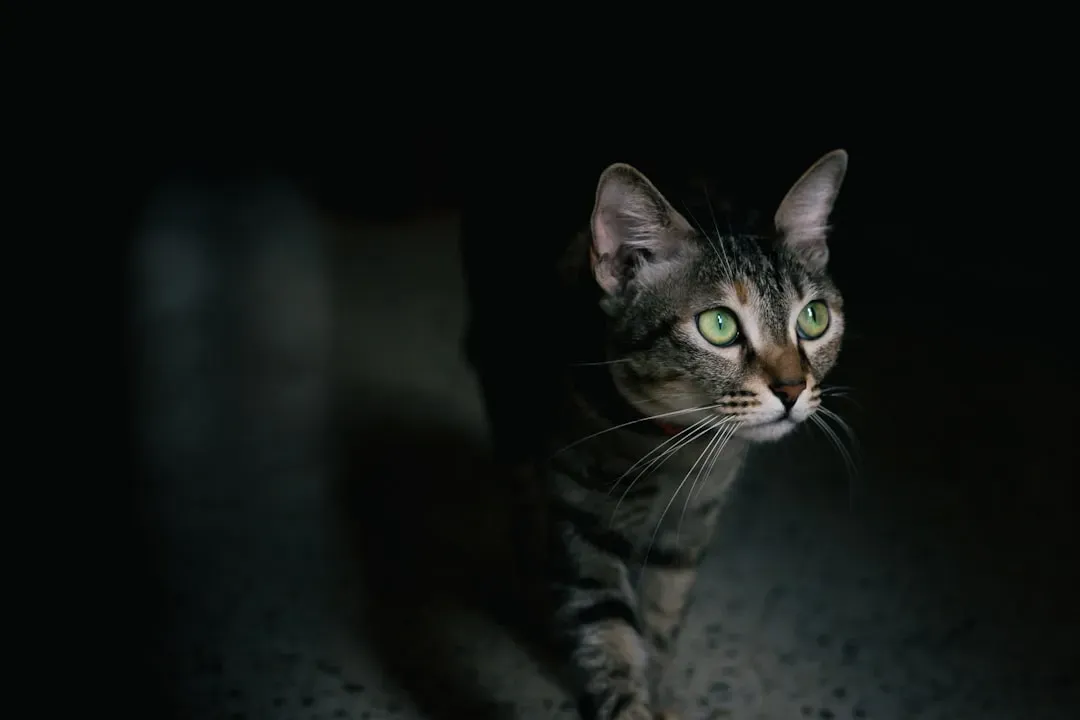
Naturally protective cats use the night as a watchful period to alert against intruders, including other cats, creatures, or new human members, with this behavior termed caterwauling. When your cat prowls around the house at night, checking windows and doorways, they’re performing a security sweep that would make their ancestors proud.
This territorial vigilance is especially pronounced during twilight hours when potential threats or competitors might be most active. Your cat might seem like they’re just wandering aimlessly, but they’re actually monitoring their domain. Every sniff at a window, every pause to listen – these are calculated assessments of their environment, behaviors refined over millennia to keep cats safe and their territories secure.
Why Boredom Transforms Into Nighttime Chaos
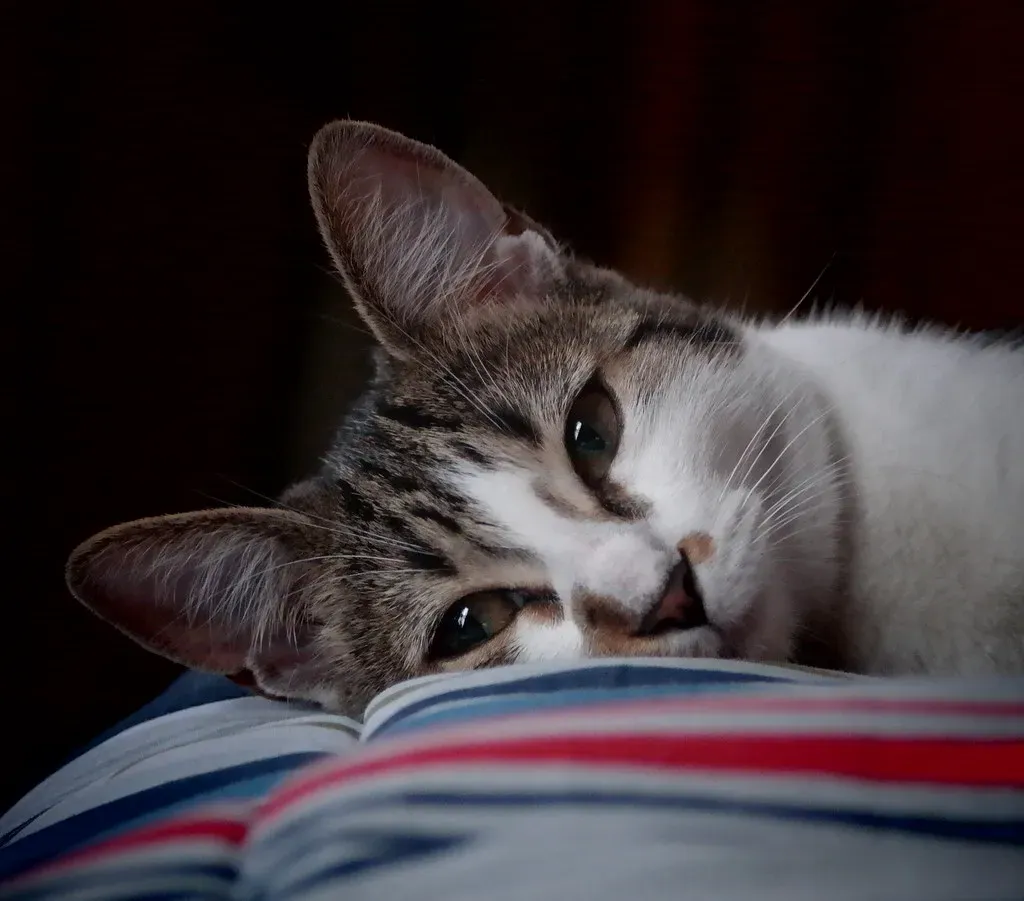
You may leave your cat home alone during the day while you’re at work or school, during which your cat may spend most of the day sleeping or relaxing, and all that rest during the day can lead to an active cat at night. This creates a frustrating cycle for many cat owners. Indoor cats may experience nighttime hyperactivity due to boredom and lack of physical exertion during the day, and if they don’t use enough energy during the day, they may become restless and more active at night.
Here’s the thing – cats are natural hunters designed for short, intense bursts of activity. When they don’t get opportunities to express these behaviors during waking hours, all that energy has to go somewhere. And it usually goes straight into three a.m. Olympic sprinting through your hallway. It’s not ideal for your sleep schedule, but from your cat’s perspective, they’re just trying to satisfy needs that evolution built into them.
The Post-Bathroom Victory Lap Phenomenon
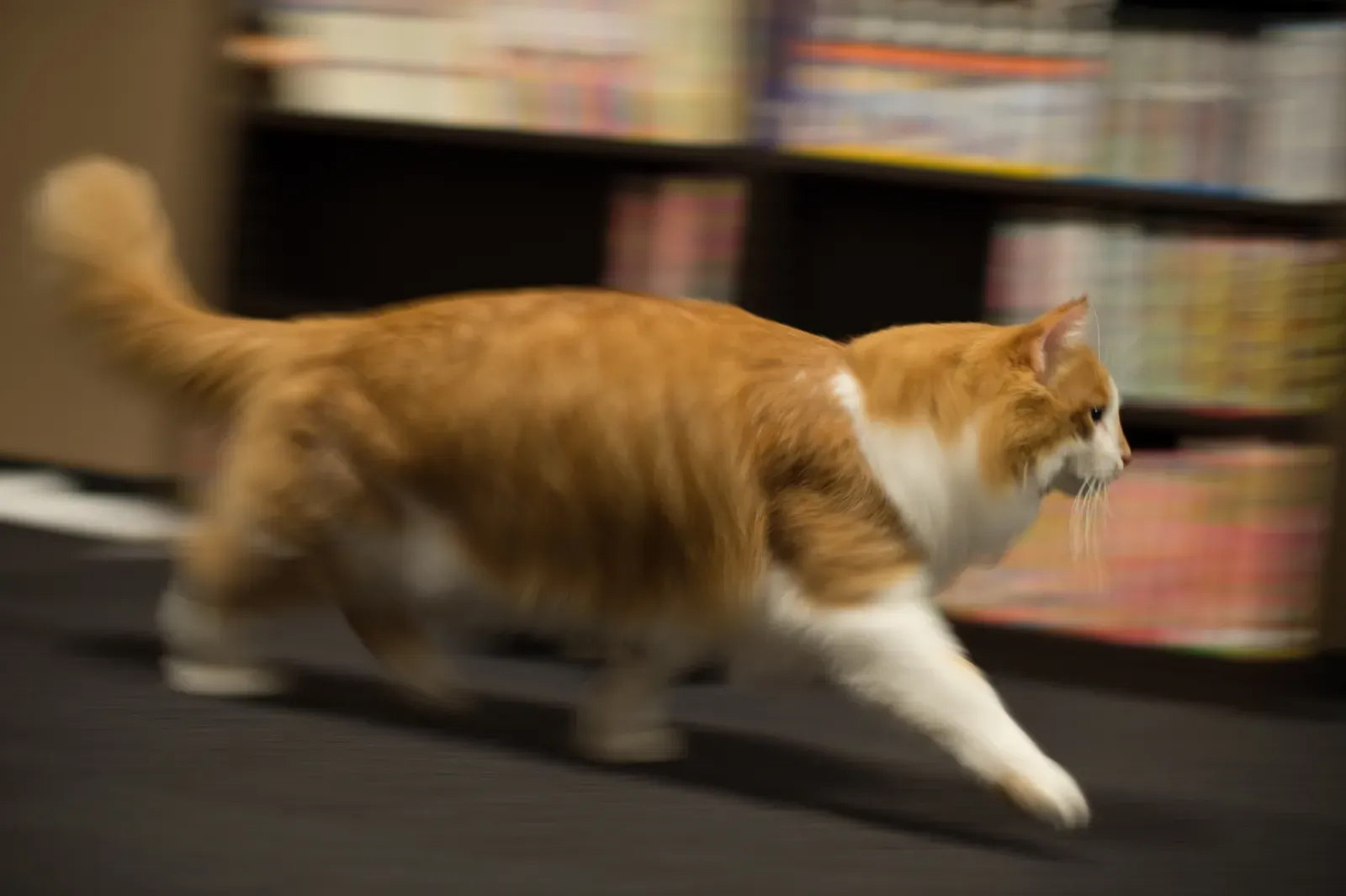
Daytime zoomies, not connected to interactive action with another cat, usually occur after visiting the litter box. If you’ve noticed your cat suddenly sprinting away from their litter box like they’ve just escaped from prison, you’re witnessing a behavior that still puzzles experts. Some cats experience a quick adrenaline rush after a successful bathroom break – it’s their way of celebrating.
The exact reason for this behavior isn’t completely understood, though theories range from relief and euphoria to an instinctive desire to get away from the scent that might attract predators. Whatever the cause, these post-bathroom zoomies connect to the same burst-of-energy pattern that governs much of feline behavior. It’s unpredictable, slightly bizarre, and completely normal.
How Age Changes Your Cat’s Nighttime Behavior
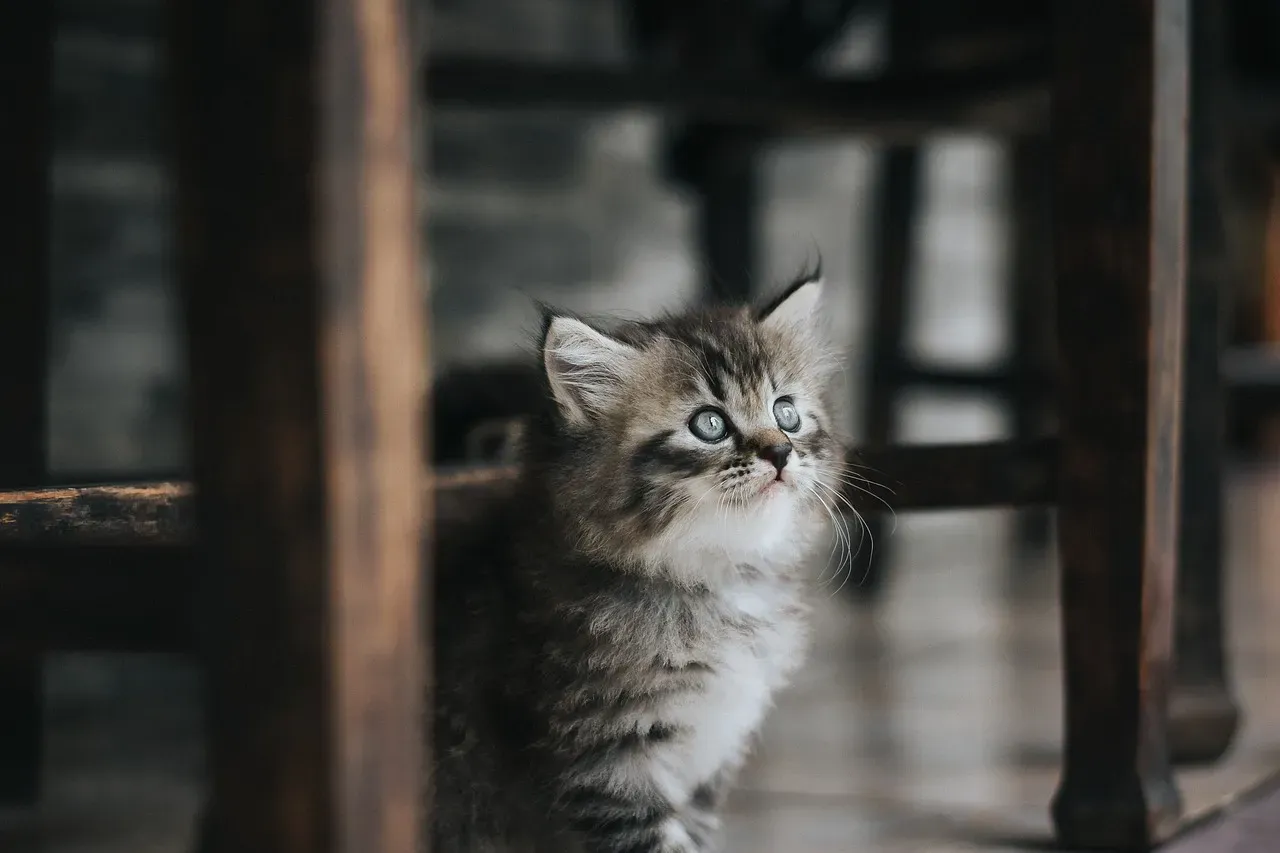
A cat’s age can impact their activity levels and sleep-wake cycle, with young cats having an abundance of energy and more frequent and intense zoomies, making them more likely to be active at night. Kittens are basically tiny, furry chaos machines programmed to practice hunting skills whenever possible. Older cats typically slow down and may sleep more than younger cats, but some older cats may become more active or vocal at night due to changes in their cognitive function or because of medical issues.
The shift from kitten energy to senior cat mellowness reflects changing needs throughout a cat’s life. Young cats need intensive practice developing coordination and hunting skills. Older cats may experience cognitive changes that affect their sleep cycles or develop medical conditions that cause nighttime restlessness. Understanding these age-related changes helps us interpret our cats’ nighttime behaviors more accurately.
Conclusion
Your cat’s nighttime routine isn’t random weirdness – it’s a fascinating glimpse into behaviors shaped by thousands of years of evolution. Every midnight sprint, every pre-dawn meow, every twilight prowl connects your domestic companion to the wild hunters who came before them. These aren’t behaviors your cat chooses; they’re instincts written into their DNA.
Understanding these primal drives doesn’t just satisfy curiosity. It helps you create an environment where your cat can express natural behaviors in healthy ways, potentially saving your sleep schedule in the process. Your cat isn’t trying to annoy you at three in the morning – they’re just being exactly what evolution designed them to be.
Did that midnight wake-up call suddenly make more sense? What nighttime behaviors does your cat display that you’d never really thought about before?