You’re lying in bed, just drifting off to sleep when you hear it. A plaintive meow echoing through the dark hallway. Then another. And another. If you’re a cat owner, this scenario probably sounds painfully familiar. Those midnight serenades can leave you wondering whether your feline friend is trying to tell you something important or simply practicing their operatic skills. Let’s be real, it’s frustrating when you’re exhausted and your furry companion decides it’s concert time. The truth is, those mysterious midnight meows aren’t random acts of mischief.
Your cat is trying to communicate something specific, and understanding what they’re saying can make all the difference for both of you. So let’s dive into what’s really going on inside your cat’s head when the clock strikes midnight.
Their Internal Clock Is Wired Differently Than Yours
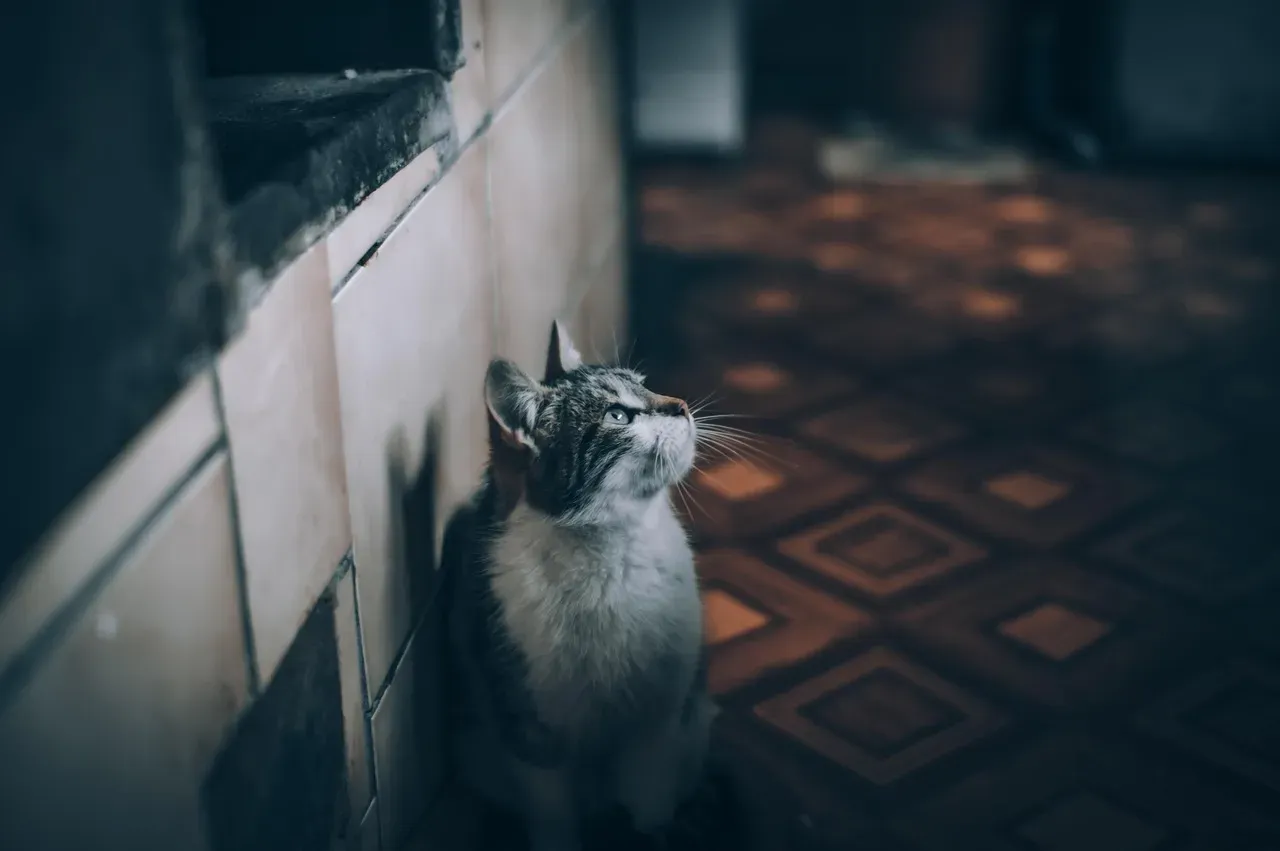
Cats are crepuscular animals, meaning they’re naturally most active at dawn and dusk. This sleep pattern goes back to their wild ancestors who hunted during twilight hours when prey was most abundant. Your cozy house cat still carries those ancient instincts deep in their DNA.
When you mix crepuscular animals with diurnal humans, you get a serious mismatch of sleep patterns. Right when you’re ready to collapse into bed, your cat’s brain is switching into high gear. It’s like having a night shift worker living with someone who works nine to five. Someone’s going to be awake when the other wants peace and quiet.
Hunger Strikes at the Most Inconvenient Hours
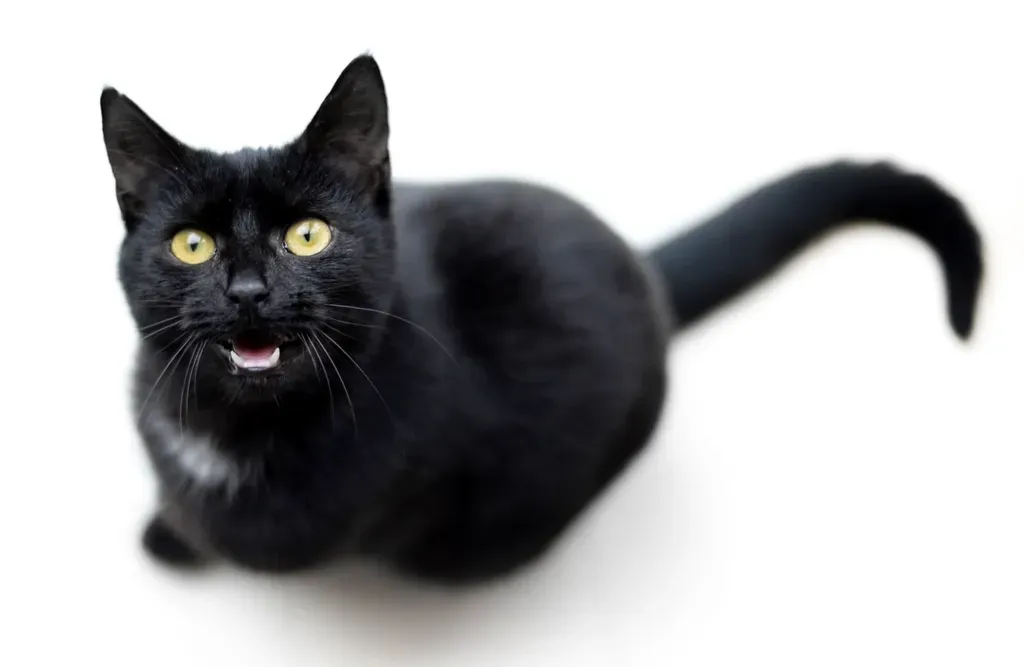
Some cats believe hunger strikes at inconvenient hours, and when a cat’s last meal occurs early, their hungry stomach acts as an early-morning alarm clock. Think about it from their perspective. If you ate dinner at five in the evening, wouldn’t you be starving by three in the morning?
Cats in the wild eat as many as 15 small meals a day, but living with humans, they might only eat every eight to 12 hours. No wonder some of them wake up demanding food. Their bodies are programmed for frequent small meals, not two big ones. One way around this is to feed your cat later in the evening, just before bedtime.
Boredom Builds Up Throughout the Day
Many housecats don’t get enough physical or mental stimulation throughout the day, so they use that build-up of energy to meow and bounce off walls at night. If you work all day and your cat spends those hours napping, they’re storing up energy like a battery charging.
I know it sounds crazy, but your cat might actually be meowing because they’re understimulated and bored out of their minds. If you’re out at work during the day, the cat may spend daytime hours in rest and relaxation, and their day begins when you arrive home. Essentially, you’ve accidentally created a nocturnal party animal.
Loneliness and Separation Anxiety Play a Role
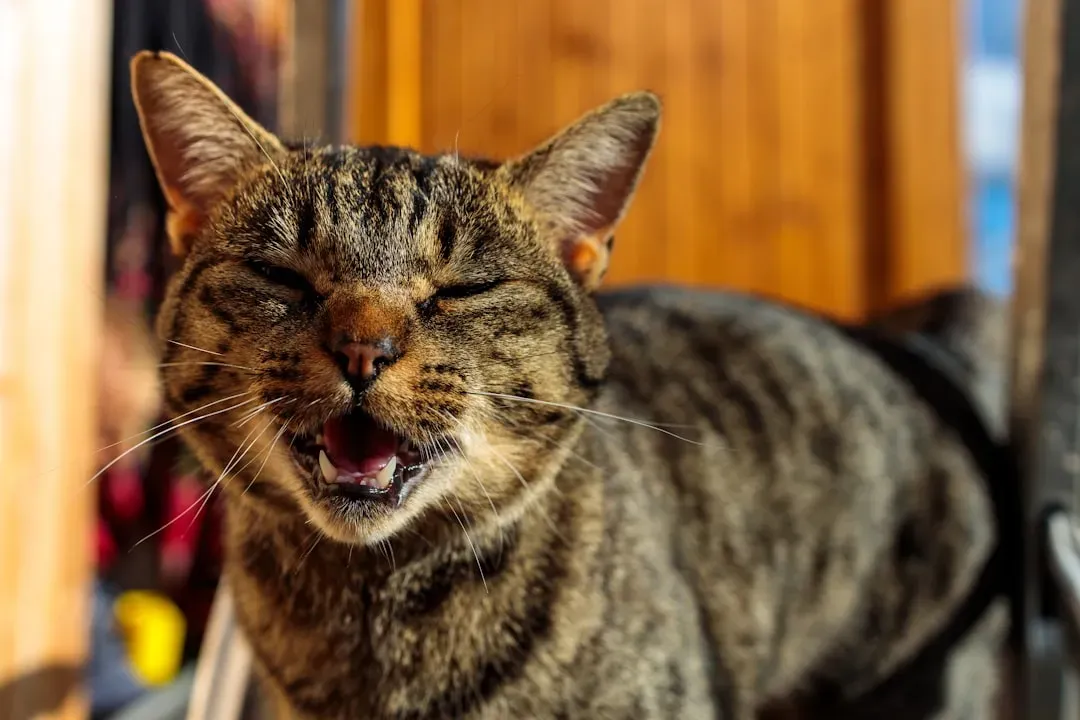
Loneliness or even separation anxiety can cause cats to cry out at night. Cats have a reputation for being aloof and independent, but that’s honestly not the whole story. Many cats form deep emotional bonds with their humans and genuinely miss them.
When darkness falls and the house goes quiet, some cats feel isolated and vulnerable. More often than not, they’re meowing just because they’re lonely and want to play, even when their people are fast asleep. Your bedroom door becomes a barrier between them and their favorite person, which can trigger anxiety-driven vocalizations.
Major Life Changes Trigger Confusion and Stress
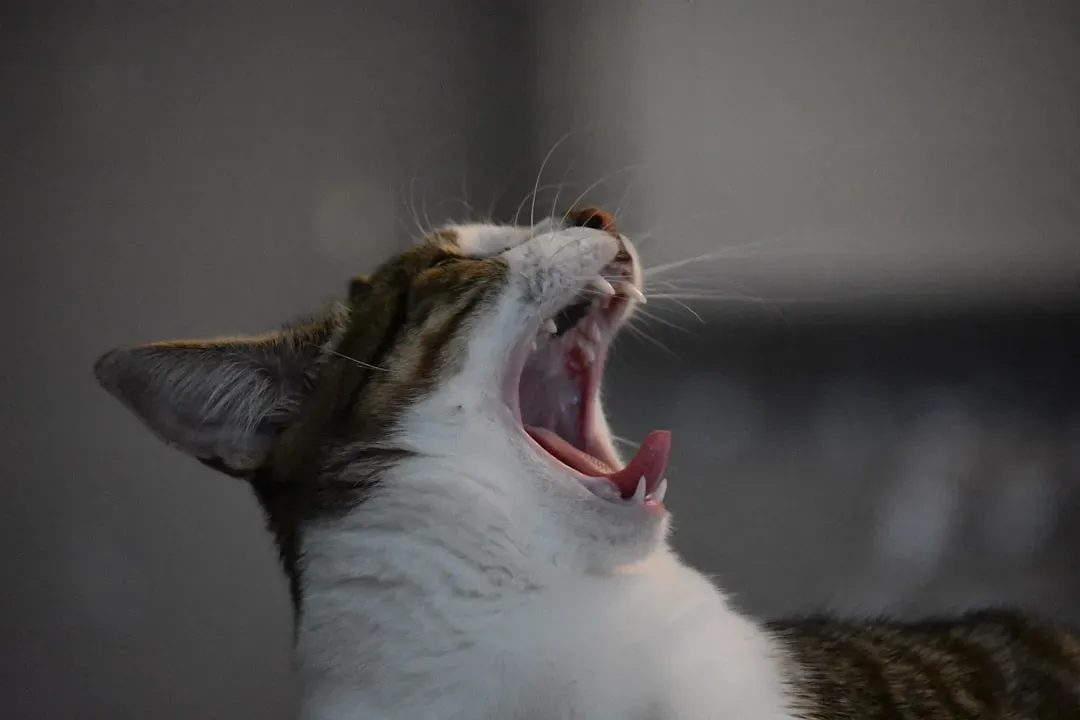
If you welcome a new kitten, dog, or baby into your family, your cat may be confused about what’s happening, making them more prone to nighttime noise-making. Cats are creatures of habit who thrive on predictable routines and familiar surroundings.
Transitioning to a new environment can trigger nighttime meows, and cats tend to vocalize when faced with changes in their surroundings, with unfamiliarity inducing anxiety especially during midnight hours. Even something as simple as rearranging furniture or changing their litter can throw them off balance. These vocalizations go beyond mere annoyance – they’re your cat’s way of expressing genuine distress.
Medical Issues Cause Pain and Discomfort
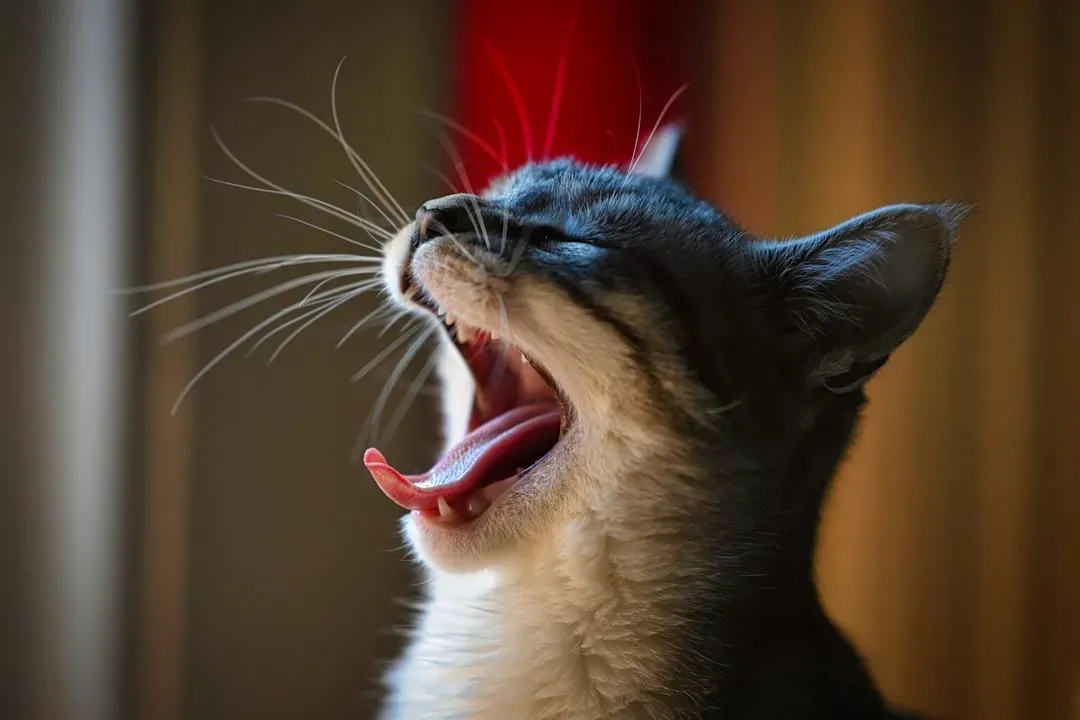
Cats who are unable to filter waste from their body may experience painful conditions that cause them to cry. Pain-related causes of nighttime crying include arthritis, dental disease, or headaches caused by high blood pressure. When you’re in pain, it’s hard to sleep, and the same goes for your feline friend.
Health issues such as overactive thyroid or kidney disease could be contributing factors, particularly in older cats, and excessive vocalization can be a sign of these conditions. It’s hard to say for sure without a vet visit, but medical problems are surprisingly common culprits. If your previously quiet cat suddenly starts serenading you at night, don’t brush it off as a behavioral quirk.
Cognitive Dysfunction Affects Senior Cats
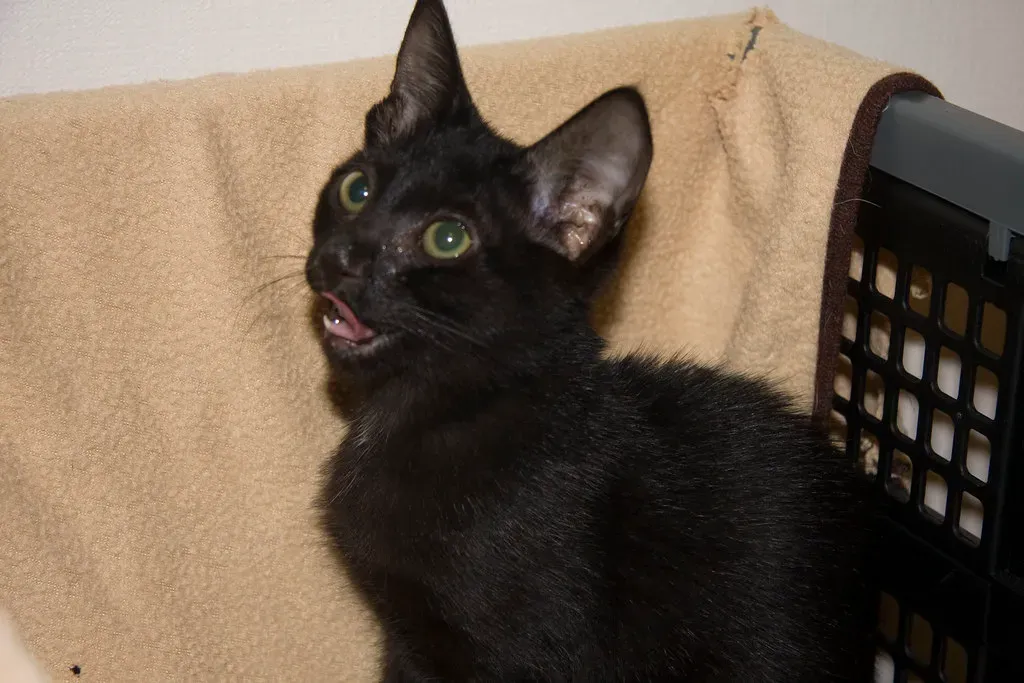
As cats age, their cognitive function and night vision can deteriorate, causing feelings of insecurity, confusion, vulnerability, and disorientation. Think of it as dementia for cats. Senior felines can genuinely forget where they are or become disoriented in familiar spaces.
Senior cats may be restless at night for different reasons, including changes in their sleep cycles, hearing loss, anxiety, or the onset of cognitive dysfunction that leads to vocalizing and increased wakefulness. These cats aren’t being difficult – they’re genuinely confused and frightened. Placing nightlights around your home can help your cat feel less fearful and more confident.
Mating Instincts Drive Loud Yowling
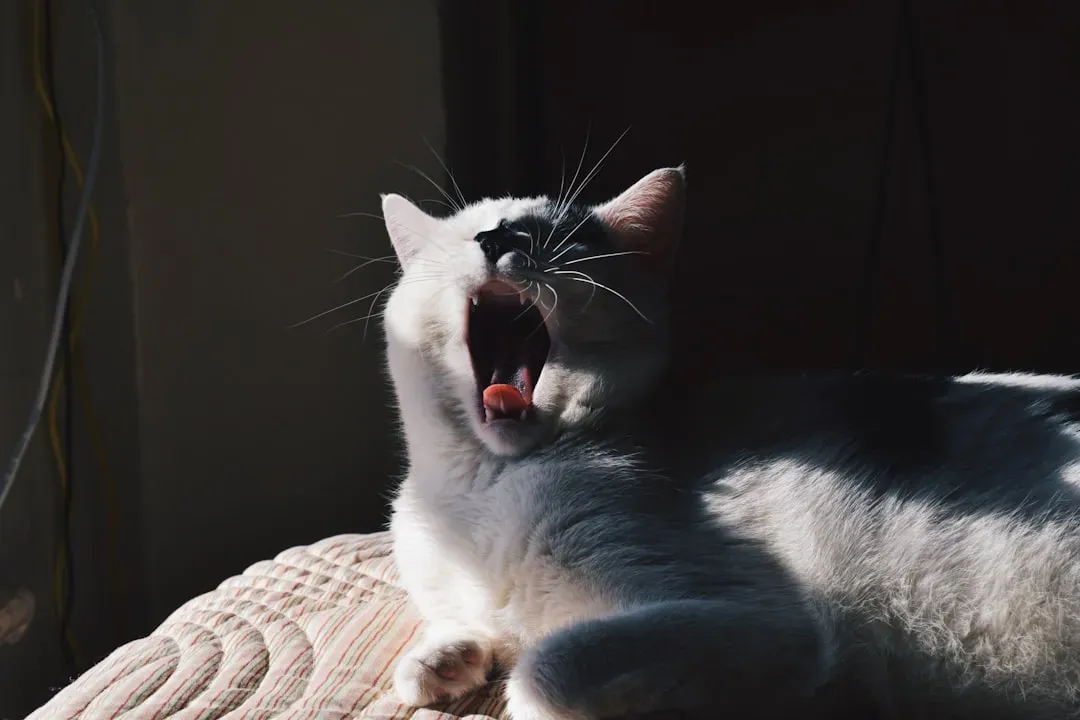
Unneutered male cats meow or yowl when they’re looking for a mate, and this is primarily a hormone-driven behavior that generally stops once a cat is neutered. Occasionally, a female will also yowl, most commonly to advertise to the male that she is available.
Let’s be honest, the mating call is one of the most distinctive and frankly unbearable sounds a cat can make. As many know through experience, extremely loud screeching and cats’ yowling at night can be the sound of mating. If your cat isn’t spayed or neutered, this could be the simple explanation. The fix, quite literally, is to get them fixed.
Attention-Seeking Behavior Gets Reinforced
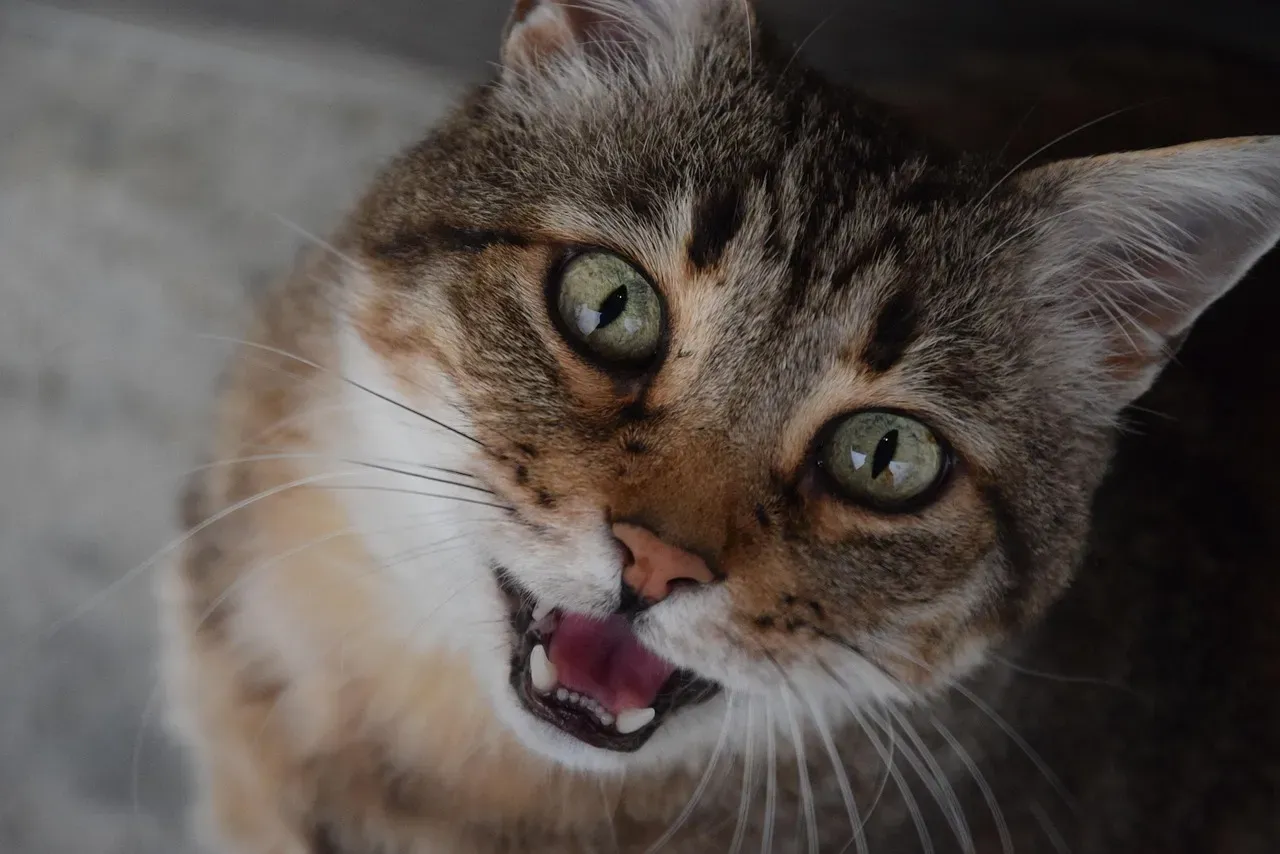
If the reason is attention seeking, then responding to the cat’s meows will only make it more likely that the cat will disturb you at night, and cats do respond to our training cues. Here’s the thing – you might be accidentally training your cat to meow at night without even realizing it.
Many cat caretakers have bartered for an extra hour of sleep by getting up and filling the food bowl, and unfortunately, the cat has now been richly rewarded for the behavior. Rewarded behaviors become fixed behaviors. Even though giving in seems like the easiest solution at three in the morning, you’re actually making the problem worse for future nights.
What You Can Actually Do About It
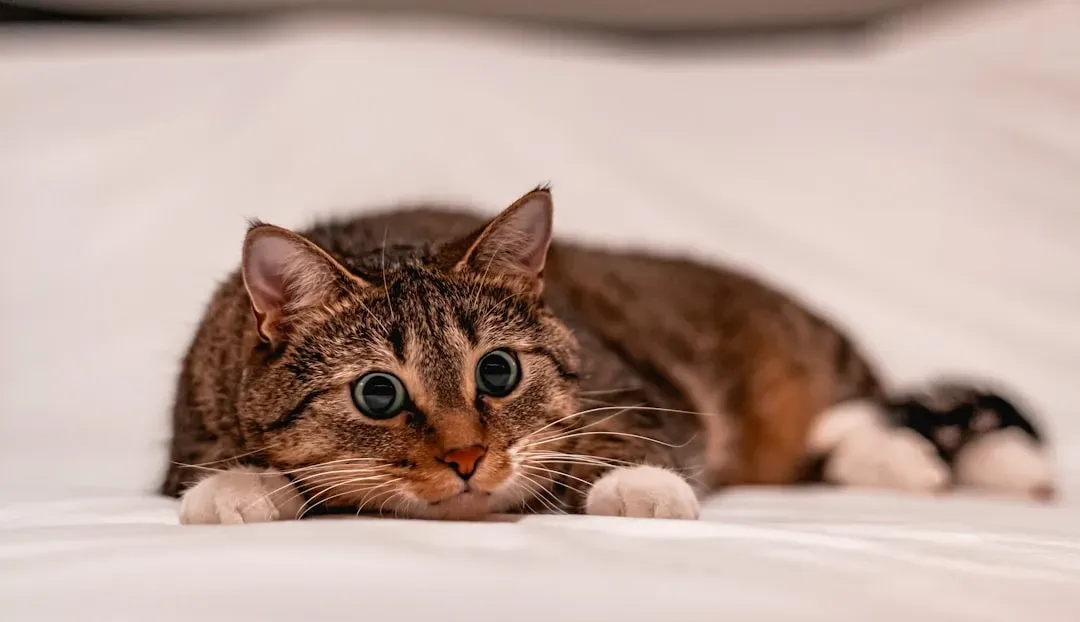
When keeping you up at night isn’t accompanied by other changes, adjusting your cat’s daytime schedule and activities might work, and the most important part is not to reward nighttime behavior with attention. Play with your cat before bedtime to burn off their energy, and feed your cat a small meal before bed to mimic their natural hunting schedule.
If nighttime yowling persists, schedule an appointment with your veterinarian who will conduct a thorough physical exam, blood pressure screening, and routine lab tests. Medical issues should always be ruled out first. Make time for regular sessions of interactive play early in the evening, and avoid rewarding disturbing behavior with your attention. Consistency is key, even when you’re exhausted.
Understanding Means Better Nights for Everyone
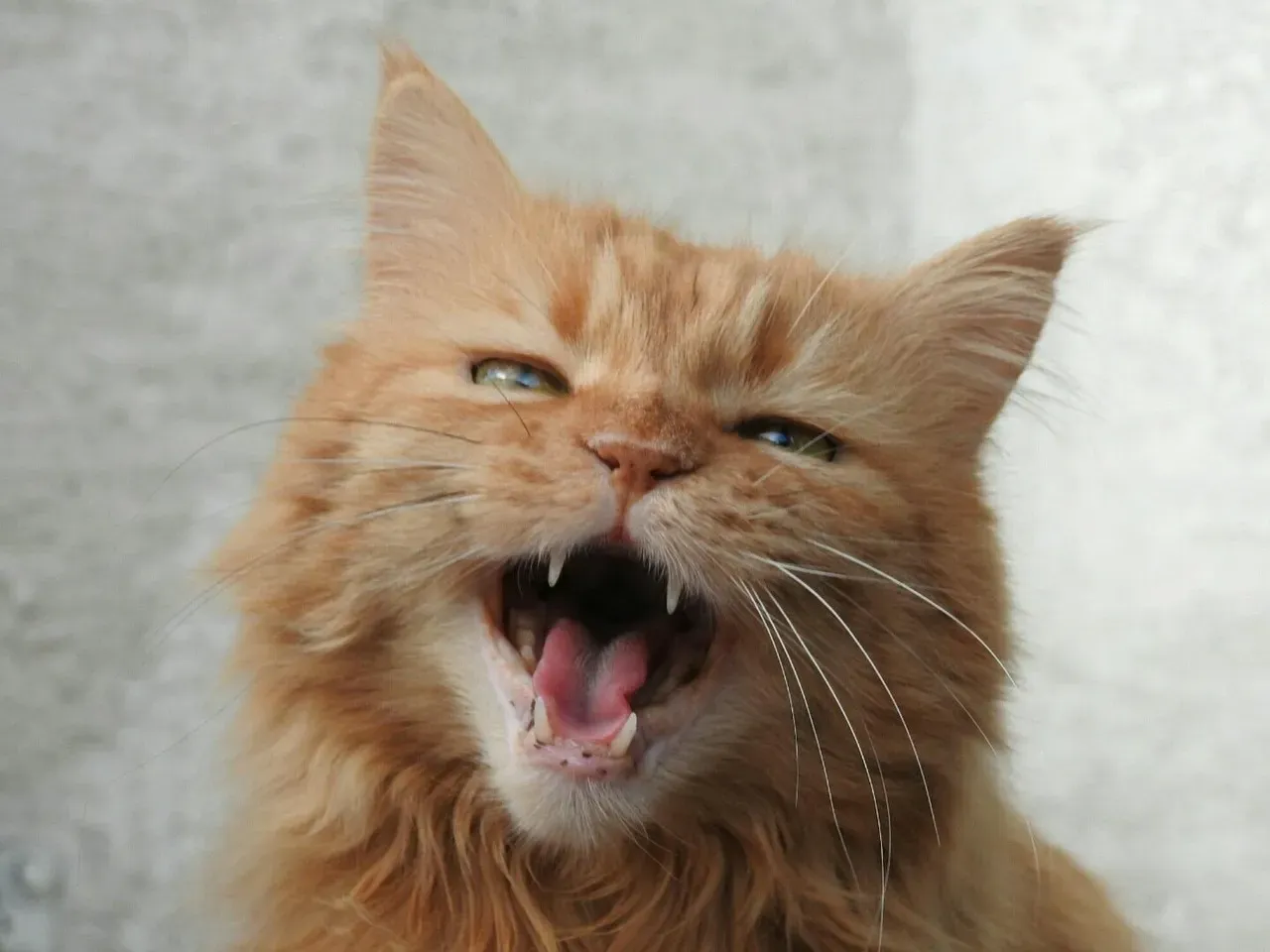
Those midnight meows aren’t just annoying background noise. They’re your cat’s way of communicating needs, fears, medical problems, or simply their natural instincts clashing with your sleep schedule. Once you identify the root cause, you can take targeted action to address it.
Whether it’s adjusting feeding times, adding more playtime during the day, ruling out health issues, or simply being more consistent about not rewarding attention-seeking behavior, solutions exist. The key is patience and willingness to work with your cat’s natural biology rather than against it. Remember, your cat isn’t trying to drive you crazy on purpose – they’re just being a cat.
What’s been your experience with midnight meows? Have you discovered any tricks that actually work?