Picture this: you step outside to grab your morning coffee and spot a massive, tan figure slinking along your back fence. Your heart stops. Is that really what you think it is? In Montana, backyard encounters with mountain lions are becoming less of a rarity and more of a reality for those living near wild spaces. It’s a reminder that we share this beautiful state with some of nature’s most skilled predators.
You might be asking yourself why these elusive cats are showing up in residential neighborhoods. The answer is surprisingly simple. They’re following deer that hang out in your yard, not rummaging through your trash. So let’s dive in and learn exactly what you need to do when one of these powerful animals appears on your property.
Understanding Why Mountain Lions Venture Into Your Yard
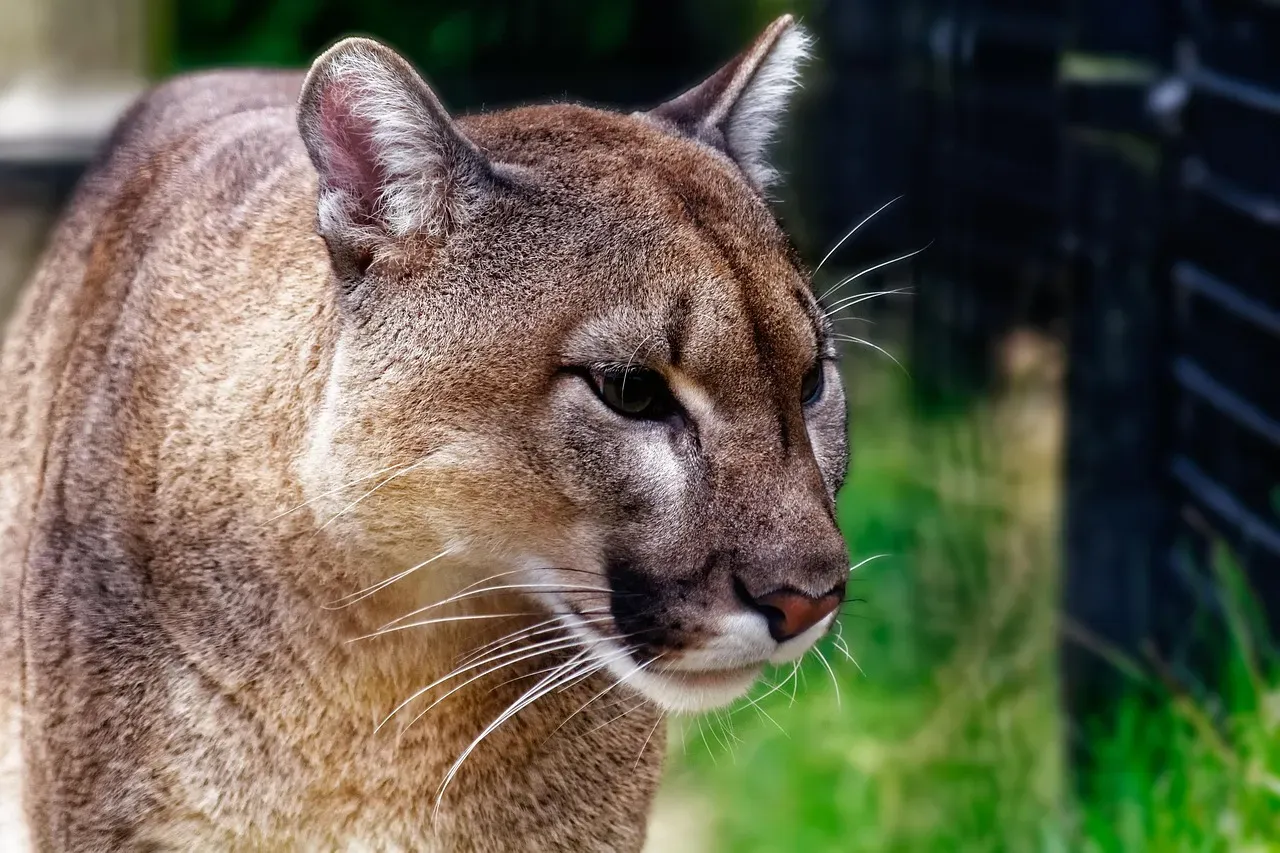
Young mountain lions around 16 months old begin to leave their mothers and look for new territory, traveling long distances and popping up in unexpected places, including near homes, parks, or trails. This explains why you might suddenly notice one where you’ve never seen them before. It’s hard to say for sure, but many of these sightings are simply young cats exploring their options.
Here’s the thing: just spotting a mountain lion doesn’t automatically mean you’re in danger, as these animals prefer to steer clear of people and most of the time they’ll move along on their own. The key thing drawing them into residential areas is prey, especially deer. If you’re in the habit of feeding wildlife or if deer frequent your property, you’re essentially setting up a buffet that attracts mountain lions.
The reality is that these magnificent creatures are just passing through most of the time. Mountain lions aren’t just being spotted in the backcountry, as they’ve been caught on camera by Ring doorbells in neighborhoods. Let’s be real, though, if deer are munching your garden at dawn, a lion might be watching from the shadows.
Stay Calm and Never Run Away
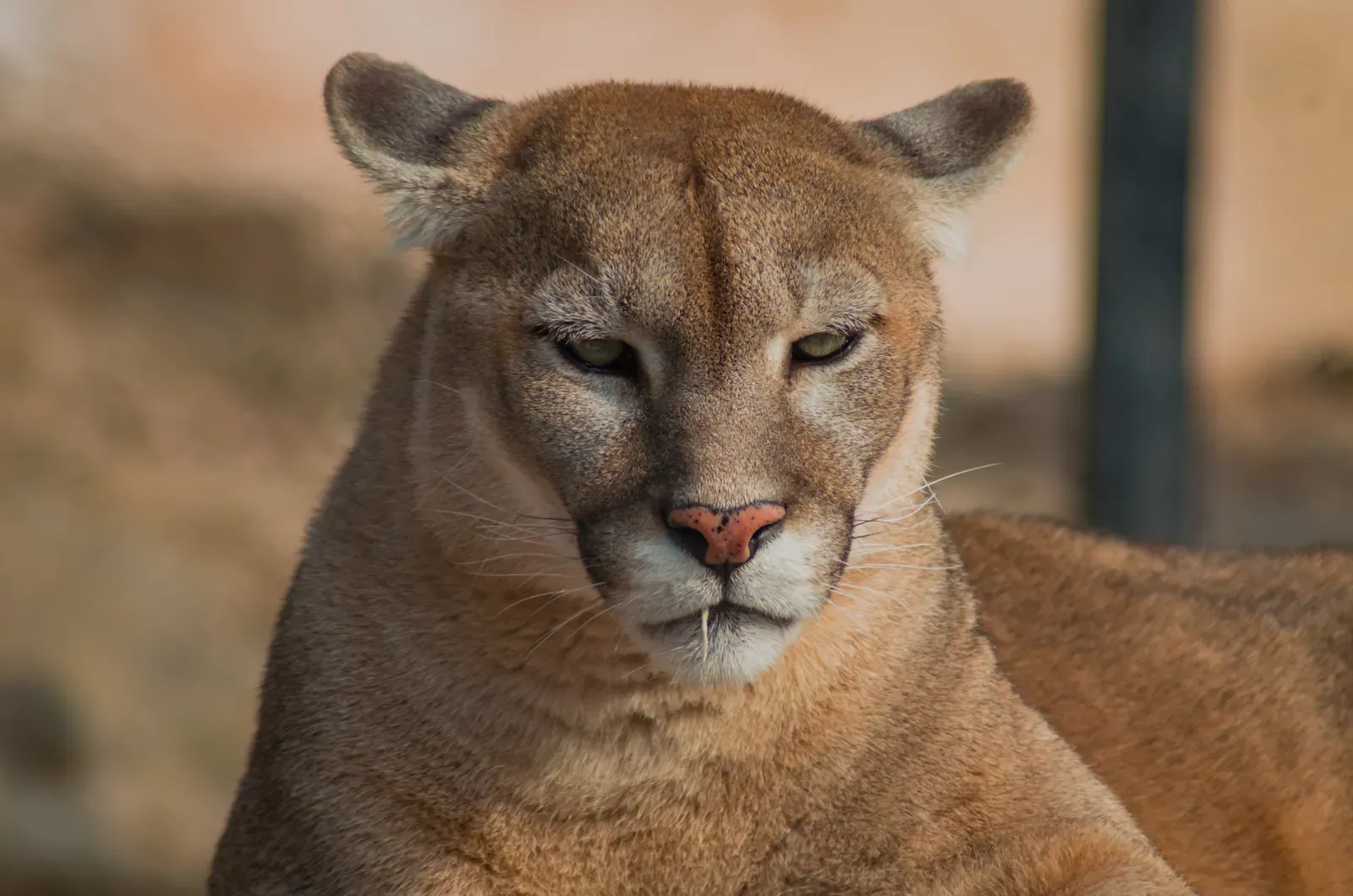
If you find yourself face to face with a mountain lion, your first instinct might be to bolt. Don’t do it. Running may stimulate a mountain lion’s instinct to chase, which is the last thing you want to trigger. These cats can sprint at incredible speeds, and you won’t outrun them.
Experts say to be firm and confident, as running can sometimes trigger a predatory chase or response from the animal. Instead, you need to stand your ground. Make direct eye contact with the lion. Face it squarely and let it know you’ve seen it.
Think of it like this: in the animal’s mind, prey runs and predators stand tall. You want to flip that script immediately. Your body language needs to scream “I am not food” rather than “chase me.” I know it sounds crazy, but staying put is your best survival strategy.
Make Yourself Appear Larger and More Threatening

Now that you’re standing still, it’s time to look intimidating. Do all you can to appear larger by raising your arms, opening your jacket if you are wearing one, waving your arms slowly and speaking firmly in a loud voice. This isn’t the moment for politeness or quiet observation.
The goal here is simple: convince the mountain lion that you’re not prey. Humans resemble four-legged prey animals when crouching down or bending over, so avoid any posture that makes you look like dinner. Spread your arms wide, puff out your chest, and make yourself as imposing as possible.
Some people have successfully scared off mountain lions with loud noises, thrown rocks, or even unusual sounds. Honestly, whatever works in the moment is fair game. The idea is to shatter the cat’s focus and make it reconsider whether attacking you is worth the trouble.
Protect Children and Pets Immediately

Pick up small children, as the mountain lion will see small children as easier prey. This is critical because kids are more vulnerable and might panic and run if left to their own devices. However, you need to do this carefully.
Pick them up if possible so that they don’t panic and run, although it may be awkward, pick them up without bending over or turning away from the mountain lion. Yes, this sounds like a circus act, but it’s absolutely necessary. Bending over changes your silhouette and could trigger an attack.
Pets are equally at risk. A lion may perceive a pet as prey, so if your dog or cat is with you, bring them close without making sudden movements. Honestly, keeping pets indoors during dawn and dusk hours, when mountain lions are most active, is your safest bet.
Use Your Voice and Throw Objects

Your voice is one of your most powerful tools in this situation. Regularly speak firmly and calmly at the animal to reinforce that you are human and not something to be messed with. Yelling in a deep, assertive tone works better than high-pitched screaming, which could sound like a wounded animal.
Raise your arms and throw stones, branches or whatever you can reach without turning your back or crouching. The goal isn’t necessarily to hit the lion, but to startle it and demonstrate that you’re willing to defend yourself. Each thrown rock sends a message: I’m not easy prey.
Some folks have even used garden tools, jackets, and other everyday items to fend off approaching lions. In one remarkable case, a young boy scared off a mountain lion by playing his trumpet. Sometimes creativity and noise are your best allies.
Back Away Slowly While Maintaining Eye Contact
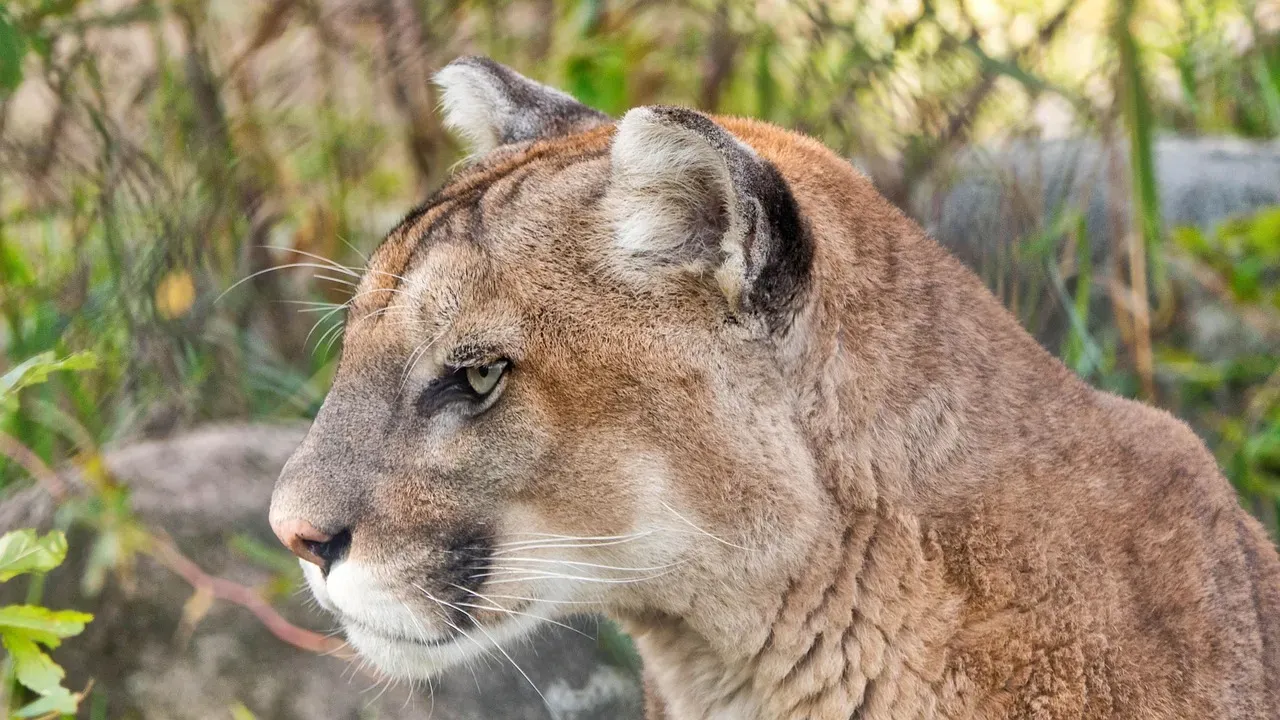
Once you’ve established dominance and the lion seems hesitant, it’s time to create distance. Slowly back away while maintaining eye contact with the lion. This is a delicate dance, as you don’t want to turn your back or move too quickly.
Do not approach a lion, as most mountain lions will try to avoid confrontation, so give them a way to escape. You’re essentially offering the animal an exit strategy. If it feels cornered, it’s more likely to lash out defensively.
Keep your movements slow and deliberate. Imagine you’re moving through water, every step measured and controlled. The mountain lion is watching you closely, and any sudden movement could change the dynamic instantly. Your patience here could literally save your life.
Fight Back Fiercely If Attacked
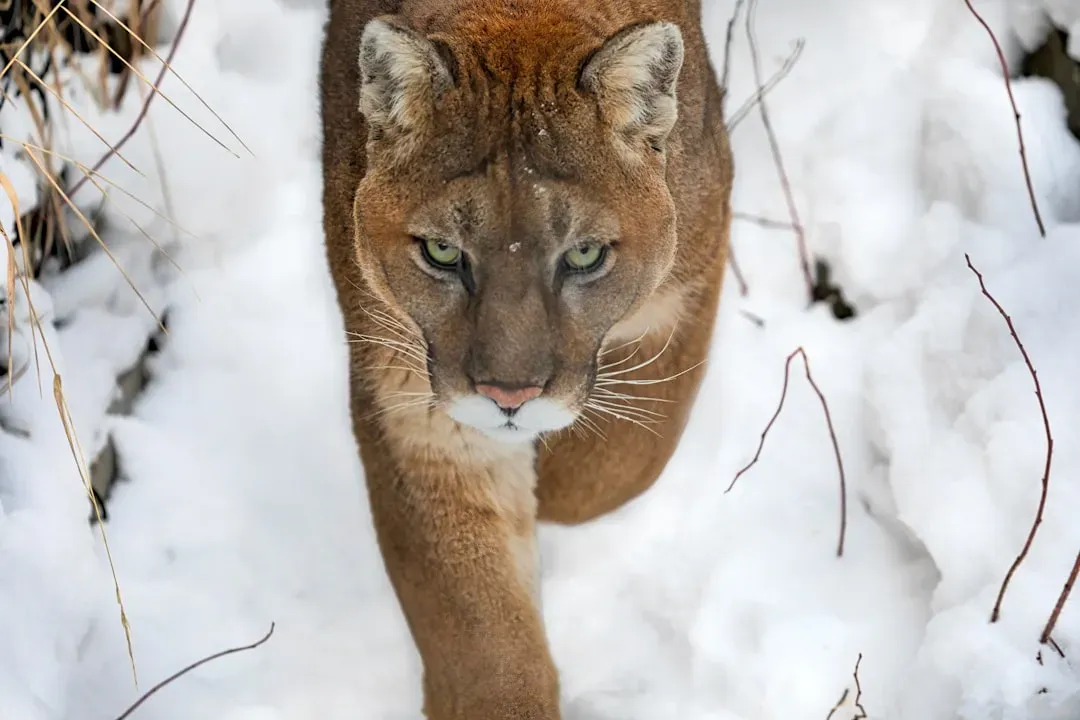
Let’s hope it never comes to this, but if a mountain lion does attack, you need to fight with everything you’ve got. Fight back if attacked, as mountain lions usually try to bite the head or neck, so try to remain standing and face the attacking animal. This is a fight for survival.
Try to remain standing to protect head and neck and, if attacked, fight back with whatever is at hand, as people have used rocks, jackets, garden tools, tree branches, and even bare hands. There’s no such thing as fighting dirty when a predator is trying to kill you. Go for the eyes, nose, and face.
Many people have successfully fought off mountain lions and survived. The animal needs to understand that you’re a dangerous opponent, not an easy meal. Your ferocity and determination can make all the difference between life and death in these terrifying moments.
Report the Sighting to Authorities Right Away

After the encounter, even if nothing happened, you need to report it. Residents should report any possible mountain lion sightings immediately to law enforcement or to Montana Fish, Wildlife, and Parks. This information helps wildlife officials track animal movements and assess potential risks.
If you see a mountain lion that seems too comfortable around people, attacks pets or livestock, or behaves aggressively, report it right away to the FWP office. These reports are critical for public safety. Wildlife managers use this data to determine if a particular animal needs to be relocated or monitored more closely.
Documentation matters. Take photos or videos if you can do so safely, note the time and location, and describe the animal’s behavior. The more details you provide, the better officials can respond to protect both humans and wildlife.
Prevention Strategies to Keep Lions Away From Your Property
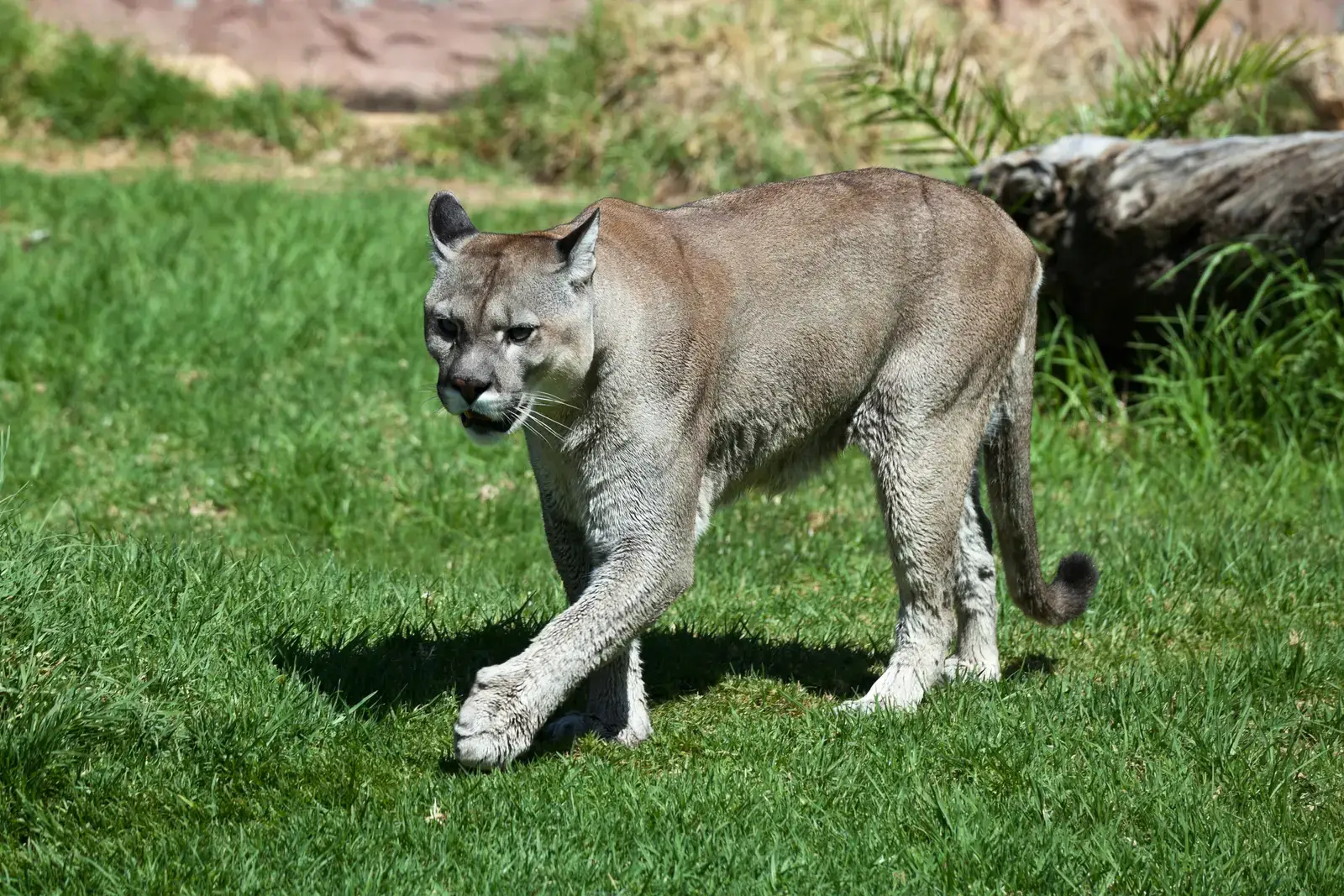
The best encounter is one that never happens. Always supervise children when they’re playing outside, especially during dawn and dusk when lions are more active, and don’t make your yard a buffet by feeding pets outside or putting out food for wildlife. These simple steps can dramatically reduce your risk.
Bring pets inside at night and keep small livestock secure in enclosed areas, making sure sheds or barns are fully closed, as curious lions may poke their heads in. Motion-activated lights can also be effective deterrents. Lions prefer to hunt under cover of darkness, so lighting up your property makes it less appealing.
Don’t feed deer or leave food sources accessible. If deer congregate on your property, mountain lions will follow. Remove brush piles and dense vegetation near your home that could provide hiding spots for predators. Creating an open, well-lit perimeter around your house is one of the smartest things you can do.
Understand the Reality of Mountain Lion Behavior
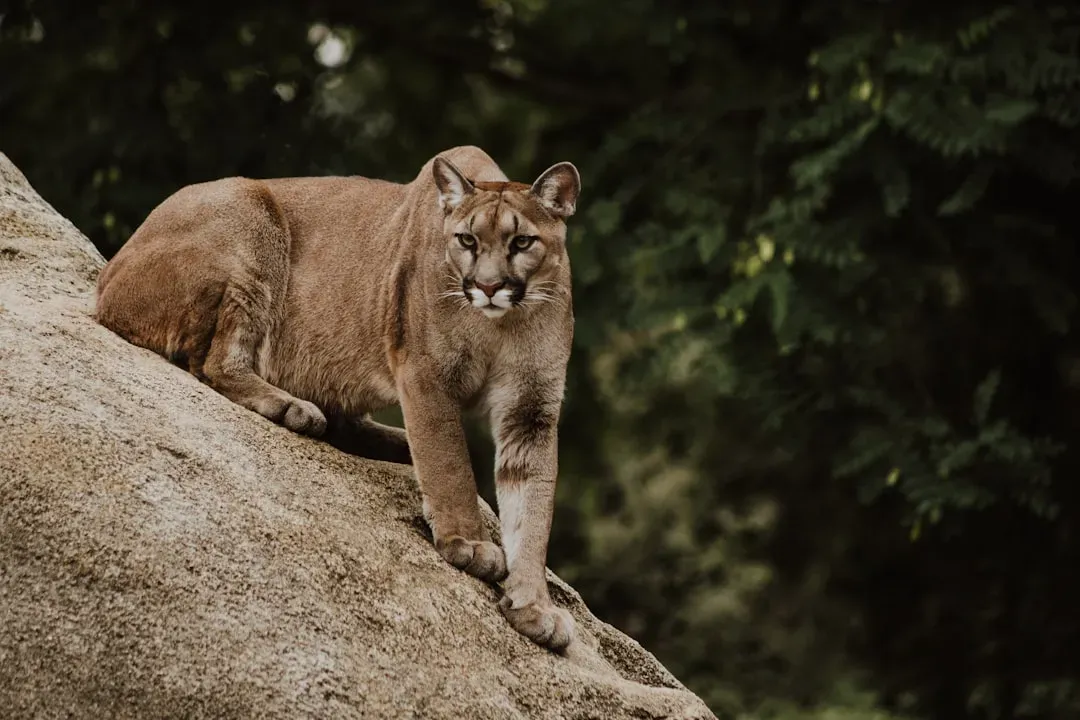
Most close conflict encounters happen with bears and moose, and even otters, than with mountain lions. That’s actually reassuring when you think about it. These cats are naturally secretive and elusive, preferring to avoid humans whenever possible.
It is quite unique to be able to see one, and it doesn’t happen every day, according to Montana Fish, Wildlife, and Parks officials. Most Montanans live their entire lives without ever glimpsing one of these magnificent animals in the wild. If you do see one, you’re witnessing something genuinely rare.
Mountain lions are solitary hunters that cover enormous territories. Their natural wariness of humans is your best protection. Understanding their behavior helps you respond appropriately rather than panicking. These aren’t mindless killing machines, they’re intelligent predators trying to survive in an increasingly human-dominated landscape.
Know When to Seek Help and What Resources Are Available
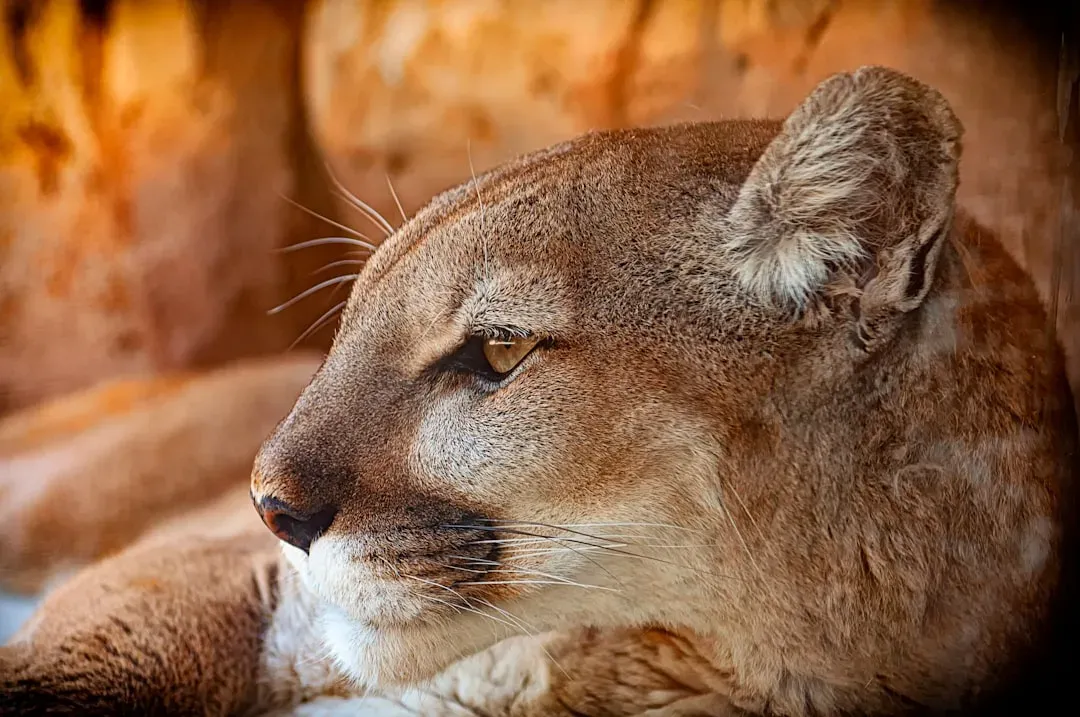
If a mountain lion is lingering around your property or showing concerning behavior, don’t try to handle it yourself. Report any possible mountain lion sightings immediately to law enforcement or to Montana Fish, Wildlife, and Parks. They have trained professionals who can assess the situation and take appropriate action.
Montana Fish, Wildlife, and Parks maintains resources and educational programs about living safely in mountain lion country. They can provide guidance on securing your property, protecting livestock, and reducing attractants. Wildlife officers may also use hazing techniques to discourage lions from staying in residential areas.
Remember that your chances of encountering a mountain lion are small, however, mountain lion sightings have been on the rise as humans increasingly enter these cats’ territory. Knowing the right contacts and resources before an emergency happens puts you ahead of the game. Keep important phone numbers saved in your phone and educate your family about proper procedures.
Conclusion
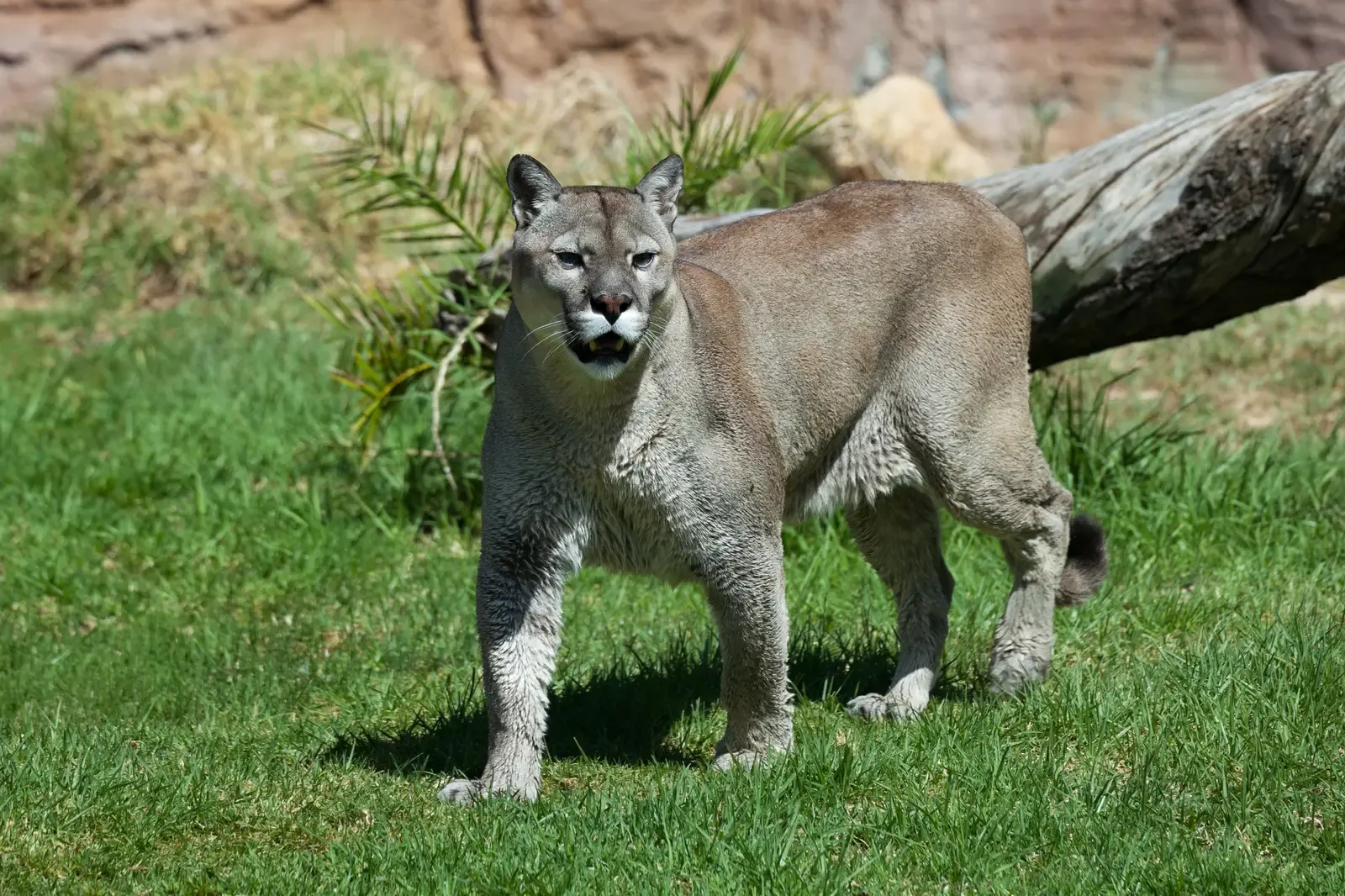
Encountering a mountain lion in your Montana backyard is unsettling, there’s no denying that. However, knowing how to respond can transform terror into confidence. Stand tall, make noise, protect the vulnerable, and never turn your back. These big cats are part of what makes Montana wild and beautiful, even when they venture a bit too close for comfort.
Living alongside mountain lions requires respect, awareness, and preparation. By taking simple preventative measures and knowing exactly what to do if you spot one, you’re protecting both yourself and these remarkable predators. After all, we’re the ones who chose to build homes in their territory. What’s your game plan if you spot one tomorrow morning? Think about it now, before you need it.