Every cat owner has faced that sinking feeling of discovering a mess in the wrong place. Your heart drops, your frustration rises, and you can’t help wondering why your perfectly trained cat has suddenly abandoned their litter box. This behavior problem affects nearly one in ten cats at some point in their lives, making it one of the most common issues veterinarians and pet behaviorists encounter.
The reality is that cats don’t stop using their litter box out of spite or stubbornness. When your cat doesn’t use their litter box, they’re trying to tell you something is wrong in their life, and it’s up to you to figure it out. Whether you’re dealing with a kitten, adult cat, or senior feline, understanding the root cause is the first step toward solving this frustrating problem. Let’s explore the most effective solutions to get your furry friend back on track.
Check for Medical Issues First
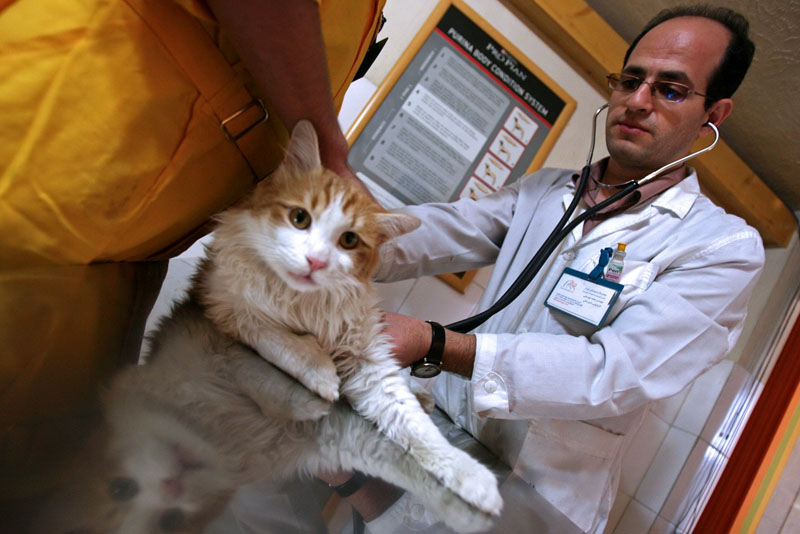
Several medical conditions can result in a cat not using the litter box, so you’ll want to rule these out before looking at other potential causes. Your first stop should always be the veterinarian’s office when your cat suddenly changes their bathroom habits.
According to the American Society for Prevention of Cruelty to Animals (ASPCA), common causes include a urinary tract infection, Feline Interstitial Cystitis and kidney stones. Some signs that your cat might need an urgent vet visit are straining to urinate, licking his/her genital area excessively, and blood in the urine. These symptoms require immediate attention and can’t wait.
The good news is that most medical conditions that cause a cat to suddenly stop using the litter box use can be easily and inexpensively remedied. Early detection makes treatment much more successful and less costly in the long run.
Clean the Litter Box More Frequently
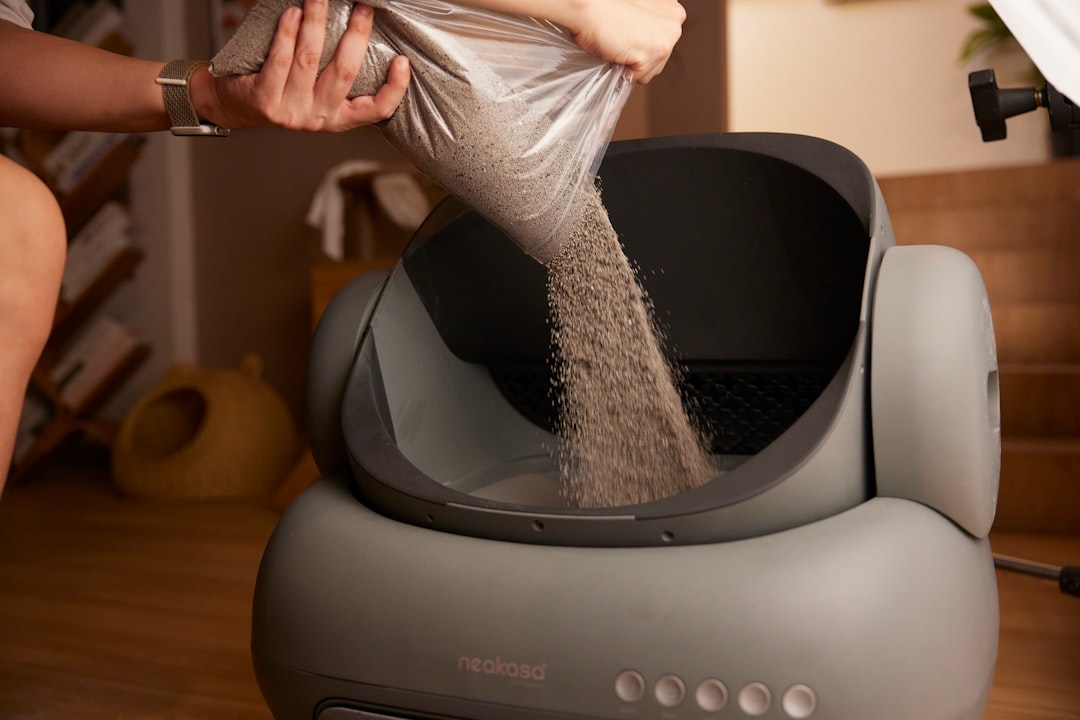
The reason why your cat stopped using the litter box may be right under their cute, little (and very sensitive) nose: It stinks! Cats like a clean litter box and will have no problem opting for a potted plant if their designated space is not up to their standards.
The pan should be scooped out every single day, and then washed out and refilled with fresh litter at least once a week. Some cats are particularly finicky about cleanliness and may require twice-daily scooping. Think about it from their perspective – would you want to use a dirty bathroom?
Scoop the box at least twice a day and be sure to completely clean, disinfect, and replace all the litter in the boxes every week. Cats don’t want to step in a dirty litter box. This simple change alone solves many litter box problems without any other interventions needed.
Evaluate Your Litter Box Setup
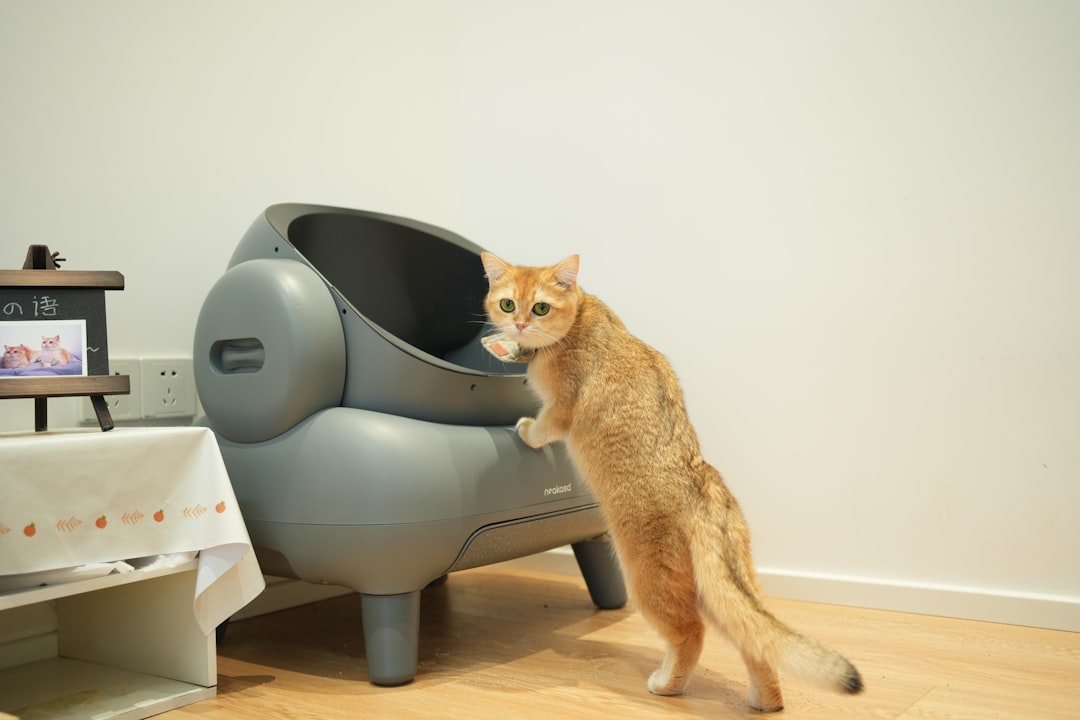
Once you’ve ruled out possible medical conditions as the reason your cat stopped using the litter box, turn your attention to the litter box itself. This is most often the culprit. The box itself might be the problem, not your cat’s behavior.
One thing to consider is whether your cat might not be aiming well because the box isn’t big enough, or the sides of the box aren’t high enough. Adult cats need room to turn around comfortably and dig without feeling cramped.
Most commercial litter boxes are too small to comfortably accommodate adult cats, so try a large plastic storage box (such as the ones designed to fit under a bed) and see if a little more room might make a difference. Many pet stores sell boxes that look adequate but are actually too small for average-sized cats.
Consider the Type of Litter You’re Using
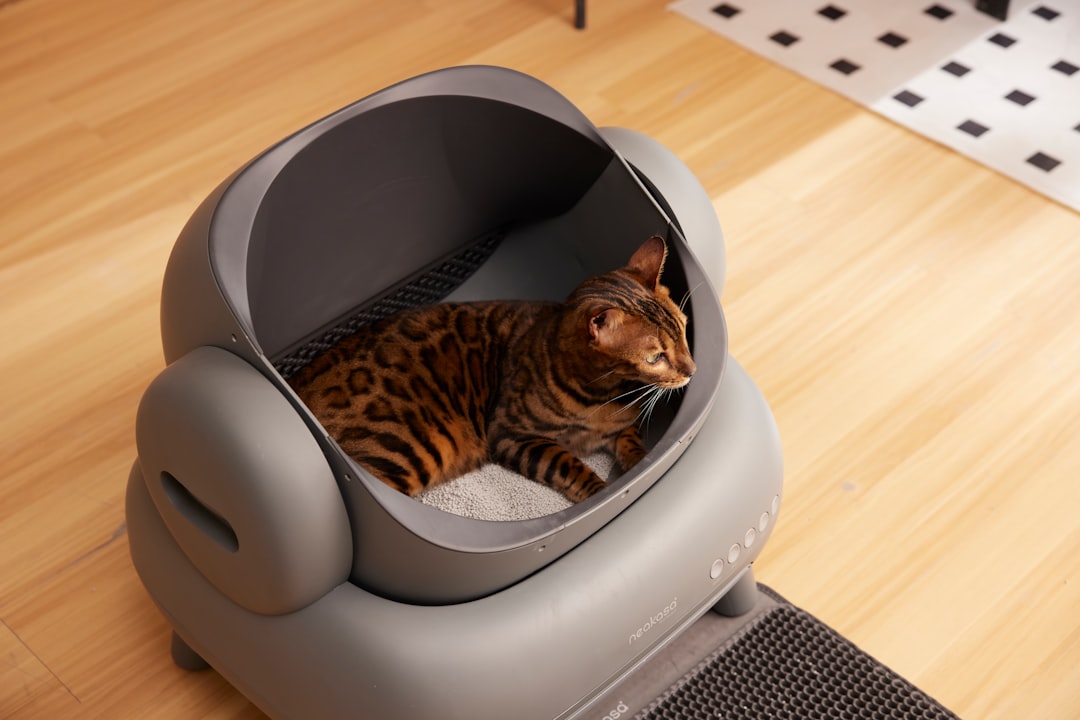
The type of litter may also play a role. Cats may prefer different types of litter and these preferences can change over time. What worked for years might suddenly become unacceptable to your feline friend.
Cats have sensitive noses and are not fond of chemical or perfume scents. Studies have shown that the most appealing type of litter to most cats is unscented clumping litter that’s the consistency of fine sand. Most cats prefer unscented, clay-clumping litter, which is easy for cats to dig and bury their waste in without the distraction of added smells.
Set up a “litter buffet” with several boxes, each containing a different type of litter. Observe which box your cat uses most frequently. Once you’ve identified their preference, gradually transition all boxes to this litter type. This method takes the guesswork out of finding their preferred texture and scent.
Fix the Location Problem
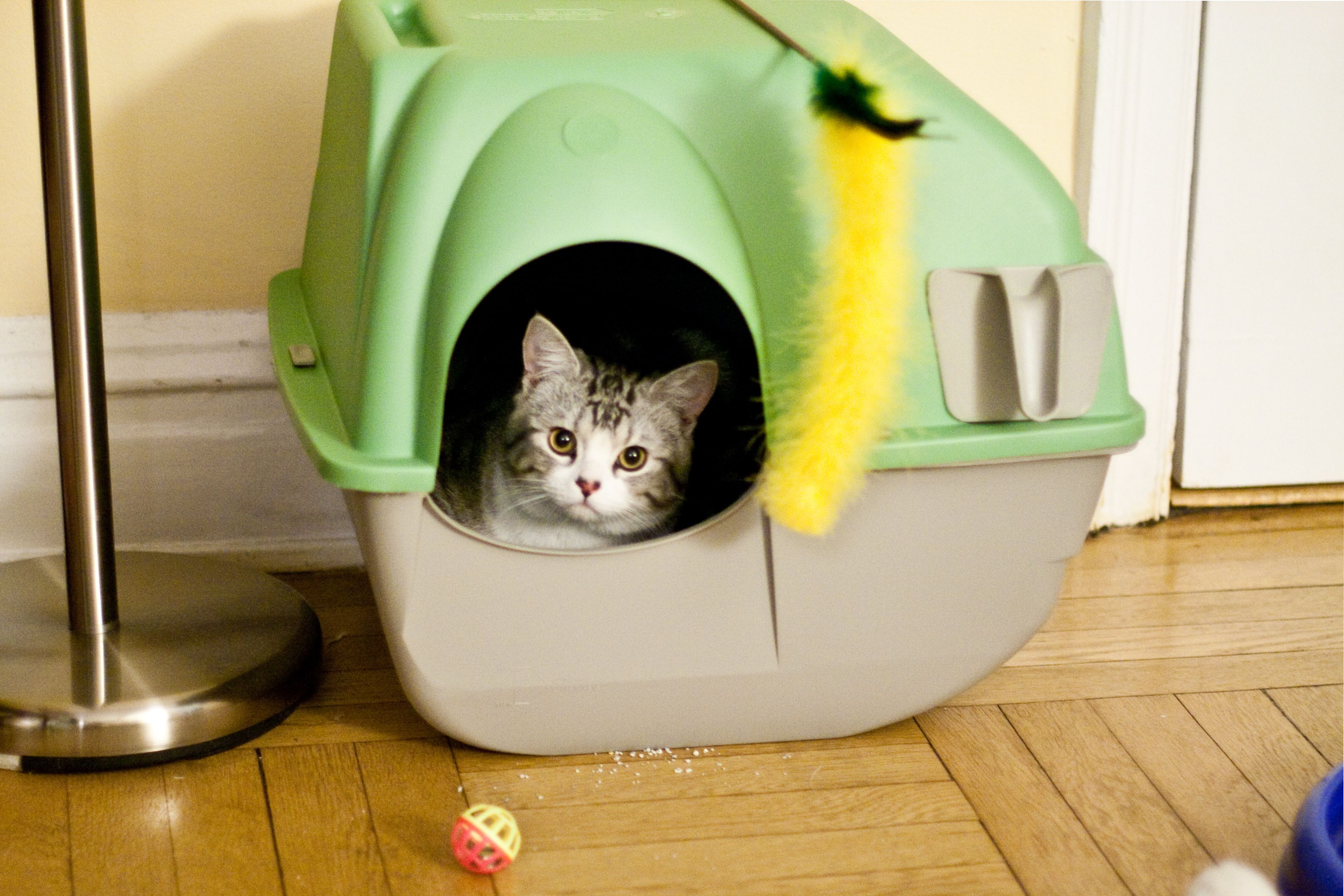
Like people, cats prefer a bit of peace and quiet when they go to the bathroom. As an example, while the laundry room might seem like a good “non-public” space to hide a litter box, your cat might not feel comfortable with the noise of a running washer and dryer. If this is the case, the litter box may go unused.
Be sure to put litter boxes in quiet areas with fewer obstacles and less traffic. Your cat needs to feel safe and secure while using their bathroom facilities. Busy hallways, near dog food bowls, or close to loud appliances create stress.
Cats are creatures of habit, so don’t move the litter box suddenly. If you have to move a box from an established location, do it gradually (in extreme cases, just a few inches a day) to give your kitty time to adjust.
Add More Litter Boxes to Your Home
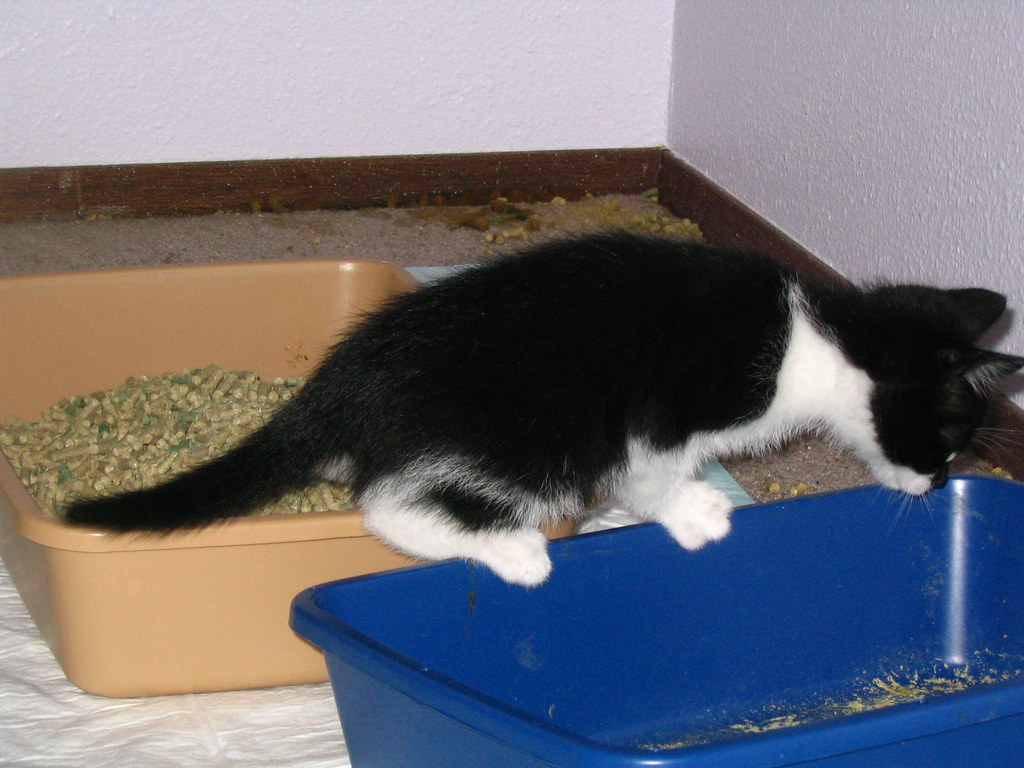
The rule of thumb is the number of litter boxes you should have should equal the number of cats, plus one. So, if you have two cats, for example, you should have three litter boxes available for them to use. This formula prevents competition and ensures backup options.
Also, these boxes should be spaced out. If they are too close to each other they can be treated as one box. Place them on different floors or in different rooms to give your cats genuine choices.
Some cats like to have separate boxes for solids and liquids. In multicat homes, cats often dislike sharing the facilities. Having multiple boxes eliminates territorial disputes and accommodates different preferences within your cat family.
Address Stress and Environmental Changes
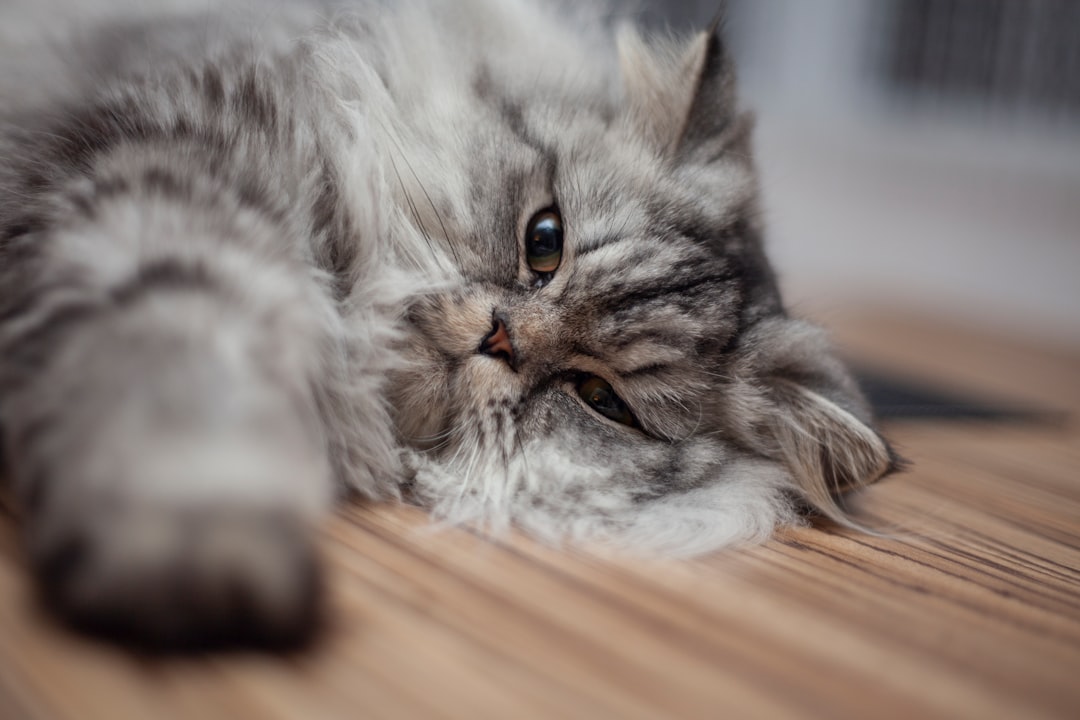
Any of the above issues could cause your cat stress, which can affect their relationship with the litter box. Stress can also result from changes in their life or environment, such as a move to a new home, someone special moving or passing away or the addition of another pet to the family.
Stress can cause litter-box problems. Cats can be stressed by events that their owners may not think of as traumatic. Changes in things that even indirectly affect the cat, like moving, adding new animals or family members to your household – even changing your daily routine – can make your cat feel anxious.
Maybe you’ve moved, or you have a new baby, or a new cat. Changing their environment or routine can stress cats, and sometimes that stress can even lead to a medical issue like a UTI. Creating consistency and providing safe spaces helps reduce this anxiety.
Special Considerations for Senior Cats
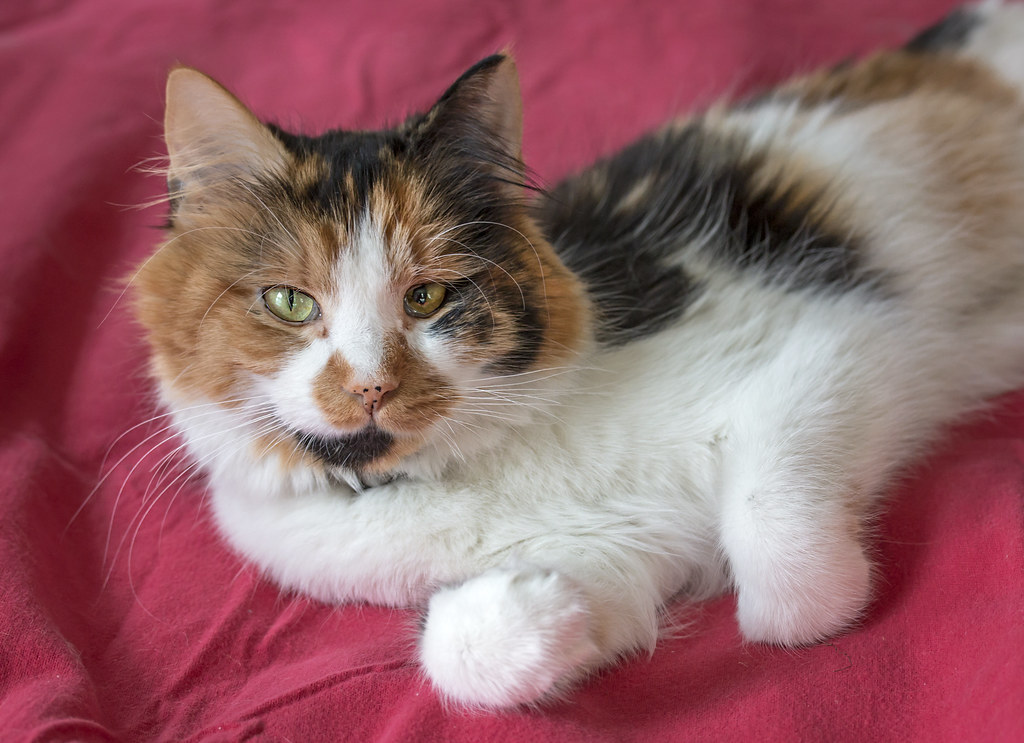
Eyesight loss, constipation, pain from arthritis, kidney disease, feline urinary issues like feline idiopathic cystitis, urinary stones or urinary tract infections (UTIs) can cause a senior cat to not use their litter box. Some cats may also experience pain when getting into the litter box. Older cats face unique challenges that require special accommodations.
Senior cats can suffer from mobility issues that mean they’re less able to jump into top-entry litter boxes or exit a litter box with higher sides. They can also do their business over the sides of a standard litter tray and also kick their waste litter out of the box.
Litter boxes for senior cats should have a dropped entry for easier access for cats with limited mobility or arthritis. Consider purchasing boxes designed specifically for senior cats or modifying existing ones by cutting down the front edge.
Proper Cleanup and Odor Elimination
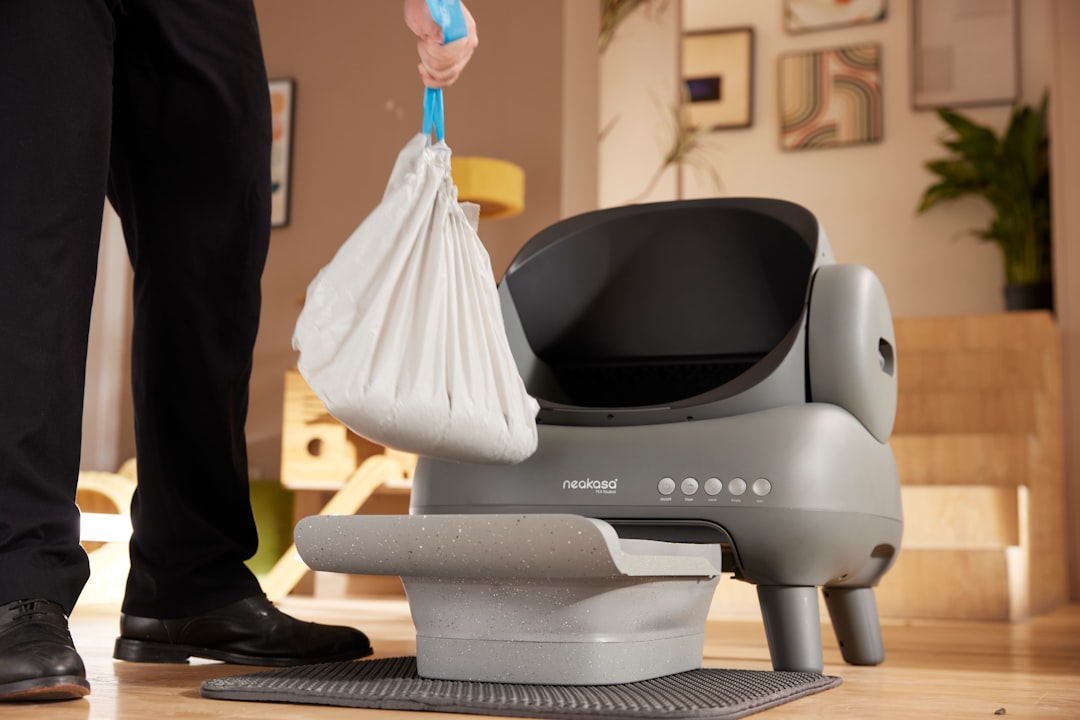
Also, be sure to clean soiled areas outside the box thoroughly using an enzymatic cleaner to help eliminate the odor, so your cat isn’t tempted to use the same spot again. Regular cleaners might mask the odor so that we can’t smell it, but the odor will still be discernible to your cat and can prompt them to continue to use that area as a bathroom.
Enzymatic cleaners contain natural organisms that digest the bacteria that cause stain and odor, making it so that even the pet can’t smell it. Don’t skip this crucial step, as incomplete cleanup practically guarantees repeat accidents.
Cats have a highly developed sense of smell and will continue to soil places where they (or another cat) have previously gone. It is very important to properly clean a soiled area with an enzymatic cleaner which is specifically designed for urine/feces. Other types of cleaners may appear to have done the job, as the smell will be undetectable by our human noses, however, a cat’s superior sense of smell will still be able to detect it.
Create Positive Associations
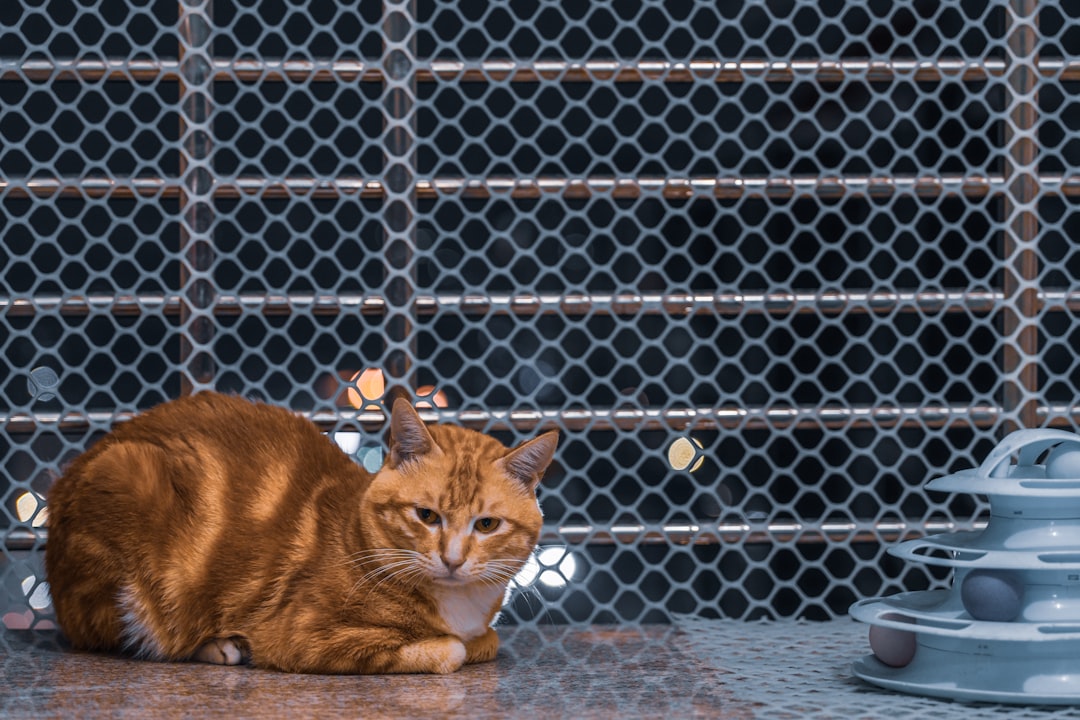
Then, block off the area where your cat is eliminating outside the box, or place something there that serves as a deterrent. For example, if the cat is inappropriately eliminating only in one room, shut the door to that room. Making inappropriate spots inaccessible forces your cat to use proper facilities.
If your cat favors a certain spot, make it less appealing by placing a food bowl, bed or treats there. Cats instinctively avoid eliminating where they eat, so this simple trick often works immediately.
Meanwhile, make the litter box area more appealing by keeping it clean, easily accessible, and stress-free. Some cats respond well to treats given near (not in) the litter box area to create positive associations with that location.
Conclusion: Patience and Persistence Pay Off
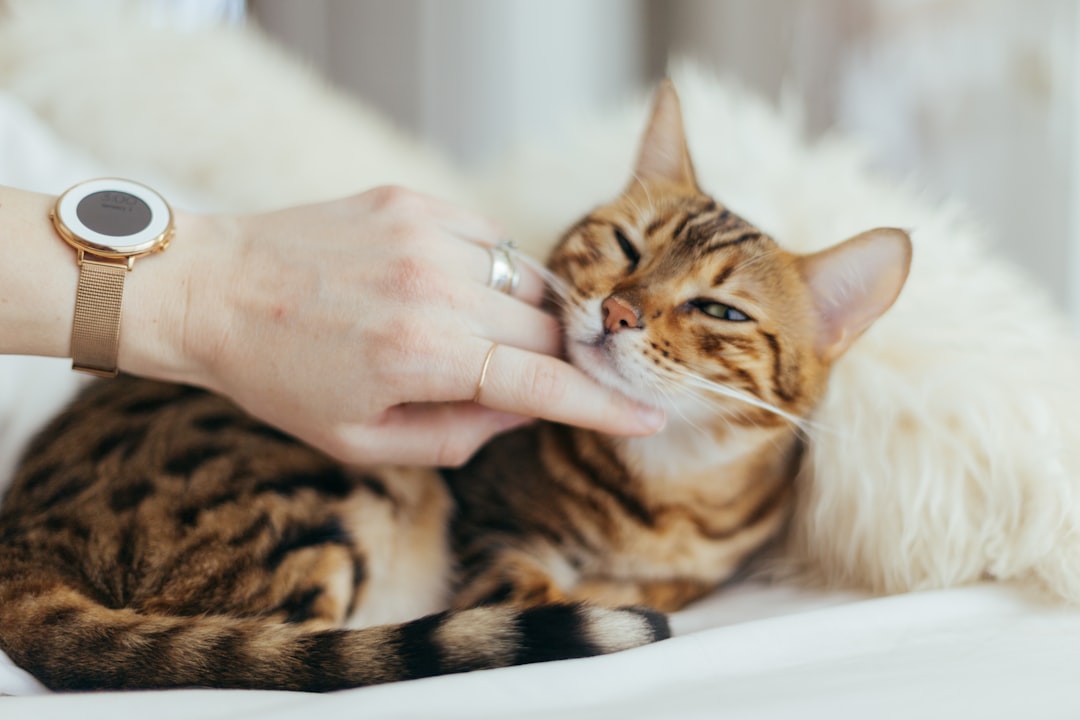
Solving litter box problems requires detective work, patience, and often multiple approaches working together. You may have to investigate several possibilities before you understand what your cat is trying to tell you, but most issues are easy to remedy. Remember that punishment never works and only increases stress for both you and your cat.
Try to keep in mind that cats don’t eliminate outside their litter box to purposefully annoy you. Punishment won’t stop or correct the behavior. Since most cases of litter box avoidance are stress-related, punishment only increases the stress (for you and your kitty) and makes it harder to identify the real cause.
The key is methodically working through potential causes while maintaining your cat’s routine and comfort. Most litter box issues resolve completely once you identify and address the underlying problem. What seems like a major behavioral crisis today can often become a distant memory within weeks with the right approach and some patience.
What strategies worked best for getting your cat back to using their litter box? Share your experience with other cat parents in the comments.