You’ve done it. You’ve sat across from your cat, looked them dead in the eyes, and launched into a full monologue about your day. Maybe you told them about a difficult meeting, what you had for lunch, or just rambled on affectionately while they stared blankly at you. And in return, they simply blinked. Slowly. Possibly looked away. Walked off.
The instinct is to laugh and say your cat doesn’t care. That they hear noise and feel vague irritation. But here’s the thing – science, in the most satisfying way possible, is proving that assumption spectacularly wrong. What your cat actually experiences when you talk to them is far richer, more emotionally layered, and honestly more touching than most people ever imagined. Let’s dive in.
Your Cat Really Is Listening – Science Confirms It
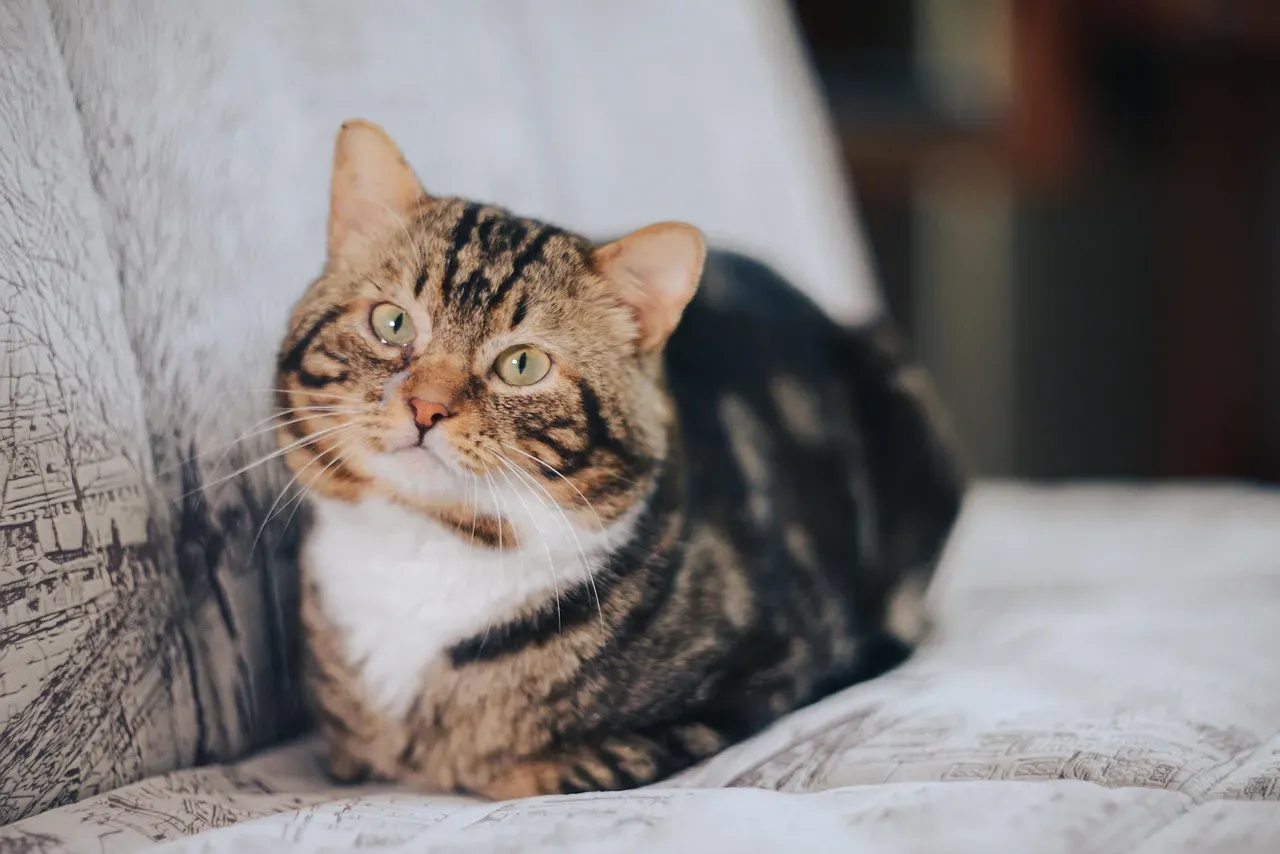
Let’s be real – the “cats don’t care” reputation has followed felines for decades. It’s part of their brand. But the science? Completely different story. Talking to your cat is totally normal, and even though they may seem indifferent to the chatter, research published in Animal Cognition suggests they really are listening.
Without any particular training, cats appear to pick up basic human language skills just by listening to us talk – and remarkably, they learn to associate images with words even faster than babies do, according to a study published in Scientific Reports. I know that sounds a little unbelievable, but here we are.
Although cats have a reputation for ignoring their owners, a growing body of research indicates that cats pay close attention to humans. So the next time your cat gives you that vacant look while you pour your heart out, know that something is quietly clicking in that feline brain.
They Know When You Are Talking Directly to Them
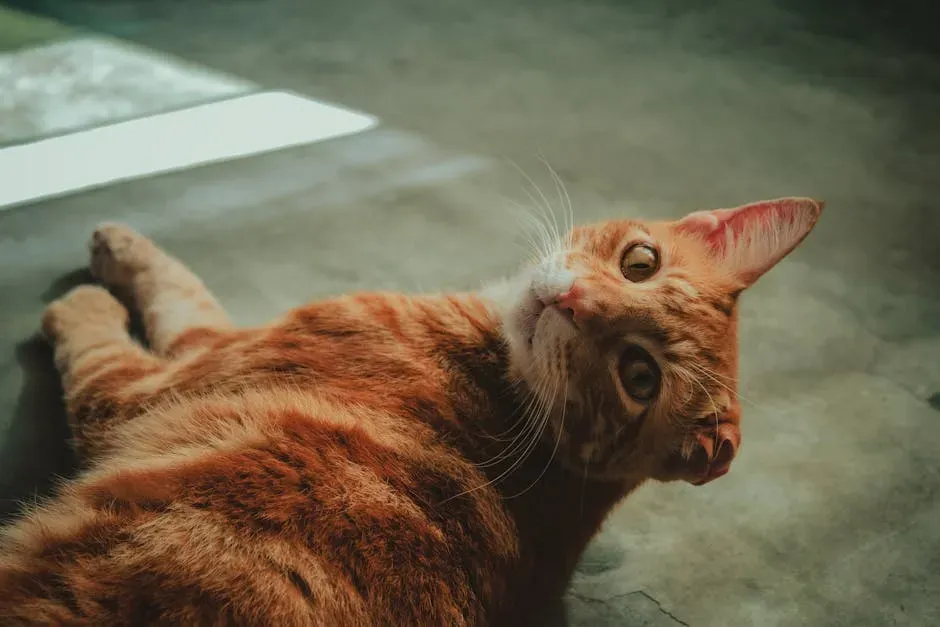
A study found that cats may change their behavior when they hear their owner’s voice talking in a tone directed to them specifically, but not when hearing the voice of a stranger or their owner’s voice directed at another person. That distinction is genuinely remarkable. Your cat is not just hearing sound – they are filtering it, prioritizing it, sorting it like tiny furry librarians.
The felines only reacted when they heard “cat-directed speech,” suggesting they are able to distinguish between phrases uttered for their benefit and those intended for someone else’s ears. Think about that for a second. Your cat understands the difference between you talking to them and you talking to a friend on the phone.
Cats know when a person is talking to another person and essentially ignore this communication. In other words, they’ve quietly decided your adult conversations are none of their business. Honestly? Fair enough.
The Tone of Your Voice Matters More Than Your Words
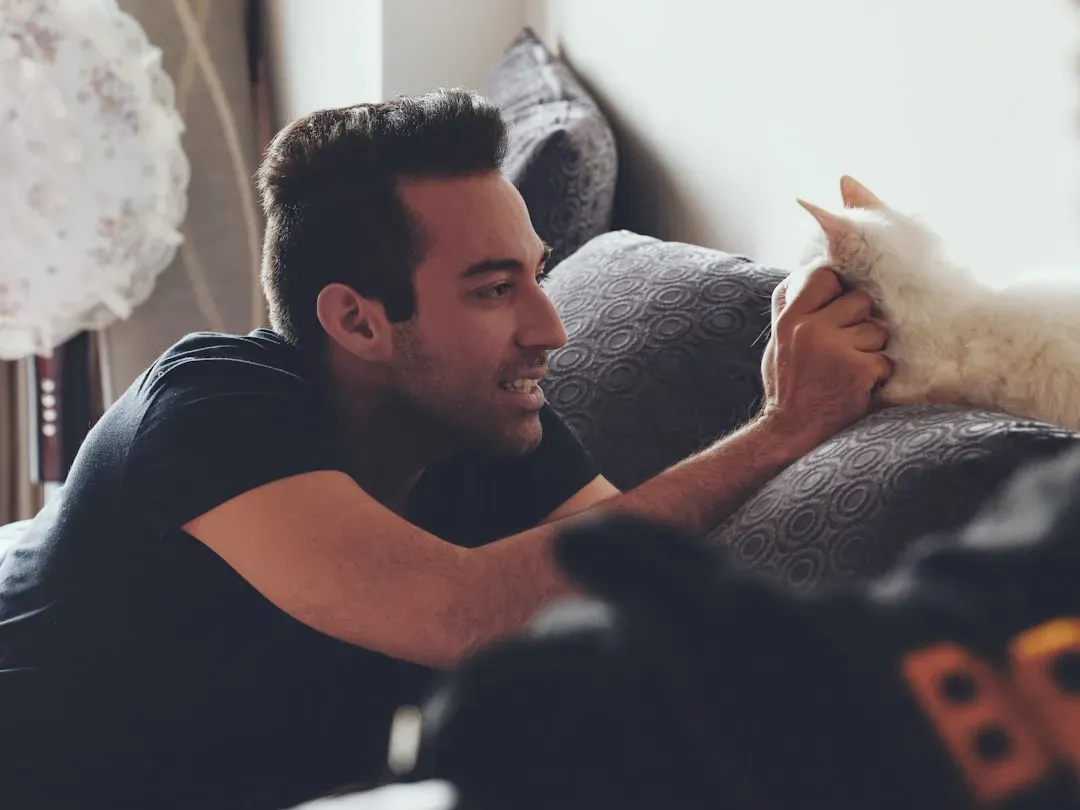
Here’s something most cat owners get wrong. You might assume the actual words matter most. They don’t. Tone is everything to a cat. Cats understand around 20 to 40 human words, but they associate words and distinguish between them through tone of voice and body language rather than understanding the meaning of a word itself.
Researchers in France subjected house cats to recordings of their owner or a stranger saying various phrases in cat-directed or human-directed speech. Much like baby talk, cat-directed speech is typically higher pitched and may have short, repetitive phrases. Cats respond to the warmth and rhythm of your voice the way you’d respond to music rather than a lecture.
Cats rely heavily on tone of voice, body language, and facial expressions to interpret human communication. They are particularly attuned to changes in pitch and emotional inflections. So speaking sweetly to your cat isn’t silly. It’s actually the most effective language you can use.
Your Cat Recognizes Your Voice Above All Others
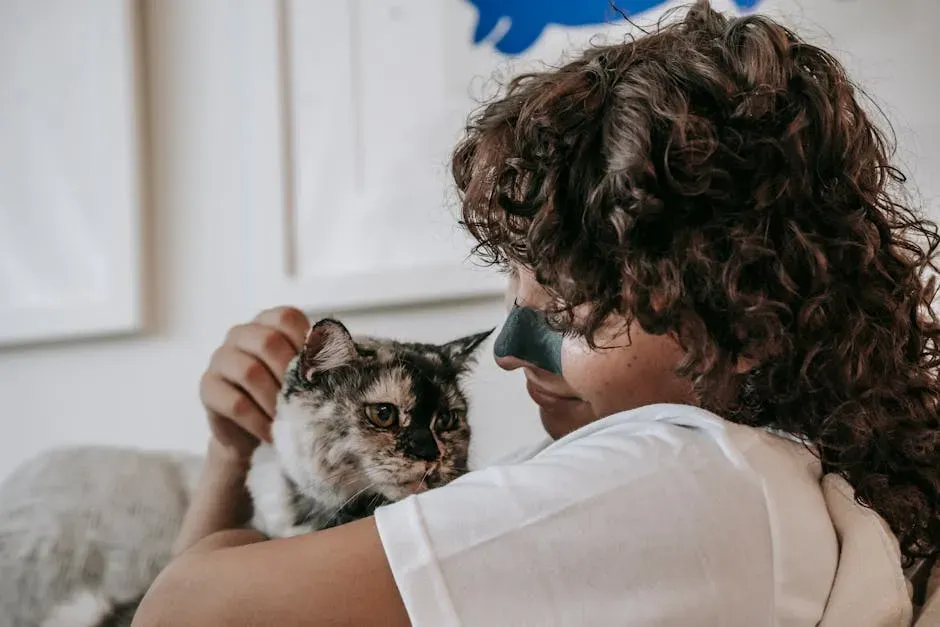
This one hits differently. When you come home after a long day and call your cat’s name, something specific happens in their brain that doesn’t happen with anyone else’s voice. A study published in the journal Animal Cognition demonstrated how cats change their behavior when they hear their owner’s voice in a tone directed to them, but not when their owner is talking to other people. This difference is only apparent when the cats are spoken to by their owners and not when approached by strangers.
Ten out of sixteen cats showed decreased interest when a stranger called out their name, but they became engaged again when the voice speaking to them was that of their human. Eight of those same cats again showed a loss of interest when they heard their human talk to another human, but gained interest when they could tell the human was talking to them.
Researchers suggest that their findings bring a new dimension to cat-human relationships, with cat communication potentially relying on experience of the speaker’s voice. They conclude that one-to-one relationships are important for cats and humans to form strong bonds. Your voice, it seems, is irreplaceable to your cat.
Cats Can Learn Words Through Association – Not Just Instinct
If you’ve ever noticed your cat sprinting into the kitchen the moment you say “dinner,” you’ve witnessed associative learning in action. Cats learn to understand words through something called associative concept training. By using positive reinforcement such as treats, you can teach your cat to associate the sound of certain words with a specific activity.
Cats are highly intelligent creatures, and while they lack the cognitive ability to understand words and language in full, they are able to develop responses to certain words through association with certain actions. It’s a bit like learning that a bell means food – Pavlov would have had a field day with cats.
The words that are repeated most frequently are the ones cats are most likely to respond to. So if you want your cat to truly understand something, consistency is your best friend. Say it the same way, in the same context, over and over. It works. Maybe not on the first try. Or the fifteenth. But eventually, it really does work.
Your Cat Learns Faster Than You Might Expect
This is the part that genuinely surprised me when I first came across it. A cat learns to associate spoken words with on-screen images, then later sees those same images again while hearing mismatched words. On average, cats spend a third more time looking at the screen when they hear “wrong” words spoken, suggesting they – like human toddlers – rapidly link words to images.
In a surprising twist, researchers compared the performance of cats to that of human infants. The results were astonishing: cats demonstrated the ability to form word-image associations more rapidly than fourteen-month-old human babies. Take that in. Your cat is, in some respects, a faster learner than a human toddler.
Cats are more subtle than dogs, but we now know they have a lot of these abilities as well. The lesson here is to never underestimate the creature silently judging you from the top of the bookshelf. They are taking it all in.
Talking to Your Cat Strengthens Your Bond in Real, Measurable Ways
Here’s where things get genuinely heartwarming. When you talk to your cat, something chemical is actually happening between you. A study published in Hormones and Behavior found that interactions between cats and their owners can lead to an increase in oxytocin levels in both parties, suggesting a reciprocal emotional connection. This hormonal response provides further evidence that cats experience genuine affection and attachment towards their human caregivers.
Regularly interacting with your cat using positive vocalization and gestures – such as smiling and speaking in an upbeat tone of voice – will reinforce the bond between the two of you. It also provides insight into how your cat uses their own language, both verbal and nonverbal, to converse with you.
Talking to your cat is very important to strengthen your bond. Through using body language and different tones of voice, your cat will soon learn to associate certain words with outcomes, such as feeding or playtime. Every conversation you have with your cat, however one-sided it seems, is quietly building something lasting between you.
Your Cat Reads Your Emotions When You Speak
It’s hard to say for sure exactly how deep cat emotional intelligence goes, but the evidence is stacking up in fascinating ways. Recent research suggests that cats are indeed capable of recognizing human emotional expressions, both positive and negative. When you speak to your cat, you’re not just transmitting words – you’re transmitting your entire emotional state.
Cats are known for their ability to read human emotions and respond accordingly. They can sense when their owner is upset or anxious and may offer comfort through purring or snuggling. That moment your cat jumps into your lap on a hard day? It might not be pure coincidence.
Research suggests that cats can perceive and respond to human emotions, particularly through facial expressions and vocal cues. They may offer comfort when they sense you’re upset. So while your cat may not understand the words “I had the worst day,” they might very well understand the feeling behind them.
The Silence Is Not Annoyance – It’s a Language of Its Own
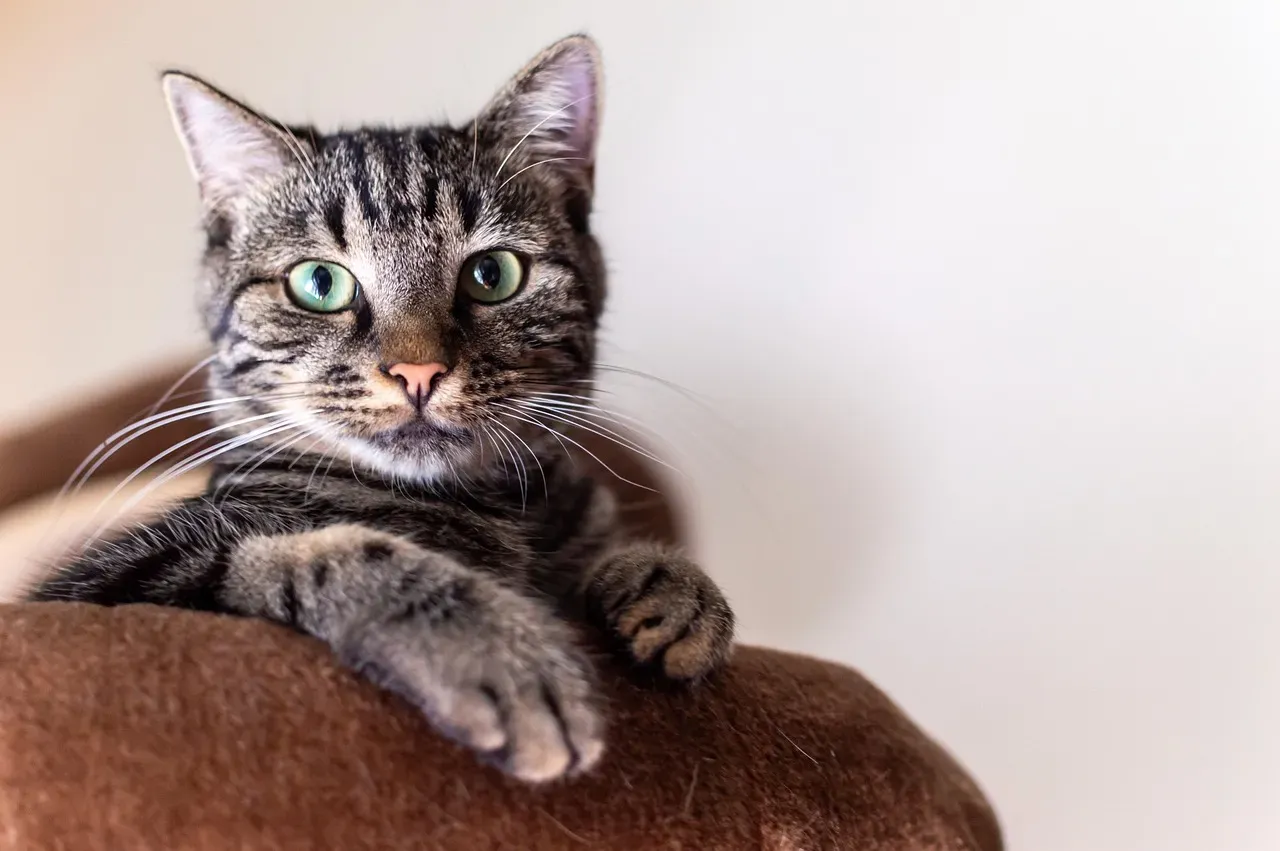
Perhaps the biggest misconception of all is interpreting your cat’s quiet response as rejection or indifference. Let’s flip that entirely. Researchers noted that cats responded when their owners said their names. The cats mostly responded through orienting behavior, such as ear movement and head movement, rather than through communicative behavior like vocalization and tail movement.
Cats communicate differently than dogs. Their displays of affection can be subtler, such as slow blinks, head bunting, or purring, which can be easily missed or misinterpreted. You have to learn a new language to read your cat – and once you do, you realize they’ve been responding to you all along.
Cats may be masters of indifference, but research suggests they are fully aware when they are being directly addressed by their human. The fact that aloof cats don’t always react may reflect a personal choice to ignore rather than an inability to recognize that they are being spoken to. In other words, sometimes they hear you, understand you, and simply decide they’d rather not comment. Honestly, that’s kind of iconic.
Conclusion

Here’s the takeaway – your cat is not annoyed when you talk to them. They are not tuning you out like background noise. They are listening, filtering, recognizing your voice from all other voices, picking up on your emotional tone, and quietly building a bond with you through every single conversation. The silence they return is not emptiness. It’s just a different kind of answer.
Talking to your cat is one of the most genuinely meaningful things you can do for your relationship with them. The companionship of a cat, reinforced by all those little oxytocin boosts from daily interactions, can serve as a buffer against anxiety and depression – in some cases providing comfort on par with human social support. That’s not nothing. That’s extraordinary.
So keep talking. Tell them about your day, your frustrations, your plans for the weekend. They’re not just tolerating it. In their own quiet, complex, wonderfully feline way – they’re actually listening. Did you ever expect the evidence to be this convincing?