You watch your cat methodically lick her belly for what feels like the twentieth time today. At first, you chalked it up to her being fastidiously clean, as cats naturally are. Then you notice the fur is thinning. Maybe there’s even a small bald patch emerging on her flank. You start to wonder: is this normal, or is something wrong?
Here’s the thing. Cats are meticulous groomers by nature, sometimes spending nearly half their waking hours tending to their coats. Yet there’s a fine line between normal grooming and overgrooming, and that line can be surprisingly easy to miss. Your feline companion isn’t going to walk up and announce she’s feeling anxious or that her skin is driving her mad with itchiness. Instead, she’ll do what cats do best: groom excessively as a way to cope or find relief. So let’s dive into what your cat might really be trying to tell you through this seemingly innocent behavior.
When Normal Grooming Crosses the Line
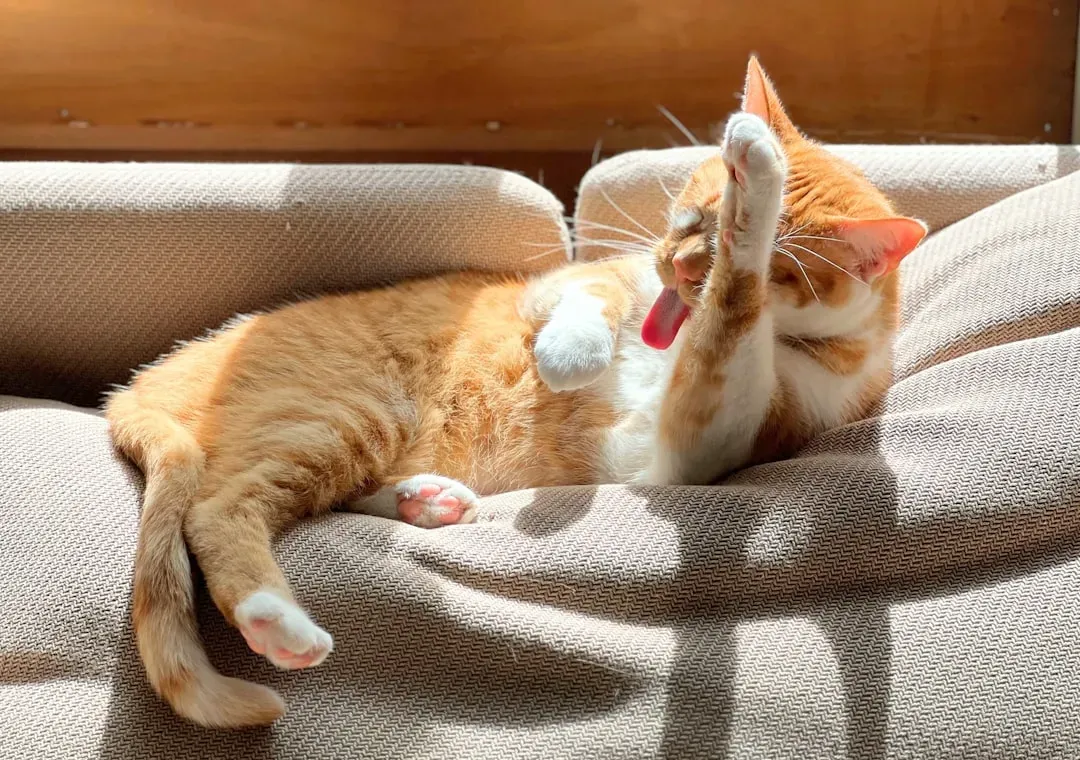
Cats spend as much as two to five hours every day grooming themselves, and this behavior serves multiple purposes. Grooming keeps their coats clean, helps regulate body temperature, and even distributes natural oils throughout their fur. Think of it as their version of a spa day, happening on repeat. So how do you know when your cat has gone from fastidious to frantic?
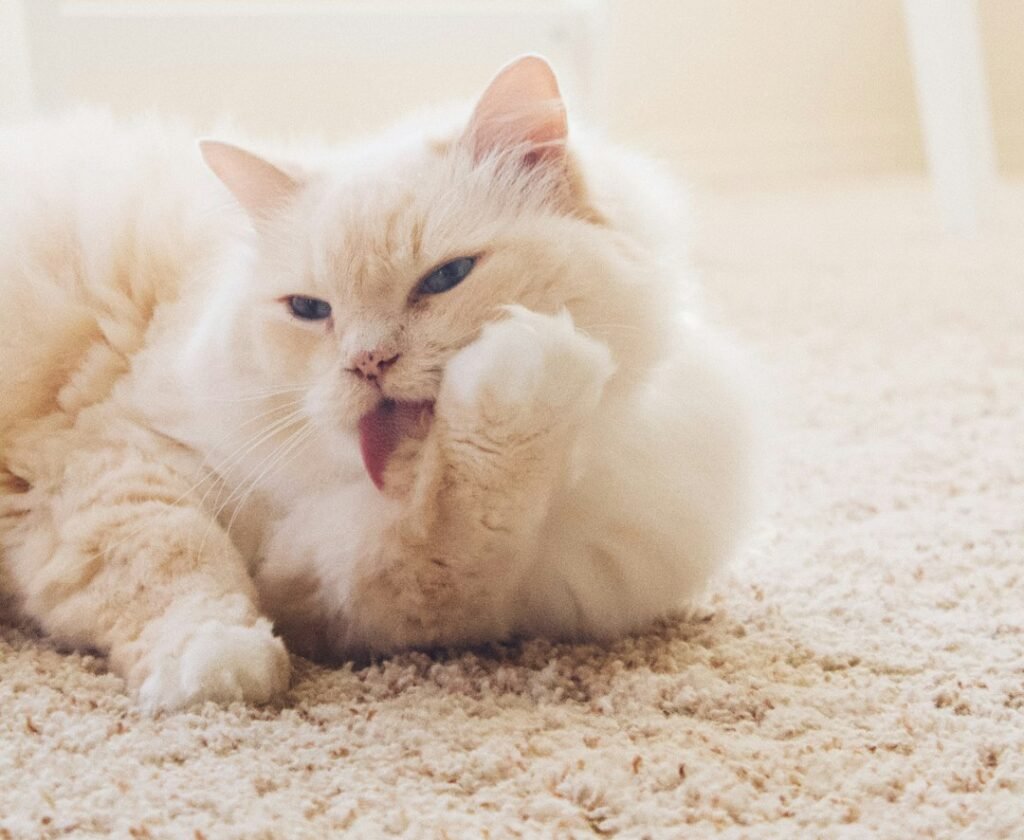
Overgrooming occurs when your kitty starts grooming excessively, licking their fur so much that it causes skin inflammation, sores or hair loss. You might spot areas where the fur looks oddly short or “barbered,” almost like someone took clippers to it. Sometimes the skin underneath becomes red and irritated. In more severe cases, you may find actual bald patches, particularly on the belly, inner thighs, or along the flanks. If you’re discovering clumps of hair around the house or noticing your cat obsessively licking the same spot over and over, it’s time to pay closer attention.
The Hidden Medical Culprits Behind the Licking
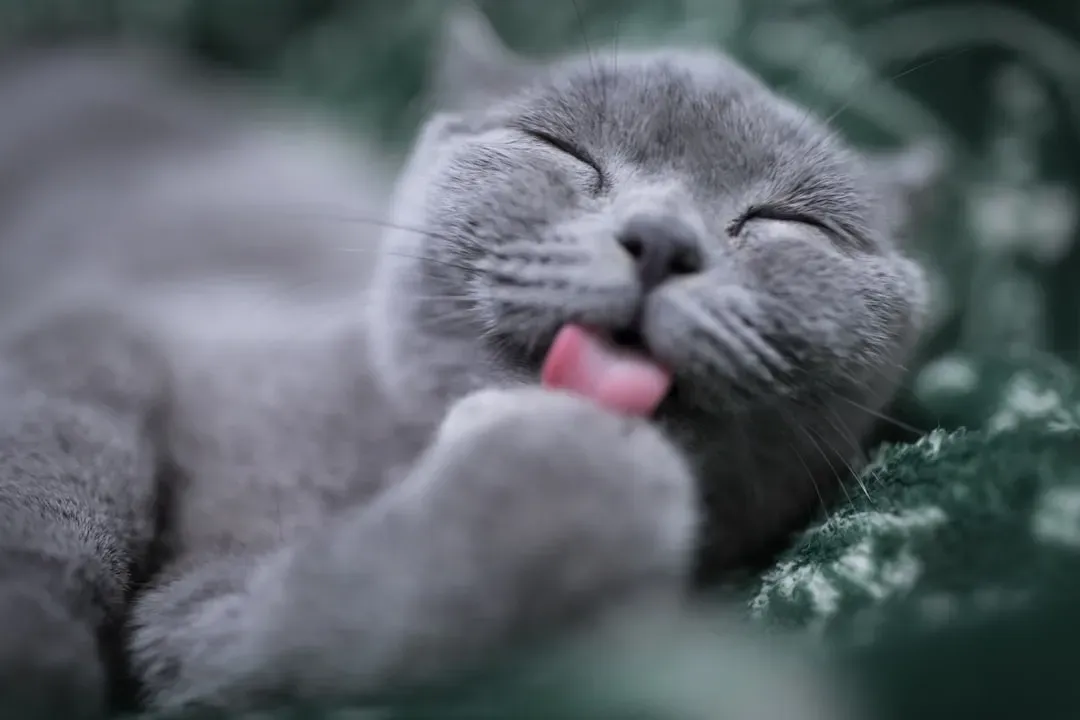
Let’s be real: your cat isn’t overgrooming just to annoy you or ruin your furniture with hairballs. Around 75 percent of cats with overgrooming issues have underlying medical conditions, which means there’s usually something physical driving this behavior. The most common medical offenders? Parasites and skin problems.
Lice, fleas, mites, and ticks can make your cat’s skin extremely itchy, which can lead to excessive grooming. Even if you’ve never actually seen a flea on your cat, it doesn’t mean they’re not there. Cats are such efficient groomers that they often remove the evidence before you ever notice. Skin irritation can be caused by an infection, an allergy to certain foods, parasites, or substances in the environment. Food sensitivities, pollen allergies, or reactions to household cleaning products can all trigger relentless licking and scratching. It’s like your cat is stuck in an endless loop of trying to soothe an itch that won’t quit.
Pain as the Silent Driver
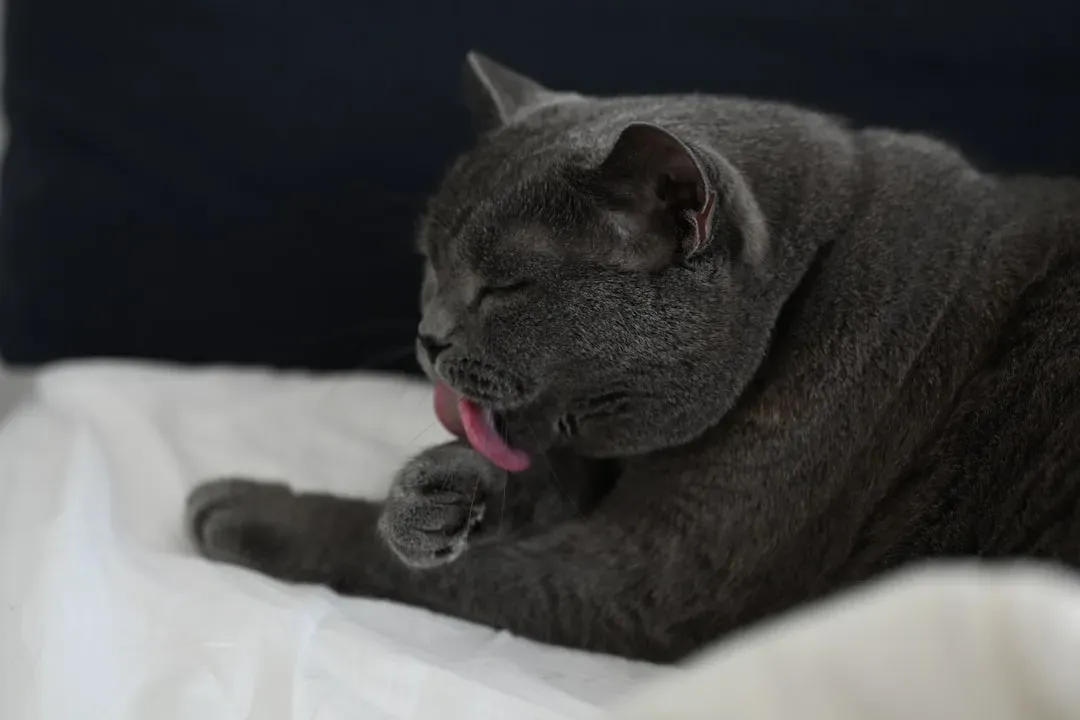
Sometimes the issue isn’t on the surface at all. Overgrooming can indicate that your cat is experiencing pain or discomfort, particularly if they’re repeatedly licking one area of their body. Cats are masters at hiding pain, an evolutionary trait that kept them safe from predators in the wild. In your living room, though, this instinct can make it difficult to recognize when something’s wrong.
Back pain may make your cat overgroom themselves on a specific part of their back, while a urinary tract infection or anal sac impaction may encourage excessive grooming of the lower belly, the genitals, or the area around their anus. If your cat is targeting a particular spot obsessively, she might be trying to tell you that area hurts. Arthritis, dental disease, or even internal issues can manifest as focused grooming behavior. It’s her way of attempting to find relief.
The Stress and Anxiety Connection
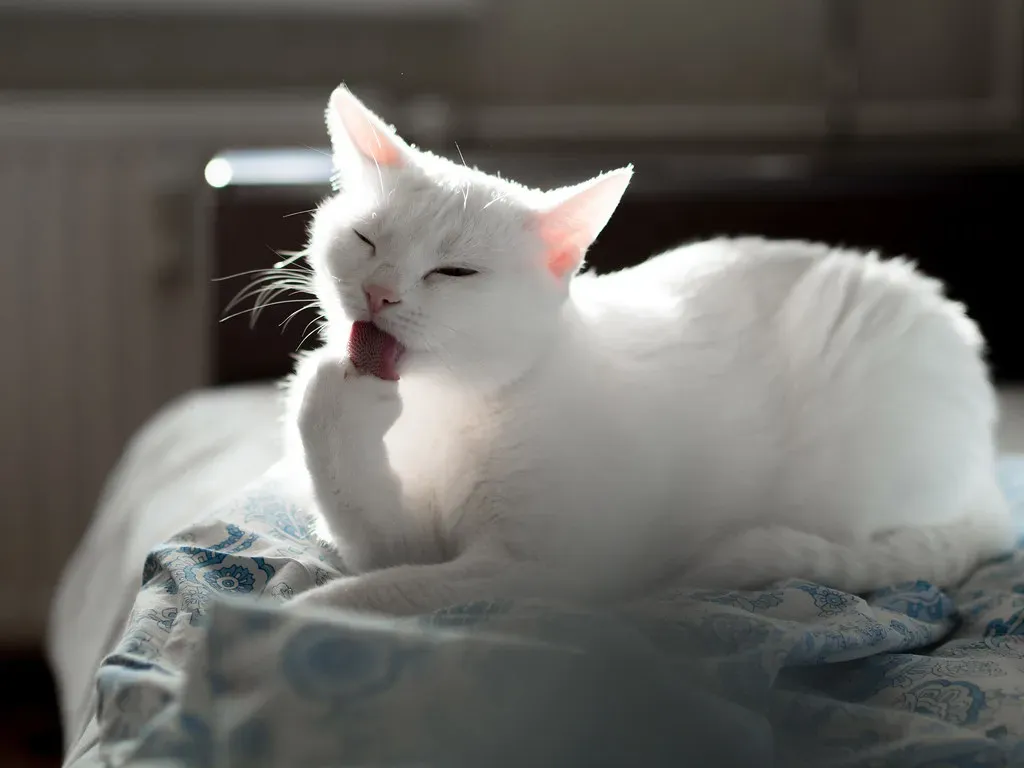
Some cats use overgrooming to cope with stress or boredom, and it’s thought that licking releases endorphins that help relieve anxiety. This creates a self-soothing loop: the cat feels stressed, licks to feel better, and then continues licking because it temporarily eases the discomfort. Over time, this can escalate into a compulsive habit.
Cats are creatures of routine. Compulsive grooming leading to fur loss, known as psychogenic alopecia, is usually triggered by a change in the cat’s daily routine or environment, such as moving to a new house or the arrival of a new family member. Maybe you’ve started working longer hours, brought home a new baby, or adopted another pet. Perhaps you’ve simply rearranged the furniture, which to a cat can feel like living in an entirely different universe. Even subtle shifts, like a change in litter box placement or feeding schedule, can send some cats into a spiral of anxious grooming. Honestly, cats can be sensitive souls, even if they pretend otherwise.
Psychogenic Alopecia: When Grooming Becomes a Compulsion

Behavioral and emotional causes of overgrooming are often given the name psychogenic alopecia, a diagnosis reached after medical issues have been ruled out. This condition is essentially the feline version of obsessive-compulsive disorder. Your cat becomes trapped in a cycle where grooming feels compulsive and uncontrollable.
Feline psychogenic alopecia is extremely overdiagnosed, and the condition is uncommon in cats, with purebred cats that have high-strung, nervous temperaments being possibly predisposed. Siamese, Abyssinian, Burmese, and Himalayan cats are particularly vulnerable due to their sensitive personalities. I know it sounds crazy, but some cats really are just wired to be more anxious than others. The important thing is that before your vet diagnoses psychogenic alopecia, they should thoroughly investigate and rule out every possible medical cause first. Too often, what looks like anxiety-driven grooming is actually a response to an undetected skin allergy or pain condition.
Allergies: The Itch That Won’t Quit
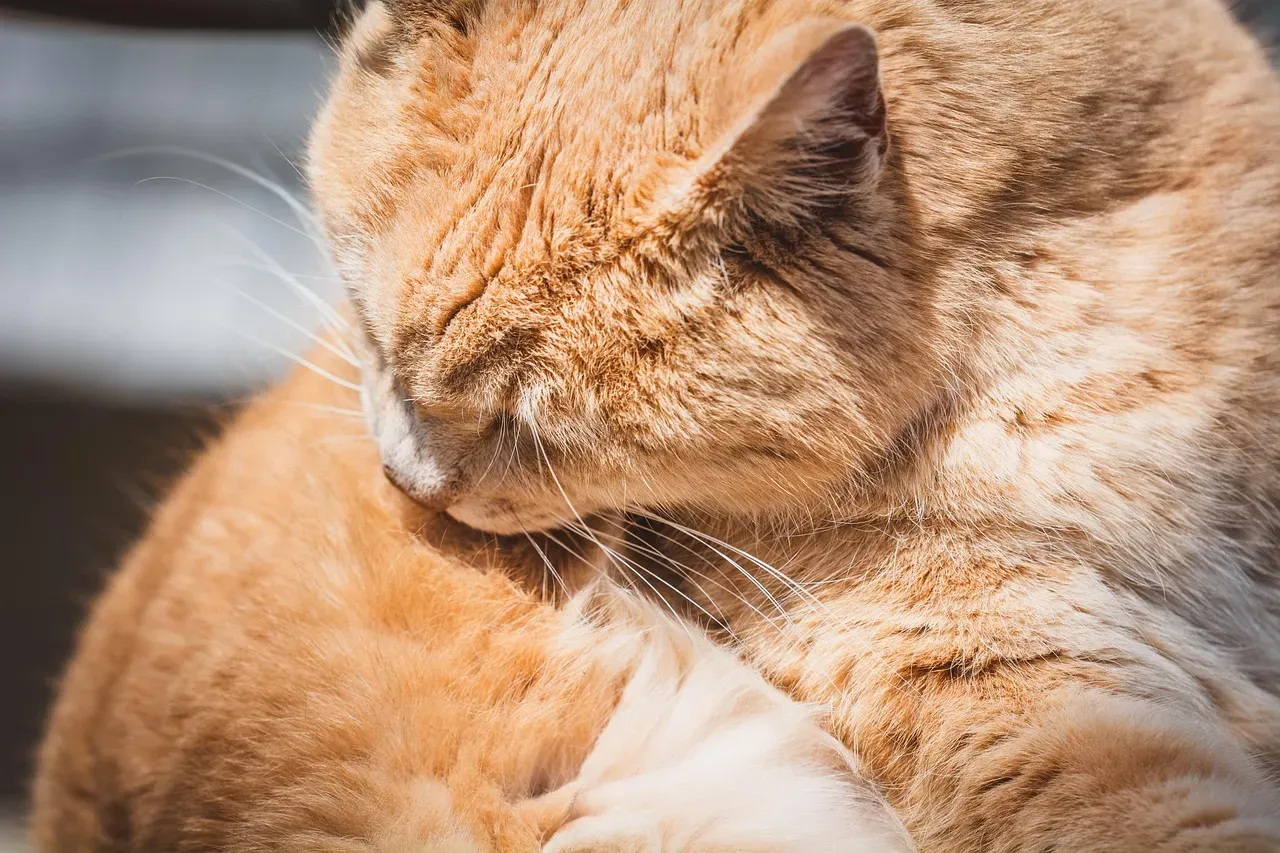
Flea allergy is the most common type of cat skin allergy and can happen year-round, often diagnosed with direct evidence of fleas on the cat. Even a single flea bite can send an allergic cat into a frenzy of scratching and licking. Food allergies are another possibility, though they’re less common than people think. A food allergy is usually caused by an overreaction of the immune system to food proteins, commonly either chicken or beef, and symptoms can happen year-round and at any age.
Environmental allergies, also known as atopic dermatitis, round out the allergy trio. These reactions typically show up seasonally and can involve sensitivity to pollen, dust mites, mold, or other airborne irritants. The most common symptoms of cat skin allergies are itching, scratching, and excessive grooming. The challenge is figuring out which allergen is the culprit, which often requires detective work involving elimination diets, allergy testing, and trial treatments.
Feline Hyperesthesia Syndrome: The Twitchy Cat Mystery
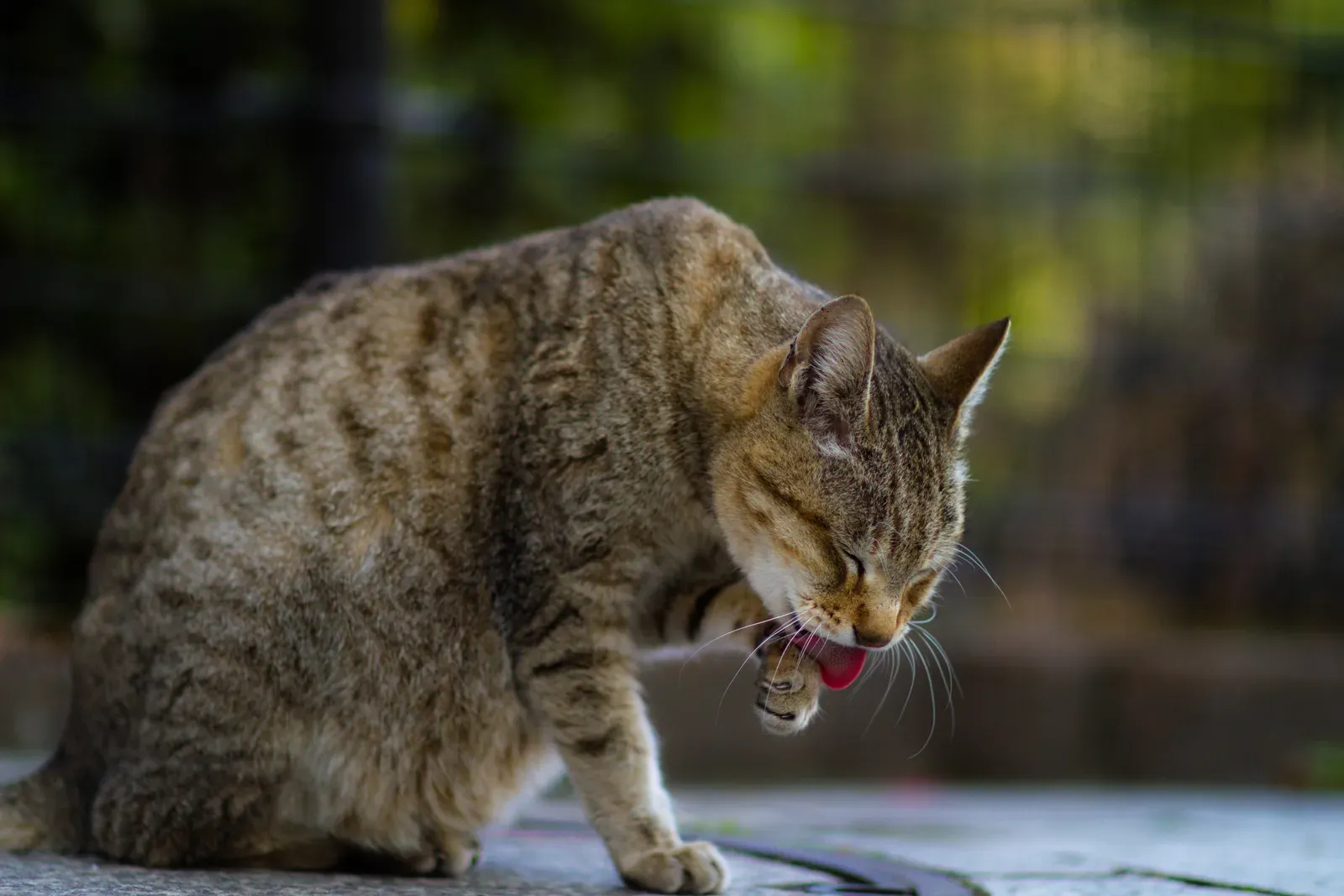
Feline hyperesthesia syndrome is a poorly understood condition which leads to behaviors including skin twitching and sudden bouts of intense grooming and self-mutilation, often of the cat’s back and tail. If you’ve ever seen your cat’s back ripple like waves or watched her suddenly attack her own tail in a fit of apparent rage, you might be dealing with this syndrome.
Clinical signs include aggression towards people, dilated pupils, excessive grooming particularly of the lumbar region, tail chasing, tail mutilation, frantic running and jumping, and a rippling or rolling of the skin in the dorsal lumbar area. It’s hard to say for sure what causes it. Some experts believe it’s neurological, possibly involving seizure activity. Others think it might be related to nerve pain or even compulsive behavior. Feline hyperesthesia syndrome has been linked to skin problems such as allergies, neurological issues such as seizures or nerve pain, and psychological issues including anxiety, stress, and compulsive behavior. The episodes can be distressing to witness, lasting anywhere from a few seconds to a couple of minutes.
Secondary Infections and Complications
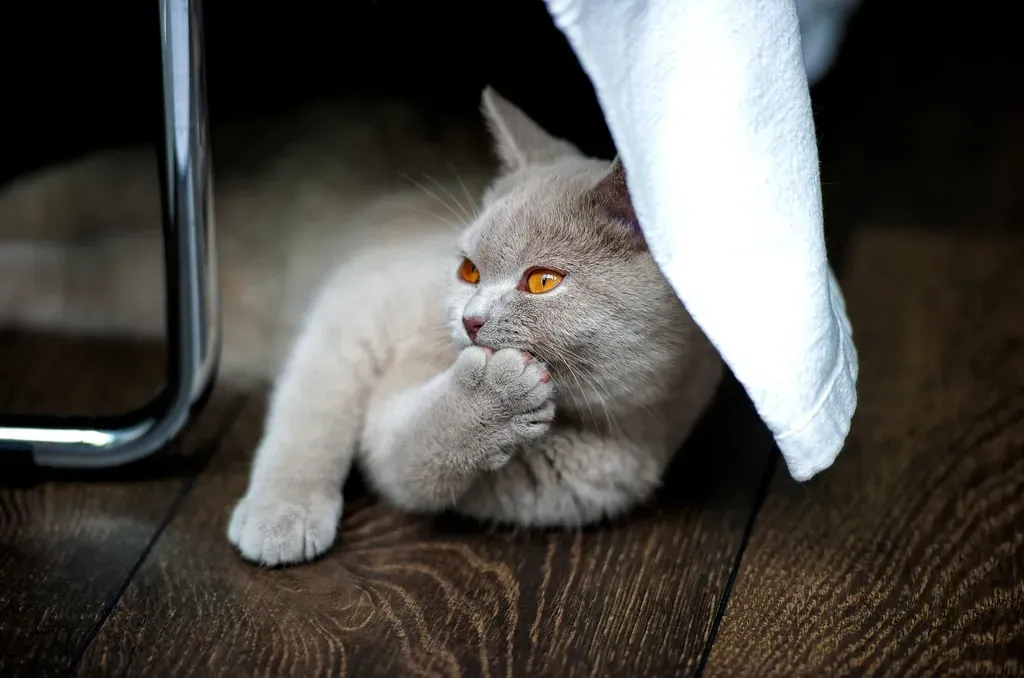
Here’s where things can get worse. Secondary infections are common once the skin’s protective barrier is damaged from excessive licking, and these infections need to be treated to break the overgrooming cycle. When your cat licks the same area repeatedly, she’s essentially creating the perfect environment for bacteria and yeast to thrive. The damaged skin becomes inflamed, which makes it itchier, which prompts more licking, which causes more damage. You get the picture.
These secondary infections can show up as red, oozing sores, scabs, or crusty patches on the skin. The area might have an unpleasant odor or feel warm to the touch. If left untreated, these infections can spread and become increasingly painful, making the overgrooming problem even more difficult to resolve.
What Your Vet Will Look For
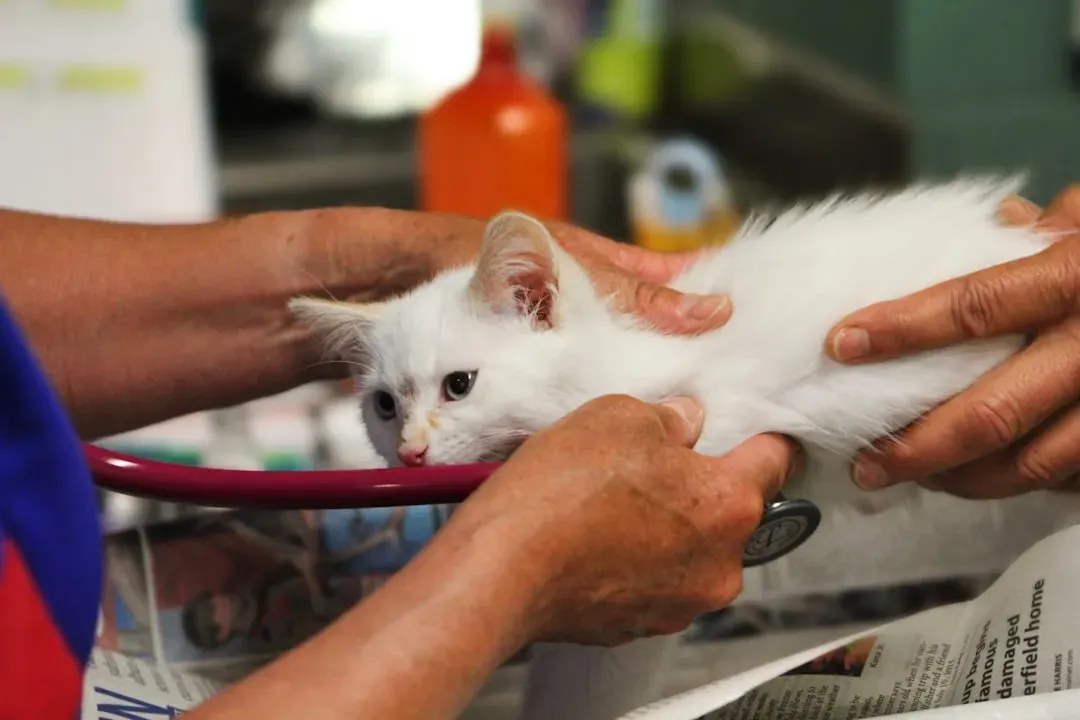
Veterinarians will do a thorough exam and recommend testing of both the skin and your cat’s overall health, looking at fur or skin scrape samples under the microscope to identify mites, lice, or ringworm, and doing blood and urine testing to screen for underlying medical causes. Expect questions about your cat’s environment, diet, routine, and any recent changes in the household.
Your vet might conduct allergy testing, perform fungal cultures, or recommend an elimination diet trial lasting several weeks. Most cats with allergies go through a food trial, meaning they eat a prescription diet that only has one animal source as the protein for at least two months with no treats, no people food, and no other cat foods. It sounds tedious, but it’s often the only way to definitively diagnose food allergies. The diagnostic process can feel like a marathon, testing your patience and your wallet, yet it’s crucial for getting to the root of the problem.
Treatment Options That Actually Work
Treatment depends entirely on what’s causing the overgrooming in the first place. Infections and allergies require antibiotics, antihistamines, or anti-inflammatory drugs, while year-round flea and tick treatment can help prevent flea allergies and ear mites. If pain is the culprit, addressing the underlying painful condition becomes the priority.
For stress-related overgrooming, try creating a comfortable environment and a predictable schedule, cleaning the litter box at least once a day and keeping mealtimes consistent. Mental and physical enrichment can help with overgrooming because it gives your cat a distraction from the grooming behavior and is a healthy way to release the endorphins your cat may be seeking through grooming. Cat trees, interactive toys, puzzle feeders, and dedicated playtime can work wonders for anxious cats. In more severe cases, anti-anxiety medications like fluoxetine or calming supplements may be necessary. Pheromone diffusers can also help create a more relaxed atmosphere.
Managing Your Expectations and Your Cat’s Recovery

After seeking help from your vet, it may take a month or so for an overgrooming behavior to resolve, and even longer for your cat’s fur to grow back. Patience is essential. You’re not going to see overnight miracles, and that’s okay. Your cat didn’t develop this problem instantly, and she won’t recover instantly either.
If you see your cat licking excessively, don’t punish them or try to interfere, as this will only add to your cat’s stress and make their overgrooming problem worse. Yelling at your cat or physically stopping the behavior might feel productive in the moment, but it ultimately backfires. Instead, redirect her attention with a toy or treat, and focus on addressing the underlying cause. Some cats may need long-term management, especially if the root issue is chronic allergies or anxiety. It’s hard to say for sure how long treatment will take, but consistency and commitment make all the difference.
Conclusion: Listen to What Your Cat Is Telling You
Excessive grooming isn’t just a quirky habit or a cosmetic issue. It’s your cat’s way of communicating that something isn’t right, whether that’s physical discomfort, emotional distress, or a combination of both. The key is recognizing when normal grooming has crossed into problematic territory and seeking veterinary help sooner rather than later.
Your cat relies on you to notice the subtle signs, to advocate for her health, and to provide the care she needs to feel better. Whether the solution involves treating a flea infestation, managing allergies, addressing pain, or reducing stress in her environment, the effort is worth it. After all, a healthy, comfortable cat is a happier cat, and that benefits everyone in the household. What would you have guessed was behind your cat’s grooming habits?