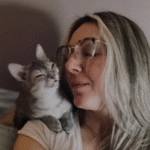
You’ve probably noticed it. The moment you settle into bed, your cat appears. Maybe they spiral three times and collapse against your legs. Maybe they simply park themselves at the foot of the mattress like a tiny, purring sentinel. You assume it’s habit. Maybe convenience. Warmth, perhaps. But here’s the thing – what your cat does at night is far from random. It’s a whole unspoken language, spoken in slow blinks and kneaded blankets, in pressed paws and quiet, steady purrs.
Cats are often seen as independent, aloof creatures, but many form deep, lasting bonds with their chosen humans. This connection involves a feline identifying a particular person as a trusted companion and source of comfort. Honestly, once you understand what’s actually happening during those quiet nighttime rituals, you’ll never look at your cat quite the same way again. Let’s dive in.
The Bedtime Escort: Why Your Cat Follows You to the Bedroom
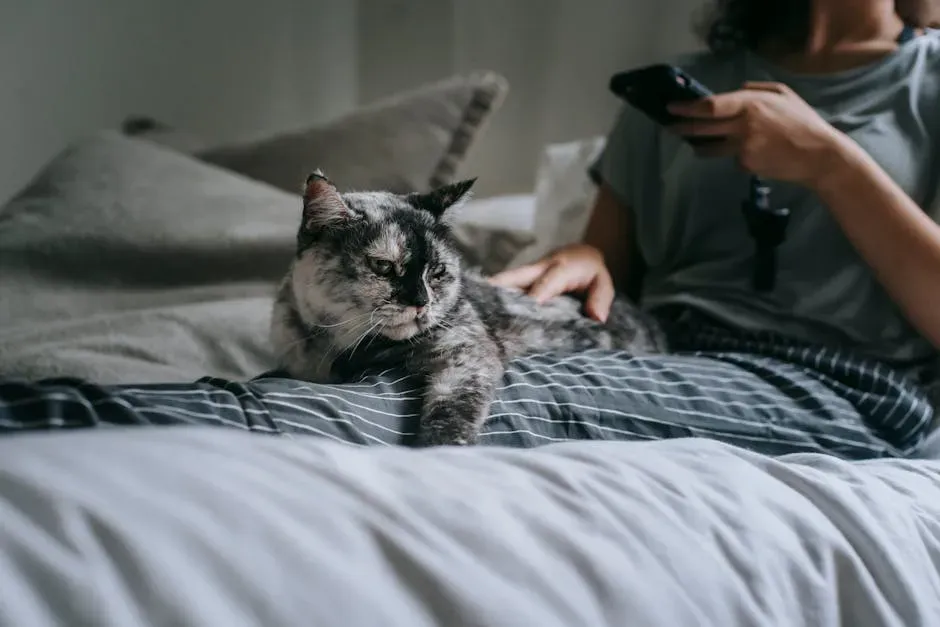
You brush your teeth and there they are, sitting in the doorway watching you. You walk to the bedroom and they trot ahead of you, like they’ve been assigned as your personal nighttime guide. I think this is one of the most underrated signs of feline love – the fact that your cat bothers to escort you at all.
Many cats will follow their owners around the house as they prepare to wind down for the night. Observing you brush your teeth or go through your nightly skincare routine is serious business to your feline companion. Checking the doors, brushing your teeth, and getting into your nightwear are actually cues your cat reads as signals that you’re transitioning into sleep mode. Talking to your cat during this wind-down time communicates that you’re entering your own rest period.
Cats thrive on routine, and a nightly ritual can become a cherished bonding moment. When your cat follows you to bed every single night, they’re not just tagging along out of boredom. They’re reinforcing the most important social bond in their world – the one they have with you.
Sleeping on You: A Declaration in Feline
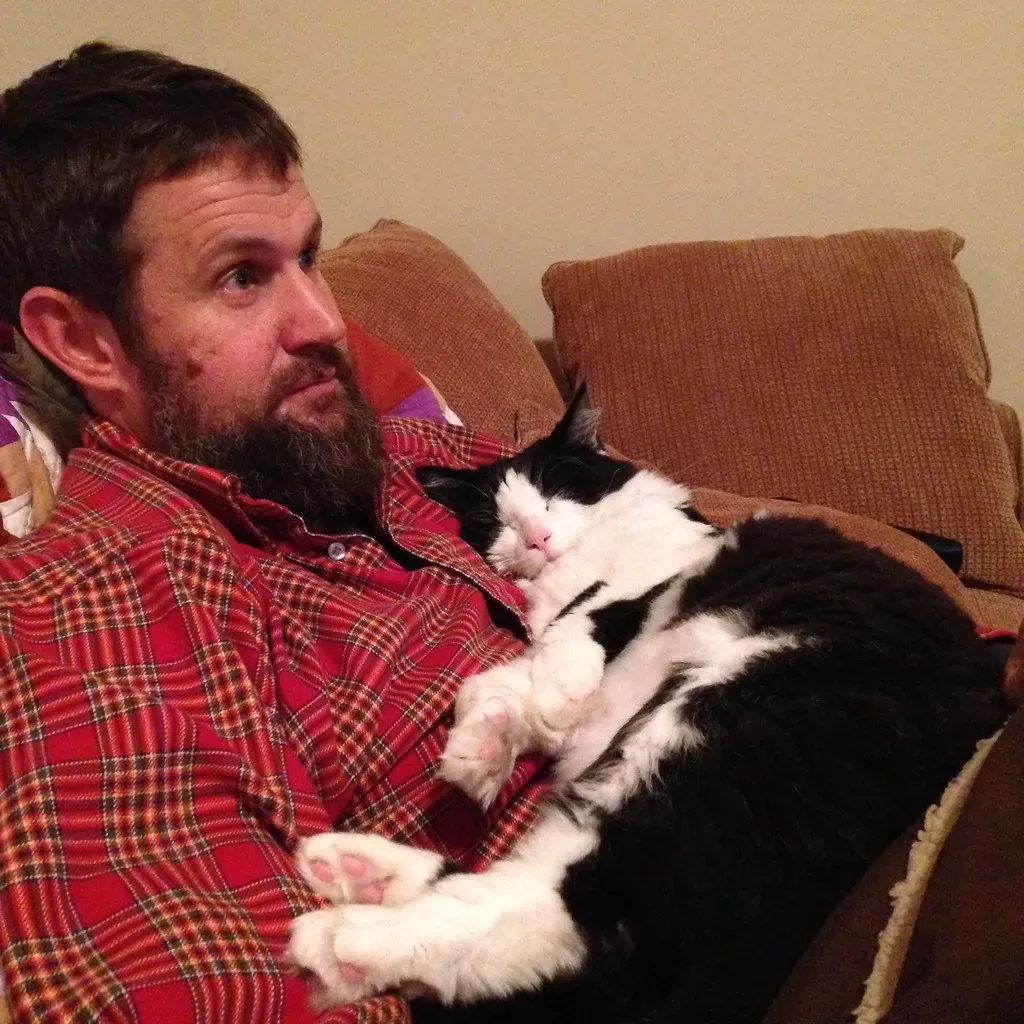
There’s something extraordinary about waking up to find a cat sleeping directly on your chest, breathing in rhythm with you. It’s one of those things that hits differently once you understand what it actually means. This isn’t about comfort alone. This is trust made physical.
When your cat chooses to rest on you, it’s a sign of deep trust. They feel safe enough to let their guard down, strengthening your mutual bond through shared comfort and closeness. A study in Anthrozoös examined feline-human relationships and found that cats who sleep on their owner’s chest or lap show the highest levels of social attachment. Sleep is a vulnerable moment for any creature, and the fact that your cat chooses that vulnerable moment to be on top of you is genuinely profound.
Research by American neuroscientist Paul Zak revealed that cats experience an increase in oxytocin levels – the hormone associated with bonding and affection – when they interact with their owners. So yes, both of you are chemically bonding during that nightly snuggle session. Cute, right?
The Slow Blink in the Dark: Your Cat’s Most Intimate “I Love You”
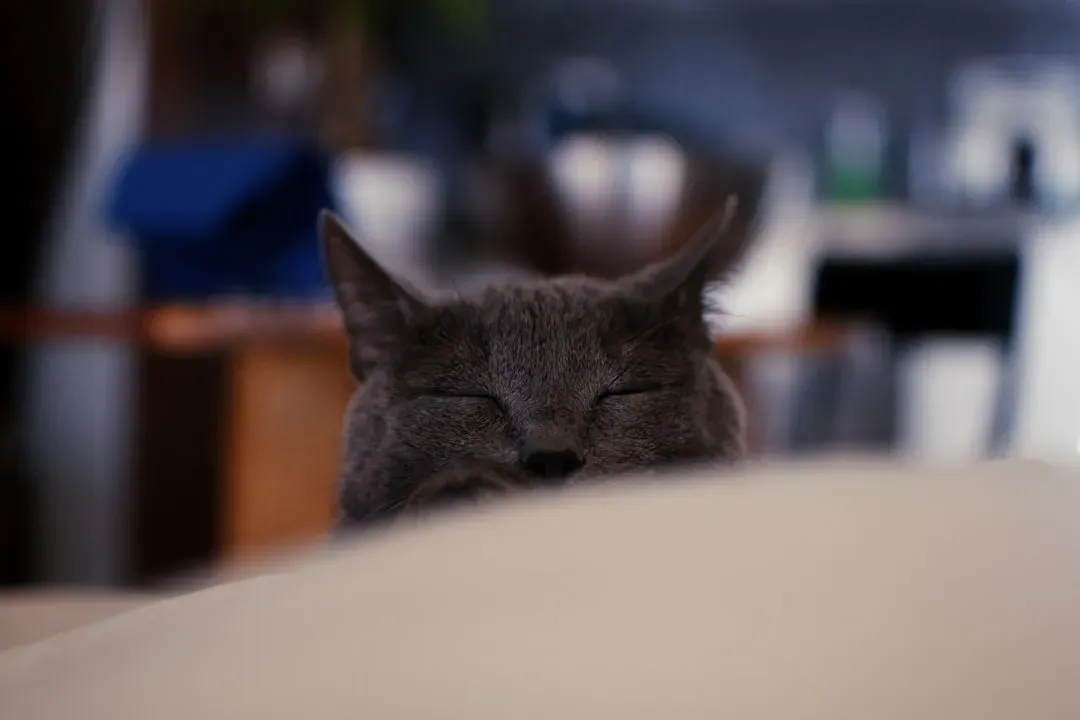
Picture this. You’re lying in bed, light low, and your cat is staring at you from across the room. Then, deliberately, almost dramatically, they close their eyes halfway and let them drift open again. That’s not sleepiness. That’s a love letter.
An unblinking stare is typically seen as a challenge or threat in the animal world. When your cat looks at you and slow blinks, they are relaxing their guard – a cat in the middle of a slow blink is vulnerable at that moment. Your cat knows this, and by making themselves vulnerable, they’re communicating that they feel safe with you.
A slow blink from your cat essentially translates to “I feel safe with you” and “I love you” in cat language. Returning the slow blink back deepens your bond and reduces stress for both of you. Honestly, try it tonight. Slow blink back at your cat. You might be surprised what happens next.
The Nightly Knead: Making Biscuits on Your Belly at Midnight
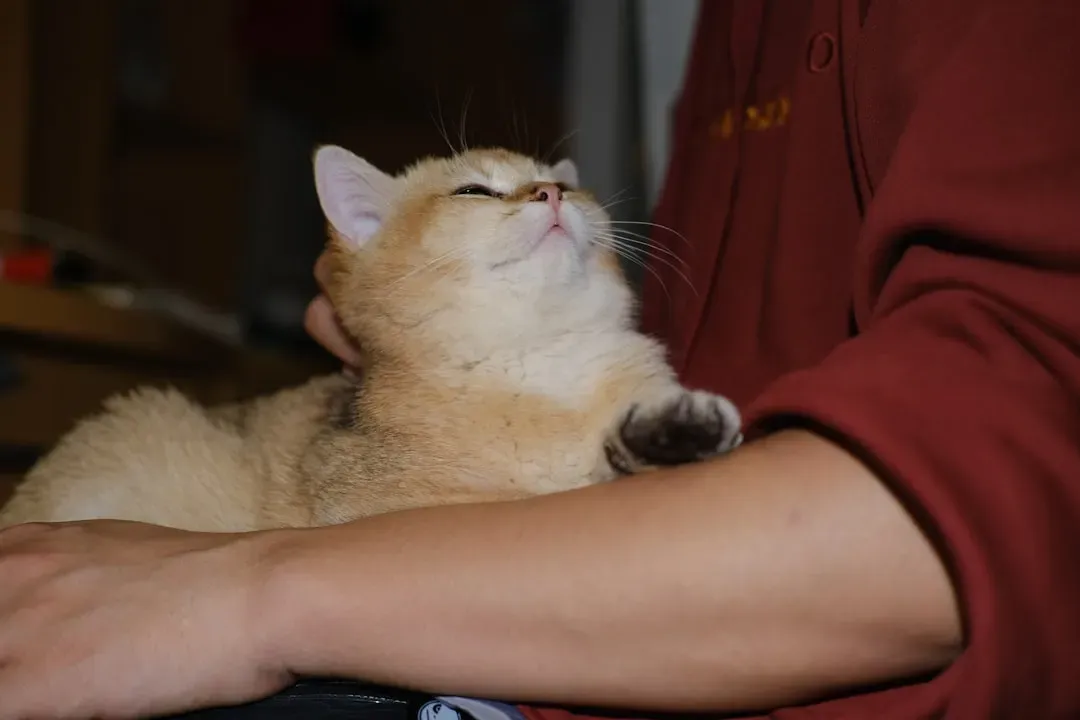
Let’s be real – having tiny paws rhythmically pressing into your stomach at 11 PM is not always the most comfortable experience. Your cat doesn’t care. They’re in a state of pure, unadulterated bliss, and you’re the reason for it.
Kittens knead their mother’s belly to stimulate milk flow while nursing. When your adult cat kneads you, especially while purring with that blissful, half-closed expression, they’re essentially reverting to kitten behavior and treating you like their trusted caregiver. Each knead is your cat’s way of showing trust, comfort, and deep affection.
Kneading is a natural behavior gained from instinct during kittenhood. Cats traditionally knead to show they feel happy and secure, and they may also knead on you specifically to express love toward you. As cat parents know all too well, the happier your cat is, the harder they’ll knead. Keep a blanket nearby. You’re welcome.
The Nighttime Purr: More Than Just a Pleasant Sound
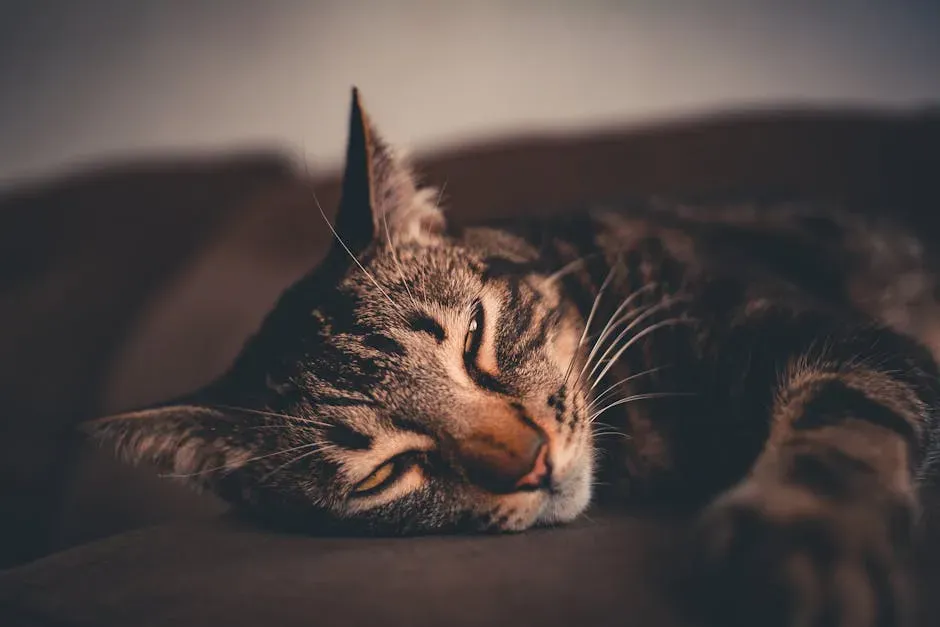
Few sounds in the world are as immediately calming as a cat purring beside you in bed. It’s like someone switched on a tiny vibrating engine of peace. There’s real science behind why it feels so good, and why your cat does it for you specifically.
The vibrations from cat purrs have healing properties. The frequency, ranging between 25 to 150 Hz, is believed to reduce pain and release stress. So the next time your cat curls up for a purr session, you’re essentially getting a free therapy session.
When your cat purrs and sleeps on you, it’s a positive sign of their contentment and trust. Purring is a cat’s way of expressing happiness and relaxation. It also indicates that they feel safe with you, reflecting a deep bond between you both. It’s hard to say for sure what percentage of purrs are purely love-driven versus self-soothing, but when it happens in the quiet of the night, curled up against your side? That one’s for you.
Scent Marking at Night: “This Human Is Mine”
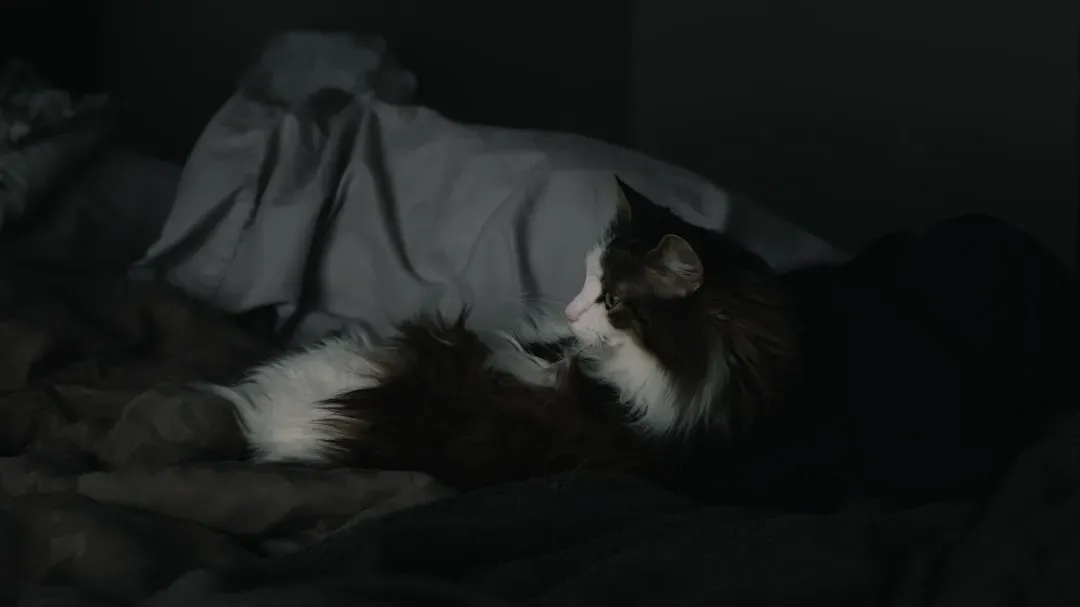
Your cat sleeping on your pillow, nuzzling your hair, or pressing their cheek against your face before sleep isn’t just adorable quirky behavior. It’s territorial, yes – but in the most tender way imaginable. Think of it less like possession and more like belonging.
When cats sleep on you, they are also subtly marking you as part of their territory through scent exchange. Their body oils contain pheromones that signal ownership, bonding, and familiarity. Cats are territorial animals that mark their turf with their scent. They release pheromones from their face and body, and sleeping on you allows them to spread their scent over you, marking you as theirs.
If your cat prefers to sleep close to your head, it’s not just a random habit – it’s a behavior rooted in scent, comfort, and emotional bonding. Cats are highly reliant on their sense of smell to navigate their world and establish a sense of security. A cat’s sense of smell is approximately 14 times stronger than a human’s, making scent one of the primary factors influencing their sleeping preferences. Your head produces the strongest scent due to hair, breath, and skin oils, making it a natural comfort zone. Gross? Maybe slightly. Beautiful? Absolutely.
The Nighttime Watch: Your Cat as Your Guardian
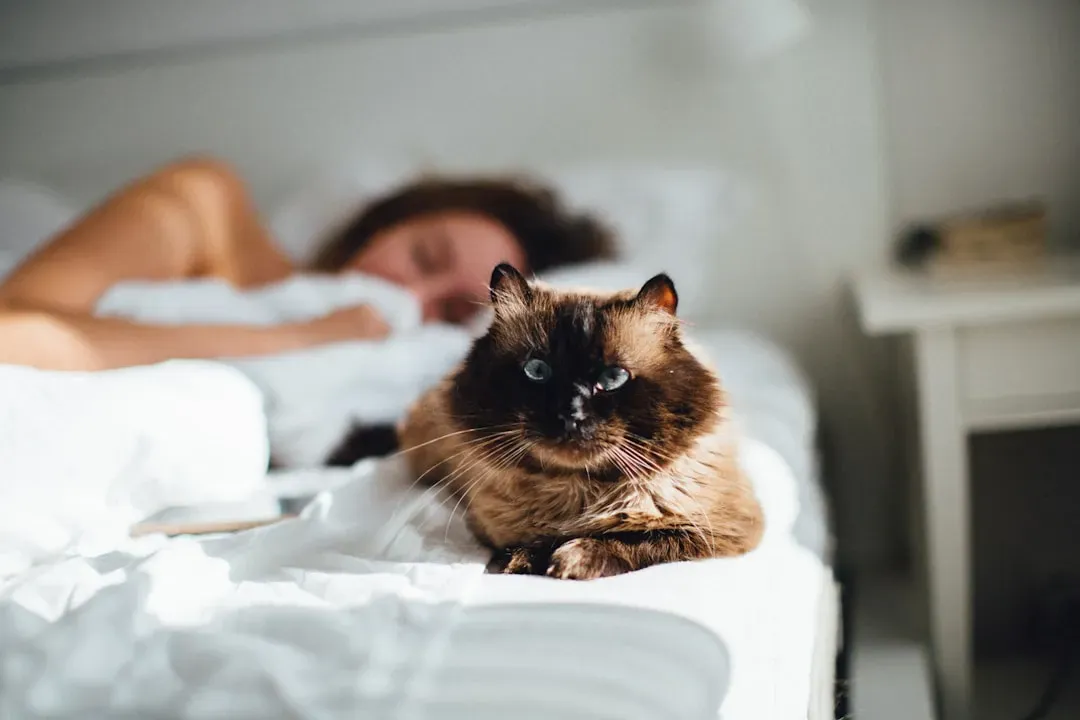
Ever wake up in the middle of the night to find your cat sitting upright at the foot of the bed, eyes wide and alert, perfectly still? You might assume they heard something outside. True – but there’s another layer to it that most people miss completely.
Cats prefer sleeping positions that allow them to monitor their environment while remaining relaxed. The foot of the bed provides a vantage point where they can stay close to their human while still keeping an eye on the room. This means your cat sleeping at your feet isn’t just about comfort – they may also see themselves as your personal night watch.
Your cat may see themselves as your personal protector during the night. As researchers note, cats often choose sleeping positions that maximize both comfort and vigilance, a behavior likely rooted in their predatory and defensive instincts. All animals are vulnerable when they sleep. Sleeping in a group, even just a group of two, provides a certain amount of protection – it’s harder to sneak up on a group, and members can come to each other’s aid in times of distress. Your cat isn’t just sleeping near you. They’re keeping watch over you.
Consistent Rituals Over Time: The Deepest Love Language of All
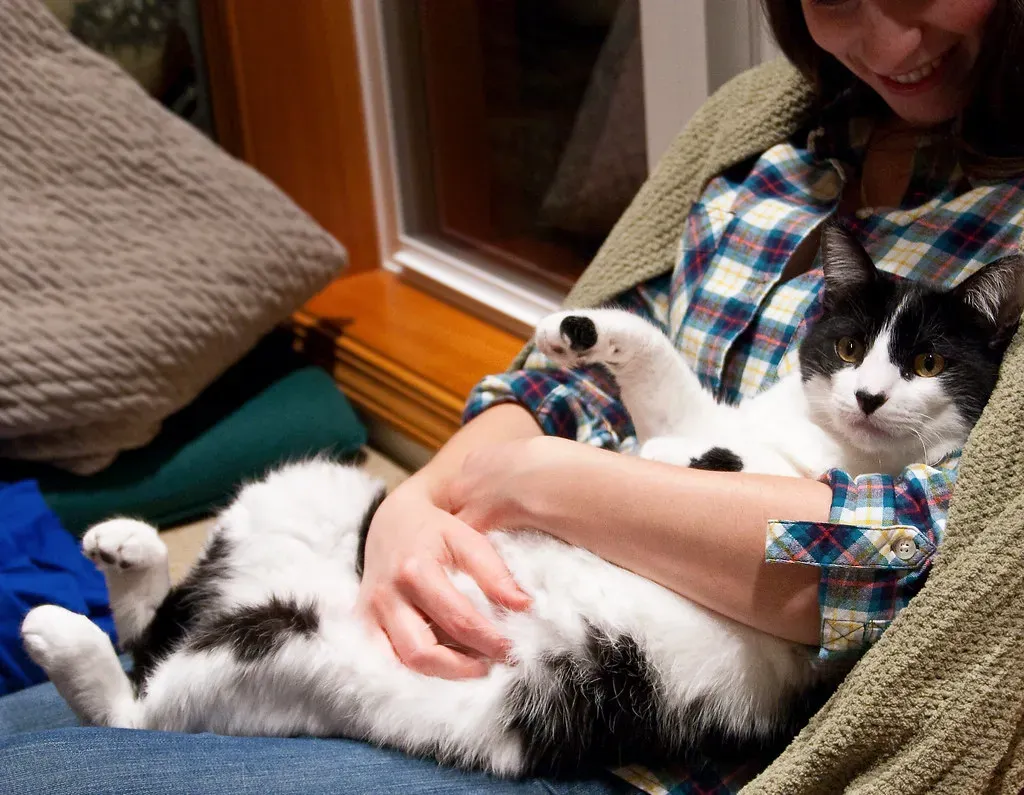
Here’s something that doesn’t get talked about nearly enough. The most profound thing about a cat’s nightly behavior isn’t any single gesture – it’s the repetition. Night after night, the same spot, the same ritual, the same gentle press of a paw. That consistency is its own kind of devotion.
Consistent physical closeness promotes a sense of safety and familiarity for both the cat and the owner, and greater emotional attachment, especially when co-sleeping becomes an established nightly ritual. Morning greeting rituals, feeding time interactions, and evening relaxation periods provide natural opportunities for strengthening your bond. These consistent touchpoints help your cat anticipate positive interactions, making them more receptive to a deeper connection.
Every cat is different and has their own favorite activities, preferred treats, and habits that make them feel comfortable and cozy. If you’re an involved and caring companion, you probably already know what those are. Creating rituals around these preferences takes things to a deeper level. This type of modification may seem insignificant to you, but it makes a huge difference to your cat. Think of it like this: when a friend shows up at exactly the same time every evening with your favorite snack, you don’t call it habit. You call it love.
Conclusion
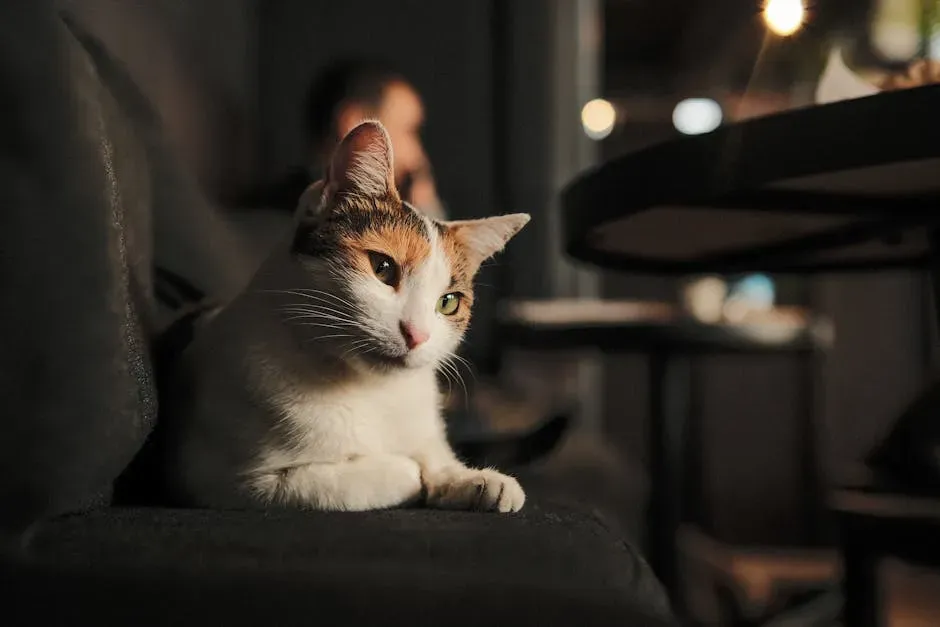
Your cat’s nightly behavior is not random. It’s not coincidence. Every slow blink, every midnight knead, every quiet moment of sleeping pressed against your side tells you something real and important: you are their safe place. You are the warmest, most trusted corner of their entire world.
Cats don’t love loudly or dramatically the way we sometimes do. Their love is quieter, more deliberate – woven into the fabric of small, nightly rituals that repeat because you’re worth repeating. Cat imprinting creates a deep, instinctual bond between a feline and their chosen human. Imprinted cats show love through behaviors like slow blinking, grooming, and sleeping nearby – actions that indicate trust, comfort, and a strong emotional attachment.
So the next time your cat curls up at your feet tonight, take a second before you drift off. That small, warm presence isn’t just a pet settling in for sleep. That’s your cat choosing you – again. What does your cat’s nightly ritual say about your bond? Share your thoughts in the comments below.