Ever watched your cat dart under the bed the moment someone knocks at your door? Or perhaps you’ve noticed how your feline friend eagerly approaches new faces while others remain hidden for hours after visitors leave. These reactions to strangers aren’t just quirky cat behaviors. They’re actually mirrors reflecting something much deeper about who you are as a person.
Felines are notoriously independent and often full of character, yet their personality traits could be a reflection of their owners, according to animal behaviorists. Recent groundbreaking research has revealed that the bond between you and your cat runs far deeper than simply sharing the same living space. Your cat’s social tendencies, anxieties, and confidence levels around unfamiliar people can offer fascinating insights into your own personality, emotional state, and even unresolved personal issues. Let’s explore what your cat’s stranger reactions are trying to tell you about yourself.
The Science Behind Feline Social Mirrors
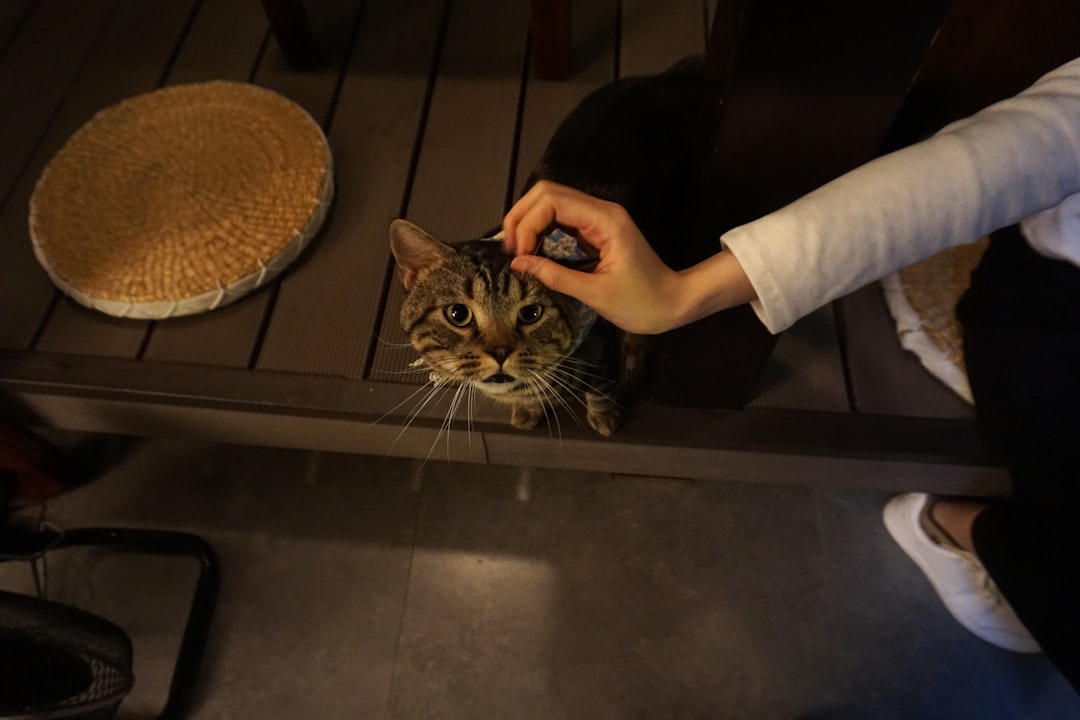
The research published in the journal PLOS ONE involved surveying more than 3,000 predominantly UK-based cat owners. This comprehensive study examined the intricate connections between human personality traits and feline behavior patterns. The findings suggest that, just as a parent’s personality can affect the personality of a child, the same could be true for a cat and their owner.
This study, using cats as an exemplar, explored the relationship between owner personality and the lifestyles to which cats are exposed. In addition, it explored owner personality as it related to reported cat behaviour and wellbeing. The results were remarkable, showing clear patterns between how owners scored on personality assessments and how their cats behaved in social situations.
When Your Cat Hides: What It Says About Your Social Comfort
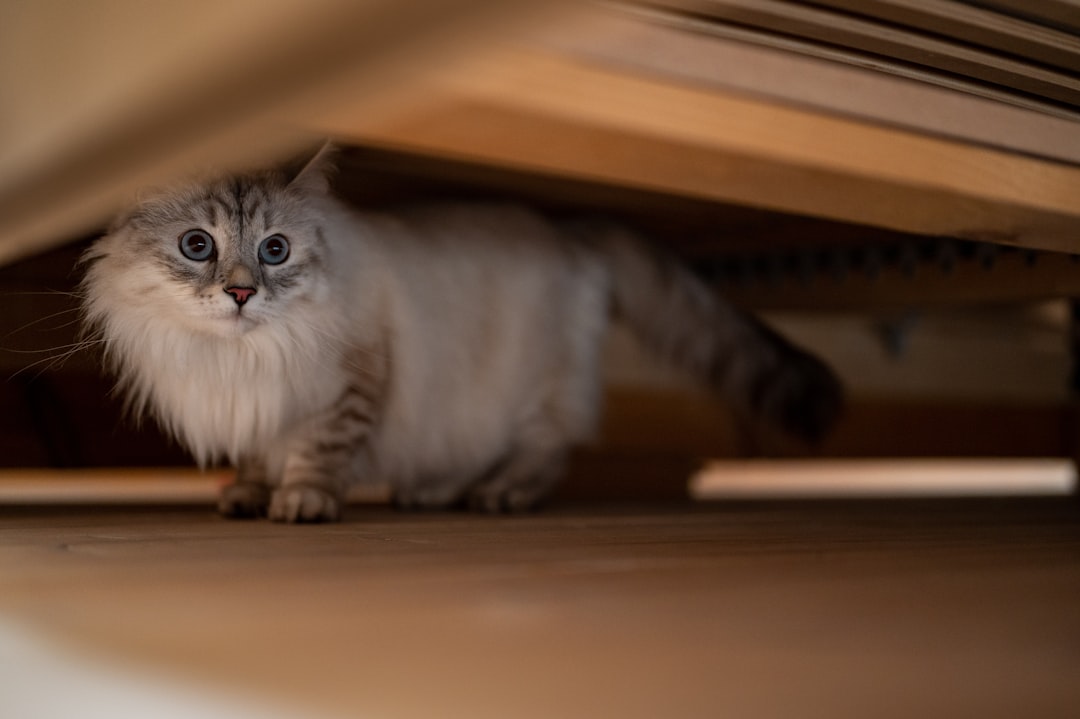
For instance, a cat that hides under the bed when visitors arrive could reflect an owner uncomfortable around other people, while an aggressive cat might mirror a person with pent-up anger. This correlation isn’t coincidental. A shy cat might indicate that the owner is either very quiet and introverted themselves, creating a calm environment that suits a shy cat, or that the cat may have had limited socialization during kittenhood.
For example, if the owner is an introvert who rarely requires company, and therefore almost never invites strangers over, the cat probably won’t be too fond of guests if they do show up once in a while. Your social patterns directly shape your cat’s comfort level with new people. If you rarely entertain guests or feel anxious around unfamiliar faces yourself, you’re unknowingly creating an environment where your cat learns to view strangers as unusual rather than normal.
The Gregarious Cat and the Extroverted Owner
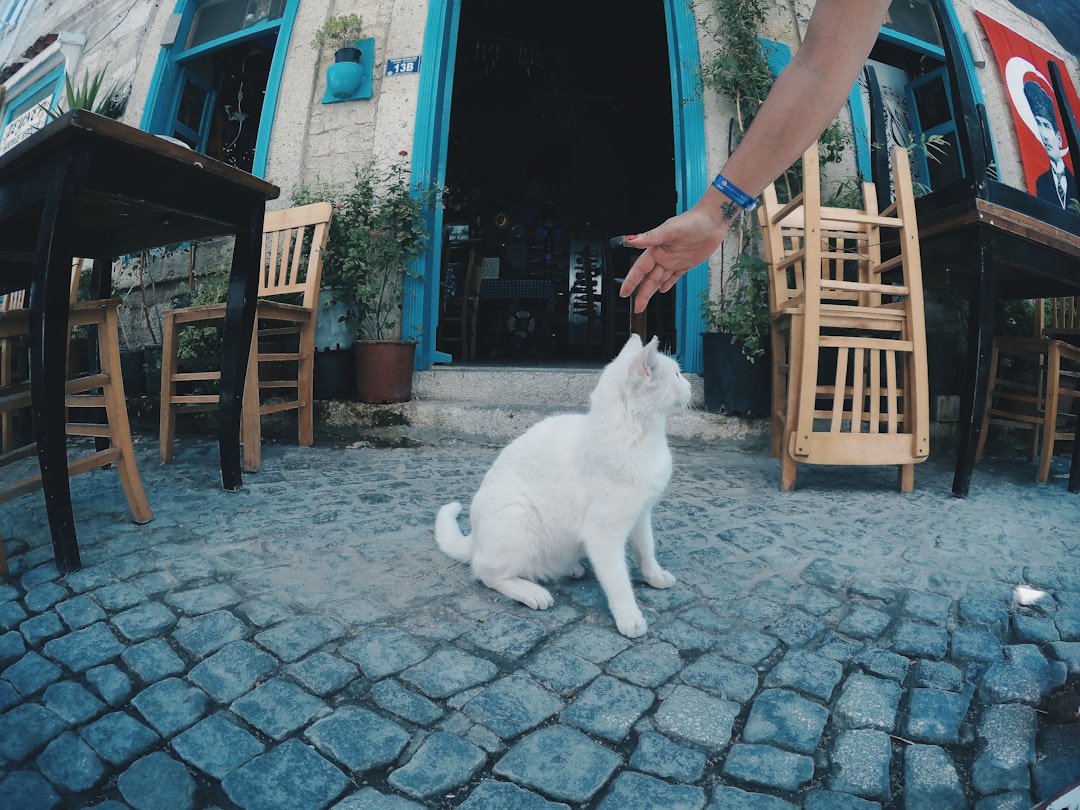
Cats displaying high “gregariousness” often had owners with higher extroversion scores. Research has consistently shown this fascinating connection between outgoing humans and socially confident cats. When you’re naturally drawn to meeting new people and engaging in social activities, your cat picks up on these energy patterns.
Conversely, extroverted owners may introduce the kitten to a wide variety of people to help it with socialization. This could make the kitten more comfortable interacting with new people. That results in a more extroverted and less aggressive personality. Your social butterfly tendencies don’t just influence your cat through energy alone. They create more opportunities for positive stranger encounters, building your cat’s confidence over time.
Anxiety Patterns: How Your Stress Affects Your Cat
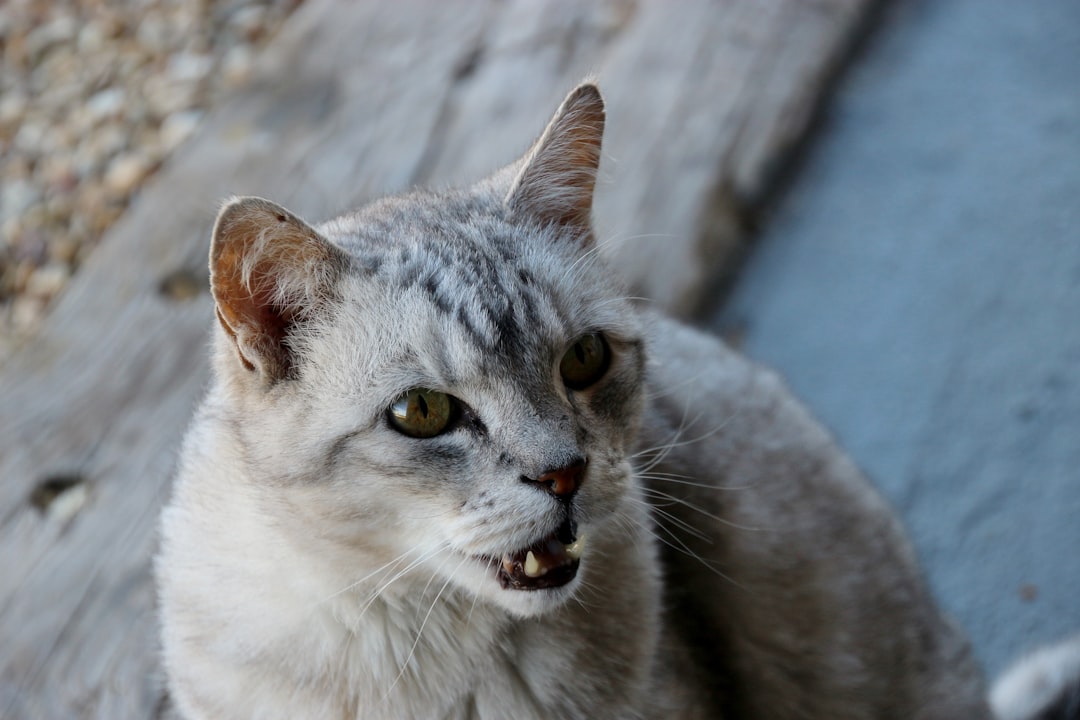
Aggressive cats may belong to neurotic owners rather than to open, conscientious, or agreeable owners … Had more aggressive cats. Had more anxious/fearful cats. Overall, as anticipated, an owner’s neuroticism predicted negative health and behavioral outcomes in a cat, whereas the other personality traits (openness, conscientiousness, extraversion, and agreeableness) predicted positive outcomes.
For instance, a cat living with a calm and relaxed owner may display similar traits, while one with a more anxious owner might become more skittish. Your internal stress levels create an emotional atmosphere that your cat absorbs daily. This isn’t about occasional bad days, but rather your consistent emotional baseline that shapes the environment you both share.
The Overprotective Owner and the Indoor Cat
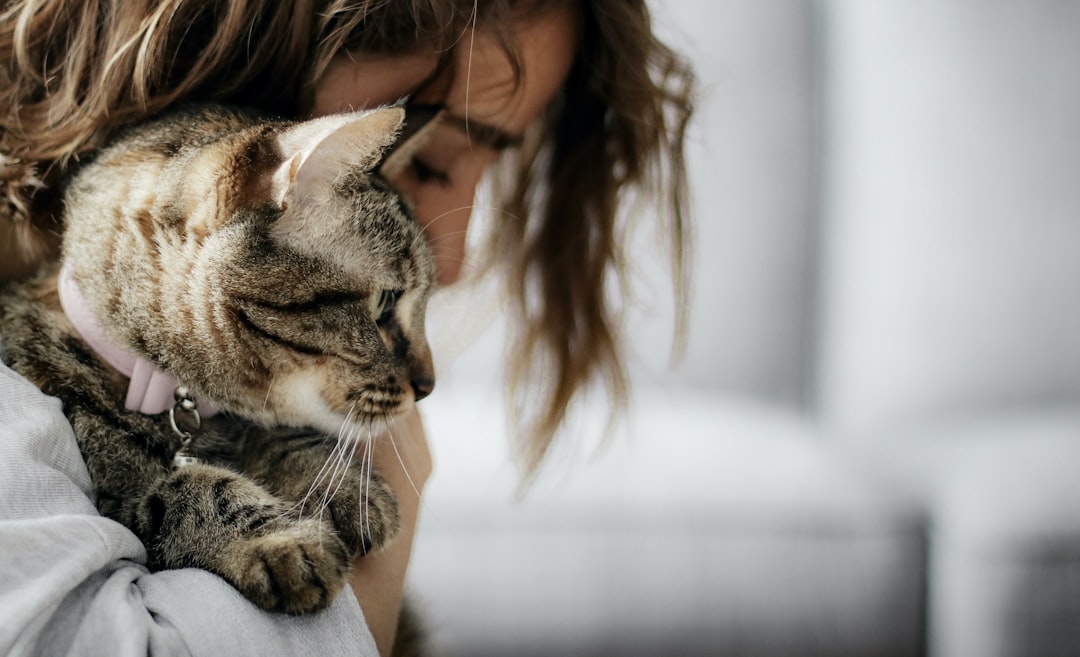
The fact that owners with higher Neuroticism scores were more likely to keep their cats indoors or restrict their outdoor access may reflect a generally more over-protective, overly anxious caretaking style; a link previously identified within the parent-child literature. More Neurotic cat owners may be more concerned with risks to their cats whilst wandering outdoors, and thus restrict access in some way, protecting them from perceived threats.
This protective instinct extends beyond outdoor access to social interactions. If you find yourself constantly worried about your cat’s reactions to strangers or feel the need to shield them from new experiences, you might be projecting your own social anxieties onto your pet. Your cat’s stranger avoidance could be learned behavior based on your protective responses rather than their natural temperament.
Confidence Building: The Conscientious Owner Effect
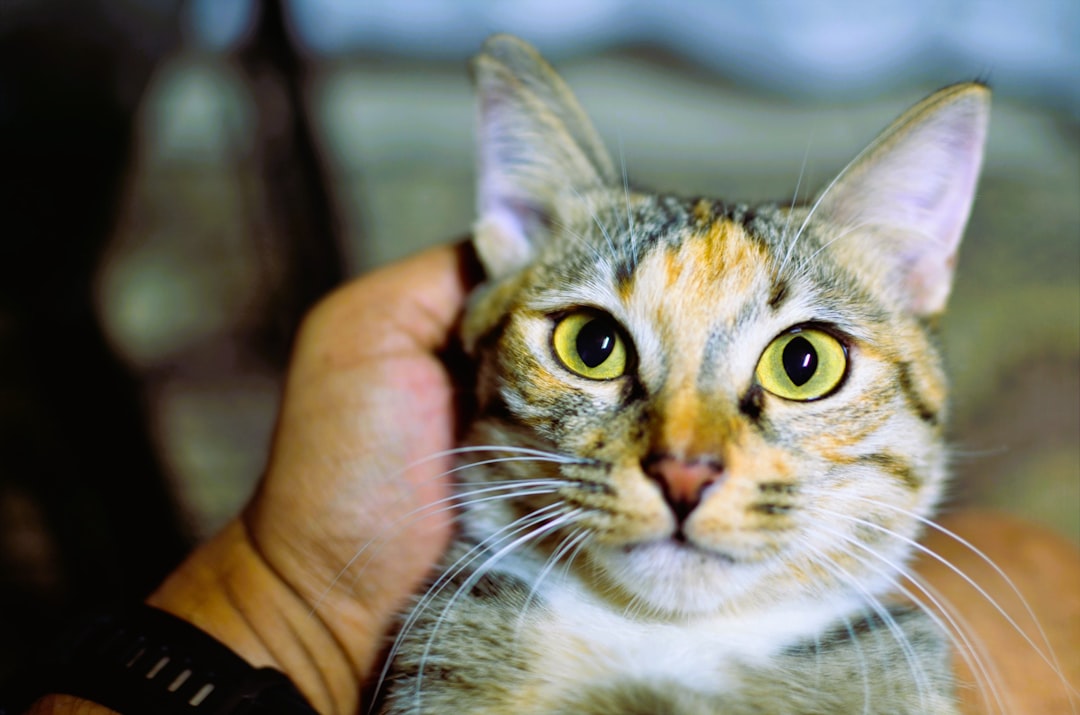
Owners higher in Conscientiousness and Openness were more likely to report their cats as being more gregarious, but less aggressive and less aloof/avoidant. Owners higher in Conscientious also reported less anxious/fearful behavioural styles in their cats. This reveals something profound about how your approach to life shapes your cat’s worldview.
Conscientious individuals tend to be organized, reliable, and thoughtful in their actions. When you consistently provide structured positive experiences with new people, your cat learns that strangers can be trusted. Owners that scored highly in conscientiousness and openness reported their cats being more outgoing, less aggressive and less fearful.
Reading Between the Whiskers: Subtle Behavioral Clues

Our cats always observe us. Always! Cats learn their behavior and habits from their mothers and littermates. If you raise it from an early age, the kitten will probably learn habits and pick up personality traits from you. Your cat is constantly studying your reactions to determine how to respond to new situations.
Notice how your body language changes when the doorbell rings. Do you tense up, move quickly, or speak in hushed tones? Cats develop behavior and personality traits partly in response to how humans interact with them and their environment. Your subtle cues about stranger interactions become their behavioral blueprint.
The Socialization Window: Early Experiences Matter
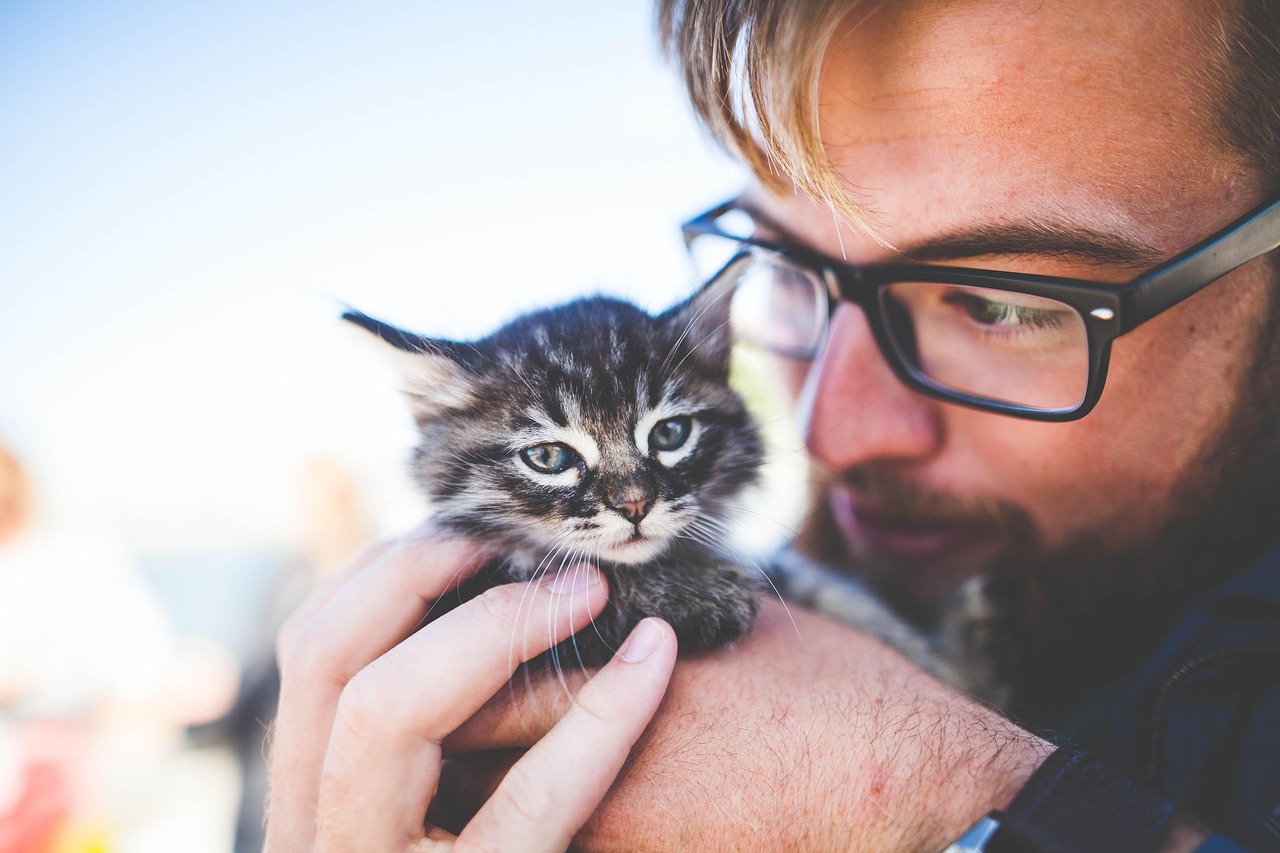
A common reason is lack of experience with visitors when the cats were kittens. If cats were not introduced to different people during their socialization period (3 to 9 weeks old), they might be more apprehensive around strangers as adults. However, this connects directly to your lifestyle and social patterns during your cat’s formative weeks.
This usually happens when you play a key role during the cat’s early socialization years. Since you’re the primary person the cat is exposed to on a day-to-day basis, it takes its cues from you. Your social habits during this critical period literally shape your cat’s lifelong approach to meeting new people.
Breaking the Cycle: When Cats Challenge Owner Patterns
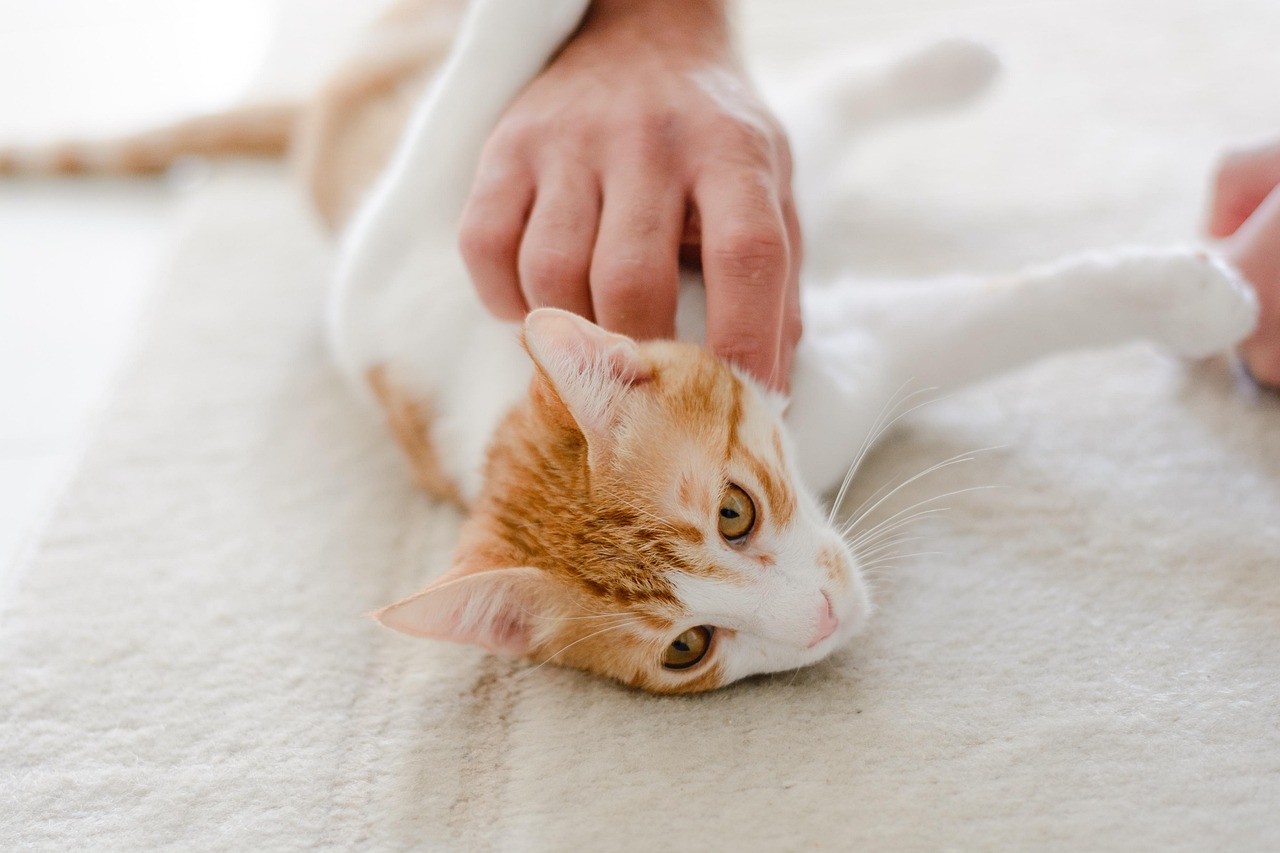
Wylde, an animal trainer, said: “While there are some general correlations between a cat owner’s personality and the cat’s behavior, it’s also important to remember that cats are highly intendant and unique creatures. They’re often somewhat influenced by their owner’s personality type. A lot of times, they’ll have their own unique personality that’s almost completely separate from their owners. Cats’ personalities are much more likely to be influenced by genetics and the environment the cat grew up in.”
Sometimes your cat’s reaction to strangers reveals not just your current state, but areas where you might need growth. If your naturally social cat suddenly becomes withdrawn around new people, it might be reflecting recent changes in your own comfort levels or stress patterns that you haven’t consciously recognized.
The Healing Mirror: What Your Cat’s Teaching You
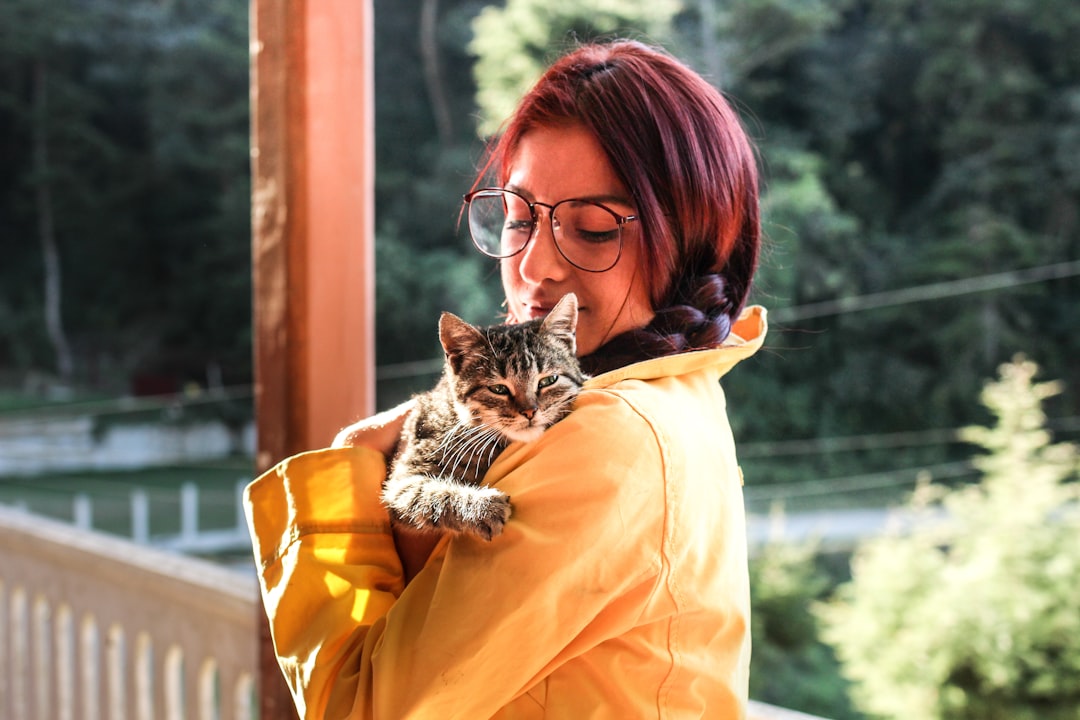
In any case, it’s important that the person recognizes the pattern so that they can change their behavior or start healing their unresolved life topics. Once the human changes their behavior, so will the cat. So the key to a happy cat is to be happy ourselves first. This insight transforms how we understand the human-cat relationship from simple companionship to mutual emotional development.
Some research suggests cats may show limited ability to respond to their owners’ emotional states. They may become more subdued when their owner is sad, more playful when their owner is happy, or even display signs of stress when their human companion is anxious. Your cat’s stranger reactions might be highlighting emotional patterns you need to address for both your wellbeing and theirs.
Conclusion
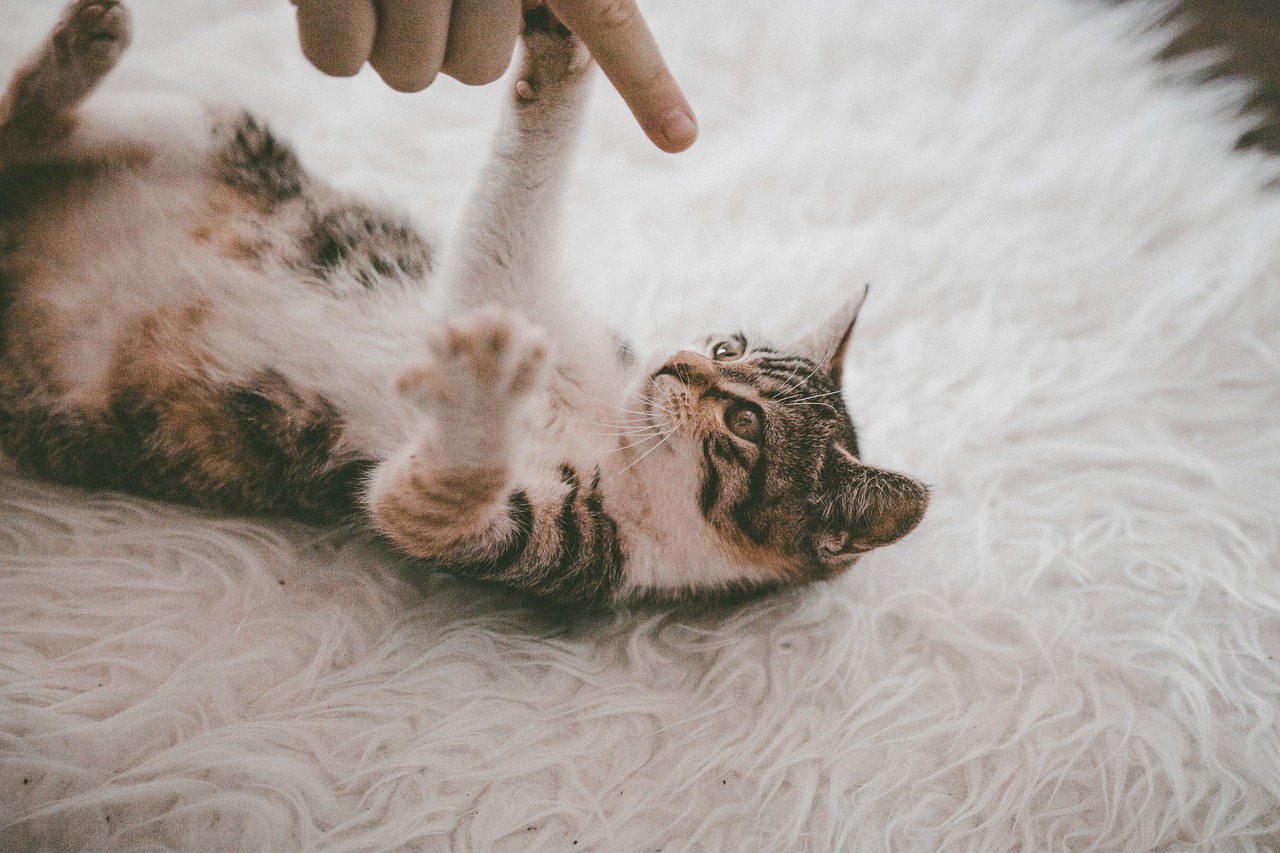
Your cat’s reaction to strangers serves as an extraordinary emotional mirror, reflecting not just your current social comfort levels but your deeper personality patterns, stress responses, and even areas for personal growth. The personality of a cat’s owner appears to actively shape the cat’s behavior, indicating just how tight the human-cat bond really is.
Rather than simply accepting your cat’s stranger behaviors as fixed traits, consider what they might be revealing about your own social energy and emotional patterns. The beautiful truth is that as you work on your own comfort with new people and manage your stress levels, your cat will likely mirror these positive changes too. This remarkable bond offers us both companionship and a pathway to better understanding ourselves.
What do you think about your cat’s stranger reactions now? Do you see any patterns that reflect your own social comfort levels?