Have you ever watched your cat drift off to sleep and wondered what their chosen position actually means? That adorable curled up ball or the exposed belly display isn’t just cute – it’s actually your feline friend communicating volumes about how they feel.
Cats sleep an average of 13-16 hours daily, making them one of nature’s champion snoozers. Yet their sleep isn’t just about rest; it’s a complex language of trust, comfort, and instinct. Every twist, tuck, and stretch tells a story about their emotional state and relationship with you.
The Classic Curl: Security in a Circle
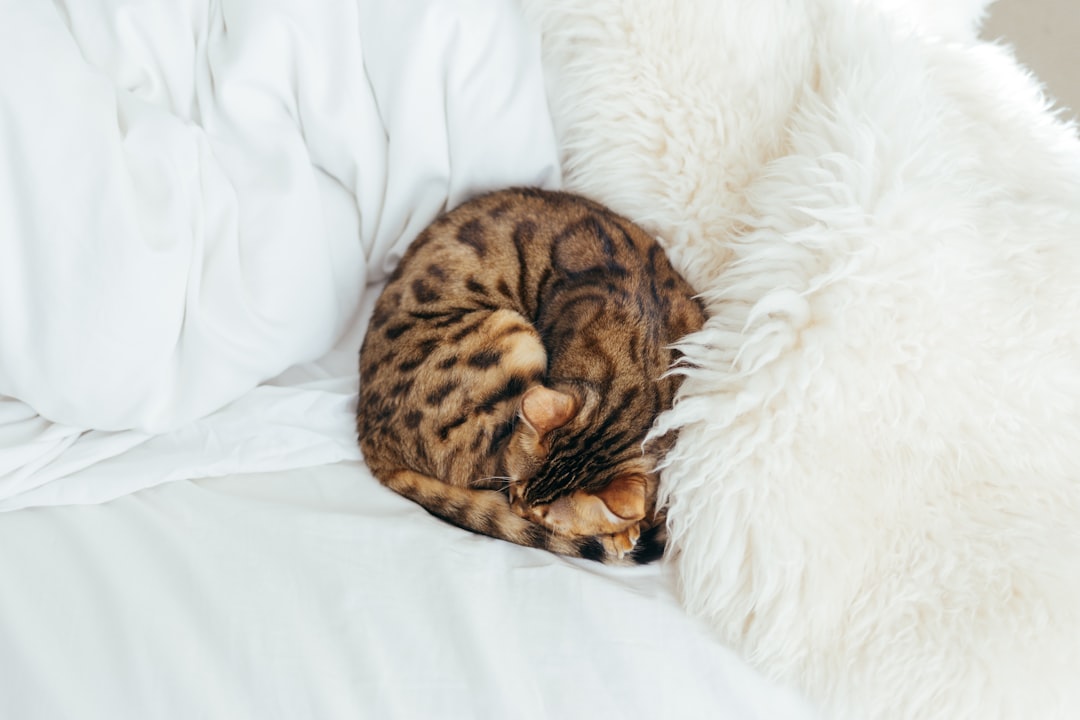
When your cat sleeps curled up in a tight ball with their nose touching their tail, they’re following an ancient survival instinct. This position helps them retain body heat while protecting vital organs by surrounding them with less essential muscle and bone.
Often resembling a crescent roll or shrimp, this classic “cat curl” serves practical purposes beyond just comfort. If you notice your cat adopting this position frequently, it could mean they’re feeling a bit chilly or vulnerable in their environment.
The Loaf Position: Relaxed Yet Ready
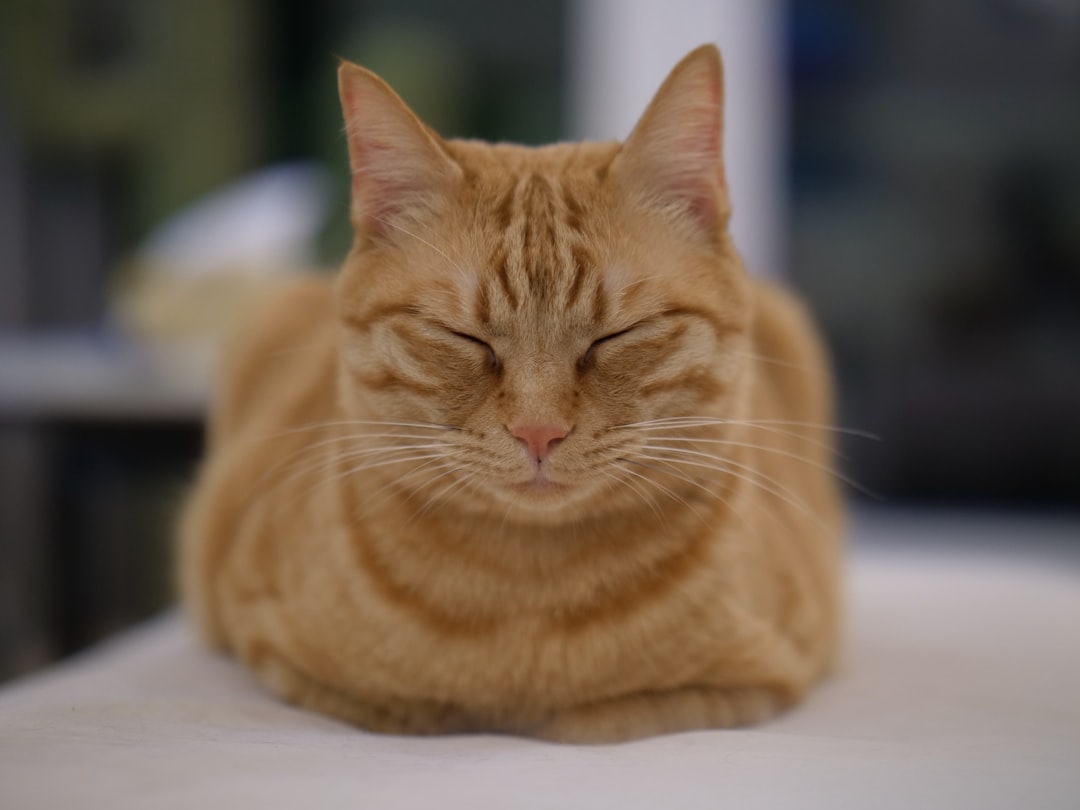
The loaf position resembles a perfectly baked bread loaf, with cats keeping their front paws curled underneath their body and head up. This position preserves body heat and protects vital organs.
This stance indicates a state of relaxed alertness – while comfortable enough to rest, your cat remains ready to spring into action if needed. It’s often seen during short catnaps rather than deep sleep. Cats in the loaf position may be relaxed, but they’re also poised to use their claws if suddenly faced with danger.
Belly Up: The Ultimate Trust Signal
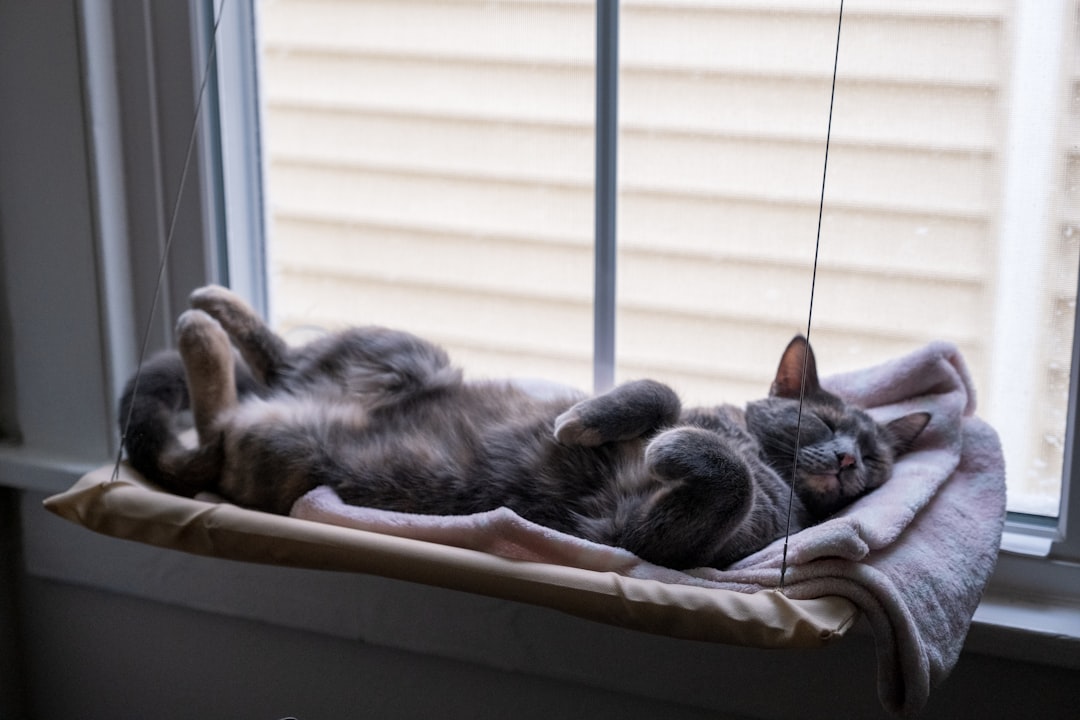
When cats sleep on their back with front legs resting on their belly or outstretched over their head, exposing their belly fully, it demonstrates they feel very safe and confident. This vulnerable position indicates total relaxation and wellbeing, as the cat’s stomach is their most vulnerable part.
This sleeping position would leave them extremely vulnerable in the wild, so if your pet chooses to sleep belly-up, it means they feel incredibly comfortable and safe around you. It’s one of the strongest signs of trust cats can show, something they only do when feeling absolutely safe in their environment.
Side Sleeping: Deep Rest and Complete Trust
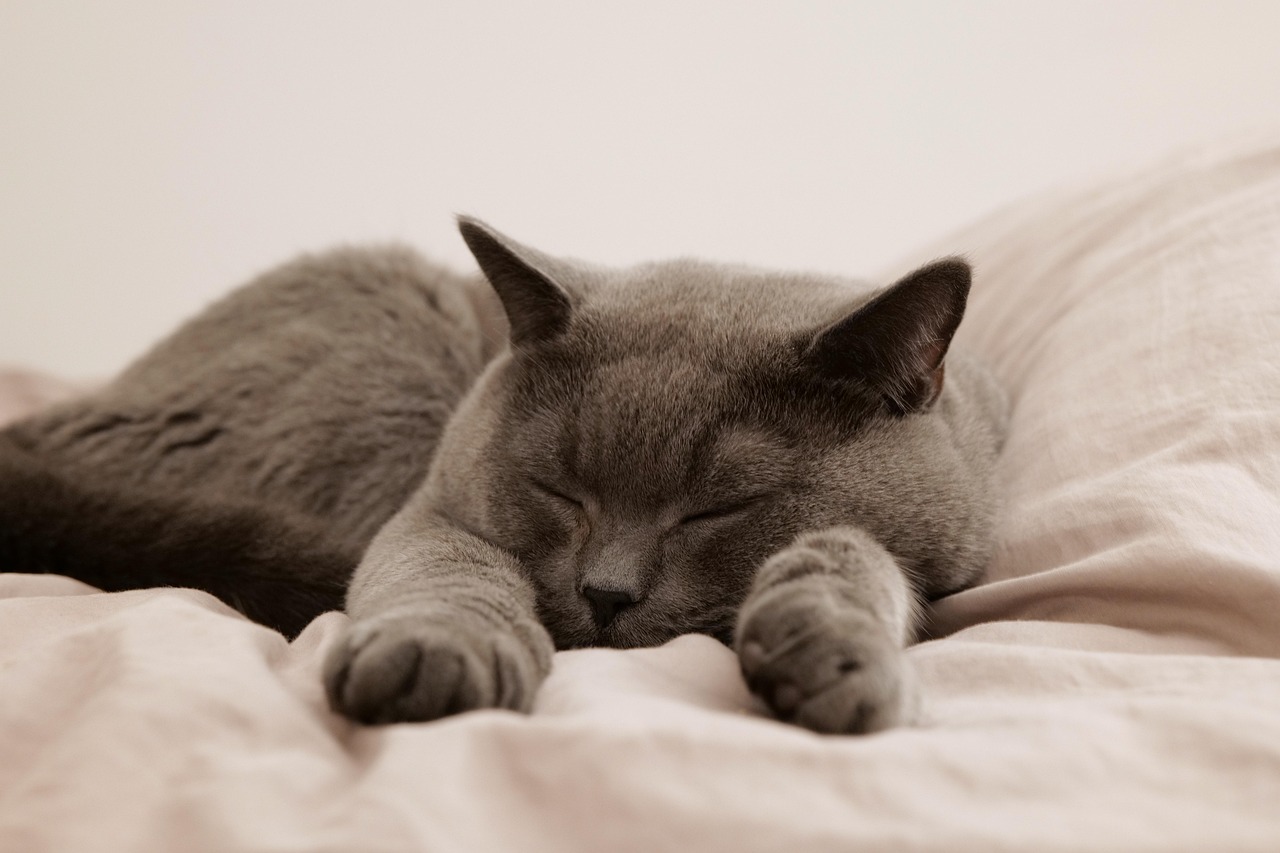
Cats also like sleeping on their side with legs stretched out, and similar to belly-up sleeping, their vital organs are exposed in this position, which means your cat feels very comfortable with you.
When your cat is spread out on their side, they’re often in deep sleep, and this position leaves them most vulnerable, showing they really trust and feel comfortable around you. However, side sleeping makes it easier for cats to jump up or run if needed, giving them an escape option that helps them get restful sleep.
Eyes Half-Open: Light Sleep Mode
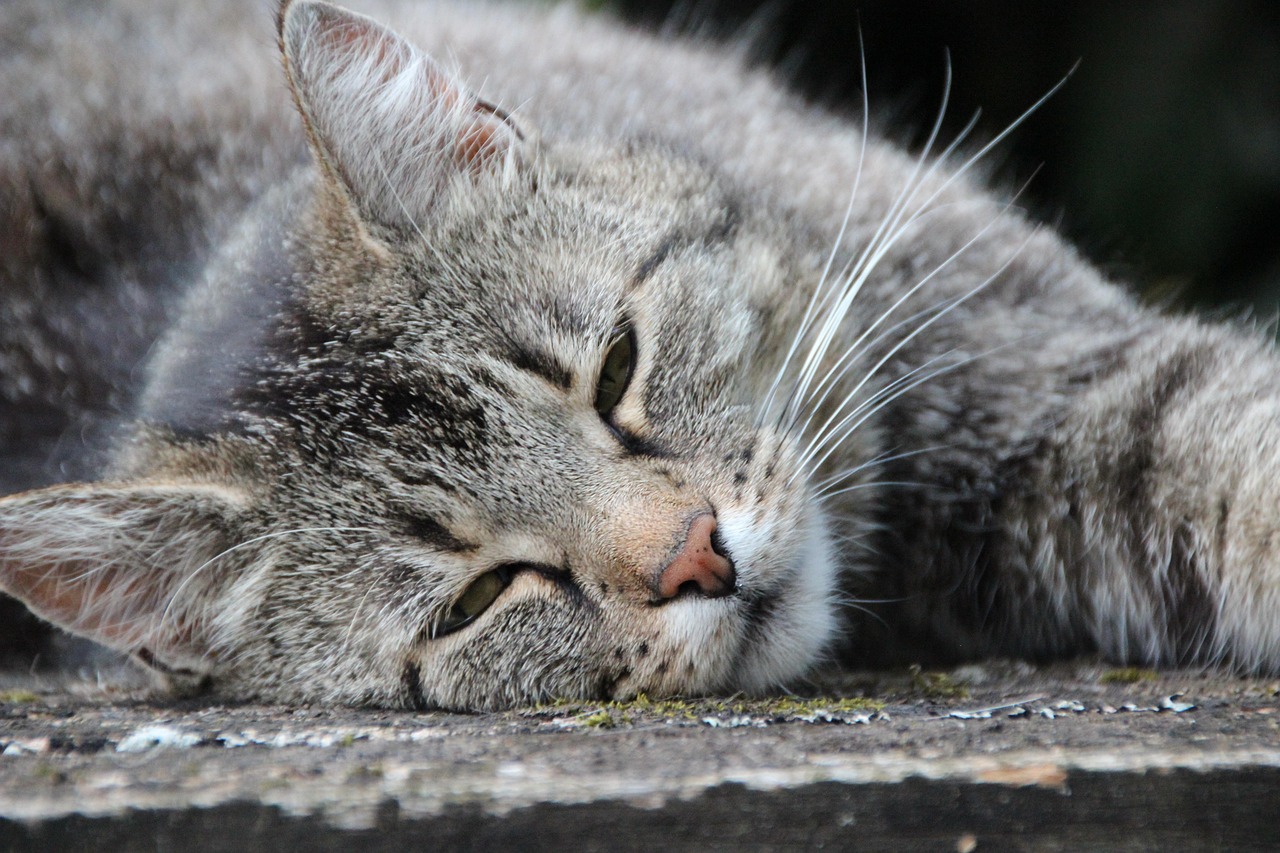
When you notice your cat with their eyes half-closed, appearing as if they’re squinting or on the verge of sleep, they’re often in light sleep where they can quickly wake up if needed. This allows them to stay alert to environmental changes.
A cat snoozing with eyes open to little slits is only half-asleep, still on the lookout for danger, potential threats, or even the chance to pounce on a meal. This behavior links to their wild origins. This position may indicate they feel they need to act quickly in their environment.
Paws Over Face: Creating a Personal Sleep Mask
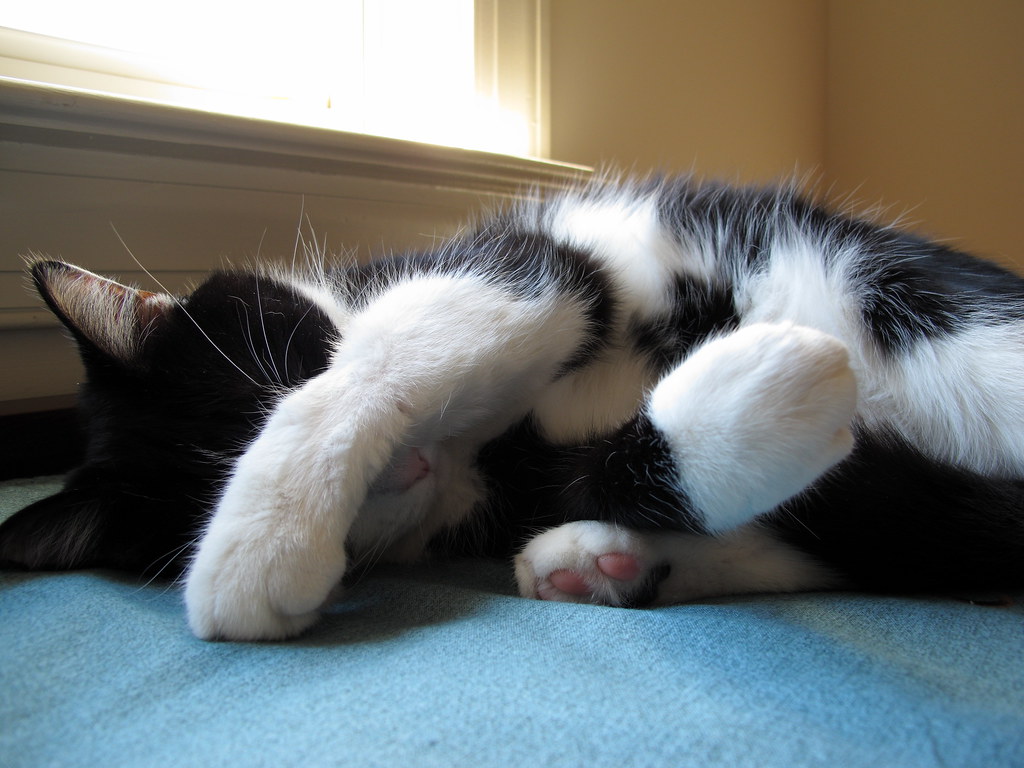
When cats sleep with paws covering their eyes, there’s good reason for this behavior. Their paws provide insulation and warmth for both paws and face, while also acting like a sleeping mask to block harsh light, dust, or pollen.
In this sleeping position, your cat sends a clear message that they don’t want to be disturbed while sleeping. Think of it as your kitty wearing an eye mask to bed, attempting to keep disturbances minimal during their beauty rest.
Sleeping on or Near You: The Ultimate Bonding Behavior
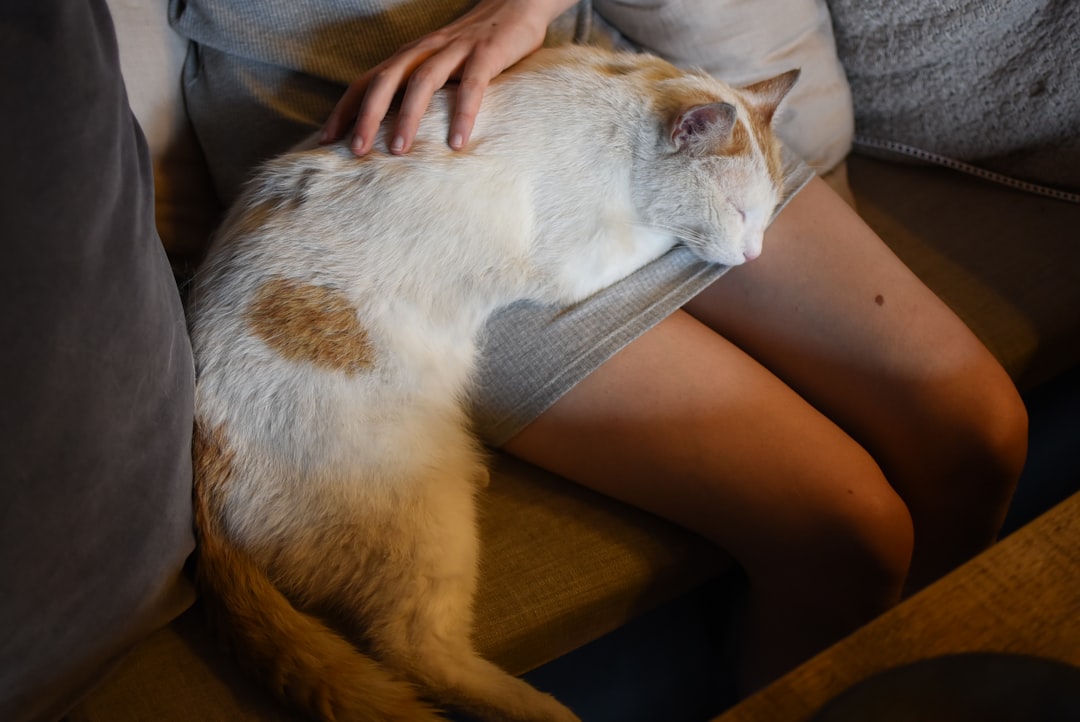
When cats share the same comfortable bed or sleep together, it’s often because they’re bonded to each other, and group sleeping provides heat. Cats sleeping together may be soothed by the sound of another cat’s purr.
Sleeping on you or beside you shows cats seeking warmth, comfort, and bonding – a sign of deep trust and affection. Cats form social bonds with their owners and naturally seek warmth, explaining why they often snuggle up next to you or settle in your lap for naps.
Contortionist Positions: Flexibility Meets Deep Relaxation
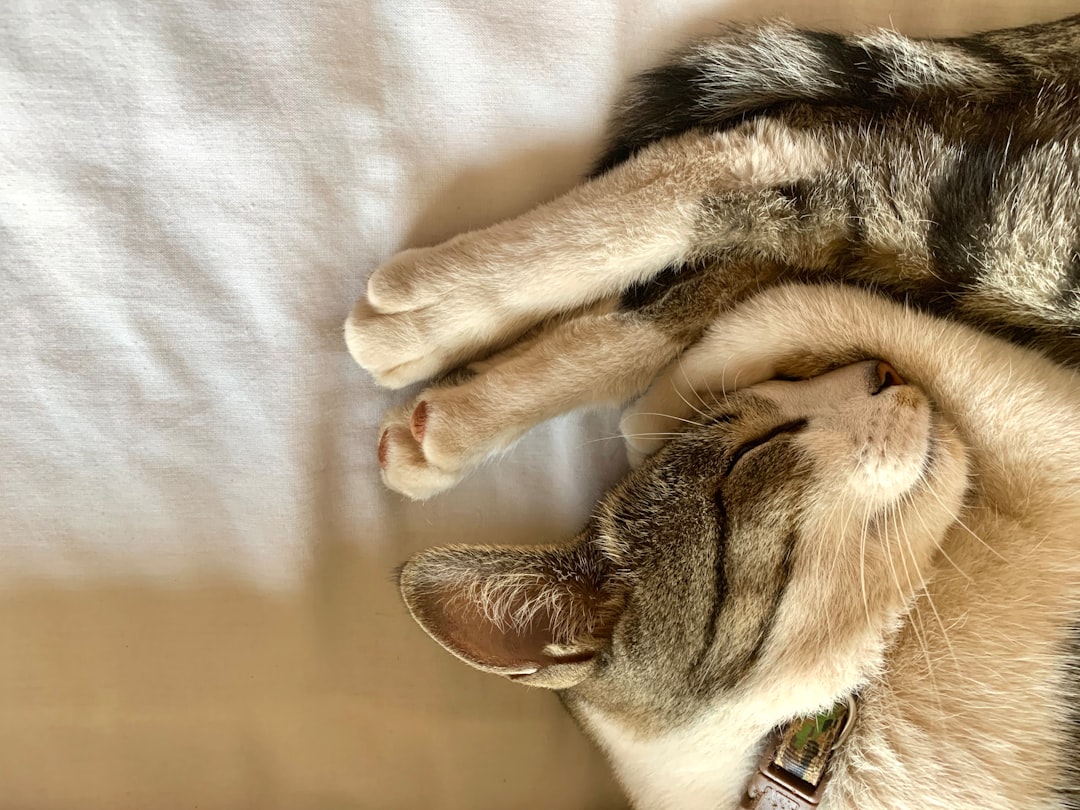
Some sleeping positions may appear incredibly uncomfortable, but they’re quite the opposite. When you see your cat with back and front legs pointing different ways and head twisted around, they aren’t in pain – they’re comfortable!
When your cat looks like they’re defying physics with limbs at odd angles and head upside-down, it’s not cause for worry. These quirky sleep postures show your cat’s extreme flexibility and indicate deep sleep. Cats’ flexibility allows them to sleep in seemingly uncomfortable positions, actually signaling deep relaxation.
High Perches and Hidden Spots: Environmental Preferences
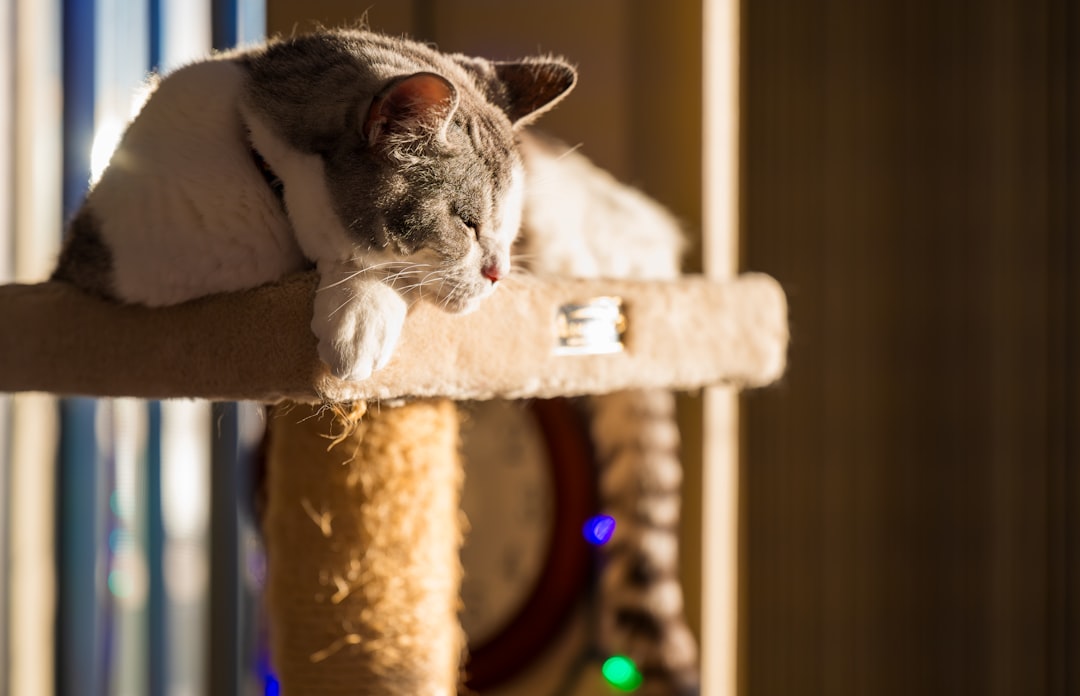
Unlike dogs, cats don’t usually sleep on the ground even when offered comfortable beds. They select raised surfaces, covered areas, or confined spaces like boxes, pet beds, or outdoor bushes.
Anxious or skittish cats prefer to hide in small dark confined spots like wardrobes or under bedding, while confident cats shelter themselves in boxes, tunnels, and bags. Cats with joint disease prefer warm, easily accessible beds. High spots offer safety and strategic views, satisfying their instinct to monitor their territory.
Conclusion: Reading Your Cat’s Sleep Language
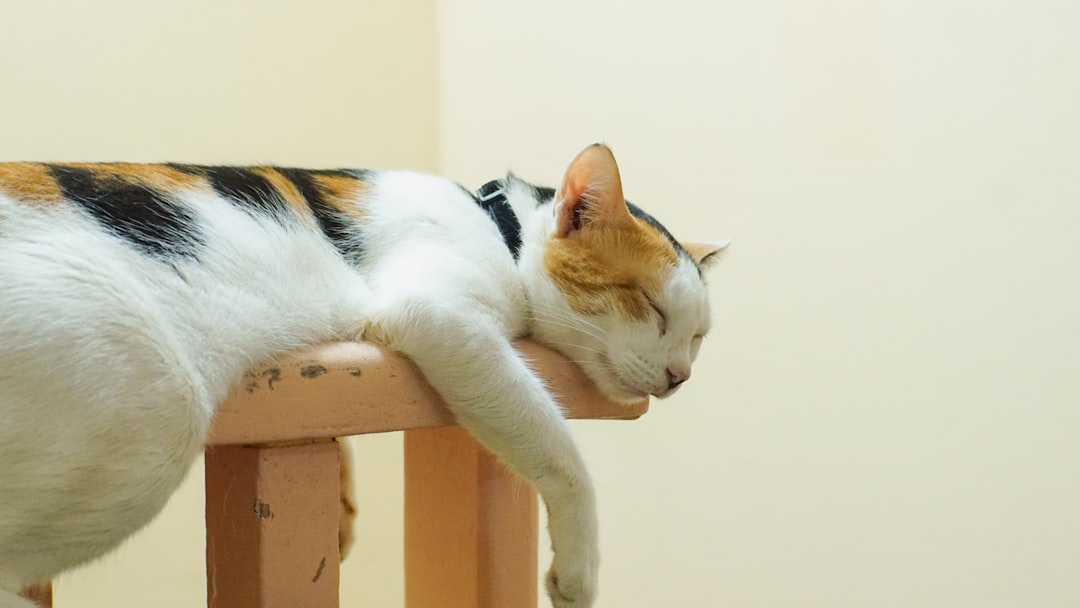
Cat sleeping positions reflect their emotional state, comfort level, and sometimes health, with each position ranging from showing trust and relaxation to alertness and readiness for action. Understanding these subtle communications helps you build stronger bonds with your feline friend while ensuring their comfort and security.
The next time you catch your cat in one of these positions, take a moment to appreciate the trust they’re showing you. From the protective curl to the vulnerable belly-up display, each pose is a window into their world of comfort, vigilance, and affection.
What position does your cat favor most? Tell us in the comments – we’d love to hear about your feline’s unique sleeping habits!