You know the sound well. That plaintive cry when your cat sits by an empty food bowl. The enthusiastic greeting when you walk through the door. Maybe even that demanding yowl at three in the morning that jerks you out of sleep. Your cat is trying to tell you something, clearly. The challenge? Actually figuring out what that something is.
Let’s be real, cats are fascinating creatures with a language all their own. While you might think you’ve mastered the basics of feline communication, there’s a whole world of subtle nuances hiding beneath those familiar meows. Some cats barely whisper, while others could wake the entire neighborhood. What makes your cat choose one vocalization over another? Why does the same meow sound completely different depending on the situation?
The Human Connection: Why Your Cat Talks to You
Here’s something that might surprise you. Adult cats use meowing almost exclusively to communicate with humans, not with each other. Wild and feral cats rarely meow once they reach adulthood. They rely on body language, scent marking, and other silent signals to interact with fellow felines.
As cats began to live alongside humans, these vocalizations took on new meanings, and when a cat meows at us, it’s as if they see us as their caregivers. Your cat has essentially domesticated itself, learning that meowing gets your attention. Think about it: roughly ten thousand years ago, cats figured out that hanging around human settlements meant easy access to rodents. The less fearful cats thrived, and over generations, they adapted their communication style specifically for us.
Your cat is smart. She’s learned that you respond to vocal cues in ways that other cats simply wouldn’t. It’s hard to say for sure, but your feline friend might just view you as part of the family, even if we can’t definitively say whether she sees you as a parent or a friend.
The Pitch and Tone Decoder
Short meows typically mean hello, while longer meows often indicate requests or demands, and high-pitched meows might signal distress, while low-pitched meows can indicate displeasure or anger. Your cat’s vocal range is like an emotional canvas. The way she modulates pitch, length, and volume tells you everything you need to know about her current state of mind.
A high-pitched meow from a cat usually indicates that they are startled, hurt, anxious, or surprised, and this meow can sound more like a yelp due to its high pitch. When you accidentally step on your cat’s tail and hear that sharp, sudden shriek, you know immediately that something’s wrong. Conversely, a meow that comes in a lower pitch than normal is a warning and a complaint, as your cat is typically unhappy about something.
The Greeting Meow: Hello, I Missed You
A short, soft meow typically means your cat is greeting you, and this is common when you return home or when they want your attention. It’s that quick little chirp your cat makes when you walk in after a long day. Honestly, there’s something incredibly heartwarming about being greeted by an enthusiastic feline who’s genuinely happy to see you.
A series of short meows typically indicates excitement. If your cat launches into rapid-fire meowing when you come home, congratulations. You’ve been claimed. That happy chatter, often paired with leg rubs and an upright tail, is your cat’s way of saying you matter in her world.
The Demanding Meow: I Want Something Now
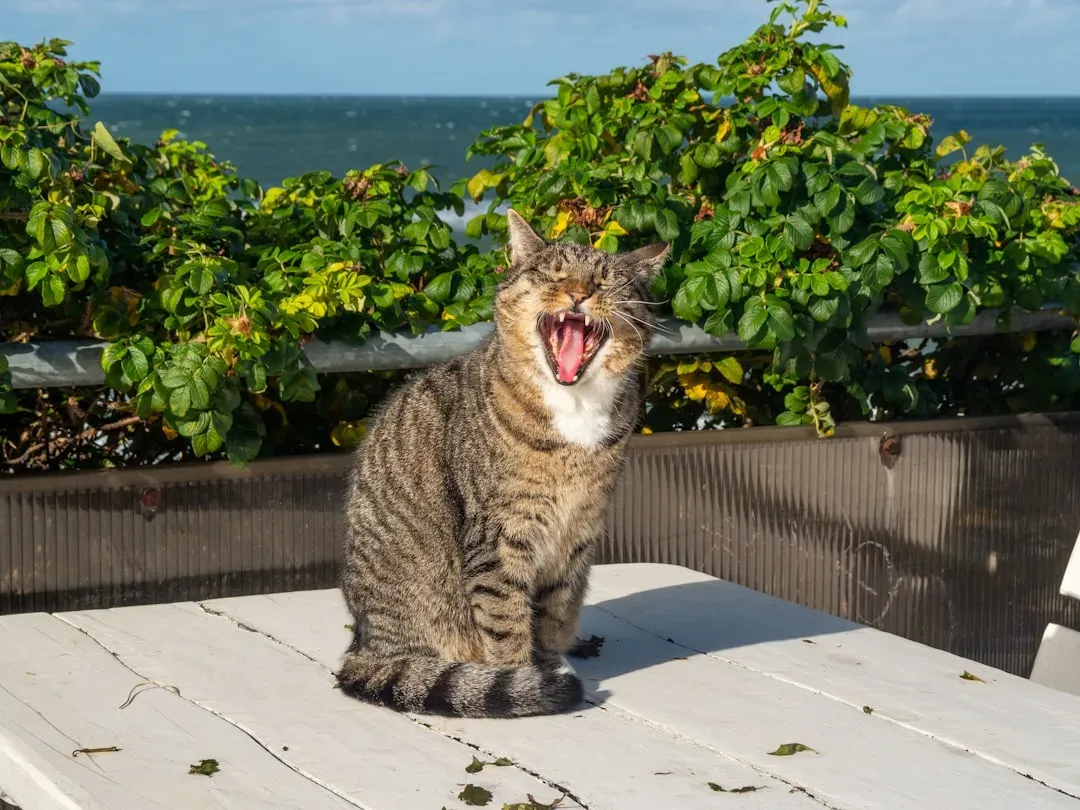
A long meow may be another way to demand what they want from us, and it’s a bit more demanding and pleading, showing up when your pet wants to go in or out of the house, desires attention, or wants access to something. This is the drawn-out “mrrroooowww” that seems to go on forever until you finally cave and give your cat exactly what she wants.
Most cats like to eat, and they can be quite demanding around mealtimes, with some cats learning to meow whenever anyone enters the kitchen. You know this meow. It’s insistent. It’s persistent. Your cat has learned through trial and error that this particular vocalization gets results.
The High-Pitched Mew: A Kitten’s Cry
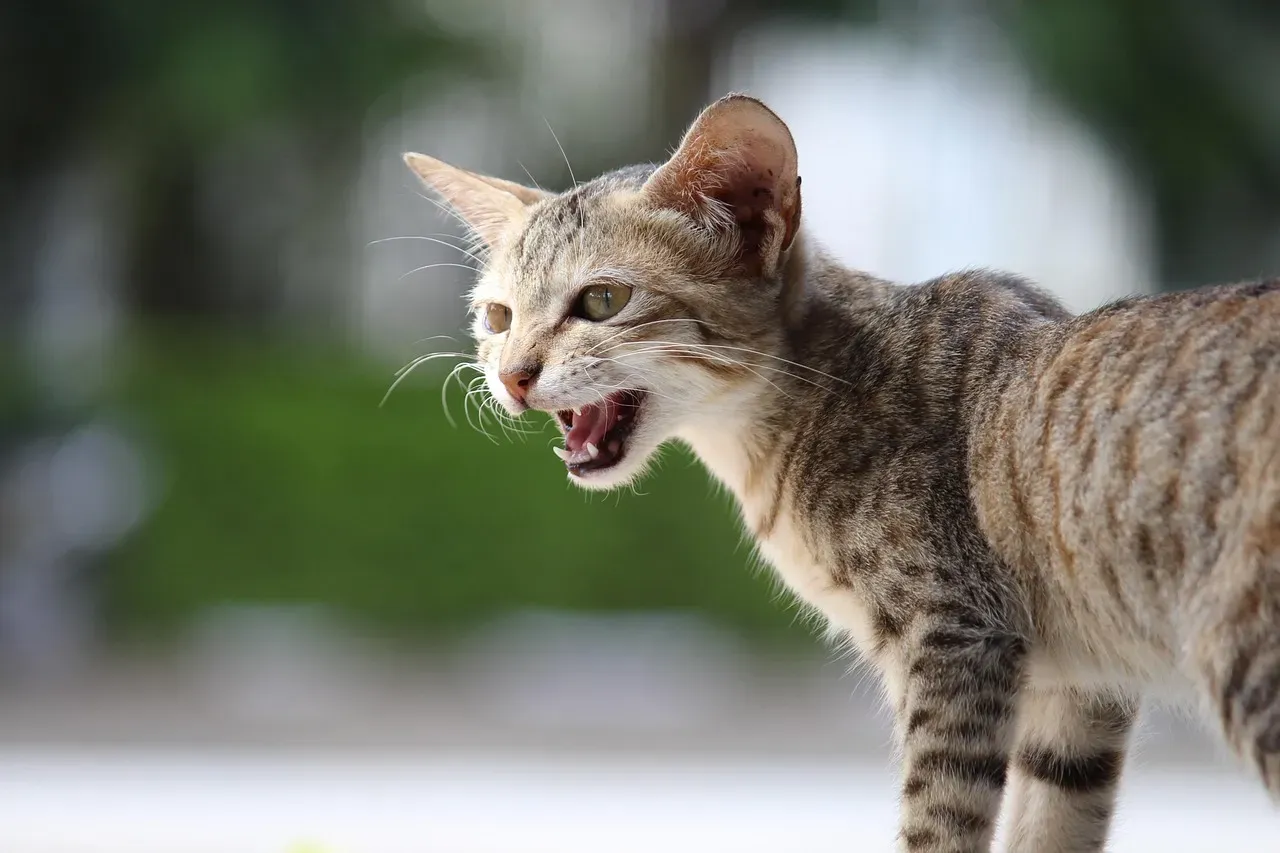
A mew is a high-pitched meow that is often produced by domestic kittens and is apparently used to solicit attention from their mother, but they are also used by adult cats. That tiny, adorable “mew” sound pulls at your heartstrings for a reason. It’s designed to trigger a caregiving response.
Some adult cats revert to this kitten-like vocalization when they want food or attention. It works because it taps into our natural instinct to respond to creatures that seem vulnerable or in need. Your cat isn’t manipulating you, exactly. Well, maybe she is, but it’s all in good fun.
The Yowl: Something’s Wrong Here
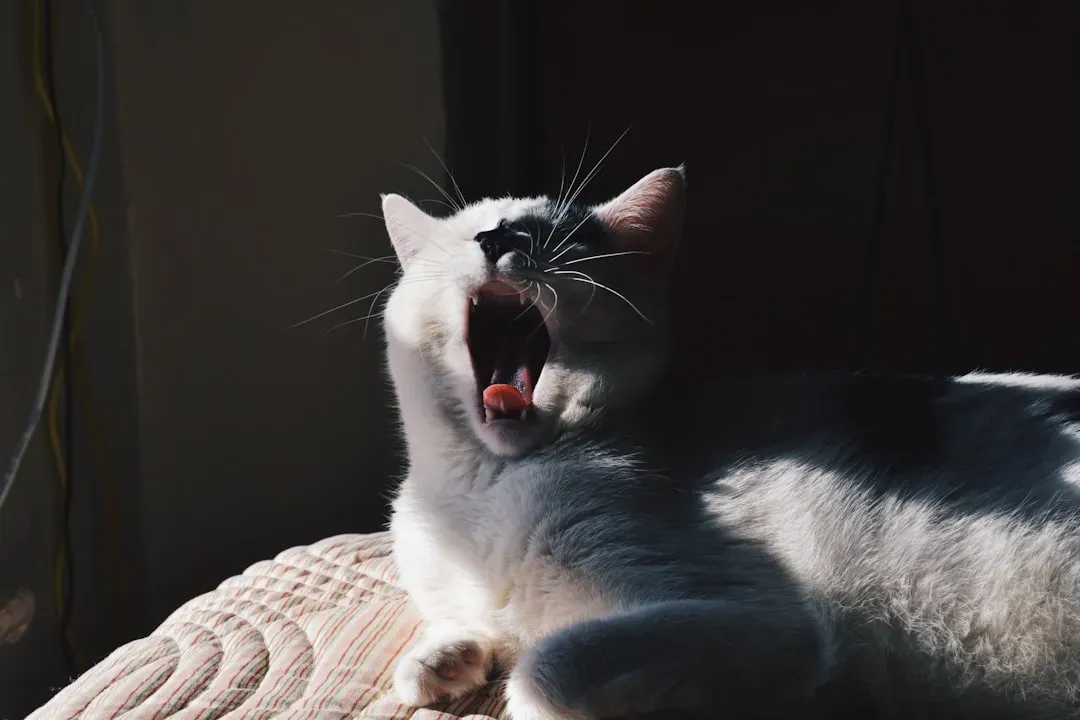
A yowl is a drawn-out sound cats can make, and yowling and howling are signs that a cat is in distress, which may be physical distress from pain or illness, or emotional distress from worry, frustration, boredom, or confinement. This isn’t a sound you want to ignore. Unlike a regular meow, the yowl demands immediate attention.
A yowl or howl tells you your cat is in some kind of distress – stuck in a closet, looking for you or in pain, so find your cat if they’re making this noise. In unaltered cats, yowling can also be part of mating behavior, which is why spaying and neutering can significantly reduce this type of vocalization.
The Trill: A Friendly Invitation
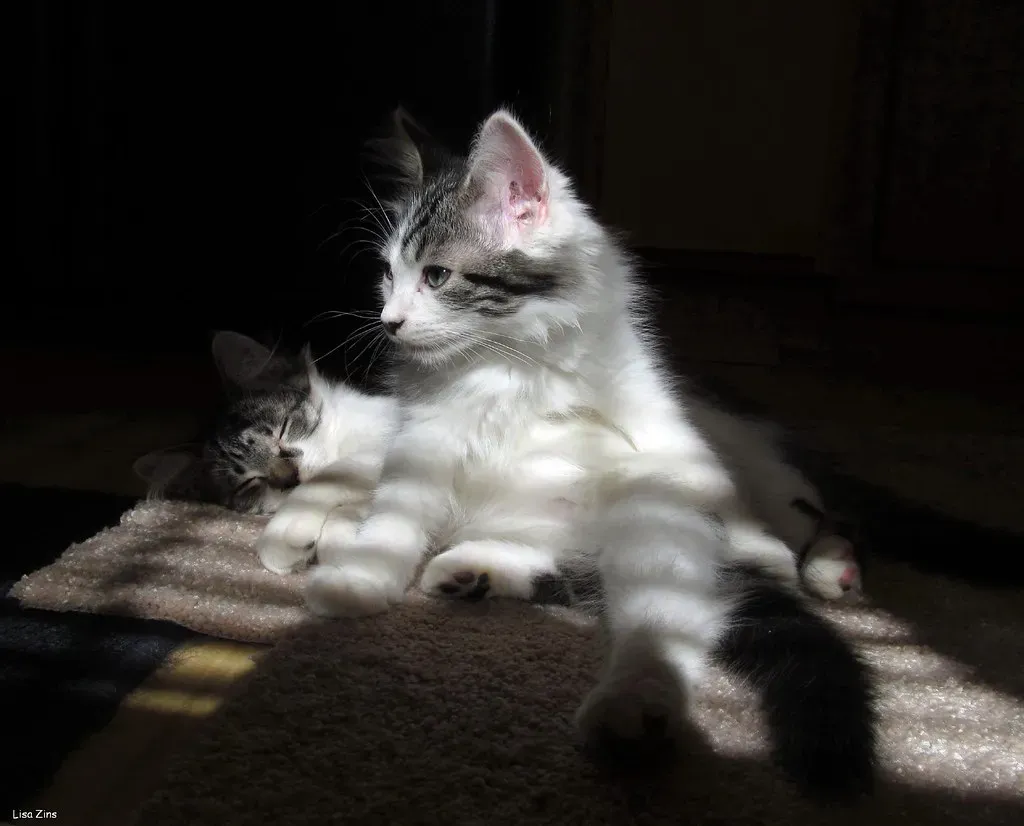
A cat trill typically sounds like a high-pitched, chirping sound that combines a meow with a purr. Trilling is one of the most delightful sounds your cat can make. It’s produced with the mouth closed, creating a rolling, almost bird-like sound that conveys positive emotion.
Cats trill when they see or approach a familiar and well-liked person, cat, or other animal, and studies show it is specifically associated with positive and familiar situations. Chirps and trills are how a mother cat tells her kittens to follow her, and when aimed at you, it probably means your cat wants you to follow them, usually to their food bowl.
The Chatter: Predator Instincts Activated
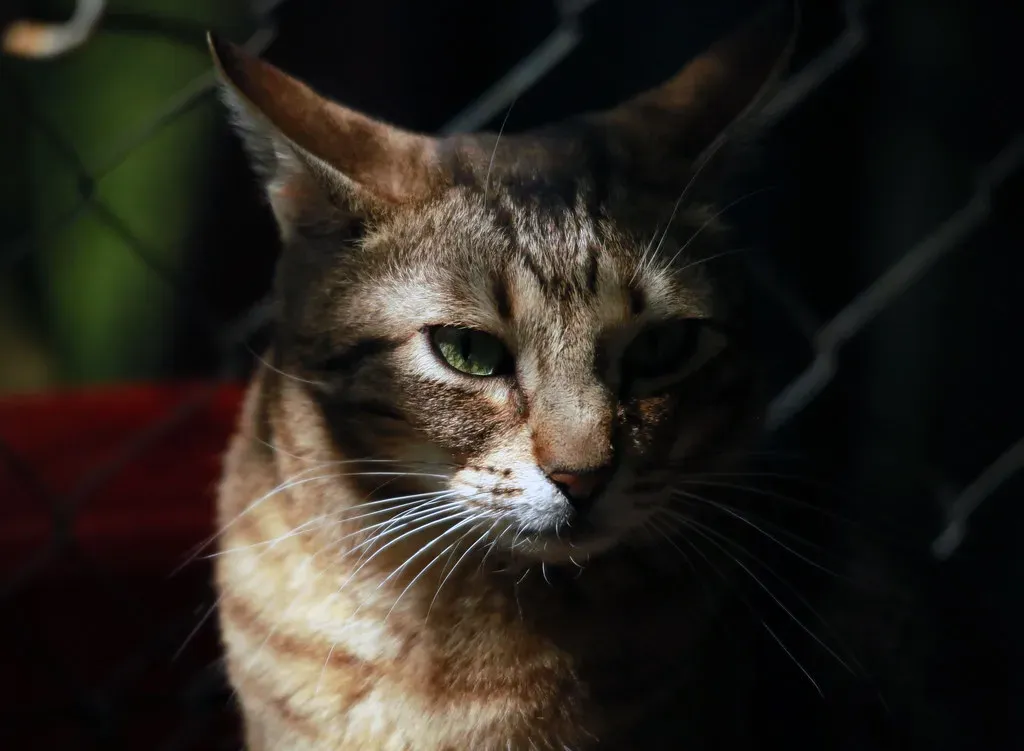
The chatter vocalization refers to teeth chattering produced by the cat in a vicinity of prey, and the sound is the result of a quick stuttering or clicking sound with the jaw and a tensely open mouth. If you’ve ever seen your cat sitting at the window watching birds outside, you might have heard this fascinating sound.
Chattering, chittering or twittering are the noises your cat makes when they’re sitting in the window watching birds or squirrels, and it usually translates to excitement. Some experts believe it’s an overflow of frustration at seeing prey they can’t reach. Others think it might be practice for the killing bite. Either way, it’s a reminder that your domesticated sweetheart still has wild instincts lurking beneath that fluffy exterior.
The Silent Meow: The Sweetest Mystery
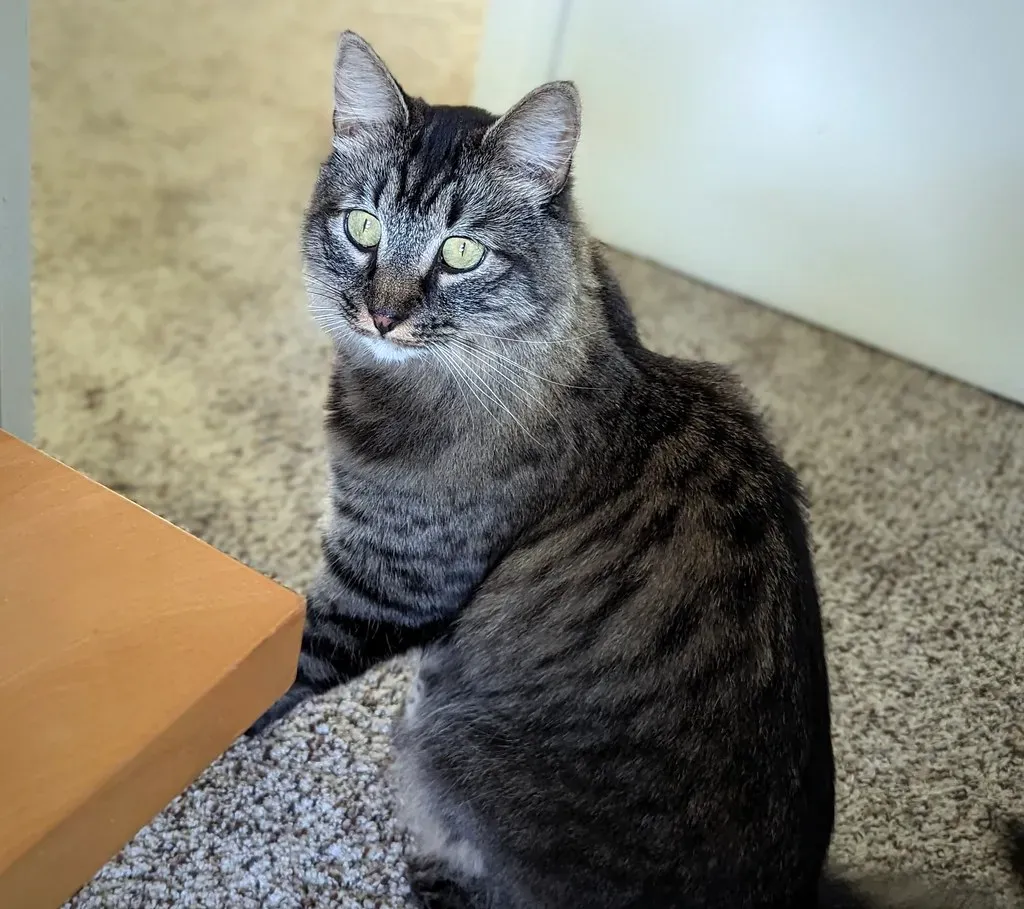
A cat’s meow can be assertive, plaintive, friendly, bold, welcoming, attention-soliciting, demanding, or complaining, and it can even be silent, where the cat opens its mouth but does not vocalize. This might be the most endearing vocalization of all. Your cat opens her mouth, the meow motion happens, and yet no sound emerges.
The occasional silent meow is common among felines and nothing to worry about, and for many cats, the quiet meow simply is a substitute for a classic meow. What’s actually happening? It may be that your cat actually isn’t meowing without sound; rather, it’s just too quiet for you to hear. Cats can hear frequencies far beyond human range, so what seems silent to you might be perfectly audible to another cat.
Most often, it’s a sign of gratitude and affection. Your cat trusts you enough to use this gentle, subtle form of communication.
Context Is Everything
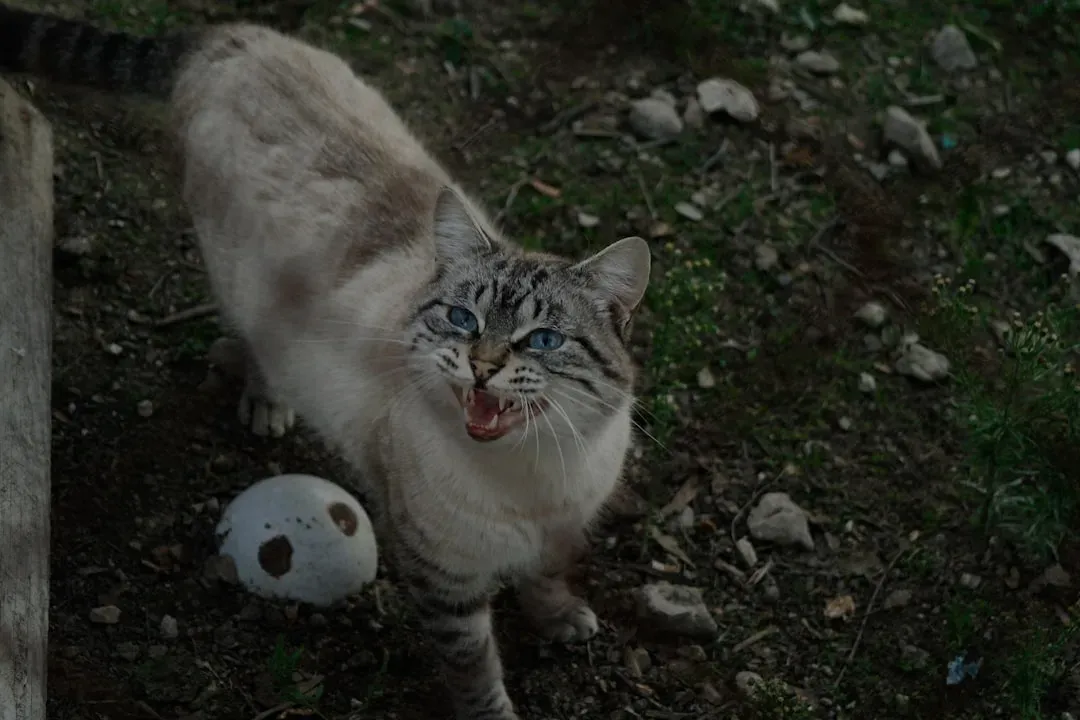
The meaning of your cat’s meows often depends heavily on context, as a morning meow might be a breakfast request, while the same sound in the evening could mean they want to play. You can’t decode your cat’s vocalizations in isolation. You need to consider the situation, your cat’s body language, and what’s happening in the environment.
A cat’s body language, including tail positioning, ear movements, and eye contact, can provide valuable clues about their emotional state and intentions, such as a meow accompanied by a rapidly twitching tail and flattened ears may indicate frustration or annoyance. Meanwhile, a meow paired with a raised tail and direct eye contact is probably a friendly greeting.
Breed Differences and Individual Personalities
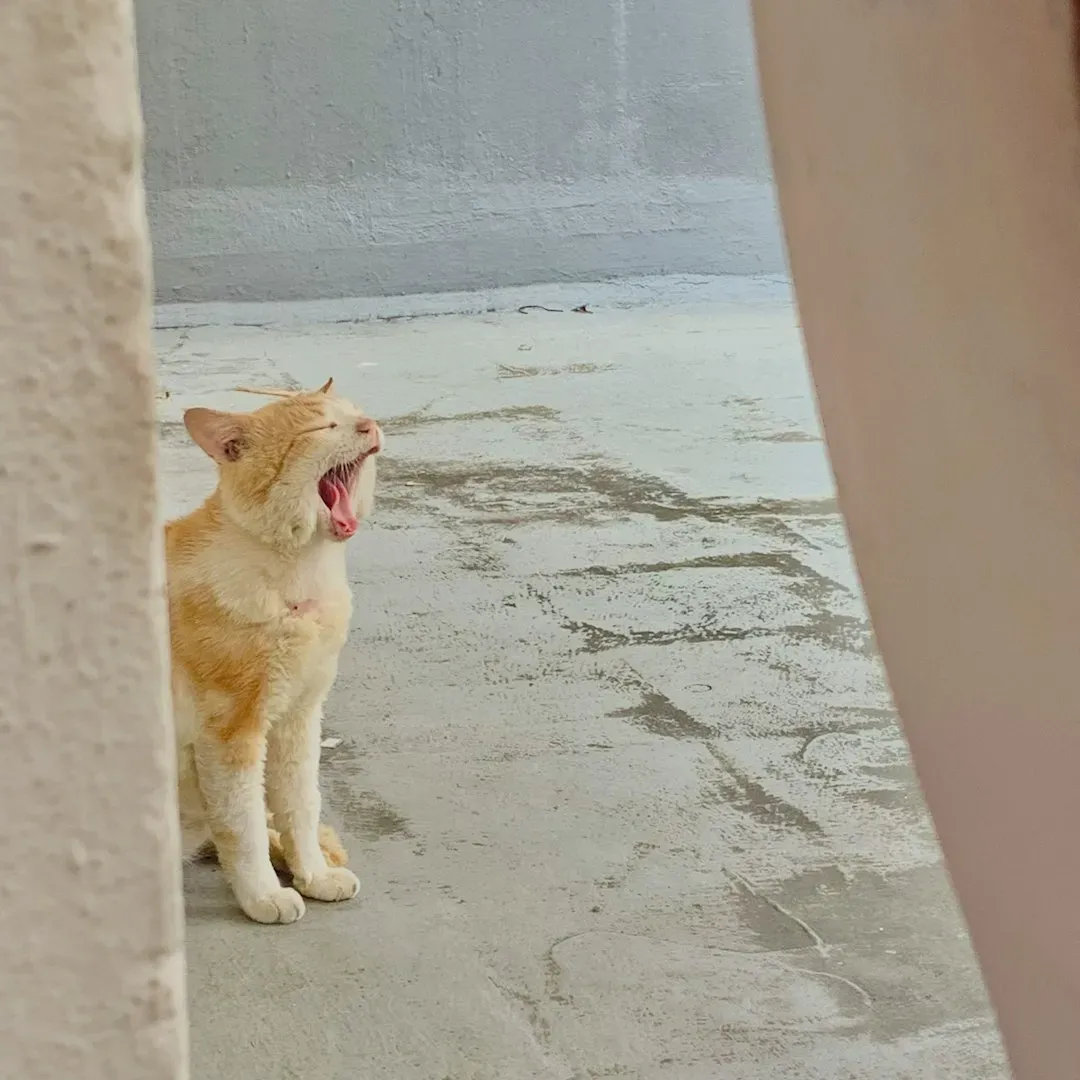
Different cat breeds have varying propensities for vocalization, with Siamese cats known for their loud, frequent communications, while Persian cats tend to be quieter. If you’ve ever lived with a Siamese, you know they’re the chatterboxes of the cat world. They’ll hold entire conversations with you, responding to your every word with their own distinctive vocalizations.
Some cats are naturally quiet. Others never stop talking. While some cats rarely make a peep, others won’t let you get a word in edgewise, and kittens who are handled often and are well-socialized may turn into more vocal adults. Your cat’s personality plays a huge role in how much she talks to you.
When Vocalizations Signal Health Problems
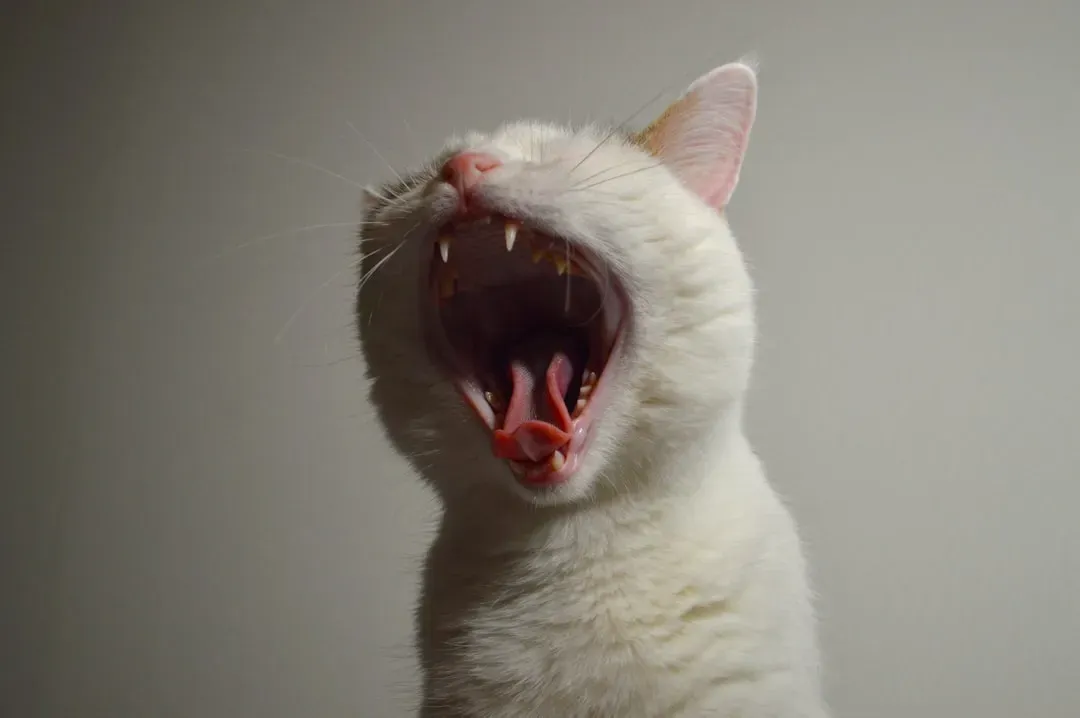
As cats age, they’re prone to developing an overactive thyroid and kidney disease, and either one may result in excessive meowing. A sudden change in your cat’s vocalization patterns deserves attention. If your normally quiet cat suddenly becomes vocal, or your chatty cat goes silent, something might be wrong.
Cats can also become increasingly vocal as they age due to age-related dementia and deteriorating eyesight, and a cat who feels anxious or confused may meow to seek reassurance, while hearing loss can also cause a kitty to vocalize louder than usual. Always consult your veterinarian if you notice dramatic shifts in how your cat communicates.
Understanding Your Cat’s Unique Language
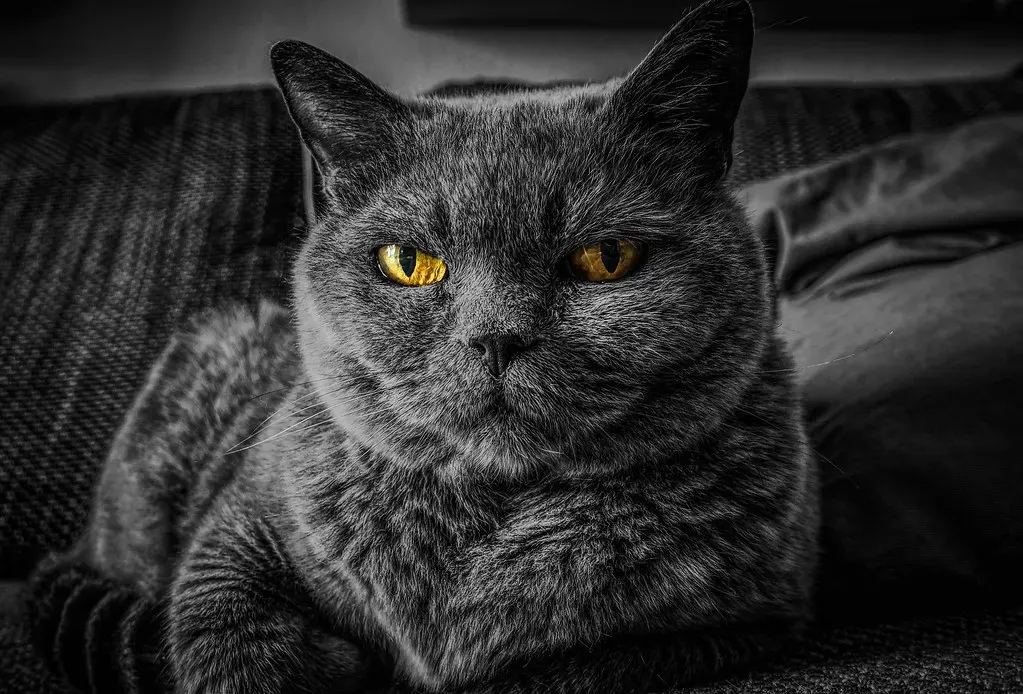
Although meowing is mainly a human-directed vocalization and should represent a useful tool for cats to communicate emotional states to their owners, humans are not good at extracting precise information from cats’ vocalizations. We like to think we understand our cats perfectly, but research suggests otherwise. The good news? You can improve your comprehension over time.
If humans respond with words and attention to their cats’ chirps and meows, they can create a back-and-forth almost like a conversation, and if you make your responses positive enough and predictive enough that she can listen to your vocalization, then she can try and communicate with you. Your cat is constantly learning which vocalizations get the best responses from you. She’s training you just as much as you’re training her.
The more you pay attention to the subtle variations in pitch, tone, duration, and context, the better you’ll become at understanding what your cat is trying to say. Each cat develops her own unique vocabulary, tailored specifically to her relationship with you. That’s pretty remarkable when you think about it.
Your cat has gone to the trouble of learning a whole language just for you. The least you can do is listen carefully and try to decode what she’s telling you. Whether it’s a cheerful greeting, an urgent demand, or a sweet silent meow of affection, your cat is reaching across the species barrier to connect with you. What’s in a meow? Everything your cat wants you to know.