You’ve watched your cat walk along a fence rail so thin it would make a tightrope artist nervous. You’ve seen them leap from impossible heights, twist in midair, and land with the quiet confidence of a creature who has never doubted gravity for a single second. Most of us accept this as “just what cats do” and move on with our day. Honestly, that feels like letting one of nature’s most fascinating engineering puzzles go completely unsolved.
Your cat is not simply lucky. Behind every graceful landing, every whisker twitch, every tail sway on a narrow ledge, there is a jaw-dropping system of biology working at lightning speed. Let’s dive in.
The Inner Ear: Your Cat’s Built-In Gyroscope
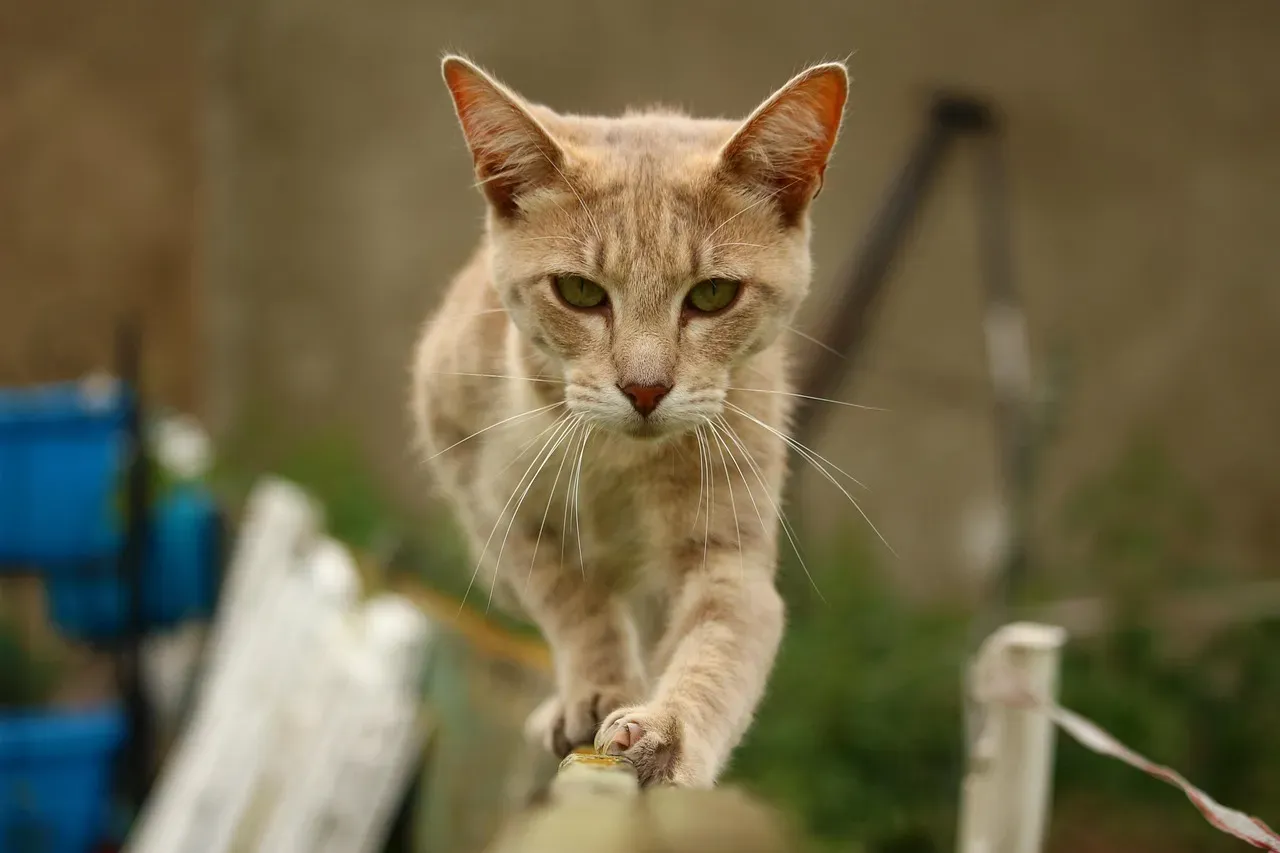
If you had to name the single most important secret behind your cat’s balance, this is it. The vestibular system is the primary sensory system that maintains balance and normal orientation relative to the earth’s gravitational field. Think of it like the gyroscope inside a smartphone that keeps your screen oriented correctly, except this one is microscopic, biological, and vastly more precise.
This system’s main function is to keep your cat balanced while they move around. It’s made up of an arrangement of nerves and fluid-filled canals that track where your cat’s head is in relation to gravity. It can tell whether or not your cat’s head is moving and, if it is, in which direction. Every twist, tilt, and turn your cat makes gets processed almost instantly, without them having to think about it for even a fraction of a second.
How Fluid and Receptors Send Signals to the Brain
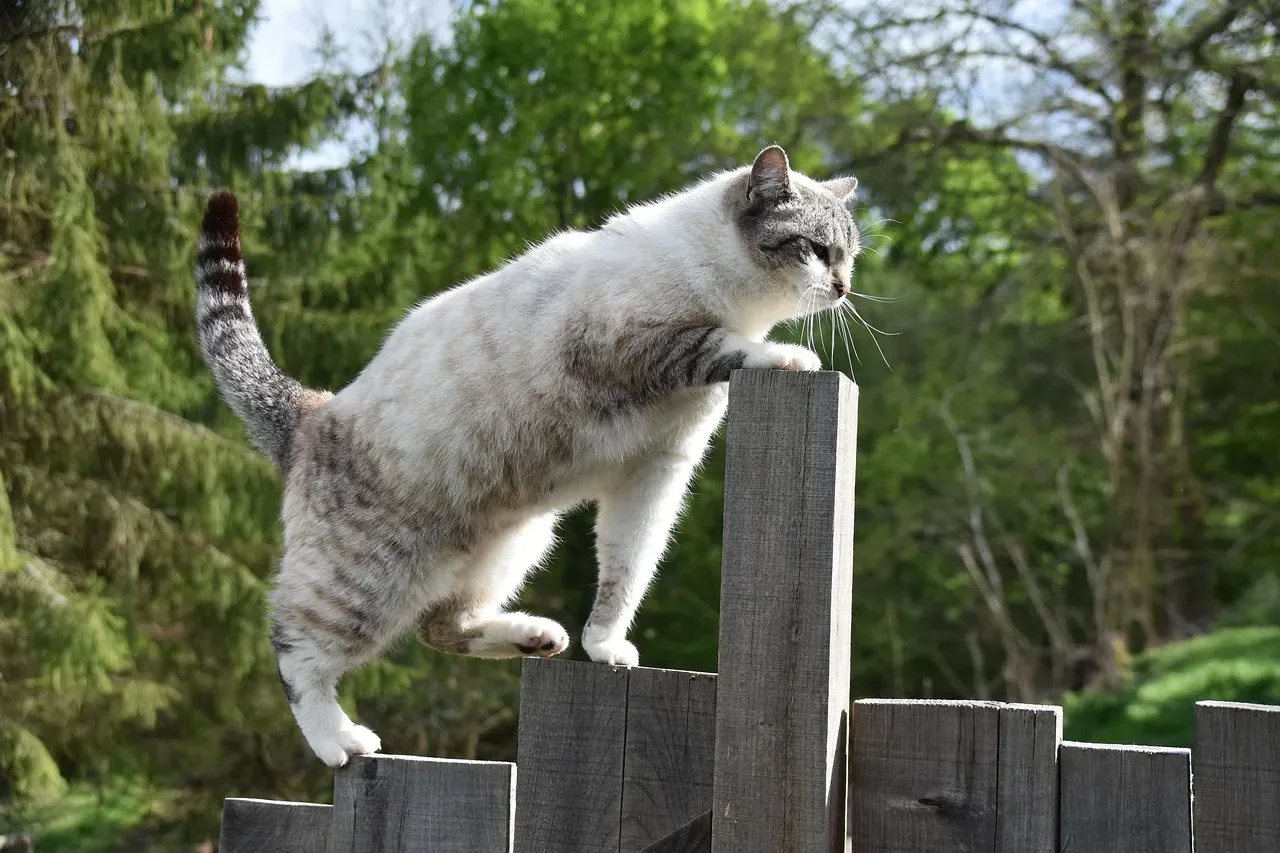
The fluid shifts as the animal’s head changes position, and corresponding signals are instantaneously sent to the brain; these signals register the position of the head relative to gravity. The vestibular apparatus tells the animal whether its head is motionless or moving and, if the head is moving, which way it is moving. It’s a real-time feedback loop, constantly updating, never pausing.
A cat’s sense of balance is normally maintained because the system also compensates for changes in position. If the animal turns one way or another, a signal is automatically sent to the muscles on one side of its body to adjust for the change in position, thus preventing the cat from tipping over. So when you watch your cat casually strolling across a narrow surface, that apparent ease is actually backed by hundreds of instant muscle corrections happening beneath the surface.
The Righting Reflex: How Your Cat Always Lands on Their Feet
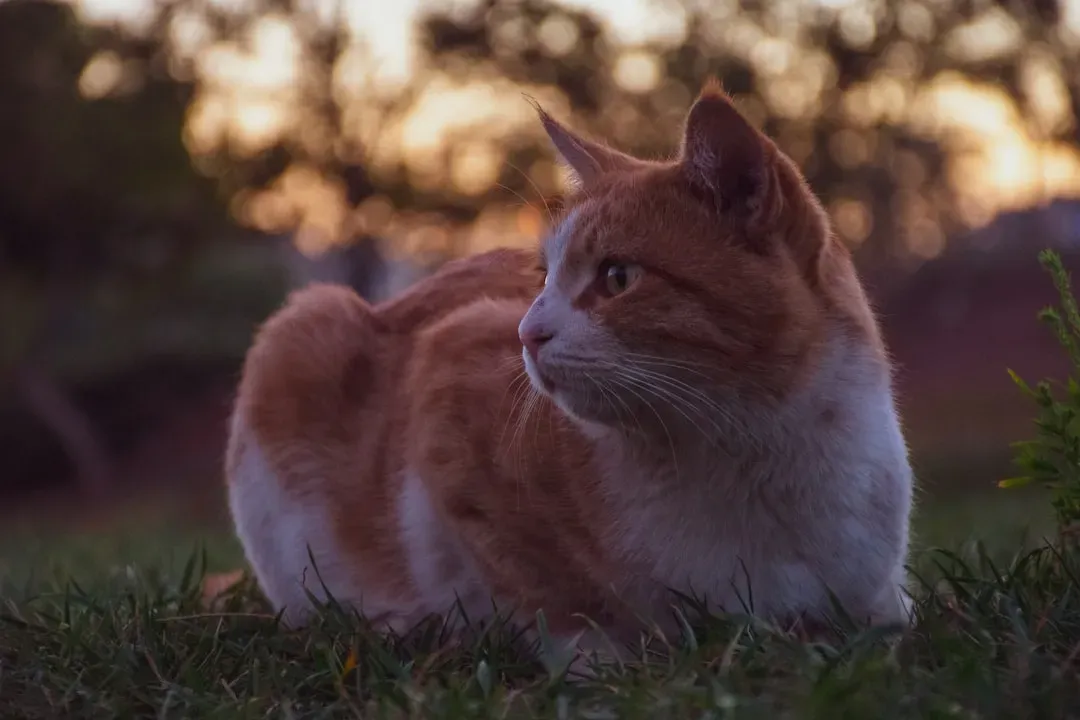
Here’s the thing that has baffled scientists for centuries. The cat righting reflex is a cat’s innate ability to orient itself as it falls in order to land on its feet. The righting reflex begins to appear at 3 to 4 weeks of age, and is perfected at 6 to 9 weeks. That’s right, your kitten is already practicing their physics before they’re even fully weaned. Remarkable.
This ability to land on all fours also has a neuroanatomical explanation: the righting reflex or response. Unlike a simple reflex, like a knee jerk, righting in animals is a complex reflex, meaning it’s tied to the conscious brain. Righting is a behavioral response to gravity that relies on the vestibular system, which includes otoliths in a cat’s inner ear that detect changes in its acceleration and position relative to the ground, prompting its muscles to move in a way that helps it land on its paws. This is not brute luck. This is elegant, coordinated biology.
The Physics of the Bend-and-Twist: A Century-Old Puzzle
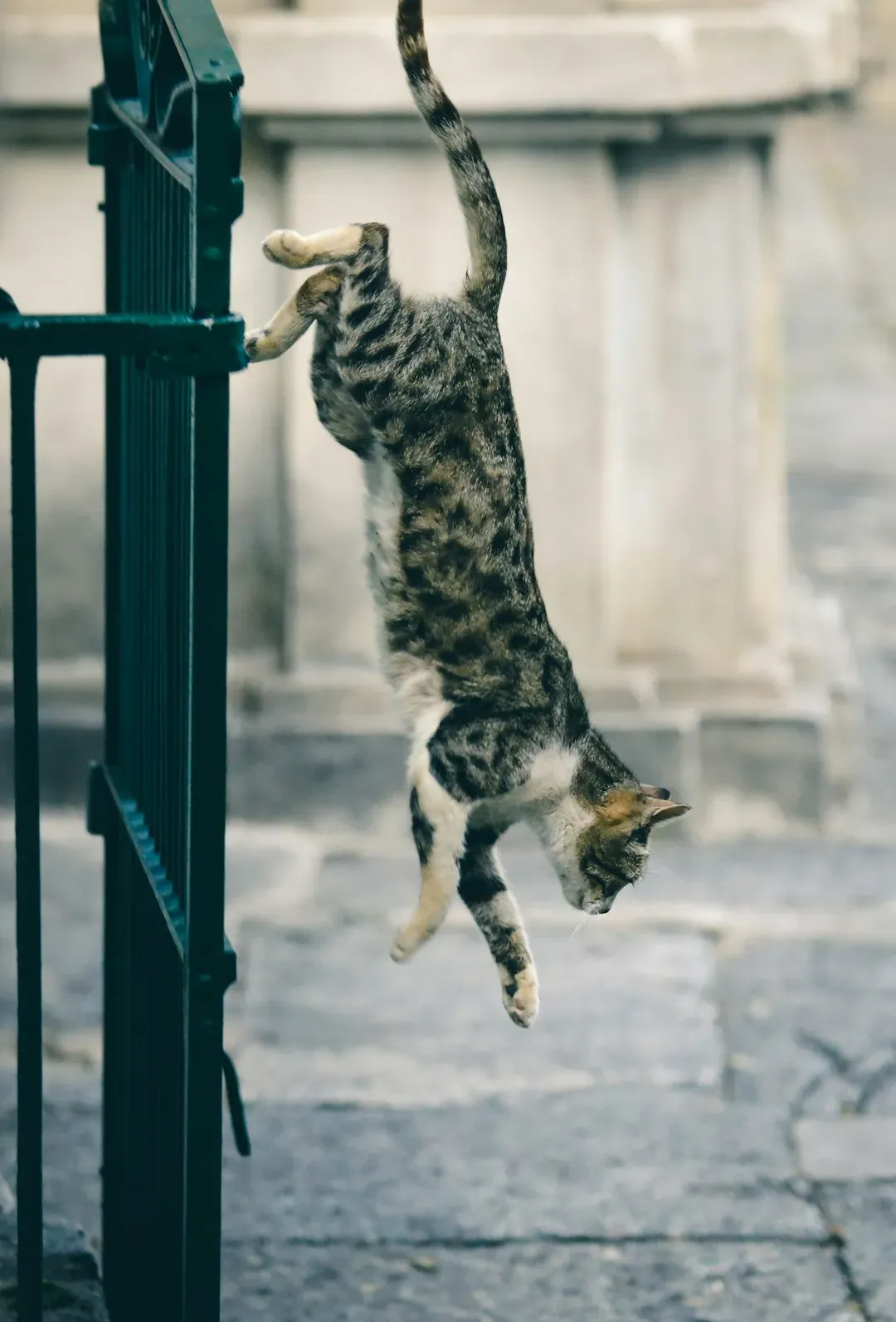
What perplexed researchers for so long about the righting reflex is fascinating in its own right. Research into the physics of the cat’s ability, often referred to as the cat-righting reflex, is almost as old as physics itself. The first research paper to tackle the subject was published in the year 1700 by a French scientist named Antoine Parent. I know it sounds crazy, but scientists were genuinely arguing about cats falling for nearly two hundred years.
If the cat bends at the waist, it can then twist the two halves of its body in opposite directions, causing their opposing angular momenta to largely cancel. When it unbends, its body will be oriented in a different direction, even though the cat had no angular momentum to start with. This motion, now known as the “bend-and-twist” model of cat-righting, is arguably the most important movement that a cat undertakes to turn itself over. Think of it like wringing a towel, except one side wrings one way and the other goes the opposite direction, and the result is a perfect, feet-first landing.
The Spine: A Masterpiece of Evolutionary Flexibility
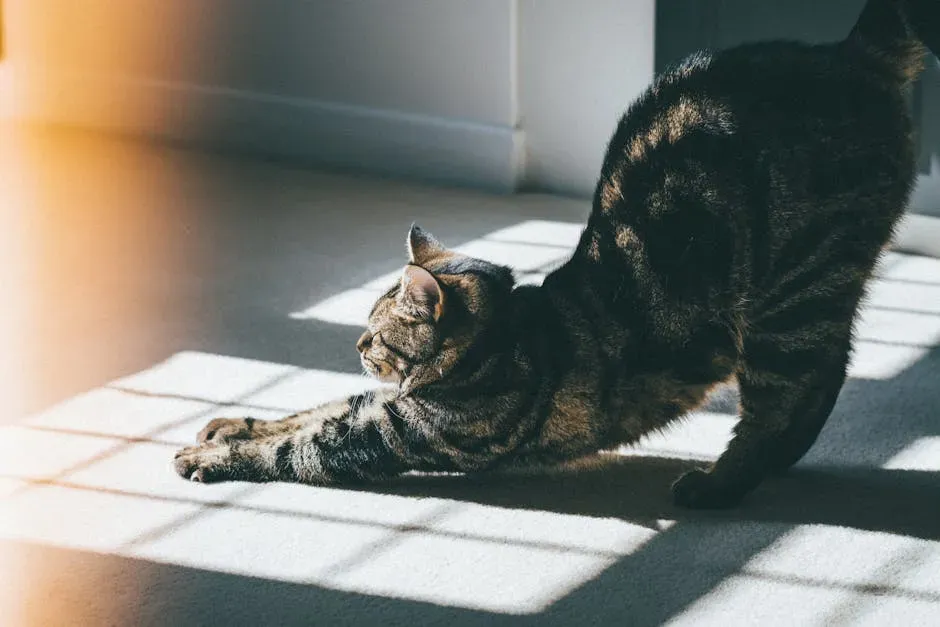
Your cat’s skeleton is not built like yours. Not even close. Cats have 53 vertebrae in their spine, with more than 20 of these in the tail. The first interesting point about cat anatomy is their vertebrae, the bones of the spine. Cats have a whopping 53 vertebrae, mostly due to having over 20 of these small bones throughout their long tails. These bones in a cat’s spine are very flexibly connected, with elastic cushioning discs between each one. You and I work with 33 vertebrae and still struggle to touch our toes.
This allows cats to rotate their bodies at angles of as much as 180 degrees, while typical humans rotate their torso about 90 degrees either way. This extreme rotation ability is one of the reasons why cats almost always manage to land on their feet. Felids, during intense activities such as jumping and sprinting, adjust their posture by twisting and stretching their body to disperse limb impact and minimize injury. That spine is doing an enormous amount of work, every single moment your cat is in motion.
The Collarbone Advantage: Why Your Cat Can Squeeze and Twist Like No Other
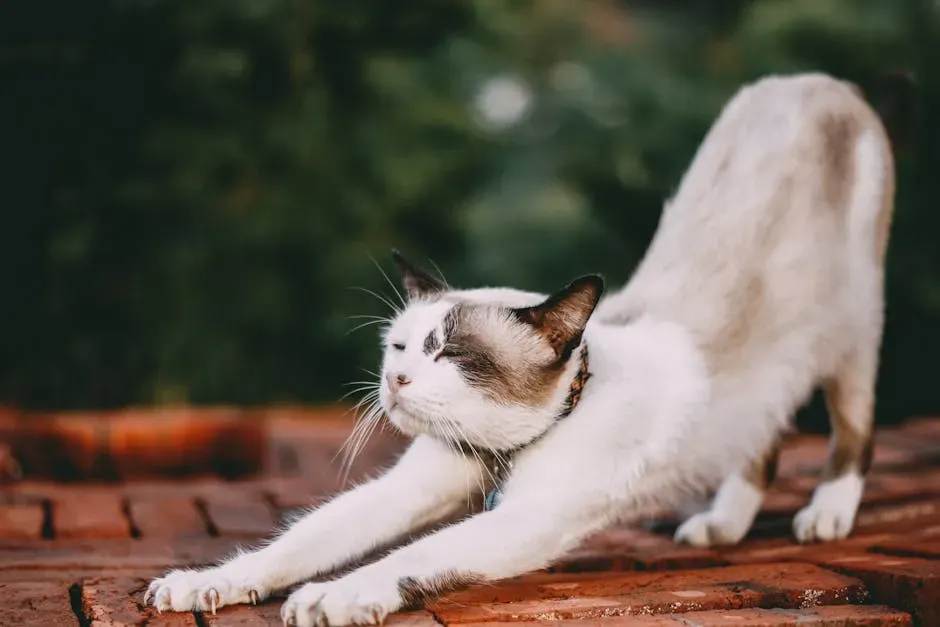
Let’s be real, you have probably watched your cat squeeze through a gap that seemed physically impossible and felt genuinely confused. Cats are able to do this because they have an unusually flexible backbone and no functional clavicle, or collarbone. That missing rigid bone is actually a superpower. Without it, the whole front structure of your cat’s body becomes remarkably mobile.
Contrary to humans and dogs, the feline shoulder blade is attached to the rest of the body only by muscles, not by bone. This gives cats the ability to lengthen their bodies for even greater strides. With these bones only attached to muscle, cats can quickly change direction and lengthen their strides while running. It’s a structural design that prioritizes agility and survival over almost everything else.
What Your Cat’s Tail Is Actually Doing
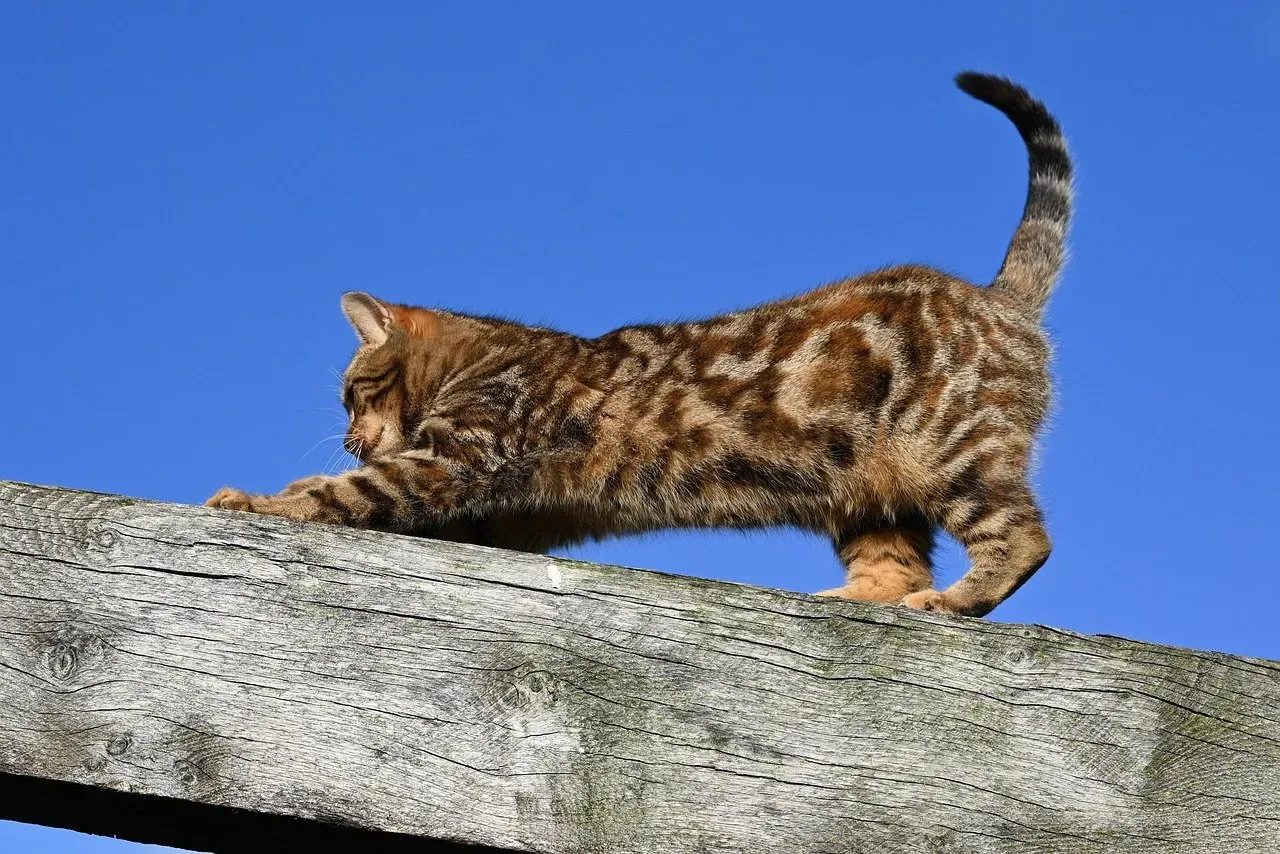
The tail is not just decorative, though it certainly looks good. Tails are a key communication tool for cats and they also help cats balance. By acting as a counterbalance, a cat’s flexible tail can keep them steady when they’re walking a fine line. Picture a tightrope walker extending their arms for stability, your cat’s tail works on exactly the same principle, just far more elegantly.
Research has actually put this to the test. When the beam was shifted, their tails were observed to move in the direction opposite to the direction of the plank. The cats could not properly move their tails to counteract the movement of the plank. This shows the cats’ reliance on their tails for balance when traversing across an elevated surface. Even so, it’s worth noting that some tailless cats manage remarkably well, since the rest of their balance system is so powerful.
The Role of Whiskers and Proprioception in the Balance System
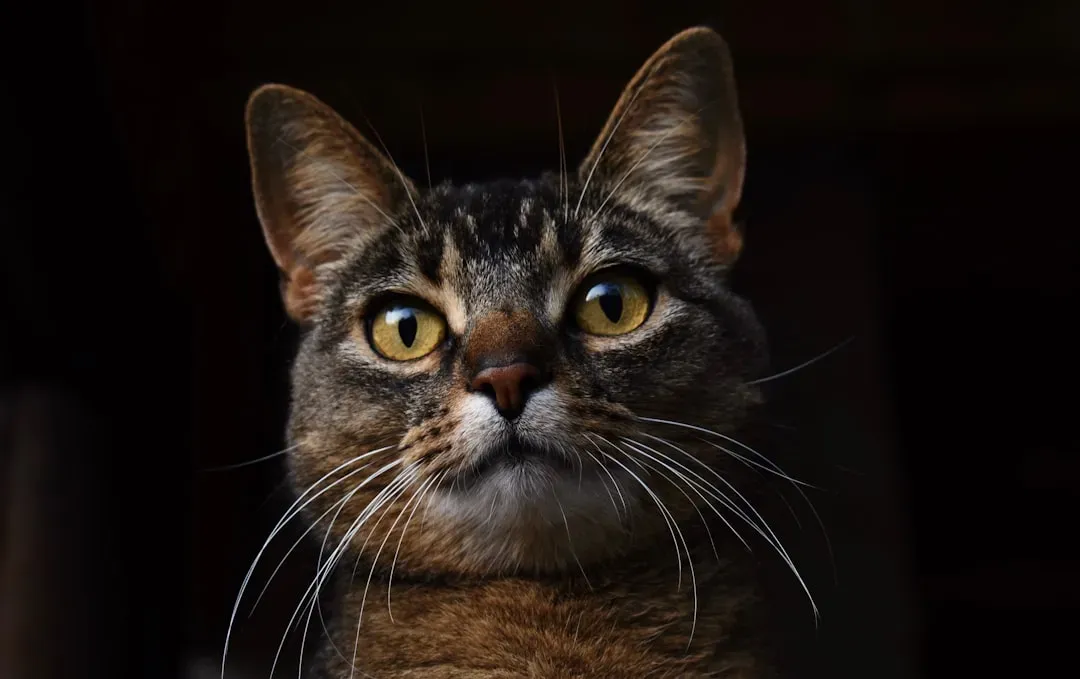
You may have heard the old tale that a cat’s whiskers are responsible for their balance. That is only partly true, and mostly a myth worth clearing up properly. Cat whiskers help with balance by providing supplementary tactile feedback that maps nearby space and detects air currents, while core equilibrium still relies on the inner ear’s vestibular system. So your cat’s whiskers are more like a support team than the main event.
Once whisker information arrives in the brain, it links up with the vestibular system, your inner ear balance network. Proprioception, the sense of body position, blends those signals to fine-tune posture and poise. That combination helps your cat adjust mid-leap or land with paws perfectly placed. Whiskers are so important for cats to sense and understand their environment that cutting them can be disorienting and cause them significant stress. So treat those whiskers with respect. They are working harder than you think.
Conclusion: A System Built for Survival, Perfected Over Millions of Years
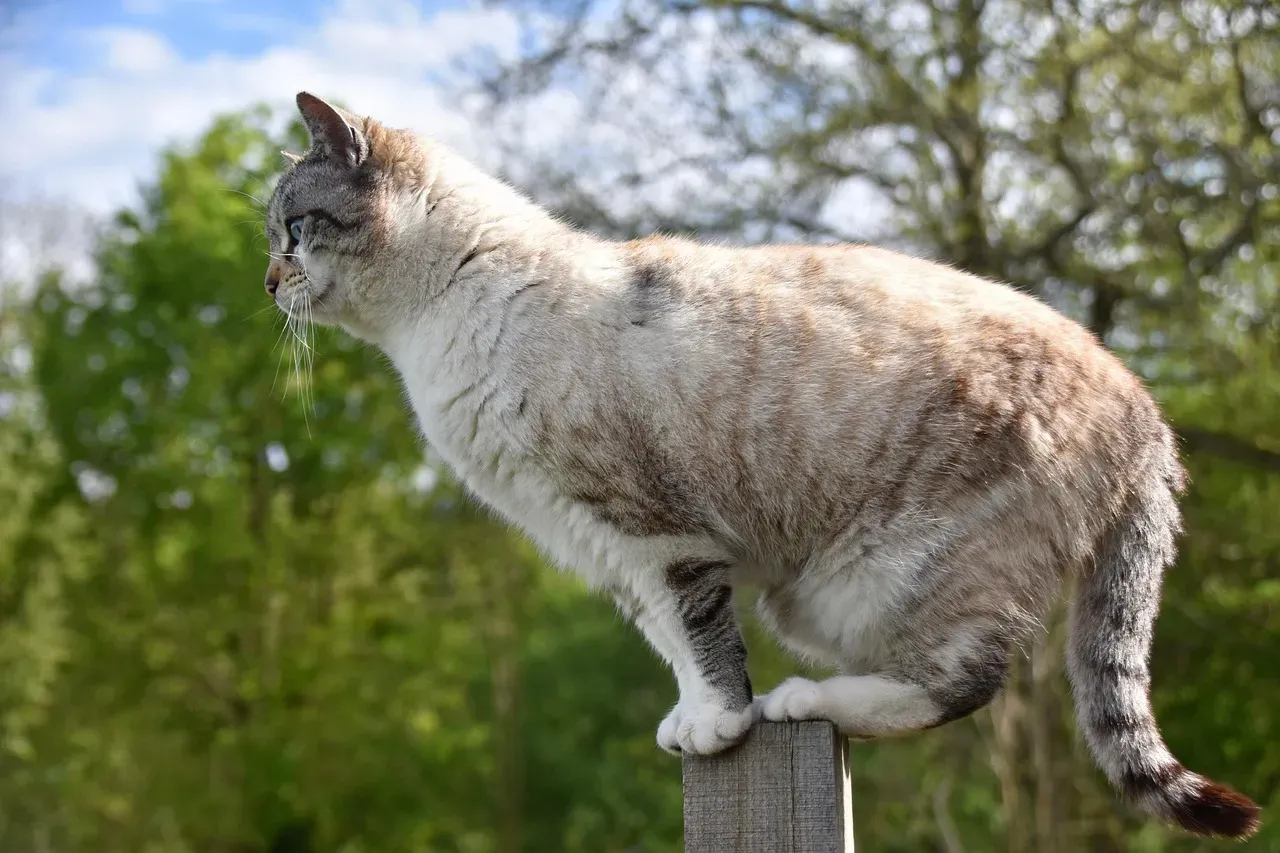
When you step back and look at all of it together, it’s genuinely humbling. Your cat is walking around with a biological GPS, a self-correcting gyroscope, a spine that would make yoga instructors envious, and a sensory network fine-tuned by millions of years of evolutionary pressure. Every single graceful leap, every confident strut across a bookshelf, every impossible midair twist, is backed by layers of biology working in perfect harmony.
Honestly, the next time your cat glances down from a high shelf with that detached, slightly superior look in their eyes, maybe they’ve earned it. They really are operating on a level that science is still working hard to fully understand. What’s even more astonishing is that your cat does all of this without a single conscious thought. It just happens. What would it feel like to move through the world with that kind of total, instinctive confidence? Tell us what surprised you most about your cat’s incredible design in the comments.