You’re deep asleep. Suddenly, the thunder of tiny paws ricochets off the hallway walls, a vase wobbles dangerously on the shelf, and your ankles become the target of an invisible predator. Your cat – that serene, sleepy creature who spent roughly sixteen hours doing absolutely nothing today – has apparently gone completely feral.
Sound familiar? If you share your home with a cat, you already know this chaotic midnight ritual intimately. But the real question is: what on earth is actually going on? The answer is surprisingly fascinating, rooted in millions of years of feline evolution, and honestly a little bit wild. Let’s dive in.
The Science Has a Name for It: Welcome to the FRAP Zone
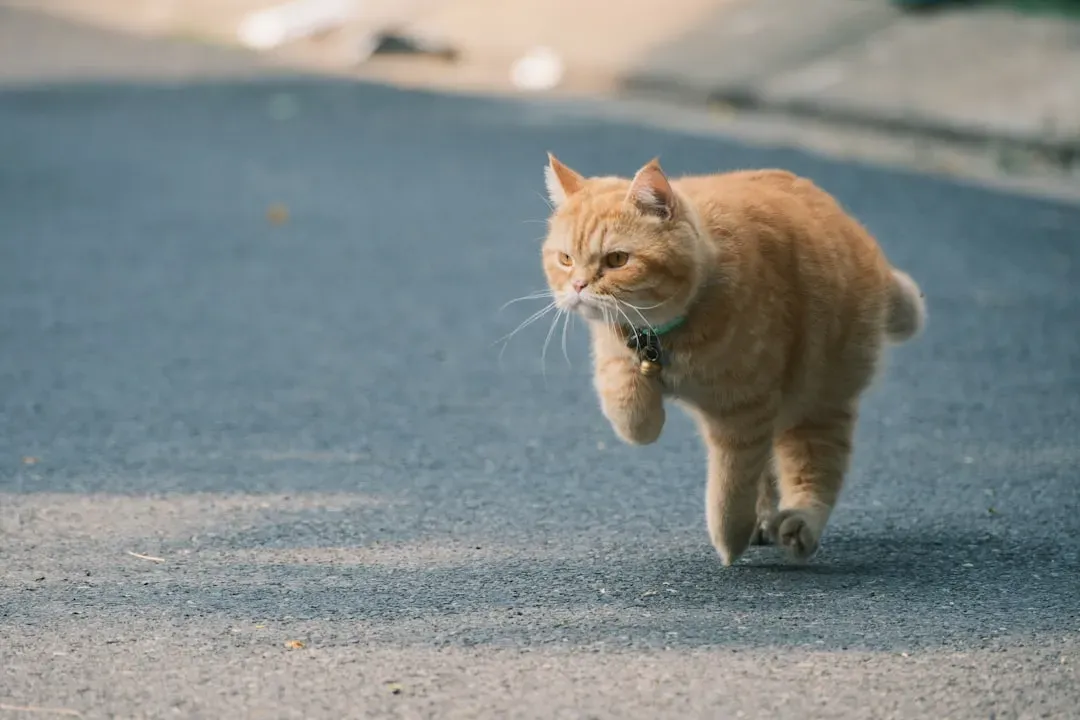
Those explosive, seemingly random bursts of energy that your cat experiences are officially called Frenetic Random Activity Periods, or FRAPs, also known colloquially as zoomies, scrumbling, midnight crazies, or mad half-hours. Yep, science really did name this thing, and honestly, it deserved naming. It’s too spectacular to ignore.
A FRAP is essentially a sudden expression of your cat’s pent-up energy where they will run in a frantic, energetic, playful manner, usually for a fairly short time of around five to twenty minutes at most. Think of it like a phone battery that charges silently all day and then discharges in one spectacular burst. That’s basically what’s happening inside your cat at midnight.
Your Cat Is Not Nocturnal – Here’s What They Actually Are
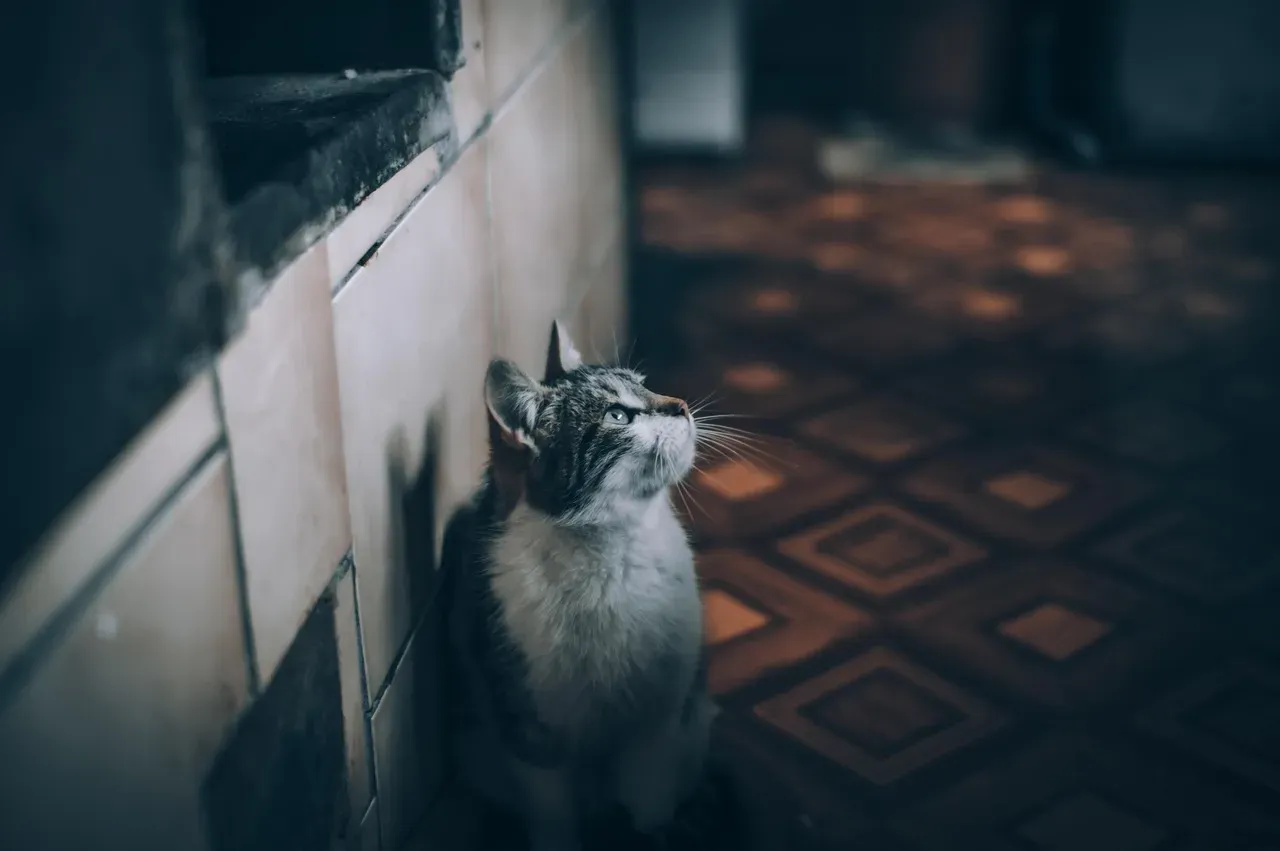
Here’s the thing most people get wrong. You may have read somewhere that cats are nocturnal, meaning they are most active at night. That is actually a myth. Cats are crepuscular, which means that their peak hours of activity are at dusk and dawn. That single fact changes everything.
Cats are naturally most active at dawn and dusk due to their biological need to take advantage of cooler times of day in order to more effectively hunt. So those 4 AM sprints you’re suffering through? Your cat isn’t trying to terrorize you. They’re essentially hitting their biological prime time. It just happens to clash spectacularly with your sleep schedule.
The Deep Evolutionary Roots of the Midnight Chase
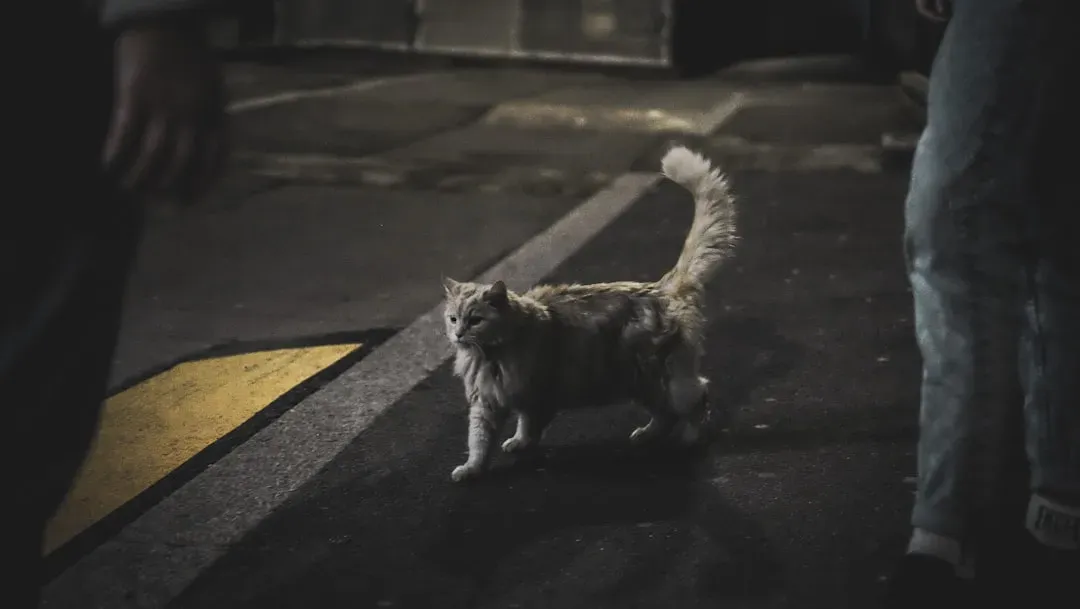
Cats spend a lot of their time sleeping – around twelve to eighteen hours a day. This is something of a holdover from their big cat ancestors who similarly spent much of their days at rest to reserve their energy for fairly short, yet very physically taxing hunts. Your living room couch potato is secretly running on lion software.
It’s possible that cats get the zoomies as a way to fulfill their very catness: sleep, sleep, sleep during the hot desert days, like their ancestors, and then, when the sun goes down, burn all that accumulated energy in a few minutes of crazy. There’s something almost poetic about that, honestly. Every midnight zoom is an echo of the savanna.
Why Indoor Cats Get It Worse
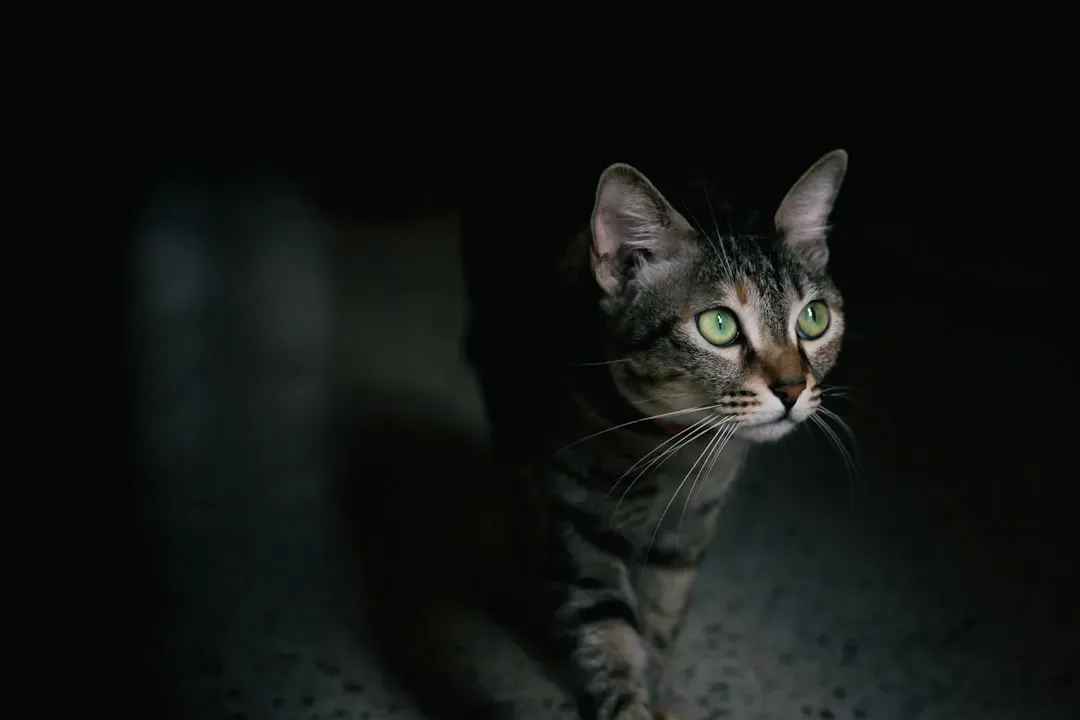
Indoor cats, especially, may store up excess energy that needs an outlet. Zoomies are a fun and natural way for them to stay active. When you think about it, this makes perfect sense. An outdoor cat would spend its twilight hours stalking, pouncing, and patrolling territory. Your indoor cat has a hallway and your sleeping feet.
If zoomies occur frequently in the evenings or at night, that can be a sign that your cat hasn’t gotten enough exercise throughout the day. It’s not a behavioral problem. It’s more like your cat sending you a very energetic memo about their unmet needs. The memo just happens to arrive at 3 AM and involve your bedroom curtains.
The Incredible Night Vision Connection
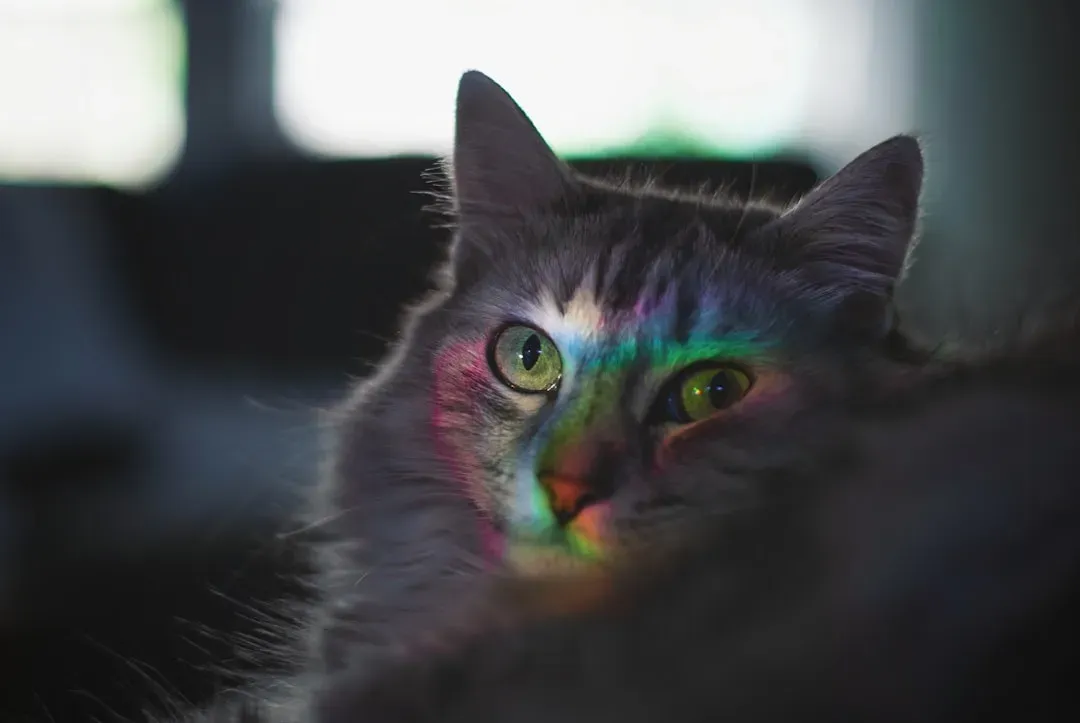
Becoming crepuscular is a terrific adaptation for cats. Sunrise and twilight are typically light enough for them to see and hunt with their incredible eyesight, but dark enough for them to avoid being caught by another predator. They’re not stumbling around in the dark – they’re thriving in it.
The tapetum lucidum, a reflective layer in the eyes of cats, enhances vision under low-light conditions, enabling a superior hunting instinct during twilight. That eerie glow you see when light hits your cat’s eyes at night? That’s the tapetum lucidum doing its job. Your cat isn’t spooky. Your cat is just magnificently engineered for the exact conditions that make you reach for a flashlight.
The Strange Post-Litter Box Zoom Explained
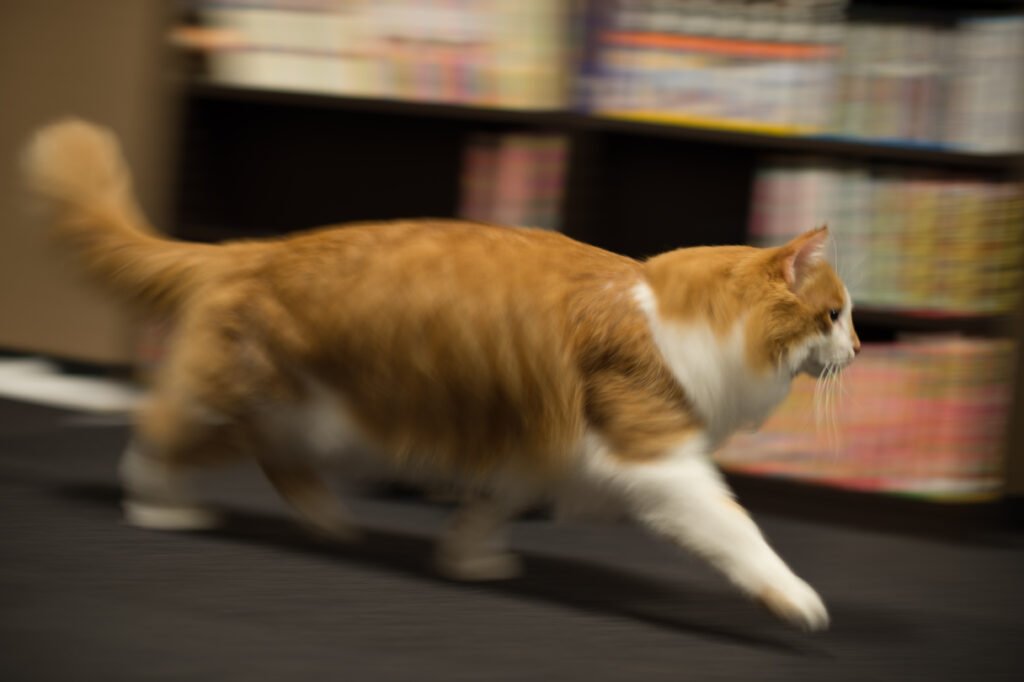
Okay, I know I’m not alone in noticing this one. Your cat uses the litter box, then immediately sprints across the house like they’ve been launched from a catapult. It turns out there’s real science behind this particular brand of weirdness.
When your cat finishes pooping, their vagus nerve is triggered. This causes their blood pressure and heart rate to drop, giving them a slightly lightheaded, euphoric feeling post-poop. This can also result in a brief burst of energy for them. So your cat isn’t celebrating in a comedic sense. They’re experiencing a genuine neurological response that sends a little jolt of energy through their system. Humans, by the way, also have a vagus nerve, and it functions similarly from animal to animal, meaning it works mostly the same way in your body too.
When Zoomies Signal Something More Serious
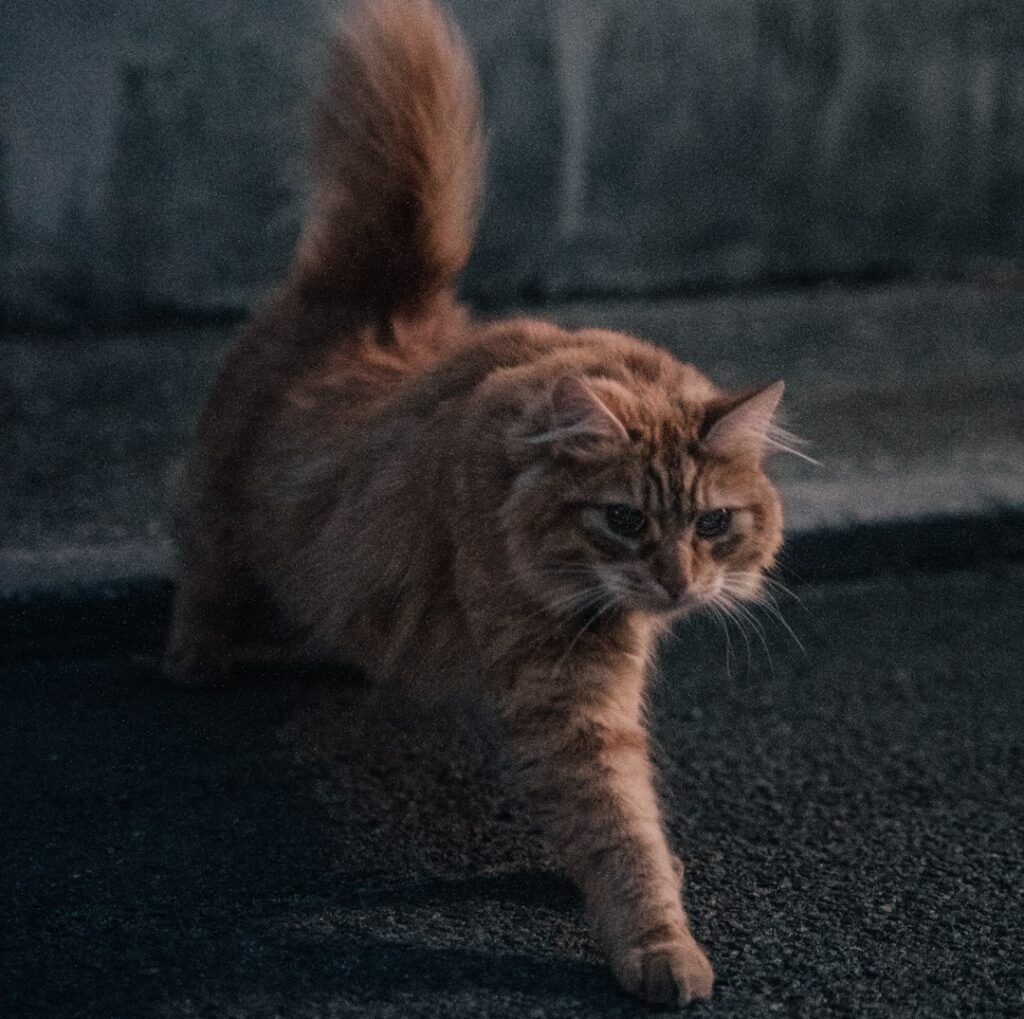
Most of the time, zoomies are completely harmless and even a sign of good health. I think most cat owners intuitively know the difference between “happy chaos” and “something feels wrong.” Still, it’s worth knowing the line.
In some cases, cat zoomies may be a symptom of an underlying medical condition. Feline hyperthyroidism, a common hormonal disorder in cats, can lead to increased activity levels and restlessness. If your cat is displaying frequent and prolonged episodes of zoomies accompanied by other symptoms such as weight loss, increased thirst, or changes in appetite, it is important to consult a veterinarian for a thorough examination and appropriate diagnosis.
In senior cats, zoomies are sometimes a sign of dementia and cognitive decline related to conditions such as cognitive dysfunction syndrome. Senior cats suffering from changes in sight, hearing, and their sense of smell may also start displaying frequent bouts of the zoomies. So while a playful young cat sprinting around at midnight is almost always fine, a senior cat suddenly developing new zooming habits deserves a closer look.
Practical Ways to Reclaim Your Sleep
Let’s be real: understanding zoomies is satisfying, but surviving them at 2 AM is a whole other challenge. The good news is you have real, practical options that work with your cat’s natural biology rather than against it.
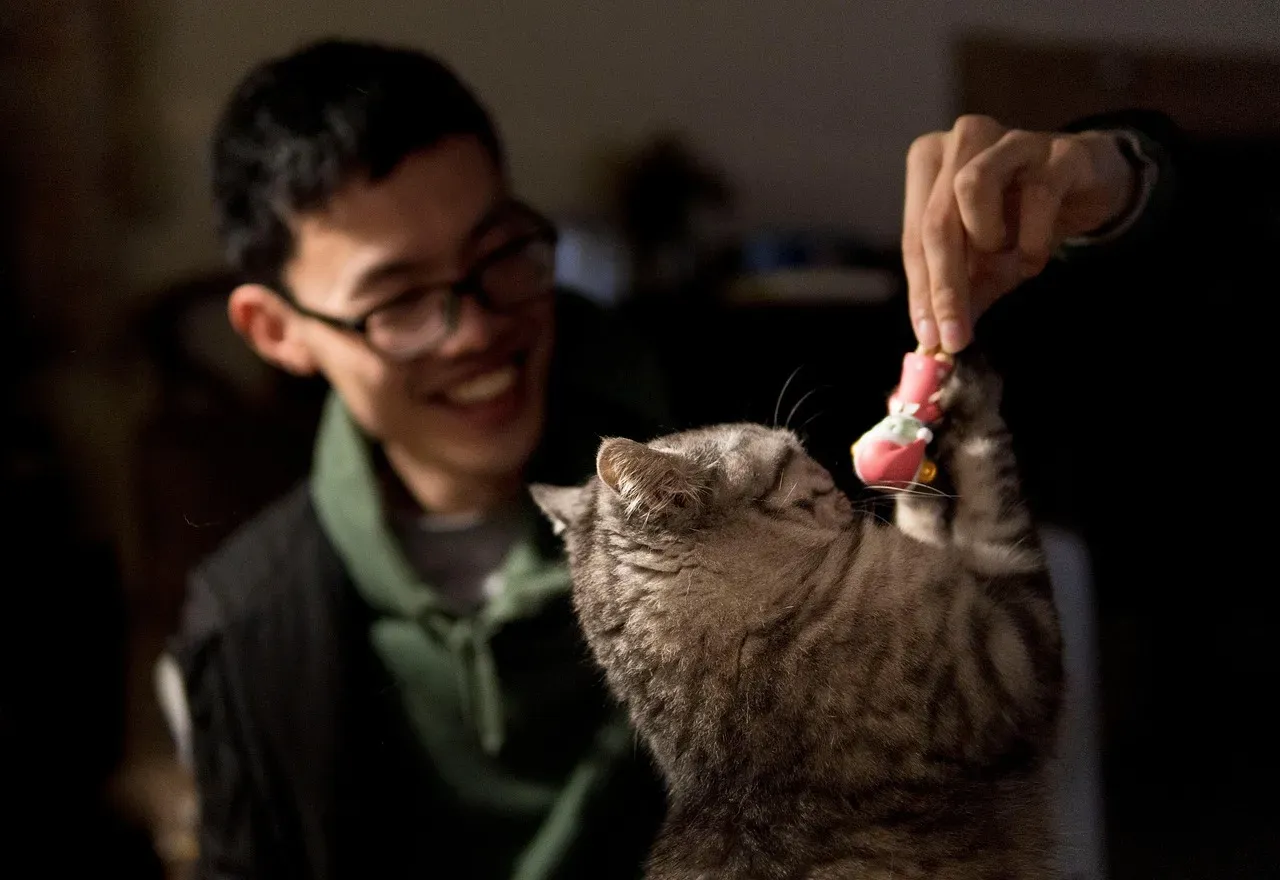
A focused ten to twenty minutes of interactive play before bed can dramatically cut down on 3 AM zoomies for many cats, but it only works if you pair it with the right feeding schedule and a calm bedtime routine. Think of it as a controlled energy burn. You’re essentially pre-emptying the midnight madness by giving your cat a sanctioned outlet earlier in the evening.
Feeding your cat right before bed taps into their natural hunt-eat-groom-sleep sequence. A small, satisfying meal helps trigger sleepiness and encourages your cat to settle in for the night. This strategy is gold. Cats are wired to rest after a successful hunt and meal. You’re basically hacking that ancient program by timing dinner right. A cat that feels mentally stimulated, physically tired, and emotionally secure is less likely to disrupt your rest. The key lies in consistency: daily play, structured feeding, and environmental enrichment.
Conclusion: Chaos, But Make It Evolutionary
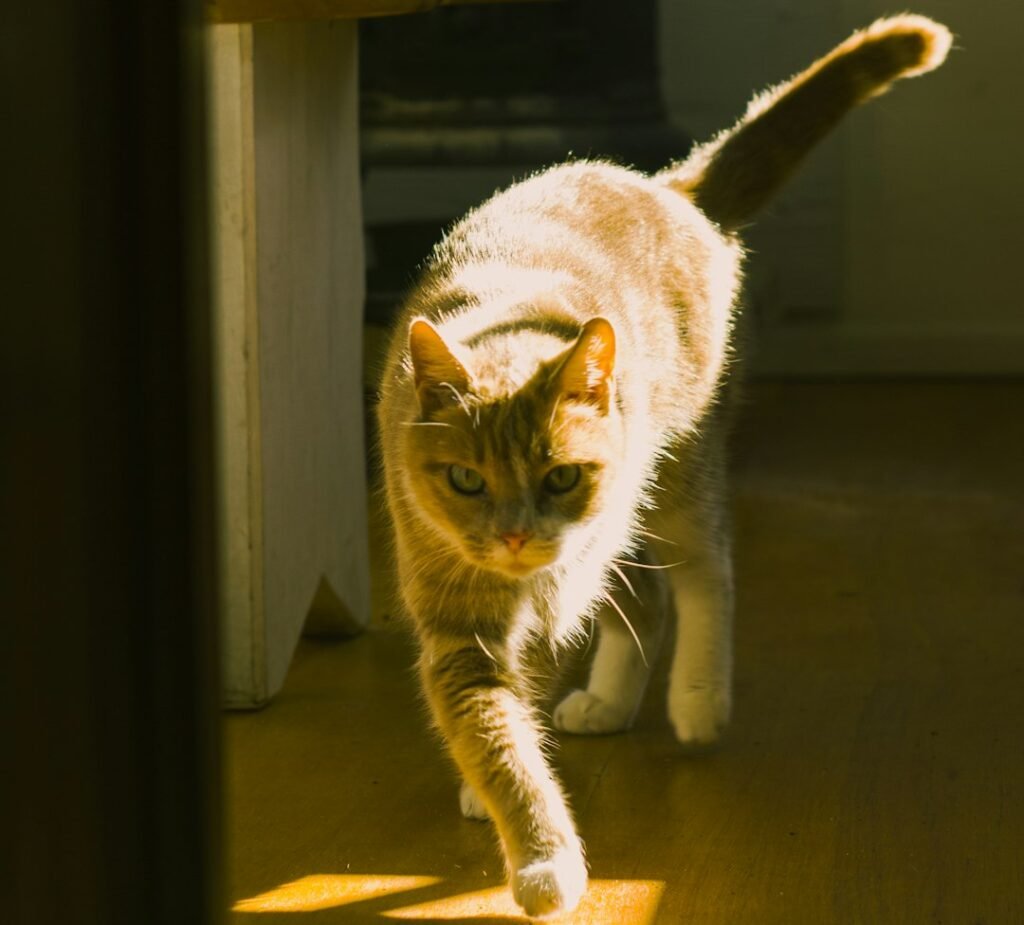
Your cat’s midnight zoomies are not a glitch in the system. They’re the system working exactly as designed by millions of years of feline evolution. A twilight hunter, running on big-cat instincts, trapped in a cozy apartment, doing what biology demands – even if that means using your sleeping face as a launchpad.
This behavior is deeply tied to your cat’s need for physical activity and mental stimulation. Rather than seeing zoomies as hyperactivity, it’s best to recognize them as a sign of a healthy and happy cat with energy to expend. Honestly, that reframe makes those 3 AM sprints almost endearing. Almost.
The real takeaway? Your cat isn’t being dramatic or difficult. They’re being a cat in the most authentic, ancestral, wild-at-heart way possible. Work with that instinct rather than against it, and both of you might actually get some sleep. Did you ever think something so disruptive could be such a perfect sign of good health? What do you think – has your cat’s midnight madness started to make more sense now? Share your own zoomies story in the comments!